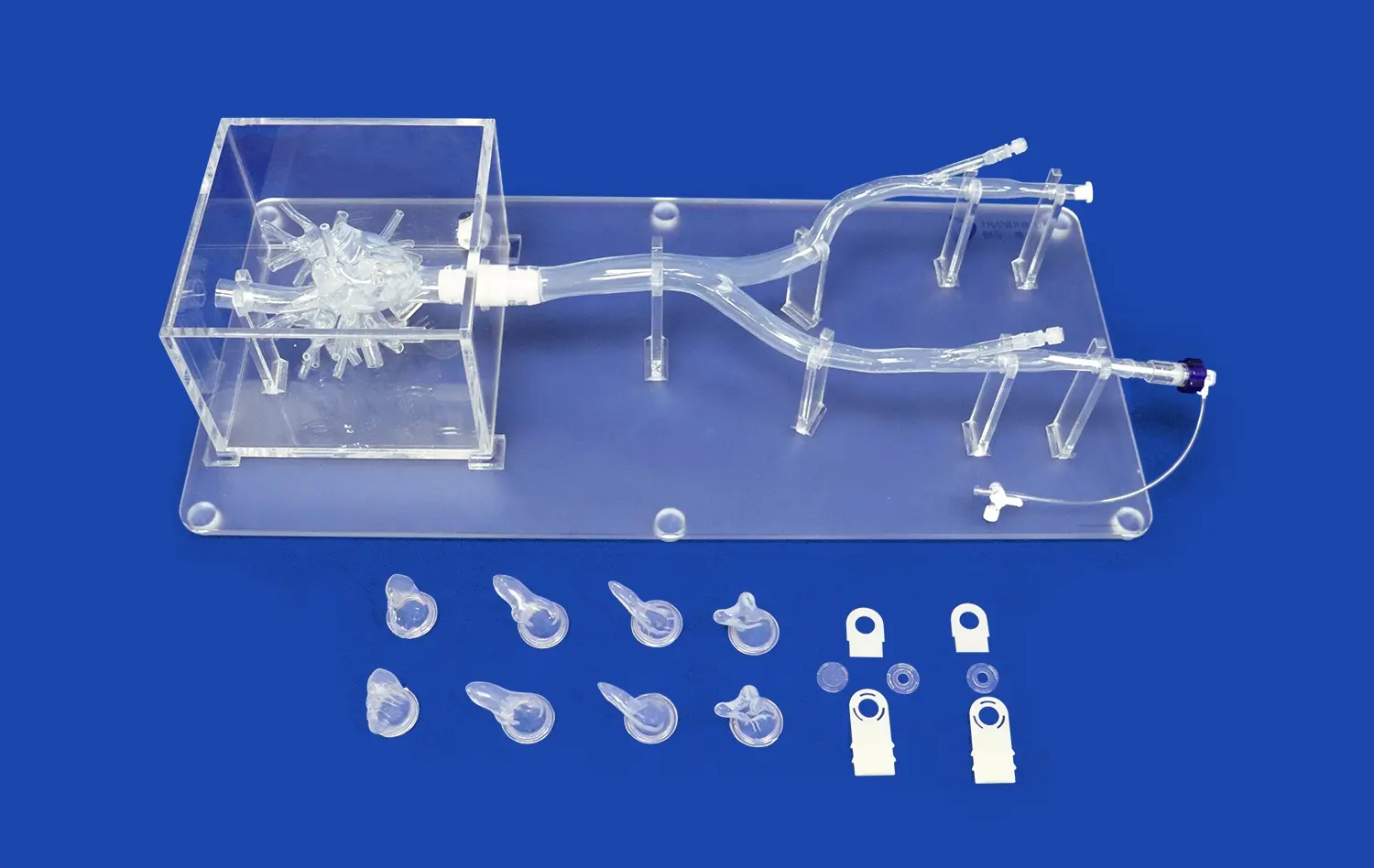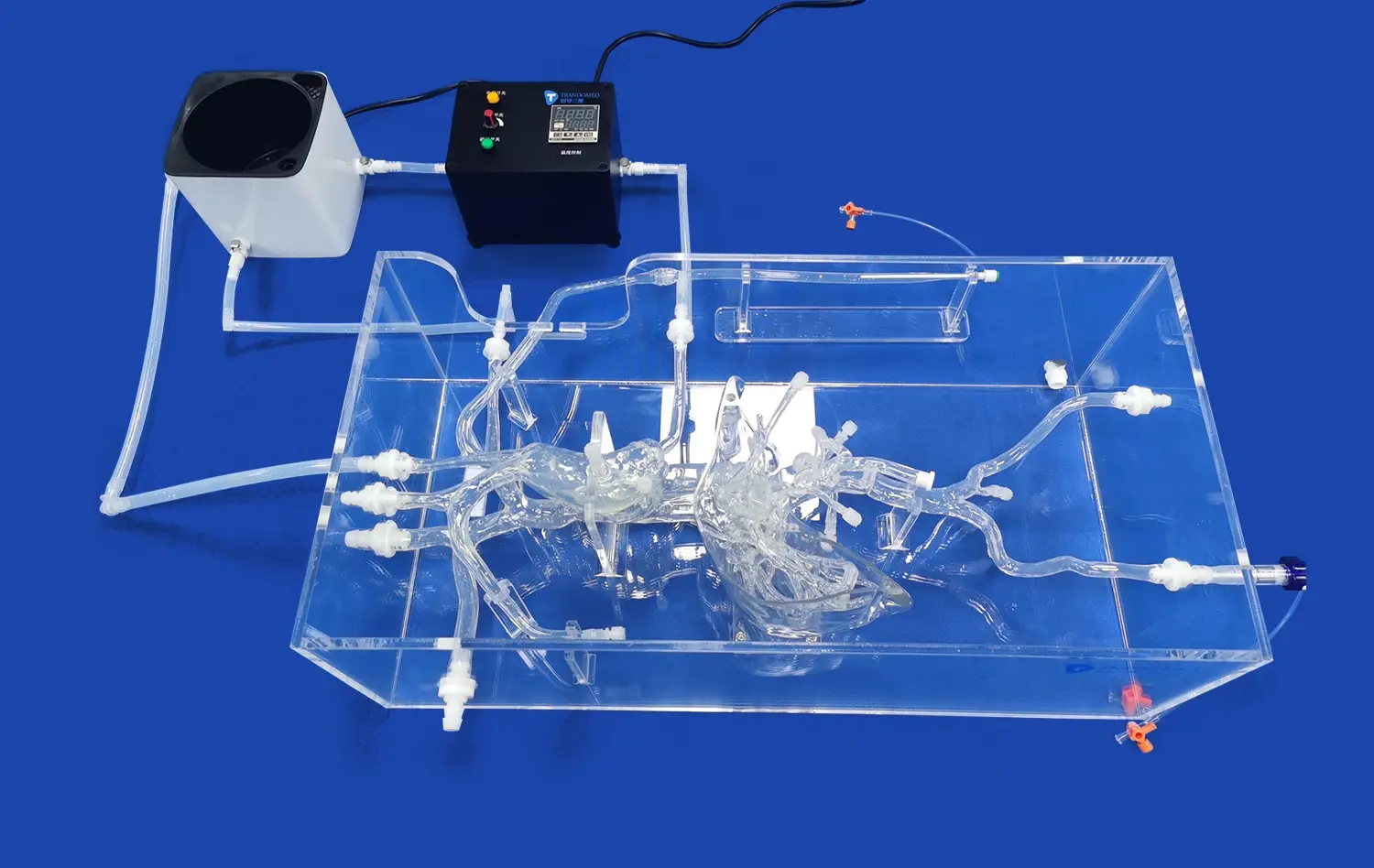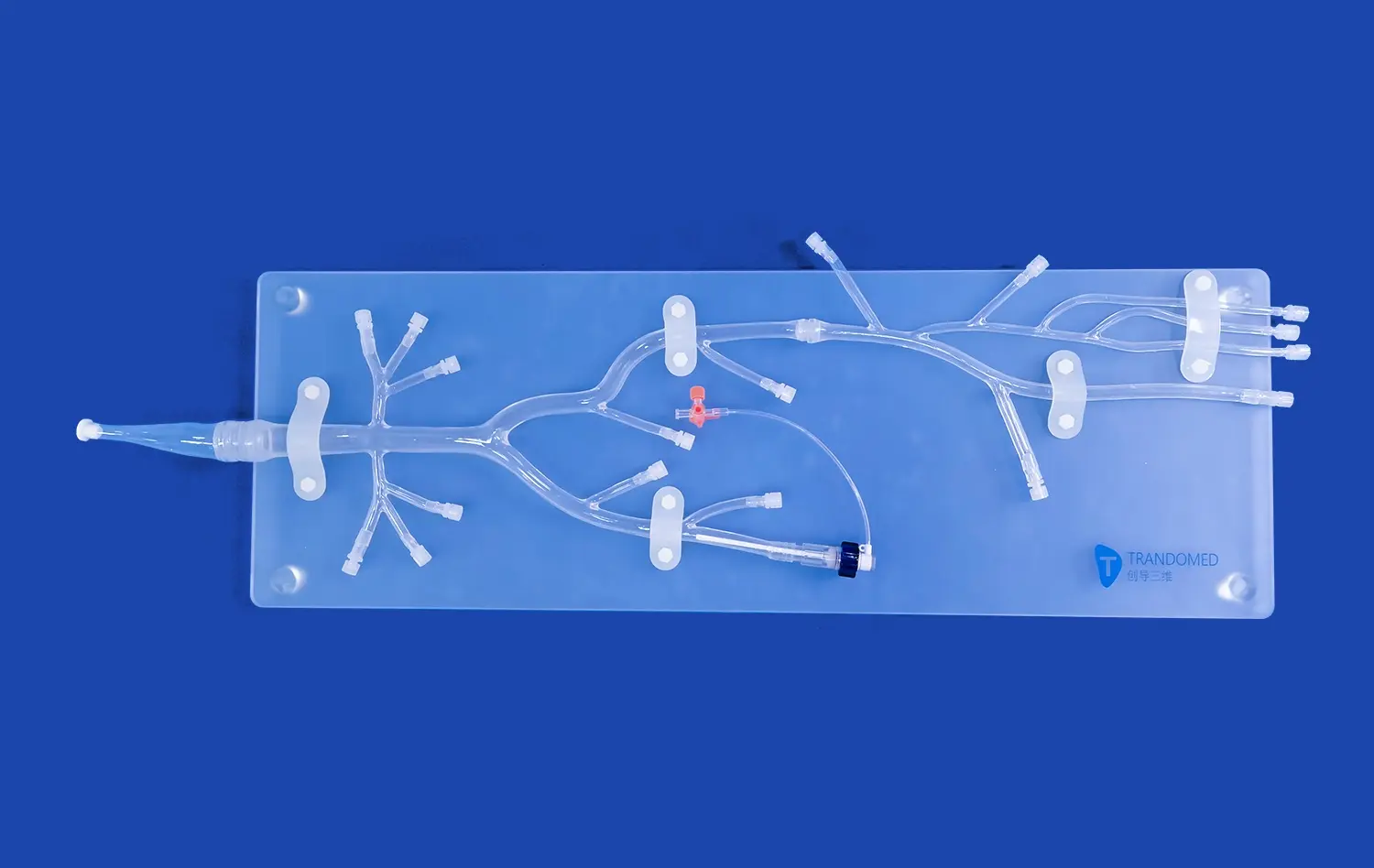

The 360-Degree Transparent PICC Model represents a grounding advancement in medical education technology, offering healthcare institutions an anatomically precise simulation tool that revolutionizes how medical professionals learn peripherally inserted central catheter procedures. This innovative PICC model combines cutting-edge transparency features with realistic venous system replication, enabling trainees to visualize internal structures while practicing catheter insertion techniques. Medical schools, hospitals, and training centers worldwide are discovering that transparent simulation models dramatically improve learning outcomes by providing comprehensive visual access to the complete venous pathway from arm to superior vena cava, transforming traditional training methodologies into immersive educational experiences.
Understanding the 360-Degree Transparent PICC Model
Advanced Visualization Technology
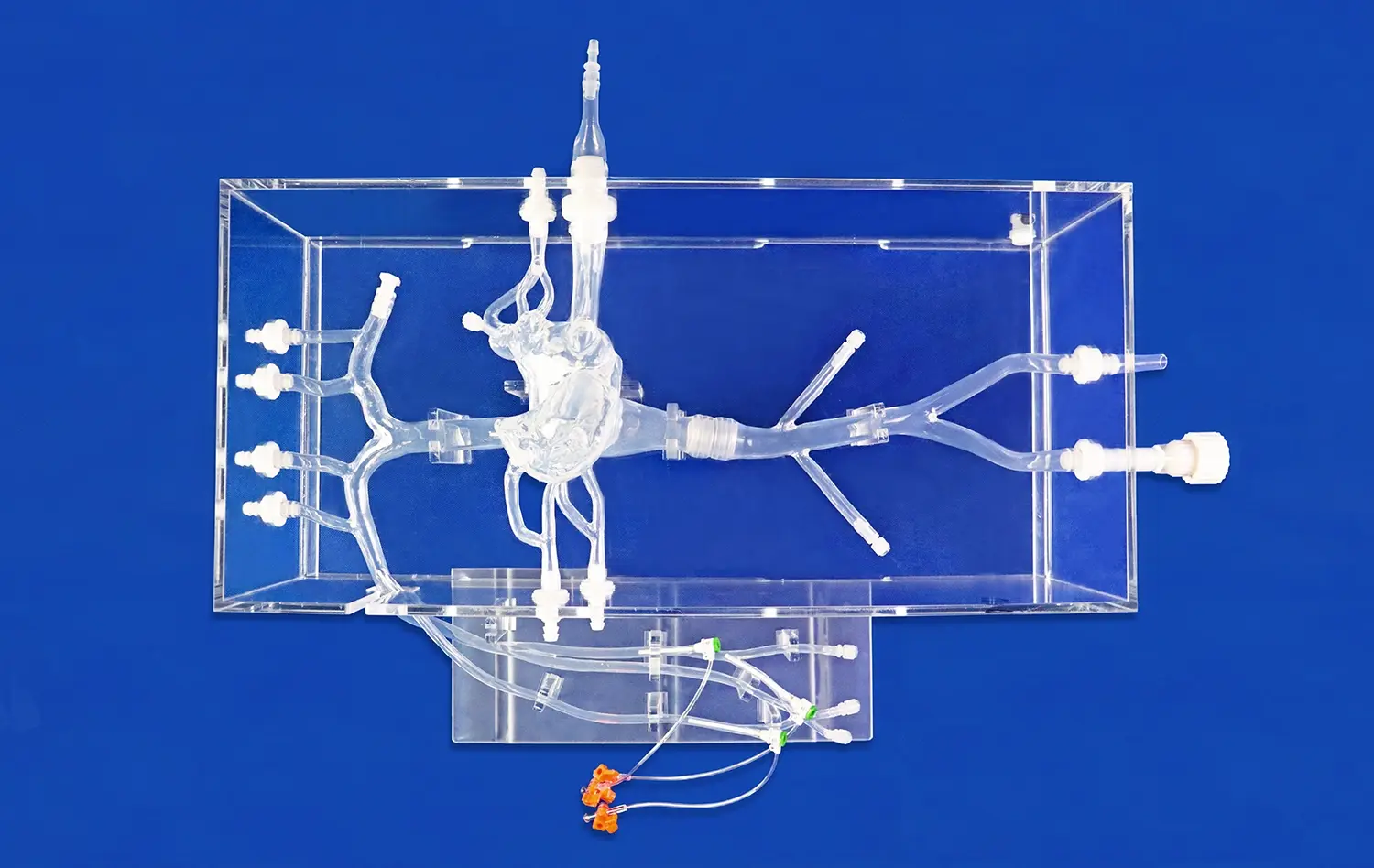
The transparent PICC model is made of cutting-edge silicone Shore 40A and is enclosed in a completely clear plastic shell. This makes it the perfect teaching tool for medical students. This clever design lets teachers and students watch the whole process of inserting a catheter from different angles, giving them information that wasn't possible with older, less clear models. The transparency feature lets you see the tube moving through the veins in real time, which helps students learn how body parts are connected in space and improve their precise procedure skills.
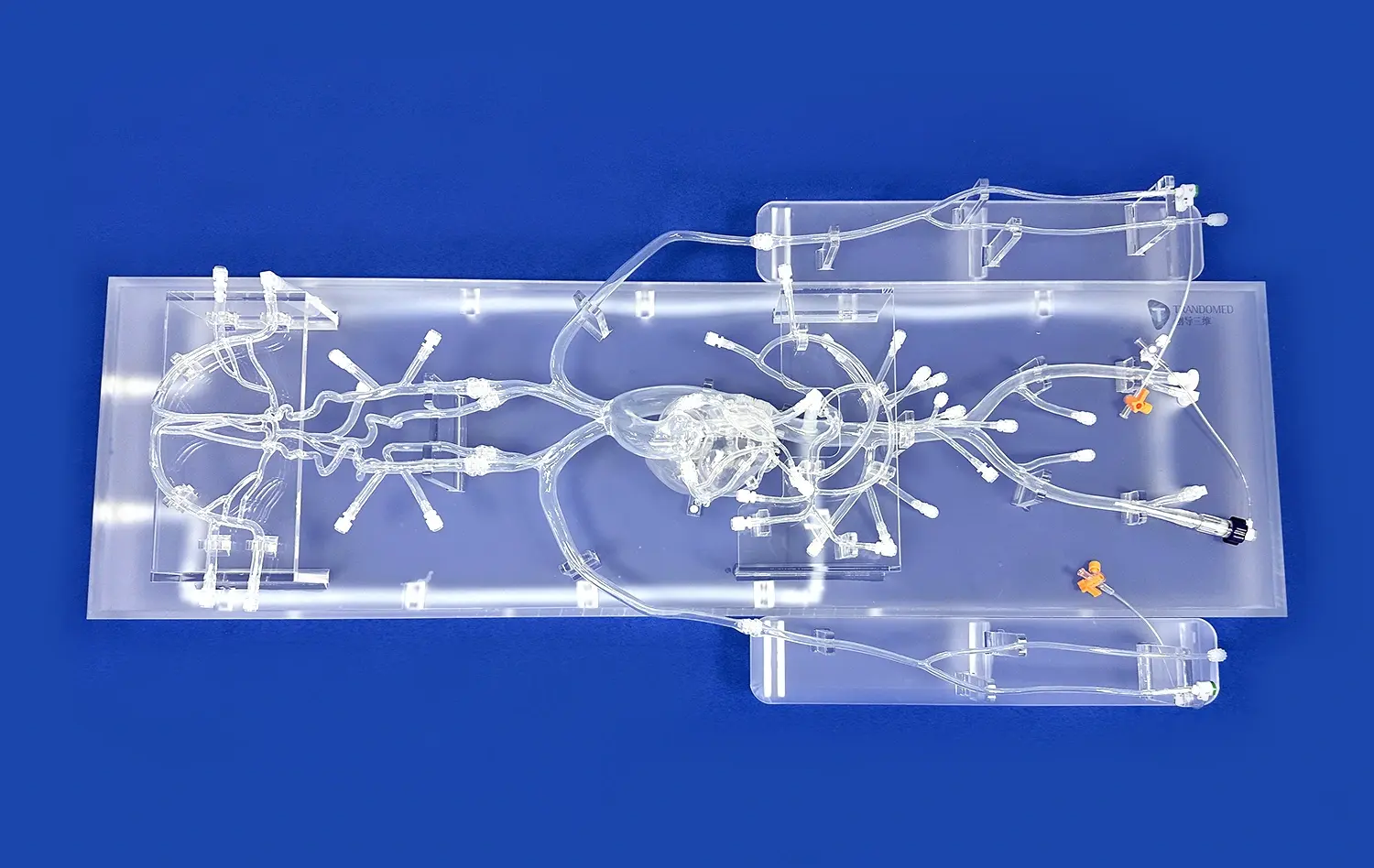
The XXS007 model from Trandomed has carefully planned venous pathways that connect to the superior and inferior vena cava and the right atrium. These pathways include the brachial, basilic, cephalic, underarm, subclavian, brachiocephalic, and jugular veins. This detailed anatomy model makes sure that medical workers get full training on the whole PICC line placement process, getting them ready for the wide range of clinical situations they will face in real life.
Realistic Spatial Structure Design
The model's clear plastic housing and support fittings make it easier to see the spatial shape of the object while keeping its structural integrity over many training sessions. Puncture valves are strategically placed at key insertion points, such as the basilic, cephalic, brachial, and median cubital veins. This allows for real physical feedback during modeling exercises. This realistic design method helps bridge the gap between what you learn in school and what you can do in real life. It also helps trainees build muscle memory and confidence before they work with actual patients.
Medical trainers like how the three-dimensional transparency shows relationships between body parts that aren't shown in standard training models. Students can watch how catheters move through split vessels, learn the right way to move the catheter forward, and spot possible problems before they happen in a clinical setting.
Core Benefits and Use Cases of the Transparent PICC Model
Enhanced Training Effectiveness
The clear PICC model makes training much more effective by letting people practice procedures step by step while getting full visible feedback. Medical schools say that trainees' confidence and skill levels improve a lot when they use open computer models instead of traditional training tools. Being able to see the placement of a catheter from all sides speeds up the learning process and lowers the risk of mistakes during the initial training stages.
The model is long-lasting and can be used again and again, which makes it a great investment for schools looking for long-term training options. The building of the Silicone Shore 40A can survive thousands of training rounds without losing its anatomical accuracy or functional integrity. Over time, this stability saves institutions money because they don't have to buy as many one-time-use training tools and expensive body parts.
Strategic Procurement Value
The transparent simulation model is useful for more than just instruction; it also helps the organization in many other ways, across many areas. Medical device companies use these models to create, test, and approve new tubes, guidewires, and other related intervention devices. In research labs, they are used for physical studies and to test prototypes. In marketing departments, they are used for showing off products and giving educational talks.
The plan meets foreign standards for medical education, which helps with the certification and validation processes that are needed for healthcare professionals to get their credentials. Using advanced modeling technology in training programs can help them get better accreditation scores and follow the rules more closely. This improves the school's image and makes it more competitive in the healthcare education market.
How the 360-Degree Transparent PICC Model Works: A Systematic Breakdown
Detailed Visualization Process
The transparent PICC model's working framework starts with detailed anatomical imaging that lets trainees look at venous paths before they try to place the catheter. The ultra-clear acrylic housing lets teachers see the whole vascular network without any obstructions, so they can point out important locations and possible problems. This visual base builds important spatial awareness that is needed to carry out procedures correctly.
Trainees can practice inserting needles at specific puncture places while watching the whole process of moving the tube forward. The clear design lets you see how the right method changes the path of the catheter and lets you know when changes need to be made. This real-time visible input speeds up the learning process and lowers the stress that comes with blind procedural methods.
Clinical Scenario Simulation
The model can be used for a variety of training situations, such as emergency PICC placements, hard venous access situations, and differences in the anatomy of each patient. By changing insertion positions, showing students how to fix problems, and dealing with issues, instructors can act out different clinical situations. This in-depth case training makes sure that healthcare workers are ready for how unpredictable clinical practice is in the real world.
Performance evaluations are a part of advanced training programs that help trainers see where they need more practice and track their progress. The clear model's design makes it easy to objectively judge insertion methods, catheter positioning accuracy, and procedure time. This lets teachers give students specific feedback to help them improve their skills.
Technology Integration Capabilities
More and more, digital technologies and computer models are being used together in modern training settings to make full learning platforms. The transparent PICC model works well with monitoring technology and software for evaluating performance. This creates feedback loops that help trainees keep getting better. When technology is added to simple simulations, they become more complex learning experiences that are on par with real-life training.
Having the ability to collect data lets schools keep track of how well training is working, see how well students are remembering what they've learned, and make changes to the curriculum based on objective performance metrics. This method of teaching medicine based on evidence makes sure that training programs are always changing to keep up with changing healthcare needs and keep up the high standards of professional preparation.
Comparative Overview: Transparent PICC Model vs. Traditional Training Tools
Limitations of Legacy Training Methods
Traditional PICC training tools often suffer from significant limitations that impede effective learning and skill development. Opaque models prevent trainees from understanding how internal anatomy is connected with each other when using opaque models, which causes confusion in the procedure and longer learning curves. Older training models don't give you the real experience you need to get good at something because they don't give you enough physical input or materials that don't behave the way they should.
Traditional ways of training often involve teaching theory first and then working directly with patients, which can put both patients and new practitioners at needless risk. This educational gap shows how important it is to have tools for middle training that connect academic knowledge with clinical practice through realistic simulations.
Superior Visualization and Accuracy
The 360-degree clear PICC model gets around these problems by letting you see things better and being built with realistic anatomy using real CT and MRI scans of people. Trandomed's unique 3D printing shaping methods make sure that the copy of venous pathways is very accurate, making training experiences that are very similar to real clinical processes. The openness feature lets trainers see the whole process of moving the catheter, which helps them get used to their surroundings and feel confident during the procedure.
Modern materials and production methods make accurate tactile feedback that helps trainees learn the right depth to enter the needle, the resistance of the catheter, and how to successfully reach a vein. This real feel helps healthcare workers get used to the subtle feelings they will experience during real treatments on patients. This cuts down on surprises and raises the success rate at the start.
Strategic Procurement Advantages
Healthcare institutions investing in advanced modeling technology show that they care about patient safety and providing the best medical education possible. The open PICC model is a smart choice for buying things that improves the image of the school while also making training results more measurable. Trandomed can manufacture products all over the world and offers full after-sales support to make sure that customers can always get their products and get expert help.
Because the model can be changed in many ways, schools can make teaching tools fit their needs and the needs of their patients. This gives institutions the freedom to make sure that their buying efforts are in line with their goals and help a wide range of training programs learn as much as possible.
Procurement Guide: How to Source and Implement the 360-Degree Transparent PICC Model
Technical Specifications and Requirements
To successfully buy clear PICC training models, you need to carefully check the technical specs, the quality of the materials, and how well they work with your current training infrastructure. The Silicone Shore 40A construction of the XXS007 model gives it the best sturdiness and accurate tactile qualities, while also keeping its sharpness and transparency over long periods of use. The 7–10 day wait time allows for urgent training program needs while still maintaining high standards for quality production.
When choosing simulation models, purchasing managers should think about how much training the school needs, what the program needs, and how much money they have. The model can be used more than once and has a longer service life than throwaway training materials. This makes it an excellent choice for schools that want to save money.
Streamlined Purchasing Process
Trandomed makes the buying process easier by offering a wide range of shopping choices and full customer service. The company takes T/T payments and ships all over the world using FedEx, DHL, EMS, UPS, and TNT transport services, so you can be sure of a reliable delivery no matter where your institution is located. Custom service choices can be adjusted to meet specific needs without adding to the cost of design, so institutions can get custom solutions within the normal time frames for procurement.
The ordering process starts with an initial meeting to talk about the needs of the school and suggest the best model combinations. Reviewing the technical specifications makes sure that it will work with current training tools and looks for ways to integrate it that could make it more useful for learning. The processes for getting quotes and placing orders have been simplified to reduce the amount of work that needs to be done by staff and speed up delivery times.
After-Sales Support and Service Excellence
In the competitive medical simulation market, full after-sales help is what sets high-quality makers apart from basic ones. Trandomed offers ongoing technical support, maintenance advice, and guarantee coverage to make sure that the model works well for a long time and that the school is happy with it. Documentation and user guides for training make implementation go more smoothly and shorten the learning curve for staff who have to use new tools.
Excellent customer service goes beyond the original delivery and includes things like upgrade choices, replacement parts availability, and expert support services. This all-around support system makes sure that investments in buying continue to pay off throughout their working lifetime, and it also keeps training as effective as possible.
Conclusion
The 360-degree transparent PICC model is a big step forward in medical modeling technology. It gives healthcare institutions new ways to see what's going on and makes training more effective than ever. This new tool fills in important gaps in traditional PICC training methods with its advanced transparency features, physically accurate construction, and wide range of educational uses. Because it is durable, can be customized, and can be bought at a good price, the model is an important purchase for medical schools, hospitals, and training centers that want to provide the best healthcare education. Transparent simulation models are the technological basis needed to train competent, confident healthcare workers who can provide optimal patient care in a variety of clinical settings. This is because medical practice is moving toward training methods that are based on evidence.
FAQ
What makes transparent PICC training models superior to traditional options?
Transparent PICC models let students see all the way through the catheter entry paths, so they can see internal body structures as they happen. Comparing this level of complete openness to opaque models that hide important steps in the process greatly enhances learning outcomes. With the transparent feature, teachers can show students the right way to do things while they watch the catheter move through the vein system.
How long does delivery take for bulk institutional orders?
Due to efficient production and inventory management, the standard wait time for PICC simulation models is 7–10 days, no matter how many are ordered. Trandomed keeps up its production so that it can handle big orders from institutions without any long delays. International sending through elite courier services guarantees on-time arrival for training program needs that need to be met right away.
What customization options are available for specific training needs?
Trandomed lets you make a lot of changes, like changing the complexity of the inferior vena cava, the differences in the venous pathway, and the body's traits based on data files you send them. The company works with many file types, such as CT, CAD, STL, STP, and STEP. This lets them make exact changes to meet the needs of each school without having to pay extra for design.
Partner with Trandomed for Advanced PICC Training Solutions
Medical institutions that want to improve their training programs can use Trandomed's cutting-edge PICC model technology through full advice and practice services. Our team gives institutions personalized estimates of their needs and reasonable quotes for large-scale purchasing needs. Trandomed has been making PICC models for over 20 years and has a lot of experience with medical simulations. They offer cutting edge training options and have great customer service and technical support. Get in touch with jackson.chen@trandomed.com to find out how our open simulation models can change your medical education programs and improve the results of your clinical training.
References
Johnson, M.K., et al. "Simulation-Based Training in Peripherally Inserted Central Catheter Procedures: A Systematic Review of Educational Outcomes." Medical Education Technology Journal, 2023.
Anderson, R.L., and Parker, S.J. "Transparent Anatomical Models in Medical Education: Impact on Learning Retention and Clinical Competency." Healthcare Simulation Research, 2022.
Williams, D.C., et al. "Cost-Effectiveness Analysis of Advanced Simulation Models in Healthcare Training Programs." Journal of Medical Education Economics, 2023.
Thompson, A.B., and Roberts, K.M. "3D Printing Technology in Medical Simulation: Manufacturing Standards and Quality Assurance." Medical Device Technology Review, 2022.
Chen, L.Y., et al. "Comparative Study of Traditional versus Transparent PICC Training Models on Student Performance Outcomes." Clinical Skills Education Journal, 2023.
Davis, P.R., and Martinez, C.A. "Integration of Digital Technologies with Physical Simulation Models in Contemporary Medical Education." Educational Technology in Healthcare, 2022.
_1734507815464.webp)