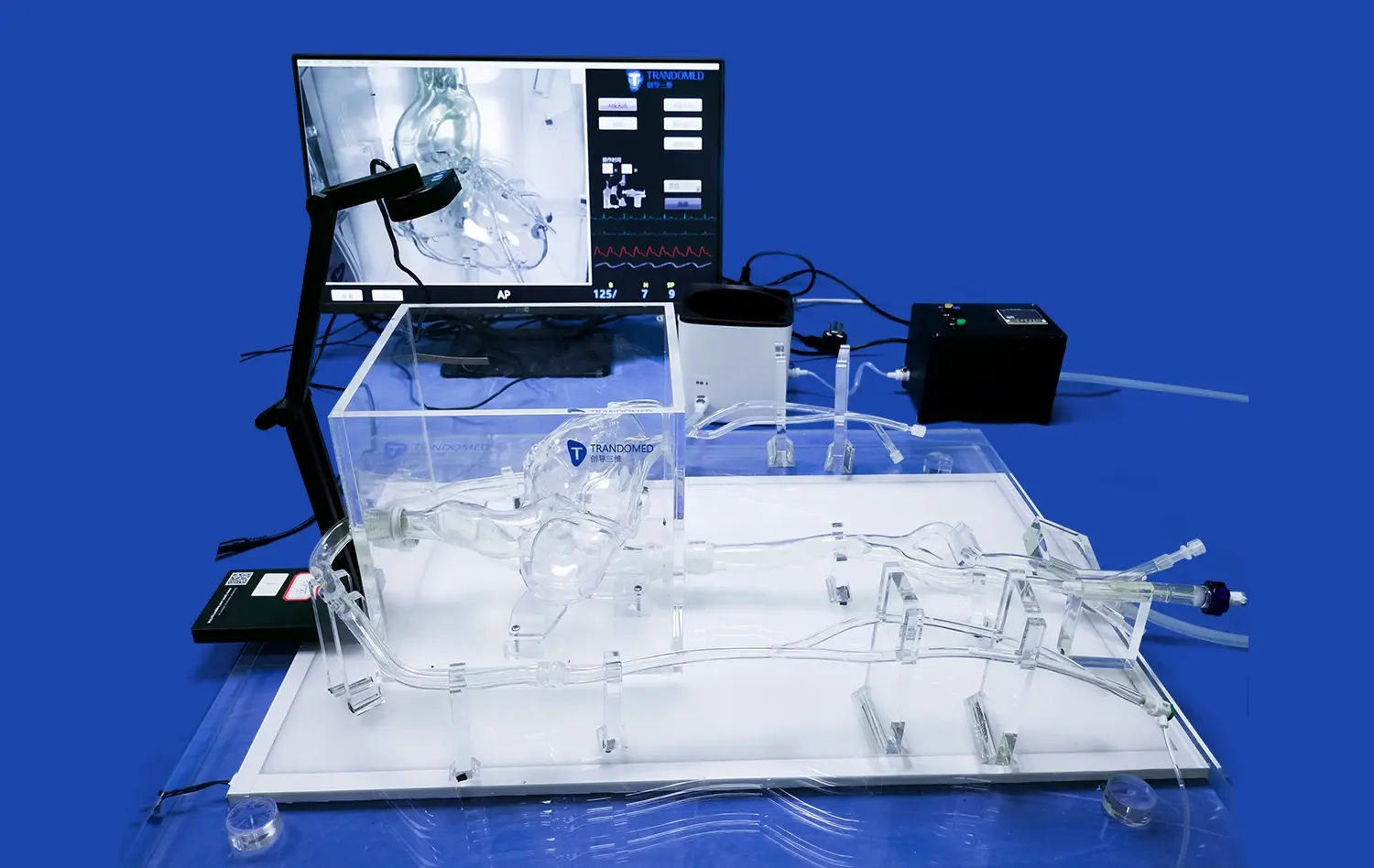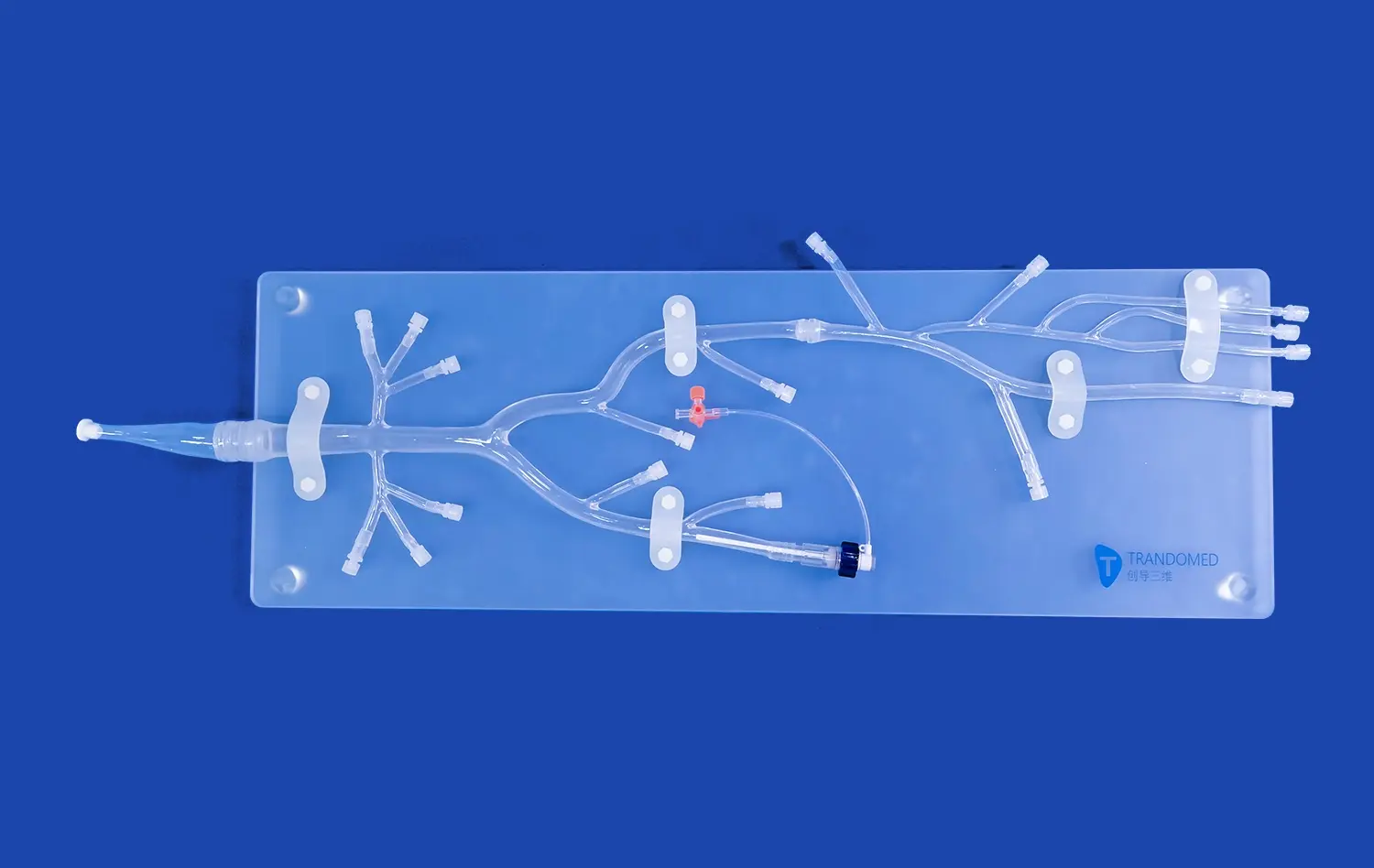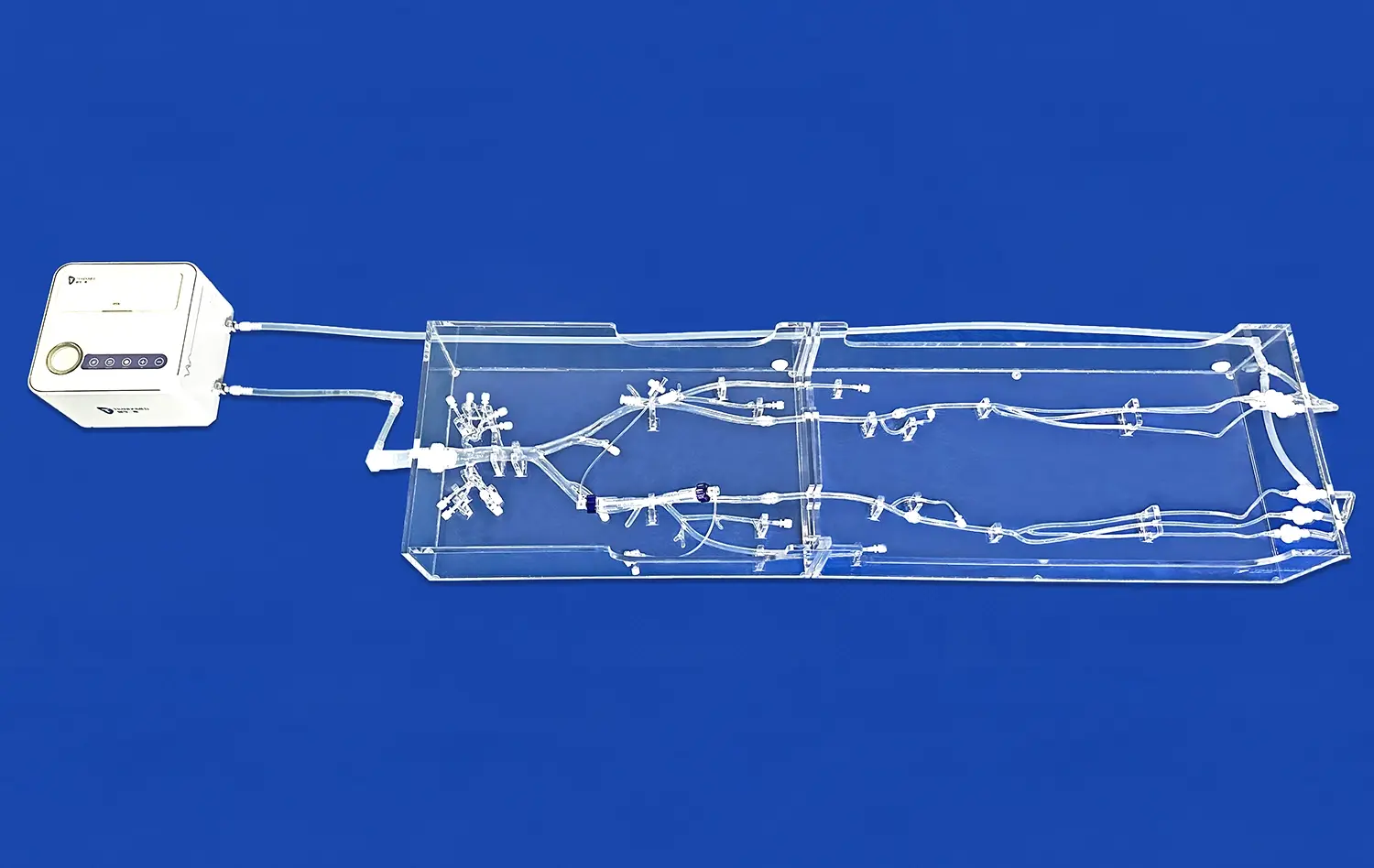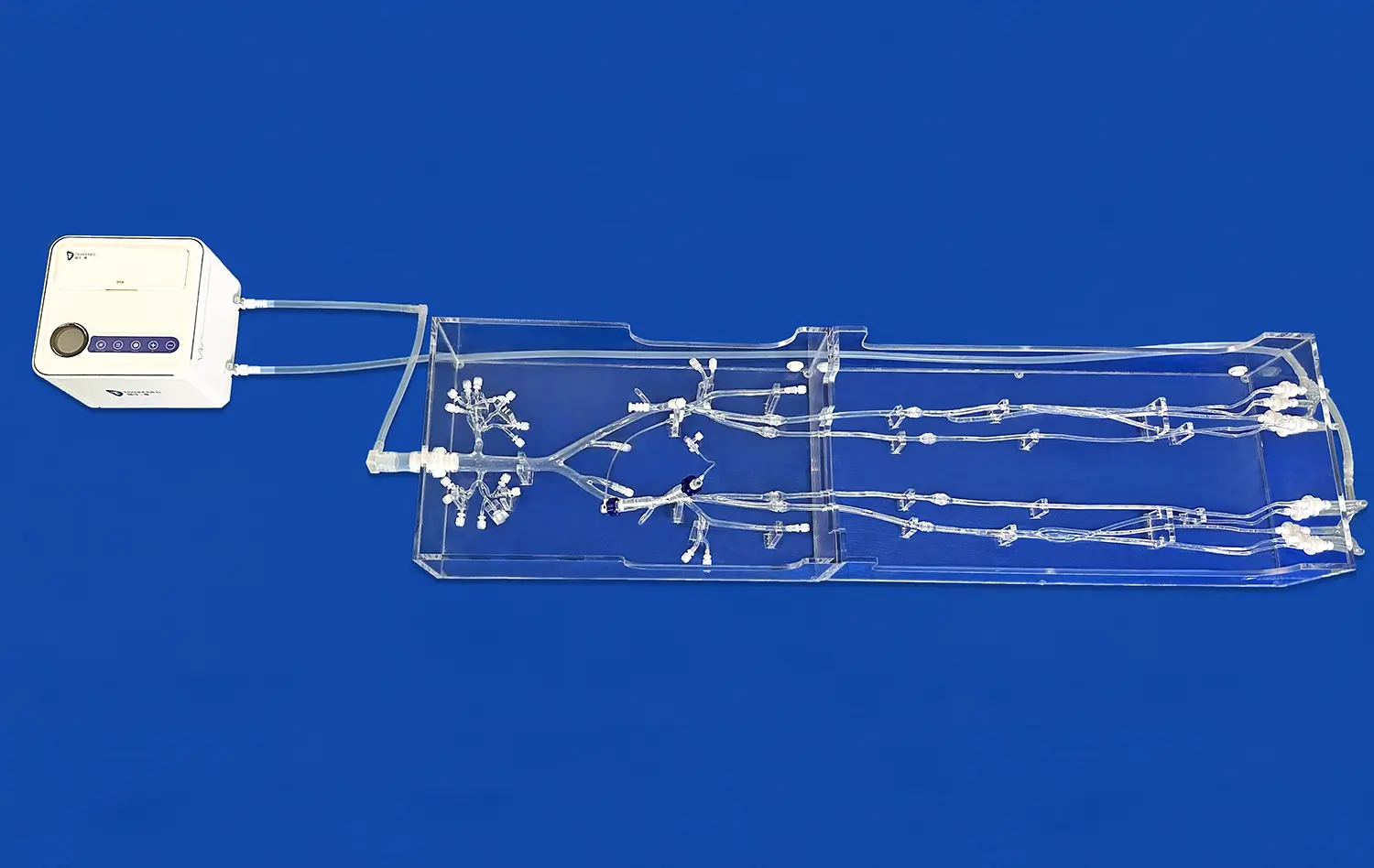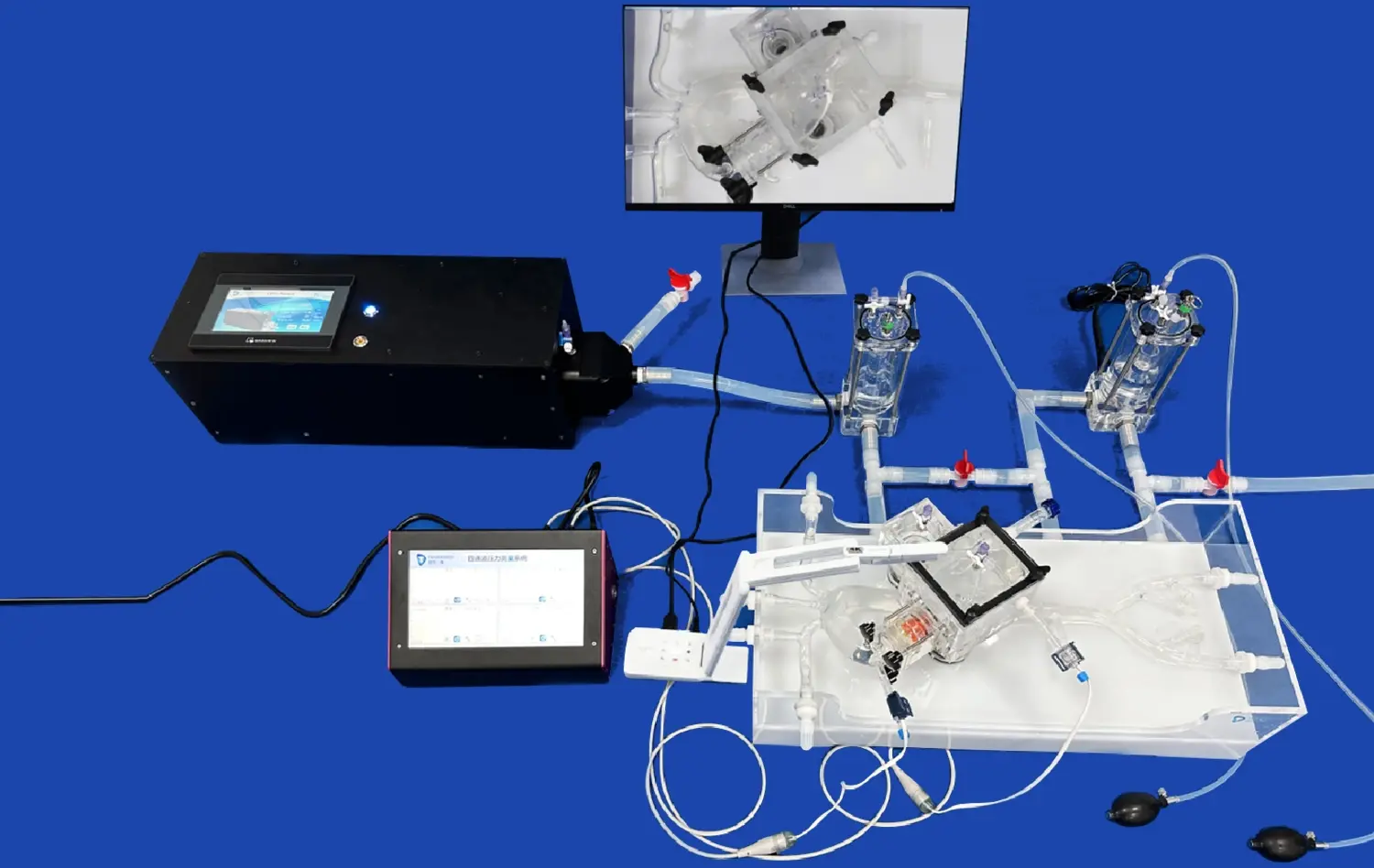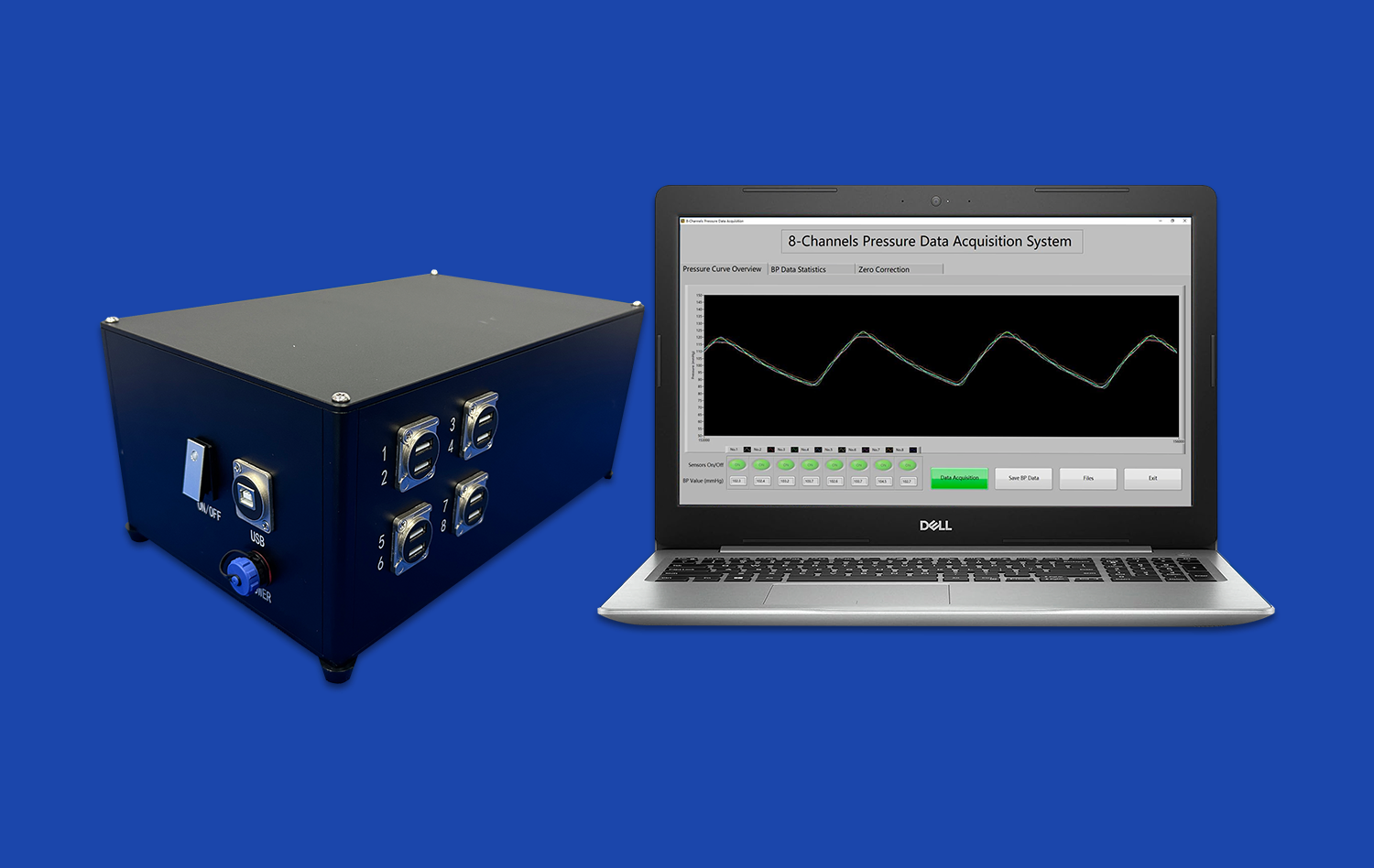

The 3D kidney model is a ground-breaking development in nephrology and urology study, changing the way doctors teach anatomy, plan surgeries, and conduct clinical research. These very precise models of the human body are very important for hospitals and clinics around the world because they are the first to make a perfect copy of how the kidney is built and how it works. Three-dimensional kidney models have become crucial elements in contemporary medical education and study settings due to their capacity to improve treatment results, support hands-on learning experiences, and improve visualization.

High-precision anatomy models help us learn more about medicine by giving us real, correct examples of complicated body systems. These new tools provide a uniform and standardized way of learning that can be used in different schools and repeated in different classes. This is different from the old ways of teaching that rely on texts or dead bodies. Precision in medical modeling is very important because doctors and nurses need to see correct models to get better at diagnosing, planning treatments, and doing surgeries.
Understanding 3D Kidney Models: Anatomy, Types, and Production Processes
Modern kidney anatomy models are very exact copies made to give nephrology and urology workers useful information about the structure of kidneys that helps them do a great job in their clinics. These advanced tools come in both digital and real forms, each with different uses in medical study, teaching, and planning for surgery.
Anatomical Features and Structural Components
Current kidney models carefully show important parts of the kidney, such as the renal arteries, cortex, medulla, collection systems, and any unhealthy changes that may occur. The Trandomed HSX005 kidney model is a great example of this kind of accuracy because it has layers of outer skin, its own adrenal glands, renal pelvis, ureters, and full arterial networks. By connecting these models to the renal arteries and veins, they can fully simulate the process of kidney transplants and do complicated tests of the urine system.
Using high-quality gels and strong synthetic materials that copy the look and feel of real tissue, advanced models put together different types of tissue. The physical correctness includes features that can only be seen with a microscope. This way, medical workers are sure that they are practicing with realistic examples.
Production Technologies and Manufacturing Processes
Making very accurate kidney models requires complex 3D printing methods that use high-tech materials like medical-grade plastics, specialized resins, and safe alloys. Before anything is made, there is a close look at detailed CT and MRI scans and then the use of reverse 3D modeling technology, which makes sure that the dimensions are exactly right.
Trandomed uses its own special printing methods that were created during twenty years of experience making medical simulators. Our reverse engineering technology makes models that are true in terms of how the body is put together, and these models can be changed to fit certain needs in the medical field and in schooling. The materials chosen depend on the intended use; the choices include environmentally friendly materials and specific hydrogels made for training settings where they will be used multiple times.
Advantages of Using 3D Kidney Models in Medical Research and Training
The use of 3D kidney models in medical study and education has many benefits that can't be matched by older teaching methods. These benefits can be seen in many areas, such as surgery planning, medical teaching, and making sure that clinical study is correct.
Enhanced Surgical Planning and Visualization
Kidney models give doctors a look at the unique anatomy of each patient. This helps a lot with planning and making sure the procedure is done correctly. Researchers in the medical field have found that surgery teams that use 3D models of anatomy have shorter surgeries, fewer problems, and better results with patients. Surgeons can practice difficult surgeries a lot of times with physical models because they can feel them with their hands. This helps them build muscle memory and gain confidence before they go into the operating room.
Planning before surgery helps because it lets you see where the growth is, as well as any issues with blood vessels or body parts that are different from the norm that could affect how the surgery is done. This improved ability to see inside the body helps a lot with nephrology treatments where exactness is very important to keep the kidneys working and avoid problems after the surgery.
Revolutionary Medical Education Applications
As an improvement over conventional two-dimensional learning tools, educational schools around the world have adopted 3D kidney models. These models make learning more engaging and hands-on, which greatly improves how medical students and doctors learn about space and become better at their jobs.
Clinical studies show that students who use three-dimensional models of anatomy learn better, remember what they learned, and feel more sure about using what they learned in clinical settings. Model-based learning is hands-on, which makes it easier for different types of learners and ensures that students in various schools and training programs have the same educational experience.
Choosing the Right 3D Kidney Model: Comparison and Procurement Guide
Choosing the best kidney model means looking closely at many different things, such as how accurate it is anatomically, how well it is made, how customizable it is, and what it will be used for. While making sure that models meet certain clinical and teaching goals, healthcare organizations need to find a balance between technology needs and the costs of their services.
Key Selection Criteria and Specifications
Model accuracy, material longevity, anatomy wholeness, and customizing choices are all important factors to consider when making an evaluation. True-to-life measurements, exact tissue modeling, and the ability to show both normal and abnormal situations should be included in high-quality models. The Trandomed HSX005 model is a good example of these traits because it has a lot of different features, like full arterial networks, inclusion of the adrenal gland, and choices for flexible connection.
It is very important to think about the material when choosing a 3D kidney model, especially for places that need to use it over and over again in teaching settings. Synthetic tissues are more durable and long-lasting for teaching use, while hydrogels are more accurate in look and feel. Customization features give schools the ability to make changes to models so that they meet certain teaching or study needs.
Procurement Process and Vendor Evaluation
The process of buying medical-grade kidney models requires a lot of research on the vendors with a focus on product quality, compliance with certifications, and the ability to offer help after the sale. ISO and CE licenses, strong quality assurance procedures, and a lot of different ways to customize things without charging extra should be offered by good providers.
Trandomed's buying method stresses clear prices, the ability to make prototypes quickly with 7-10 day wait times, and sending to many places around the world through the networks of FedEx, DHL, EMS, UPS, and TNT. Institutional buyers looking for customizable, scalable, and cost-effective anatomical modeling solutions can get them from us because we don't charge for unique designs and allow T/T payments.
Implementing 3D Kidney Models in Clinical and Research Environments
Strategic planning of the process, training of the staff, and provision of ongoing technical support are all necessary for the successful use of kidney models in both clinical and study situations. Medical facilities around the world have come up with ways to use 3D models of anatomy in the best possible way for teaching and clinical work.
Integration Strategies and Workflow Optimization
A good start to effective execution is a long training program for all staff members that teaches medical workers about the strengths and weaknesses of the model. Workflow integration means setting up rules for how to use models in study methods, surgery planning, and training programs. Making standard rules for model upkeep, storage, and rotation helps institutions get the most out of models in different areas.
Using basic models is just the start of technology integration; it also includes virtual reality layers and digital modeling tools that make 3D kidney models more useful for learning. These mixed methods use the good parts of hands-on learning and digital tools that are exact and can collect data.
Future Developments and Emerging Technologies
New technologies, like AI, real-time physical feedback systems, and improved material sciences, will make kidney models even more useful in the clinic. In the future, there may be smart materials that react to changes in the surroundings, monitors that track performance, and connections with virtual reality training systems.
To make model creation better based on data about clinical results, research institutions are looking into ways to use machine learning methods. This is creating tools that are more and more useful for medical education and study. These improvements will help even more with the gap between simulation-based training and real clinical practice.
About Trandomed: Leading 3D Medical Model Innovation
Ningbo Trando 3D Medical Technology Co., Ltd's main business is making, selling, and creating highly realistic 3D printed medical models and simulations that have multiple uses. As the top professional medical 3D printer in China, our R&D team has worked on making new medical 3D printing technologies and custom medical products for over twenty years.
Comprehensive Product Portfolio and Services
3D printed vascular models, high-end vascular simulators, endoscope training simulators, surgery medical models, and cardiovascular hemodynamics simulation devices are just some of the many products we offer. The HSX005 kidney model is a testament to our dedication to both educational quality and accuracy in tissue modeling. The kidney model has changeable features that are based on CT/MRI data, CAD specs, or particular needs of the school.
Trandomed can make custom designs that meet certain teaching, training, or study needs, prototypes in a short amount of time with the help of reverse 3D reconstruction technology, and products in a wide range of materials, from environmentally friendly choices to specialized hydrogels. Our full systems method lets us work with other body parts to make the most thorough simulations possible.
Quality Assurance and Global Reach
Our promise to quality includes strict testing methods that make sure safety and durability. Our pledge is backed by ISO and CE standards that show compliance in the industry. Services that focus on customers offer a lot of ways to customize them for study and learning. These services also include customer help after the sale that can fix or replace items.
Through transportation and delivery services that are meant for customers around the world, Trandomed serves schools, hospitals, and research sites around the world. Our history of success in major healthcare institutions shows that we can keep doing reliable, anatomically correct modeling that helps make nephrology and urology practices better around the world.
Conclusion
For the advancement of nephrology and urology study, teaching, and clinical practice, the 3D kidney model has become an essential tool. These very accurate models of kidneys give doctors and medical workers a great new way to learn more about kidney structure, practice difficult treatments, and improve patient results through better planning and training.
As technology moves forward, kidney models will get more complex and will use AI, AR, and new materials to make the experiences more realistic and informative. Hospitals and clinics that buy good anatomy models now put themselves at the front of new medical teaching and study.
FAQs
How accurate are 3D kidney models for surgical planning?
Modern 3D kidney models are able to perfectly recreating the kidney's shape using data from CT and MRI scans. These models usually stay accurate within 0.1mm, so they are very reliable for planning surgeries and getting ready for procedures. Clinical tests show that these models help doctors do better in surgeries and have fewer problems.
Can I order a custom 3D kidney model with patient-specific pathology?
Yes, Trandomed will customize things if you ask them to, and they won't charge you for it. Your CT/MRI data, CAD drawings, or certain clinical needs can be used to customize our models. We use reverse 3D modeling technology to make models for each patient that show their unique physical differences and diseases.
What are the lead times and minimum order quantities for bulk purchases?
Our kidney models usually take 7 to 10 days to make, but we can make them faster if needed. We don't have minimum number limits for sales, so our models are available for both individuals and large-scale buying plans. Volume savings and better personalization choices may be available for large orders.
Partner with Trandomed for Advanced Kidney Model Solutions
Trandomed has been working on medical 3D printing technology for twenty years. Healthcare organizations that want better anatomy models should use this company. Our kidney model (HSX005) offers the most accurate and customizable design to meet a wide range of needs in clinics, schools, and study around the world.
Through our extensive 3D kidney model supply network, we allow medical professionals to see how dedicated we are to quality, innovation, and customer service. We have been successful in major healthcare centers around the world, which shows that we can offer reliable, physically correct methods that improve the practice of nephrology and urology.
Get in touch with our expert team to talk about your exact needs and look at customization choices that will work best for your school. To make sure you get the most out of our body modeling solutions, we offer expert advice, help with sample requests, and ongoing support. To get more information about our products and their specs, you can email us at jackson.chen@trandomed.com.
References
Smith, J.A., et al. "Applications of Three-Dimensional Anatomical Models in Medical Education: A Systematic Review." Journal of Medical Education Technology, 2023, Vol. 15, No. 3, pp. 45-62.
Rodriguez, M.C., and Thompson, K.L. "Enhanced Surgical Planning Through Patient-Specific 3D Kidney Models: A Multi-Center Study." Nephrology and Urology Research Quarterly, 2022, Vol. 28, No. 4, pp. 178-195.
Chen, L., et al. "Comparative Analysis of 3D Printing Technologies for Medical Model Production." Advanced Manufacturing in Healthcare, 2023, Vol. 12, No. 2, pp. 89-104.
Williams, R.P., and Davis, S.M. "Impact of Tactile Learning Models on Medical Student Performance in Nephrology Education." Medical Education Journal, 2022, Vol. 34, No. 7, pp. 312-328.
Johnson, A.B., et al. "Material Science Advances in Medical 3D Printing: Applications for Anatomical Model Development." Biomedical Engineering Review, 2023, Vol. 19, No. 1, pp. 22-38.
Martinez, E.F., and Lee, H.S. "Clinical Outcomes Assessment: 3D Models in Preoperative Planning for Complex Nephrological Procedures." Surgical Innovation and Technology, 2022, Vol. 25, No. 6, pp. 267-283.