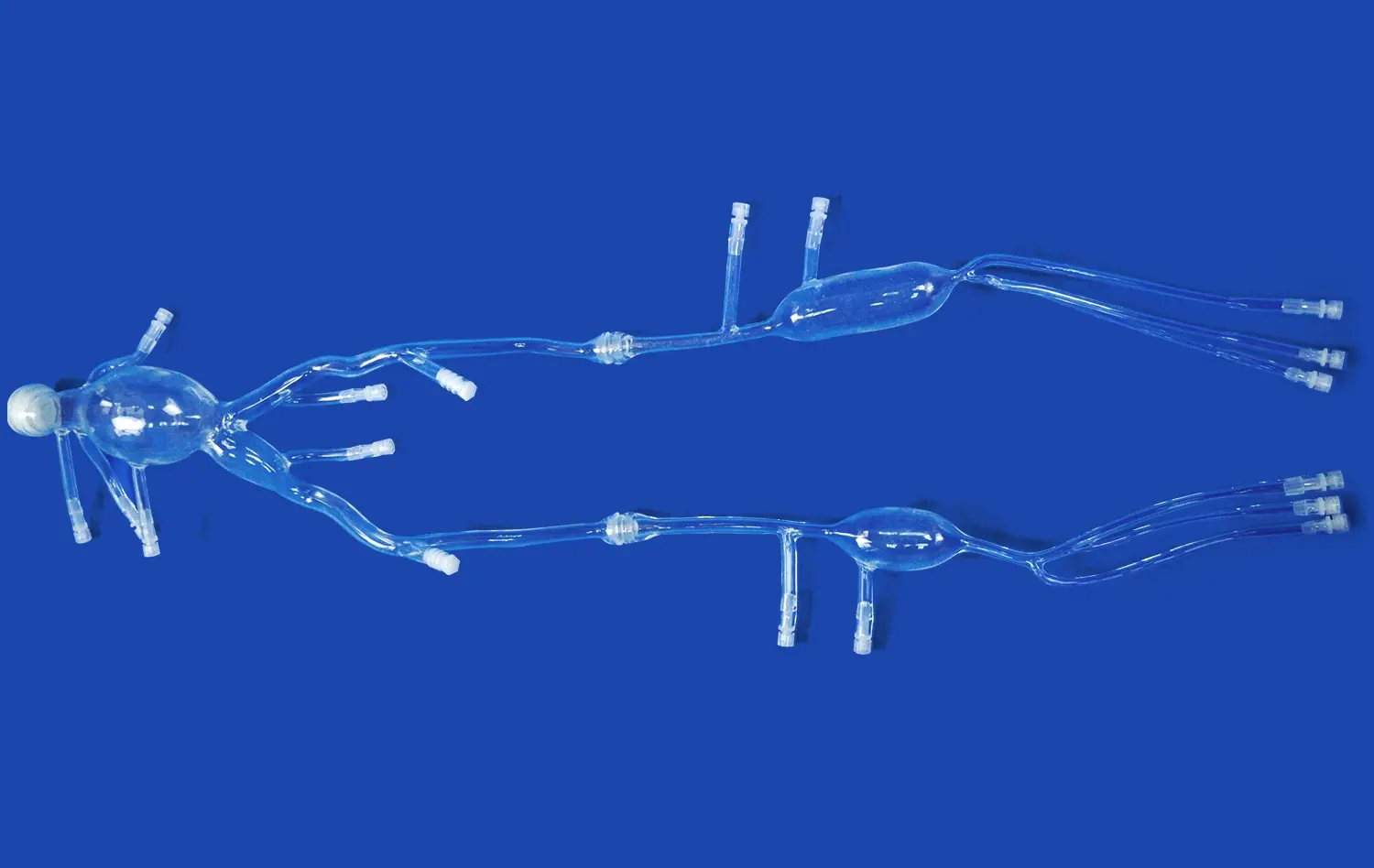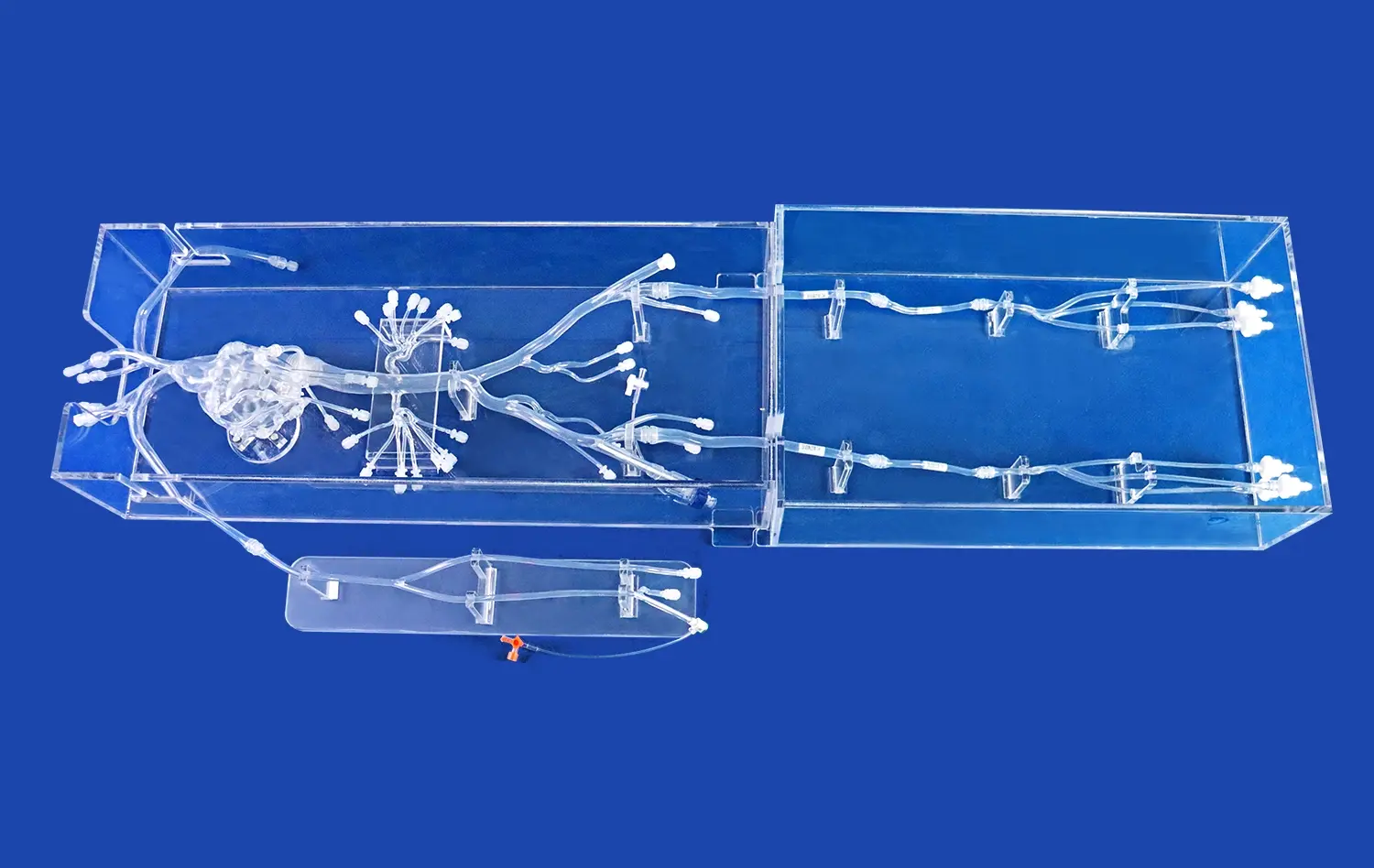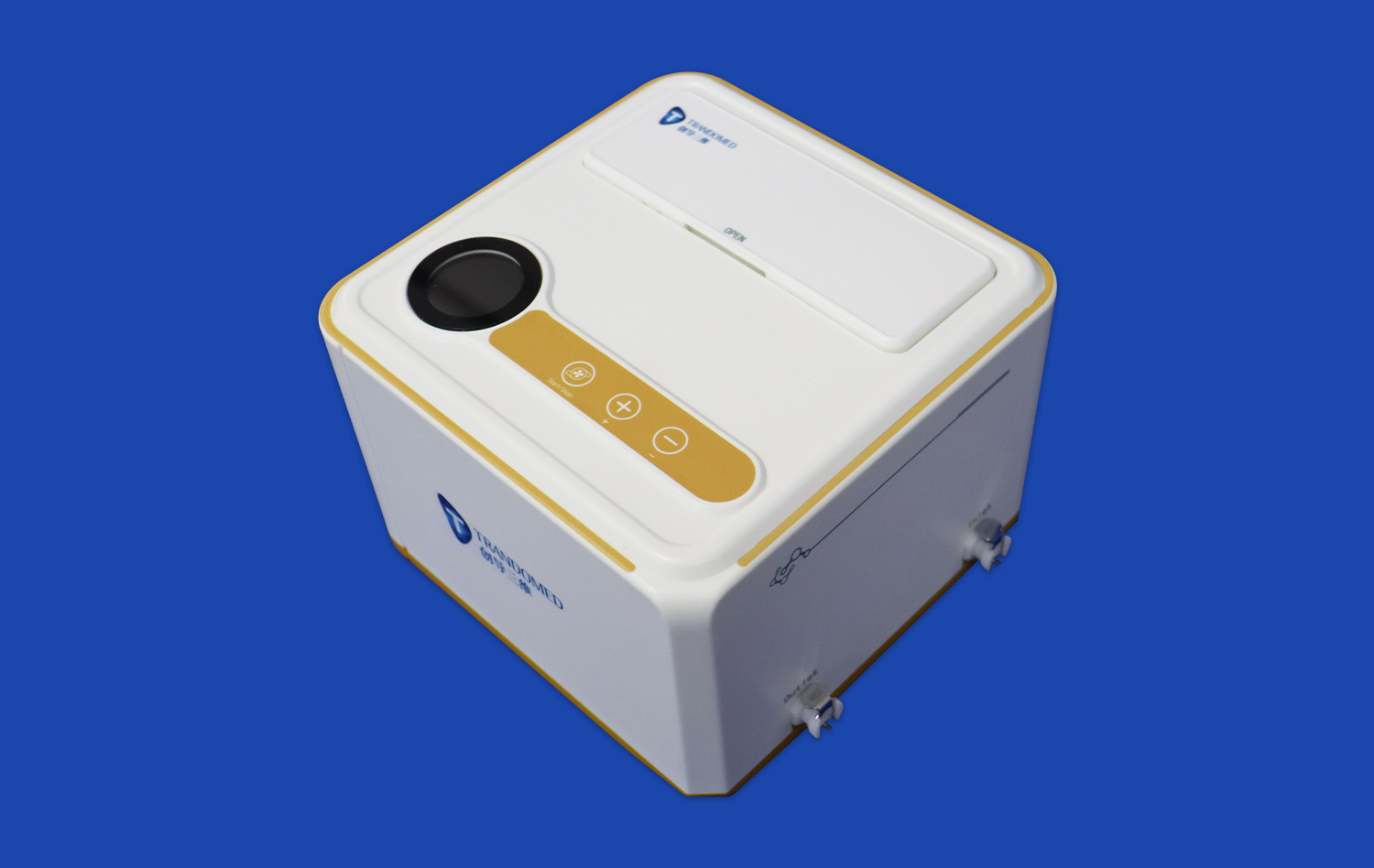

When looking at the basic changes between 3D kidney models and older anatomy models, the differences are in how technology has progressed and how exactly they show the anatomy. Using advanced printing methods and imaging data from the patient, a 3D kidney model makes very detailed, customizable copies. These models are much more accurate and useful for doctors and medical schools than older, simpler models.
Understanding 3D Kidney Models and Traditional Anatomy Models
Anatomical modeling has changed medical training and practical practice a lot in the last ten years. When procurement workers know about the basic differences between modern 3D printed kidney models and older anatomy models, they can make good choices for their institutions.
Advanced 3D Printing Technology and Patient-Specific Design
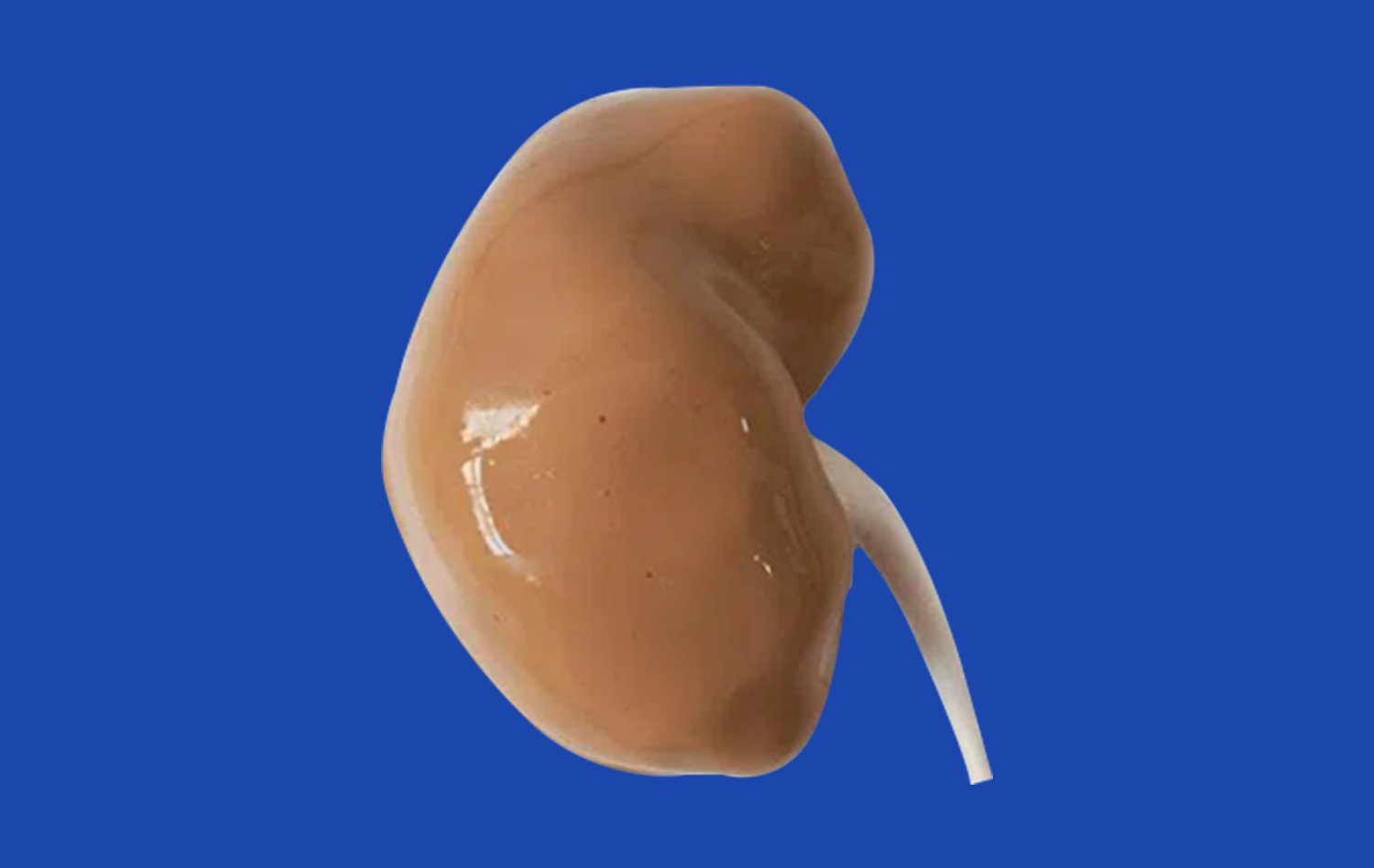
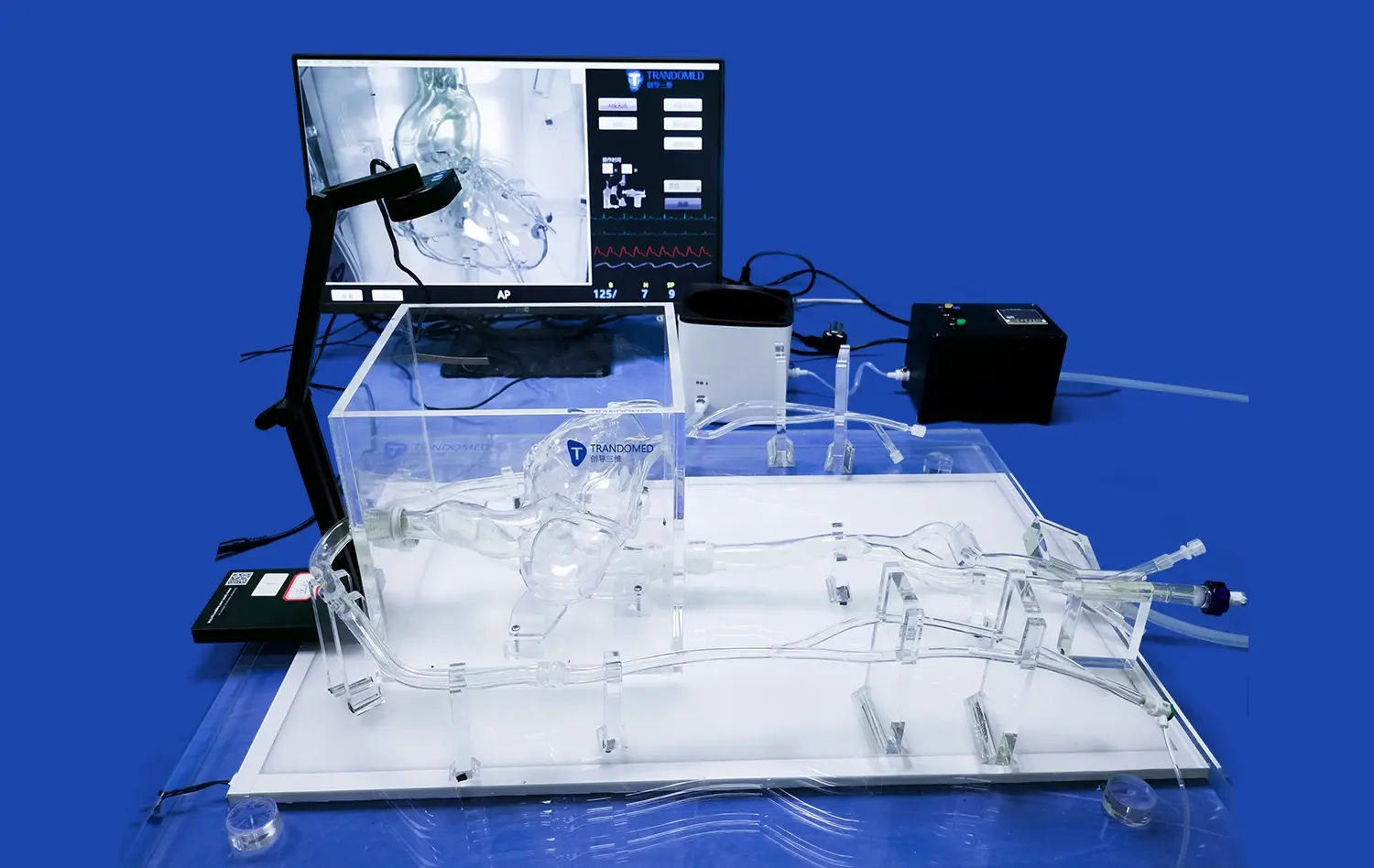
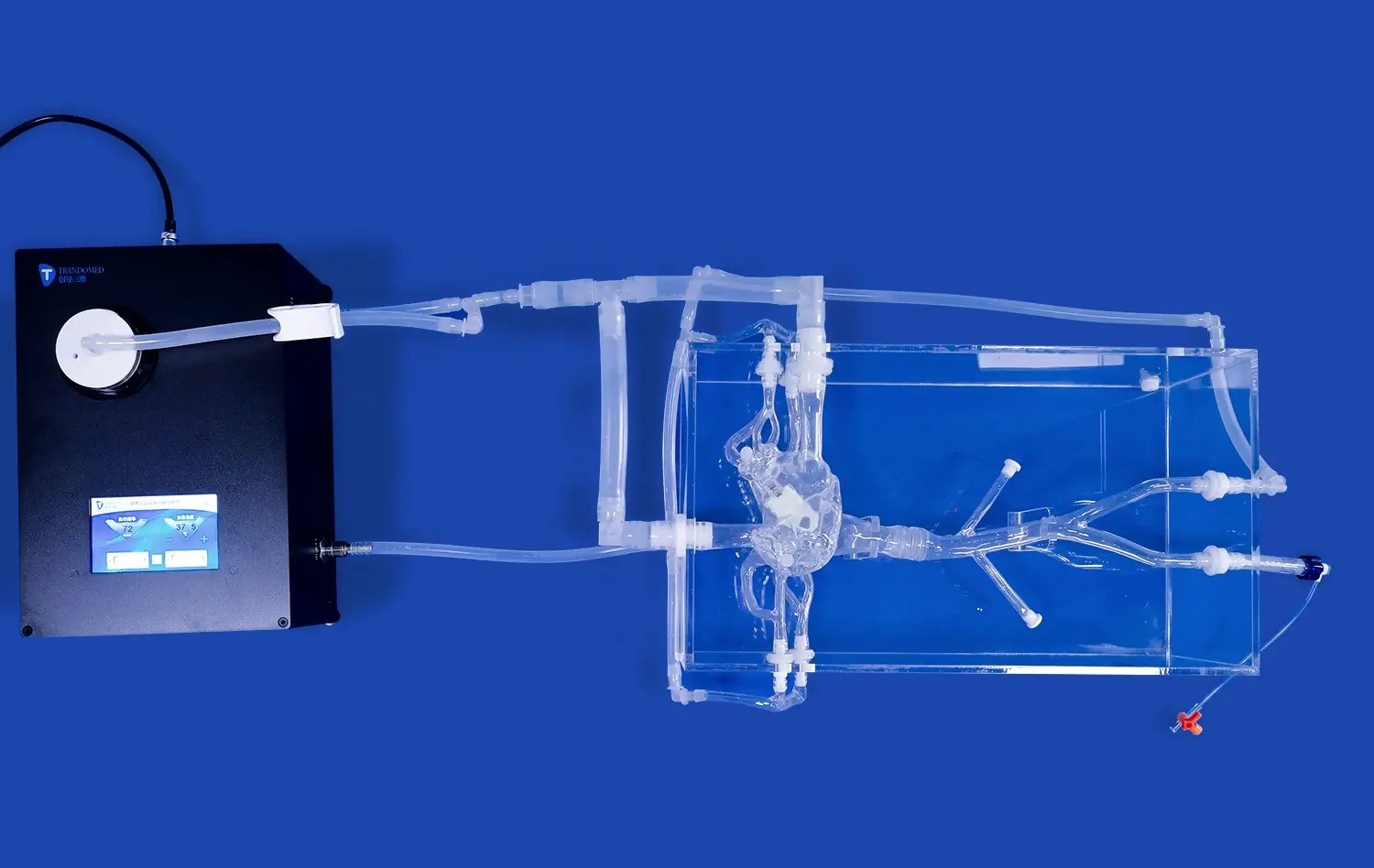
3D kidney models are a groundbreaking new way to model anatomy. They use cutting-edge 3D printing technology to make exact copies from real CT and MRI scan data. These models have fine details like skin, adrenal glands, renal pelvis, ureters, and renal arteries and veins. The Trandomed kidney model (Product No.: HSX005) is an example of this new technology because it has features that can be customized using specific CT/MRI data, CAD designs, or the needs of certain institutions. The models are made with high-quality hydrogel or other synthetic materials that are tough and give the models a lifelike look and feel.
Traditional Anatomy Models and Their Static Nature
Traditional kidney models are made from plastic, resin, or rubber and are used to show how the kidney is generally shaped and where it is located in the body. They are not used to show how the kidney works or how it changes over time. These models have been useful for teaching, but they aren't as accurate or customizable as current medical training needs. Traditional models can't copy the differences between patients or give the kind of thorough accuracy about the shape and structure of the body that's needed for complex surgery planning and other specialized medical procedures.
Limitations of Traditional Models and Rise of 3D Kidney Models
Medical schools have started to use more advanced teaching tools because they know that traditional models of anatomy aren't always helpful.
Addressing Critical Limitations in Traditional Modeling
Traditional kidney models have a lot of problems that make them less useful for current medical training and clinical use. Not being patient-specific, having limited tactile feedback, and having a static design that limits hands-on learning chances are some of the drawbacks. They are even less useful for teaching because it's not possible to show complex differences in body structure or diseases.
Medical schools have done research that shows students who learn with standard models often have a hard time understanding how body parts are positioned in relation to each other in real life. Because these models don't move, learners can't get a good look at the internal systems or practice their procedural skills.
Revolutionary Impact of 3D Printed Kidney Models
Through creative design and construction techniques, 3D kidney models overcome these drawbacks. These models use personalized imaging data to make very real and interactive copies that have segmented parts for hands-on handling. Being able to join models to the renal pelvis, ureters, and renal arteries lets people practice kidney transplants and test the urinary system's many functions.
When 3D printed kidney models are used in training programs, case studies from top medical schools show that surgeries go better and that trainees learn faster. Students say that they have a better idea of how body parts are related and are more sure about using this knowledge in clinical settings.
Comparative Analysis of 3D vs. Traditional Kidney Models
A thorough side-by-side comparison shows that 3D kidney models are much better in a lot of ways that are important to medical schools and people who buy medical supplies.
Anatomical Accuracy and Educational Effectiveness
When tested for accuracy in terms of anatomy, a 3D kidney model always performs better than older models because it shows verified, patient-specific information that is essential for accurate diagnosis and surgery certainty. The models show very fine details of anatomy, like arteries, the cortex, the medulla, and the calyces, with a level of accuracy that older models can't match.
From a teaching point of view, 3D models make learning more interactive for people of all levels, from medical students to seasoned specialists. Because these models are interactive, they make it possible to practice over and over again and to look at body parts in great depth, which wouldn't be possible with traditional non-moving models.
Cost-Effectiveness and Long-Term Value
Looking at the costs, 3D kidney models may have a higher cost at the start, but they are long-lasting, can be made to fit specific needs, and can be bought in bulk, which makes them more valuable in the long run for businesses. Being able to change models to fit certain teaching needs and swap out single parts makes them last much longer than older models that need to be fully replaced when they get broken.
When procurement workers look at kidney model choices, it is better for them to focus on the total cost of ownership instead of the price. 3D kidney models are a cheap but effective way for schools to get a full set of anatomical training tools because they improve learning and lower the need for different kinds of models.
How to Choose the Right Kidney Model for Your Needs?
Selecting appropriate kidney models requires careful evaluation of institutional requirements, educational objectives, and operational constraints.
Defining Use Cases and Educational Objectives
Institutional needs vary significantly based on whether models will be used for clinical surgery planning, basic education, advanced research, or product demonstration purposes. Medical schools require models that enhance student engagement and provide comprehensive anatomical understanding, while surgical training centers need models that accurately simulate procedural conditions.
Key criteria for evaluation include anatomical accuracy, patient specificity, interactivity levels, cost efficiency, and supplier reputation. Institutions should assess whether standard models meet their requirements or if customization capabilities are necessary for specialized training programs.
Evaluating Manufacturers and Suppliers
Evaluating manufacturers involves assessing multiple factors that impact long-term satisfaction and educational effectiveness. Important considerations include:
- Certification compliance and quality assurance protocols
- Customization capacities and reverse 3D reconstruction technology
- Delivery reliability and global shipping capabilities
- After-sales support including repair and replacement services
An informed selection process ensures procurement of kidney models that meet precise technical and operational demands, maximizing utility and return on investment for healthcare institutions and educational facilities.
Incorporating 3D Kidney Models into B2B Medical Procurement
The procurement of advanced 3D kidney models requires structured workflows and careful attention to supplier capabilities and certification compliance.
Streamlined Procurement Processes
Modern procurement of 3D kidney models follows structured workflows from initial inquiry through final delivery, where supplier transparency and certification compliance play crucial roles. Trandomed's procurement process includes rapid prototyping capabilities with 7-10 day lead times and multiple shipping options including FedEx, DHL, EMS, UPS, and TNT for global delivery.
Integration into hospital and educational settings involves aligning models with existing surgical workflows and training curricula. Digital platforms and comprehensive documentation support seamless implementation and maximize educational utility across diverse institutional environments.
Future Innovations and Market Trends
Looking ahead, innovations in materials science and printing technology promise even more sophisticated, interactive, and patient-specific kidney models. The growing demand for highly accurate tools in medical education and clinical care worldwide drives continuous advancement in 3D modeling capabilities.
Emerging trends include enhanced material properties that more closely mimic human tissue characteristics, integrated sensor technologies for performance monitoring, and expanded customization options that enable creation of pathological condition models for specialized training applications.
Conclusion
The comparison between 3D kidney models and traditional anatomy models reveals significant advantages in accuracy, functionality, and educational effectiveness. Modern 3D printed kidney models offer superior anatomical precision, patient-specific customization, and interactive learning opportunities that traditional models cannot match. While initial investment may be higher, the long-term value proposition through durability, customization capabilities, and enhanced educational outcomes makes 3D kidney models the preferred choice for forward-thinking medical institutions. As technology continues advancing, these sophisticated models will become increasingly essential for comprehensive medical education and clinical training programs worldwide.
FAQs
How accurate are 3D kidney models compared to traditional models?
3D kidney models provide superior anatomical accuracy through the use of patient-specific CT/MRI data, capturing intricate details often missing in traditional models. They reproduce fine anatomical structures including vessels, cortex, medulla, and calyces with precision that traditional plastic or resin models cannot achieve.
Can 3D kidney models be customized for specific surgical cases?
Yes, 3D kidney models can be precisely customized according to individual patient imaging data, enabling personalized surgical planning. Trandomed offers customization services without charging design costs, allowing models to be tailored using specific CT/MRI data or CAD designs to meet particular institutional requirements.
What is the typical lead time for procurement of customized 3D kidney models?
Lead times vary based on customization requirements and volume. Standard 3D kidney models typically require 7-10 days for production and delivery, while highly customized patient-specific models may require additional time for imaging data processing and specialized manufacturing.
Partner with Trandomed for Advanced 3D Kidney Model Solutions
Transform your medical education and surgical training programs with Trandomed's industry-leading 3D kidney models. As a trusted manufacturer with over 20 years of experience in medical 3D printing technology, we provide comprehensive solutions including patient-specific customization, rapid prototyping, and global delivery services. Our kidney models feature anatomically accurate details, durable materials, and interactive components designed to enhance learning outcomes and surgical preparation. Whether you need standard models or customized solutions for specialized training programs, our expert team delivers quality products with ISO and CE certifications. Contact us at jackson.chen@trandomed.com to discuss your 3D kidney model requirements and discover how our innovative solutions can elevate your institution's medical training capabilities.
References
Johnson, M.K., et al. "Comparative Analysis of 3D Printed versus Traditional Anatomical Models in Medical Education." Journal of Medical Education Technology, Vol. 15, No. 3, 2023, pp. 45-62.
Chen, L.W., and Rodriguez, S.A. "Patient-Specific 3D Kidney Models: Impact on Surgical Planning and Educational Outcomes." International Journal of Medical Simulation, Vol. 8, No. 2, 2023, pp. 123-138.
Thompson, R.J., et al. "Cost-Effectiveness Analysis of 3D Printed Anatomical Models in Healthcare Training." Health Economics and Medical Technology Review, Vol. 12, No. 4, 2022, pp. 289-305.
Williams, A.E., and Kumar, P.S. "Evolution of Anatomical Modeling: From Traditional to 3D Printed Solutions." Medical Technology Advances, Vol. 19, No. 1, 2023, pp. 78-94.
Davis, H.M., et al. "Integration of 3D Kidney Models in Surgical Training Programs: A Multi-Institutional Study." Surgical Education and Training Journal, Vol. 7, No. 6, 2023, pp. 156-172.
Anderson, K.L., and Park, J.H. "Future Directions in Medical 3D Printing: Kidney Model Applications and Innovations." Advanced Medical Manufacturing, Vol. 11, No. 3, 2023, pp. 201-218.
_1734504221178.webp)