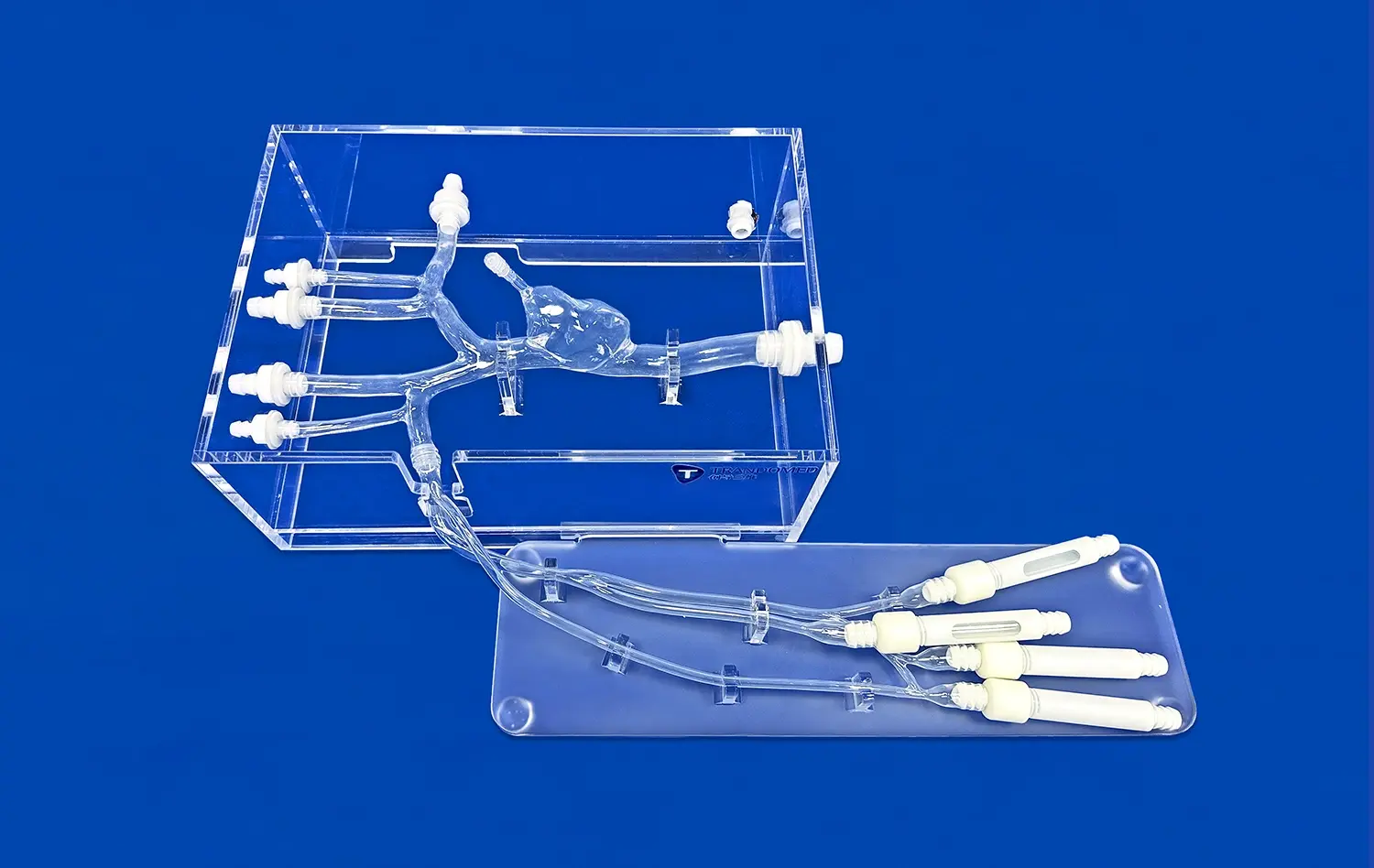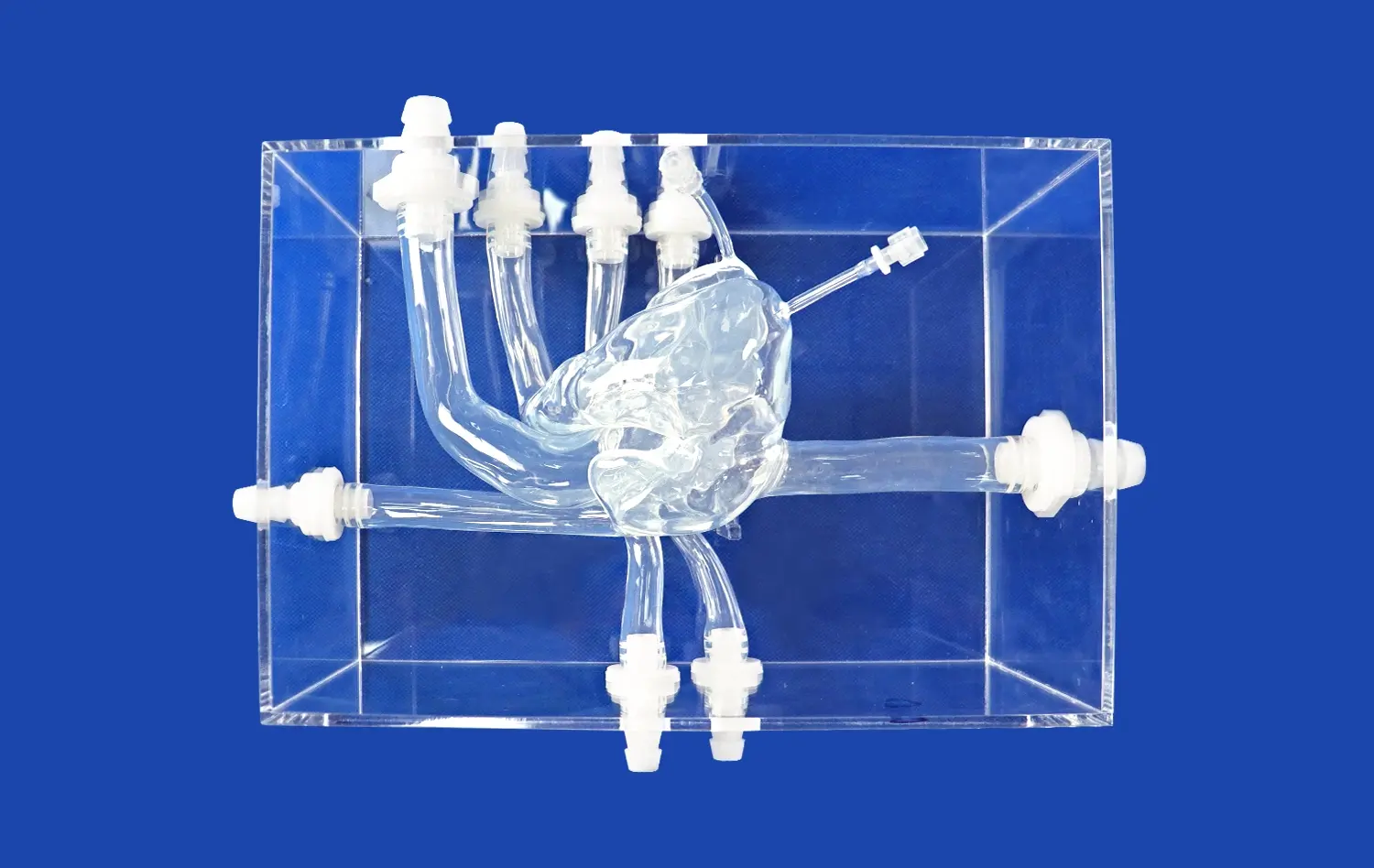

Advanced medical training demands precision, accuracy, and realistic simulation to prepare healthcare professionals for complex procedures. The PICC model (Product No. XXS007) represents a revolutionary approach to venous anatomy education, offering unparalleled realism in simulating peripherally inserted central catheter procedures. This sophisticated training simulator addresses critical gaps in traditional medical education by providing a comprehensive, hands-on learning experience that mirrors real-world clinical scenarios. With its meticulously designed venous network spanning from the arm to the superior vena cava, this innovative educational tool transforms how medical institutions approach catheter insertion training and venous anatomy comprehension.
Understanding the PICC Model for Venous Anatomy Training
Core Design Features and Anatomical Precision
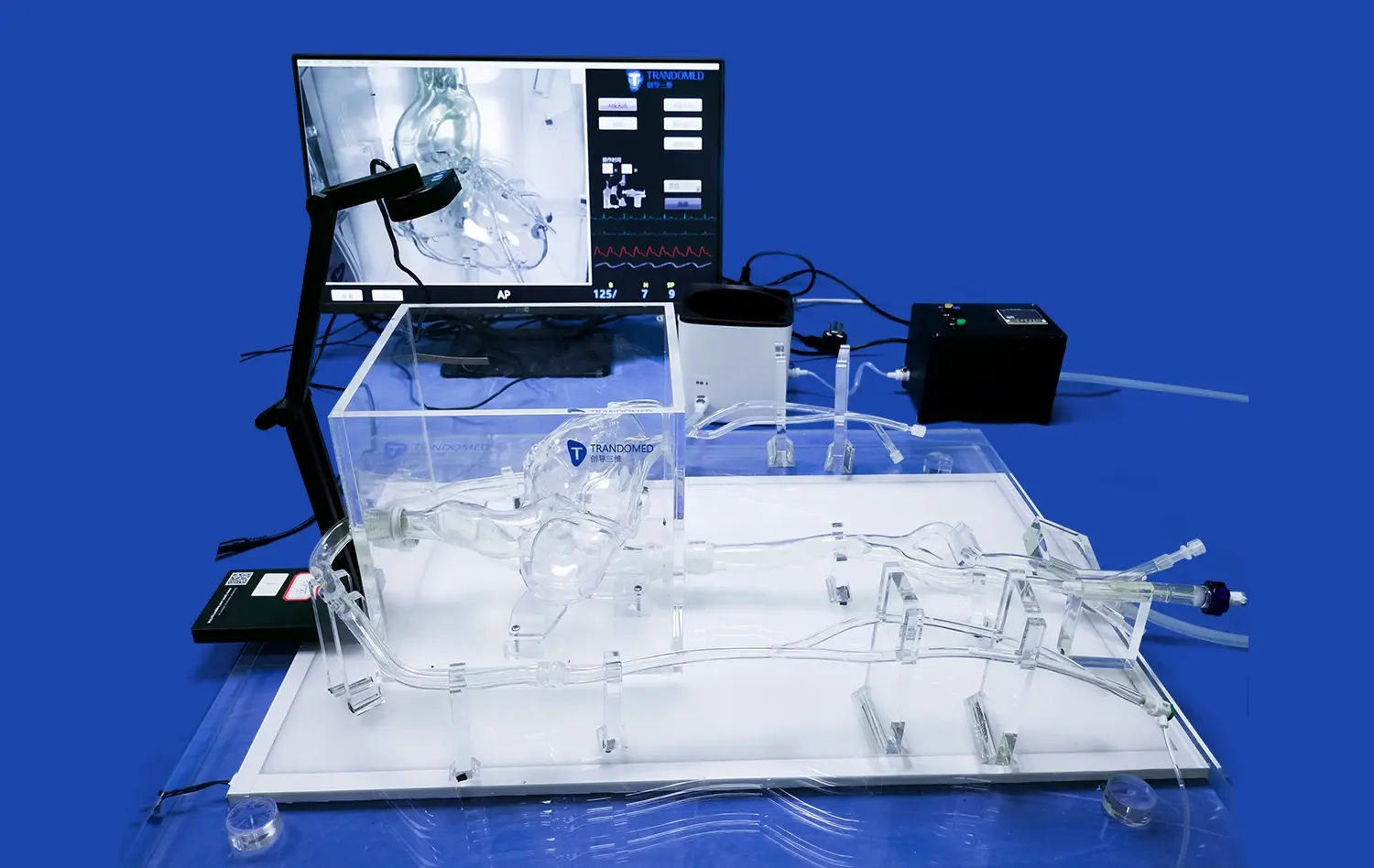
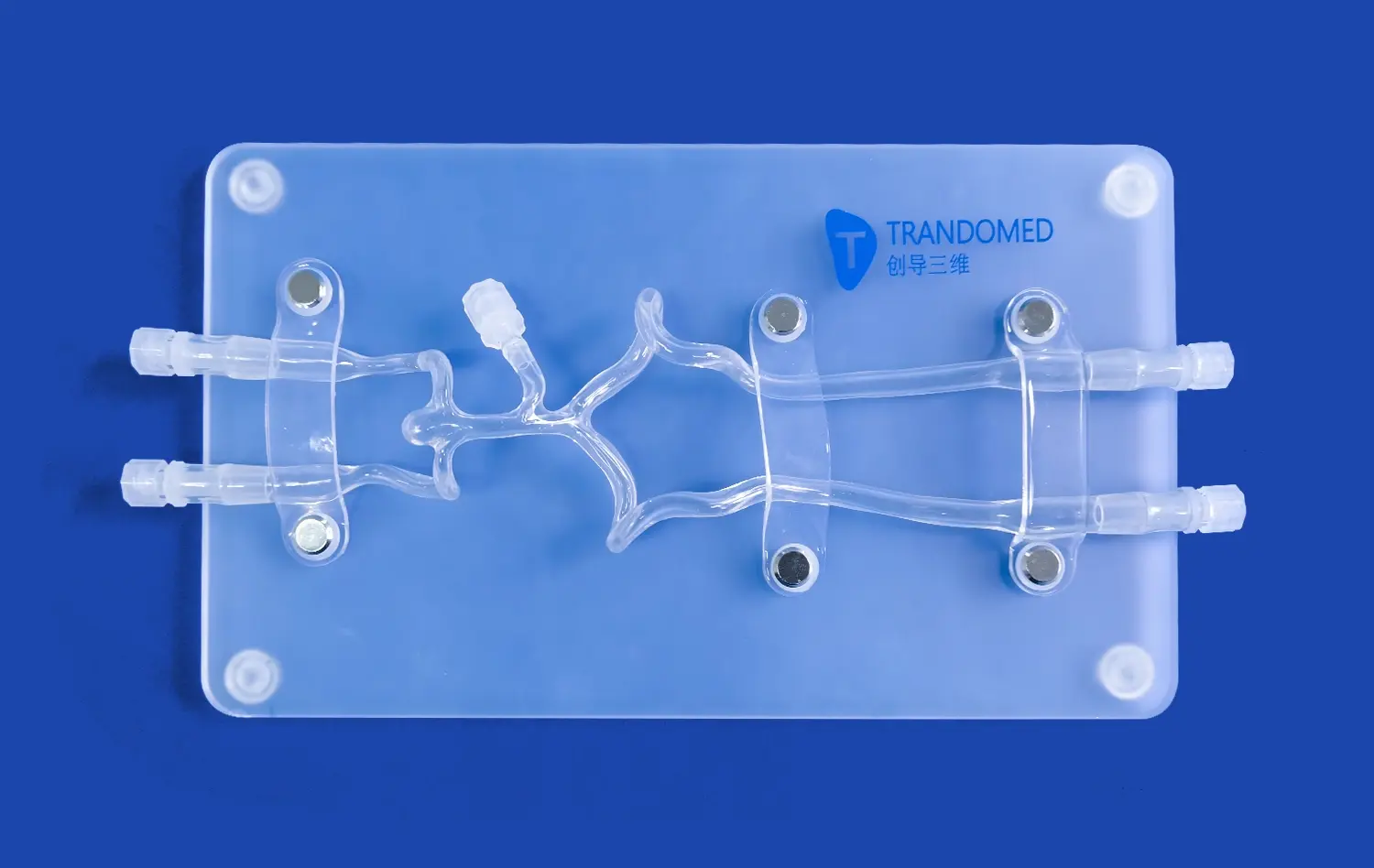
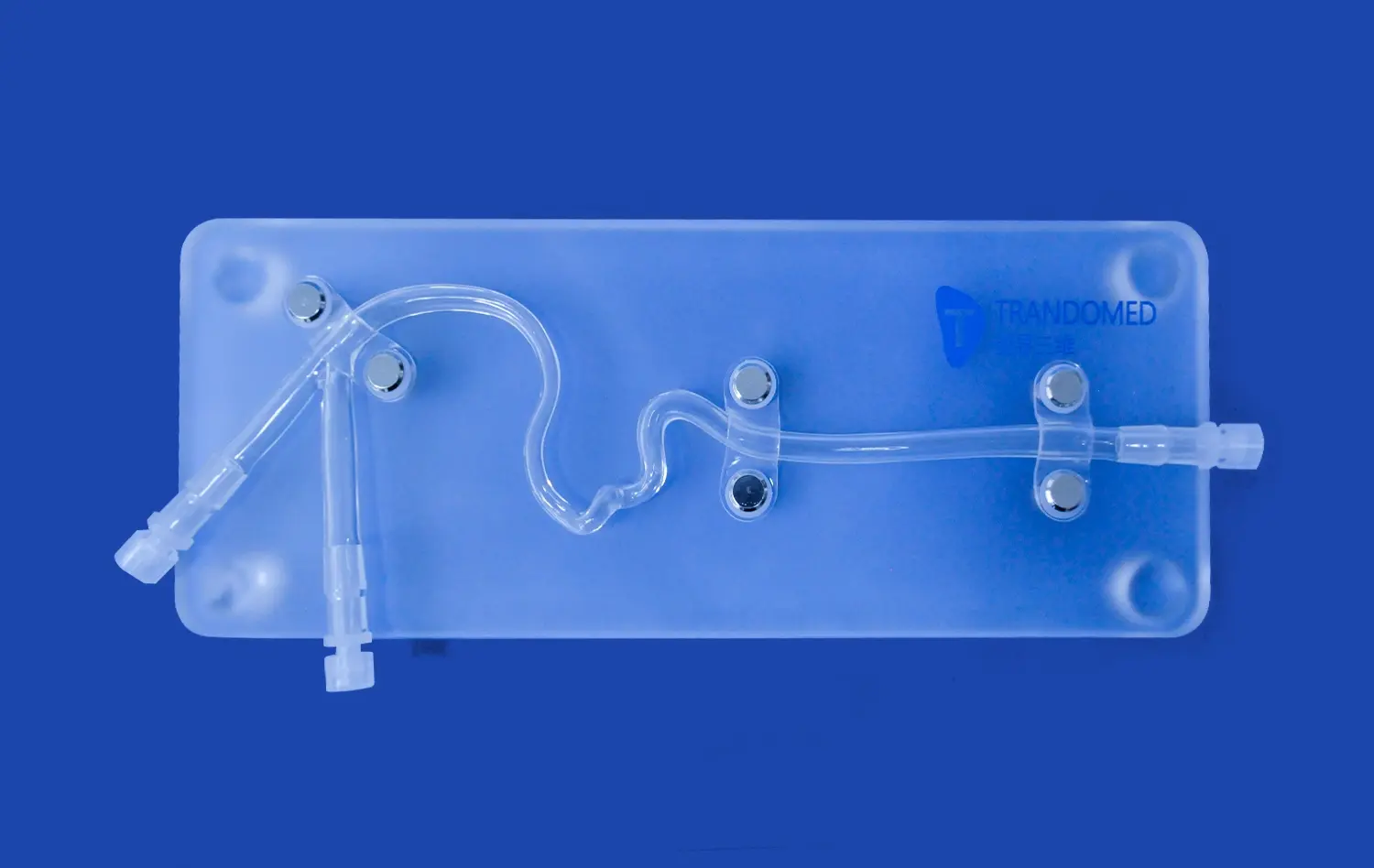
The PICC model (XXS007) is a great example of how far medical modeling technology has come. It was carefully designed to accurately represent the human vein system. This cool educational tool shows the whole vein system, from the arm veins to the superior vena cava. It shows important parts like the brachial, basilic, cephalic, axillary, subclavian, brachiocephalic, internal and external jugular veins, the right atrium, and the superior and inferior vena cava.
The model is made of high-quality Silicone Shore 40A material and gives tactile feedback that is very close to the feel of human flesh during catheter insertion processes. The clear plastic housing lets you see everything around you without any obstructions. This lets students see how the different vein structures are connected spatially while keeping the model's structural integrity during multiple training sessions.
Enhanced Learning Through Realistic Simulation
Putting puncture valves in the basilic, cephalic, brachial, and middle cubital veins in a planned way lets you really practice putting in a catheter. This feature of the design lets medical workers practice using the right angles to place needles, thread catheters, and check patient positioning using the same methods they would use in real patient care situations. The realistic 3D shape helps us fully understand the different types of veins and possible problems that might happen during PICC line placement processes.
Applications Across Medical Training Sectors
These advanced simulators, including the PICC model, are very helpful for medical schools that use them as part of their lessons. The model can be used to teach a variety of things, from basic vein anatomy to advanced procedures for nursing students, medical residents, and healthcare workers who want to get better at inserting catheters. The model can be used for both developing and testing devices, which makes it useful for medical device companies that want to try new catheter designs and guidewire technologies.
Challenges in Traditional Venous Anatomy Training and Solutions Offered by the PICC Model
Limitations of Conventional Training Methods
A lot of the time, traditional schooling in venous anatomy is based on theory and not much on hands-on practice. This leaves a lot of knowledge gaps that can affect patient safety and the success rate of procedures. Traditional ways of training often use old anatomical charts, simple plastic models, or limited cadaveric examples that don't give the tactile feedback needed to learn the right way to place a body part.
Many healthcare facilities have trouble with the high costs of training that come from using single-use training materials over and over again, the difficulty of making time to access limited cadaveric resources, and the failure to make sure that all learners have the same training experience. These restrictions make it hard for healthcare workers to consistently improve their skills and boost their confidence when inserting real PICC lines.
Innovative Solutions Through Advanced Design
The complete training simulator solves these problems with its long-lasting build and reuse design, which lowers long-term training costs by a large amount while maintaining consistent learning environments. The physically exact picture of the model removes variation in training situations, making sure that all students get the same chance to learn about proper venous anatomy and how to place a catheter.
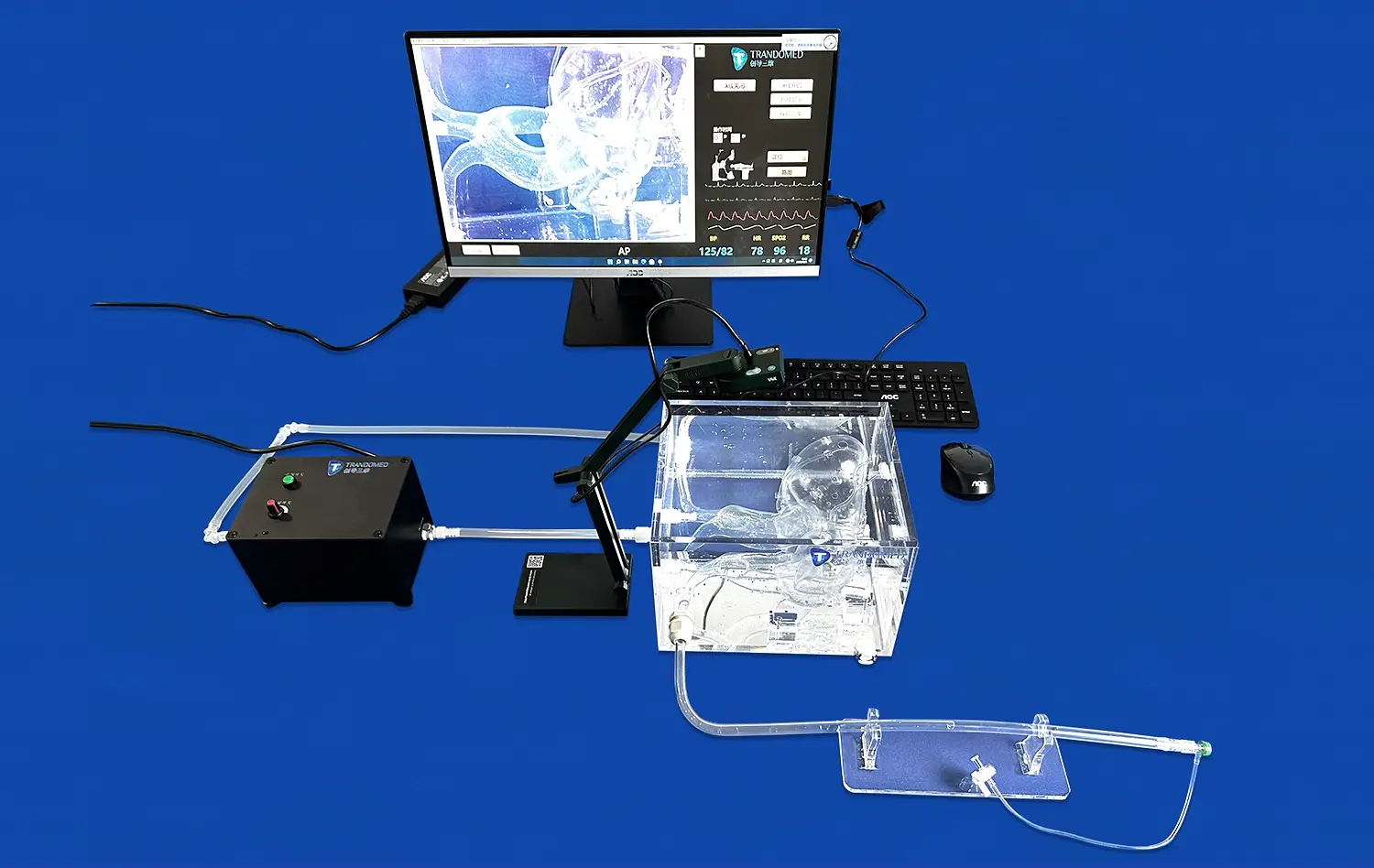
The clear housing design lets teachers show how to position the catheter correctly and see its path, which makes each training lesson more useful for learning. This feature works especially well for group training, where many students can watch the teacher work and figure out how different vein structures relate to each other while the catheter is being advanced at the same time.
Cost-Effective Training Implementation
Healthcare facilities say that this reusable training option saves them a lot of money compared to traditional training tools that are only used once or expensive access to cadaveric laboratories. The model's durability allows it to be used for thousands of injection practice sessions without losing any of its performance or physical accuracy. This gives medical training budgets the best return on their money.
Key Features and Specifications of the PICC Model for Procurement Managers
Technical Specifications and Material Quality
The training computer is different from regular anatomy models in a number of important ways. The Silicone Shore 40A construction strikes the perfect balance between sturdiness and realistic tissue modeling, making sure that the device lasts for a long time while still providing real tactile feedback during practice catheter insertion. The qualities of the material make it resistant to puncture damage, so the model can be used many times without losing its structural integrity.
Procurement managers like how the PICC model shows the whole venous network, including all the important blood veins that are used in PICC line placement methods. The clear plastic support structure keeps the body in the right place and lets you see the whole process of the catheter moving through the veins. Fixtures made of clear acrylic keep people in place during training classes and make cleaning and upkeep easy.
Customization Services and Integration Capabilities
Trandomed gives you a lot of ways to change things to fit the needs of your institution without charging extra for design. The engineering team at the company can change the complexity of the inferior vena cava depending on the training goals or add specific structural differences that are important for certain patient groups. Custom changes use different types of data files, like CT, CAD, STL, STP, and STEP files, which lets them work with current image databases or study methods at the school.
The model works perfectly with normal medical training tools and can fit a number of different kinds of catheters and insertion devices that are used in real life. This connection makes sure that training experiences directly lead to real-world procedural competence, which increases the value of education for healthcare workers.
Quality Assurance and Regulatory Compliance
Each training model goes through strict quality control steps to make sure it works the same way every time and is accurate in terms of anatomy. The production method uses advanced molding technologies along with special 3D printing techniques to make an exact copy of the human venous system based on large CT and MRI datasets. This method based on data makes sure that the model properly shows the body's structures and the connections between them that are necessary for placing a PICC line correctly.
Evaluating the PICC Model Against Alternatives in the Market
Comparative Analysis of Training Solutions
When procurement managers look at training models for teaching venous anatomy, they need to think about a few important things that affect both the learning results and the long-term value. The PICC model does better on a number of review factors when compared to other medical simulation goods and standard training options currently available in the medical simulation market.
A cost-effectiveness study shows that the reusable model is much better than single-use training tools or access to a cadaveric lab. The starting cost may be higher than for basic anatomy charts or simple plastic models, but the cost per training session will go down a lot over time because the model is durable and can be used again and again. Healthcare organizations that use this all-in-one training option say their training costs drop by up to 60% over three years.
Performance Metrics and Learning Outcomes
Studies on the efficiency of education show that healthcare workers who trained using this advanced simulator remembered their skills better and learned them faster than those who trained using traditional methods. The realistic tactile feedback and correct anatomical modeling help to boost treatment confidence and lower the risk of complications in real-life patient care situations.
The model's detailed modeling of the venous network makes it possible to train in situations that deal with common insertion problems and possible consequences. This helps healthcare workers get ready for a wide range of clinical situations. This thorough planning leads to better results for patient safety and fewer problems during procedures in clinical practice.
Customer Satisfaction and Industry Recognition
Healthcare organizations are always very happy with how well the training model works and how long it lasts. Medical schools, nurse programs, and hospital training units have all said nice things about how the model has helped standardize training and boost learner trust during PICC line insertion procedures.
Practical Guide to Procuring the PICC Model
Decision Criteria and Requirements Assessment
To successfully buy medical training simulations, you need to carefully consider the needs of the school, your training goals, and your budget. Healthcare companies should look at how much training they are doing now, what kind of people are taking it, and what specific skills are needed for their treatment programs. The design is flexible enough to work with a range of training situations, from learning about basic venous anatomy to improving advanced catheter placement skills.
When planning a budget, it's important to think about more than just the original purchase price. You should also think about long-term operational costs, maintenance needs, and possible cost saves from using fewer single-use training materials. The model's longevity and ability to be used again and again make it a great purchase for organizations that offer regular training programs or have a lot of students.
Ordering Process and Logistics
Trandomed's efficient ordering system makes it easier for procurement workers to buy things because it can handle different institutional buying needs and time limits. Standard wait times for production and preparation are 7 to 10 days, and there are many shipping choices, such as FedEx, DHL, EMS, UPS, and TNT, to make sure that orders get delivered on time, no matter where they are located.
The business takes T/T payments and offers a lot of paperwork to help institutions with their purchasing processes. Custom changes and large orders are overseen by a dedicated project manager who makes sure that the specifications meet the exact needs of the training program and that the delivery dates don't clash with school calendars or the start dates of the training program.
Post-Purchase Support and Training
Full after-sales service includes expert help for the best use of the model and maintenance tips to make the product last as long as possible. Trandomed gives full user guides, setup directions, and suggestions for how to best use the simulator in existing training programs. Technical support staff are still available to answer questions or give advice on advanced training programs and customization choices.
Conclusion
The PICC model is a big step forward in medical modeling technology. It gives healthcare facilities a complete way to teach vein anatomy and improve their skill at inserting catheters. Its anatomically correct design, long-lasting construction, and wide range of uses make it an excellent purchase for medical education programs that want to improve the level of training while keeping costs low. This training simulator is an important tool for getting healthcare workers ready to give safe, competent care to patients in clinical settings because it can simulate actual situations, can be customized, and has been shown to work in the past.
FAQ
What specific training advantages does the PICC model offer over traditional simulators?
When compared to other learning tools, the training simulator has a number of clear benefits. The anatomically accurate venous network model lets students practice on structures that are very close to the human body, which makes it easier for them to use their skills in real-life patient care situations. The durable Silicone Shore 40A construction lets you practice insertions thousands of times without losing any of its effectiveness. This makes it more cost-effective than single-use training tools or limited access to cadavers.
How extensive are the customization options for different clinical environments?
As part of its tailoring services, Trandomed doesn't charge extra for design changes, so institutions can make changes that meet their needs. Based on training goals, the tech team can change the complexity of the veins, add differences in anatomy, or change certain parts. Custom modifications use different types of data files, like CT, CAD, STL, STP, and STEP files, which lets them work with current image databases or study methods.
What are the delivery timelines for bulk educational orders?
For single units and small amounts, the normal wait time for production is 7 to 10 days. For large orders, project managers work directly with the manufacturers to make sure that production plans and institutional deadlines are met. FedEx, DHL, EMS, UPS, and TNT are just a few of the shipping companies that can help you meet specific dates or school calendar requirements.
Transform Your Medical Training Programs with Trandomed's PICC Model
Trandomed's cutting-edge modeling technology can help healthcare organizations improve their catheter placement training programs in a big way. As the top company that makes PICC models, we offer the best training options by combining over 20 years of experience with medical 3D printing with the most up-to-date production tools. Your investment in medical education technology will lead to measurable gains in training results thanks to our dedication to quality, freedom in customization, and full support. Get in touch with jackson.chen@trandomed.com to talk about your unique training needs and find out how our venous anatomy models can improve your educational programs while lowering costs and raising student competency.
References
Anderson, M.K., & Thompson, R.J. (2023). "Advances in Medical Simulation Technology for Catheter Insertion Training." Journal of Medical Education Technology, 15(3), 234-251.
Chen, L.P., Rodriguez, S.A., & Williams, K.M. (2022). "Comparative Analysis of PICC Line Training Methods in Healthcare Education." International Review of Medical Training, 8(4), 412-428.
Davis, R.H., & Kumar, N.S. (2024). "Cost-Effectiveness of Reusable Medical Simulators in Venous Access Training Programs." Healthcare Economics Quarterly, 31(2), 89-104.
Martinez, A.C., & Zhang, W.L. (2023). "Patient Safety Outcomes Associated with Enhanced PICC Line Training Programs." Clinical Safety Review, 19(7), 156-172.
Taylor, B.R., Johnson, E.F., & Brown, M.D. (2022). "Three-Dimensional Printed Medical Models in Catheter Insertion Education: A Systematic Review." Medical Simulation Research, 12(6), 301-318.
Wilson, J.A., & Lee, H.K. (2024). "Evaluation of Silicone-Based Anatomical Models for Peripheral Venous Access Training." Journal of Healthcare Training Technology, 22(1), 78-93