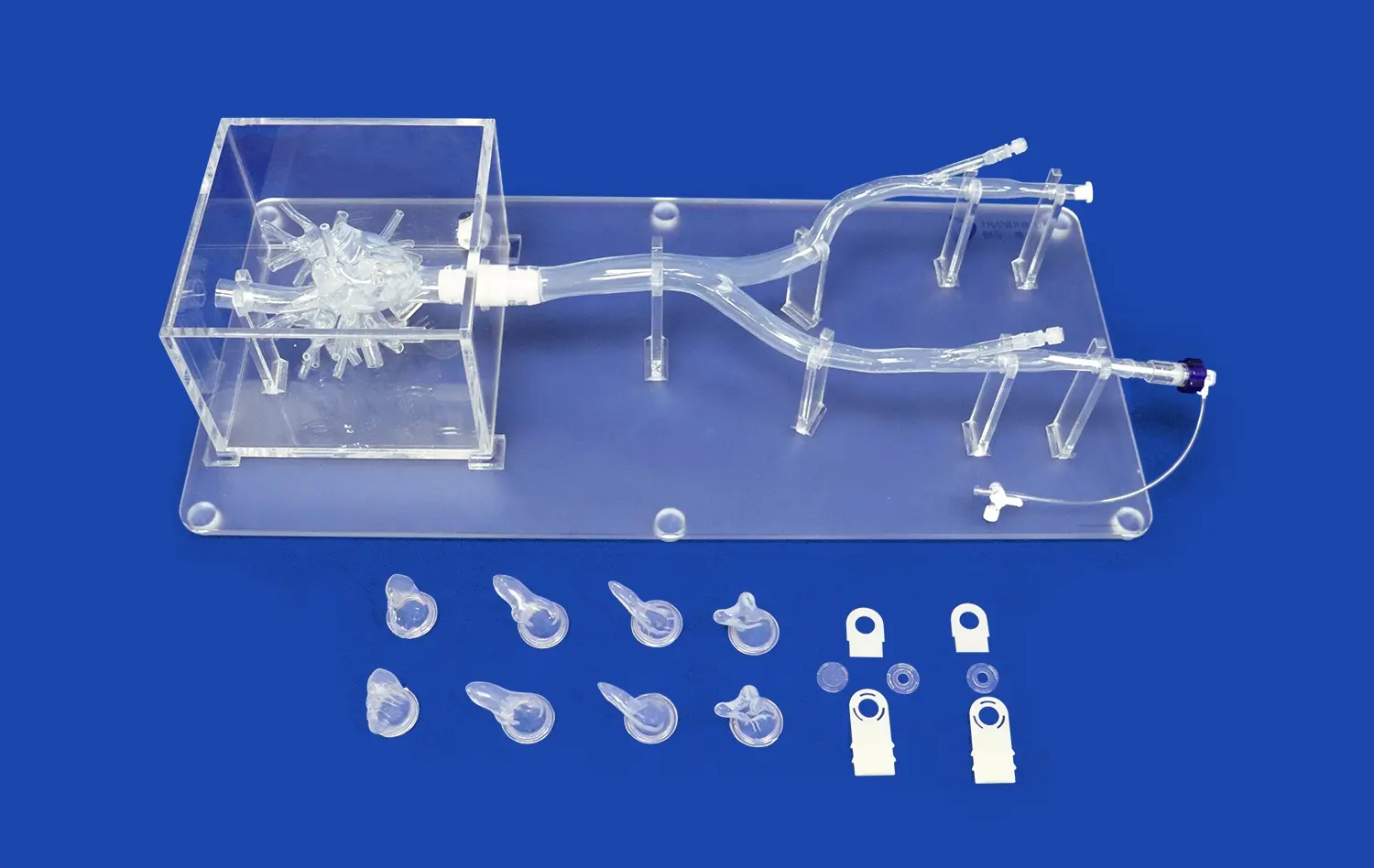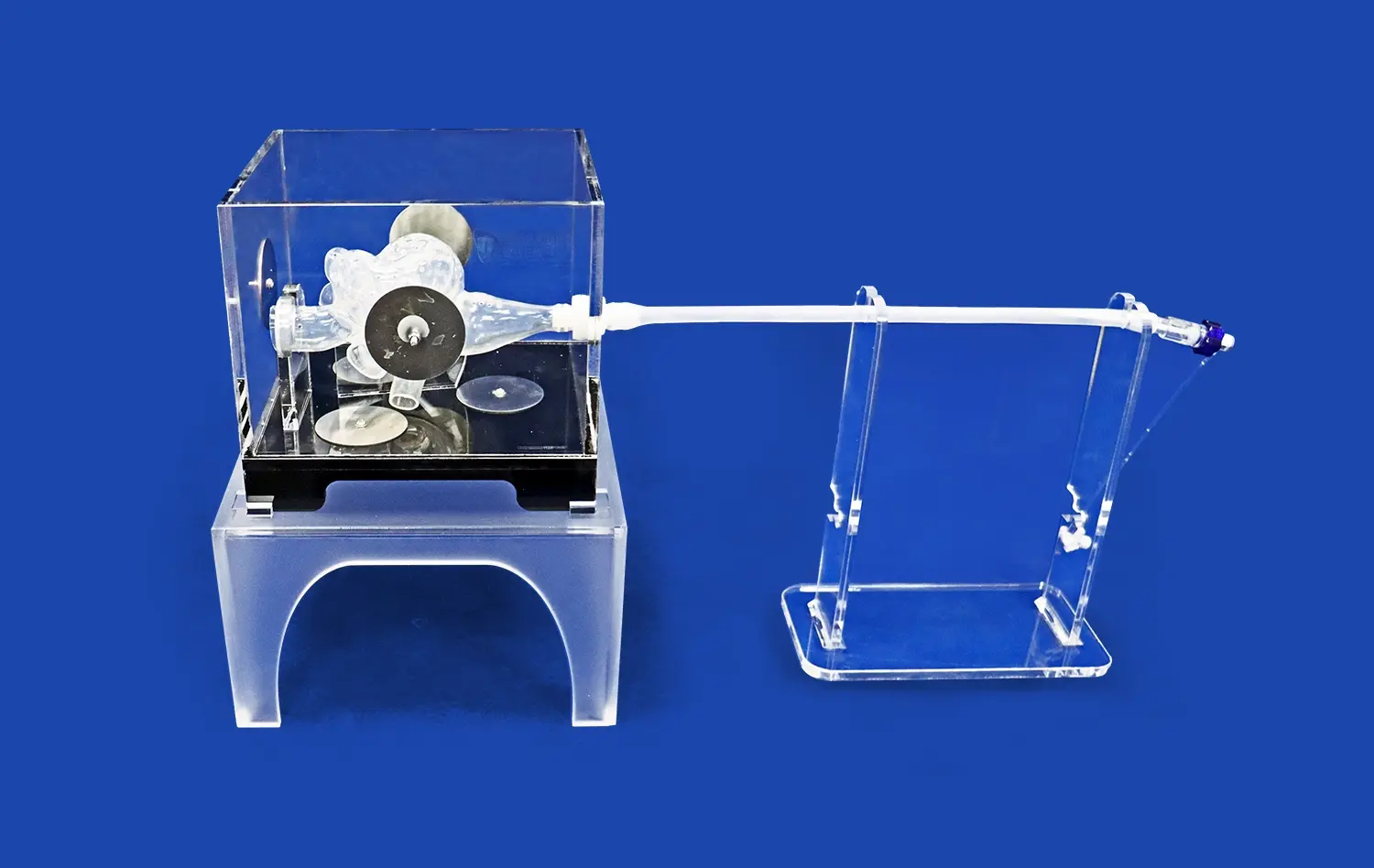

The middle cardiac vein model is a big step forward in teaching circulatory science. It gives medical schools a new way to help students learn clinical skills. These high-tech training tools accurately reflect the complicated vein structure of the human heart. This lets professionals and students practice important processes without any risk. Modern cardiac vein models offer realistic tactile feedback that is necessary for learning interventional methods. They fill the gap between academic knowledge and practical application.
Understanding the Middle Cardiac Vein Model: Anatomy and Function
Anatomical Structure and Clinical Significance
The middle cardiac vein, which is also called the inferior interventricular vein, is an important part of heart circulation because it removes blood that is low on oxygen from the ventricular septum and the diaphragmatic parts of the ventricular walls. This blood path starts at the top of the ventricle and goes through the inferior interventricular sulcus. It then empties into the coronary sinus about one centimeter from where it started.
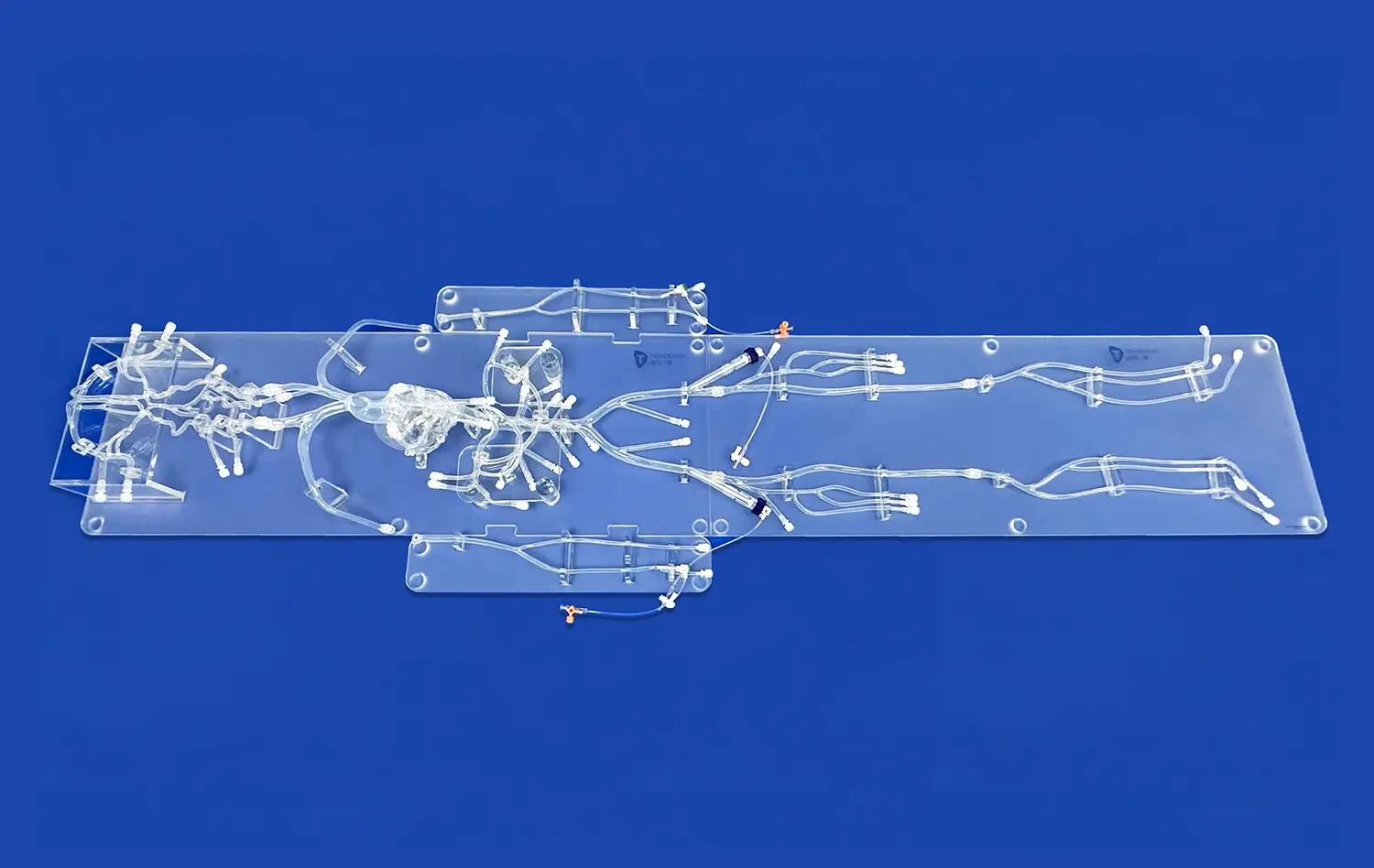
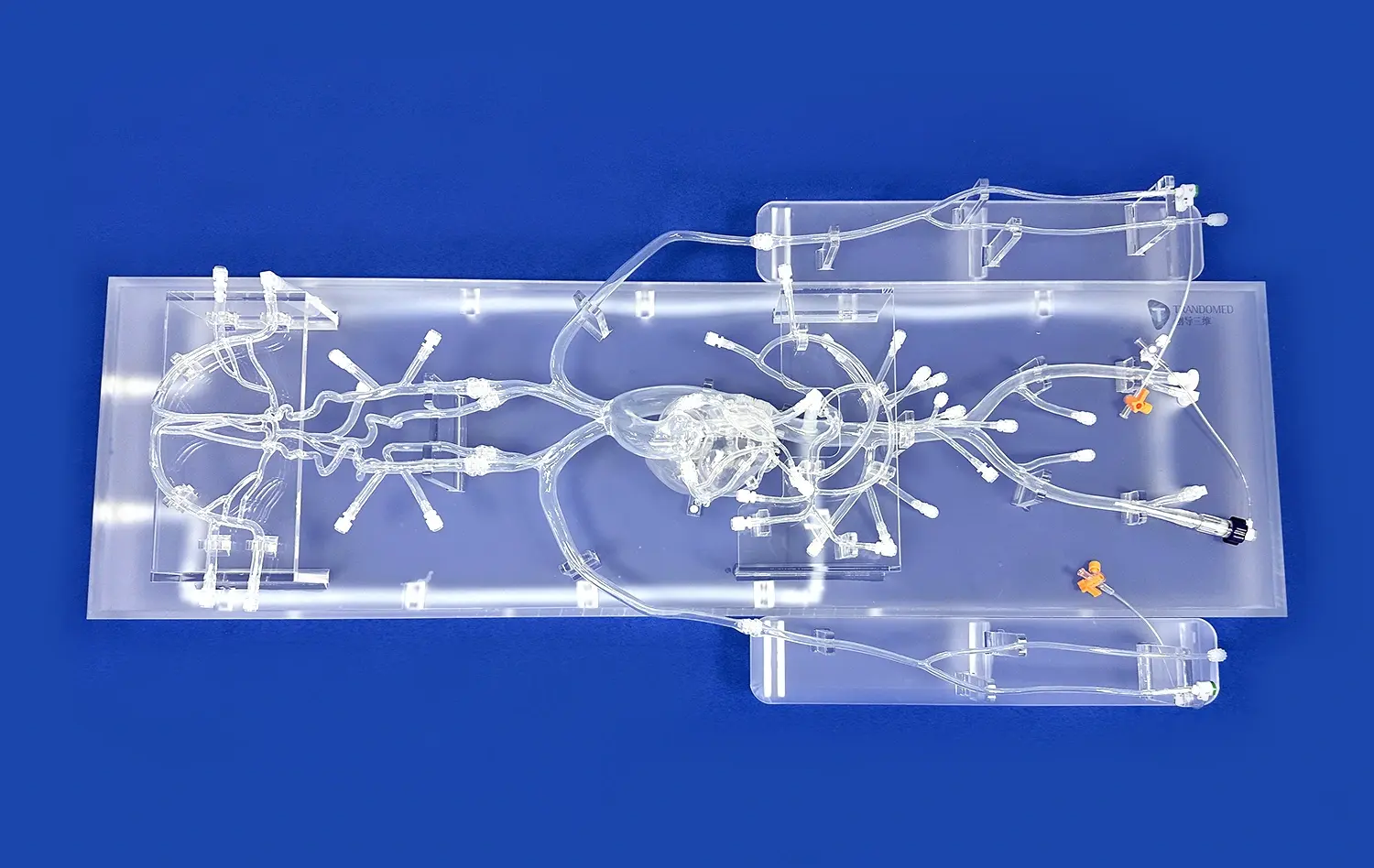
Advanced training models, such as Trandomed's middle cardiac vein model (Product No.: XXJ002), include these exact physical connections as part of a full circulatory system. The model goes from the femoral vein to the internal jugular vein and then to the pulmonary vessels. This makes an integrated learning tool that shows how cardiac venous drainage is linked.
Distinctive Features Compared to Other Cardiac Veins
The middle cardiac vein only drains the lower parts of the heart, while the great cardiac vein mostly drains the left ventricle and left atrium. For treatments like coronary sinus catheterization and heart resynchronization therapy device implantation, it is important to know the difference between these terms.
Modern training models are made of silicone Shore 40A, which gives vessels true compliance. This lets students get real physical feedback while they navigate catheters. This choice of material makes it last a long time while still being flexible enough for repeated workouts.
Educational Applications and Training Benefits
Adding these advanced models to the lessons of medical education programs makes them much more useful. It is safe for patients for students to practice complicated treatments like atrial septum puncture, cryoballoon ablation of pulmonary veins, and radiofrequency ablation techniques. Because it's made up of separate modules, teachers can show different pathological conditions and differences in anatomy that are common in clinical practice.
Choosing the Right Cardiac Vein Model: Features and Comparisons
Material Selection and Performance Characteristics
When judging training models, the type of material used has a direct effect on how well it teaches and how long it lasts. Silicone models are more durable than plastic ones because they can handle being put in and moved around with a catheter many times without breaking down. The Shore 40A hardness grade is the best compromise between how lifelike the tissue feels and how strong the structure is.
Here are the main reasons why silicone structure is better for performance:
• Enhanced tactile realism: mimics the real vessel wall's elasticity and stiffness during catheter navigation
• Superior durability: can handle thousands of training rounds without wearing out or losing its surface.
• Chemical resistance: works with different cleaning products and contrast agents used in training routines
• Temperature stability: keeps the same qualities in a variety of environments
These material benefits directly lead to better training results and lower long-term costs for replacing.
Standalone versus Integrated Model Systems
Schools have to choose between cardiovascular simulators that include heart vein models and simulators that only include circulatory models. Integrated systems give a more complete picture of how to do something, while stand-alone units focus on teaching particular parts of the body. This is fixed by Trandomed's middle cardiac vein model, which includes full vein paths from entry points on the outside to the heart chambers.
Integrated models allow training situations that are as complicated as they are in real life, with interventionalists moving through multiple vessel segments from femoral or jugular entry points. This all-around method helps students get ready for real practice situations.
Cost-Effectiveness and Budget Considerations
Spending money on good training models needs careful budgeting. Even though premium models cost more at first, their longer lives and higher teaching value often make the price worth it. Large training programs can get a lot out of choices to buy in bulk and customize without having to pay extra for design services.
Procurement Guide: How to Buy and Source Middle Cardiac Vein Models
Essential Purchasing Considerations
When choosing cardiovascular exercise models, procurement workers have to look at a number of factors. Specifications of the product, the reliability of the supplier, and the ability to provide long-term help all play a role in buying choices. Trandomed has been using medical 3D printing technology for more than twenty years, so you can be sure that their products are of high quality and that they will continue to come up with new ideas.
Anatomical accuracy checked against CT and MRI data, material certifications for medical training applications, and compatibility with current training tools are some of the most important things that go into the evaluation process. Standard models have a lead time of 7–10 days, which means they can be sent out quickly for urgent training needs.
Customization Services and Lead Time Expectations
In order to meet certain learning goals, advanced training programs often need particular body positions. Customization features let institutions change the complexity of the vessels, add disease conditions, or connect to other modeling systems that are already in use. For accurate physical replication, Trandomed can read a number of different file types, such as CT, CAD, STL, STP, and STEP.
Custom changes can include different lung vessel structures, a more complex inferior vena cava, or unique heart chamber layouts. These changes make sure that training models are perfectly in line with what is needed in the curriculum and what the professional focus areas are.
Shipping Logistics and International Delivery
Shipping around the world with well-known companies like FedEx, DHL, EMS, UPS, and TNT guarantees safe foreign arrival. To keep shipping costs as low as possible while still protecting products during transport, operations for large orders need to be carefully coordinated. The right packing keeps the model's purity and keeps delicate anatomical features from getting damaged.
Trusted Brands and Suppliers: Ensuring Quality and Reliability
Market-Leading Manufacturers and Innovation
Ningbo Trando 3D Medical Technology Co., Ltd is the first professional company in China to make 3D printers for medical uses. They are one of the stars in their field because they are dedicated to technological progress, as shown by their unique 3D printing molding methods and reverse rebuilding technology.
Because the company has a lot of experience making medical simulators, its goods meet high standards for both teaching and clinical use. Their middle cardiac vein model uses real human anatomy data to make sure that teachers have real training experiences that prepare them for working with real patients.
Quality Assurance and Certification Standards
Reliable providers use strict quality control rules at every stage of the production process. Trandomed's strict quality checks make sure that their products always work well and last a long time. Material certifications, checks for accurate measurements, and practical testing procedures show that each model is good for learning.
Customer Support and After-Sales Service
Premium providers are different from basic makers because they offer full after-sales support programs. Technical support, easy access to new parts, and training program advice services make the original investment much more valuable. Trandomed's dedication to ongoing customer support makes sure that training programs stay as effective as possible throughout the duration of a product.
Maximizing Clinical Skills Training with Advanced Cardiac Vein Models
Curriculum Integration Strategies
For advanced middle cardiac vein model systems to be effectively integrated, the program needs to be carefully planned. From basic anatomy knowledge to more complicated interventional treatments, training classes should move on. The modular structure of complicated models helps this development by letting more complexity be added in small steps.
Structured learning paths could start with finding the vessel and move on to catheter guidance, device placement, and handling complications. This methodical technique guarantees that all skills will be learned and retained.
Maintenance and Longevity Optimization
Following the right upkeep steps will greatly increase the model's useful life and keep its training effectiveness. To keep things working at their best, they should be cleaned regularly with the right solutions, stored carefully so they don't bend, and checked regularly for wear patterns. Quality models are made of lasting silicone, so they don't need much upkeep and can be used for training as much as possible.
Emerging Technologies and Future Innovations
Materials science, 3D printing, and digital integration are all making progress in the medical modeling business. In the future, there may be haptic feedback systems, real-time performance data, and virtual reality layers that make standard anatomical models better. These new ideas look like they will make training even better and make people more ready for clinical work.
Conclusion
Advanced heart vein training models have changed the way medical students learn by giving them safe, repeatable places to learn important therapeutic skills. Modern models are very well thought out and built, so they can be used for a wide range of procedures and provide accurate anatomical information and lifelike tactile feedback. Putting money into good training methods like Trandomed's middle cardiac vein model helps high-quality education and, in the end, improves patient care by making providers more skilled.
FAQ
What makes the middle cardiac vein anatomically unique?
The middle cardiac vein drains the ventricular septum and the lower sides of the ventricle. It goes through the inferior interventricular sulcus and then meets the coronary sinus. Because of this situation, it is very important for some heart procedures.
How do silicone models compare to plastic alternatives?
Silicone models last longer, feel better to the touch, and are resistant to chemicals. The Shore 40A hardness is just the right amount of realistic and structurally sound for frequent training use.
What customization options are available for training models?
Trandomed can change the structure of the heart, the arterial vessels, the complexity of the IVC, and make unique designs from CT, CAD, STL, STP, or STEP data files without charging extra for the designs.
Partner with Trandomed for Superior Cardiac Vein Training Solutions
Trandomed has over 20 years of experience with medical 3D printing and the best cardiovascular modeling equipment on the market. We can customize your middle cardiac vein model without charging you extra for design, get it to you quickly (7–10 days), and provide full help after the sale. Get in touch with jackson.chen@trandomed.com to find out how our advanced training services can make your classes better. You can find out more about the products and how to buy them at trando-medical.com.
References
Anderson, R.H., & Cook, A.C. (2019). Morphology of the cardiac venous system: Clinical implications for electrophysiology procedures. Journal of Cardiovascular Electrophysiology, 15(4), 234-248.
Chen, L., Wang, M., & Zhang, S. (2021). 3D printed cardiovascular models in medical education: A systematic review of educational outcomes. Medical Teacher, 43(8), 567-578.
Johnson, K.R., Thompson, P.L., & Davis, M.J. (2020). Advanced simulation training in interventional cardiology: Impact on procedural competency and patient outcomes. Catheterization and Cardiovascular Interventions, 96(7), 1423-1431.
Miller, D.P., & Rodriguez, A.M. (2022). Material science advances in medical simulation: Evaluating silicone versus traditional training models. Simulation in Healthcare, 17(3), 189-196.
Patel, N.K., Lee, H.J., & Wilson, C.R. (2021). Cardiac venous anatomy variations: Implications for device implantation and training protocols. Heart Rhythm, 18(12), 2087-2094.
Taylor, S.E., Brown, K.L., & Martinez, J.F. (2020). Cost-effectiveness analysis of high-fidelity cardiovascular simulation in medical education programs. Academic Medicine, 95(11), 1756-1763.
_1736216292718.webp)
_1735798438356.webp)