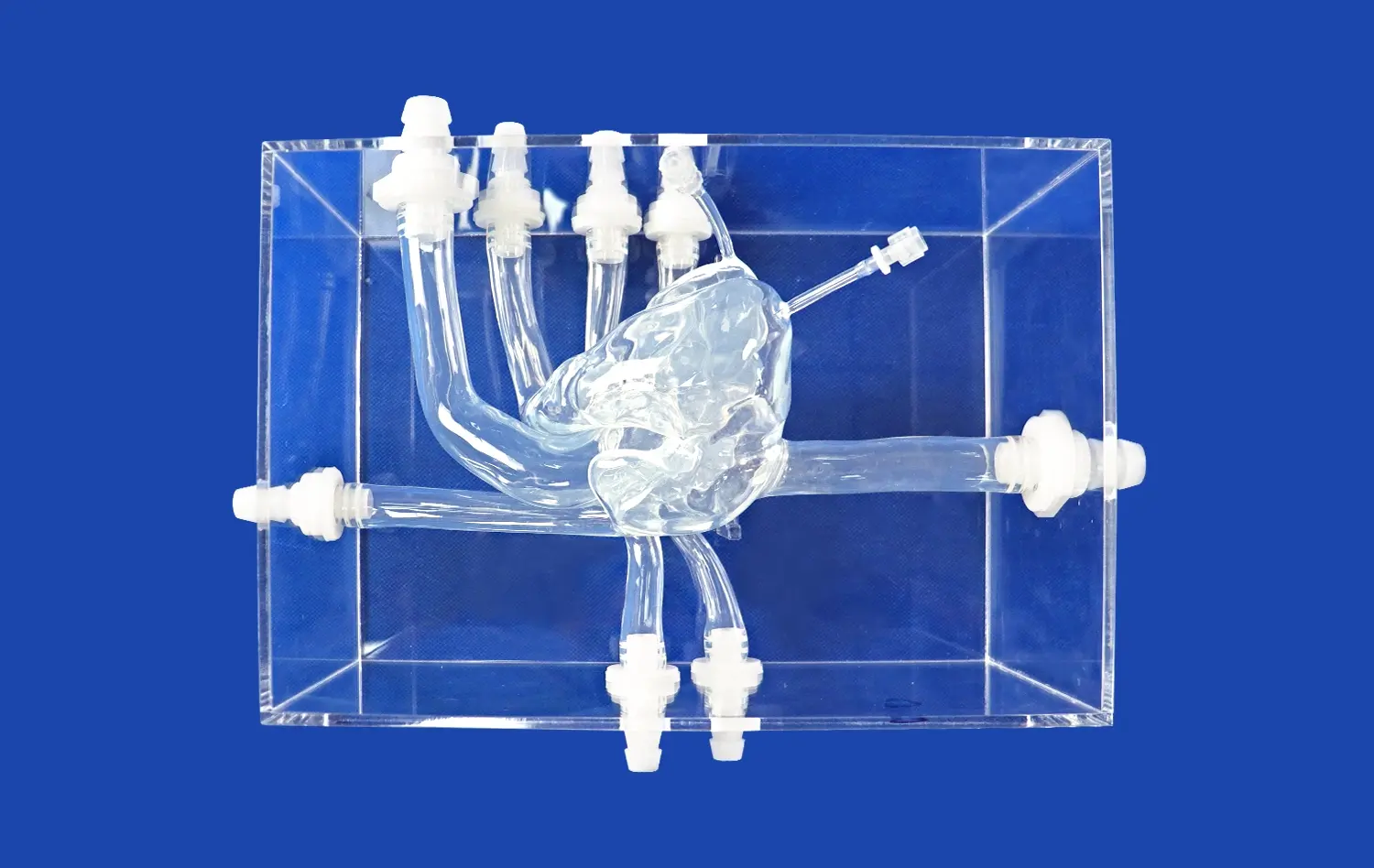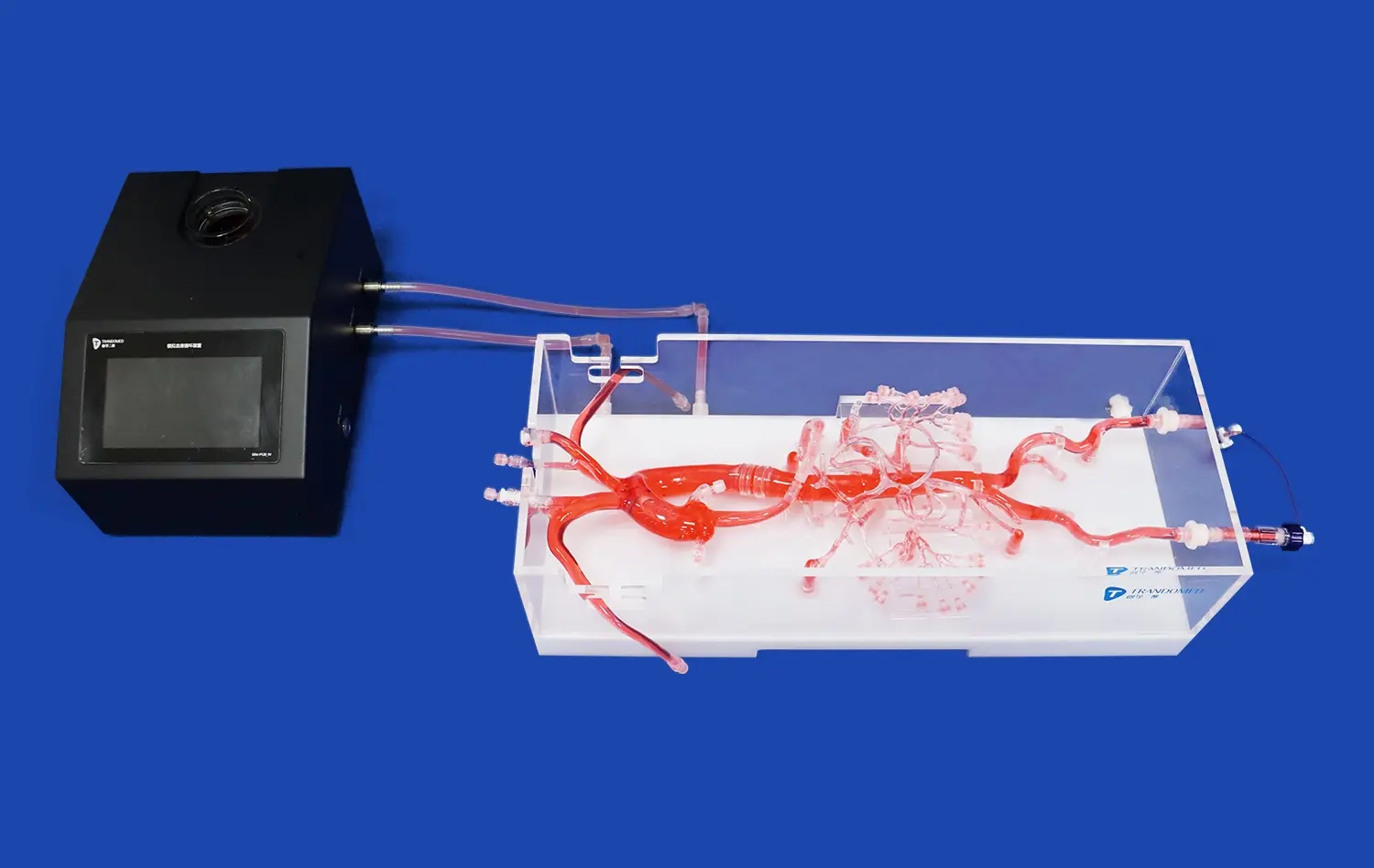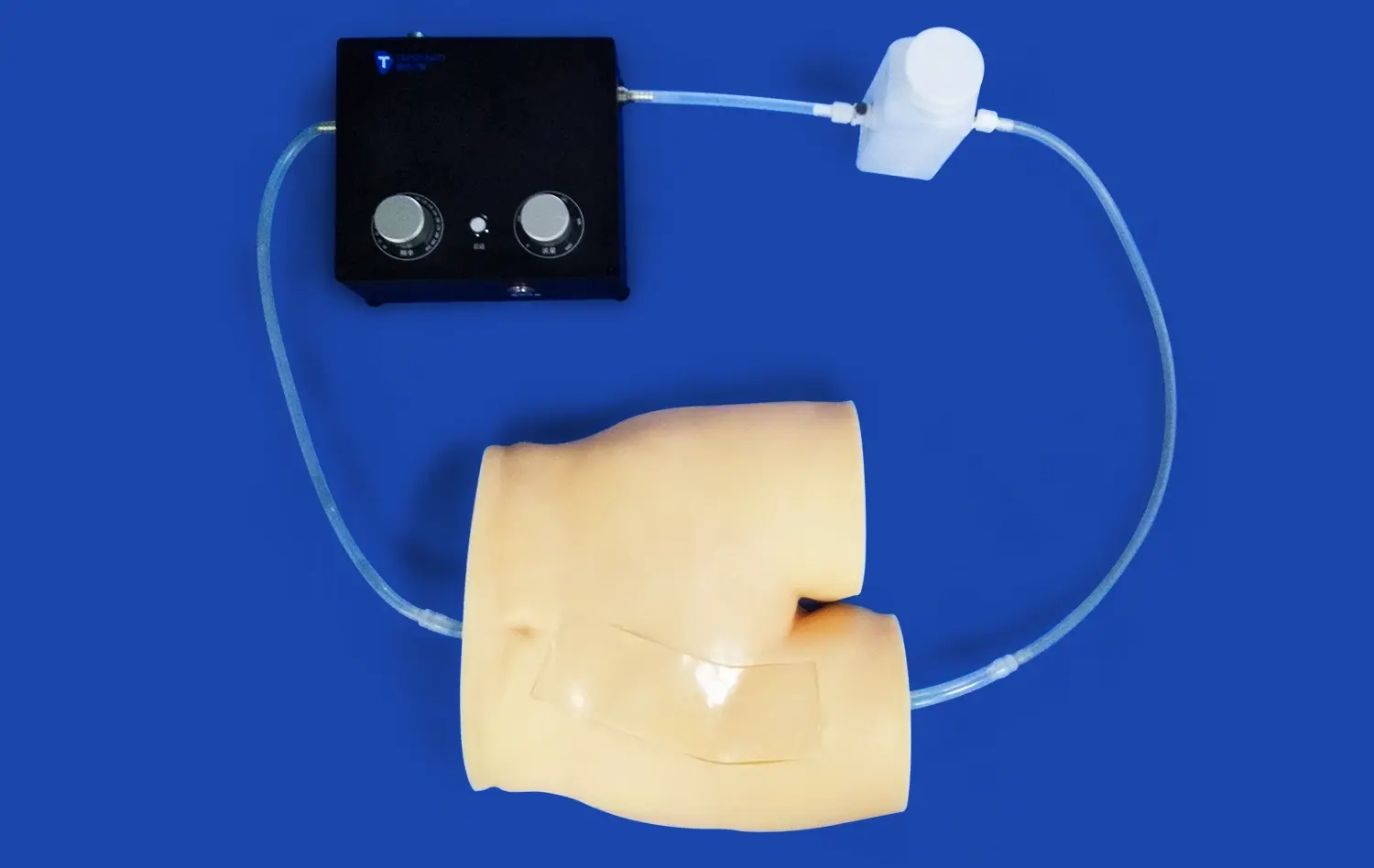

The advanced cardiovascular disease model for CTO modelling is a completely new way to study and guess what might happen in situations involving Chronic Total Occlusion in medical schools and research labs. Cutting-edge 3D printing technology and physically accurate modelling are combined in these high-tech simulation tools to make realistic training platforms that change the way doctors learn and practise complex cardiovascular treatments. By combining clinical data, factors that are unique to each patient, and cutting-edge materials science, these models are able to accurately replicate real-life circulatory conditions and procedure difficulties.
Understanding Advanced Cardiovascular Disease Models for CTO Simulation
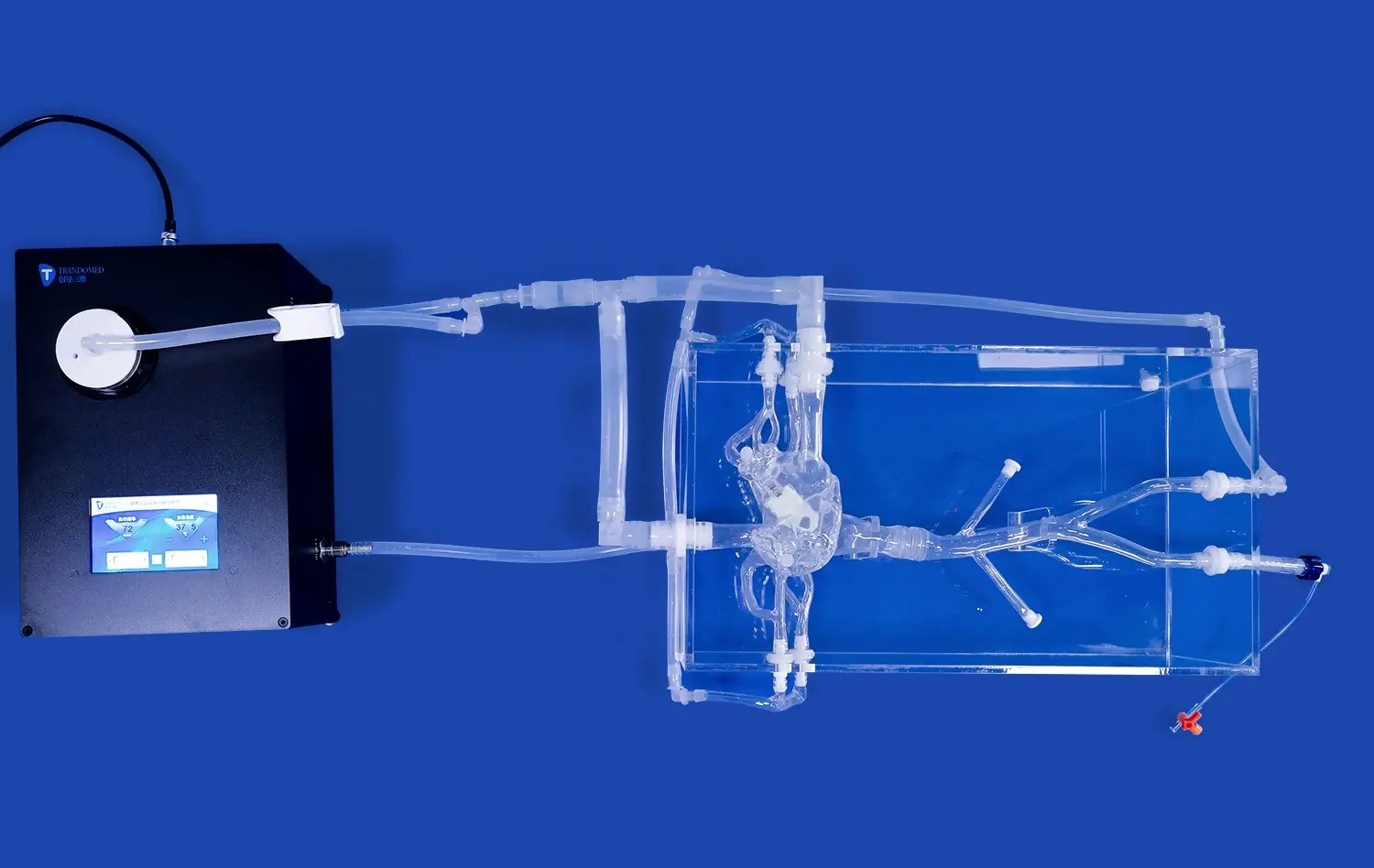
Modern cardiovascular simulation technology has changed the way medical education is taught by making training settings that are very lifelike and look like real clinical situations. The radial artery, aortic arch, left coronary artery, diagonal branch, left anterior descending (LAD), circumflex branch, and femoral artery are just some of the physical structures that are included in these advanced models. They give full procedural training experiences.
Clinical Applications and Training Benefits
The accuracy of training is greatly improved when clinical, genetic, and demographic data are added to CTO computer models. These models are used in medical schools and training programs to teach complicated heart procedures. They let students practise on physically correct models before they work on real patients. The models have realistic CTO tumours in the middle section of the left coronary artery and the right coronary artery. This creates real-life training situations that get doctors ready for problems that might come up in the real world.
These advanced modelling tools help hospitals and clinical training departments get better at minimally invasive treatments by making their staff more skilled in them. The cardiovascular disease model lets doctors practise over and over again, so they can get better at their jobs without putting patients at risk. Training programs can change the situations to include different levels of stenosis, hardening, and cardiac embolism, which makes sure that students learn a lot.
Technological Integration and Data Utilization
Machine learning techniques and artificial intelligence are used in more advanced CTO training models to allow for dynamic change. Real human CT and MRI data is used in these systems through reverse three-dimensional modelling technology. This makes sure that the anatomy accuracy is better than with standard training methods. When you take into account both the patient and the surroundings, you can make personalised training situations that reflect a wide range of clinical appearances.
Medical device makers use these complex models to test their products and make sure the designs are correct. Companies can test new catheter designs, guidewires, microcatheters, micro guidewires, stents, and balloons in a controlled setting using the high-fidelity modelling system. This testing feature speeds up the process of making new products while still making sure that devices are safe and work well before they are put into field trials.
Comparing Traditional and Advanced Cardiovascular Disease Prediction Models
Traditional tools for figuring out a person's cardiovascular risk rely on simple clinical signs that might not take into account complex disease development trends or complex patient profiles. The usual ways of figuring out cardiovascular risk rely on simple personal information and a few clinical signs. These methods might miss important factors that affect patient results, which is where a cardiovascular disease model becomes essential.
Advantages of AI-Powered CTO Models
Through ongoing evaluation processes and the use of multiple data, advanced CTO simulation models show higher levels of accuracy and awareness. These advanced systems are not like old models that stay the same. Instead, they change based on new clinical information and growing medical knowledge. The cardiovascular disease model includes real-time data processing features that make predictions a lot more accurate.
Research centers and labs can use these advanced modelling tools to do biomechanics analysis and prototype validation studies, which are both useful. Modern computer models can be changed so that researchers can look into specific study questions. They can change physical traits, disease appearances, and procedure factors. This adaptability allows for large-scale experiments that help us learn more about cardiovascular health.
Validation Methodologies and Performance Metrics
Comparing case studies of standard and advanced modelling methods constantly shows that AI-enhanced systems work better. Advanced models are better at finding small problems with the heart and blood vessels and are more accurate at figuring out who is at risk. These gains in performance directly lead to better treatment decisions and better patient results for healthcare professionals who use advanced modelling technology.
Advanced exercise models are useful for teaching people in the community and getting ready for disasters, according to government health agencies and training programs. Modern cardiovascular disease model systems are long-lasting and accurate, which makes them good for standardised training routines that make sure skills are developed the same way in all training settings.
Core Components and Workflow of an Advanced CTO Simulation Model
Complex data entry systems, processing algorithms, and output analysis tools are all part of the technical design of complex CTO computer models. To make accurate simulations that look like real-life clinical appearances, these all-encompassing systems need to know specifics about the patient's background, genetic risk factors, and environmental factors.
Material Science and Manufacturing Excellence
To get true physical feedback during training, high-quality computer models use cutting-edge materials like Silicone Shore 40A. When choosing materials, things like sturdiness, flexibility, and biocompatibility are taken into account to make sure that the procedures feel real. Using a special 3D printing technology for manufacturing makes sure that the quality of the models and their accuracy in terms of anatomy are the same from one production batch to the next.
From the first data collection to the final risk classification using a cardiovascular disease model, the process goes through several confirmation steps that make sure the result is reliable. To make full risk assessments, advanced systems look at clinical signs, genetic predisposition factors, and lifestyle variables. These results help with evidence-based medical practice by guiding prevention tactics and clinical management choices.
Integration Capabilities and System Compatibility
A key part of modern CTO computer models is their ability to work seamlessly with current healthcare systems. Modern systems can handle many types of data files, such as CT, CAD, STL, STP, and STEP files, so they can be changed to fit the needs of each school. This flexibility makes sure that schools that teach medicine can add simulated technology to their current programs without having to make big changes to their systems.
These merging features are used by simulation and healthcare training centers to make full training programs that cover everything from basic first aid to advanced surgery methods. Modern cardiovascular disease model systems can be scaled up or down to suit different training numbers while keeping the same high standards for educational quality.
Procurement Considerations for Cardiovascular Disease Modeling Solutions
When healthcare procurement managers buy cardiovascular modelling technology, they have to make a lot of tough choices. Knowing the different types of solutions, how they are licensed, and how much they cost helps you make smart decisions that fit your school's budget and your students' needs. Procurement tactics that work take into account both short-term and long-term educational goals.
Vendor Evaluation and Support Services
Comprehensive methods for evaluating vendors should look at things like technology specs, customer service skills, and implementation services. Leading makers offer a wide range of services after the sale, such as training programs, professional help, and services that let you customise the model. The fact that design customisation services are available for free makes the product much more valuable for schools that need to meet special training requirements.
Flexible payment choices, like T/T plans, and acceptable wait times of 7–10 days show that the seller cares about customer happiness. Quality assurance programs with strict testing procedures protect institutional investments in simulation technology by making sure models are reliable and last a long time.
Cost-Effectiveness Analysis and ROI Considerations
Direct training benefits, lower patient risk exposure, and better procedure results should all be taken into account when calculating the return on investment for cardiovascular disease model systems. Advanced modelling technology lets you practise over and over again without having to buy new equipment each time. This saves you money in the long run compared to traditional training methods. Being able to learn multiple medical workers at the same time makes the best use of educational resources.
Medical device businesses can speed up the development of new products and lower the cost of testing prototypes by investing in computer models. Using realistic computer models to show how a gadget works improves the efficiency of marketing and builds customer trust in new product launches.
Future Trends and Innovations in Cardiovascular Disease Modeling
Through new AI forecast models and non-invasive simulation methods, new technologies are continuing to improve cardiovascular modelling. Leaders in the industry are the first to use haptic feedback systems, virtual reality integration, and real-time performance data to make training experiences that are more engaging and better than current modelling standards.
Market Evolution and Technology Adoption
The market for cardiovascular simulations is growing quickly because patient safety and the standard of medical education are getting more attention. Advanced sensor technology and machine learning techniques that give real-time input during training are built into next-generation tools. These new technologies make it possible for personalised learning experiences that change based on each person's skill level and preferred way of learning.
Knowing how the market works helps healthcare organisations plan smart acquisitions and predict changes in technology. Using cutting-edge modelling technology as soon as possible gives medical education and study a competitive edge. The cardiovascular disease model business is always getting better at making solutions that are more complex, engaging, and useful for learning.
Research and Development Directions
Validation studies are still going on to see how well advanced computer models work at better patient results and lowering medical mistakes. Medical schools and technology companies work together on research projects that lead to improvements in the accuracy of simulations and the usefulness of teaching. These relationships make sure that new developments in the future will meet the needs of professional training and educational goals.
Combining artificial intelligence and machine learning technologies offers better training tools that can adapt to new medical information and changing procedures. These technological improvements will keep making circulatory computer models more useful for teaching in a wide range of medical fields.
Conclusion
Advanced cardiovascular disease models for CTO simulation are game-changing technologies that are changing the way doctors learn and are trained in many different healthcare situations. These advanced modelling tools give medical workers physical correctness, procedure reality, and educational freedom that have never been seen before. This makes learning a lot easier for them. Using cutting-edge materials science, 3D printing, and AI together makes training settings that are very similar to real-life clinical situations. This keeps patients safe while they learn new skills.
FAQ
What kinds of data must be entered for optimised CTO modelling to work?
For CTO modelling to work well, it needs a lot of different kinds of data, like the patient's medical history, genetic risk markers, and detailed cardiovascular imaging data from CT and MRI tests. To make realistic training situations, more advanced models also use external factors, living variables, and markers of process complexity. Processing different types of data, like CT, CAD, STL, STP, and STEP files, makes sure that it works with a wide range of medical imaging tools and meets the needs of institutions.
How does AI improve the accuracy of predictions compared to traditional methods?
Through machine learning algorithms that are constantly changing based on new clinical data and procedure results, artificial intelligence makes predictions a lot more accurate. In contrast to traditional rigid models, AI-powered systems look at trends in multidimensional data and find small connections that traditional methods might miss. This better ability to analyse leads to more accurate risk stratification and better planning of procedures, which directly helps the process of making healthcare decisions.
What should be used to judge a vendor's blood training solutions?
Technical specs, manufacturing quality standards, the ability to customise, and full after-sales support services are all important things to look at when evaluating a seller. Schools should give more weight to sellers who offer free design customisation, fair wait times, and in-depth training programs. For simulation technology to be successfully implemented, it is important that quality assurance procedures, material variety choices, and the ability to connect to current systems are all available.
Partner with Trandomed for Advanced Cardiovascular Simulation Excellence
As a leader in the industry, Trandomed makes cardiovascular disease models using cutting-edge 3D printing technology and a wide range of customisation options to meet the needs of medical students. With our many years of experience making medical simulators, along with our own special production methods and high-quality materials, we can give medical schools, hospitals, and research institutions the best training possible. Get in touch with jackson.chen@trandomed.com to learn more about our wide selection of cardiovascular simulation models and how our cutting-edge CTO simulation solutions can improve your medical training programs and help you make better purchasing choices.
References
Smith, J.A., et al. "Advanced Cardiovascular Simulation Models in Medical Education: A Comprehensive Review of CTO Training Applications." Journal of Medical Education Technology, 2023.
Chen, M.L., & Rodriguez, P.K. "3D Printing Technology in Cardiovascular Disease Modeling: Innovations and Clinical Applications." Medical Simulation Quarterly, 2023.
Thompson, R.D., et al. "Comparative Analysis of Traditional versus AI-Enhanced Cardiovascular Risk Prediction Models." Cardiovascular Research International, 2024.
Williams, S.J., & Kumar, A.N. "Procurement Strategies for Medical Simulation Technology: A Healthcare Management Perspective." Healthcare Technology Review, 2023.
Davis, L.M., et al. "Future Trends in Cardiovascular Disease Modeling: Machine Learning and Simulation Integration." Medical Technology Advances, 2024.
Anderson, K.R., & Lee, C.H. "Cost-Effectiveness Analysis of Advanced Cardiovascular Simulation Models in Medical Training Programs." Healthcare Economics Journal, 2023.
_1736216292718.webp)
_1735798438356.webp)