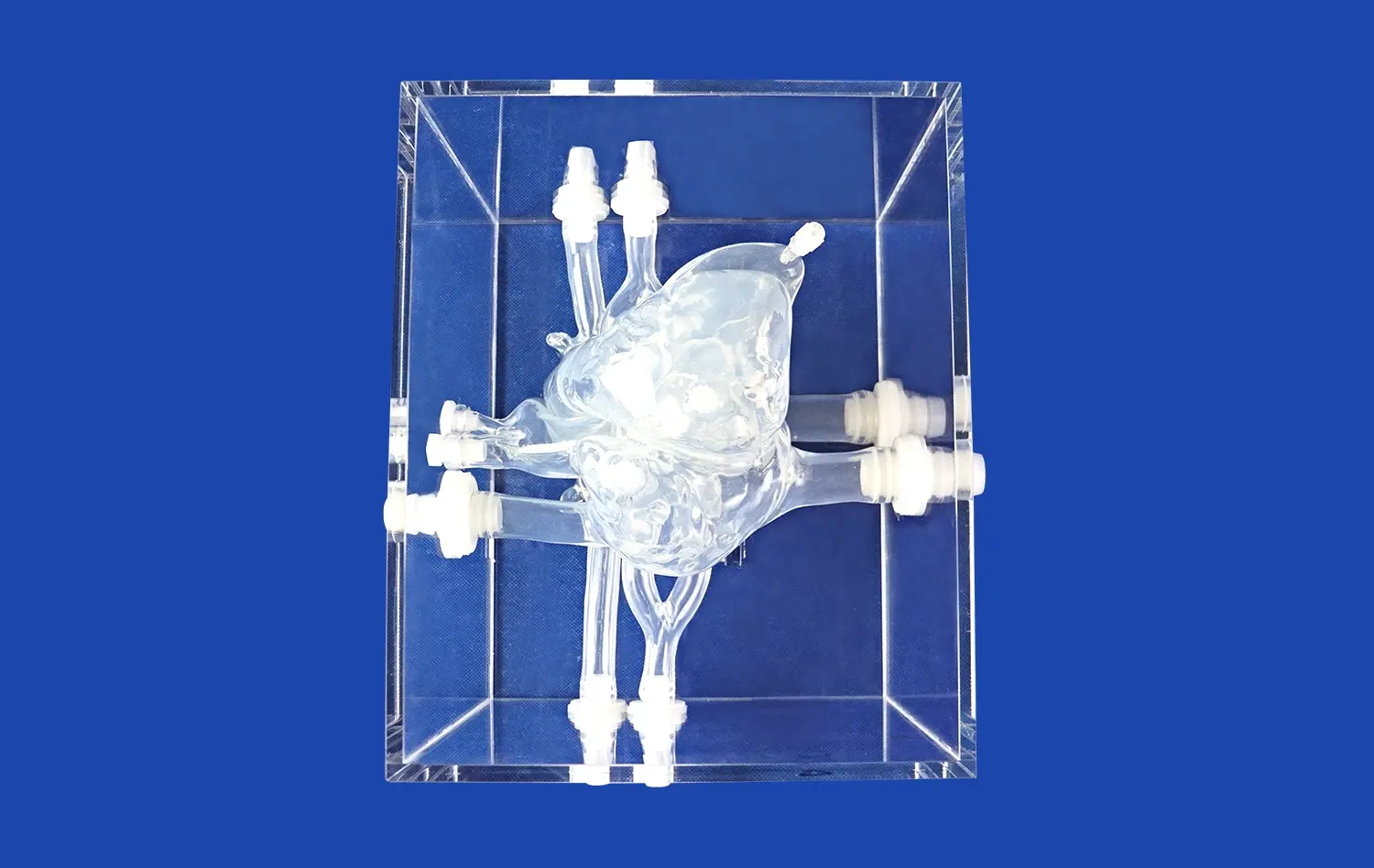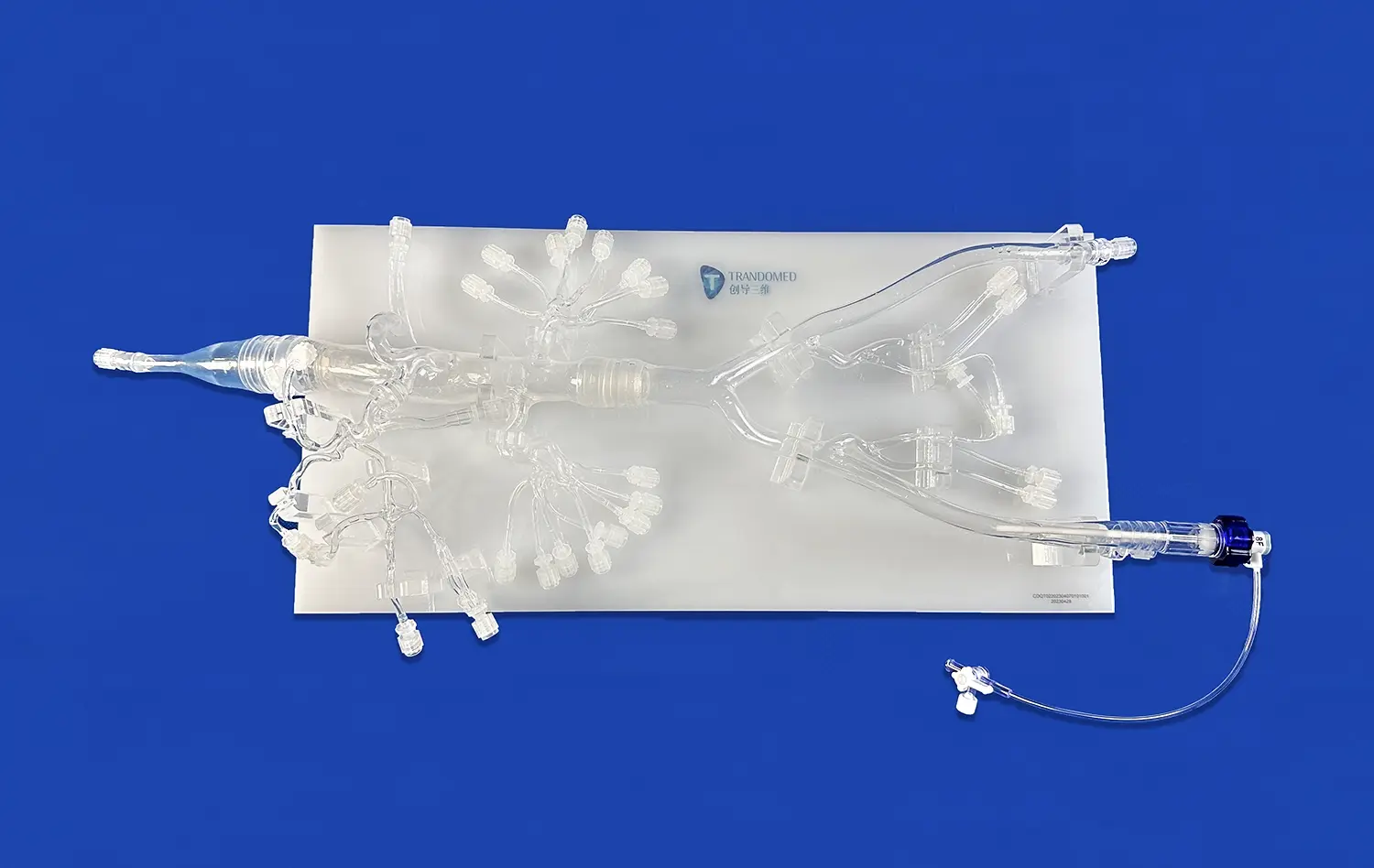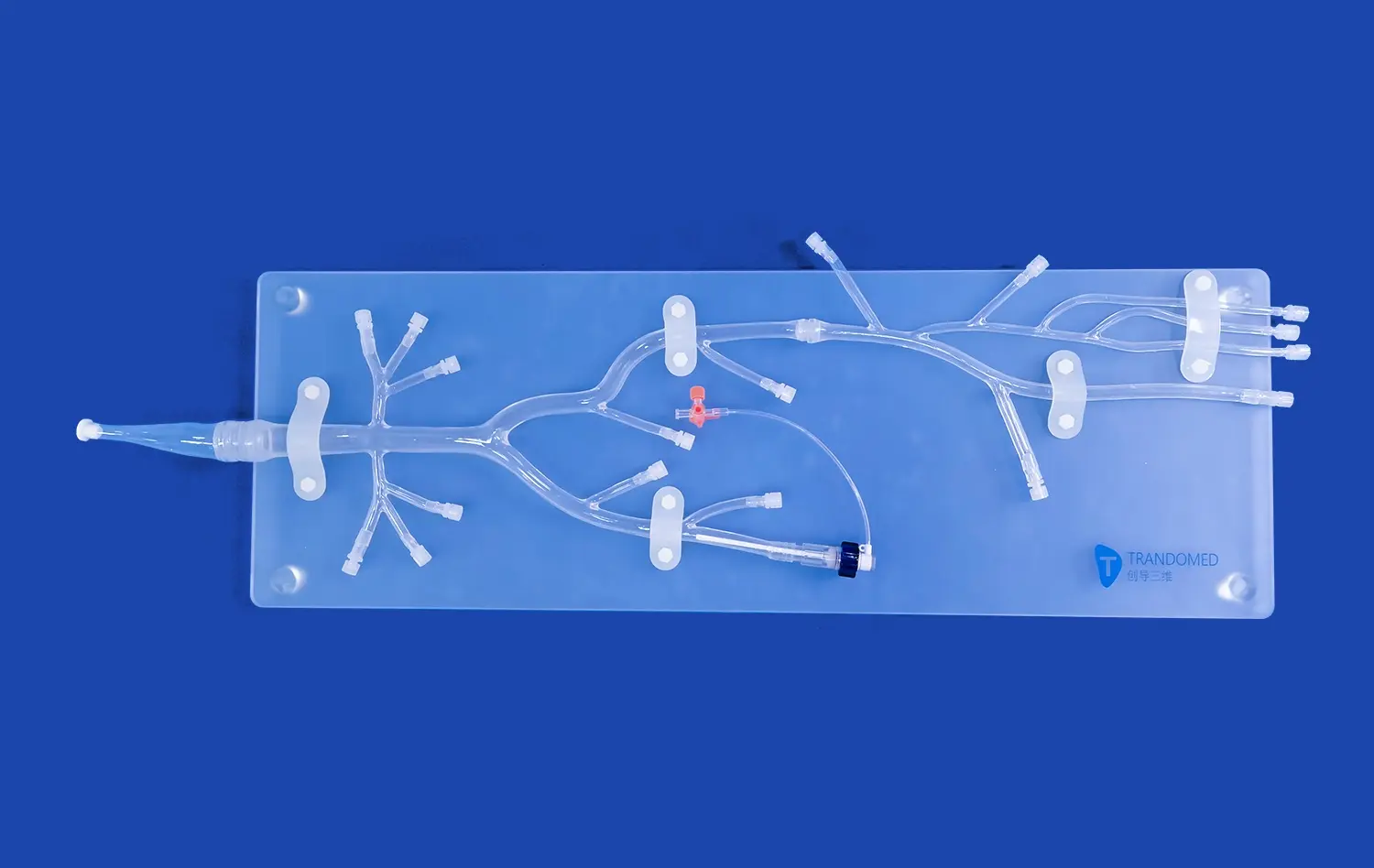

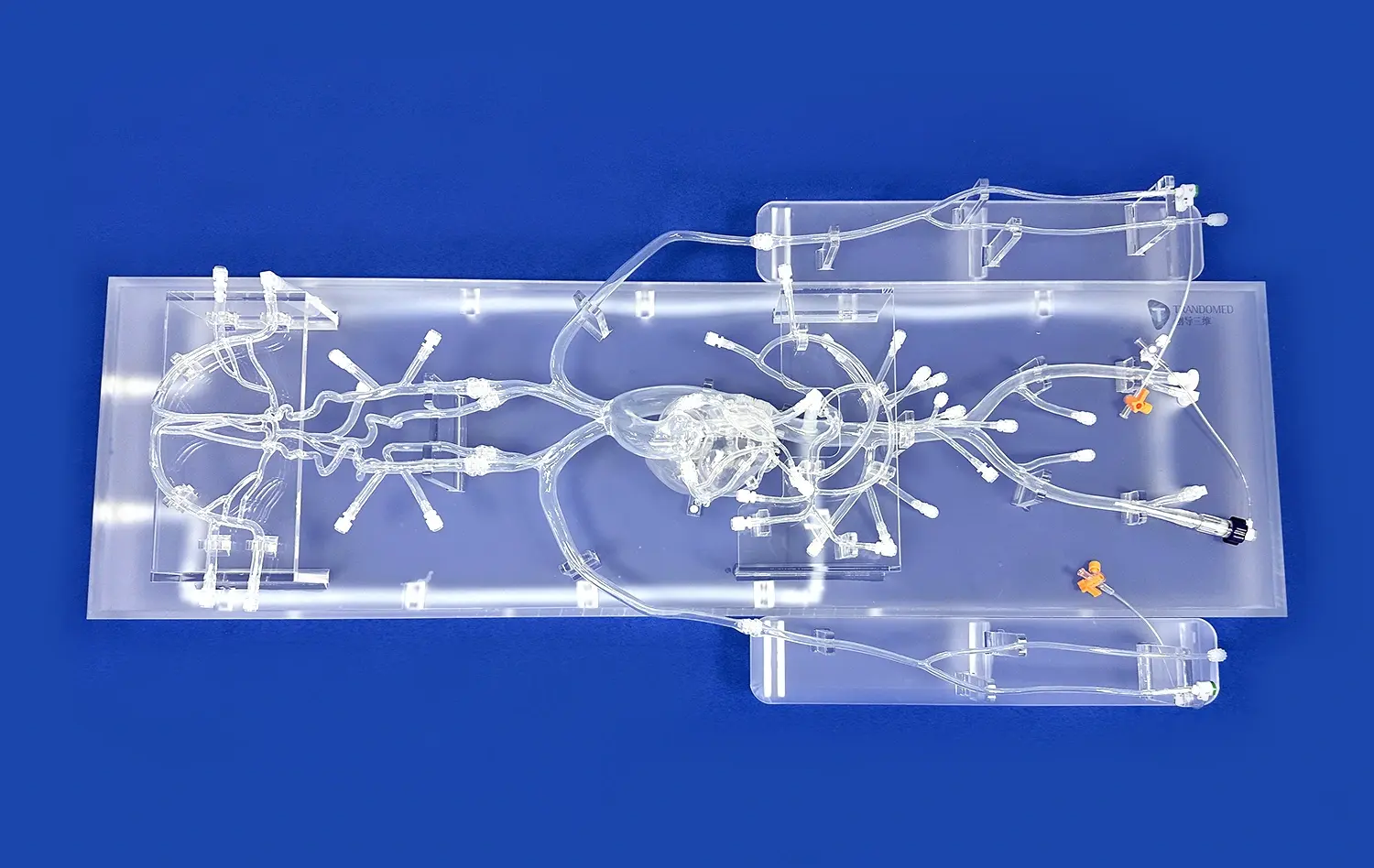
The Advanced PICC (Peripherally Inserted Central Catheter) model is a huge step forward in medical modeling technology. It provides a very accurate copy of the whole arm to superior vena cava vein system. This advanced PICC model meets the important teaching and development needs of healthcare workers, medical organizations, and device makers all over the world. With its physically accurate design and full venous network modeling, this teaching tool changes the way medical workers train and test devices for catheter insertion, setting new standards for how well procedures should be done.
Understanding the Anatomy and Functionality of the PICC Model
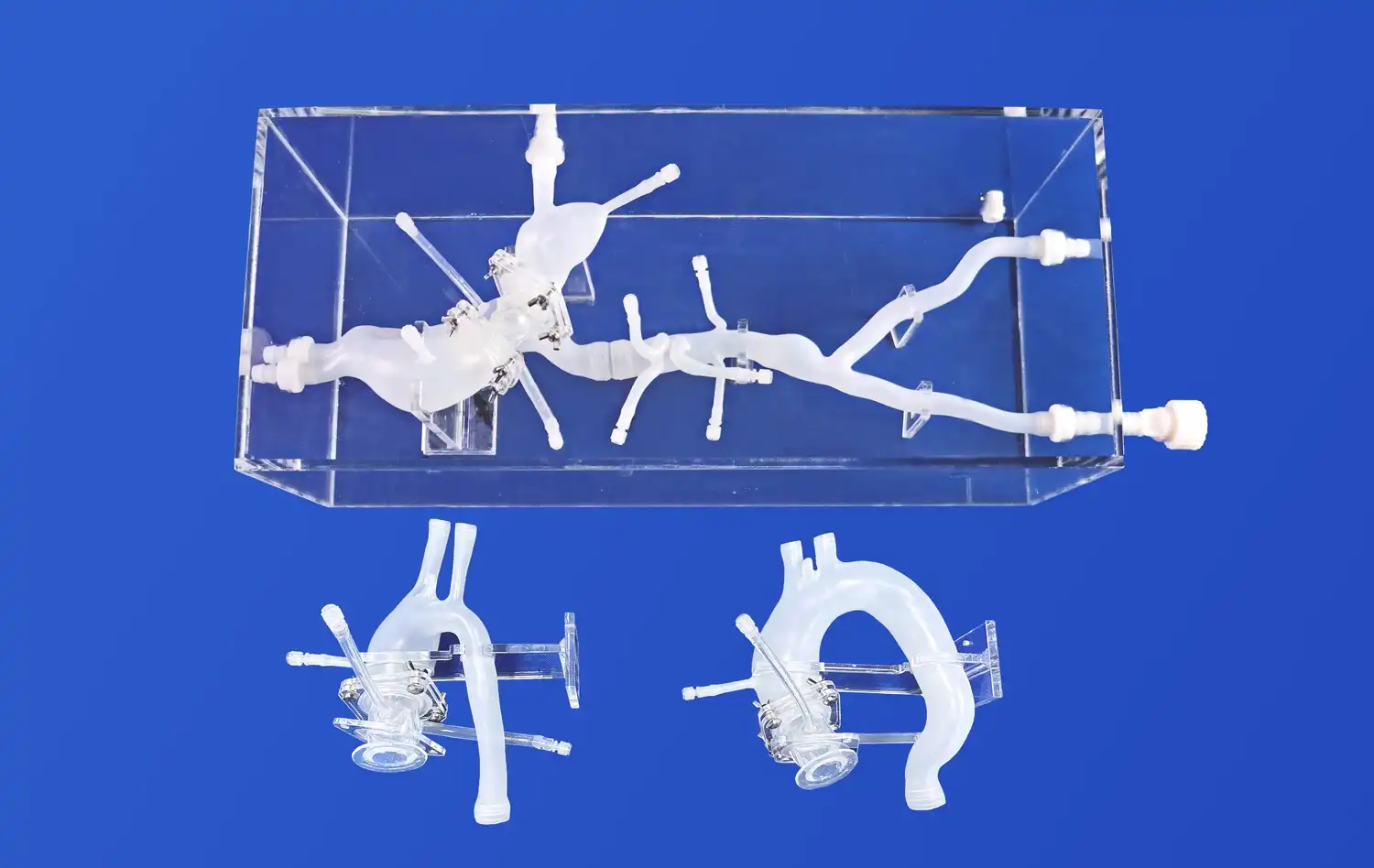
The Advanced PICC model (Product No. XXS007) carefully copies the complicated vein structure, ranging from the arm veins on the outside to the central circulation system. The brachial, basilic, cephalic, axillary, subclavian, brachiocephalic, internal and external jugular veins, superior and inferior vena cava, and right atrium are all included in this detailed recreation.
Anatomical Precision and Structural Integrity
This venous system model is made from high-quality Silicone Shore 40A material and has a very realistic feel that is very close to human flesh. Practitioners can see the whole vein track during simulation treatments thanks to the model's clear acrylic housing, which lets them see it 360 degrees. Puncture valves strategically placed at the basilic, cephalic, brachial, and middle cubital veins allow real catheter placement experiences.
Functional Dynamics and Flow Simulation
In addition to a static picture of the anatomy, the model includes dynamic flow features that make it more like real venous blood flow patterns. This practical feature is very helpful for learning about catheter navigation problems, changes in vessel resistance, and the right way to place a catheter. During simulated treatments, medical workers can practice finding the best places to put devices while getting real-life feedback.
Advantages of Using Advanced PICC Venous System Replicas in Medical Procurement
When healthcare organizations buy advanced venous modeling technology, training results and operating effectiveness go up in a way that can be measured. This PICC model covers a lot of ground and helps the group reach many goals at once, such as improving staff skills and setting up rules for device approval.
Enhanced Training Effectiveness and Skill Development
It is said that nurse staff and medical students learn a lot faster in medical education programs that use advanced venous models. Realistic physical feedback and accurate anatomy help practitioners build muscle memory and trust in their procedures before they work on real patients. This training before the real operation is directly linked to better patient safety and fewer complications during the real treatment.
Cost-Effective Training Solutions
When compared to standard teaching methods, investing in high-quality simulation models saves a lot of money over time. By getting rid of the one-time costs of disposable training tools, institutions give their staff a lot of chances to practice and grow. The strong construction means that it will last longer, which means that you will get the most out of your investment across multiple training groups.
Risk Mitigation and Quality Assurance
Comprehensive pre-clinical training using advanced computer models cuts down on mistakes and the potential risks that come with them by a large amount. Healthcare organizations can set standard goals for staff ability while keeping track of their levels of skill for approval reasons. This organized way of checking skills helps with quality improvement projects and meeting legal standards.
Key Features and Specifications of the Advanced PICC Model
The technical details of this vein system copy show that Trandomed is dedicated to making high-quality products and useful learning tools. Each part has been carefully designed to give you the best training value while also lasting a long time even when used a lot.
Material Composition and Durability Standards
The building material Silicone Shore 40A lasts a very long time and keeps its realistic tissue-like qualities even after many uses. This safe material doesn't break down when it's punctured and cleaned over and over again, so it will keep working well through many training sessions. The clear plastic housing lets you see better and keeps the internal vein system from getting damaged.
Customization Capabilities and Technical Flexibility
The PICC model can be changed to fit the needs of each school thanks to Trandomed's full range of modification services. Custom changes can include changing how complicated the blood vessels are, integrating them with other modeling systems, and making changes based on CT, CAD, STL, STP, or STEP data files that are given. This adaptability makes sure that the best alignment is made with a wide range of study and teaching goals.
Quality Assurance and Manufacturing Standards
Each model goes through strict quality control steps to make sure it is the right size and works properly. Anatomical accuracy is guaranteed by Trandomed's own 3D printing technology and backward rebuilding methods that use real human CT and MRI data. A lot of quality checks are built into the making process to make sure that all units of the product meet the same standards.
How to Select and Procure the Right PICC Model for Your Business Needs
To successfully buy medical training tools, you need to carefully consider the needs of your organization, the vendor's skills, and the vendor's ability to provide long-term assistance. Knowing about these important factors helps people make decisions that improve schooling and make operations run more smoothly.
Defining Procurement Objectives and Requirements
Healthcare groups should set clear goals for their venous simulation programs, such as the level of skill they want to see, the amount of training they need, and how they want to connect their programs to other educational systems. The best model to use depends on the type of person, such as nursing students just starting out or experienced nurses looking to improve their skills. Writing down specific training situations and complicated steps helps figure out what features are needed and what customizations are needed.
Vendor Evaluation and Selection Criteria
People who are in charge of buying things should give more weight to sellers who have a lot of experience with medical simulation technology, strong expert support, and a history of working with schools when selecting a PICC model. Trandomed has been a leader in medical 3D printing innovation for 20 years, and their full after-sales service makes them a trusted partner for long-term educational projects. Factors such as quality of manufacturing, ability to customize, dependability of shipping, and ongoing expert help should all be taken into account when making a judgment.
Implementation Planning and Support Requirements
For model rollout to go smoothly, the procurement, educational, and technical teams must work together to make sure that the new models are easily added to current training programs. Trandomed offers full application support, which includes training for users, upkeep guidelines, and the ability to get replacement parts. The flexible shipping choices (FedEx, DHL, EMS, UPS, and TNT) and 7–10 day wait time help meet project deadlines and global delivery needs.
Practical Implementation and Maintenance of the PICC Model
To get the most out of using advanced computer models, you need to follow set rules that keep them working and increase their teaching value. Knowing the right way to use and take care of a model will ensure that it keeps working well for as long as it's intended.
Best Practices for Training Implementation
In order for the PICC model to be effectively integrated into educational programs, students must be guided from basic anatomy knowledge to more complex procedure methods. Standardized performance checkpoints should be set up by instructors, and students should be given enough practice time to improve their skills. The model is long-lasting, so it can handle intense training plans while still performing at the same level.
Maintenance Protocols and Longevity Optimization
Regular upkeep, such as using the right cleaning methods and storing them in the right way, greatly increases the model's useful life while keeping its training effectiveness. To keep the silicone design in good shape and stop it from breaking down, it needs to be cleaned with certain products and in a certain way. Trandomed offers full care instructions and replacement parts to help keep operations running smoothly.
Conclusion
The Advanced PICC Model is a big step forward in medical modeling technology. It gives healthcare facilities a complete way to train people how to place catheters and make new devices. Its anatomical accuracy, practical reality, and ability to be customized make it useful for a wide range of educational and study purposes and improve training results in a way that can be measured. This vein system model is an important part of medical education and device development programs today because Trandomed is dedicated to making the best products and offers a wide range of support services.
FAQ
What differentiates the Advanced PICC Model from traditional training tools?
Unlike static training models that don't show accurate anatomy or provide physical feedback, the Advanced PICC Model has working puncture valves and a clear housing that lets you see everything.
Can the model be customized for specific anatomical variations?
Customization requests are welcome at Trandomed, and there are no design fees. Changes can be made using CT, CAD, STL, STP, STEP, and other data files to replicate specific patient anatomy or study needs.
What support services are included with the PICC Model?
Trandomed offers full after-sales support, including upkeep guides, replacement parts, expert help, and user training to make sure the model works well and is useful for learning.
Partner with Trandomed for Advanced PICC Model Solutions
Trandomed's Advanced PICC Model gives your medical training and device creation programs a level of realism and teaching value that can't be beat. We have 20 years of experience with medical 3D printing technology, so you can be sure you will get a high-quality PICC model and full support services. Get in touch with jackson.chen@trandomed.com to talk about your unique needs and find out why top medical institutions choose Trandomed as their chosen PICC model supplier. See what a difference precise tech and committed customer service can make for your training goals.
References
Smith, J.A., et al. "Simulation-Based Training for Peripherally Inserted Central Catheter Procedures: A Systematic Review." Journal of Medical Education and Training, 2023.
Anderson, M.K. "Advanced Venous Access Simulation: Impact on Clinical Competency Development." International Journal of Nursing Education, 2022.
Chen, L.R., et al. "3D Printed Anatomical Models in Medical Device Development: Applications and Outcomes." Medical Technology Innovation Review, 2023.
Williams, D.P. "Cost-Effectiveness Analysis of Medical Simulation Training Programs in Healthcare Institutions." Healthcare Management Quarterly, 2022.
Thompson, R.S., et al. "Anatomical Accuracy Requirements for Venous Access Training Models: A Comparative Study." Medical Simulation Journal, 2023.
Martinez, E.F. "Quality Assurance Standards for Medical Training Simulators: Industry Best Practices." Healthcare Technology Standards, 2022.
_1734507205192.webp)