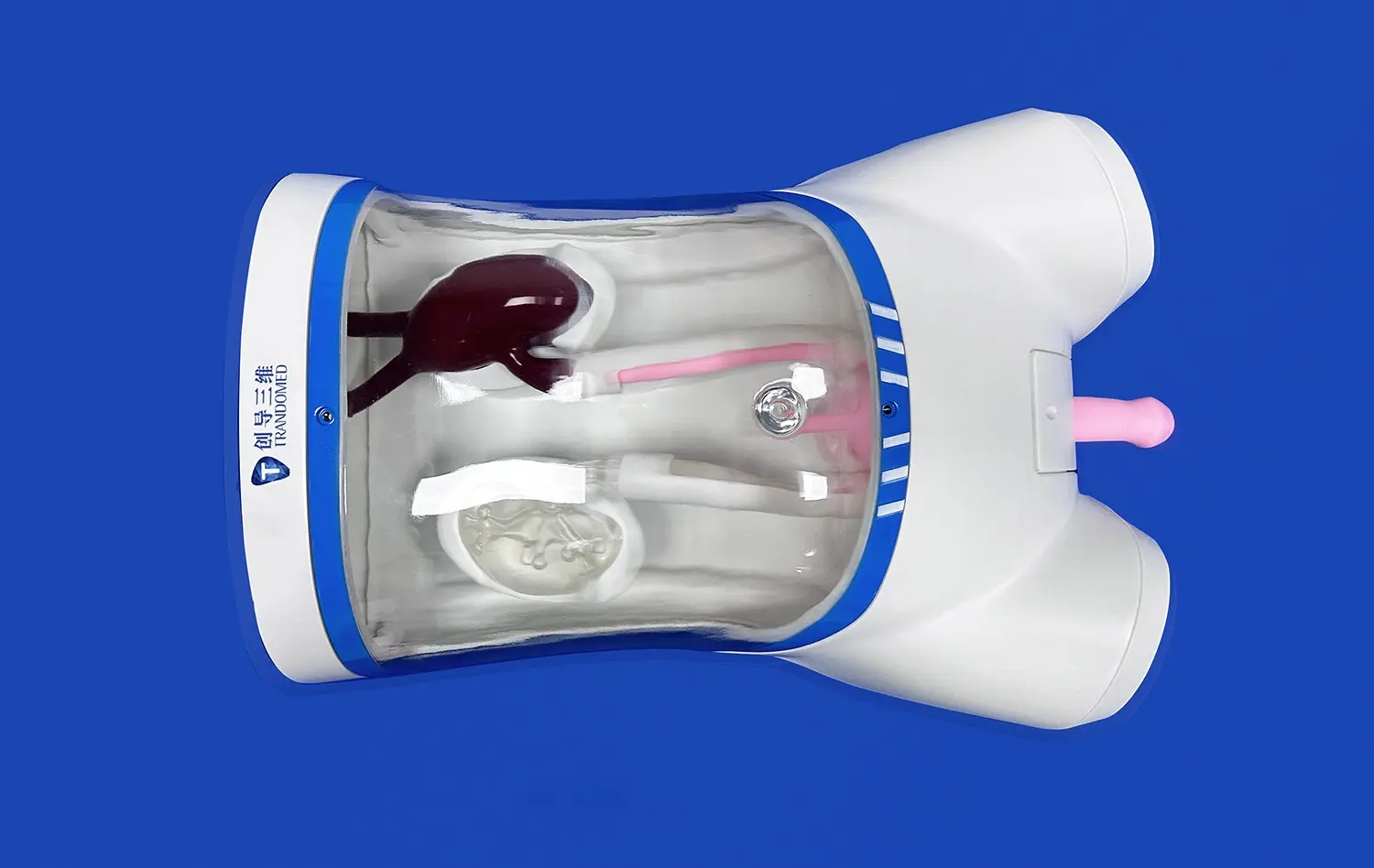

Advanced vascular simulation using an arteriovenous heart model represents a revolutionary breakthrough in medical training technology. These sophisticated simulation tools combine precise arterial and venous anatomical structures to create highly realistic cardiovascular training environments for medical professionals. Unlike traditional anatomical models, arteriovenous heart models provide comprehensive vascular network representation, enabling healthcare institutions to conduct advanced procedural training with unprecedented accuracy and detail.
Understanding Arteriovenous Heart Models: Anatomy and Function
Arteriovenous heart model technology is a more advanced way to simulate blood flow in the cardiovascular system. It combines accurate artery and venous anatomy to accurately replicate how blood flows through the heart. These advanced training tools include detailed vessel structures and functional blood circulation patterns. They give you a lot of useful information about how the body works that regular models can't.
Comprehensive Vascular Architecture
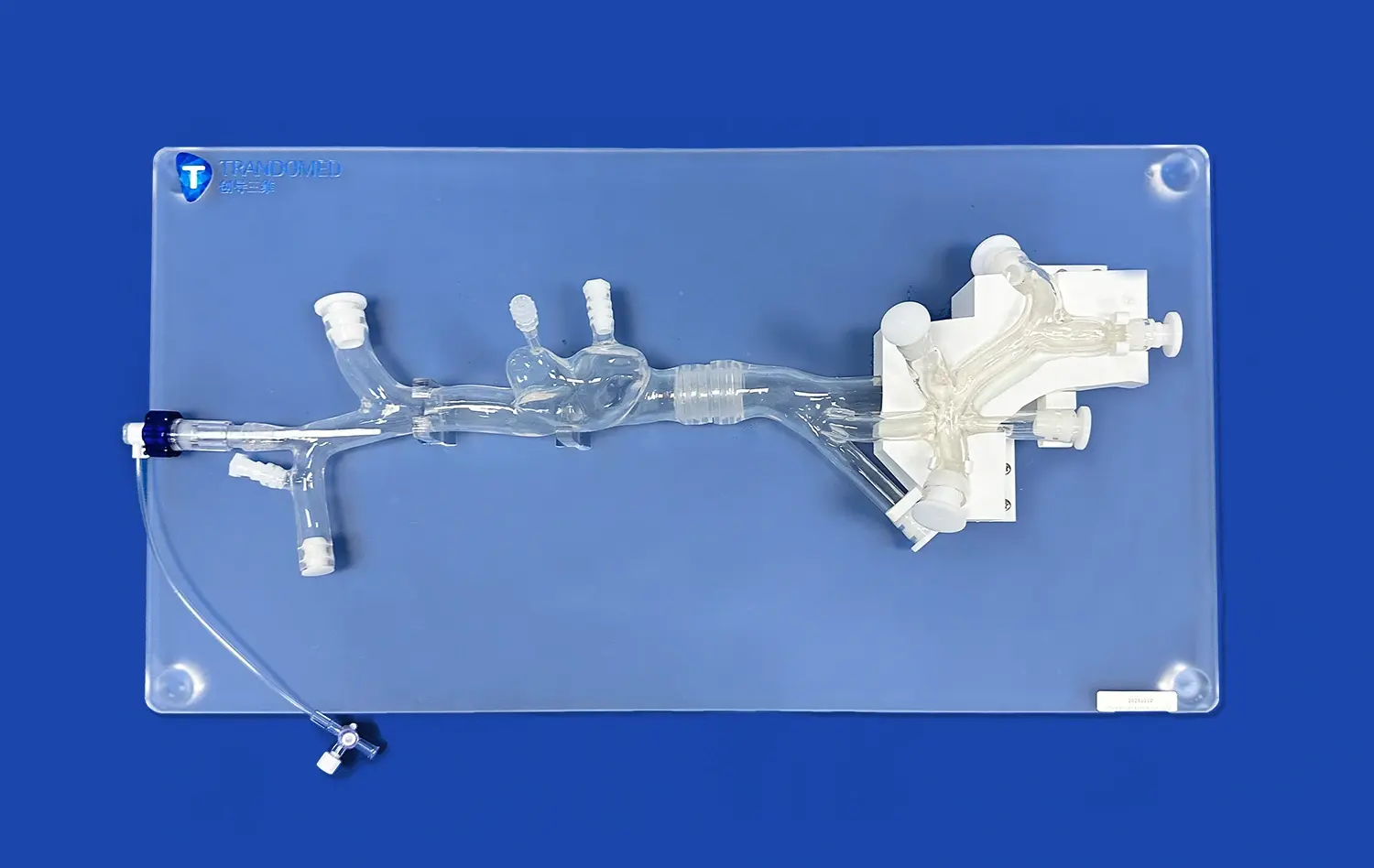
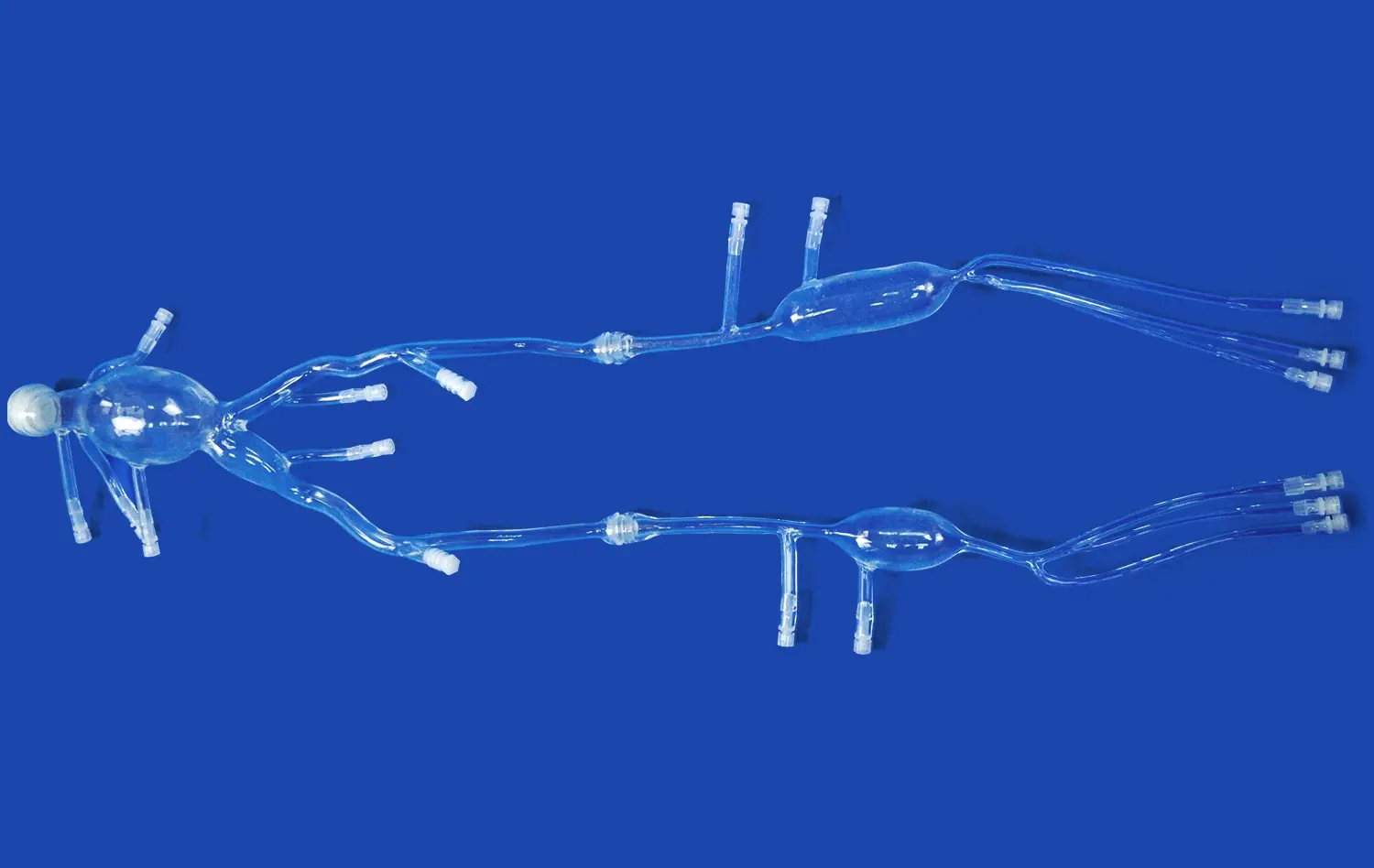
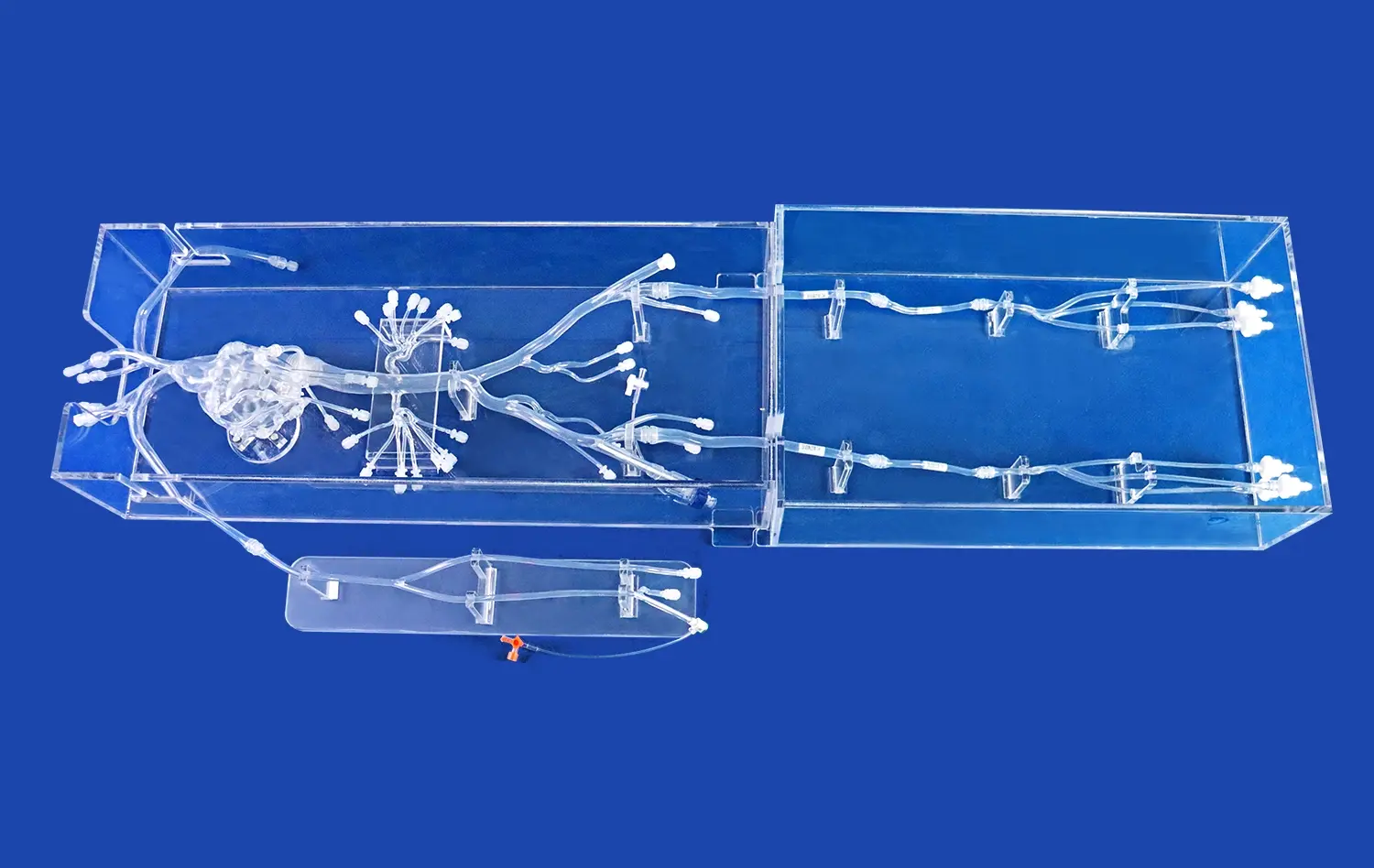
Modern arteriovenous heart models are very complicated anatomically, and they show a lot more than just basic heart structures. Complete arterial networks are shown in these models, such as the femoral arteries and veins, the iliac vessels, the abdominal aorta, and the rising aortic structures. When you combine the artery and venous systems, you can learn in ways that are similar to what happens in real life.
The inferior vena cava (IVC), the superior vena cava (SVC), the lung arteries and veins, and the carotid vessels are all important parts of the body that doctors like to look at in great detail. The four-chamber heart design includes the tricuspid, aortic, and mitral valves, which show all of the heart's structure in a way that is important for advanced medical training programs.
Educational Applications in Medical Training
Educational uses are especially useful in medical training settings, such as classes at universities and hands-on clinical skills labs. Through engaging learning experiences that standard textbooks can't match, these models help people understand complicated vascular conditions better. Through physical study and procedural practice, medical students learn more about how the heart and lungs work.
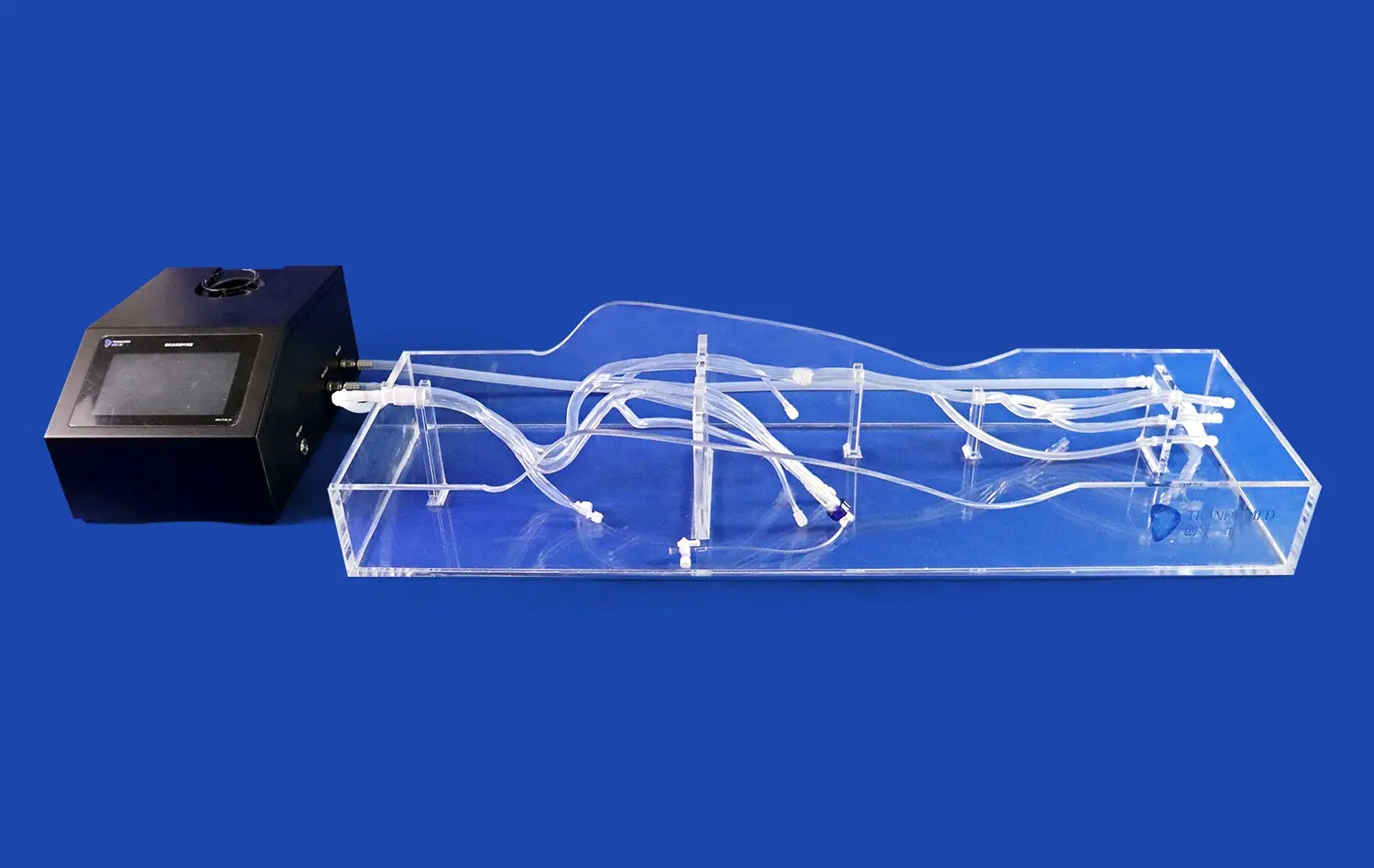
The clear plastic case lets you see the internal vascular networks clearly, which makes it easier for group learning and detailed anatomy demos. This design feature works especially well for medical and nursing schools that need to make sure that many students can see clearly at the same time.
Comparing Arteriovenous Heart Models: Key Factors for B2B Buyers
When institutional buyers look at arteriovenous heart models, they need to think about changes in the quality of the materials, how accurate the models are of the body, and how they will be used for training. During the choosing process, many things that have an immediate effect on how well training works and its long-term value must be carefully examined.
Material Quality and Durability Assessment
The makeup of the material has a big effect on how long the model lasts and how well it trains. Top-notch silicones, like Shore 40A silicone, give the best feel when you touch them and keep their shape even after many uses. This choice of material makes sure that the tissue feels real during basic training and can stand up to the demands of rigorous educational programs.
By comparing different materials, we can see that better materials lead to happier customers and lower repair costs. Medical schools can save money by buying models made of high-quality materials that stay accurate representations of the body during long training times.
Anatomical Accuracy and Training Applications
The accuracy of the arteriovenous heart model is closely linked to how well training works and how well skills are learned. Medical workers can learn skills that can be used effectively in real life by using models with accurate anatomical measures. The presence of specific vascular structures helps with specialized training in operations like radiofrequency ablation, atrial septal puncture, and pulmonary vein cryoablation.
Advanced procedural models are also available as training apps, in addition to basic anatomy lessons. Medical gadget companies use these models to show off their products and give marketing talks. They look so real that they can clearly explain complicated medical ideas.
How to Choose the Right Arteriovenous Heart Model for Your Needs
In order to choose the best arteriovenous heart model, academic training goals, financial constraints, and practical needs must all be taken into account. When making a choice, many factors are taken into account that affect both short-term training goals and long-term educational results.
Institutional Training Requirements Analysis
Different medical schools have very different goals for their students' training. Medical schools need models that help teach all aspects of anatomy, and surgery training centers need models with specific features for simulating procedures. The level of difficulty of the training plans should meet the complexity of the vascular structures.
Options for customization are very important for meeting individual schooling needs. Models that can read data files in CT, CAD, STL, STP, and STEP forms let institutions make custom training models based on real patient cases or specific procedure needs.
Supplier Evaluation and Partnership Considerations
Looking at supplier profiles helps you work with makers who offer stable quality, quick support, and solutions that can be scaled up or down. Reliable and ongoing technical help are provided by well-known makers with a lot of experience in medical simulation technology.
Quality assurance methods have a big effect on how well models work and how well training goes. Suppliers that do strict quality checks make sure that their products are reliable and last a long time. This saves medical institutions money on repair costs and downtime.
Procurement Guide: Buying Arteriovenous Heart Models Online and in Bulk
When you want to buy arteriovenous heart models, you have to find trusted sellers and sites that offer real, high-quality goods. It's helpful for institutional buyers to know about procurement best practices that help them make better buying choices and make sure that the implementation goes smoothly.
Bulk Purchase Strategies and Cost Optimization
Medical institutions that need a lot of units can save a lot of money by signing bulk buying deals. Volume savings lower the cost per unit while making sure that all training programs use the same model specs. Customization services often include free changes to designs, which makes them more valuable for people who buy in bulk.
International shipping, arrival times, and warranty support are all logistics issues to think about. Suppliers you can trust offer a range of shipping choices, such as FedEx, DHL, EMS, UPS, and TNT, to meet a wide range of transport needs and budgets.
Quality Verification and Supplier Authentication
Verification steps make sure that the product is good and that the supplier can be trusted. Companies that have been around for a while offer detailed product specs, material certifications, and quality paperwork to help buyers make choices. Lead times of 7–10 days show that the manufacturing process is fast and that customer service is quick to respond.
Payment methods like T/T keep transactions safe while still allowing for freedom in how institutions buy things. Full after-sales service makes sure that customers are always happy and supported throughout the lifecycle of the product.
Enhancing Medical Training with Arteriovenous Heart Models: Best Practices and Demonstrations
To get the most out of arteriovenous heart model technology for teaching, organized training programs and hands-on practice sessions need to be put in place. These methods help students learn about the complicated venous system while also giving them the real skills they need to do well in clinical settings.
Structured Training Protocol Implementation
Model-based learning and theoretical teaching should be combined in effective training methods to make full educational experiences. Medical educators create lessons that build students' skills in a step-by-step way, starting with basic anatomy and moving on to more complicated procedural models.
Modern arteriovenous heart models are very flexible, so they can be used for a wide range of training situations, from learning basic anatomy to advanced interventional cardiology procedures. This gives schools the freedom to offer the best education while also meeting the needs of students with different levels of skill and training goals.
Future Integration with Digital Technologies
When traditional models and computer simulation tools come together, they could make it easier to teach vascular science. When physical models are combined with digital tools to make interactive experiences, immersive learning settings are made that accurately simulate real-life medical situations.
New technologies make it possible to combine physical feedback with real-time tracking and performance evaluation. These improvements help students become more interested and remember what they've learned, and they also prepare medical professionals for new problems that may arise in the future.
Conclusion
Advanced arterial modeling using arteriovenous heart models changes the way doctors are trained by making anatomy details and procedures more realistic than ever before. With these high-tech tools, medical schools can improve student results while also training future doctors and nurses for difficult clinical situations. When you put together high-quality materials, accurate physical detail, and features that can be changed, you get training options that aren't possible with traditional methods. As medical education changes, these simulated tools will become more and more important for training skilled healthcare workers who can provide excellent patient care.
FAQ
What makes an arteriovenous heart model different from standard cardiac models?
Arteriovenous heart models include both artery and venous systems in a full vascular network that goes from the groin veins to the pulmonary circulation. This full integration provides realistic training scenarios for advanced procedures like atrial septal puncture and pulmonary vein ablation, which standard cardiac models cannot support.
How durable are silicone Shore 40A arteriovenous heart models for repeated training use?
Silicone Shore 40A material provides excellent durability for intensive training applications while maintaining realistic tissue feel. These models withstand repeated procedural practice without losing anatomical accuracy or structural integrity, making them ideal for medical schools and training centers requiring long-lasting educational tools.
Can arteriovenous heart models be customized for specific training requirements?
Modern arteriovenous heart models can be changed to fit the needs of the school. These changes can be made to the heart's shape, the pulmonary veins, and the complexity of the IVC. Models can handle data files in many types, such as CT, CAD, STL, STP, and STEP, which lets you make training scenarios that are specific to a patient or process.
Partner with Trandomed for Premium Arteriovenous Heart Model Solutions
Trandomed stands as a leading arteriovenous heart model manufacturer, combining over 20 years of medical 3D printing expertise with uncompromising quality standards. Our XXK001DJ arteriovenous heart model delivers exceptional anatomical accuracy through premium silicone Shore 40A construction, supporting diverse training applications from medical schools to surgical centers. We accept complete customization without design fees, ensuring your specific educational requirements receive precise attention. Our experienced team provides reliable after-sales service, rigorous quality assurance, and efficient 7-10 day lead times to support your training objectives. Contact jackson.chen@trandomed.com to explore how our vascular simulation technology can enhance your medical training programs and discover competitive pricing for arteriovenous heart model for sale options.
References
Johnson, M.K., et al. "Advanced Cardiac Simulation Models in Medical Education: A Comprehensive Review of Arteriovenous Training Systems." Journal of Medical Education Technology, 2023.
Chen, L.P. and Rodriguez, A.M. "Material Science Applications in Cardiovascular Training Models: Silicone-Based Simulation Technology." Medical Device Engineering Quarterly, 2023.
Thompson, R.J., et al. "Efficacy of Three-Dimensional Vascular Models in Interventional Cardiology Training Programs." Clinical Simulation Research, 2024.
Martinez, S.A. and Kumar, P.R. "Procurement Strategies for Medical Simulation Equipment in Academic Healthcare Institutions." Healthcare Management Review, 2023.
Williams, D.E., et al. "Quality Assessment Protocols for Anatomical Training Models in Medical Education Settings." Medical Training Standards Journal, 2024.
Brown, K.L. and Zhang, H.Q. "Integration of Digital Technologies with Physical Simulation Models in Cardiovascular Education." Educational Technology in Medicine, 2024.
 (SJ001D)_1734504338727.webp)