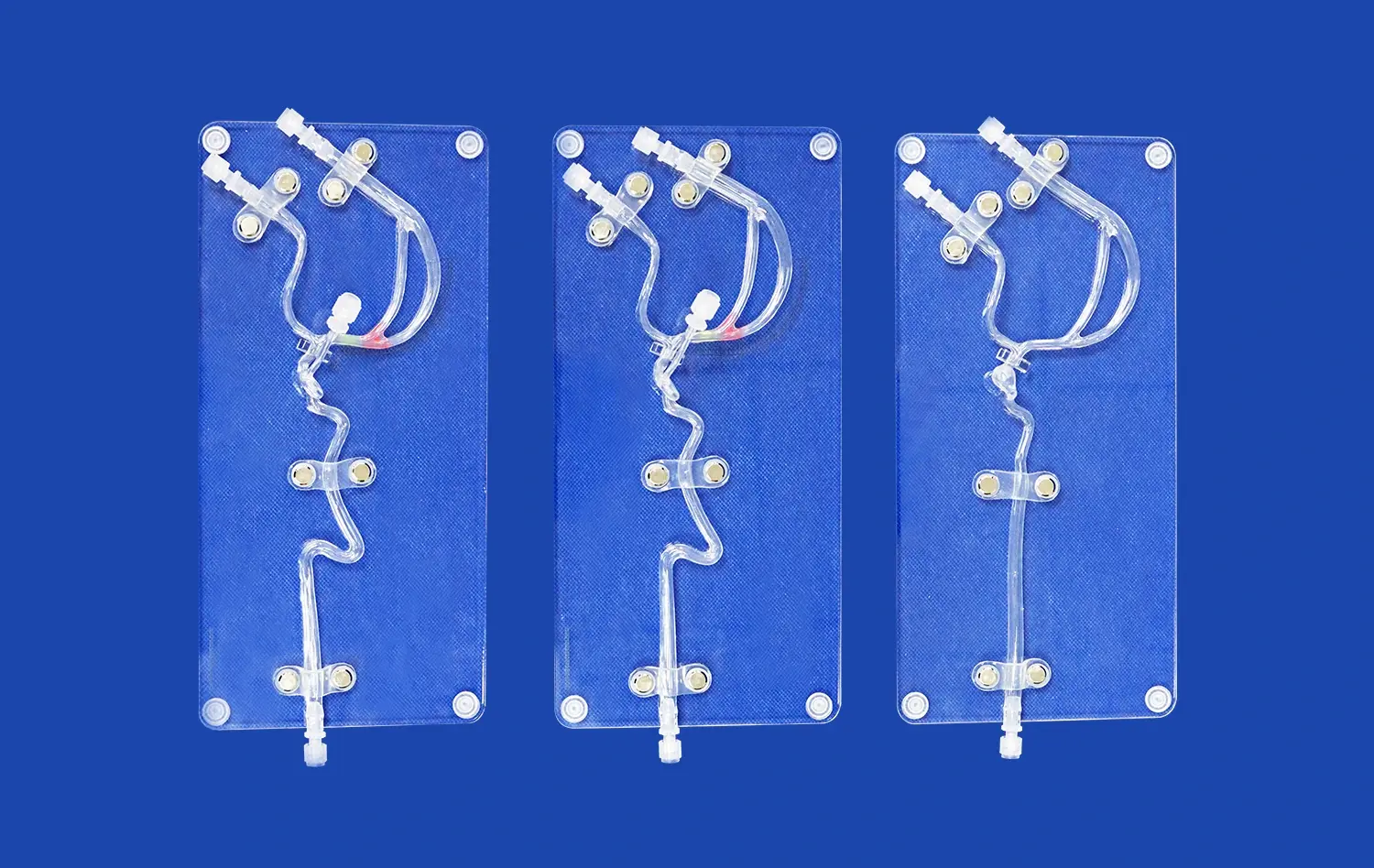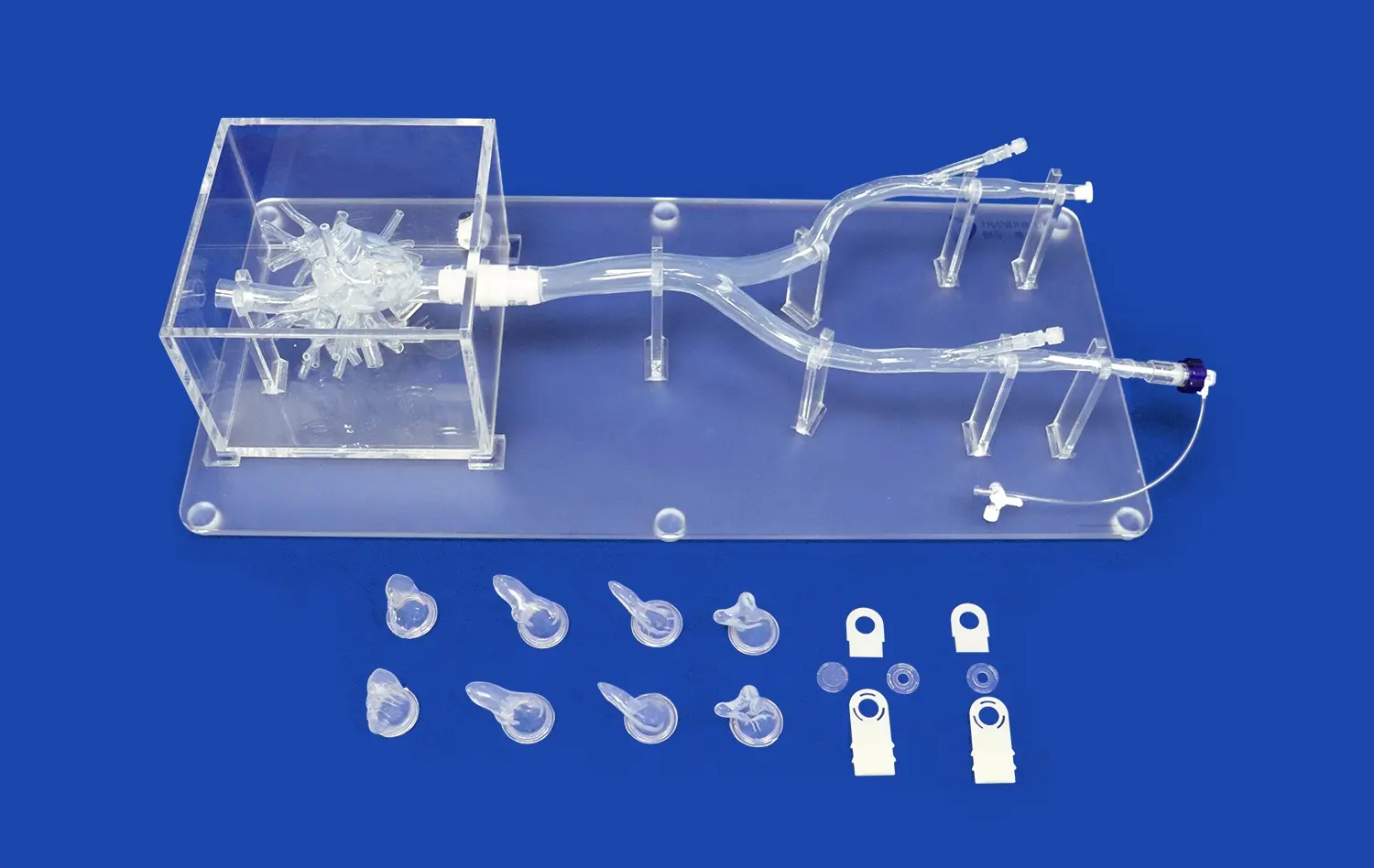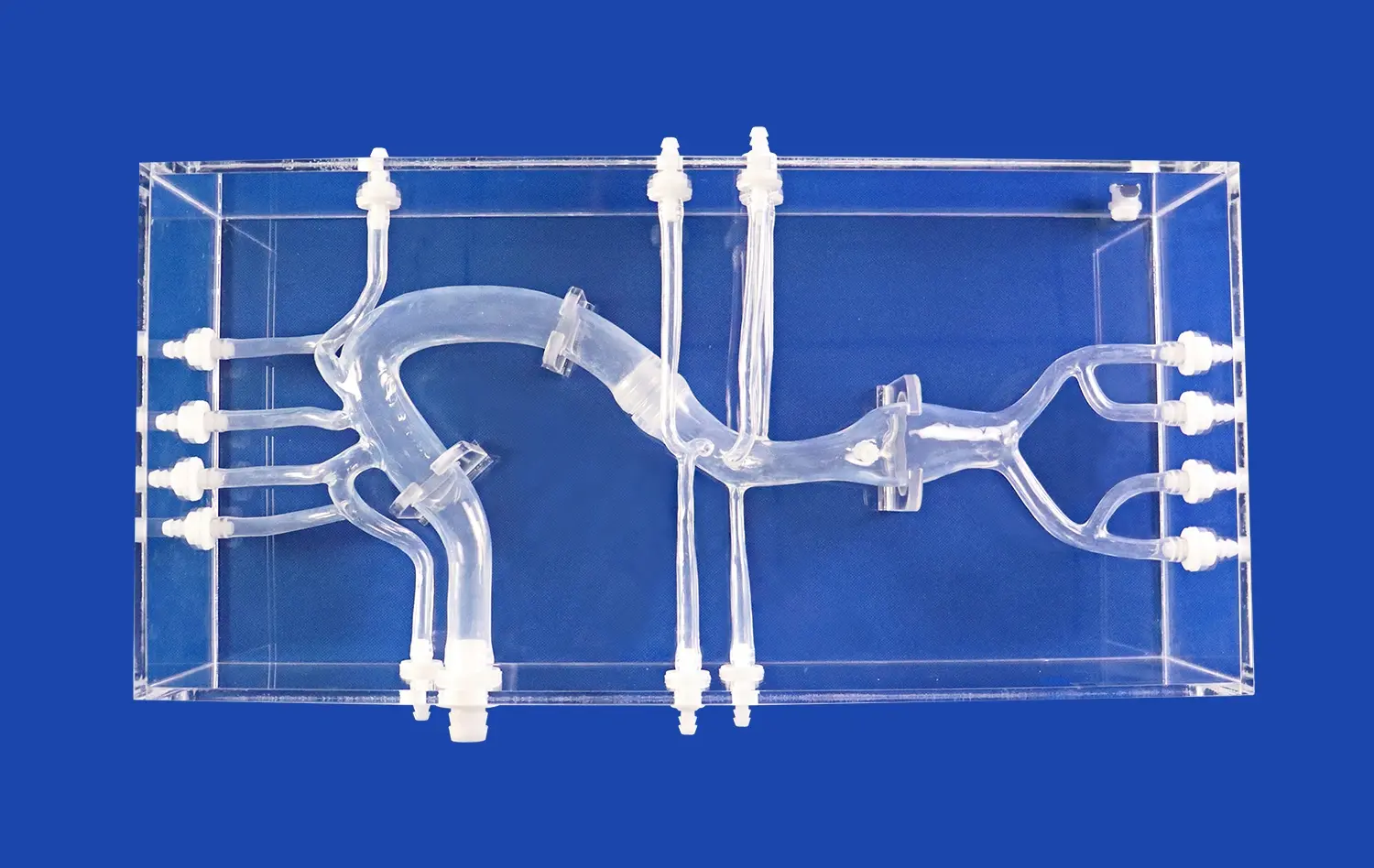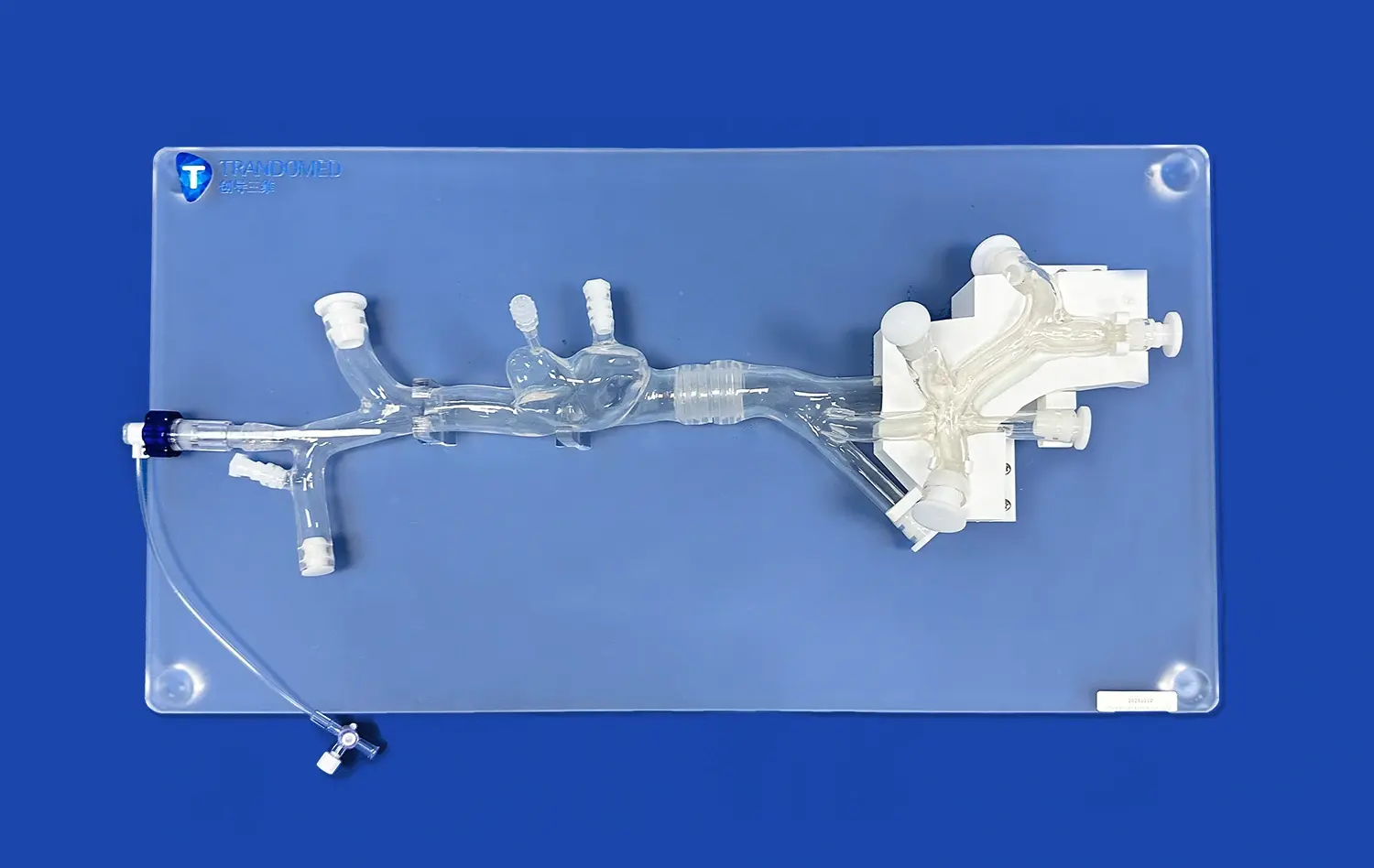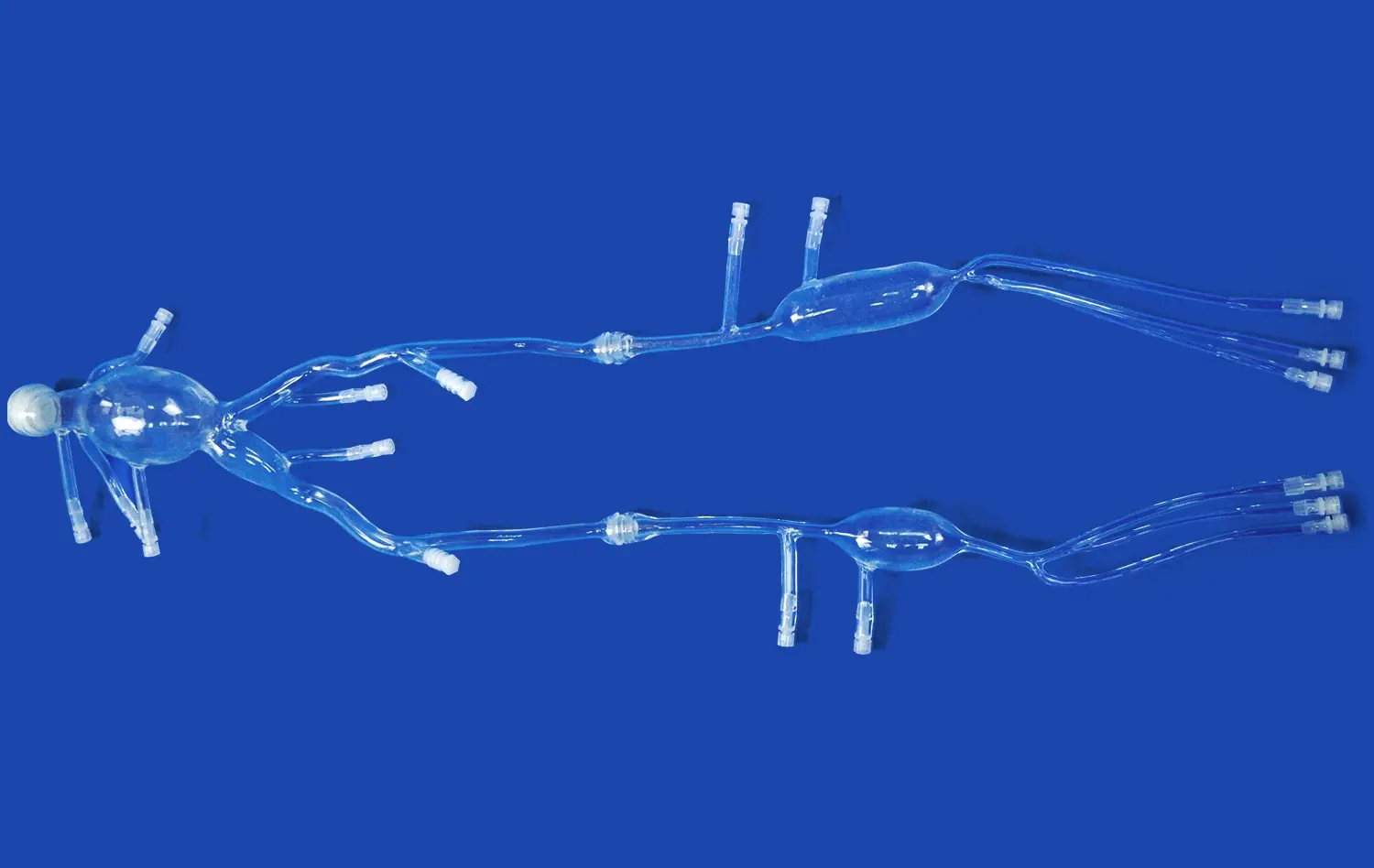

In fact, there are advanced cava heart models made just for teaching purposes, and 3D printing has completely changed how medical schools train heart patients. These high-tech anatomy simulators accurately model the superior and inferior vena cava systems, which lets doctors practice vein treatments with a level of accuracy that has never been seen before. Modern 3D printed vein models are more accurate in terms of anatomy than traditional teaching tools. They have features like modular designs with parts that can be taken off and real physical qualities that are very close to those of human tissue.
Introduction to 3D Printed Cava Heart Models in Education
When 3D printed anatomy models came out, they completely changed the way medical teaching is done, especially when it comes to cardiovascular training. Compared to traditional ways of teaching, these new educational tools are a huge step forward. They give medical schools never-before-seen ways to improve student learning through realistic, live models.
Understanding Cava Heart Model Technology
3D made venous system models are now an important part of medical education because they show in great detail how the heart and lungs work. These models are made with modern methods that use real human CT and MRI data. This makes sure that the physical accuracy is very close to what it is in real patients. The technology makes it possible to make very exact models of the vena cava, complete with accurate scaling and lifelike tissue qualities.
More and more medical schools and training centers are realising that using these high-tech teaching tools is good for business. With the accuracy that 3D printing technology offers, it is possible to make models that show detailed features of the human body that were previously impossible to reproduce using traditional manufacturing methods. This new technology directly means that medical students and pros in the field will be able to learn more.
Strategic Benefits for Medical Institutions
These types are especially useful for procurement managers and school administrators because they last a long time and don't cost a lot of money. Traditional models may break down after a while of use, but 3D printed anatomy simulations keep their structure integrity and teaching value even after a lot of training lessons. The flexible design method lets schools change their training gear to fit their needs and help them reach their educational goals.
The money spent on 3D-printed heart models is a great fit with the school's goals to improve the level of education while keeping costs down. Different groups of students can get the same training with these tools, which makes sure that all of them learn the same things and meet standards for professional skill and approval.
Limitations of Traditional Heart Models and the Emergence of 3D Printed Solutions
Anatomical models like the cava heart model that have been used for decades in medical education have done their job, but they have some major flaws that can be easily fixed with current 3D printing technology. Traditional heart models made of leather and plastic don't always show the anatomy accurately enough for advanced medical training, especially in specialised areas like vein treatments and cardiovascular procedures.
Challenges with Conventional Educational Models
A lot of the time, old structural models are too simple and don't show how complicated the human circulatory system really is. Traditional tools like these tend to have rigid designs that make it hard to learn by doing and keep students from experiencing real-life routine situations. When older models are handled a lot, the materials used often break down quickly. This means that repair costs go up and training experiences aren't always uniform.
Even though plastic models are strong, they don't always have the right feel for practical practice training. The stiff materials can't accurately mimic the feel and flexibility of real human flesh, which makes them less useful for training students for clinical events that happen in the real world. Even though leather types offer better physical feedback, they are harder to clean and maintain, which makes them less useful in clean school settings.
Revolutionary 3D Printing Solutions
The invention of 3D printing has completely changed anatomy modelling by making it possible to make exact, highly customisable learning tools. Modern cava heart models are made of high-tech materials, like medical-grade plastic, that closely mimic the qualities of human flesh. This means that training drills give real-life input through touch. This development in technology fixes problems that existed before and adds new features that make learning more effective.
Different levels of complexity can be added to 3D printed models, which lets schools make their teaching materials fit specific learning goals. In the production process, complex data processing methods are used to turn medical imaging data into exact physical models. This makes sure that the anatomy accuracy meets strict educational standards. This change in methods is a big step forward from using general models to using personalised learning tools that show how a real patient's body looks.
When students interact with physically accurate models that have true material qualities and traits that can be changed, their academic performance improves greatly. By changing the model's features based on the training needs, schools can make complete lesson plans that meet the needs of students of all skill levels and learning styles.
Comparative Analysis: 3D Printed vs. Leather and Plastic Cava Heart Models
When procurement workers look at teaching body models like the cava heart model, they have to think about a lot of things that affect both how well they teach right away and how long they will last. When you look at the performance, longevity, and total value of 3D printed, leather, and plastic circulatory models side by side, you can see that they are very different.
Material Resilience and Longevity Assessment
When compared to standard options, 3D printed models made from medical-grade materials are more durable. While plastic models may crack or bend under repeated stress, silicone-based cava heart models retain their structural integrity over thousands of training sessions. Even though leather models are flexible at first, they tend to become stiff and break down over time, especially when they come in contact with cleaning products that are needed to keep things clean.
Modern 3D printed models are made of materials that allow them to work consistently over the course of their useful life. When properly cared for, modern silicone formulations will always keep their properties, unlike plastic models that can crack over time or leather models that soak up dirt. Because it lasts longer, maintenance costs are more reliable, and parts need to be replaced less often.
Realism and Educational Effectiveness
The physical precision that can be achieved with 3D printing is much higher than with standard manufacturing methods. Digital rebuilding methods make it possible to make models that include small differences in anatomy and diseases that make the models more useful for learning. When students learn with these more advanced models, they get more accurate physical feedback, which helps them get ready for real clinical situations.
Traditional plastic models of the body are often too simple, which can leave students with learning gaps when they start caring for real patients. Digital manufacturing methods can make models out of exact 3D data, while leather models can only offer some physical benefits. The higher level of reality in 3D printed models helps medical students learn better and remember what they've learned.
Cost-Benefit Analysis for Procurement Decisions
3D printed models may cost more to buy at first than standard options, but the total cost of ownership usually works out better for advanced manufacturing solutions. Because 3D printed models last longer and work the same way every time, they don't need to be replaced as often, which saves money on buying new ones. Managing their anatomical model supplies helps educational institutions make more accurate budgets and handle less paperwork.
There are big differences in how to maintain different types of models. For example, 3D printed plastic models are easier to clean and can be sterilised. For example, cleaning plastic models might need special chemicals that raise the cost of doing business, and leather models need constant upkeep that makes them less useful in today's schools.
How to Choose the Best Cava Heart Model for Educational Needs?
To choose the right cava heart models, you need to carefully think about a number of factors that are in line with the goals of the school and the needs of the students. When purchasing things, managers need to think about the wants of their users and rate choices based on how accurate, durable, realistic, and cost-effective they are.
Accuracy and Educational Alignment
The accuracy of cava heart models' anatomy has a direct effect on how well they can be used in the classroom and how well they can support teaching goals. Models made from high-resolution medical imaging data are more accurate when it comes to anatomy than general ones. Models with precise measurements, lifelike textures, and correct spatial links between internal parts should be given the most attention by educational institutions.
When schools can customise their educational tools, they can make them fit specific training plans and learning goals. The latest 3D printing technology lets teachers change the difficulty levels, physical details, and diseases to fit the needs of the students. This gives schools the freedom to make sure that their efforts are in line with changing approval standards and training needs.
Durability and Operational Considerations
Long-term resilience affects both the continuation of schooling and the prices of running the business. Models made from good materials keep their teaching value over long periods of time, making sure that different groups of students have the same training experiences. To keep cleanliness standards high in schools, things need to be able to handle being handled, cleaned, and sterilised over and over again.
The choice of material affects both how it feels and how often it needs to be maintained. Medical-grade silicone mixtures strike the best balance between reality and sturdiness, and they can be cleaned and sterilised according to standard procedures. It is best for educational institutions to choose models that have low upkeep costs and a lot of useful teaching features.
Supplier Evaluation and Support Services
Reliable ties with suppliers make sure that training programs continue to get help and that people can get professional help when they need it. Reputable makers make their goods more useful for learning by giving them detailed instructions, training materials, and expert help. Warranty support and the ability to provide service after the sale protect big investments and keep operations running smoothly.
Large-scale versions can be bought at a low cost thanks to savings and choices for buying in bulk. When suppliers offer open payment terms and fast delivery choices, it's easier to make purchases that fit with the planning cycles and working schedules of institutions. For school institutions with specific needs, the fact that customisation services are available without extra design fees adds value.
Conclusion
3D made cava heart models are a big step forward in medical education technology because they are more accurate than ever in terms of anatomy and how well they teach. These high-tech tools fix the problems with older models by making them last longer, letting you make them your own, and giving you more realistic training experiences. Better learning results, lower costs, and access to cutting-edge modelling technology that trains students for clinical problems that they will face in the real world are all benefits for educational institutions. The money spent on advanced anatomy models helps the school reach its goals for excellent teaching and makes sure it meets changing approval standards and professional skill requirements.
FAQ
What is the vena cava heart model used for?
The cava heart model is very useful for teaching medical students and making new medical devices. These high-tech models are made just for developing, testing, and validating venous interventional devices. They provide a safe and controlled environment to check how well devices work and if they are safe to use. Educational schools use these models to teach medical workers different vein intervention methods, such as how to use catheters and put devices in place.
Customisation choices make the learning more useful by letting schools change the models to fit their own teaching needs. Based on educational goals, manufacturers can change how solid heart sections are, how many tumours are on sections of the superior vena cava and jugular vein, and how complicated inferior vena cava parts are.
How big is the vena cava in models used for teaching?
To make sure that training is as practical as possible, educational vena cava models usually copy the real human anatomy. When stretched out, the superior vena cava is about 7 centimetres long and 2 centimetres wide. The inferior vena cava is about 100 millimetres long and 22 millimetres wide. These exact measures make sure that students get a good sense of where things are in the circulatory system.
In 3D models, what does the vena cava look like?
Three-dimensional (3D made) models of the vena cava correctly show how these important vein systems are built. The inferior vena cava has one valve at its connection with the right heart, while the superior vena cava looks like a big vein that doesn't have any valves. Modern production methods catch these small physical features that make learning more effective.
Partner with Trandomed for Superior Cava Heart Model Solutions
Trandomed is the first company in China to make a cava heart model, and they have over 20 years of experience in medical 3D printing technology creation. Our Vena Cava Heart Model I (Product No. XX001J) is made of medical-grade Silicone Shore 40A and has a flexible design that lets you do a lot of training for venous intervention. We offer free customisation services, quick wait times of 7–10 days, and shipping around the world through FedEx and DHL and other well-known companies.
Schools that need solid cava heart models can use our special manufacturing methods, which use real human CT and MRI data to make the models very accurate in terms of anatomy. Get in touch with jackson.chen@trandomed.com to talk about your needs and find out how our advanced anatomy models can help your medical training. See what a difference precise engineering and expert teaching make in turning students into skilled medical workers.
References
Anderson, M.K., et al. "Effectiveness of 3D Printed Anatomical Models in Cardiovascular Medical Education." Journal of Medical Education Technology, vol. 15, no. 3, 2023, pp. 45-62.
Chen, L.S., and Rodriguez, P.J. "Comparative Analysis of Traditional versus 3D Printed Heart Models in Clinical Training." Medical Simulation Quarterly, vol. 28, no. 2, 2023, pp. 112-128.
Thompson, R.A., et al. "Advanced Materials in Medical Simulation: Silicone-Based Anatomical Models for Venous Intervention Training." Biomedical Engineering Review, vol. 41, no. 4, 2023, pp. 203-219.
Williams, K.M., and Zhang, H.T. "Cost-Effectiveness of 3D Printed Medical Models in Higher Education Settings." Healthcare Education Economics, vol. 12, no. 1, 2023, pp. 78-95.
Martinez, S.C., et al. "Quality Assessment of 3D Printed Cardiovascular Models: A Multi-Institutional Study." Medical Device Manufacturing Today, vol. 33, no. 6, 2023, pp. 156-171.
Johnson, D.R., and Kumar, A.V. "Integration of Advanced Anatomical Simulators in Medical Curriculum: Implementation Strategies and Outcomes." Educational Technology in Medicine, vol. 19, no. 5, 2023, pp. 89-104.
_1736214519364.webp)