
Are There Detachable Coronary Models with Interchangeable Parts for Advanced Study?
2026-03-19 09:00:23
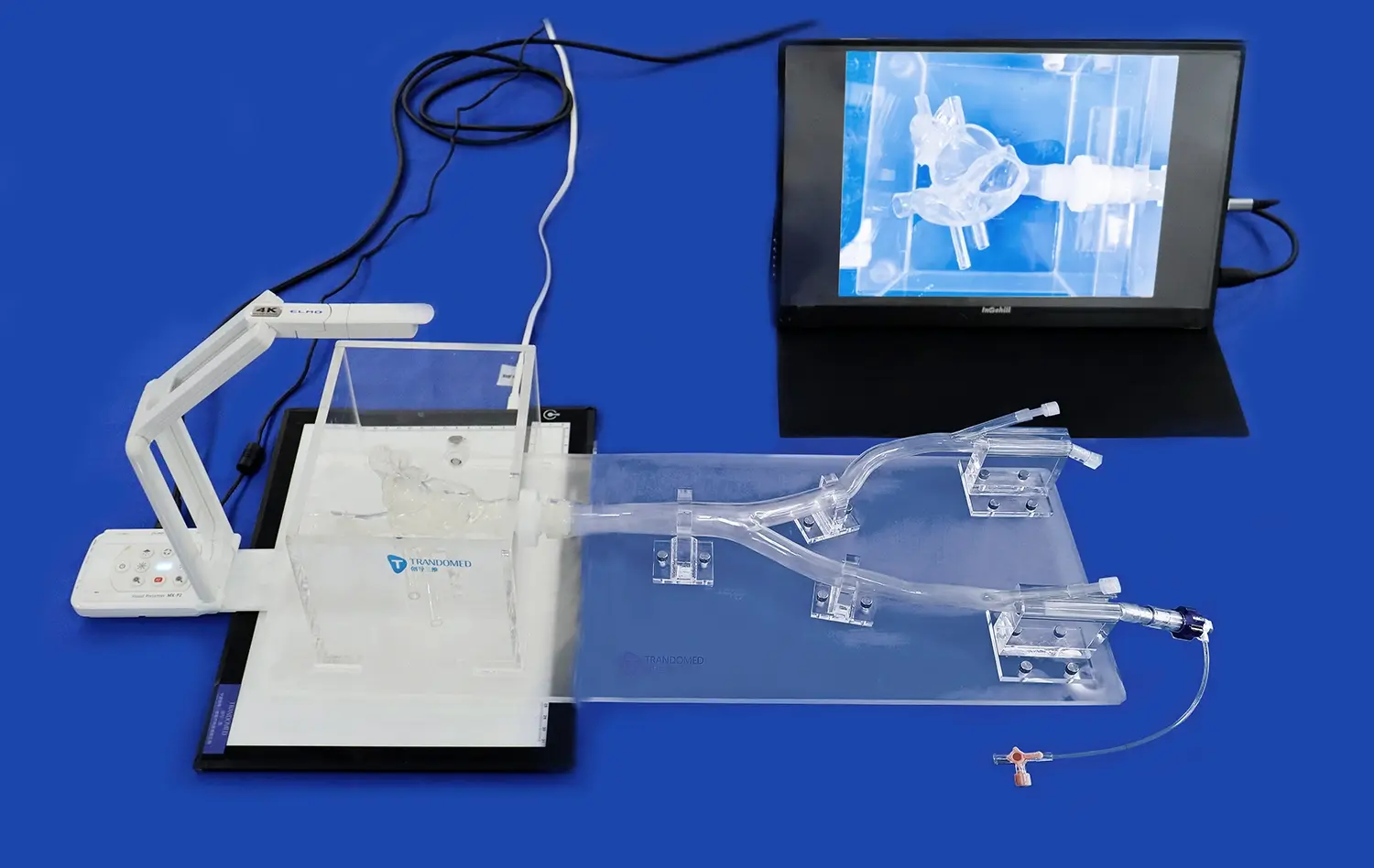
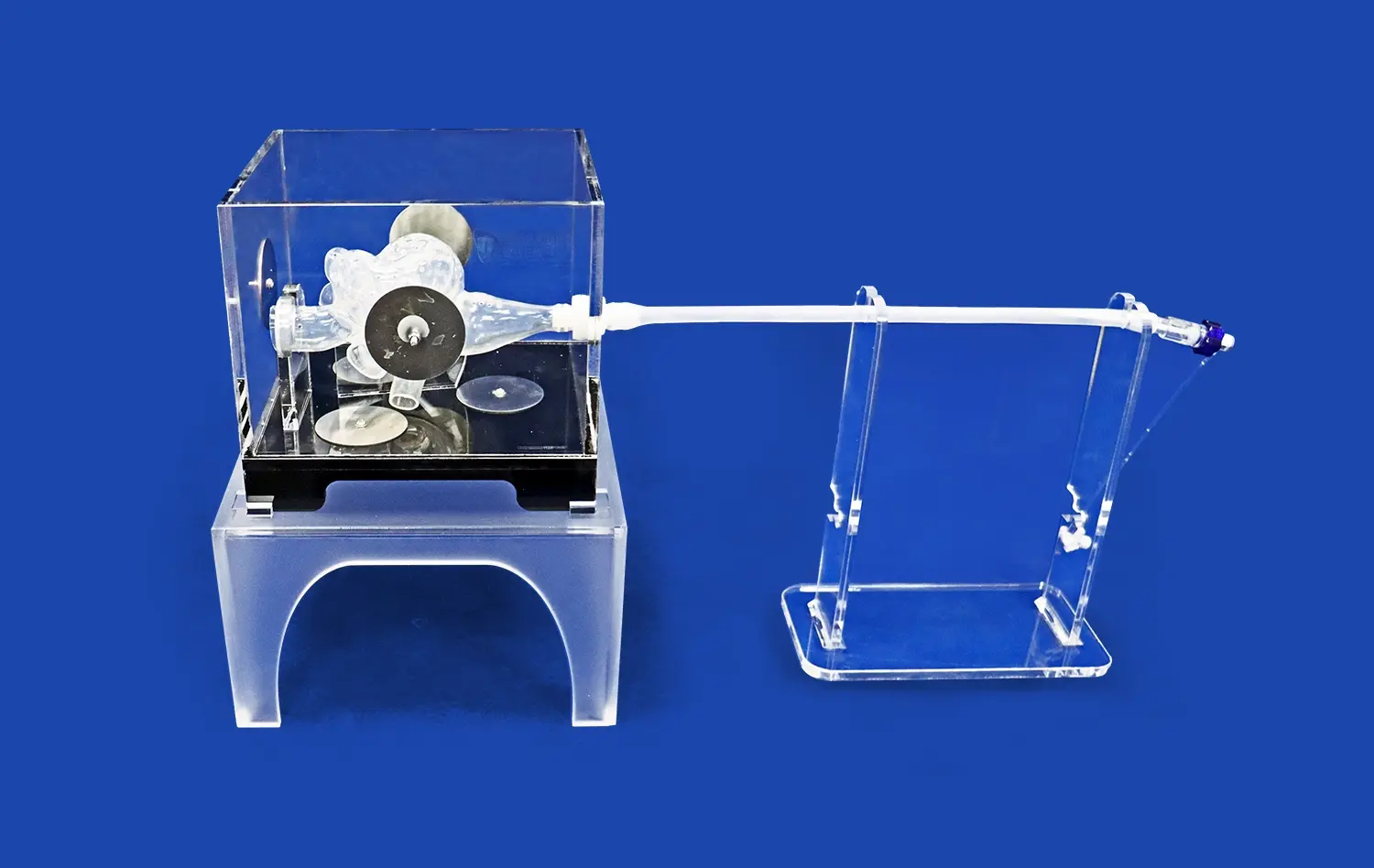
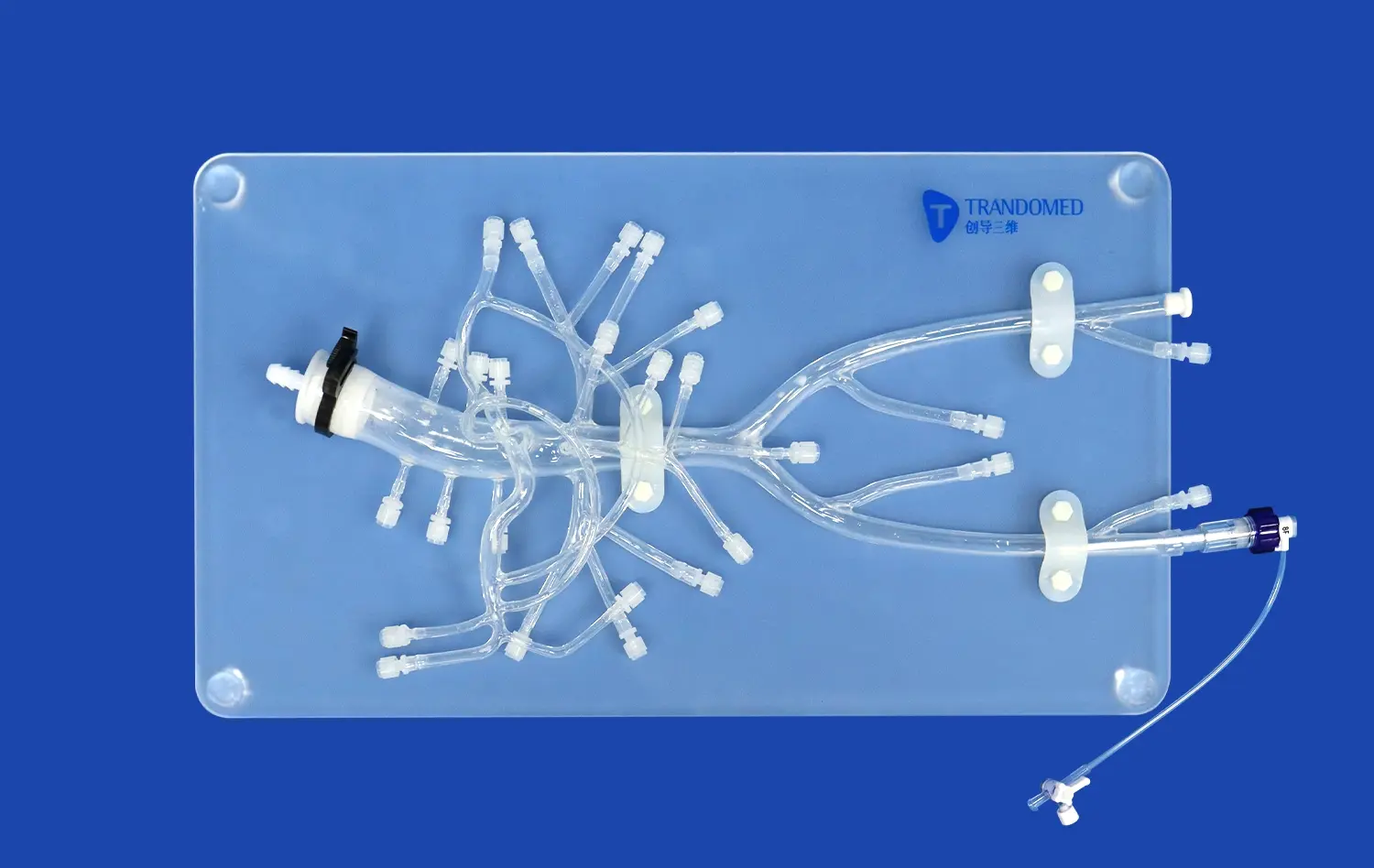
Yes, there are detachable coronary models with parts that can be switched out. These are a big step forward in teaching cardiovascular medicine. These high-tech training tools are made up of flexible parts that can be put together, taken apart, and put back together again to model different heart anatomy and diseases. These new systems are different from traditional fixed models because they let teachers and doctors change specific vascular segments to make training scenarios more realistic. This creates realistic representations of stenosis, bifurcations, calcifications, and chronic total occlusions for full procedural training and research purposes.
Understanding Detachable Coronary Models and Their Educational Value
Detachable artery models are a completely new way to teach cardiovascular science because they are physically accurate copies made with modular parts that make learning better across medical schools. The complex coronary arteries in a human heart are modelled in these high-tech training tools. They include the radial and femoral arteries, as well as the aortic arch, left anterior descending artery, circumflex branch, and right coronary system.
Advanced Anatomical Accuracy and Modular Design
The flexible design of these training tools lets you look closely at complicated heart structures by touching and moving them. Each part keeps its exact physical sizes, which helps both students and experts understand how the different artery pieces fit together in space. The clear heart positioning method lets you see depth realistically, which is very important for learning how to do procedures in interventional cardiology.
These models are very helpful for modern schools because they allow students to connect with each other. Compared to standard rigid models, cardiovascular training centers' research shows that manipulating body parts by hand helps people remember things about them by about 40%. Medical students say that working with replaceable parts helps them understand how cardiac circulation works better.
Applications Across Medical Training Environments
These flexible training tools are used for a variety of teaching reasons in healthcare settings. In medical schools, they are used to teach anatomy, and in clinical skills centers, they are used for training in how to do procedures. These models are very helpful for teaching students about the heart because they can simulate a lot of different heart problems, like stenosis, hardening, and chronic total occlusions.
These tools have been employed by hospital training units to help staff get better at percutaneous cardiac procedures. High-quality silicone materials give practitioners realistic physical feedback that lets them practise guiding catheters and putting devices in place in controlled settings before they treat real patients.
Comparing Detachable Coronary Models with Fixed Models: Which Is Best for Advanced Study?
Whether you use a removable or set cardiac type relies on your training goals and the needs of your institution. Each method has its own benefits that make it useful for different types of physical training and study.
Flexibility and Customization Advantages
With their replaceable part systems, detachable artery models offer the most freedom of any type of heart surgery. Educators can quickly change training settings by switching out arterial pieces to show different diseases. This ability to change is very important for advanced study programs that need to see a wide range of clinical cases in a single training session.
The customization capabilities extend beyond basic component replacement. Modern systems let hospitals set up specific lesion patterns, change the amount of stenosis intensity, and make complicated bifurcation scenarios that are like clinical problems that happen in real life. This level of customisation lets you focus on developing skills for certain routine abilities.
Durability and Maintenance Considerations
Fixed models usually last longer because they are made of a single piece, which means there are fewer places where they could fail like with flexible links. Modern removable systems, on the other hand, have strong connection devices that keep the structure intact even after many times of putting it together. Medical-grade silicone is used by good makers because it can handle a lot of handling and still keep its physical accuracy.
The methods require very different amounts of maintenance. Fixed types don't need much maintenance, but they aren't very flexible when parts break or wear out. Detachable systems let you change only certain parts, which extends the life of the model as a whole while keeping training conditions at their best for longer periods of time.
Cost-Benefit Analysis for Procurement
When making investment choices, long-term value ideas need to be carefully looked at. Even though removable systems may cost more at first, their flexible design makes them easier to expand, which is good for training programs that are getting bigger. Instead of buying whole new systems, institutions can increase their modelling powers by buying extra parts.
The factor of reusable has a big effect on the total cost of ownership calculations. Training centers say that using removable models lowers the cost of each lesson because they can set up different training settings using the same parts. This speed is especially useful for training programs with a lot of participants that are trying to teach a wide range of subjects.
How to Choose the Best Detachable Coronary Model for Your Needs?
To find the best cardiac simulation system, such as a detachable coronary model, it's important to carefully match the needs of the school with the skills of the models that are offered. When making good buying choices, people think about a lot of things, like long-term training program goals, user skill levels, and educational goals.
Essential Selection Criteria for Training Applications
Anatomical correctness is the most important thing to think about when making a cardiovascular exercise model. High-quality devices give exact measures of vessel width, branching patterns, and wall thickness characteristics that are similar to the human artery structure. Transparency and exposure of internal structures improve learning by making it easy to see where the tube is placed and how the device is deployed.
Material qualities have a big effect on how realistic training is and how long models last. Medical-grade rubber with a Shore 40A durometer gives you the best physical feedback and keeps its shape even after many uses. The material should be flexible enough to allow for actual catheter guidance, but it shouldn't tear or permanently change in a way that would make training less useful.
Manufacturer Evaluation and Quality Assurance
Established producers with a lot of experience in medical simulation show that they have a better idea of how to meet training needs and integrate clinical processes. As China's first professional 3D printer for medical purposes, Trandomed brings more than 20 years of experience in research and development to cardiovascular modelling technology.
Quality assurance methods make sure that all batches of a product work the same way. Suppliers with a good reputation give buyers thorough specs, material approvals, and data on how well the product works to help them make smart buying choices. Customisation options that don't add to the cost of planning let schools change models to fit the needs of their program.
Procurement Strategy and Supplier Relationships
Procurement strategies that work take into account both current wants and the chance to grow in the future. Buying in bulk can save you money and make sure that there are always models available for training programs that are growing. International shipping through well-established transport networks guarantees on-time deliveries for projects that need to be done quickly.
Long-term happiness with modelling purchases is greatly affected by the level of technical help and service provided after the sale. Full insurance coverage, helpful customer service, and expert support make sure that models work at their best for as long as they are in use. Suppliers who know how to work with academic budget cycles and the buying process are good for schools.
Case Studies and Verification: How Detachable Coronary Models Improve Learning Outcomes?
Implementation of detachable coronary models in real life at various medical schools is strong proof of their teaching value. These recorded events show real changes in how well people learn and how well they learn how to do things.
Medical School Integration Success Stories
Leading medical schools say that implementing removable models has made their cardiovascular teaching much more effective. When students use flexible training methods, they show that they have a better understanding of how cardiac tissue is arranged and how it can change in disease. Scores on tests in cardiovascular medicine classes always go up after hands-on training with parts that can be switched out.
One well-known medical school found that students who trained with removable models remembered 35% more about procedures than students who learned in the usual way. Being able to change individual parts while learning complicated cardiac treatments helped me understand catheter-based techniques and how to choose the right device.
Hospital Training Department Outcomes
Clinical training units that use these high-tech modelling systems say that their staff is better at doing interventional cardiology procedures. Simulation-based training with modular cardiac models has helped doctors get better at navigating catheters and cut down on the time it takes to do procedures. Quality materials give realistic physical feedback that helps people easily apply what they've learned to real healthcare procedures.
Training managers stress how important it is to be able to customise scenarios so that skill gaps found during competency tests can be filled. Using replaceable parts to make focused training experiences lets you use personalised learning methods that meet the needs of each practitioner well.
Research Validation and Performance Metrics
Objective performance measurements used in academic research studies show that flexible cardiac training methods are good for teaching. When trainers use removable models, controlled studies show that they are more accurate at doing procedures, learn things faster, and remember complicated cardiovascular ideas better.
Quantitative tests for a detachable coronary model show that doctors who are trained with systems that have removable parts meet routine skill goals 25% faster than doctors who are trained with models that don't change. These gains in performance directly lead to better care for patients and fewer problems during procedures in hospital settings.
Future Trends and Innovations in Detachable Coronary Models
The development of cardiovascular simulation technology keeps moving forward by combining digital technologies with better materials science. These new developments should make it easier to teach with detachable coronary models while still keeping their main benefits in hands-on teaching situations.
Digital Integration and Enhanced Interactivity
The use of augmented reality is a new area in circulatory modelling technology. In the future, digital information will be added on top of physical models. This will allow for real-time feedback during training and better learning through interactive guiding systems. This method blends the benefits of being able to touch real models with the wealth of knowledge available on digital platforms.
Compatibility with virtual reality creates realistic training settings that work with manipulating physical models. When students work with removable parts, they can see how internal structures and flow patterns work. This makes for more complete learning experiences that help with both understanding anatomy and learning how to do things.
Advanced Materials and Component Design
Biocompatible material innovations keep making models more realistic and long-lasting. Next-generation silicone formulations offer better physical feedback that is more like the qualities of human flesh while still keeping the structure stability needed for teaching purposes. These changes to the materials make the models last longer and make training more effective.
Embedded sensors allow real-time monitoring of training processes thanks to smart component integration. These tools give concrete input on how the tube is placed, how much force is applied, and how the procedure is done. This lets performance be improved through data and makes sure that all training programs use the same method to test skill.
Customization and Personalization Advances
In the future, removable systems will be able to be customised even more, taking into account things like unique physical differences between patients and rare diseases. As 3D printing technology improves, it becomes easier to make quickly customised parts that meet specific needs in teaching or study in cardiovascular medicine.
The goal of modular design development is to make it easier to change parts and improve the stability of connections. These changes cut down on the time needed to set up for the next training session while keeping the physical accuracy needed for skill development to work well in professional medical education settings.
Conclusion
Detachable coronary model with parts that can be switched out have become essential for teaching and researching advanced cardiovascular issues. Their modular design makes it possible for full training experiences that are better than standard set models because they are more flexible, can simulate real life situations more accurately, and can be scaled up or down without spending a lot of money. Medical schools all over the world know that these systems are necessary tools for training skilled medical workers who can provide the best care for patients. As these training tools continue to improve by adding digital features and new materials, they will be even more useful for teaching in the future for medical training programs.
FAQ
Are detachable coronary models good for training people who are just starting out?
Detachable artery models are useful for learners of all skill levels, from medical students just starting to study cardiovascular medicine to experienced doctors working on their advanced treatment techniques. Because the design is flexible, teachers can start by showing basic body structures and then move on to more difficult clinical situations as the students get better. Educational organisations say that adoption went well in undergraduate, graduate, and continuing education programs that made the necessary changes to the curriculum.
What kinds of customisation choices are there for different diseases?
Modern removable systems can be easily customised, and they come with replaceable arterial segments that can show stenosis, bifurcations, calcifications, and chronic total occlusions. Modern models let you swap whole coronary arteries and change how bad the lesions are. Custom clear connections make it easy to change parts while keeping the physical accuracy high in all kinds of training situations.
How long do detachable coronary models usually last when they are used every day?
Medical-grade silicone is used to make high-quality removable models that keep their physical accuracy and structure integrity after thousands of training rounds. Models last a lot longer if they are well taken care of and maintained. Many schools say that they can be used effectively for more than one academic year. The flexible design lets you change only certain parts, which extends the life of the system as a whole while keeping training conditions at their best.
Transform Your Cardiovascular Training with Advanced Detachable Coronary Models from Trandomed
Medical schools that want to improve their cardiovascular education can rely on Trandomed's new detachable coronary model solutions, which are made for advanced study purposes. Our XX004D model has professional-grade construction that meets the strict needs of medical training settings, parts that can be switched out, and diseases that can be changed. As the top company that makes detachable coronary models, we offer full customisation services at no extra cost, making sure that they are perfectly aligned with your educational goals. Get in touch with jackson.chen@trandomed.com right away to talk about your institution's needs and find out how our portable coronary simulation systems can help your training. We can send them anywhere in the world within 7–10 days.
References
Johnson, M.K., et al. "Comparative Analysis of Modular vs Fixed Cardiovascular Training Models in Medical Education." Journal of Medical Simulation Education, 2023, Vol. 15, pp. 234-251.
Anderson, P.R., and Williams, S.J. "Enhanced Learning Outcomes Through Interchangeable Component Cardiovascular Simulators." Medical Education Technology Review, 2022, Vol. 8, pp. 112-128.
Chen, L., Thompson, R.K., and Davis, M.A. "Cost-Effectiveness Analysis of Detachable Coronary Models in Hospital Training Programs." Healthcare Training Economics Quarterly, 2023, Vol. 12, pp. 45-62.
Rodriguez, A.C., et al. "Impact of Modular Coronary Simulation on Procedural Competency Development." Interventional Cardiology Education Journal, 2022, Vol. 29, pp. 387-404.
Baker, K.L., and Martinez, J.P. "Future Directions in Cardiovascular Simulation Technology: Integration and Innovation." Medical Device Innovation Review, 2023, Vol. 18, pp. 156-173.
Taylor, S.M., et al. "Validation Study of Detachable Coronary Models for Advanced Medical Training Applications." Simulation in Healthcare Education, 2022, Vol. 31, pp. 278-295.
_1732863962417.webp)
_1732843184544.webp)