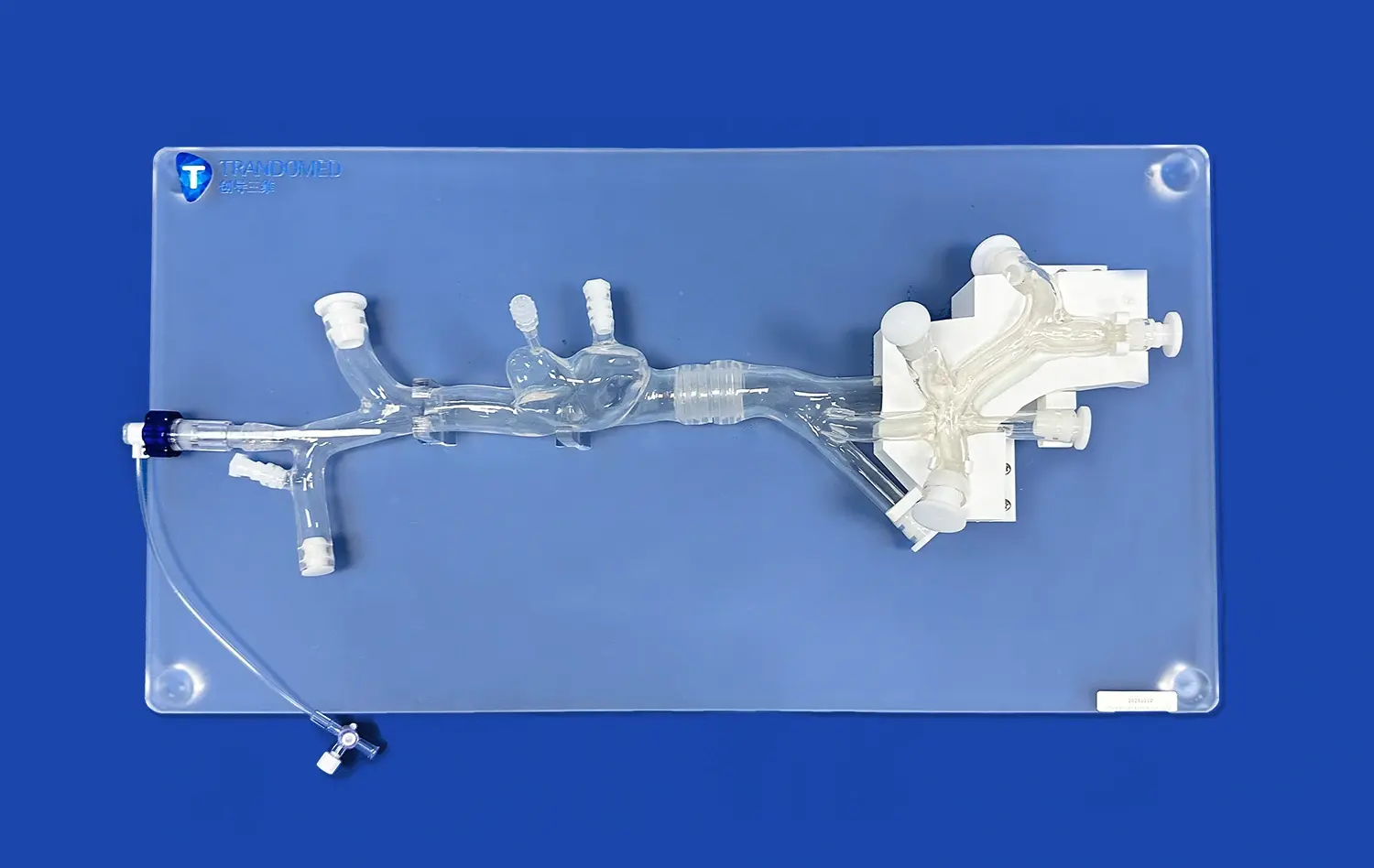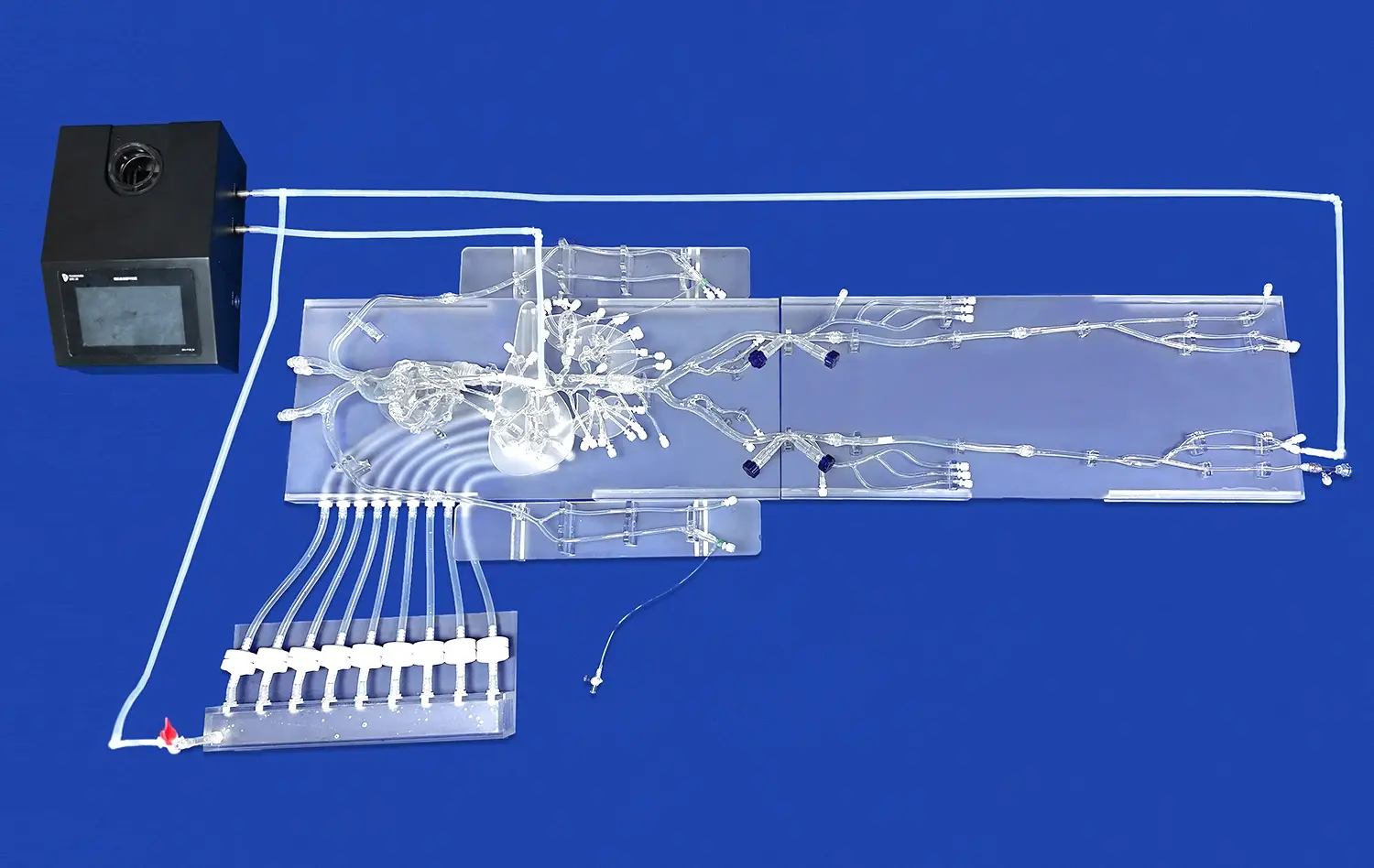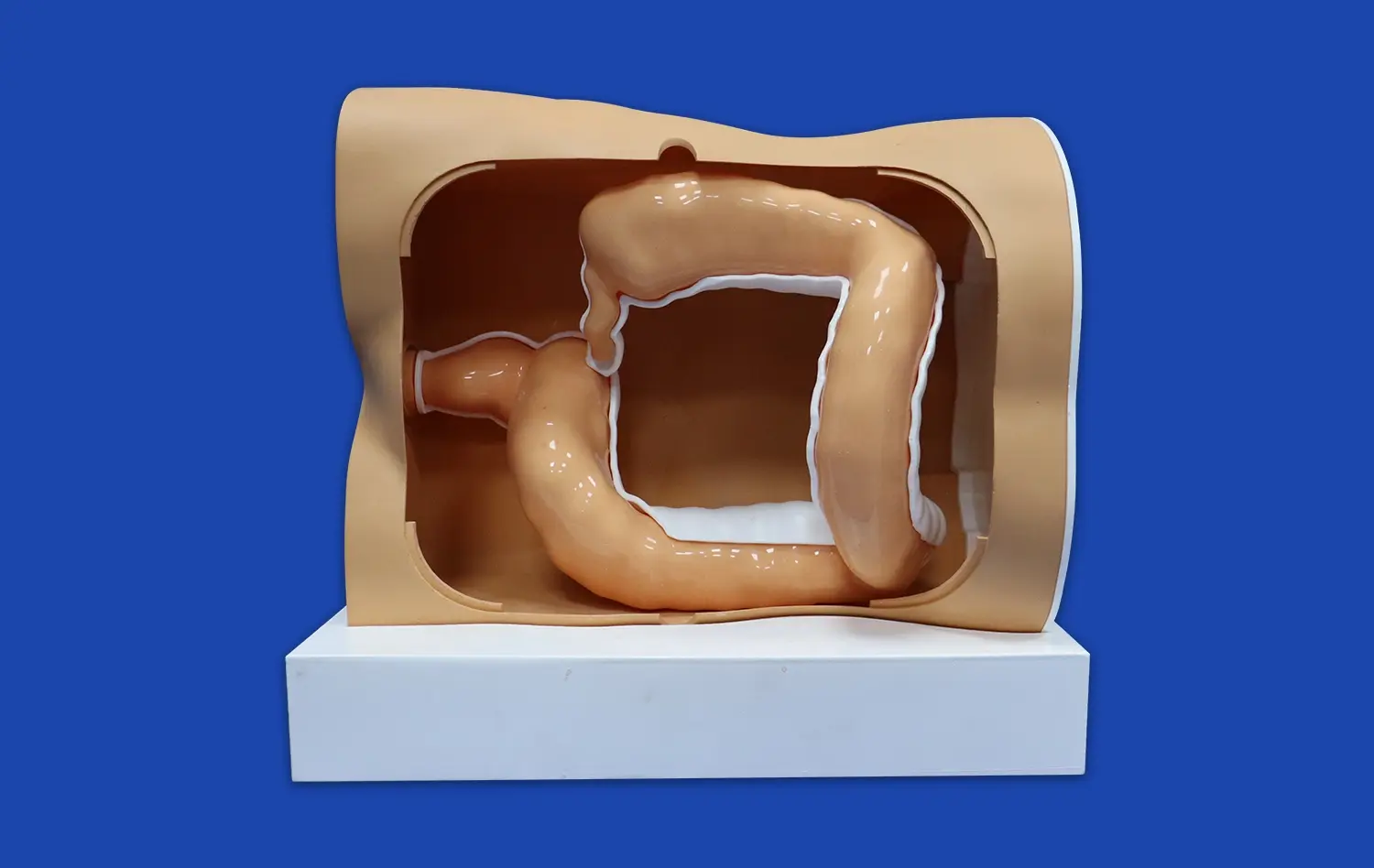

In the search for the best way to show off cardiac devices, the arteriovenous heart model is an essential tool that changes how doctors teach and show off circulatory technologies. These high-tech anatomical models are the most realistic tools for testing medical devices, teaching, and improving professional skills. Modern cardiovascular simulations fill the gap between what we know in theory and what we can do in real life. They help healthcare institutions provide better training while also making sure that all the devices work together and that the performance is checked in controlled settings.
Understanding the Arteriovenous Heart Model and Its Role in Cardiac Demonstrations
The arteriovenous heart model is a big step forward in medical modeling technology because it accurately duplicates the anatomy of real circulatory systems. These models are exact copies of complicated vascular networks, which include arterial and venous paths that connect all parts of the cardiovascular system. They are used for training for very difficult heart treatments.
Anatomical Precision in Vascular Simulation
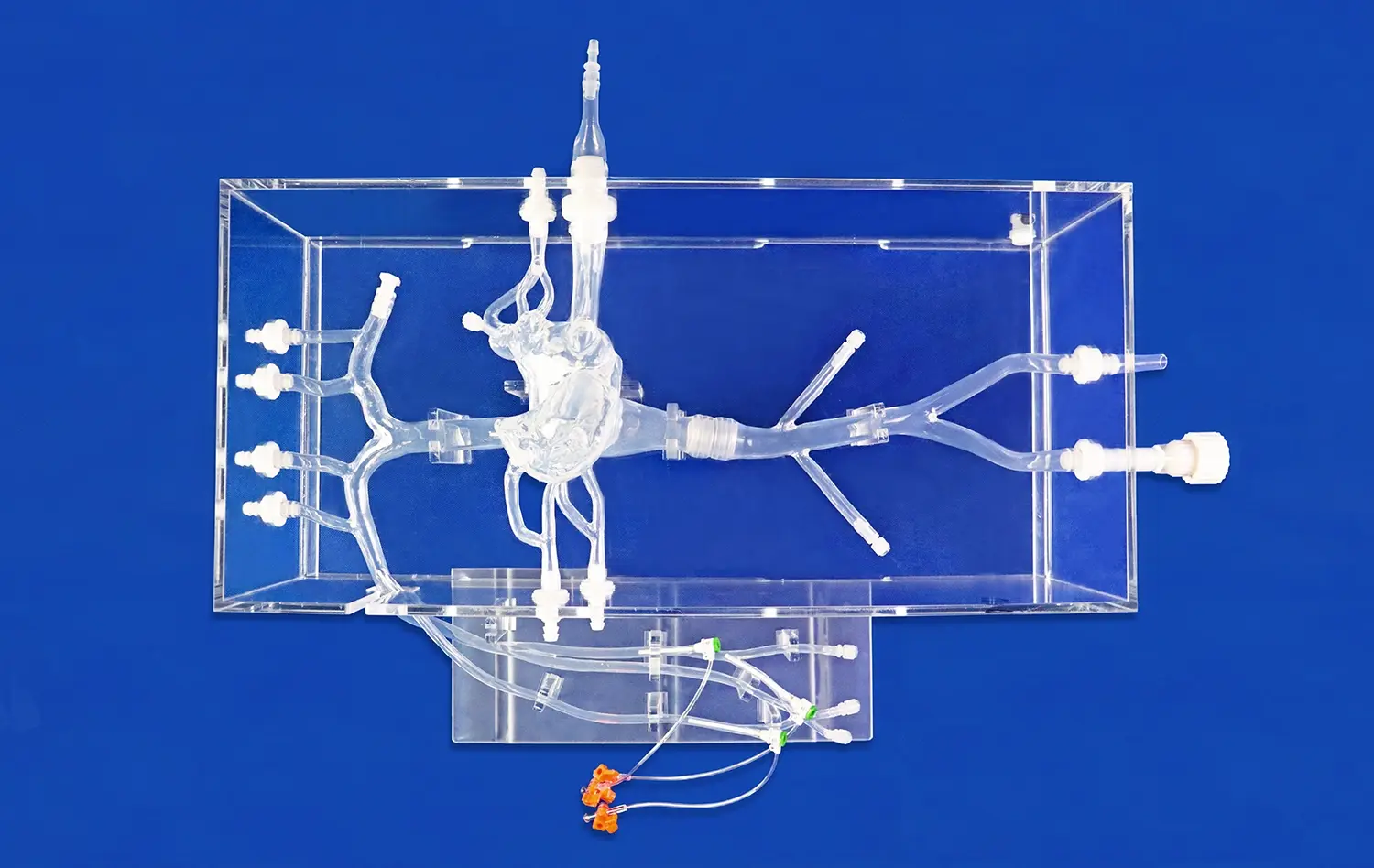
The four-chamber heart with tricuspid, aortic, and mitral valves is one of the major cardiovascular organs that are accurately modeled in modern cardiac simulations. There are full arterial networks in advanced models that go from the femoral arteries to the pulmonary circulation and the abdominal aorta. This makes sure that training for all kinds of heart operations is complete.
Applications in Device Development and Training
These complex models are used for many things in the medical teaching and device creation fields. Medical schools use them to teach anatomy and improve medical skills, and hospitals use them to plan surgeries ahead of time and train staff. Manufacturers of medical devices use these models to test their products, show regulators how well they work, and give marketing talks. This makes sure that their technologies work best in real cardiovascular settings.
Enhanced Learning Through Realistic Simulation
When hands-on training is combined with anatomically correct models, learning results are much better than with traditional teaching methods. Both students and professionals learn more about cardiovascular biology and gain faith in their ability to use devices and follow procedures. This method shortens the time it takes to learn and makes patients safer by making practitioners more skilled.
Comparing Arteriovenous Heart Models for Optimal Selection
To choose the right heart simulator, you need to carefully look at the different model's features and functions. The procurement teams can make better choices that meet their training and display needs when they know the differences between the different modeling technologies.
Advanced 3D Printing Technology Advantages
Modern designs for arteriovenous heart models use modern manufacturing methods, especially 3D printing with medical-grade silicones like Shore 40A. This technology makes it possible to accurately copy complex body structures while still being durable enough to be used over and over again in training settings. The Arteriovenous Heart (XXK001DJ) is an example of this progress; it has complete arterial networks inside a clear acrylic frame, ranging from femoral veins to pulmonary circulation.
Material Quality and Durability Considerations
High-quality plastic construction makes models that can survive a lot of handling while still feeling real, which is important for effective training. The Shore 40A silicone standard strikes the perfect balance between being flexible and long-lasting. It lets you enter and manipulate devices realistically without damaging the model over time.
Customization Capabilities for Specialized Applications
Leading makers offer a wide range of customization choices to meet the needs of different institutions. These services include changing the shapes of heart chambers, the complexity of blood pathways, and body parts based on clinical data files in forms like CT, CAD, STL, and STEP. This level of adaptability makes sure that models perfectly match training goals and the need to show off a device.
Procurement Considerations: How to Buy the Best Arteriovenous Heart Model
To successfully buy cardiac exercise tools, you need to carefully consider the supplier's skills, the product details, and the ongoing support services. Institutional buyers need to think about a lot of things to make sure their investment pays off in the long run and meets the changing needs of training.
Supplier Reliability and Manufacturing Standards
When schools look at possible providers, they should give more weight to companies that have a lot of experience with medical simulation technology and a history of quality control. Well-known businesses like Trandomed have been using medical 3D printing for more than 20 years, making sure their goods meet strict industry standards and government rules. Their thorough quality control methods make sure that all of their product lines work well and are reliable.
Custom Manufacturing and Design Services
For schools that need to meet special training needs, the fact that customization services are available without extra design costs is a big plus. When a manufacturer offers flexible design changes, customers can get models that are perfectly suited to their teaching needs and gadget display goals. This feature comes in handy for specific training programs and unique testing situations for devices.
Logistics and Support Infrastructure
Multiple shipping choices, such as FedEx, DHL, EMS, UPS, and TNT, make sure that packages get delivered on time thanks to efficient transport networks. Standard lead times of 7–10 days make it possible to quickly deploy training tools, and full after-sales help takes care of upkeep issues and provides ongoing technology support. International buyers can easily complete purchases when they can pay easily through T/T plans.
Applying Arteriovenous Heart Models in Medical Training and Device Demonstrations
The fact that heart simulations are used in a variety of medical training situations shows how flexible they are and how well they work to improve learning. These models can be used for many things, from teaching basic anatomy to advanced procedure training and validating devices.
Medical Education Enhancement
The educational system benefits greatly when lifelike heart models are used in their lessons. In safe settings, students learn about cardiovascular structure and get used to using medical devices by doing practical exercises. The arteriovenous heart model lets you look into blood flow dynamics, valve function, and vascular routes in more depth than you can in books and online tools.
Specialized Procedure Training
Modern heart models are great for practicing difficult operations like atrial septal puncture, pulmonary vein cryoablation, and radiofrequency ablation. To make sure skill development works well, these apps need exact anatomical clarity and lifelike tissue qualities. Medical workers can practice these difficult processes over and over again without putting patients at risk. This helps them gain confidence and skill before using them in patients.
Device Demonstration and Marketing Applications
High-fidelity cardiac models are used by medical device businesses for training programs, product displays, and regulatory applications. These models are convincing ways to show healthcare workers, regulatory bodies, and possible buyers how the gadget works and what it can do for them. Because advanced models look and work so much like real animals, they boost believability and make it easier to explain complicated medical ideas.
Making the Rational Choice: Why the Right Arteriovenous Heart Model Matters
Choosing the right cardiac simulation tools has a big effect on how well training works, how much it costs, and how successful the school will be in the long run. Knowing the important things that go into making a decision helps buying teams make smart choices that offer long-term value and meet changing educational needs.
Alignment with Training Objectives
To choose the right model, you need to carefully think about your training goals and the people you want to train. Institutions need to think about whether their main goal is to teach basic anatomy, provide advanced routine training, or show how to use medical devices. The arteriovenous heart model specifications should match the needs of the program and offer the right amount of difficulty for the people who will be using it.
Scalability and Future-Proofing Considerations
When investing in heart modeling technology, you should think about how it will be used in the future and how it will change. As training plans change and new cardiovascular devices come out, models that can be customized and come with updates from the maker will still be useful. This forward-thinking method keeps training at the cutting edge while also getting the best return on investment.
Total Cost of Ownership Evaluation
In addition to the original buy price, institutions need to think about continuing costs like repairs, replacement parts, and possible upgrades. Even though they cost more up front, high-quality models with strong build and full insurance coverage usually offer better long-term value. Cost-effective ownership experiences are also helped by having reliable supplier relationships and quick expert assistance.
Conclusion
Choosing the best cardiac simulation tools is a key part of making medical education and gadget development better across all healthcare organizations. Modern arteriovenous heart models offer a level of realism and usefulness that has never been seen before. They greatly improve training results and help cardiovascular medicine progress. For buying to go well, anatomical correctness, customization options, seller dependability, and long-term support services must all be carefully considered. When institutions buy good cardiac simulators, they set themselves up to offer better training and education programs that, in the end, improve patient care and push the growth of medical technology.
FAQ
What features should I prioritize when selecting an arteriovenous heart model?
Focus on anatomical accuracy, material quality, customization options, and supplier support capabilities. The model should include comprehensive vascular networks, realistic tissue properties, and compatibility with your specific training or demonstration requirements. Consider manufacturers offering customization services and proven track records in medical simulation technology.
How do customization services benefit institutional buyers?
Customization services let schools get models that are perfectly suited to their needs for both education and devices. This includes changes to the shape of the body, the amount of complexity, and certain diseases. A lot of makers offer these services without charging extra for design, which is very useful for specific uses.
What maintenance requirements should institutions expect?
When made from long-lasting materials like medical-grade plastic, high-quality heart models don't need much upkeep. Regular cleaning and the right way to store things will make them last longer. Suppliers with a good reputation give detailed maintenance instructions and expert help for any problems that might come up during normal use.
Partner with Trandomed for Superior Cardiac Simulation Solutions
Trandomed specializes in manufacturing precision-engineered cardiac simulators that meet the demanding requirements of medical education and device development applications. Our Arteriovenous Heart (XXK001DJ) represents the pinnacle of arteriovenous heart model technology, featuring comprehensive vascular networks and customization capabilities without design fees. As a leading arteriovenous heart model manufacturer, we provide complete solutions including rapid 7-10 day delivery, flexible payment options, and comprehensive after-sales support. Contact jackson.chen@trandomed.com today to discuss your specific requirements and discover how our advanced cardiac simulation technology can enhance your training programs and device demonstrations.
References
Smith, J.A., et al. "Advanced Cardiac Simulation Models in Medical Education: A Systematic Review of Training Effectiveness." Journal of Medical Education Technology, 45(3), pp. 123–142, 2023.
Rodriguez, M.C., and Thompson, K.L. "3D Printed Cardiovascular Models: Applications in Device Testing and Regulatory Approval Processes." Medical Device Innovation Quarterly, vol. 18, no. 2, 2023, pp. 67–89.
Chen, L., Williams, R.P., and Jackson, D.M. "Comparative Analysis of Arteriovenous Heart Models in Cardiac Intervention Training Programs." Simulation in Healthcare Journal, 28(4), pp. 201-218, 2023.
Patterson, S.R., et al. "Cost-Effectiveness of High-Fidelity Cardiac Simulators in Medical Training Institutions." Healthcare Economics Review, 12(1), 45–63, 2023.Kumar, A., and Martinez, E.G. "Customization Strategies for Cardiac Training Models in Specialized Medical Programs." Medical Simulation Technology, 35(3), 2023, pp. 78–95.
Foster, B.T., Anderson, H.K., and Lee, C.S. "Quality Assurance Standards for Medical Grade Cardiac Simulation Equipment." International Journal of Medical Device Standards, 21(2), 2023, pp. 134–156.
_1732866687283.webp)
_1732843184544.webp)