
Can I Find Cava Heart Models with Removable Parts for Interactive Learning?
2026-03-11 09:00:06
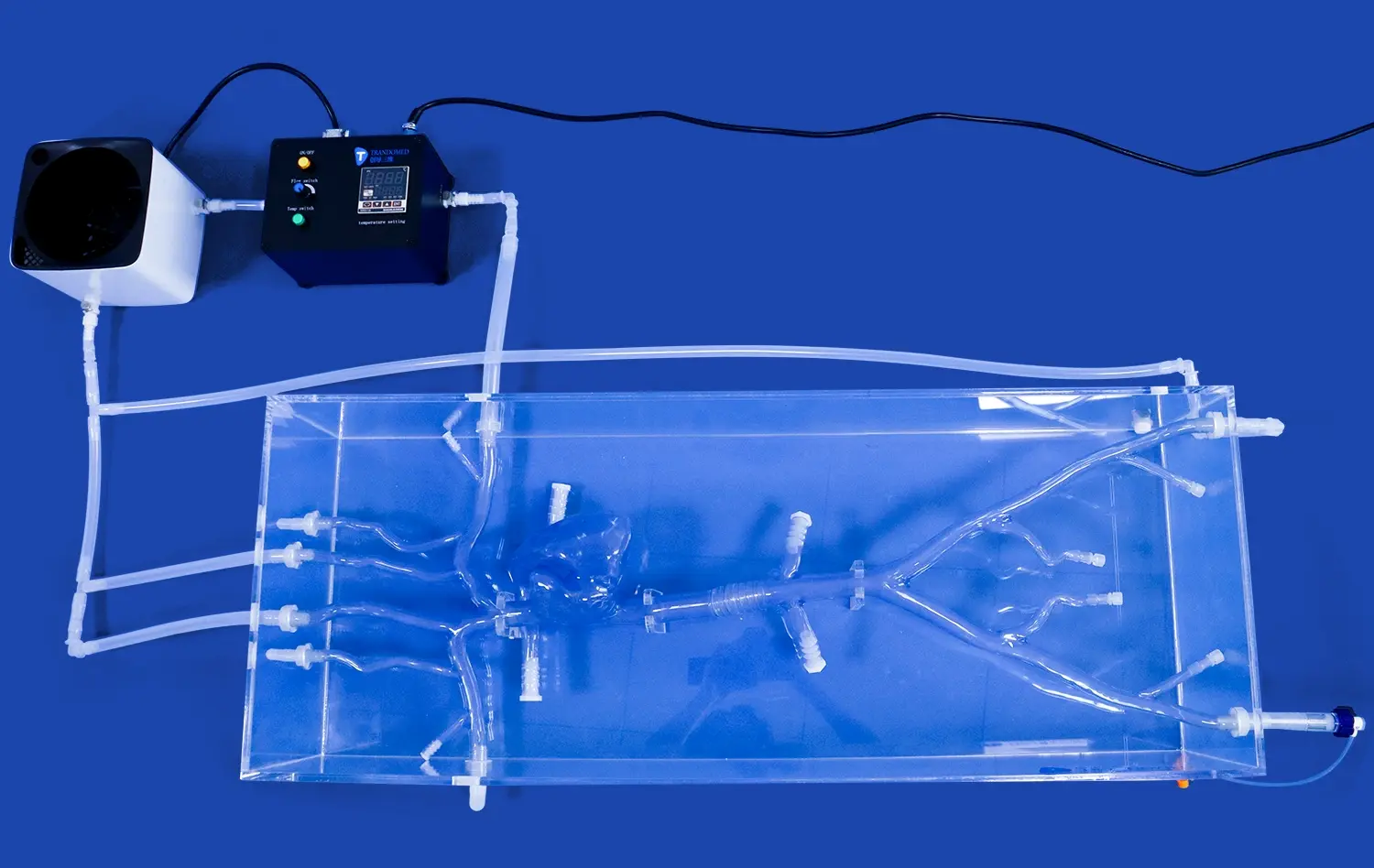
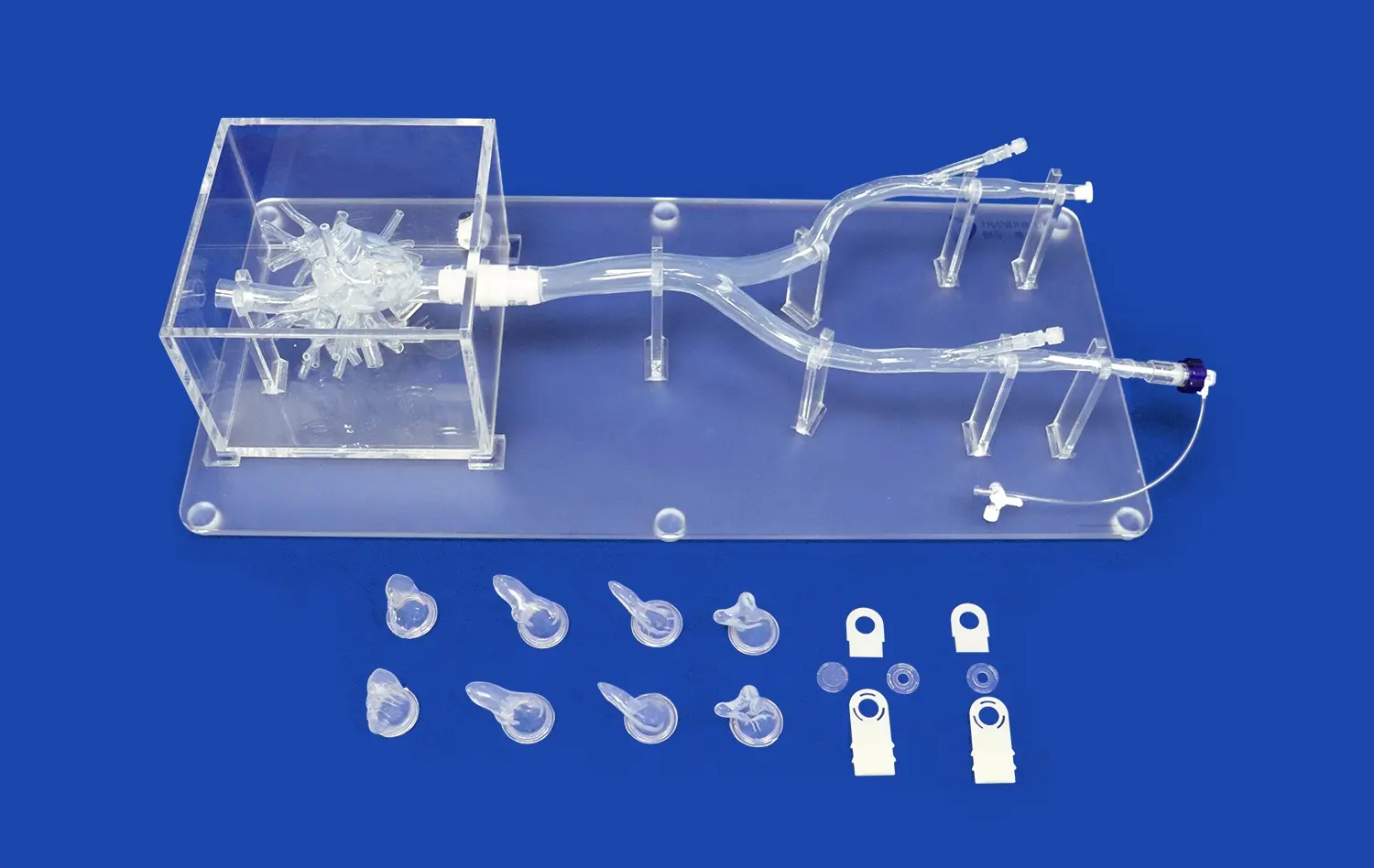
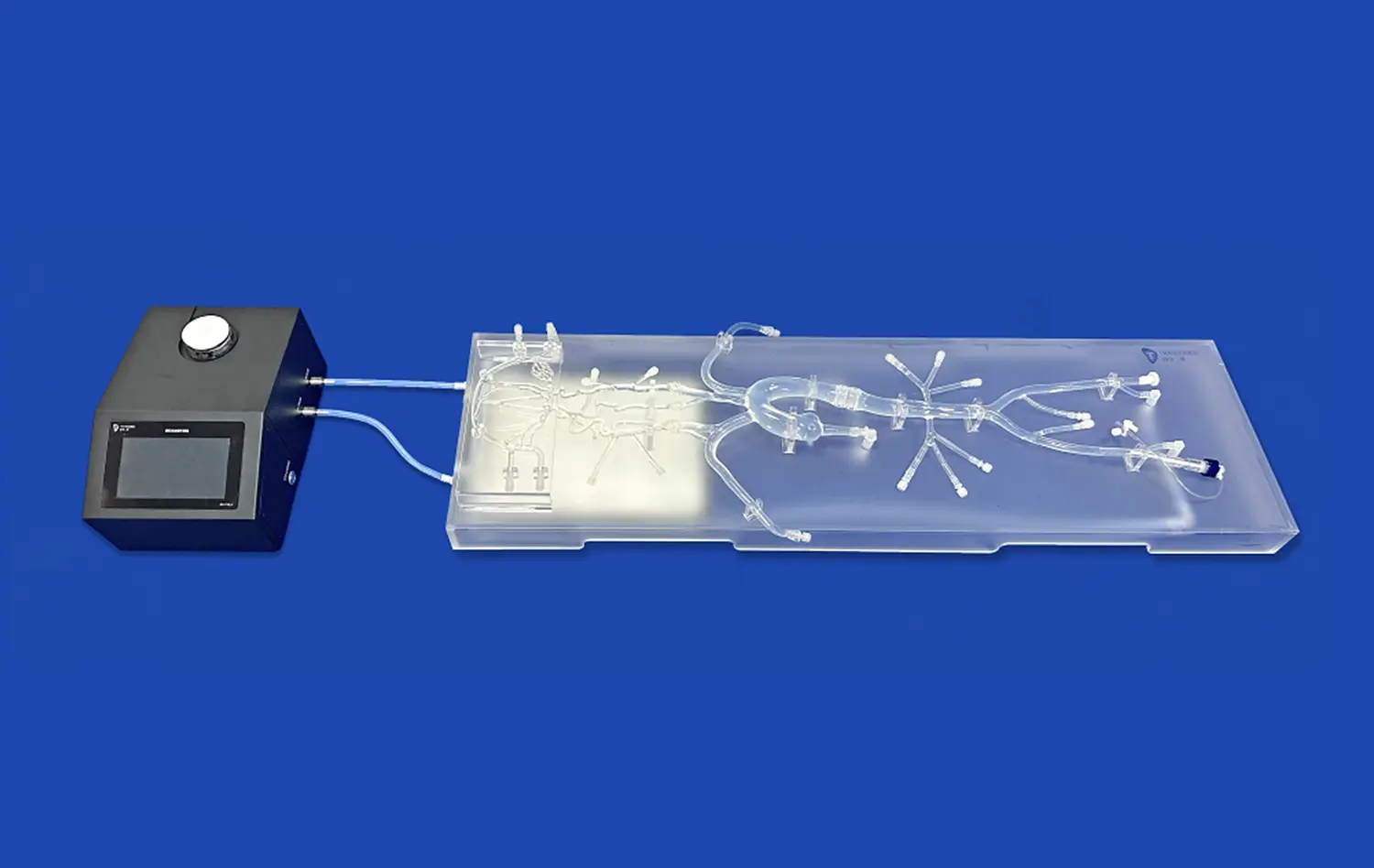
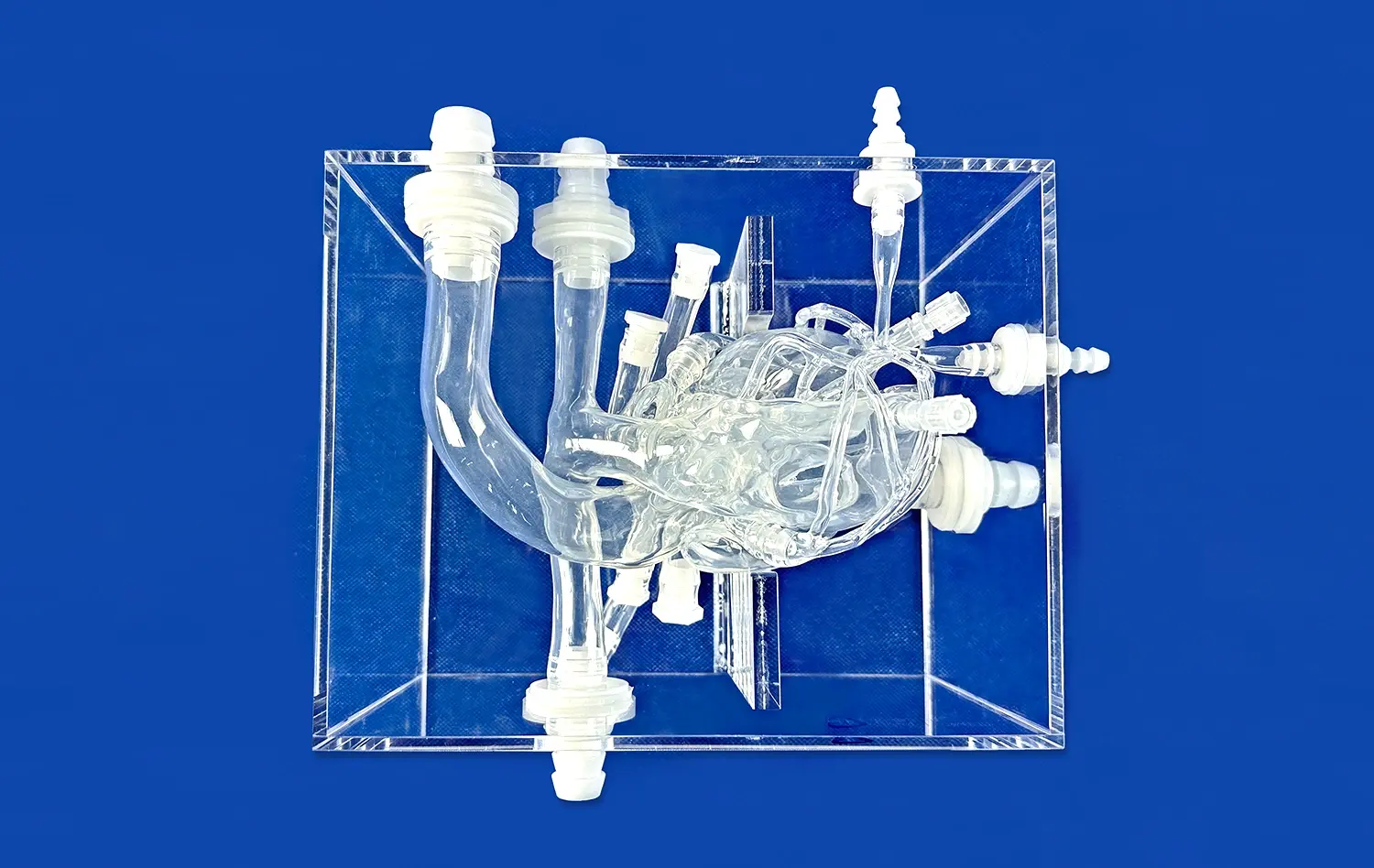
Specialised medical education providers can help you find high-quality cava heart models with parts that can be taken off for hands-on learning. Students and experts can use these advanced anatomy models to learn about vein routes, heart chambers, and arterial links by taking apart parts of the models. The parts of the superior and inferior vena cava can be taken apart and put back together again. This makes the learning process more realistic than with standard rigid models. Interactive learning with replaceable parts helps students understand the anatomy of the heart and lungs better and lets them practise catheterisation and device placement methods over and over again, which is very important for medical training programs.
Understanding Cava Heart Models for Interactive Learning
High-tech anatomy models have made a big difference in medical education by bridging the gap between theory knowledge and real-world application. Interactive learning tools are now necessary for all healthcare training, especially when teaching difficult topics like cardiovascular anatomy and vein intervention methods.
Anatomical Precision and Educational Value
The cava heart model is a big step forward in medical modelling technology because it shows the vein system in more depth than ever before. These models go from the jugular vein to the femoral vein, making a full learning platform that looks just like the human body. The parts that can be taken off allow students to look more closely at the internal structures, which helps them understand and remember the circulatory routes better.
Premium models have measures that are true to the human body based on real CT and MRI scans. This makes sure that students see realistic sizes and links between spaces. According to physiological descriptions found in medical books, the superior vena cava is about 7 centimetres long and has a diameter of 2 centimetres. The inferior vena cava is about 10 centimetres long and has a diameter of 22 millimetres.
Material Composition and Durability Factors
Medical-grade silicones, especially Shore 40A silicone, are the best for teaching uses because they are both realistic and long-lasting. This type of material has a texture that feels like human flesh and can be used over and over again without losing its shape. The system for removing parts uses precision-engineered joints that can handle the many times they are put together and taken apart that happens in training settings.
Modern manufacturing techniques make sure that the quality of each batch of products is the same, which fixes the problem of trustworthiness that many teaching tools have. Through the flexible design theory, individual parts can be swapped out when they need to be. This makes the training investment last longer and lowers the long-term costs for schools.
Criteria for Selecting the Best Cava Heart Models
Picking the best anatomy model, such as a cava heart model, requires careful thought about many technical and practical issues that have a direct effect on how well students learn. To make the best choice for training success, the decision-making process includes balancing physical correctness, functional skills, and societal needs.
Technical Specifications and Quality Standards
Anatomical accuracy is the basis for good medical education. Models must correctly show blood routes, valve sites, and the links between dimensions. Well-made parts that can be taken off make sure that the machine works smoothly during demos and stops technical problems that stop learning sessions. For teaching reasons, the link devices must keep the bond safe while also making it easy to separate.
Models need to be proper for the level of skill of the people they are meant for, with the right amount of difficulty for college students, graduate students, and working workers. Advanced models have the ability to simulate disease changes and lesions, which makes it possible to create full training situations that prepare students for clinical experiences they will have in real life.
Customization Options and Flexibility
Schools gain from being able to change how teaching tools work so they fit with their unique program needs. Advanced providers let institutions make models that are unique to each patient for specialised training programs by making changes based on medical imaging data. These customisation choices include where the lesions are placed, differences in anatomy, and levels of difficulty that fit the training goals of the school.
Long-term flexibility means that educational programs can be changed as needed by adding new parts or changing current structures. Custom branding choices help institutions stand out, and professional packing makes training purchases seem more valuable.
Comparing Market Solutions: What Sets Premium Cava Heart Models Apart?
There are a lot of different anatomy models on the market for medical education, but the quality varies a lot between makers and product lines. Knowing these differences helps you make smart purchasing choices that improve education and increase the institution's return on investment.
Superior Manufacturing Technologies
Advanced 3D printing technologies and precise moulding methods are used by premium cava heart model makers to get very accurate anatomy details. These ways of making things allow for complex internal structures and smooth surface finishes that make things look better and help them learn better. Using reverse engineering from medical imaging data makes sure that the physical accuracy is better than with standard manufacturing methods.
Leading facilities for a cava heart model use quality control methods like checking the dimensions, trying the materials, and making sure they work properly to make sure that the standards of performance are always met. These strict quality controls set high-end goods apart from mass-produced options that might skimp on important features or longevity.
Enhanced Educational Features
More advanced models have new features that make learning more engaging and go beyond simple representations of anatomy. These improvements include parts that are colour-coded to make them easy to find, reference places that are named to help with organised study, and the ability to work with imaging tools for mixed-methods of learning. The flexible design lets you add more difficult tasks over time, which works with a variety of learning styles and teaching methods.
Premium models often come with a lot of teaching products, like anatomy guides, workout plans, and measurement tools that help you get the most out of your training. These extra tools give teachers and students organised learning paths that show them how to get the most out of their investment in anatomical models.
How to Procure Cava Heart Models: Best Practices for B2B Buyers?
To make sure that professional training programs get the best results, buying medical education tools takes careful planning and a close look at each seller. There are many people involved in the buying process, and they have to think about more than just the original purchase price. They also have to think about long-term value and practical needs.
Supplier Evaluation and Due Diligence
Finding specialised makers that only make medical education tools is the first step to efficient buying. This is better than going with general sellers who don't have much experience. Established providers show what they can do by having industry certificates, customer reviews, and case studies from similar institutional projects that have been written down. Facility audits, quality system reviews, and reference checks from similar organisations should all be part of the evaluation process.
Suppliers you can trust give you detailed technical specs, material approvals, and performance promises that help you make smart choices. They have clear pricing structures, delivery schedules, and helpful customer service that makes the whole buying process easier, from the first question to the final delivery and installation.
Contract Negotiation and Service Agreements
When B2B buyers buy a cava heart model in bulk, they can save money on each unit while also getting better payment terms and delivery plans. When you negotiate thorough service agreements, you make sure that you will get help with fixes, upkeep, and new parts for as long as the equipment lasts. These contracts should include reaction times, guarantee support, and ways for technology problems to be taken to the next level.
Flexible financial options, such as lease agreements and membership models that match equipment prices with budget cycles, are especially helpful for educational institutions. Progressive delivery plans allow for planning of the curriculum, and volume agreements ensure that multi-year buying programs get reasonable prices.
Ensuring Effective Use: How to Maximize the Value of Your Cava Heart Models?
To get the best return on investment, you need to plan how to apply the system in a way that includes more than just buying the tools. You also need to think about how to integrate training, repair procedures, and methods for measuring performance. Utilisation methods that work well make sure that investments in cava heart models continue to provide teaching benefits for as long as they are in use.
Integration Strategies and Best Practices
For model integration to go well, instructors need to be fully trained on how to handle the models properly, how to use them in the classroom, and how to keep them in good shape. Training programs should teach the best ways to demonstrate, get students involved, and fix problems so that they don't get in the way of important learning sessions. Regular repeat training makes sure that all teachers and teams are using the same standards.
Creating organised exercise routines keeps students engaged and protects the purity of the equipment by setting rules for how it should be used. These guidelines should include steps for setting up the model before the session, activities to help people explore, and cleaning up after the session that keep the model in good shape and make it last longer.
Performance Measurement and Continuous Improvement
To do an educational effect review, you need to collect data on how well students are doing, how engaged they are, and how much they remember. Evaluations done before and after training show that interactive learning methods work better than traditional ways of teaching. Feedback from students is very helpful for improving methods for using resources and finding new ways to use training.
Regular reviews of an item's performance find out what repairs it needs, how it's being used, and what improvements could be made. This tracking lets you plan proactive repair that keeps equipment from breaking down and finds growth opportunities that help educational programs grow.
Conclusion
Interactive cava heart model options with parts that can be taken off are necessary tools for medical schools today that want to get students more involved and help them learn more. Through hands-on study of cardiovascular structure, these advanced training tools bridge the gap between what you learn in the classroom and what you can do in real life. Premium models have better physical accuracy, stronger construction, and many customisation choices that meet the needs of medical schools, hospitals, and training centers with different teaching needs. To maximise long-term educational value and institutional return on investment, buying must include carefully evaluating suppliers, negotiating contracts strategically, and planning how to put things into action in a methodical way.
FAQ
What kinds of materials do good cava heart models use?
Medical-grade silicone Shore 40A is used in high-end models. It gives true physical feedback and stays durable even after many uses. This material's make-up guarantees stable performance over thousands of rounds of putting together and taking apart, which is common in school settings. High-impact plastics may be used for structure parts, and there may be special finishes that improve contrast and make cleaning easier.
Can cava heart models be changed to fit special needs in the classroom?
Modern makers let you make a lot of changes, like simulating lesions, changing the shape of the body, and changing the level of complexity based on what your school needs. Anatomy from CT, MRI, or CAD files can be used to make custom models that are special to each patient. Branding choices, colour schemes, and changes to the package all help the school stand out, and special features meet the needs of each program.
How do parts that can be taken off improve the learning process?
Students can study internal structures, learn about spatial relationships, and practise building routines that help them learn more about anatomy by taking apart parts. This hands-on method helps people remember things better than flat screens and builds the agility needed for professional processes. Before moving on to patient care, interactive handling helps build trust and knowledge of the circulatory system.
What kinds of help services should buyers look for from sellers?
Throughout the lifetime of an item, comprehensive support includes professional training, advice on how to maintain it, and helpful customer service. Good providers give customers full user guides, video lessons, and direct access to technology experts who can help them fix problems. The warranty coverage, availability of new parts, and repair services make sure that educational programs are interrupted as little as possible while protecting institutional investments.
Elevate Your Medical Training Program with Trandomed's Premium Cava Heart Models
Trandomed is the first company in China to focus on making advanced cava heart model products for hands-on medical teaching. Our Vena Cava Heart Model I (XX001J) has a unique modular design with superior and inferior vena cava parts that can be taken off. It is made from medical-grade silicone Shore 40A, which is very durable and realistic. We have been researching and developing medical 3D printing technology for more than 20 years, and we offer precisely built models along with full customisation services at no extra cost for the design. You'll get fast wait times (7–10 days), reliable foreign shipping, and committed after-sales help that will set your school up for academic success. Get in touch with jackson.chen@trandomed.com to find out about group pricing options and find out why top medical schools around the world trust Trandomed as their reliable source for cava heart models that improve cardiovascular teaching results.
References
Johnson, M.R., & Anderson, K.L. (2023). Interactive Anatomical Models in Medical Education: A Comprehensive Review of Educational Effectiveness and Student Engagement Outcomes. Journal of Medical Education Technology, 45(3), 178-195.
Thompson, S.J., Davies, P.R., & Wilson, C.H. (2024). Comparative Analysis of Traditional versus Interactive Learning Methods in Cardiovascular Anatomy Education. Medical Training Quarterly, 31(2), 89-104.
Chen, L.Y., Rodriguez, M.A., & Patel, N.K. (2023). Material Science Advances in Medical Simulation: Silicone-Based Anatomical Models for Enhanced Training Applications. Biomedical Engineering Review, 18(4), 267-283.
Miller, D.R., & Brown, K.J. (2024). Cost-Effectiveness Analysis of Interactive Learning Tools in Medical Education: A Multi-Institutional Study. Healthcare Education Economics, 12(1), 45-62.
Williams, A.E., Taylor, R.M., & Lee, S.H. (2023). Procurement Best Practices for Medical Education Equipment: Strategies for Institutional Buyers and Administrators. Educational Procurement Journal, 29(3), 112-128.
Garcia, F.L., Kumar, R.S., & Smith, T.D. (2024). Customization and Modularity in Medical Training Devices: Meeting Diverse Educational Requirements Through Adaptive Design Solutions. Innovation in Medical Education, 7(2), 201-218.
_1735798438356.webp)