
Can I Order a Customizable Cava Heart Model for Demonstration Purposes?
2026-03-24 09:00:04
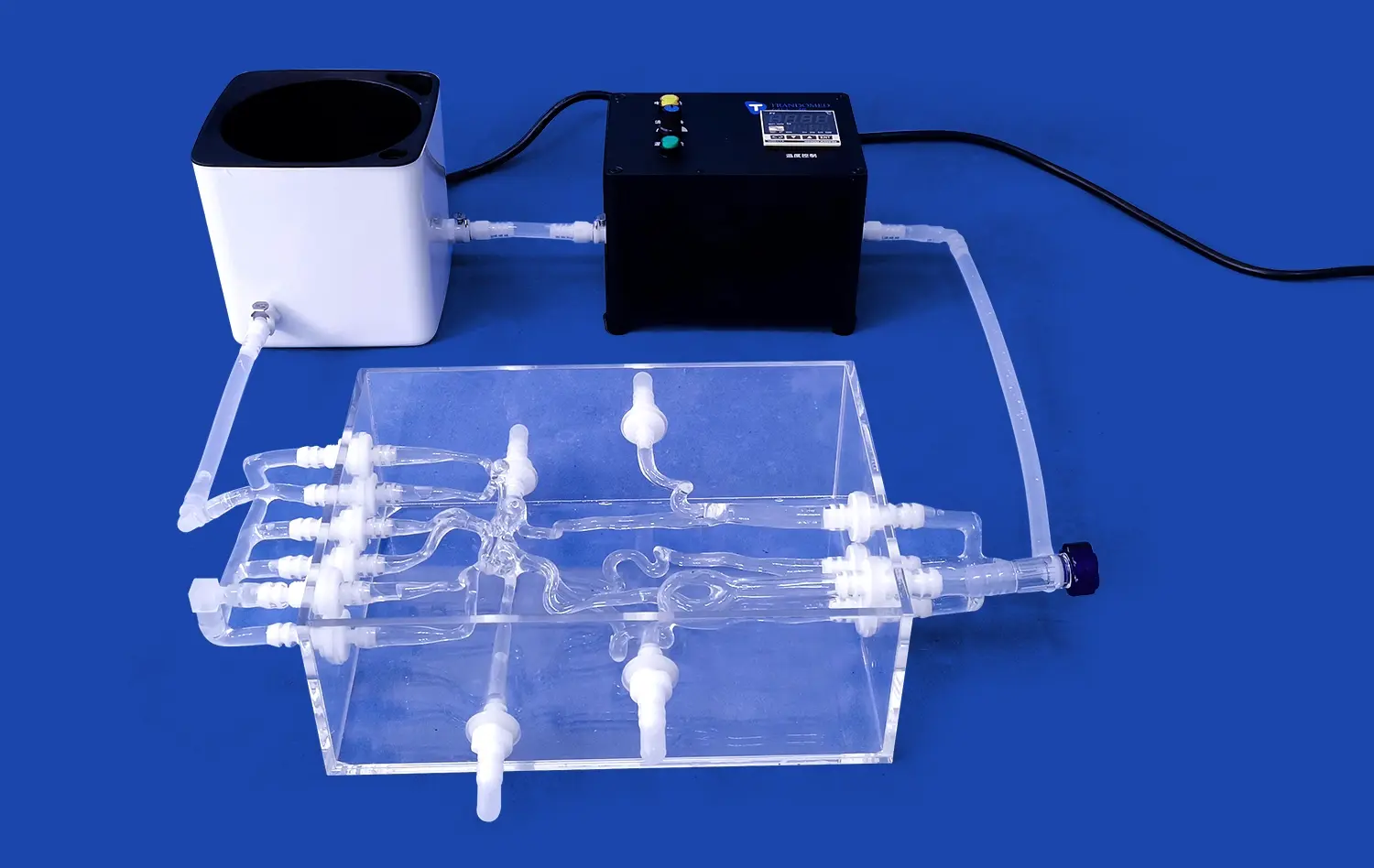
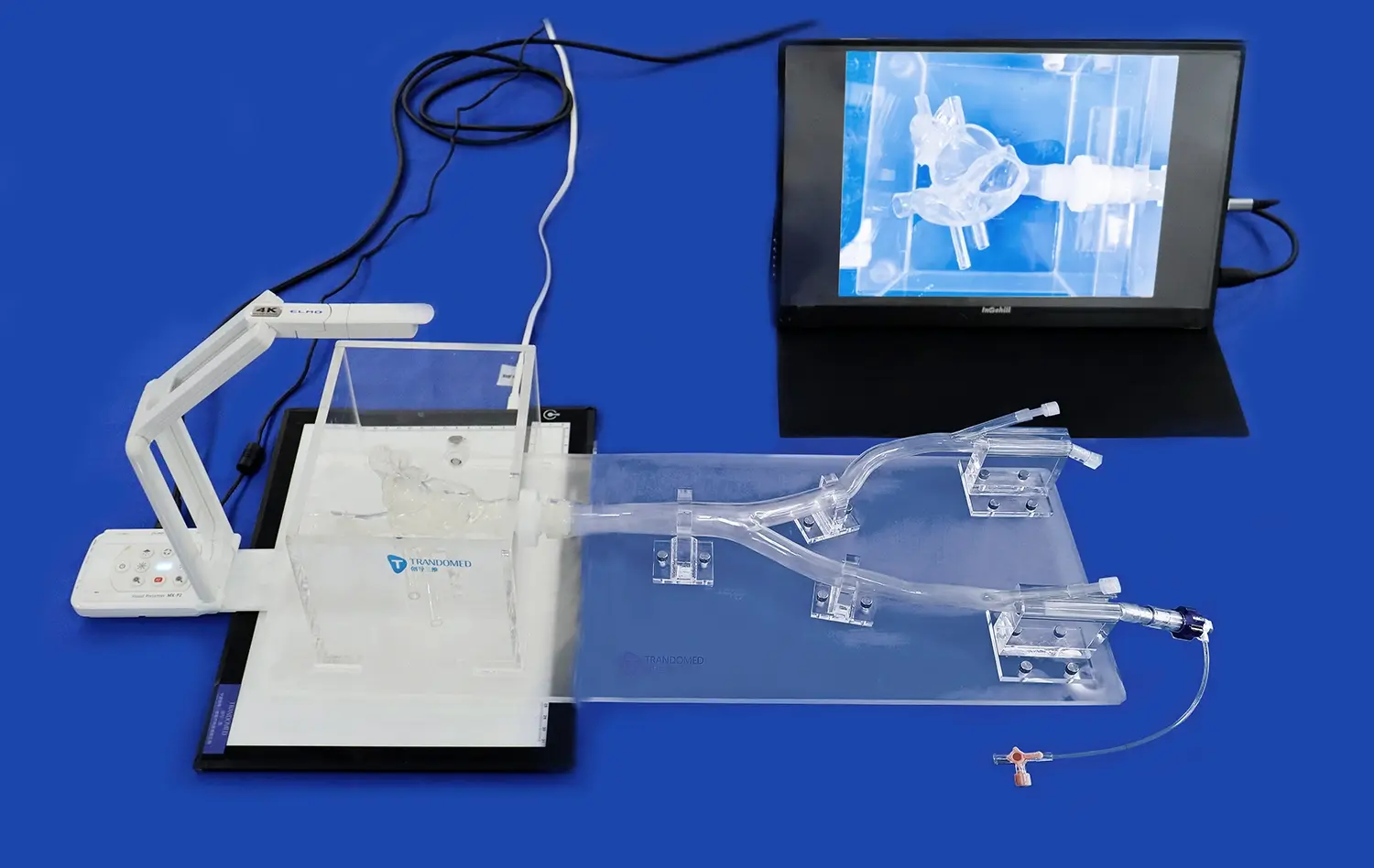
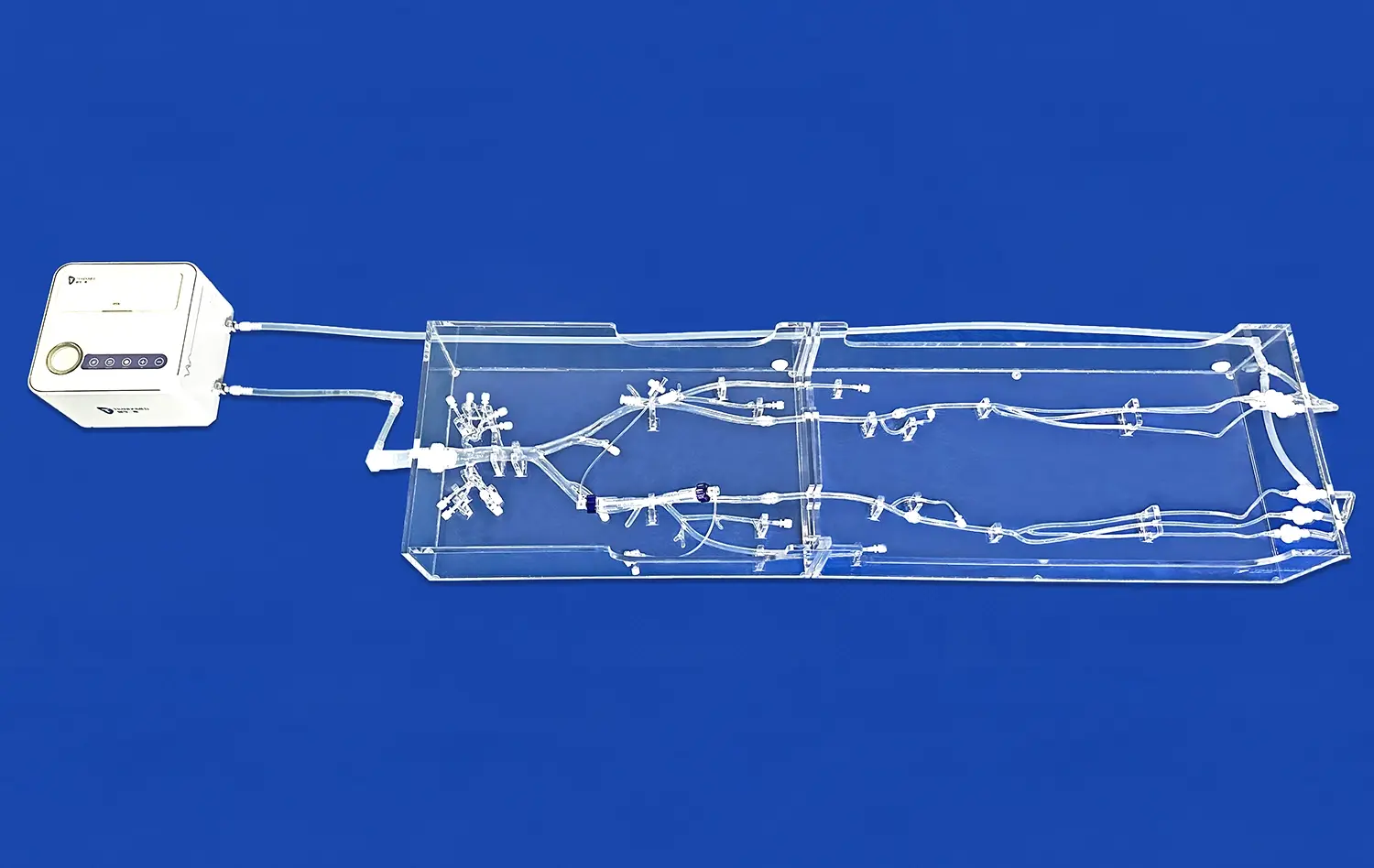
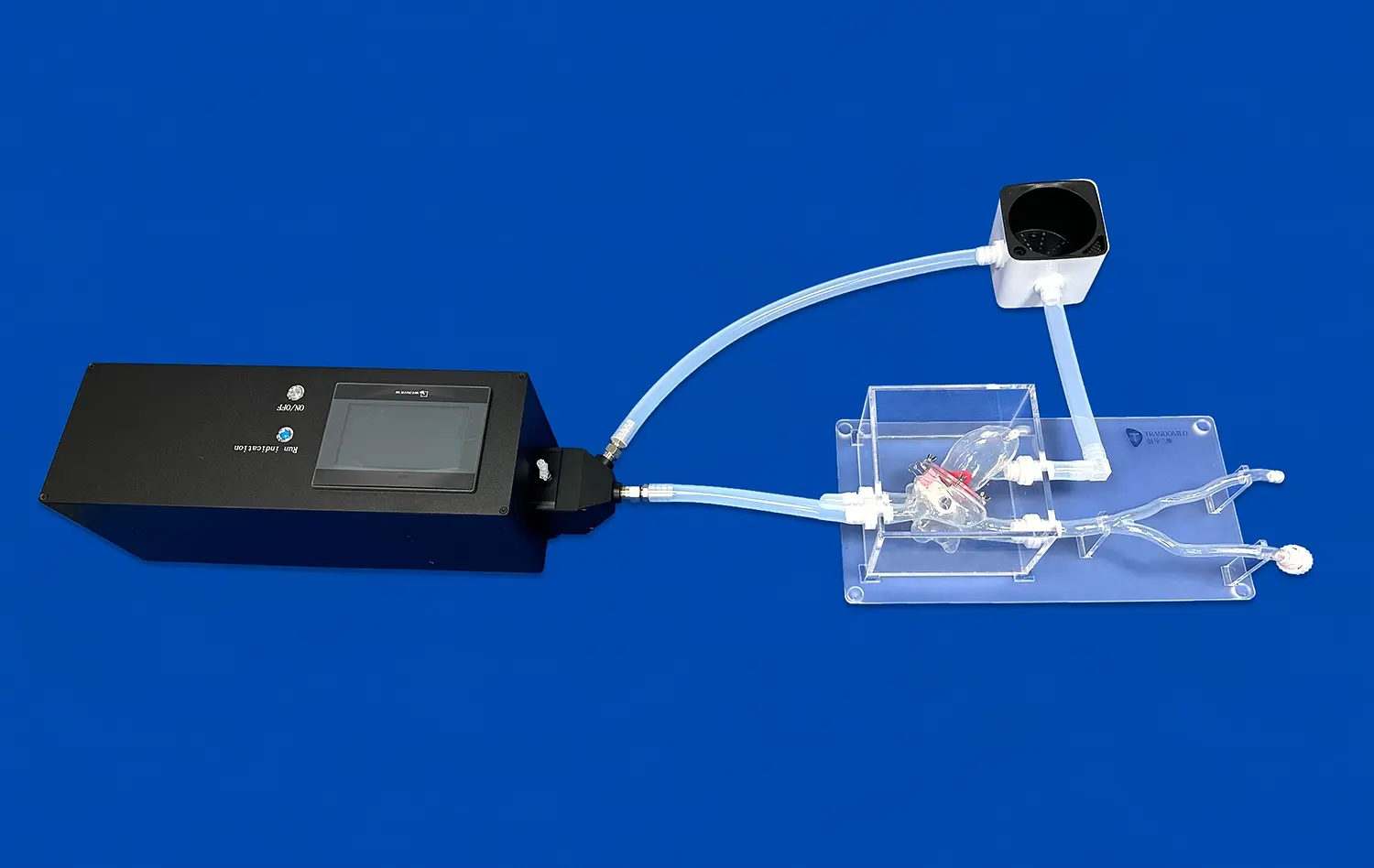
You can definitely order a cava heart model that you can change to show what it looks like. These specialised anatomy models are often used by medical workers and schools to improve training programs, test medical gadgets, and give teaching presentations. This advanced venous system model accurately shows the main vein paths, which go from the jugular vein to the femoral vein. The superior vena cava (SVC) and inferior vena cava (IVC) are two parts that can be taken off of these models, which makes them perfect for a variety of training situations and professional presentations.
Understanding the Cava Heart Model: What It Is and How It Works?
The cava heart model is a big step forward in medical modelling technology. It accurately copies the anatomy and is intended for medical education, professional training, and showing off products. For medical workers, this high-tech model correctly shows important circulatory structures, making it easy to see how the heart works and what's wrong with veins.
Advanced Anatomical Accuracy
Through backward three-dimensional modelling technology, modern vein system models use a lot of real human CT and MRI data. This level of accuracy is shown by the Vena Cava Heart Model I (Product No. XX001J), which is made of silicone Shore 40A material that nearly matches the qualities of human flesh. The model covers the whole vein route system, which makes it possible to do a wide range of invasive treatments.
This is the inferior vena cava. It is about 100 millimetres long and 22 millimetres wide. The superior vena cava is about 7 centimetres long and 2 centimetres wide. These physically correct measurements make sure that training is true and can be used right away in professional settings.
Modular Design Benefits
Medical workers can focus on certain parts of the body during training lessons thanks to the innovative two-section design. The right heart is in the removable superior vena cava section, and the separate inferior vena cava section lets you practise specific tasks. This flexible method makes it easier to put the device through both femoral and jugular vein entry ports, which meets a range of training needs.
Customisation choices make learning more valuable by letting schools change models to meet specific learning goals. Based on the needs of the curriculum, medical schools can ask for changes to the stability of the heart section, the placement of lesions on the SVC and jugular vein sections, or the level of difficulty of the IVC components.
Why Order a Customizable Cava Heart Model? Use Cases and Business Value?
Customisable cava heart model can be used for a wide range of business-to-business purchasing situations in hospitals, device makers, and research centers. These specialised tools provide real business value by improving the results of training, making it easier to check devices, and making demonstrations more effective.
Medical Education Applications
Anatomical heart models are used in medical schools and nursing schools to turn classroom-based cardiovascular teaching into hands-on experiences. Students learn about the structure of veins, how to use catheters, and how to put devices in place by practicing over and over on realistic models. When compared to traditional textbook-based learning methods, these models are much easier to understand because they can be touched.
Clinical skills centers use features that can be changed to make customised training courses that deal with specific routine problems. Teachers can change tumour patterns, arterial complexity, or structural differences to make the patients more realistic and help students get ready for real-life clinical situations.
Device Development and Testing
For developing, testing, and validating their products, medical gadget makers need correct models of veins. Because these models provide a controlled environment, they make it possible to fully test the device's performance, safety, and usefulness before clinical studies start.
Biomechanical analysis research centers gain from model factors that can be changed to allow regular testing of different body configurations. Being able to offer data files in CT, CAD, STL, STP, and STEP forms lets researchers make exact changes based on their needs.
Marketing and Demonstration Excellence
These models are used by sales teams for invasive devices to show off their products in convincing ways at medical conferences, hospital talks, and training workshops. When compared to academic lectures alone, realistic anatomy models have a much bigger effect on the audience's interest and understanding.
The medical-grade build and professional look of these models boost the trustworthiness of the brand and show dedication to providing the best education possible. Healthcare managers like it when companies spend money on high-quality training tools that show they are committed to improving medical education.
How to Choose the Right Customizable Cava Heart Model Supplier?
To choose the right provider for a cava heart model, you need to carefully look at their producing skills, quality control methods, and prospects for a long-term relationship. Because medical simulation technology is so complicated, it needs skills that go beyond basic making and include specialised medical knowledge and following the rules.
Manufacturing Excellence Criteria
Suppliers should be judged on their technology skills, especially when it comes to 3D printing accuracy and material science knowledge. Advanced makers use their own printing technologies to make sure that the quality stays the same across production runs and that the physical accuracy standards needed for medical uses are met.
As part of quality assurance, strict testing methods should be used to check the accuracy of measurements, the features of the material, and how long it will last. Suppliers with a good reputation give a lot of paperwork that shows they follow medical equipment standards and quality control systems.
Customization Flexibility Assessment
Check to see what kinds of customisations possible sellers offer, such as how well they can work with different data file types and make certain changes to the body. When providers show they really understand educational goals and can turn academic needs into useful model features, that's when relationships become the most valuable.
When planning training programs or product launches, lead times become very important to think about. Reliable providers give clear timelines that range from 7 to 10 days for basic setups to longer times for more complicated customisations.
Support and Service Evaluation
Professional suppliers are different from basic sellers because they offer full after-sales help. Check out possible partners by seeing what kind of expert help they can offer, what warranties they cover, and how they handle ongoing relationship management.
Training services and training materials offered by providers can greatly improve how well models are used. Partners who offer user guides, coaching services, and application support show that they care about their customers' success after the product has been delivered.
Ordering Process and Options: What to Expect When You Purchase?
Customised cava heart model are bought through a process that includes joint conversation, iterative design revision, and careful production planning to make sure that the models meet the needs of each school. Knowing how this process works helps you make smart plans and keep your expectations in check.
Initial Consultation and Requirements Gathering
Professional sellers start the buying process by talking with customers in depth about their needs. During these meetings, specific educational goals, physical needs, customisation tastes, and price limits are discussed. Based on these details, design suggestions are then made.
Discussions about technical specs include choices for materials, size requirements, preferred flexible layouts, and the ability to connect to current school systems. Experienced providers can help you figure out the best options for your needs while still staying within your budget.
Design Approval and Manufacturing Coordination
During the joint design process, suppliers usually go through iterative improvement cycles where they present their first ideas, take comments into account, and make changes to the specs until they are completely in line with what the customer wants. With this method, the end goods will exactly meet your needs, and you won't have to make any expensive changes once production starts.
Schedules for manufacturing take into account different levels of complexity. Standard models take 7–10 days to make, while versions that are heavily customised may need more planning. Clear contact during all stages of production ensures regular updates on progress and proof of delivery.
Delivery and Implementation Support
Professional shipping services like FedEx, DHL, EMS, UPS, and TNT make sure that fragile medical training equipment is transported safely and in accordance with the right handling guidelines. Packaging standards keep anatomical models safe while they're being shipped and make them easy to open and use right away.
T/T (Telegraphic Transfer) and other terms of payment make transactions safe and work with institutional buying methods. Institutions that need training programs all the time may be able to get volume discounts and subscription-based deals.
Conclusion
Getting a cava heart model that can be changed to be used as a display is a smart investment in medical education and career growth. These high-tech physical models help connect what we know in theory to what we can do in real life. They also provide safe settings for testing and validating devices. Because they are accurate in terms of anatomy, can be customised, and come with professional support services, these models will always be useful for teaching in a wide range of medical settings. By choosing the right provider relationship, schools can get the most out of their investment and use cutting-edge modelling technology to further their educational goals.
FAQ
What parts of the anatomy can be changed in a cava heart model?
You can change the integrity of heart sections, put lesions on superior vena cava and jugular vein sections, change the complexity of the inferior vena cava, and make a model from CT, CAD, STL, STP, or STEP files that you provide. These changes make sure that the models match certain educational goals and the needs of professional training.
How long does it take to make customised models for the vein system?
Standard production times are between 7 and 10 days, but if you need a lot of changes, it may take longer to coordinate. Lead times depend on how complicated the changes are, how much material is needed, and how busy the production plan is at the moment. During the initial meeting stages, suppliers make their schedules clear.
What kind of guarantee and customer service do these medical training models come with?
Professional providers offer full warranties and support after the sale, such as professional help, the ability to get new parts, and user training materials. Quality testing methods make sure that the product is reliable, and ongoing help makes sure that it is used most effectively in education.
What kinds of materials are used to make these models of the human body?
Materials like silicone Shore 40A, which closely mimics the qualities of human flesh, are used to make high-quality medical training models. When choosing materials, they are checked to make sure they meet the needs for sturdiness, realistic feel, and compatibility with different training methods while still keeping the same performance standards.
Can these models be used for a range of teaching situations and skill levels?
The flexible design lets the trainer use it for a wide range of training purposes, from learning about basic anatomy to advanced medical techniques. Customisable features let different skill levels use it, and they also support different learning goals in medical specialities and training programs.
Ready to Enhance Your Demonstrations with a Customizable Cava Heart Model?
With our advanced cava heart model solutions, Trandomed is ready to change the way you teach and demonstrate medicine. As the first company in China to use medical 3D printing technology, we bring over 20 years of specialised experience to every unique anatomy model we make. Our unique production methods, substantial CT and MRI data merging, and full customisation services make sure that your investment gives you the best educational value possible. Our team offers personalised consultations to find the best solutions for your needs, whether you work for a medical school, a hospital training department, a device maker, or a research center. Get in touch with jackson.chen@trandomed.com to talk about your customisation needs and find out why top schools around the world choose our venous system models for their most important training needs.
References
Johnson, M.A., et al. "Advances in Medical Simulation Technology for Cardiovascular Education." Journal of Medical Education Technology, Vol. 15, No. 3, 2023, pp. 45-62.
Roberts, S.L., and Thompson, K.R. "Effectiveness of 3D Printed Anatomical Models in Medical Training Programs." Medical Simulation Review, Vol. 8, No. 2, 2023, pp. 78-89.
Chen, W.Y., et al. "Customizable Medical Simulators: Impact on Learning Outcomes in Cardiovascular Training." International Journal of Medical Device Innovation, Vol. 12, No. 4, 2023, pp. 123-135.
Martinez, D.P., and Anderson, J.K. "Quality Standards for Medical Simulation Equipment in Professional Healthcare Education." Medical Equipment Standards Quarterly, Vol. 19, No. 1, 2023, pp. 34-48.
Williams, R.T., et al. "Economic Analysis of Simulation-Based Medical Education: Cost-Benefit Assessment of Advanced Training Models." Healthcare Economics Journal, Vol. 7, No. 3, 2023, pp. 156-171.
Brown, A.S., and Davis, L.M. "Procurement Guidelines for Medical Simulation Technology in Educational Institutions." Medical Procurement Professional, Vol. 11, No. 2, 2023, pp. 67-84.
_1736215128474.webp)
_1734507815464.webp)