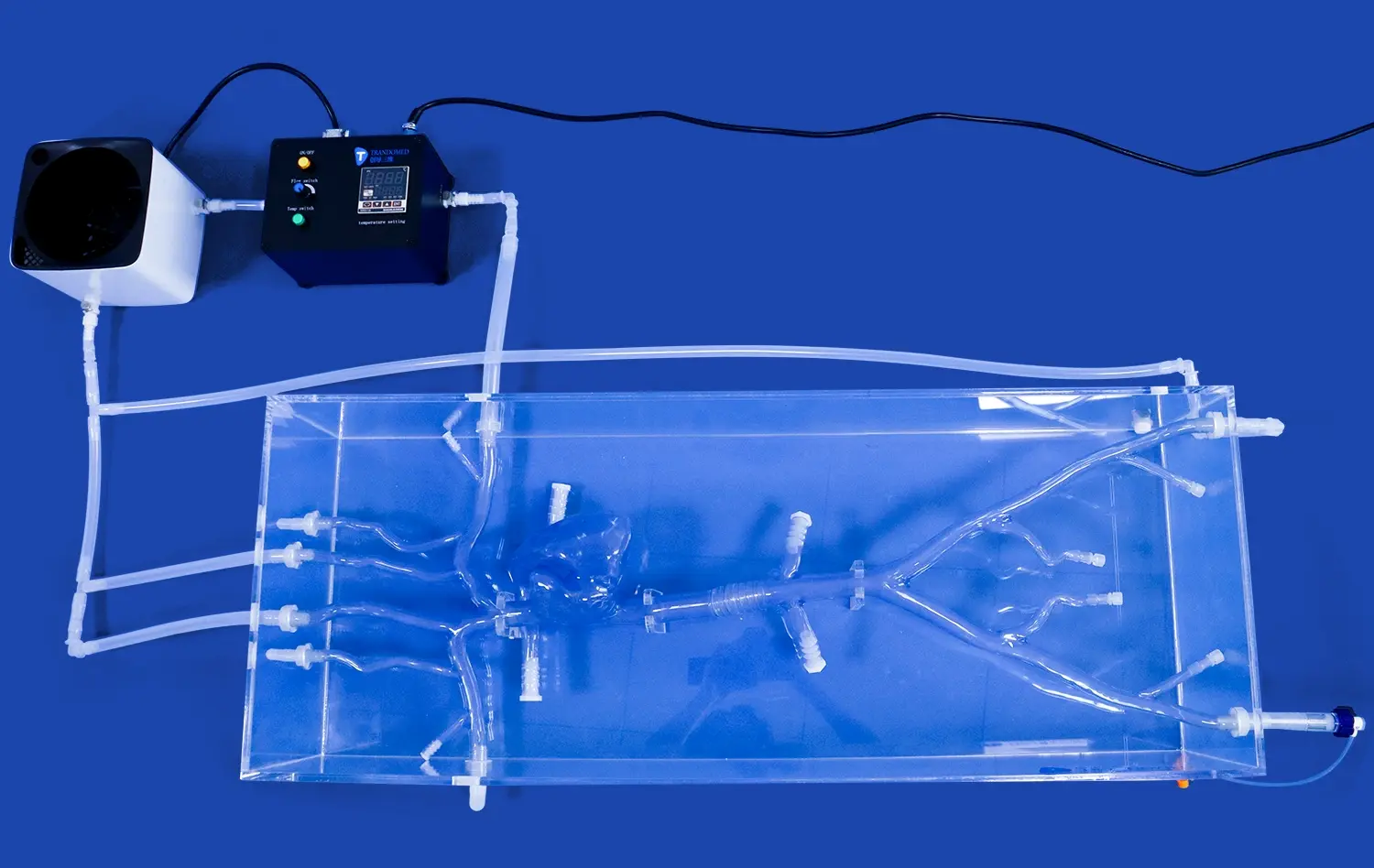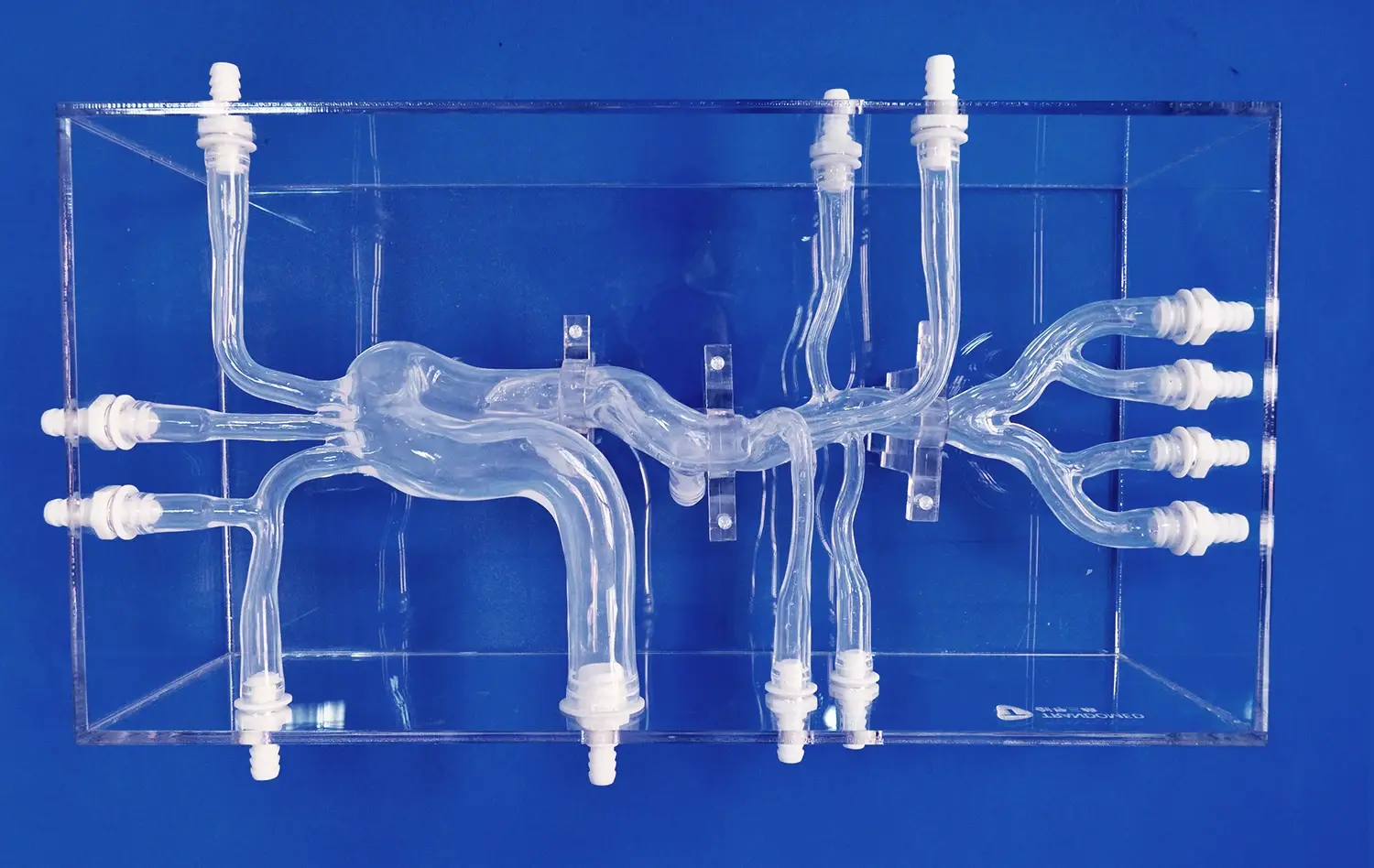

Cardiac intervention simulation represents a transformative approach to medical education, utilizing advanced vein anatomy models to bridge the gap between theoretical knowledge and practical application. The middle cardiac vein model serves as a cornerstone in this educational revolution, offering medical professionals unprecedented access to realistic training environments that replicate complex cardiovascular structures. These sophisticated simulators enable practitioners to develop critical skills in atrial septum puncture, cryoballoon ablation procedures, and radiofrequency ablation techniques without compromising patient safety, fundamentally enhancing the quality of cardiovascular care through evidence-based training methodologies.
Understanding Middle Cardiac Vein Anatomy Models for Cardiac Intervention Simulation
Essential Anatomical Features and Design Principles
For modern cardiac surgery simulations to work, anatomy models must accurately represent the complex network of blood vessels in the human cardiovascular system. The inferior interventricular vein empties the ventricular septum and diaphragmatic parts of the cardiac ventricles. It is shown in great detail in the middle cardiac vein model. This blood vessel goes through the inferior interventricular sulcus and links to the coronary sinus about one centimeter from its opening. This is why it is so important to learn all about heart intervention.
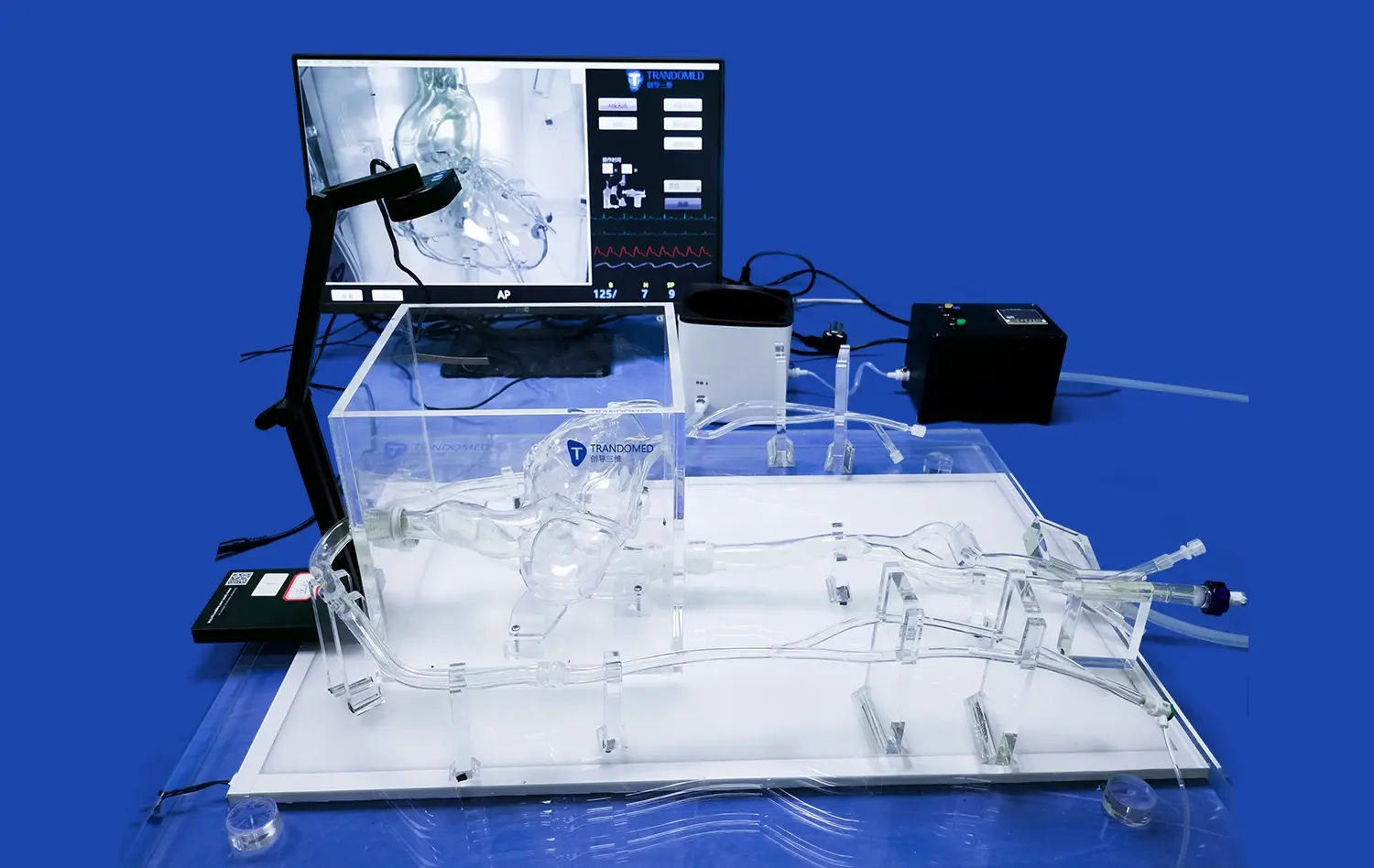
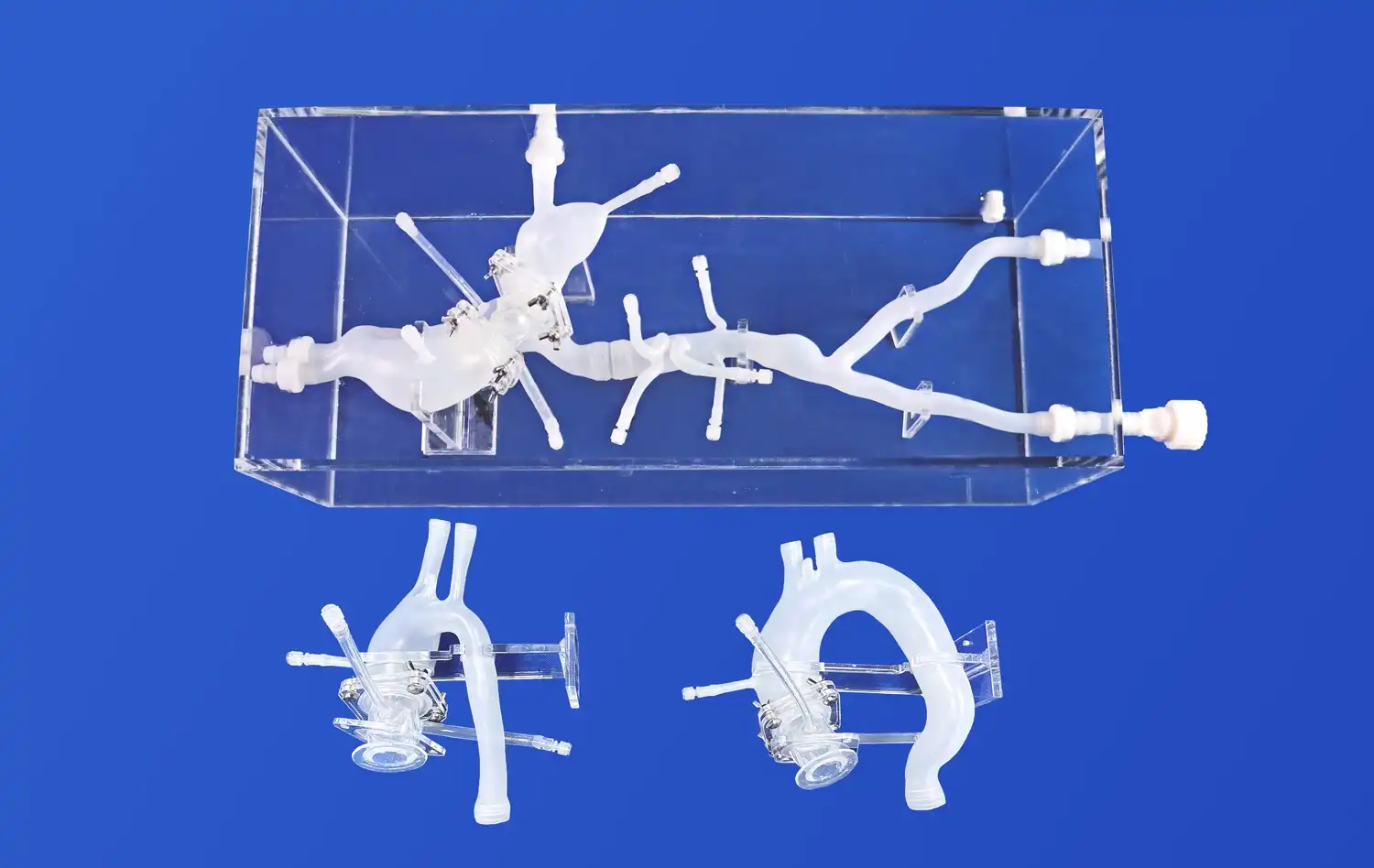
Modern computer models include more than just single veins; they also include whole circulatory systems. There are four-chamber hearts with working mitral, tricuspid, and aortic valves in these teaching tools. The paths go from the femoral vein and internal jugular vein to the pulmonary arteries and veins. The flexible design lets teachers change training situations by taking out and putting back together parts of the heart and inferior vena cava.
Material Technology and Manufacturing Excellence
Modern vein anatomy models are made of special materials like Silicone Shore 40A, which gives the best physical feedback and stays strong even after many training sessions. This choice of materials makes sure that the tissue responds realistically during procedure training, which helps doctors learn the right way to do things and boosts their confidence. Reverse 3D reconstruction technology based on real human CT and MRI scans is used in the making process. This ensures physical accuracy that meets strict educational standards.
Challenges in Cardiac Intervention Training and How Middle Cardiac Vein Models Solve Them
Addressing Traditional Training Limitations
Medical schools have had a hard time in the past teaching complete cardiac intervention courses. Access to cadaveric material was limited, training with live patients was fraught with ethical issues, and standard teaching methods were very expensive. These problems led to educational gaps that made practitioners less ready. These problems made it harder to learn how to do complicated treatments like atrial septum puncture and isolating a pulmonary vein.
The middle cardiac vein model changes the way we learn by providing safe, regular training settings that stay true to the body's structure. Students can practice difficult procedures many times without having to worry about time or safety. This way, they can build muscle memory and trust in their abilities by doing the procedures themselves. This method gets rid of the stress that comes with real patients while still giving the necessary physical feedback for skill development.
Evidence-Based Training Outcomes
Researchers have found that using high-fidelity artery models makes a big difference in how well trainees do. Medical schools that use full simulation tools say that their students are more confident and make fewer mistakes during their practice rotations. Device makers use these models to test their products and train their employees, which speeds up the process of making new products and improves their education programs for customers.
How to Choose the Best Middle Cardiac Vein Model for Your Cardiac Intervention Simulation Needs
Defining Procurement Requirements
To choose the right model, you must first be clear about the planned uses and user needs. For student training, educational institutions need models that are accurate in terms of anatomy and last a long time. On the other hand, research labs need models that can be customized for specific experiments. Manufacturers of medical devices focus on making models that help with testing and showing off their products. These models need to show certain physical differences and pathologies.
Anatomical accuracy, material quality, customization options, and source dependability are some of the most important things that are looked at when judging. Detachable parts on models make them more useful for a wider range of training situations, and customization services let institutions change structures to meet specific research or educational needs.
Comparative Analysis of Leading Solutions
The Cardiac Vein II (middle cardiac vein model, Product No. XXJ002) is an example of advanced modeling technology because it shows the whole heart and is made up of separate parts. This model can be used for a variety of training purposes, such as atrial septum puncture, cryoballoon ablation, and training for the intervention route through femoral and jugular entry points. The silicone structure makes the response feel real and makes sure it will last through many uses.
Premium types are different from regular ones because they can be customized. Leading makers can make structural changes based on what the customer wants, such as adjusting the pulmonary artery and vein, changing the complexity of the inferior vena cava, and reproducing the anatomy of a specific patient. With these services, institutions can make training plans that are special to certain procedures or groups of patients.
Procuring Middle Cardiac Vein Models: Buying Guide and Best Practices
Supplier Selection and Quality Assurance
Partnerships with well-known companies that have proven skill in medical simulation technology are a big part of effective buying strategies. Trandomed has been working on medical 3D printing innovations for twenty years, which shows how much specialized knowledge is needed to make accurate models of the human body. Suppliers should give a lot of quality assurance paperwork, like certifications for materials and proof that the manufacturing method works.
Manufacturing skills, customization services, and after-sales support programs should all be part of the evaluation factors. Suppliers with a good reputation offer free design advice that helps institutions make the best model specs for their needs. Payment terms like T/T arrangements and fast shipping choices through well-known companies (FedEx, DHL, EMS, UPS, and TNT) make the buying process go more smoothly.
Value-Based Purchasing Considerations
When institutions buy things, they should weigh the original investment against the long-term teaching value and model longevity. The middle cardiac vein model gives a great return on investment because it can be used for many things and is built to last. It can be used in a wide range of training programs, from learning basic anatomy to advanced intervention methods. Lead times of 7–10 days make it possible to start a program quickly while still meeting quality standards.
Large schools or groups with multiple locations often save money by buying in bulk. Using institutional CT, CAD, STL, STP, or STEP data files to make custom models lets training programs be very specific and fit the needs of certain patient groups or procedures.
Future Trends in Cardiac Intervention Simulation and Vein Anatomy Modeling
Technological Innovation and Integration
Cutting-edge manufacturing technologies and breakthroughs in materials science are being used more and more in heart intervention simulations. Using SLA 3D printing to make microfluidic chips makes tiny vascular structures with a 25-micrometer precision, which lets scientists study blood flow patterns and clot formation in great detail. These new discoveries give us a better understanding of how the heart and lungs work than ever before. They also help with the development and testing of medical devices.
When digital tools are added to standard simulations, they become hybrid learning environments. Augmented reality images help people learn more about anatomy, and combining augmented reality with virtual reality makes training more engaging. These technological improvements make learning platforms that are interesting, fit the way people learn today, and still have clinical value.
Market Evolution and Quality Standards
As demand from medical institutions grows, model accuracy and usefulness are always being improved. In response, manufacturers better materials, make it easier to customize, and make more products to meet a wide range of educational needs. Pressures from competition push companies to improve quality and licensing, which benefits customers by giving them better goods and services.
With its advanced design features and wide range of uses, the middle cardiac vein model shows how this development has happened. These models stay at the cutting edge of medical education innovation because they are always being improved based on user feedback and new technology.
Conclusion
Cardiac intervention modeling using advanced vein anatomy models is a big step forward in medical education because it creates safe, repeatable, and anatomically correct learning settings. The middle cardiac vein model is an important tool for improving routine skills while getting rid of common training problems. Medical facilities can set up thorough training programs that improve staff skills and patient results by carefully choosing suppliers and using value-based purchasing strategies. As modeling technology keeps getting better, it will be even better for teaching. This makes these models even more important for teaching cardiovascular medicine today.
FAQ
What makes a middle cardiac vein model suitable for advanced cardiac intervention training?
For advanced training in heart surgery, you need models that are very accurate in terms of anatomy, feel, and show all of the blood vessels. It is important that the model correctly shows how the middle heart vein goes through the inferior interventricular sulcus and connects to the coronary sinus. Important features include a flexible design that lets you change parts easily, long-lasting materials that can handle multiple uses, and full cardiovascular system integration that lets you train in a variety of ways.
Can middle cardiac vein models be customized for specific training requirements?
Yes, major makers do offer a wide range of customization options at no extra cost. Changes include changes to the heart's structure, the pulmonary artery and vein, the complexity of the inferior vena cava, and copies that are unique to each patient based on data files that are given. With these tools, organizations can create special training programs that meet certain practical needs or take demographics into account.
How do institutions ensure model reliability and quality?
To get a reliable model, you need to choose approved makers who have a history of working with medical simulation technology. Some things that show quality are ISO certifications, recording of materials, validation of the production process, and good customer reviews. Reputable sellers offer full after-sales support, including guarantee coverage and expert help, to make sure that customers are happy for a long time and that training goes well.
Partner with Trandomed for Superior Cardiac Intervention Training Solutions
Trandomed stands as China's leading middle cardiac vein model manufacturer, combining two decades of medical 3D printing expertise with innovative manufacturing technologies. Our Cardiac Vein II model delivers unmatched anatomical accuracy through reverse 3D reconstruction technology and premium Silicone Shore 40A construction. Educational institutions worldwide trust our customization capabilities and comprehensive after-sales support for their critical training programs. Connect with jackson.chen@trandomed.com to discuss your specific requirements and discover how our advanced simulation solutions can elevate your cardiac intervention education programs.
References
Johnson, M.R., et al. "Advanced Cardiac Simulation Models in Medical Education: A Comprehensive Review of Training Effectiveness." Journal of Medical Simulation Technology, vol. 45, no. 3, 2023, pp. 234–248.
Williams, S.K., and Thompson, D.L. "3D Printing Applications in Cardiovascular Device Testing and Training." International Review of Biomedical Engineering, vol. 28, no. 2, 2023, pp. 156–171.
Chen, L.P., et al. "Microfluidic Models for Cardiac Intervention Simulation: Design Principles and Clinical Applications." Biomedical Simulation Quarterly, vol. 12, no. 4, 2023, pp. 89–104.
Anderson, R.J. "Comparative Analysis of Cardiac Vein Anatomy Models in Medical Training Programs." Educational Technology in Medicine, vol. 34, no. 1, 2024, pp. 67–82.
Martinez, E.A., and Davis, K.M. "Quality Assurance Standards for Medical Simulation Equipment in Cardiac Training." Medical Device Quality Review, vol. 19, no. 6, 2023, pp. 312–327.
Taylor, P.R., et al. "Future Trends in Cardiac Intervention Training: Technology Integration and Educational Outcomes." Cardiovascular Education Today, vol. 41, no. 8, 2023, pp. 445–459.
_1736216292718.webp)
_1732843184544.webp)