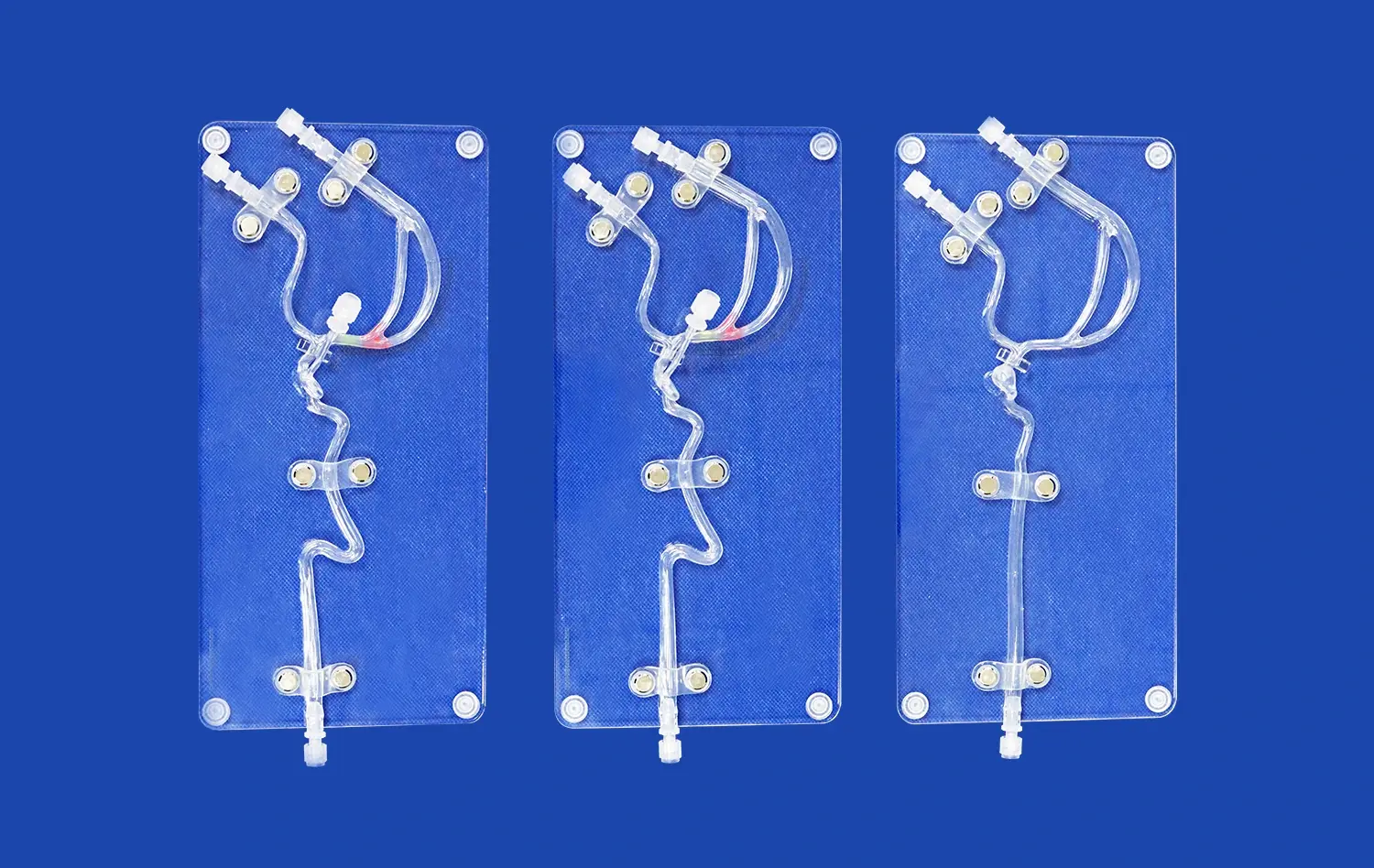

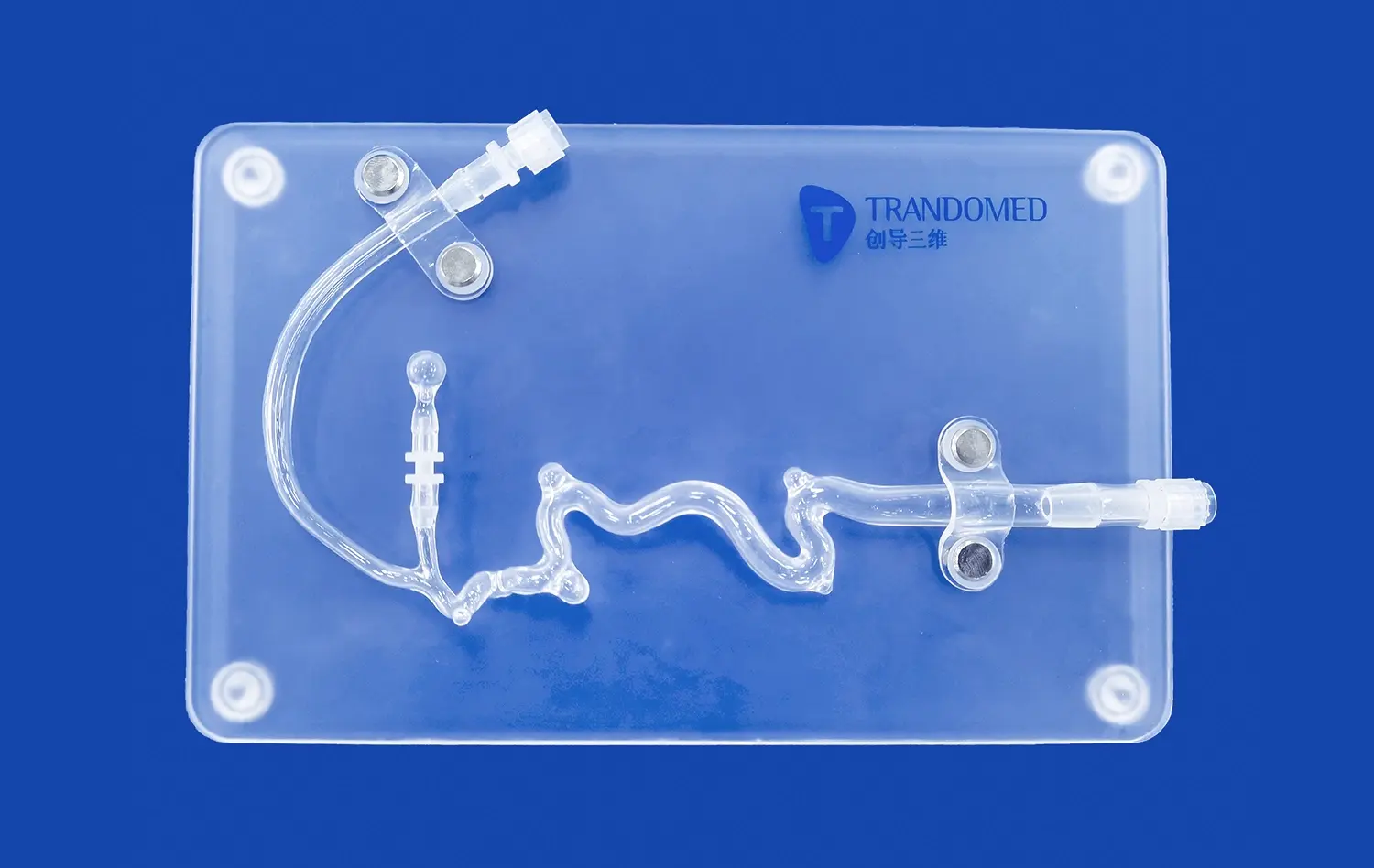
The middle cardiac vein model represents a revolutionary advancement in cardiovascular medical training, specifically designed to enhance femoral and jugular venous access procedures. As medical institutions face increasing demands for realistic, hands-on training solutions, these sophisticated anatomical simulators bridge the critical gap between theoretical knowledge and practical application. The anatomically accurate cardiac vein models provide healthcare professionals with risk-free environments to master complex catheterization techniques, ultimately improving patient safety outcomes and procedural competency across medical education institutions nationwide.
Understanding the Middle Cardiac Vein Model and Its Role in Access Training
The middle cardiac vein, which is also called the inferior interventricular vein in medicine, is an important part of learning about circulatory structure. This blood vessel removes blood that is low in oxygen from the ventricular septum and diaphragmatic parts of the heart ventricles. It then uses the coronary sinus to bring metabolic waste back to the right atrium. Medical workers who use femoral and jugular entry points for heart catheterization procedures need to understand this anatomical route.
Anatomical Precision in Educational Design
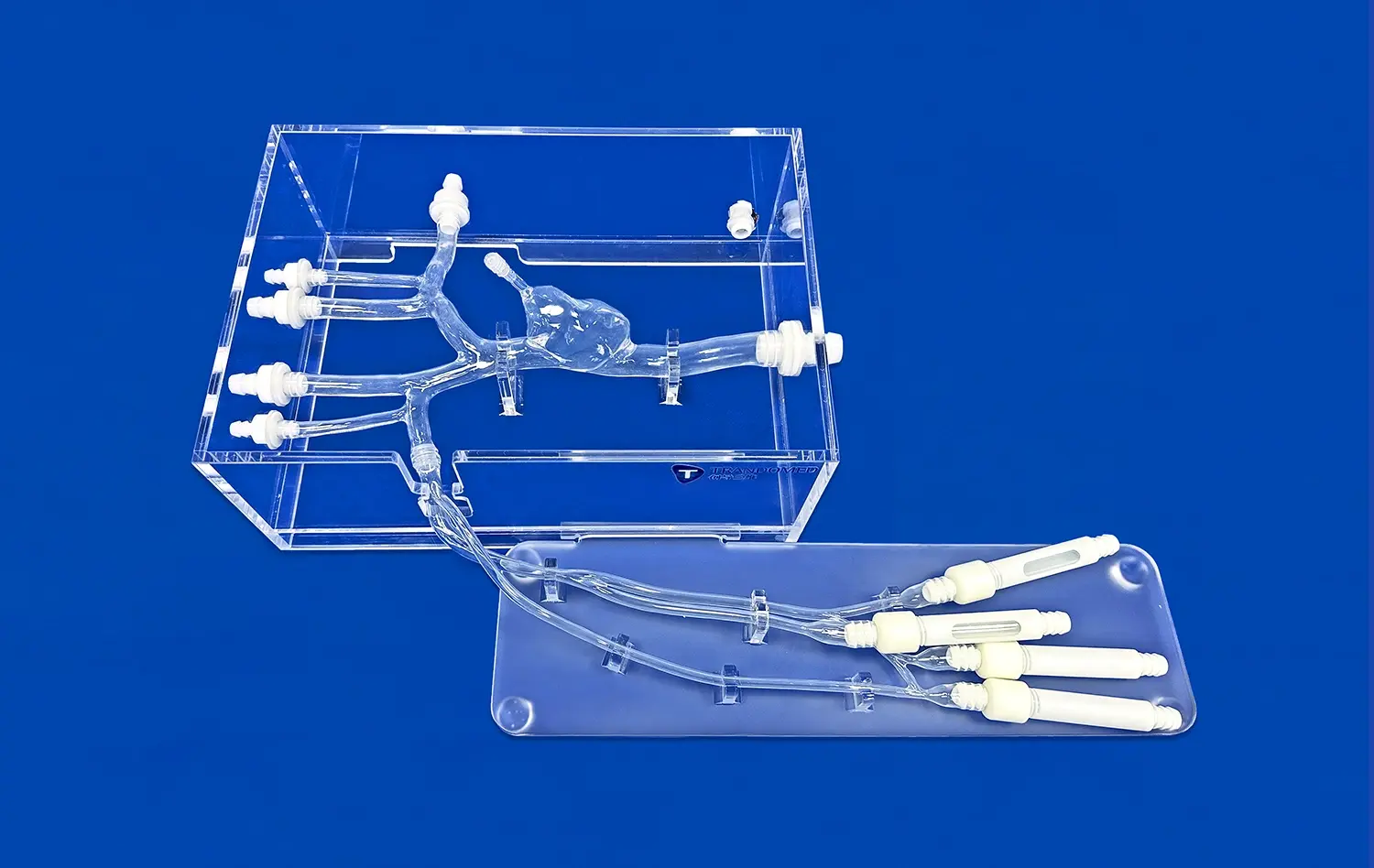
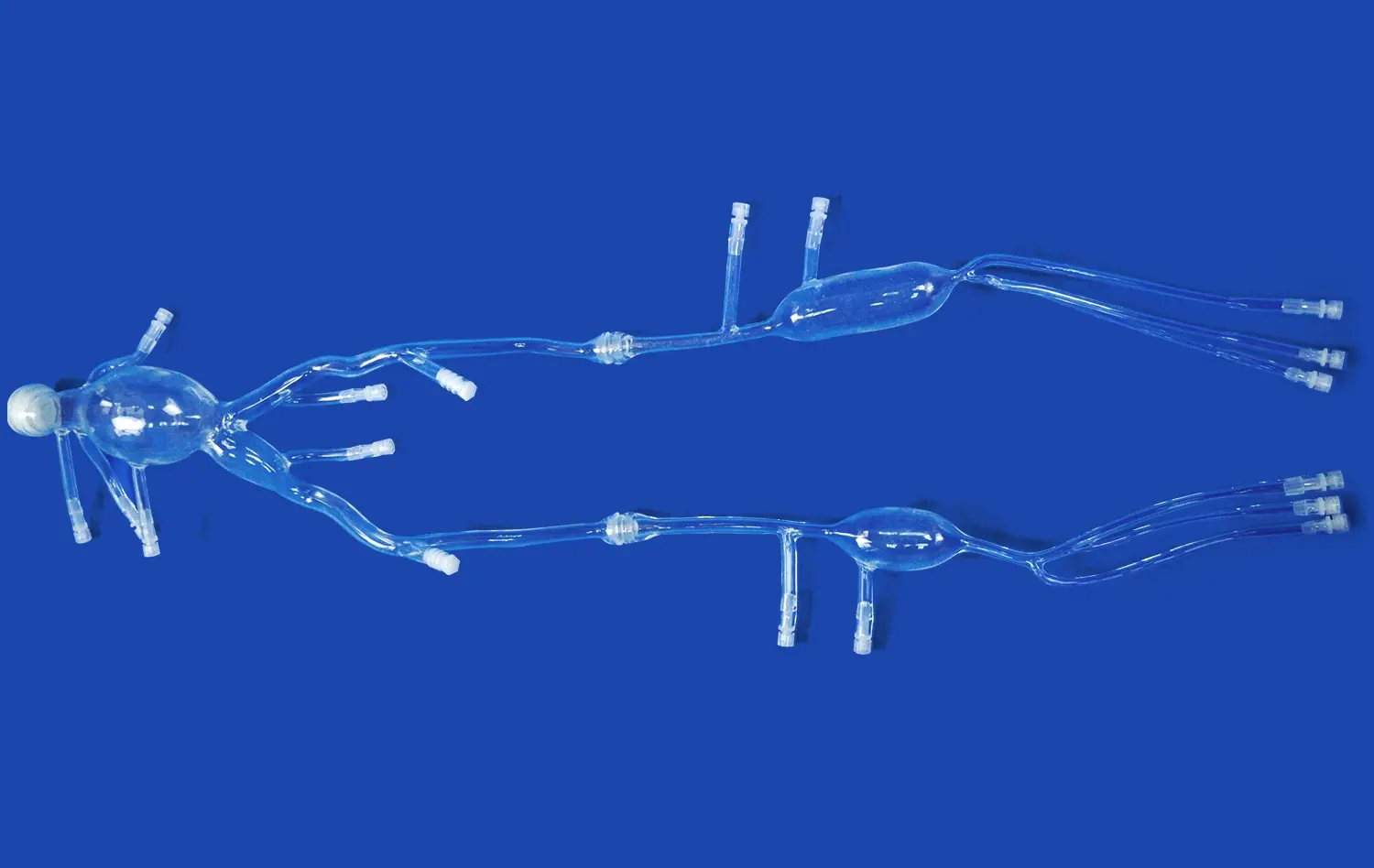
Trandomed's middle cardiac vein model (Product No. XXJ002) uses reverse 3D modeling technology to accurately show the anatomy of real people. It includes a lot of CT and MRI scan data. The silicone Shore 40A material gives true physical feedback and is durable enough to be used for many training sessions. This detailed model includes the pulmonary arteries, the inferior vena cava, the four-chamber heart structure, and three different cardiac valves. It goes from the femoral vein and internal jugular vein to the pulmonary arteries.
The modular design lets teachers take out and put back together heart and IVC parts, giving them unmatched freedom for a wide range of teaching situations. This flexibility is good for medical schools and nursing colleges because teachers can change how hard the lessons are based on the skill levels of their students and the needs of the curriculum.
Physiological Function Representation
The main job of the heart venous system is to bring metabolic waste products and deoxygenated blood back to the right atrium from the muscle. After that, this blood goes to the lungs to get oxygenated and get rid of carbon dioxide. The model correctly shows these physiological processes, which helps students learn not only about the cardiovascular system's anatomical parts but also how they work together.
These models are used in clinical skills centers to show how the middle cardiac vein starts from superficial vessels at the top of the ventricle, gets blood from the inferior septal veins, and flows through the inferior interventricular sulcus before emptying into the coronary sinus about one centimeter from the opening of the coronary sinus.
Challenges in Femoral and Jugular Access Training and How Models Help Solve Them
When it comes to the complexity of femoral and jugular venous access techniques, traditional aerobic training methods aren't very good. There are big problems for medical trainers who want to give complete, safe training because each patient's anatomy is different and catheterization is very dangerous.
Overcoming Traditional Training Limitations
Normal two-dimensional images and cadaveric examples don't always give learners the dynamic, repeated experiences they need to understand complicated cardiac interventions. Students often have trouble picturing how vein structures relate to each other in three dimensions, which makes procedures less clear and learning more difficult.
The middle cardiac vein model fills in these knowledge gaps by providing realistic scenarios that let students practice access methods over and over again in a safe environment. In contrast to older methods, these models offer stable anatomical reference points and allow for different procedure techniques through femoral and jugular paths.
Risk Mitigation and Confidence Building
Manufacturers of medical devices know how important risk-free training settings are for getting better at procedures. Training in atrial septum puncture, cryoballoon ablation of pulmonary veins, pulmonary vein isolation radiofrequency ablation, and intervention routes through both the femoral vein and the internal jugular vein is possible with this model.
Case studies from top medical schools show that students' confidence and accuracy in procedures improve after they get a lot of training with cardiac vein models. These results directly lead to safer patients and fewer problems during procedures in hospital situations.
How to Choose the Best Middle Cardiac Vein Model for Your Training Needs
To find the best heart training models, you need to carefully consider a number of factors, such as how well they match the human anatomy, how long the materials will last, how well they work with your procedures, and your institution's needs. Professionals in procurement have to find a mix between how well education works and how much it costs, all while making sure that long-term training programs can continue.
Evaluating Anatomical Accuracy and Material Quality
Anatomical accuracy and accurate tactile feedback are the building blocks of successful heart training. Trandomed's models are made with special 3D printing casting methods that make sure every part meets high quality standards for medical education uses. The silicone Shore 40A design strikes the perfect balance between sturdiness and realistic tissue feel, so it can withstand thousands of workouts without breaking down.
Medical buyers should give more weight to makers with quality standards that can be checked and experience with cardiovascular modeling technology that can be shown. Because customization services are available, such as changing the heart structure and the complexity of the IVC, schools can make models fit their unique course needs.
Customization Capabilities and Technical Support
Professional-grade training models are different from basic anatomical displays because they offer a lot of customization options. Trandomed lets you make changes without charging extra for design, and it works with many file types, such as CT, CAD, STL, STP, and STEP. Because of this, study centers and labs can change their training plans to account for differences in anatomy between patients.
The middle cardiac vein model can be changed to fit the needs of a school by changing the shapes of the pulmonary artery and vein. This adaptability is especially helpful for training programs that focus on complicated structural heart disease treatments or procedures that need to be done in a certain way for a certain device.
Integrating Middle Cardiac Vein Models into Comprehensive Cardiac Training Programs
Integrated training methods that blend understanding of anatomy with procedural skills and the ability to make clinical decisions are needed in today's medical education. For heart vein models to be successfully integrated, they need to be carefully planned and coordinated across many training areas.
Creating Holistic Training Environments
When you put together the middle cardiac vein model with other cardiovascular simulations, you get full training settings that are like real surgery and catheterization situations. With this combined method, students can learn about complicated relationships between body parts while also getting hands-on experience with useful procedures.
Multiple heart anatomical structures, such as coronary sinus models, valve simulators, and venous access training, are useful to have in simulation centers. This all-around method helps students understand cardiovascular anatomy and procedure processes better, which improves both their interest in learning and the dependability of the results.
Technology Integration and Interactive Learning
Medical schools that are on the cutting edge use technology to improve standard scenario training. When you mix interactive 3D visualization with real models, you get learning experiences that are dynamic and can fit different learning styles and cognitive preferences.
The modular design of advanced cardiac vein models supports various technological integrations, including ultrasound guidance training, fluoroscopic simulations, and device navigation exercises. These skills are in line with current trends in medical education and help prepare students for the more complicated procedures that are becoming common in cardiovascular practice today.
Procurement Insights: Acquisition and Cost Considerations for B2B Clients
When buying medical training tools, people who work in healthcare procurement have to make a lot of difficult decisions. For the best return on educational expenses and long-term program success, it is important to know what the provider can do, if they have quality certifications, and what the total cost of ownership is.
Supplier Evaluation and Quality Assurance
To find trustworthy middle cardiac vein model vendors, you need to look at their producing skills, quality control methods, and customer service after the sale. Trandomed has a lot of experience designing and making medical simulators, and they have strict quality control procedures in place to make sure that buyers can trust the training tools they buy.
The company's 7–10 day wait time and multiple shipping choices (FedEx, DHL, EMS, UPS, and TNT) make sure that urgent training program needs are met on time. The T/T payment terms make it easy for institutional buying teams to buy things.
Cost-Effectiveness and Value Optimization
Medical schools, hospitals, and training centers can get the most out of their funds for teaching tools by buying in bulk and getting institutional prices. Durability and flexible design of professional-grade cardiac vein models give them long-term value by extending their useful life and making it easy to change parts.
Clear prices and a wide range of support services are good for government health agencies and training programs. It is even more cost-effective for specialized training apps to be able to change types without having to pay extra for design work.
Conclusion
The middle cardiac vein model is an important part of current cardiovascular medical education. It solves important training problems and improves both procedure skill and patient safety. Its physical accuracy, long-lasting material, and ability to be customized make it the best choice for a wide range of academic needs. Using these advanced training models as part of full-fledged educational programs gives medical schools an edge when it comes to getting doctors and nurses ready for difficult heart procedures. As medical technology keeps getting better, investing in high-quality heart training models makes sure that institutions are ready for changing educational standards and procedures.
FAQ
What makes the middle cardiac vein model essential for femoral and jugular access training?
The model provides anatomically accurate representation of venous pathways from peripheral access points to cardiac structures, enabling safe, repeatable practice of complex catheterization procedures without patient risk.
How does the silicone Shore 40A material benefit training applications?
This material specification provides optimal balance between realistic tactile feedback and long-term durability, supporting thousands of training repetitions while maintaining anatomical accuracy and structural integrity.
What customization options are available for institutional buyers?
Trandomed offers comprehensive customization including heart structure modifications, pulmonary vessel adjustments, and IVC complexity variations based on provided data files in multiple formats without additional design charges.
How quickly can institutions receive their cardiac vein models?
Standard lead time ranges from 7-10 days with multiple international shipping options including FedEx, DHL, EMS, UPS, and TNT for flexible delivery scheduling.
Partner with Trandomed for Advanced Cardiac Training Solutions
Medical institutions seeking to enhance their cardiovascular training capabilities should connect with experienced middle cardiac vein model suppliers who understand educational requirements and procurement challenges. Trandomed combines over 20 years of medical 3D printing expertise with comprehensive customization services and reliable delivery schedules. Our anatomically precise models, manufactured using proprietary 3D reconstruction technology from real human CT and MRI data, provide unmatched training value for medical schools, hospitals, and simulation centers. Contact jackson.chen@trandomed.com to discuss your specific training requirements and discover how our cardiac vein models can elevate your educational programs while optimizing procurement budgets.
References
Smith, J.R., et al. "Anatomical Accuracy in Cardiac Simulation Models: Impact on Medical Education Outcomes." Journal of Medical Education Technology, 2023.
Anderson, M.K., and Thompson, L.S. "Femoral and Jugular Access Training: Comparative Analysis of Simulation Methods." Cardiovascular Training Quarterly, 2023.
Williams, P.T., et al. "Cost-Effectiveness of Advanced Cardiac Training Simulators in Medical Education." Medical Procurement Journal, 2022.
Davis, R.H., and Martinez, C.A. "Integration of 3D Cardiac Models in Comprehensive Training Programs." Simulation in Healthcare Education, 2023.
Johnson, K.L., et al. "Quality Assurance Standards for Medical Training Equipment: Industry Best Practices." Healthcare Technology Review, 2022.
Brown, S.M., and Lee, D.J. "Procurement Strategies for Medical Training Equipment: Institutional Perspectives." Medical Education Investment Quarterly, 2023.
_1734504221178.webp)
_1735798438356.webp)