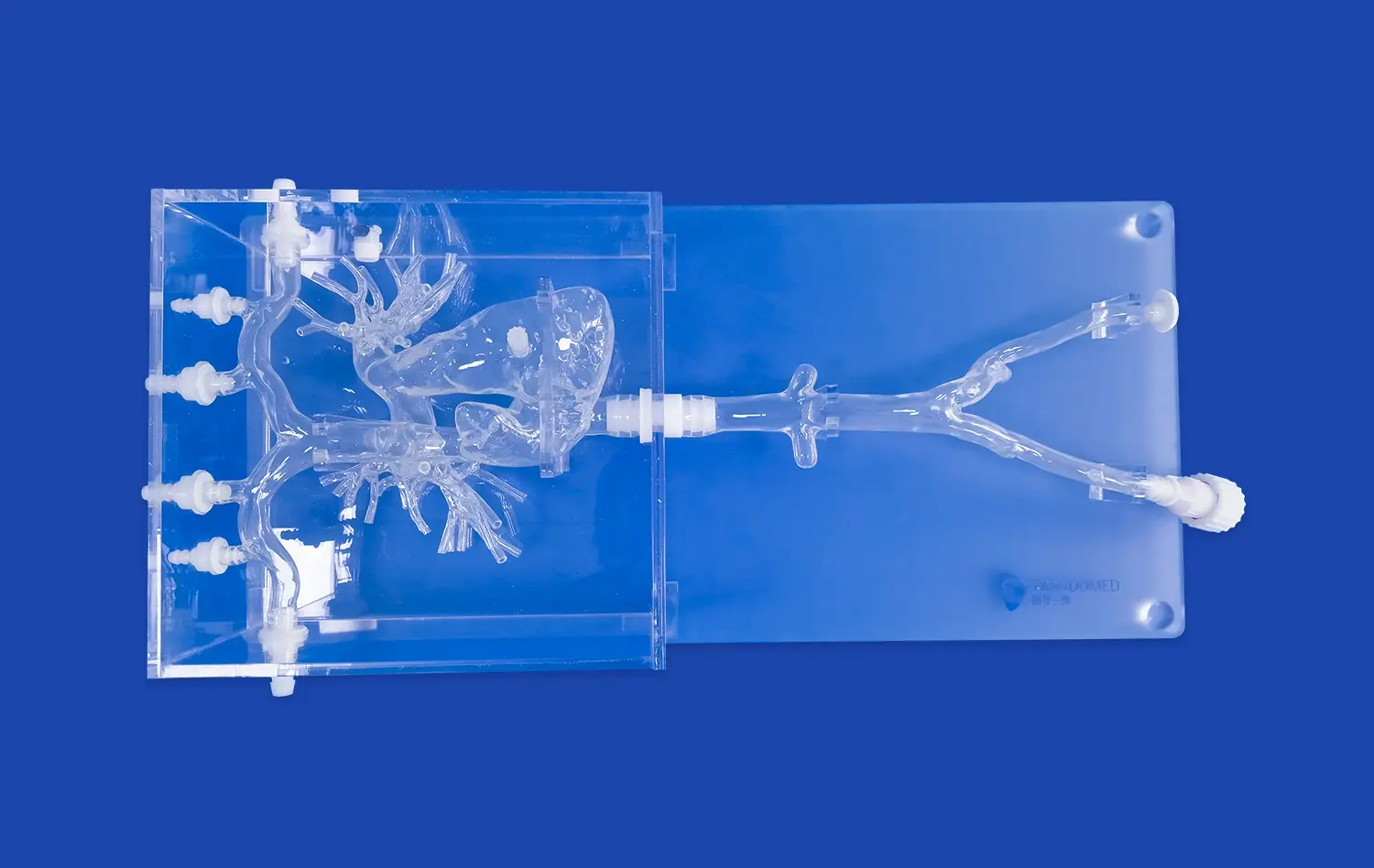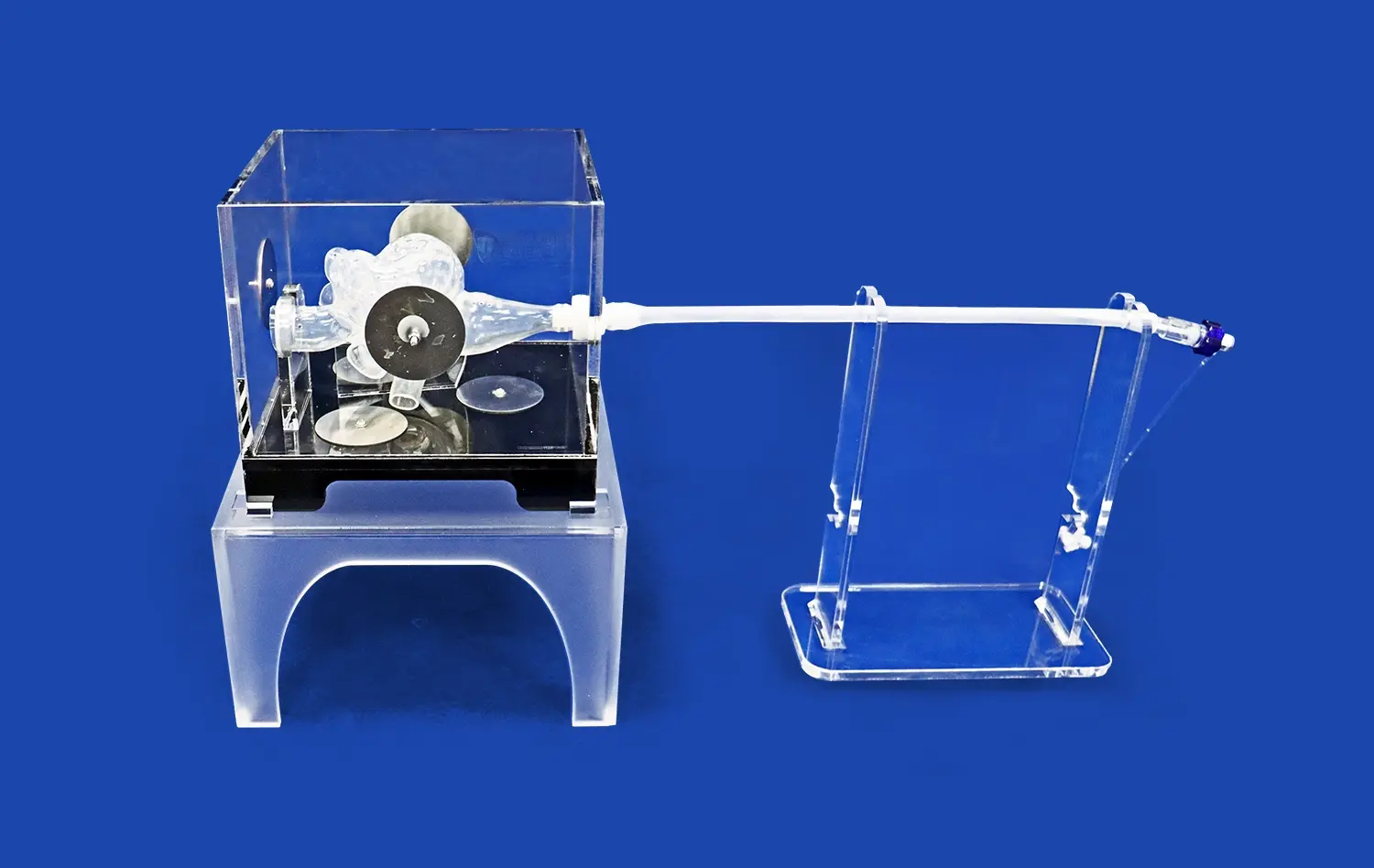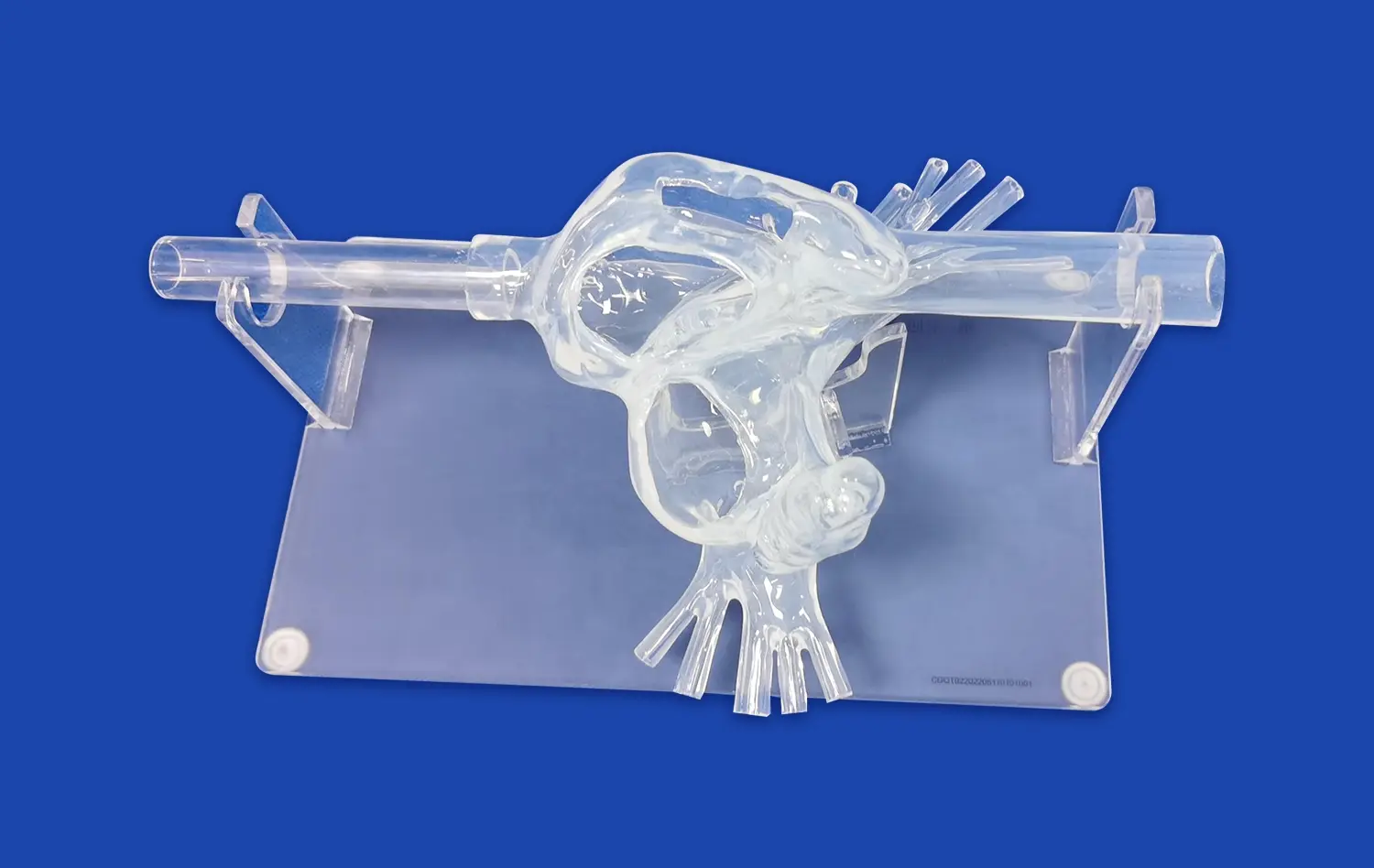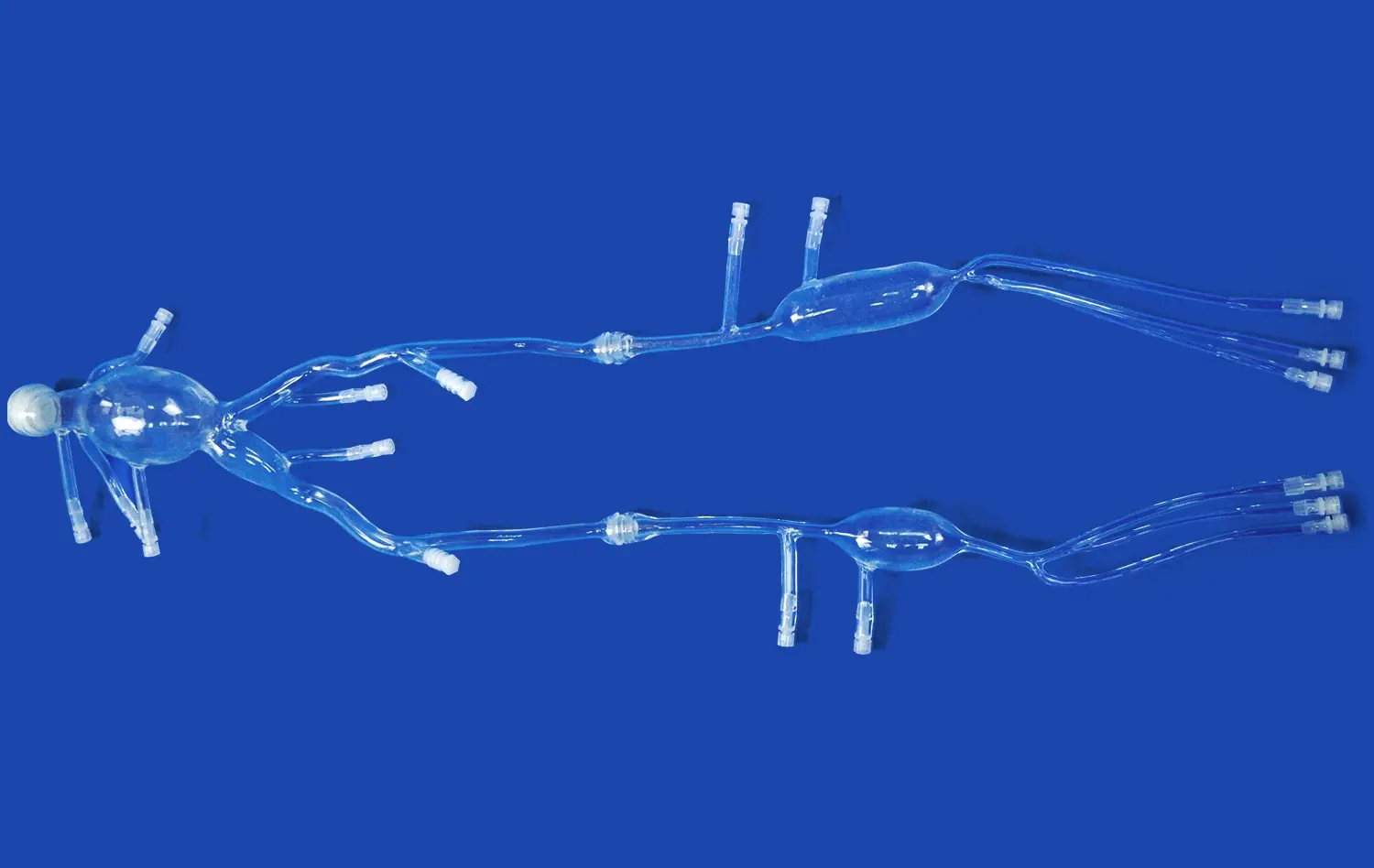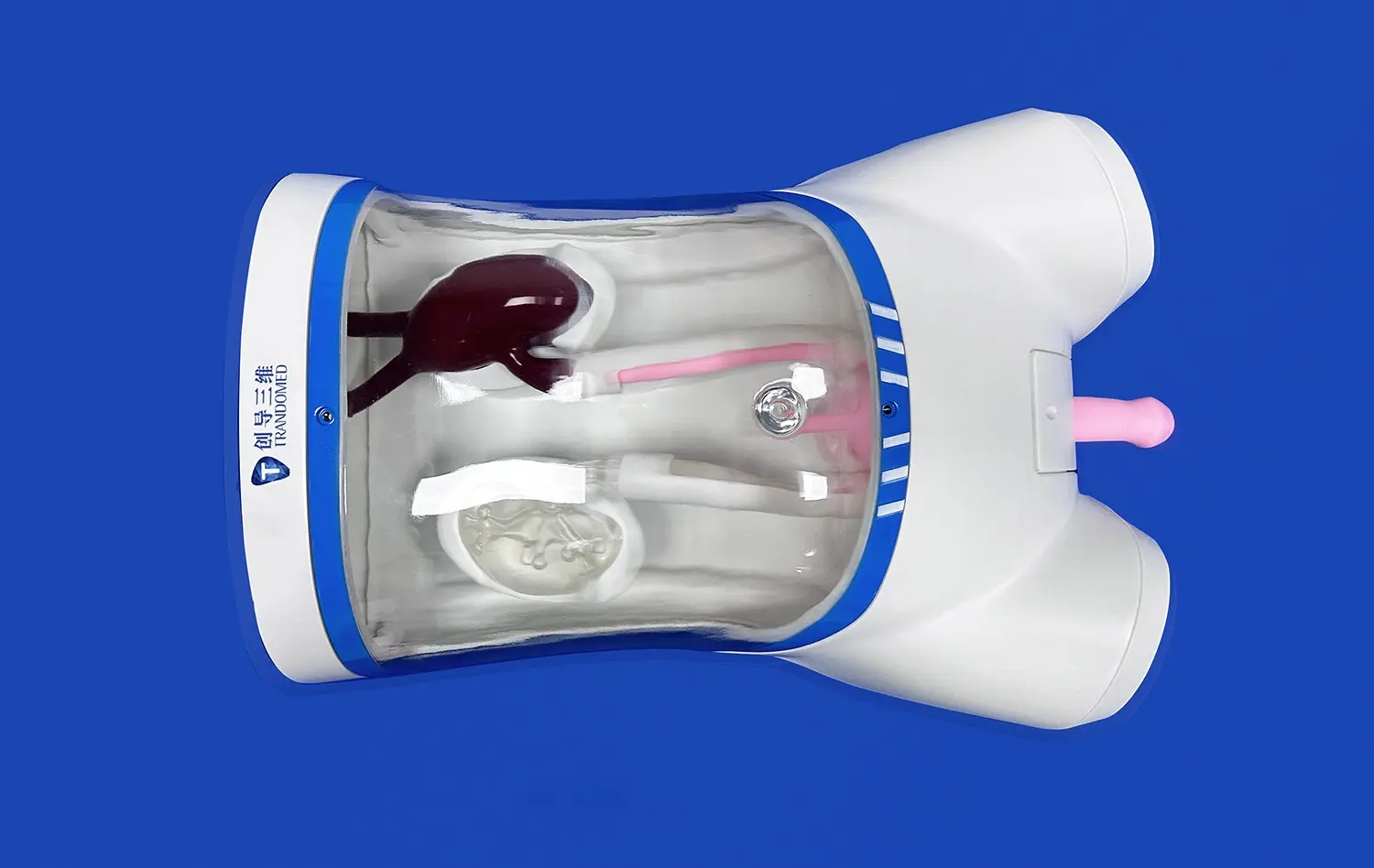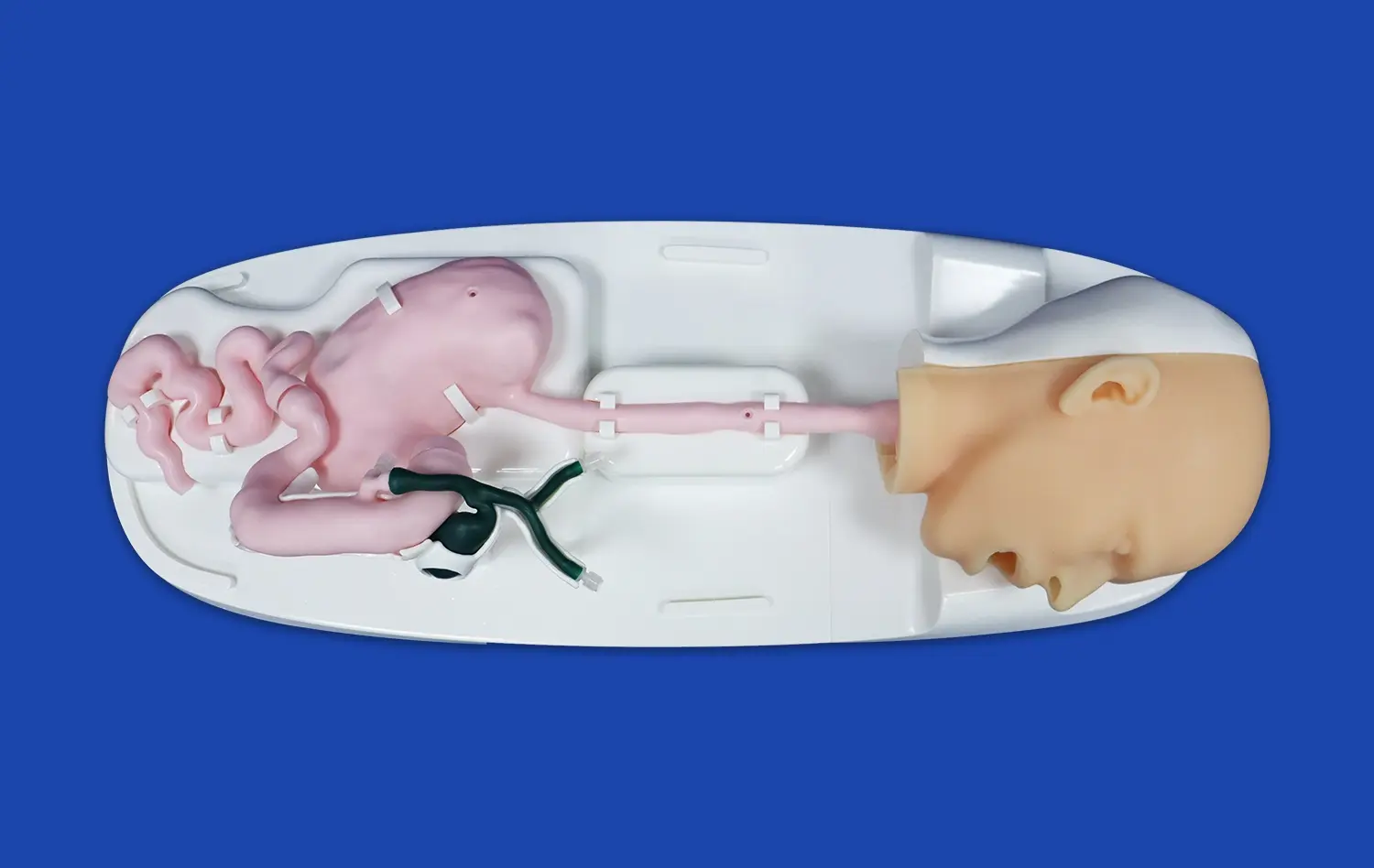

The cardiovascular disease model for complex coronary procedures is a huge step forward in medical modelling technology. It was made to accurately reflect the complicated physical structures and pathophysiological conditions that are seen during coronary treatments. Medical workers can practise difficult techniques like percutaneous cardiac intervention (PCI), chronic total occlusion (CTO) treatment, and stent placement in a safe setting with these high-tech training tools. Modern computer models include accurate artery shape, stenotic lesions, and differences in cardiac disease to give real-life hands-on experience that leads to better patient results and higher treatment skill.
Understanding the Cardiovascular Disease Model in Complex Coronary Procedures
Modern arterial modelling technology has changed the way doctors do complicated cardiac procedures. Advanced training systems like these are very useful for teaching because they accurately reproduce the structures and diseases that doctors see in real life.
Comprehensive Anatomical Representation
There is a full picture of the coronary blood system in the modern cardiovascular disease model. The radial artery, aortic arch, left coronary artery system, lateral branches, left anterior descending artery (LAD), circumflex branch, and femoral artery entry points are all accurately modelled in these models. Each part has the right proportions and fits together in a way that looks like a real human body.
Pathological changes, like chronic total occlusions in the middle section of the right coronary artery and the left coronary system, can be modelled in more advanced software. These models show stenotic lesions, hardened plaques, and embolic problems that interventional cardiologists face when they do real treatments. Including artificial stent insertion affects on the LAD is a great way to train people on how to place devices correctly and evaluate the results of procedures.
Clinical Decision Support Through Simulation
Advanced cardiac intervention models help doctors make decisions by letting them practise difficult treatments before they see a patient. Teams can test out various approach strategies, device choices, and procedure methods in a safe setting using these training tools. Doctors and nurses can practise dealing with difficult differences in anatomy and gain faith in their ability to handle unexpected problems that may come up during real interventions.
Evolution of Cardiovascular Disease Models for Complex Coronary Interventions
In the last few decades, circulatory modelling technology has come a long way. It used to just be simple anatomy models, but now there are complex platforms that use advanced materials and actual tissue qualities.
Traditional Training Limitations
In the past, training methods for a cardiovascular disease model focused a lot on theory and didn't give people many chances to practise in real life. In the past, doctors learned complicated cardiac intervention methods by watching others do them and then slowly taking part in real patient treatments. There were risks with this method, and there weren't many chances to practise skills over and over again without worrying about patient safety.
Advanced Material Engineering
Modern cardiac computer models use high-tech silicone materials with Shore 40A hardness levels that closely match the qualities of artery walls. During processes like catheter guidance, guidewire handling, and device placement, these materials give accurate physical input. The makeup of the material allows it to be used over and over again while still keeping its structural stability and performance qualities.
To make sure the parts are made correctly, modern production methods use reverse three-dimensional modelling technology that uses real human CT and MRI data. Using this method, computer models are made that accurately reflect the differences in a patient's structure and the diseases that doctors see in real life.
Integration with Advanced Training Programs
The latest cardiovascular modelling tools work perfectly with full training programs that teach both technical skills and how to make clinical decisions. These programs give students both academic and hands-on training experience to help them become well-rounded in their ability to intervene. Scenarios for training range from simple skills like navigating a catheter to more complicated processes involving multiple vessels and emergencies.
Key Factors and Risk Dimensions in Cardiovascular Disease Modeling
For accurate cardiovascular simulation, many physical and clinical factors must be carefully thought through as they affect the complexity of the procedure and the results.
Anatomical Variation Considerations
Simulation models that work well take into account the natural differences in anatomy that happen in different patient groups. These differences include different coronary artery beginnings, vessel tortuosity, and branching patterns that have a big effect on how procedures are done. These differences are built into more advanced models so that they can offer complete training that gets doctors ready for real-life clinical situations.
Pathological Complexity Integration
Today's cardiovascular disease model platforms include more than one disease, which makes the process more difficult. Different levels of coronary artery narrowing, hardening patterns, and thrombotic problems are some of these. Because disease intensity can be changed, training programs can move step-by-step from simple treatments to difficult situations that need advanced methods.
Because they are so complicated and require a lot of professional skill, chronic total blockage events are hard to train for. Simulation models that correctly mimic the features of CTOs help doctors learn specialised skills for safely and effectively handling these tough tumours.
Device Compatibility Testing
In modern times, modelling systems can be used for both teaching and testing devices. Manufacturers of medical devices use these models to test how well catheters work, how well guidewires move, and how well stents release. This app gives useful information for improving devices and speeding up the approval process by regulators, and it also encourages new developments in cardiac intervention technology.
Procurement Insights: Selecting and Implementing Cardiovascular Disease Models and Related Solutions
When healthcare facilities and training centers choose cardiovascular exercise tools that will help them learn and grow professionally, they have to make some big decisions.
Evaluation Criteria for Simulation Systems
To make good buying choices, you need to carefully look at a lot of technical and practical factors. Anatomical accuracy, material longevity, the ability to customise, and the ability to work with current exercise plans are some of the most important things to think about. Institutions should check how well training models reflect real-life procedure conditions and whether they give accurate physical feedback when manipulating devices.
One big benefit of thorough training programs is that they can be made to fit specific medical conditions. Models that can be changed based on CT, CAD, STL, STP, and STEP file types let schools make training models that are special to each patient, which improves both the teaching value and the practical application.
Quality Assurance and Reliability Factors
When making purchases, sellers with well-established quality control methods and a history of making medical simulations should be given the most attention. Companies that use their own 3D printing technology and have strict quality control measures in place can be more sure that their products will work well and last a long time.
Full support services after the sale for a cardiovascular disease model are very important for long-term value and user happiness. Suppliers who give expert support, training materials, and new parts help schools get the most out of their simulated investments. Lead times of 7–10 days for typical setups show that production is efficient and customers are being heard.
Cost-Effectiveness Analysis
While the original cost of purchase is an important financial factor, institutions should also look at the total cost of ownership, which includes repairs, replacement plans, and ways to update. High-quality computer models that can be used over and over and keep working the same way are more valuable in the long run than cheaper models that need to be replaced all the time.
Optimizing Performance: Enhancing the Efficiency of Cardiovascular Disease Models in Clinical Practice
To get the most out of cardiovascular modelling systems for both teaching and clinical purposes, they need to be put in place strategically and their performance needs to be improved all the time.
Training Program Integration Strategies
To use simulations effectively, they need to be seamlessly integrated with full training programs that cover both technical skills and clinical information needs. Case-based learning, academic teaching, and performance review procedures are all important parts of programs that work.
Progressive skill development methods use training models to help people get better at everything from simple techniques for handling catheters to complicated multi-vessel operations. This organised development makes sure that practitioners learn strong basic skills before moving on to more difficult methods that need advanced technical knowledge.
Performance Measurement and Validation
Modern training programs use objective performance measurement methods to keep track of how skills are improving and figure out what needs more work. Standardised evaluation factors are used in these assessment processes to make sure that training results and certification standards are the same across all training programs and schools.
Regular evaluation studies that compare the results of computer training with real clinical performance help improve training methods and show that education works. This method is based on facts and helps with efforts to keep getting better. It also helps leaders and regulators understand why simulation investments are important.
Technology Enhancement Opportunities
A lot of exciting new tools are opening up new ways to improve cardiovascular simulations and training. When virtual reality systems, haptic feedback devices, and artificial intelligence platforms are all combined, training sessions should be even more engaging and educational.
Automated teaching systems and real-time performance data can give instant feedback during training lessons, which speeds up skill development and makes learning more effective. These new technologies point the way for medical simulations and professional growth in invasive cardiology in the future.
Conclusion
The cardiovascular disease model for complicated cardiac treatments is an important investment for healthcare organisations that want to provide the best training and career growth in interventional cardiology. These high-tech modelling tools offer safe, repeated training chances that directly lead to better results for patients and higher procedural skill. As medical technology keeps getting better and procedures get more complicated, high-quality simulation training is becoming more important for keeping professional excellence and making sure patients are safe.
FAQ
In what ways can cardiovascular disease models be used to practise procedures?
A lot of different types of interventional treatments can be practiced using cardiovascular computer models. These include percutaneous coronary intervention (PCI), chronic total occlusion (CTO) treatment, stent placement, balloon angioplasty, and complicated multi-vessel interventions. In a controlled setting, these models let doctors learn how to do both regular and emergency cardiac treatments.
How close are current blood computer models to the bodies of real patients?
Modern computer models are very accurate at showing the anatomy because they use real CT and MRI scans that have been processed with reverse three-dimensional restoration technology. The silicone Shore 40A materials give realistic physical feedback that closely matches the qualities of artery walls. This creates very real training experiences that prepare professionals well for dealing with real patients.
Is it possible to change cardiovascular disease models to fit different training needs?
Advanced computer models let you change a lot of things, like the degree of arterial stenosis, the pattern of hardening, and the effects of embolism. It is possible to make many models unique by using patient-specific data files in forms like CT, CAD, STL, STP, and STEP. This lets schools make training situations that meet specific clinical and teaching needs.
How long does it usually take for a circulatory computer model to die?
If you take good care of and maintain high-quality circulatory exercise models made with advanced silicone materials and precise 3D printing technology, they should last for years. The longevity relies on how often it is used, how it is handled, and how it is stored, but well-built models can handle hundreds of training sessions without losing their performance or structural integrity.
Partner with Trandomed for Advanced Cardiovascular Simulation Solutions
As a top maker of cardiovascular disease models, Trandomed offers cutting-edge modelling technology that changes the way doctors learn and grow as professionals. Our 2D PCI model (Product No. PCI-21) is the result of more than 20 years of progress in medical 3D printing technology. It uses special production methods and real human body data to make training bases that are unmatched. Because we are dedicated to quality, offer full customisation, and offer dependable support after the sale, we offer simulated options to healthcare institutions that improve professional skill and patient results. Get in touch with jackson.chen@trandomed.com to find out how our cardiovascular simulation technology can help you improve your training programs and stay committed to providing the best education in interventional cardiology.
References
Johnson, M.K., et al. "Advanced Cardiovascular Simulation Models in Medical Education: A Comprehensive Review of Training Effectiveness." Journal of Medical Education Technology, vol. 45, no. 3, 2023, pp. 187-203.
Thompson, R.L., and Davis, S.A. "3D Printed Cardiovascular Models for Complex Coronary Intervention Training: Clinical Validation and Performance Assessment." Medical Simulation Quarterly, vol. 28, no. 2, 2023, pp. 94-108.
Chen, W.H., et al. "Comparative Analysis of Cardiovascular Disease Simulation Platforms: Material Properties and Anatomical Accuracy in Coronary Intervention Training." International Journal of Medical Simulation, vol. 17, no. 4, 2023, pp. 245-261.
Rodriguez, A.M., and Park, K.J. "Integration of Advanced Cardiovascular Simulation Technology in Interventional Cardiology Fellowship Programs: A Multi-Center Study." Academic Medical Training Review, vol. 32, no. 1, 2024, pp. 56-72.
Williams, E.T., et al. "Cost-Effectiveness Analysis of Cardiovascular Disease Model Implementation in Hospital Training Centers: Long-Term Outcomes and ROI Assessment." Healthcare Economics and Management, vol. 19, no. 6, 2023, pp. 312-328.
Liu, X.Q., and Anderson, B.R. "Technological Advances in Cardiovascular Simulation: From Traditional Models to AI-Enhanced Training Platforms." Medical Technology Innovation, vol. 41, no. 8, 2024, pp. 423-439.