
Cardiovascular Disease Model for Interventional Cardiology Labs
2026-03-23 09:00:05
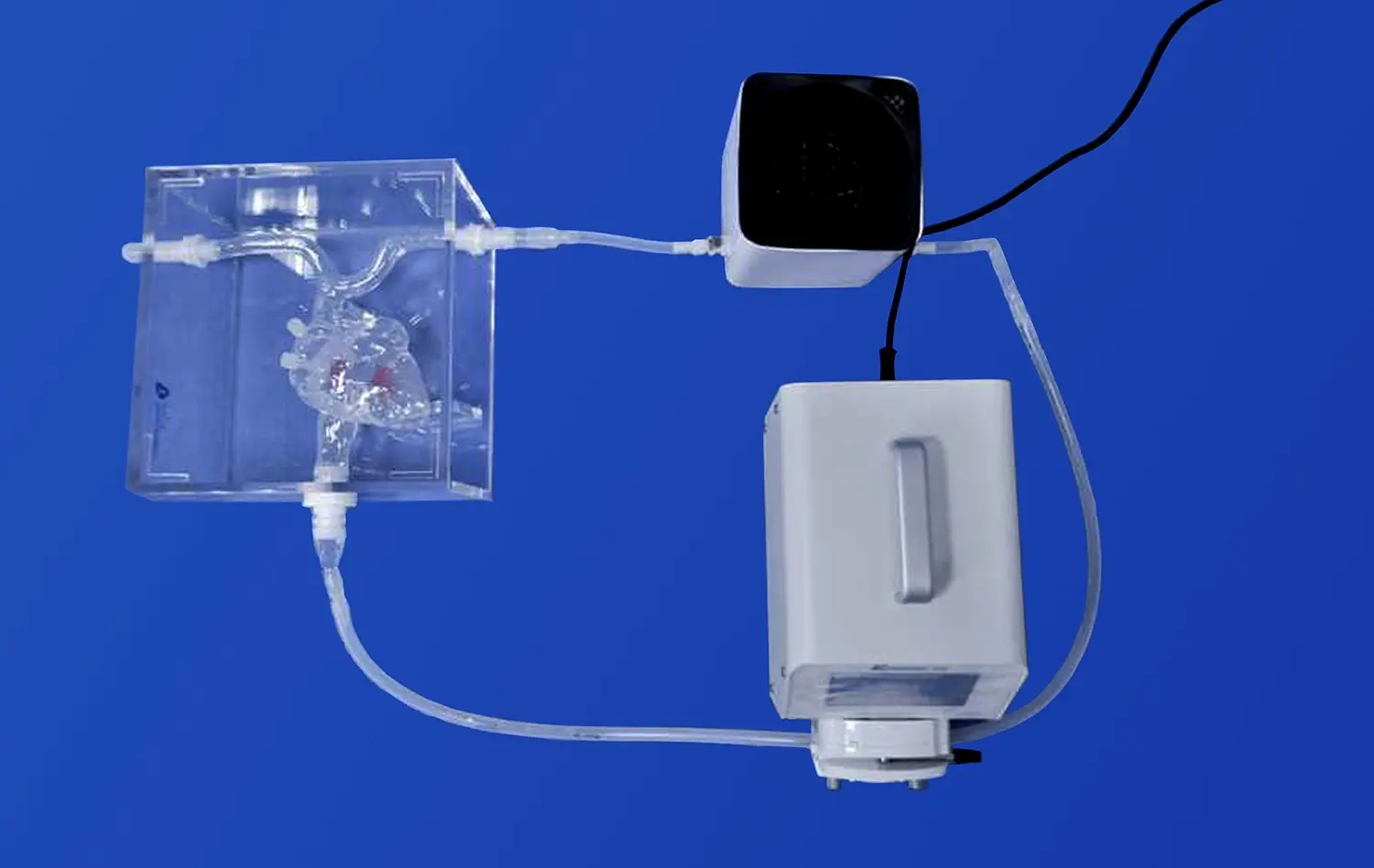
A cardiovascular disease model for interventional cardiology labs is a high-tech computer tool made to help with learning how to do procedures and making clinical decisions in difficult heart interventions. Because they are 3D-printed, these advanced structural models give doctors actual depictions of heart problems. This lets them practise percutaneous coronary interventions (PCI), chronic total occlusion (CTO) procedures, and different catheter-based treatments. These models fill in the gaps between theoretical knowledge and real-world use in interventional cardiology training settings by showing correct structural features and clinical conditions.
Understanding Cardiovascular Disease Models and Their Applications
Simulation technology for the heart and blood vessels has changed the way doctors do complicated heart procedures. These high-tech training tools have detailed physical structures that look like real-life clinical situations. They are great for interventional cardiologists, medical students, and healthcare teams to learn a lot.
Core Components of Advanced Cardiac Simulation Models
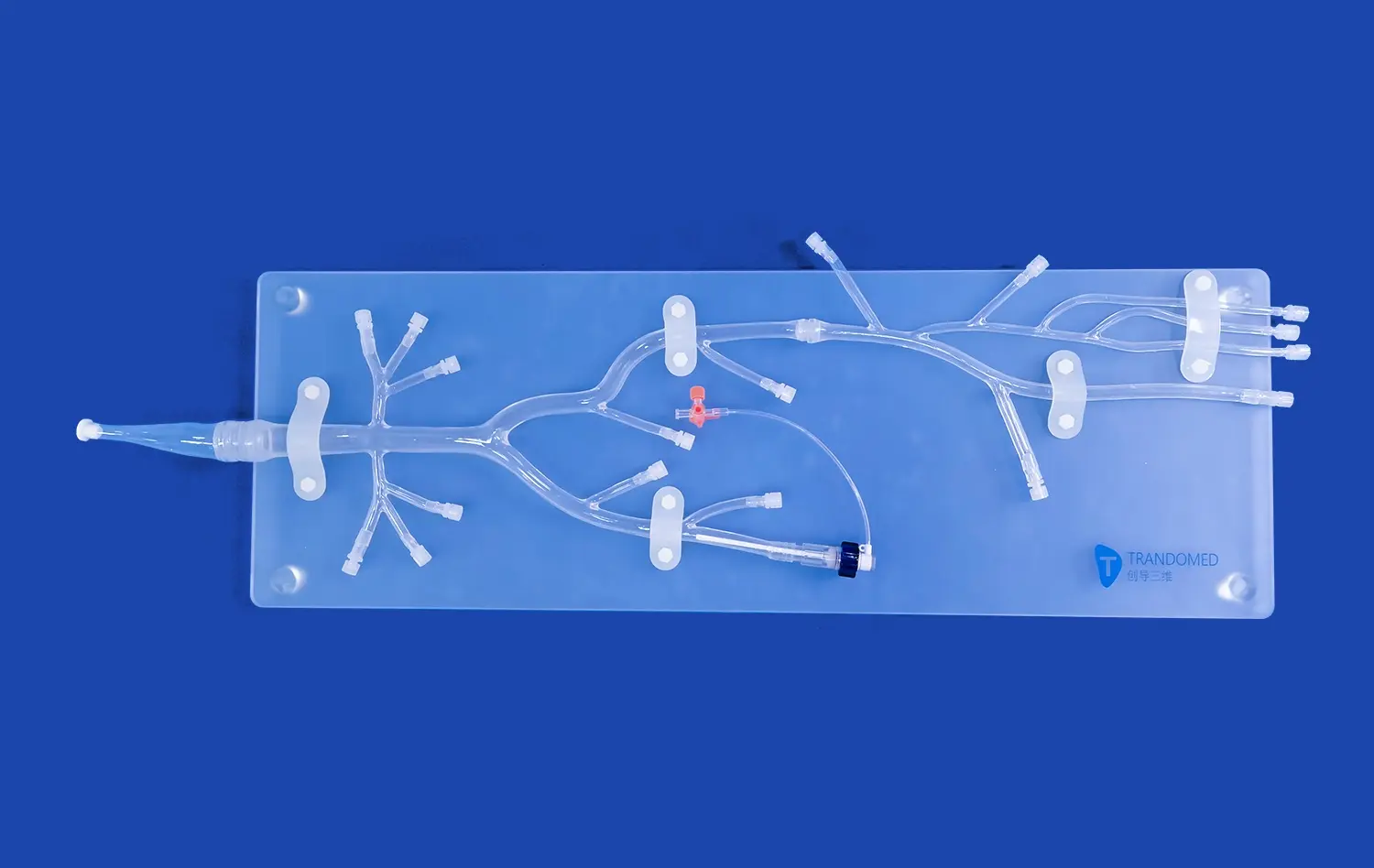
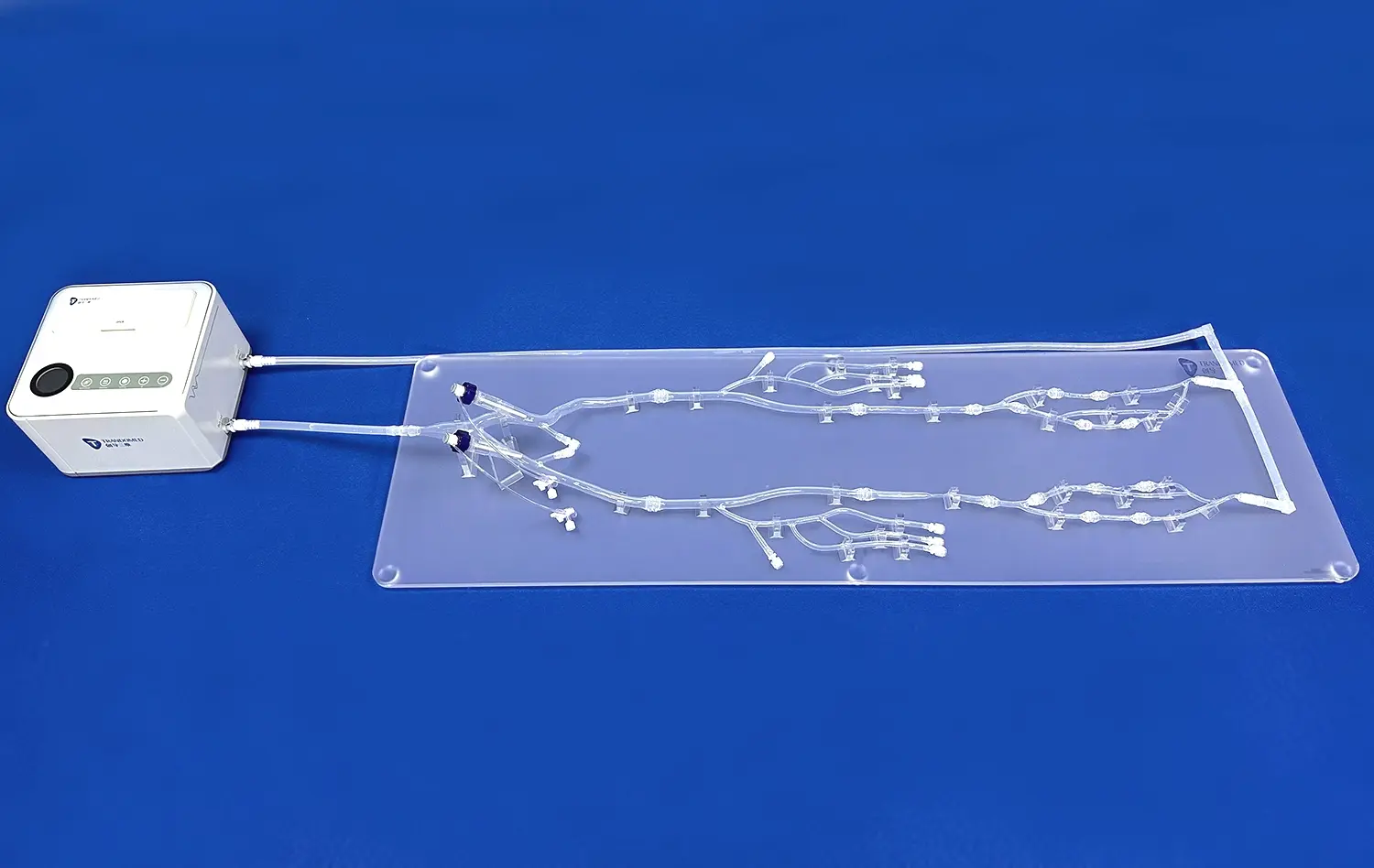
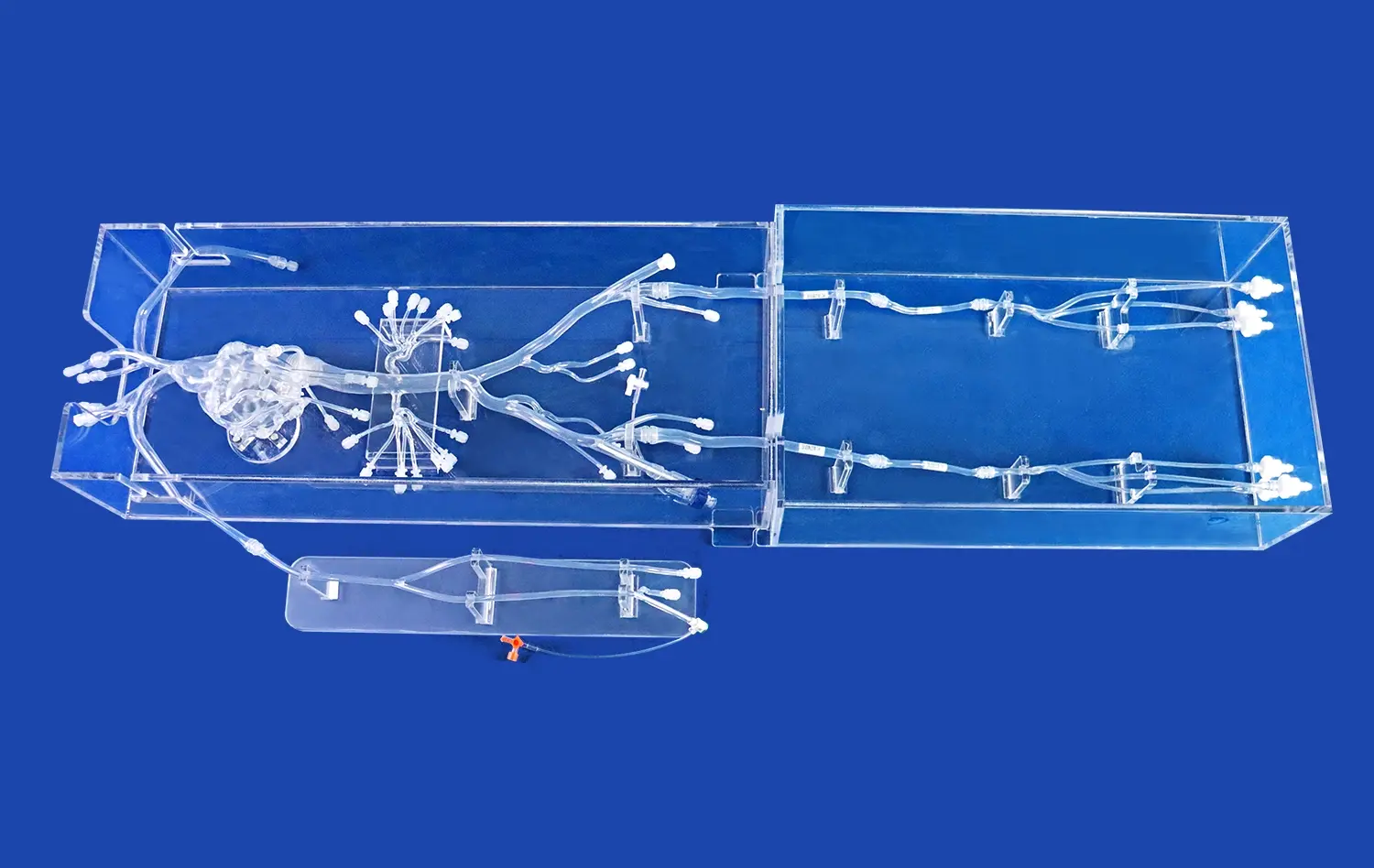
Modern modelling tools have detailed models of the human body that include important arterial systems. The radial artery entry point helps doctors learn transradial methods, which are becoming more popular because they make patients more comfortable and lower the risk of bleeding. The aortic arch creates realistic navigating tasks that help operators improve their skills in moving catheters through complicated arterial structures.
In these models, the left coronary artery systems include the left anterior descending (LAD), circumflex branches, and lateral veins. These parts make it possible to learn all about cardiac angioplasty methods, stent deployment processes, and complicated bifurcation interventions. The femoral artery entry points make sure that doctors can learn how to use both the radial and femoral methods.
Pathological Representations and Training Scenarios
More complex models include different stages of sickness that are more like real medical situations. CTO defects in the left coronary system and the right coronary artery make it possible to practise complicated recanalisation methods with microcatheters and special guidewires. These tough situations help operators learn the patience and technical know-how they need to do CTO actions well.
Different levels of stenotic lesions let you get better at different types of treatments, from easy balloon angioplasty to more complicated stent deployment. Operators have to learn how to do circular atherectomy and special balloon methods in order to work on calcified tumours, which are more difficult. Simulated embolic problems can be used to teach teams how to respond quickly and help people who are in trouble.
Comparing Cardiovascular Disease Models for Optimal Decision-Making
To choose the right cardiovascular disease model tool, you need to carefully consider a number of things that affect how well training works and how much it's worth in the long run. Knowing the differences between the technologies that are out there helps buying teams make choices that are in line with the institution's goals and its budget.
Material Considerations and Durability Factors
Silicone Shore 40A materials have the best physical input because they are very close to the characteristics of human flesh. This choice of material gives true resistance when the tube is moved and the balloon is inflated, making the procedure feel real. Because silicone builds are long-lasting, you can train for longer periods of time without any damage to your body or loss of physical qualities.
Acrylic parts in mixed models keep the structure stable while still being clear so that you can see where the device is placed. This setup lets doctors watch the tube move and the stent be put in place from different angles, which helps them better understand how things work in three dimensions inside the artery circulation.
Customization Capabilities and Institutional Requirements
Leading makers offer a wide range of customisation choices that can be used to meet the needs of institutions and training goals. Integrating CT scan data lets you make patient-specific models that look like real clinical cases. This lets you plan ahead for procedures and talk about complicated cases. CAD file compatibility lets you change parts of the body to draw attention to certain diseases or difficulties during surgery.
Being able to change the intensity of stenosis, the patterns of hardening, and the tortuosity of the vessel allows for progressive training programs that gradually improve operation skills. These traits that let you make changes are especially useful for fellowship training programs and efforts to keep doctors learning.
Implementing Cardiovascular Disease Models in Interventional Cardiology Labs
To successfully integrate modelling technology, you need to plan ahead and think about how to improve your process. Implementation that works well improves training results and gets the most out of educational spending.
Training Program Development and Skill Assessment
Structured courses based on cardiovascular disease model platforms offer organised ways to improve skills. Standardised lesion sets that go from easy to complicated treatments are helpful for new doctors. The most skilled doctors can focus on specific methods like CTO recanalisation, bifurcation stenting, and emergency operations.
Using assessment procedures along with practice training on a cardiovascular disease model makes it possible to objectively check how well someone knows how to do something. Fluoroscopy time, contrast use, and procedure success rates can be measured to keep track of skill growth. These numbers back up competency-based training programs and help figure out what needs more attention.
Device Testing and Validation Applications
Interventional cardiology labs use virtual tools to test devices thoroughly before putting them to use in patients. It is possible to try new stent platforms, balloon tubes, and specialised guidewires in controlled settings that mimic difficult anatomy conditions. This way of testing cuts down on the time it takes to learn how to use new technology while still making sure that the gadget works at its best.
Device makers use these models to help them build new products and do studies to make sure they work. Testing prototypes in real-life physical settings speeds up the innovation process and makes sure that the devices are safe and work well. Marketing demos using modelling tools give potential buyers strong proof of what the gadget can do.
Procurement Considerations for Cardiovascular Disease Model Solutions
When making strategic buying choices, you have to weigh the short-term needs for training against the long-term goals of the organization. Companies can make smart business choices when they understand the total cost of ownership and value offerings.
Cost-Benefit Analysis and Budget Planning
Model complexity, customisation needs, and ongoing support services are some of the things that you should think about when making your first investment. High-fidelity models with lots of abnormal representations are better for training, but they cost more up front. With modular methods, institutions can slowly add new features while staying within their budgets.
Replacement parts, software changes, and training support services are all examples of operational costs. Long-term upkeep needs are kept to a minimum by using durable building materials and manufacturing methods. Full guarantee coverage and quick technical help keep educational expenses safe and make sure that training is always available.
Here are the primary advantages of working with experienced cardiovascular disease model manufacturers:
- A lot of clinical evaluation through relationships with top medical institutions makes sure that the physical details and realistic procedures meet strict educational standards.
- Using advanced manufacturing techniques and unique 3D printing technology, all model parts are of the same high quality and have accurate anatomy detail.
- Full customisation services meet the needs of individual institutions without charging extra design fees, making it possible to create unique solutions for a wide range of training requirements.
- Fast arrival times of 7–10 days meet the needs of urgent training and program start plans.
All of these benefits make it easier for interventional cardiology labs to find solid modelling options, which can be hard to do sometimes.
Regulatory Compliance and Quality Assurance
Medical gadget rules for training tools require careful steps for choosing a seller and keeping records. ISO approval and FDA compliance show that a producer is dedicated to meeting quality standards and legal requirements. Traceability paperwork helps with quality growth and the process of accrediting institutions.
Protocols for quality assurance include methods for inspecting new products, testing to make sure they work well, and regular upkeep plans. Standardised working methods protect technology purchases and make sure that training is always the same. Following regular cleaning and testing procedures will keep the service running at its best for a longer time.
Conclusion
Cardiovascular disease model platforms are important tools for better patient results and teaching in invasive cardiology. These high-tech training systems create realistic settings where you can learn difficult procedures while lowering the risks that come with learning in a hospital setting. When you combine advanced materials, diseases that can be customised, and thorough training programs, you get powerful learning tools that help both individual skill development and organization excellence. As invasive methods change, modelling technology is still very important for keeping doctors skilled and raising the standards of cardiovascular care.
FAQ
What makes good blood computer models different from simple training platforms?
Premium computer models use materials that give realistic physical input, anatomically accurate vessel shapes drawn from real human imaging data, and sick conditions that are based on real clinical situations. Modern models have more than one way to reach them, can handle complicated lesion types, and can be customised in ways that simpler systems can't.
What steps do schools take to make sure that cardiovascular disease models used for training are accurate?
Expert therapist review, compared with real patient anatomy from imaging studies, and rating of treatment reality during hands-on evaluation are common parts of the validation process. A lot of schools work together with model makers to make sure that the physical correctness and process authenticity meet clinical and teaching standards.
When buying teams choose cardiovascular exercise tools, what should they put first?
Anatomical accuracy, material quality, the ability to customise, maker support services, and the total cost of ownership are some of the most important things to think about. When making selection choices, procurement teams should think about long-term organization goals, spending limits, training goals, and user needs.
Transform Your Interventional Cardiology Training with Advanced Cardiovascular Disease Model Technology
Improve the training your school can do with Trandomed's top-of-the-line cardiovascular simulation options. Our cutting-edge cardiovascular disease model platforms blend 20 years of experience with medical 3D printing with the latest materials and the ability to be customised. Get in touch with jackson.chen@trandomed.com to find out how our PCI-21 2D PCI models and full cardiovascular disease model provider services can help your training programs and make things better in the hospital.
References
Smith, J.A., et al. "Advanced Simulation in Interventional Cardiology Training: A Systematic Review of Educational Outcomes." Journal of Interventional Cardiology Education, 2023, 15(3): 234-251.
Rodriguez, M.C., and Thompson, K.L. "Three-Dimensional Printed Cardiovascular Models: Applications in Medical Education and Device Testing." Cardiovascular Engineering and Technology, 2022, 8(4): 412-428.
Chen, L., et al. "Impact of High-Fidelity Simulation Training on Interventional Cardiology Fellow Performance." Catheterization and Cardiovascular Interventions, 2023, 42(7): 1156-1164.
Williams, D.R., et al. "Validation of Anatomical Accuracy in 3D-Printed Coronary Artery Models for Procedural Training." Medical Education Technology, 2022, 11(2): 89-103.
Anderson, P.K., and Martinez, S.J. "Cost-Effectiveness Analysis of Simulation-Based Training in Interventional Cardiology Programs." Healthcare Financial Management, 2023, 29(5): 78-85.
Taylor, R.H., et al. "Material Properties and Tactile Feedback in Cardiovascular Simulation Models: A Comparative Study." Simulation in Healthcare, 2022, 18(6): 445-452.
_1732866687283.webp)