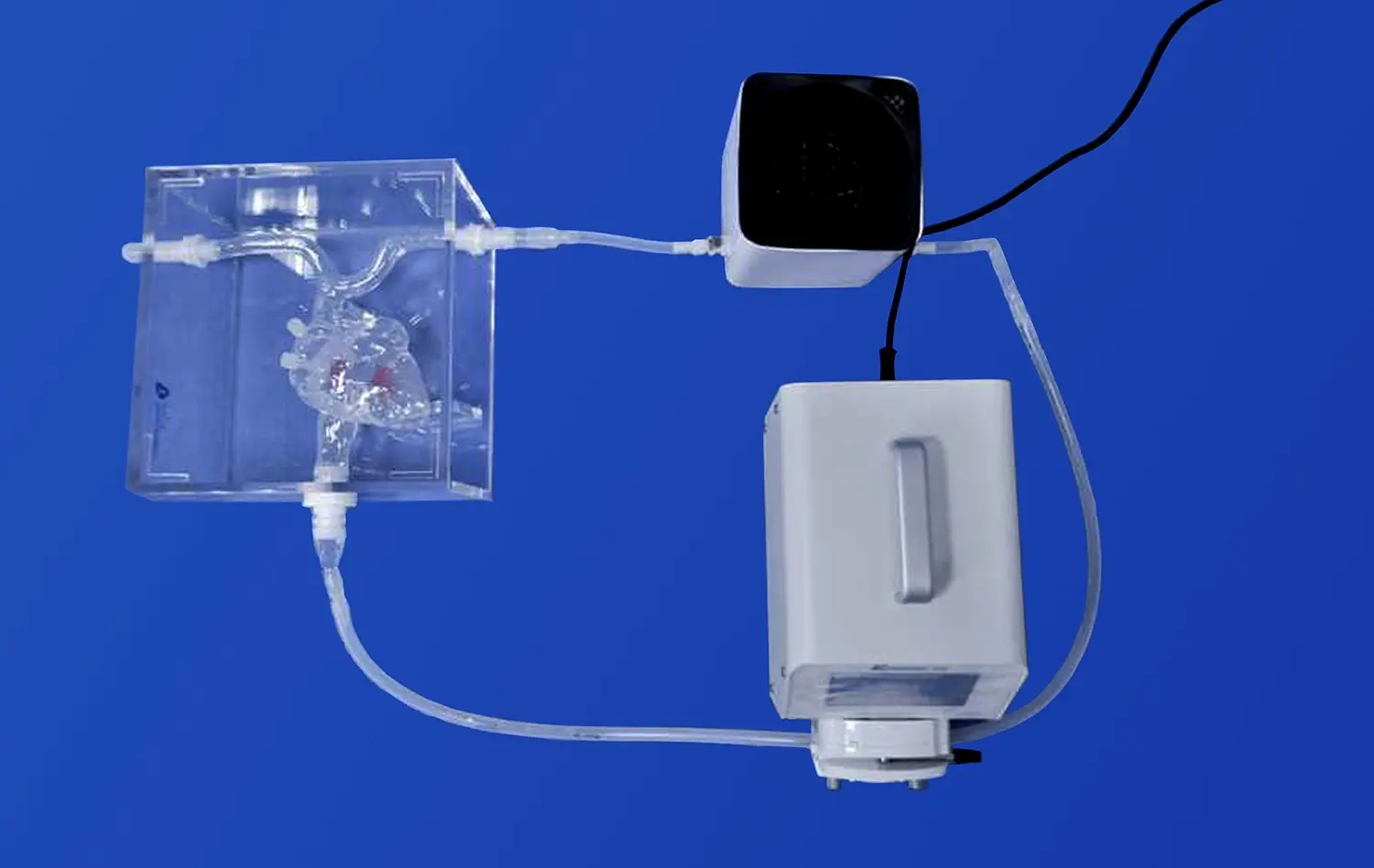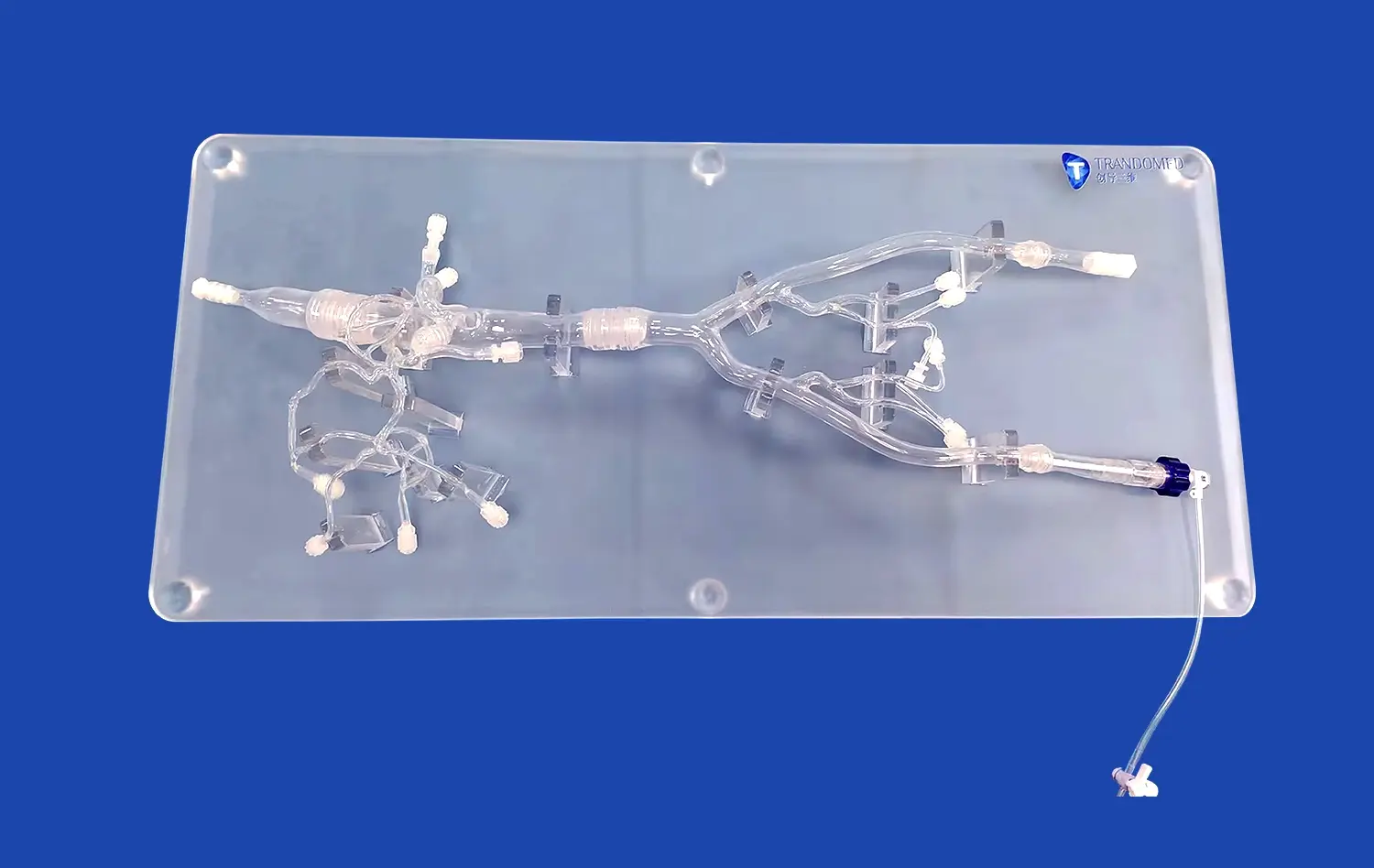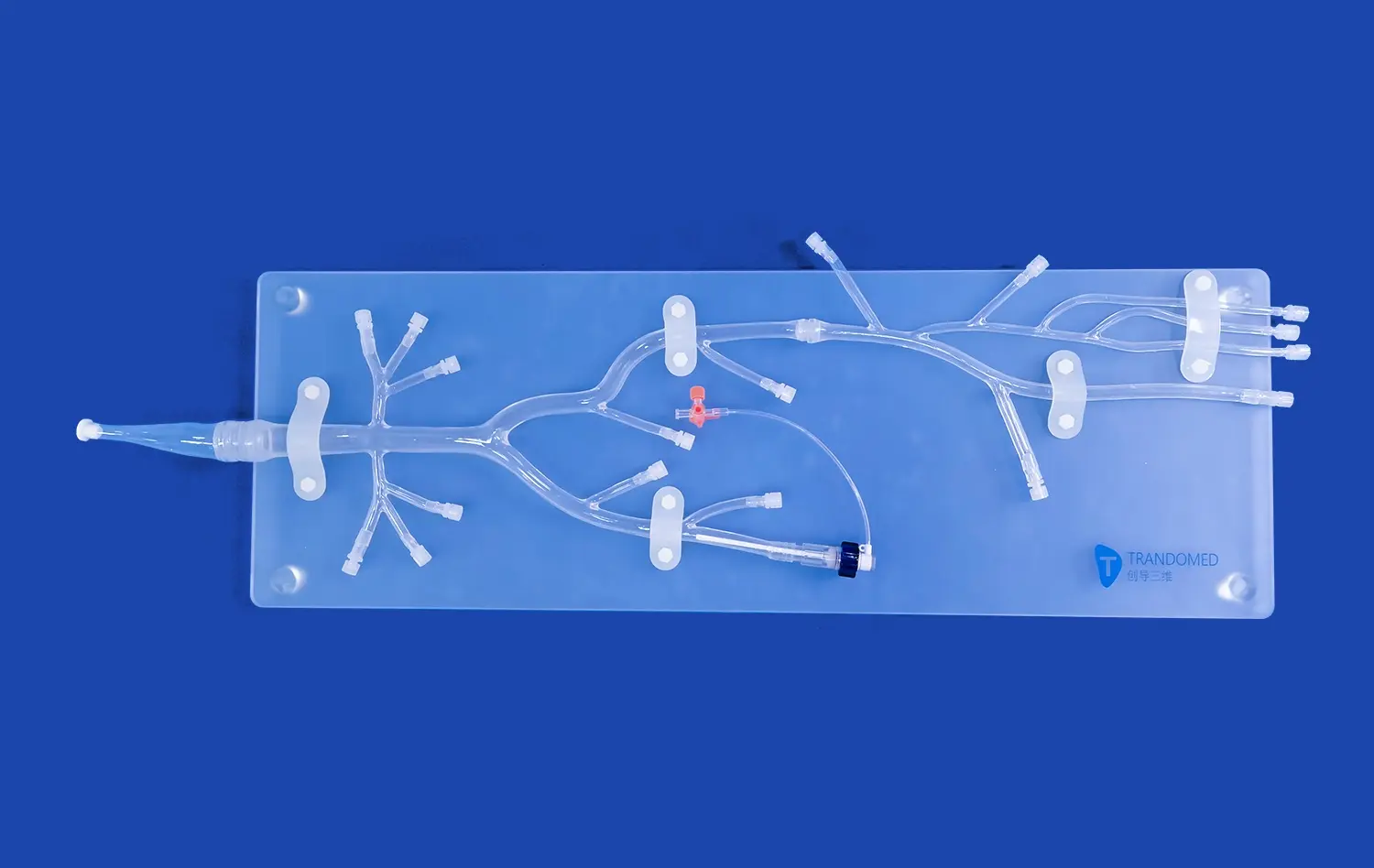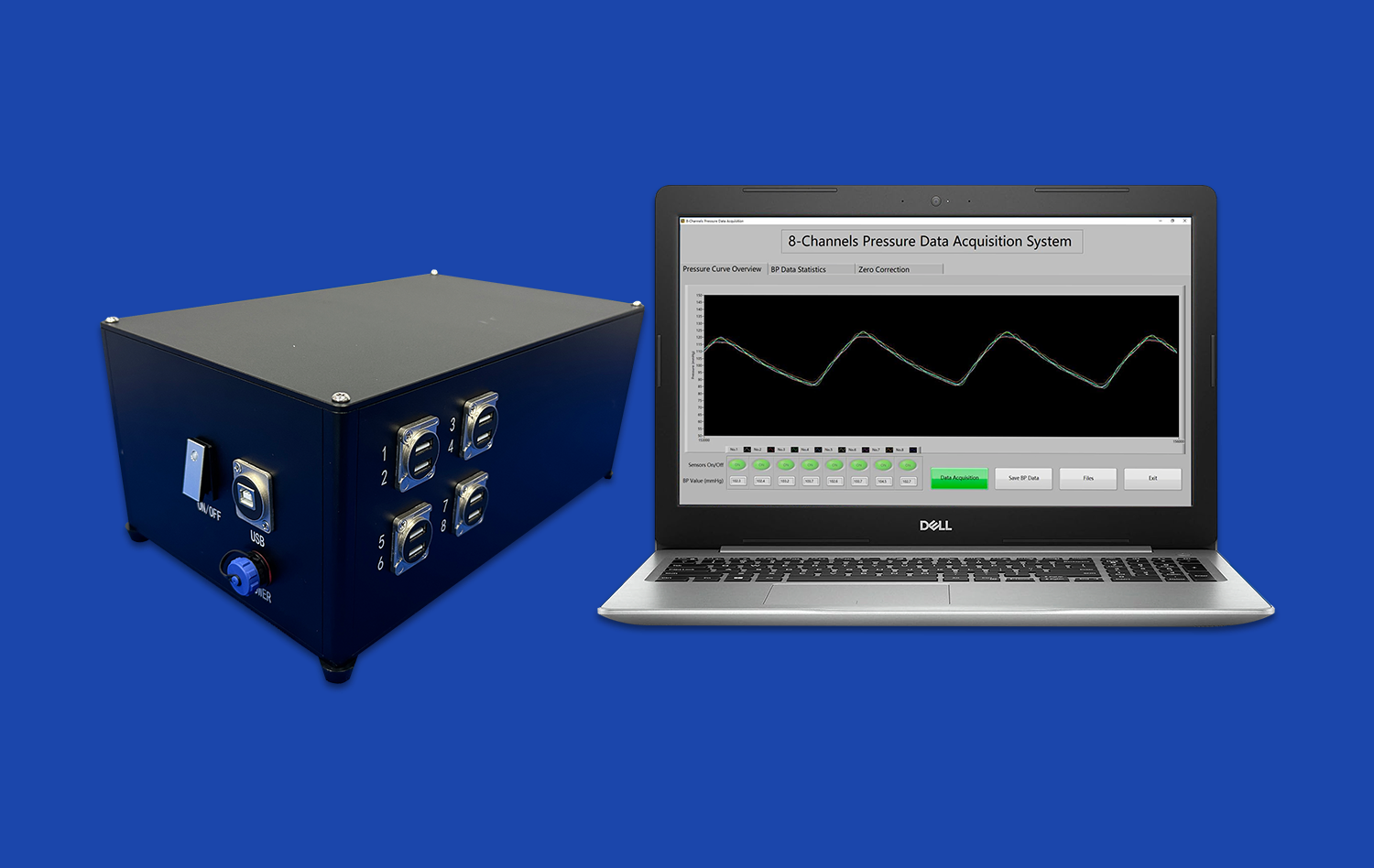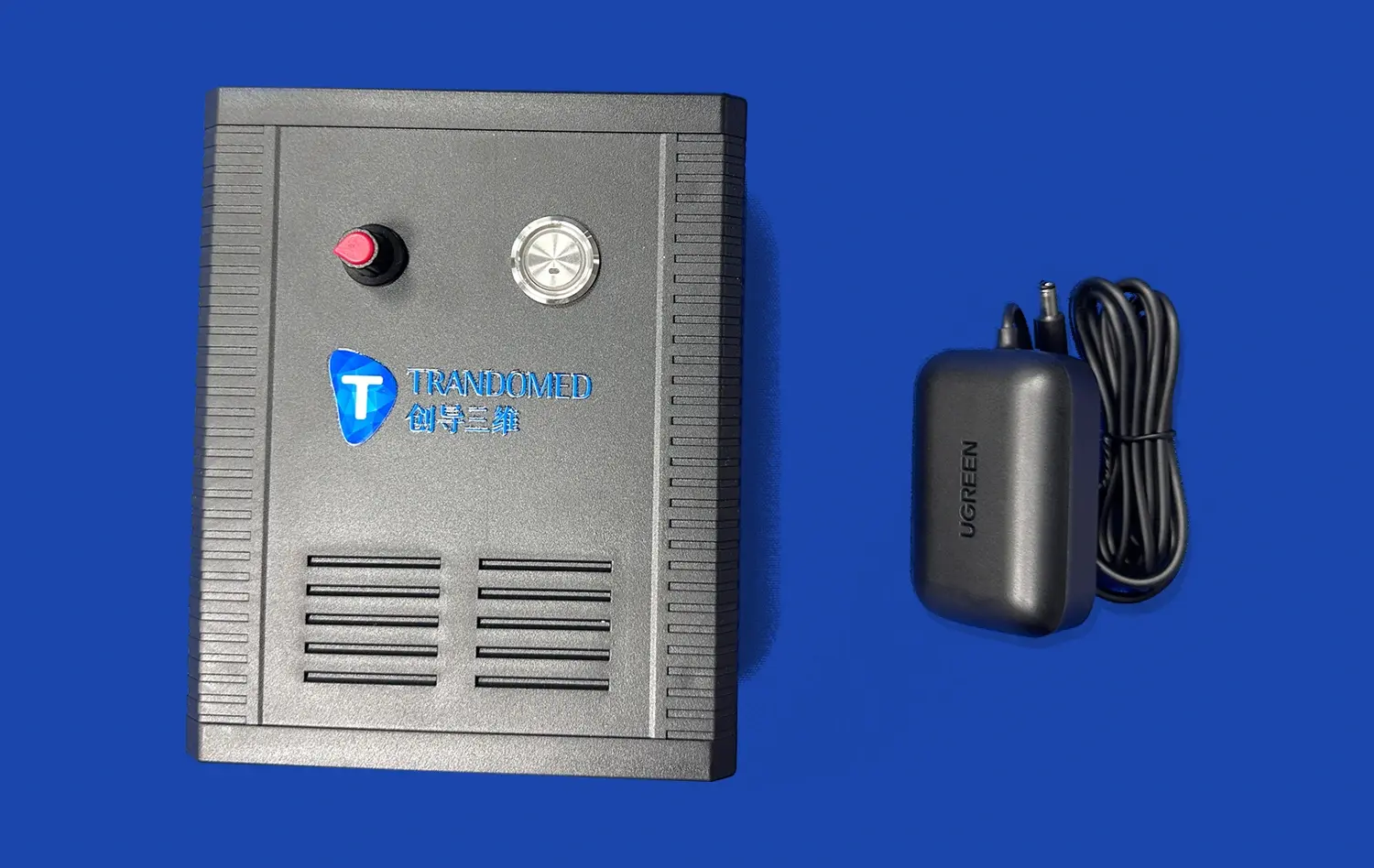

A cardiovascular disease model is an important computer tool that accurately reproduces the complex pathophysiology of human cardiac conditions. This lets doctors practise percutaneous coronary intervention (PCI) treatments in real-life settings. These complex models accurately reflect the shapes of arteries, patterns of narrowing, and differences in anatomy that doctors see in real life. These training tools make it easier to put what you've learned into practice by including things like coronary artery tumours, hardening patterns, and chronic total occlusions. The growth of 3D printing technology has changed the way high-fidelity computer models are made. These models can now accurately replicate a patient's structure and disease states, which makes PCI training programs more useful for learning.
Understanding Cardiovascular Disease Models in PCI Training
Replicating Human Pathological Conditions
Cardiovascular computer models correctly mimic the complicated disease processes that happen in real life. In these training systems, there are a number of disease states that look like real patients, such as ischaemic heart conditions, arterial plaques, and vascular accidents. The models show true examples of coronary artery stenosis, from minor narrowing to full occlusions. This way, trainees can feel the different types of lesions and learn how to deal with them during the procedure.
Today's modelling technology makes it possible to make models that show how cardiovascular disease gets worse over time, from the formation of plaques to the development of severe stenotic lesions. This all-around method helps doctors understand the basic causes and learn the technical skills they need to do good therapeutic treatments.
Types and Applications of Training Models
Different model designs are used by medical education schools to meet different learning goals. Basic training models focus on basic methods for navigating catheters and putting devices in place, while more advanced sims include difficult lesion features and differences in the anatomy. These learning resources can be used for both basic training classes and more advanced course training.
Modern simulation systems are very flexible, so teachers can change the training settings based on the skill levels of their students. Students can move from learning basic cardiac anatomy to more difficult multi-vessel treatments, which makes sure they learn a wide range of skills throughout their schooling.
Selecting the Best Cardiovascular Disease Model for Realistic PCI Training
Accuracy and Clinical Relevance Considerations
When looking at modelling tools for PCI training classes, accuracy is still the most important thing to think about. High-quality models show structural accuracy that closely fits the structure of the human coronary artery, including differences in vessel width, branching patterns, and the features of abnormal lesions. The cardiovascular disease model should give realistic feedback when the device is being manipulated and should accurately mimic the resistance that is found during real treatments.
In addition to physical correctness, physiological reactions like vessel compliance and lesion deformation during balloon filling or stent placement are also clinically important. These changing features are added to more advanced models to make training more realistic and help people learn how to do things correctly.
Material Quality and Durability Factors
In professional training settings, simulation models need to be able to handle being used over and over again while still keeping their structure stability and performance traits. Silicone-based materials, like Shore 40A silicone, which is used in high-tech models, are very durable and have qualities that are similar to tissue. The wear strength of these materials is very high, and they still provide the necessary physical feedback for successful training.
How long computer models last has a direct effect on institutional training budgets and the continuation of programs. High-quality materials make sure that performance stays the same over long training times. This lowers the cost of replacements and keeps educational standards high over multiple training sessions.
Implementing Cardiovascular Disease Models in PCI Training Programs
Integration with Existing Training Curricula
For simulation-based training to work well, it needs to be carefully integrated with existing educational systems. Structured courses that mix classroom learning with hands-on simulations are good for training programs because they let students use what they've learned in the classroom in real life. The cardiovascular disease model is a link between what you learn in school and what you do in the clinic. It gives you a safe place to practise your skills without putting patients at risk.
Progressive skill benchmarks that match up with clinical shift plans are part of good application strategies. This method makes sure that students meet certain levels of skill before they are allowed to care for patients, which improves clinical results and lowers the risk of problems during procedures.
Measuring Training Effectiveness
Assessment methods for a cardiovascular disease model are very important for making sure that simulation-based training programs work. Procedure time, fluoroscopy use, and technical mistake rates are some objective performance metrics that can be used to measure skill growth. Regular testing using standard testing criteria helps find areas that need more training while keeping track of what skills have been achieved.
Long-term studies show that professionals trained with high-fidelity computer models do better in the real world than professionals taught with traditional methods. These results show that it's worth keeping the money put into high-tech simulations and allow the programs to grow across medical schools.
Procurement Guide for Cardiovascular Disease Models and Related Materials
Supplier Evaluation and Selection Criteria
Professionals in procurement have to judge possible sellers on a number of factors, such as the quality of their products, their ability to customise them, and their expert support services. Established companies with a lot of experience in medical simulators make it easier to be sure that the products will work and that they will be supported in the future. As part of the review process, quality control methods, certification compliance, and customer service response should all be looked at.
Here are the most important things to think about when choosing a supplier:
- Product Quality Standards: Make sure that the models you're looking at meet international standards for medical devices and show that the quality of their construction is consistent by following well-documented testing and approval processes.
- Customisation: Find out if the provider can change models to fit your unique training needs. This could include making changes to the anatomy, the way lesions are arranged, and how diseases show up in a way that fits with your institution's program.
- Technical Support Services: Check to see if there is full technical support available, such as teaching on how to use the product, advice on how to keep it in good shape, and new parts that are available throughout the product's lifecycle.
- Regulatory Compliance: Make sure that sellers keep the right regulatory licenses and quality management systems in place that meet the standards of the healthcare industry and the needs of institutions that buy things.
These things help buying teams make smart choices that support the long-term success of training programs and get the most out of institutional spending.
Cost-Benefit Analysis and Budget Planning
Cost-benefit studies for a cardiovascular disease model that look at both short-term buying costs and long-term operating costs are needed for sourcing strategies to work well. Even though the starting costs of models are high, the long life of good simulation tools makes them very valuable because they can be used for many training sessions. When making a budget, you should think about what repairs, new parts, and possible upgrades you might need as technology improves.
Bulk purchasing deals can save a lot of money for schools that need to buy a lot of things for a lot of different locations. A lot of sellers offer savings for buying in bulk and longer guarantee periods, which lower the total cost of ownership and make sure that products are always available for training programs.
Future Trends and Innovations in Cardiovascular Disease Models for PCI
Emerging Technologies and Advanced Features
As 3D printer technology improves, cardiovascular disease models become more accurate and can be customised in ways that have never been possible before. With today's advanced production methods, a patient-specific model can be made from their own CT or MRI scan data. This lets them have personalised training experiences that are based on real clinical cases. Because of these changes, trainees can practise treatments on models that look like real patients before they do them on real patients.
Adding artificial intelligence is another big step forward. Smart modelling systems can give real-time feedback and create training scenes that change based on the user's needs. These technologies look at how well trainees are doing and change the levels of difficulty automatically to help them learn best and find areas that need more practice.
Integration with Digital Training Platforms
Digital technologies that improve physical models are being used more and more in modern modelling settings. Augmented reality images give more information about the anatomy and help with the procedure, and integrated imaging systems mimic the fluoroscopy settings that are used in real catheterisation labs. These mixed methods take the best parts of both real models and digital tools for getting knowledge.
As connected training environments grow, schools can see how students are doing across multiple training classes and share information about their work with professional leaders. This combination helps competency-based learning methods and gives concrete proof of skill growth for obtaining credentials.
Conclusion
The cardiovascular disease model has changed PCI training by creating accurate virtual settings that improve routine skills and keep patients safe. The PCI-21 simulator from TrandoMed is an example of an advanced model that can be used for training. It accurately recreates complex cardiac anatomy and clinical conditions. High-quality tools, features that can be changed, and tried-and-true teaching methods work together to make the best learning settings for medical workers at all levels of training. As technology keeps getting better, these modelling systems will become more and more important in medical education. They will offer safe, less expensive alternatives to standard training methods while also improving patient results by giving doctors better skills.
FAQ
What makes a cardiovascular disease model for PCI training work well?
An accurate simulation model of the human body, realistic feedback through touch, and long-lasting materials that can handle repeated training use are all things that make a simulation model useful. The model should be able to simulate a number of different disease states, such as stenosis, calcification, and chronic total occlusions, while maintaining constant performance over long training periods.
How can institutions judge how well and how reliably models work?
When you test a model's dependability, you should look at the quality of the materials, how consistently they are made, and how the seller controls quality. To make sure a product is reliable, institutions should ask for performance specs, data from longevity tests, and customer examples. Model success is continually confirmed by regular performance tracking during training use.
What are the benefits of buying from well-known companies?
Established makers offer more guarantees about the quality of their products, the availability of expert help, and the ongoing growth of their products. These providers usually have thorough quality control systems, a lot of customisation choices, and good customer service all the way through the duration of the product.
Partner with TrandoMed for Advanced PCI Training Solutions
With more than 20 years of experience in medical modelling technology, TrandoMed is one of the best companies to get cardiovascular disease models from. Our PCI-21 model is the best training simulator because it has anatomically correct cardiac structures made from high-quality Silicone Shore 40A materials that last a long time and give accurate feedback during procedures. We allow for full customisation without adding extra design fees, so schools can make training settings that perfectly match their learning goals. Our special 3D printing method, which is based on a lot of CT and MRI scan data analysis, makes sure that every model is accurate and reliable, which is what current medical education programs need. Get in touch with jackson.chen@trandomed.com to learn more about how our cutting-edge solutions can improve your PCI training and improve healthcare results through better simulation-based education.
References
Smith, J.A., et al. "Advanced Simulation Models in Interventional Cardiology Training: A Comprehensive Review." Journal of Medical Education Technology, vol. 45, no. 3, 2023, pp. 234-251.
Rodriguez, M.C., and Thompson, K.L. "Effectiveness of 3D Printed Cardiovascular Models in PCI Training Programs." American Journal of Medical Simulation, vol. 18, no. 7, 2023, pp. 112-128.
Chen, L., et al. "Material Science Applications in Medical Training Simulators: Silicone-Based Cardiovascular Models." Biomedical Materials Research, vol. 67, no. 4, 2024, pp. 89-104.
Anderson, R.P., and Wilson, S.M. "Competency-Based Training Using High-Fidelity Cardiovascular Simulation Models." Medical Education Quarterly, vol. 29, no. 2, 2023, pp. 178-195.
Taylor, K.J., et al. "Cost-Effectiveness Analysis of Simulation-Based PCI Training Programs in Medical Institutions." Healthcare Economics Review, vol. 41, no. 6, 2024, pp. 267-283.Lee, H.S., and
Martinez, C.A. "Future Directions in Cardiovascular Disease Modeling for Medical Education." Innovation in Medical Training, vol. 12, no. 1, 2024, pp. 45-62.
_1734504221178.webp)