
Carotid Artery 3D Model Applications in Neurovascular Education
2026-03-05 09:00:04
Carotid artery 3D model apps have changed the way doctors learn about complicated arterial anatomy and how to do surgery, which has a huge impact on neurovascular education. These advanced modeling tools offer a level of spatial accuracy and interactive learning that can't be matched by standard 2D methods. Modern carotid artery 3D models make it possible for medical schools, hospitals, and training centers to provide hands-on practice with accurate physical structures, which greatly improves learning. Because they use modern materials and accurate modeling methods, these learning tools are now required for all neurovascular training programs around the world.
Understanding Carotid Artery 3D Imaging Technology
By making very accurate models of the structures in the carotid artery, advanced 3D modeling technology has changed the way neurovascular teaching is done. The high-tech imaging systems use a variety of data collection methods, such as ultrasound, CT angiography, and MRI, to make detailed volumetric models that accurately show the complex features of the blood vessels.
Technical Foundation of 3D Vascular Modeling
The first step in the rebuilding process is to get high-resolution scan data. This data is then processed by complex algorithms to make three-dimensional models that can be changed. Modern software uses advanced modeling methods that let users interact with vascular structures in real time. This lets medical workers look at parts of the body from different angles. These technology advances are better than standard imaging because they give us a sense of depth and space, which are important for correct neurovascular assessment.
Benefits of Advanced Modeling Systems
Three-dimensional visualization helps people learn more about anatomy by letting them deal with complex vascular connections. When compared to traditional teaching methods, medical trainers say that using 3D models helps students understand a lot more. The technology allows doctors to practice over and over again without involving the patient. This creates safe learning settings where doctors can improve their skills by using actual body parts.
Comparing Carotid Artery 3D Imaging Modalities for Educational Use
When schools choose the right 3D visualization tools for neurovascular training classes, they need to look at a number of different imaging methods. Each technology has its own pros and cons that affect how well it works in schools, how much it costs, and how it needs to be set up in different types of schools.
Ultrasound-Based 3D Modeling
Three-dimensional ultrasound technology lets you see images in real time with almost no safety risks because it doesn't expose you to harmful radiation. This modality provides low-cost options for schools that are trying to stick to a budget, while still providing good enough image clarity for basic neurovascular education. However, ultrasound-based systems may not be as clear as other imaging technologies when it comes to seeing small features in vascular systems, which is important for advanced surgical training.
CT Angiography Integration
Computed tomography angiography gives better picture quality and structural detail, which makes it perfect for neurovascular education classes that cover a lot of ground. The technology is very good at taking very clear pictures of complicated artery branching patterns and diseases. Although it costs more to run and exposes people to more radiation, CT-based 3D modeling is the most accurate way for schools that need the most accurate training models to make them.
Hybrid Educational Approaches
Leading medical schools are using combined methods that blend different imaging technologies to get the most out of their educational benefits for carotid artery 3D. These tools let students move from using ultrasound-based models to learn basic anatomy to using high-resolution CT images to learn advanced procedures. The all-around method makes sure that students are fully prepared for clinical situations that might happen in the real world, and it also makes the best use of resources for students at all levels.
Implementing Carotid Artery 3D Models in Neurovascular Training Programs
For advanced 3D modeling technology to be successfully integrated, educational goals, technical skills, and institutional resources must be carefully coordinated. Medical training programs can gain a lot from structured implementation strategies that make the best use of expensive modeling tools and improve learning results.
Interactive Learning Platform Integration
Virtual reality and augmented reality technologies are used in modern neurovascular education classes along with standard 3D models to make learning more immersive. These platforms let you touch and move blood structures, which lets students practice difficult procedures in safe places. When used together, high-fidelity rendering software and hardware systems that work with it make learning more fun and help students remember what they've learned in a variety of educational settings.
Case Study Evidence and Outcomes
Leading medical schools have seen big changes in the performance of their trainees after putting in place thorough 3D modeling programs. Medical workers who train with advanced vascular models have better procedural skills, shorter learning curves, and more trust, according to research data. These results show that neurovascular training programs can really benefit from spending money on high-tech teaching tools.
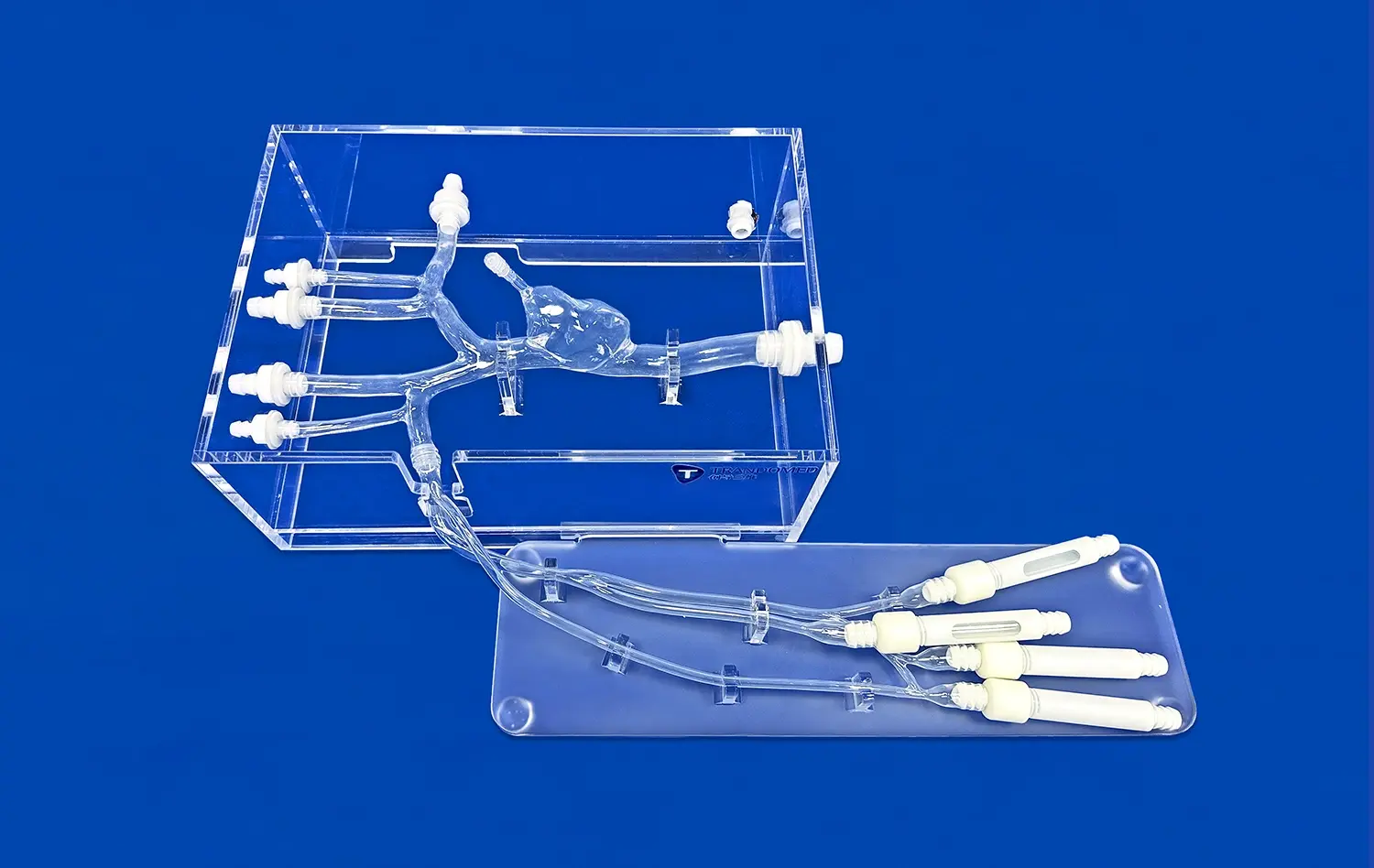
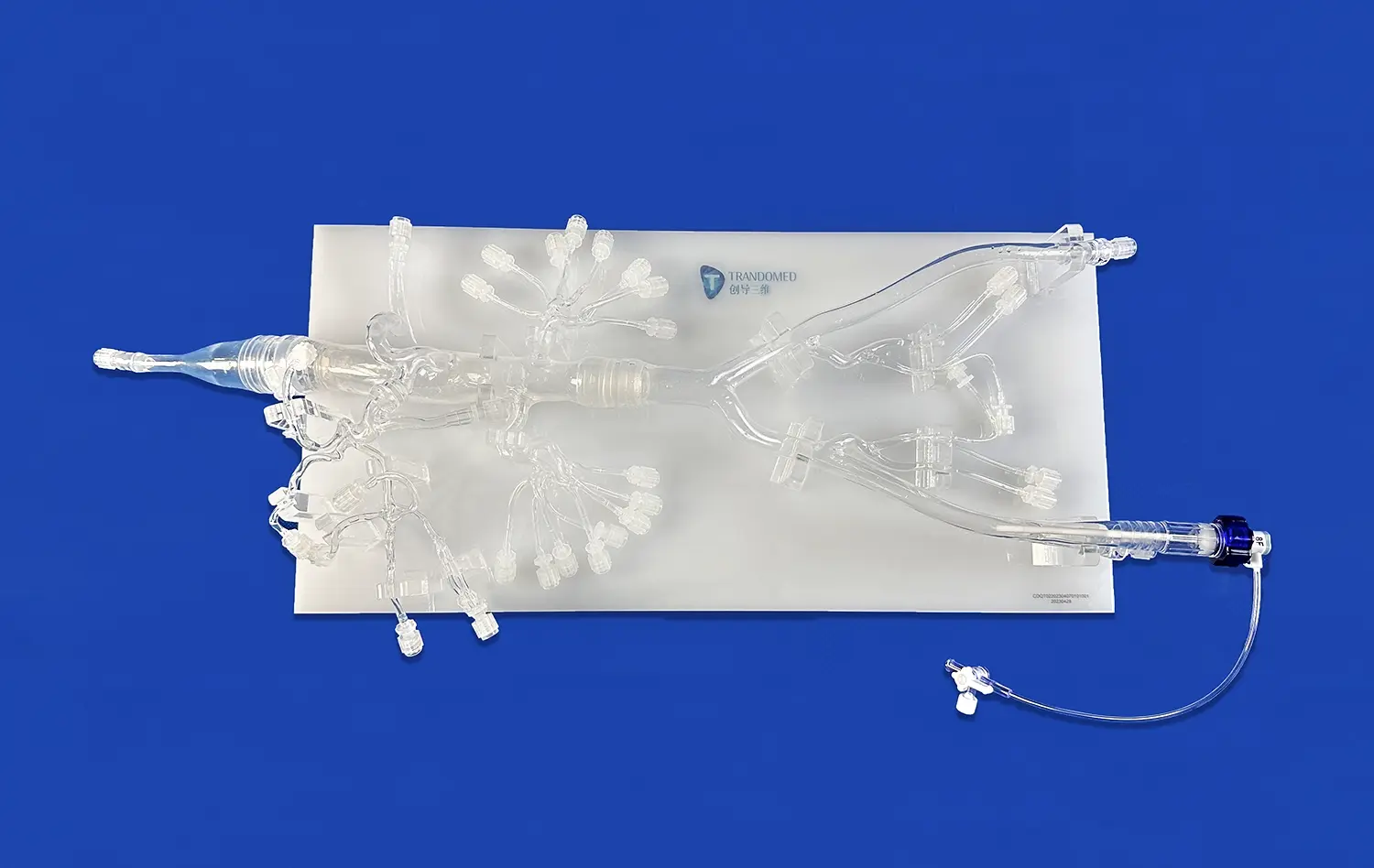
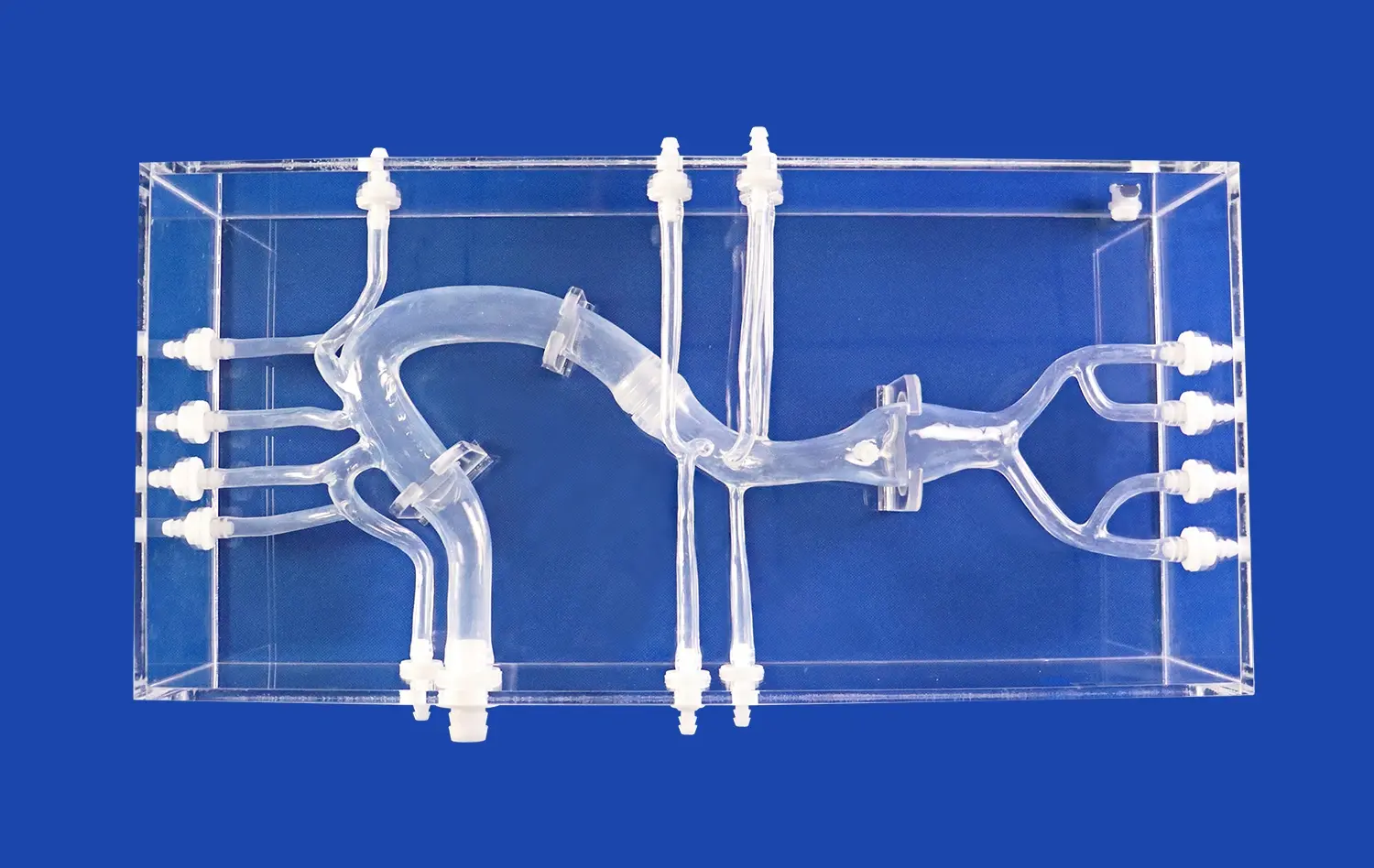
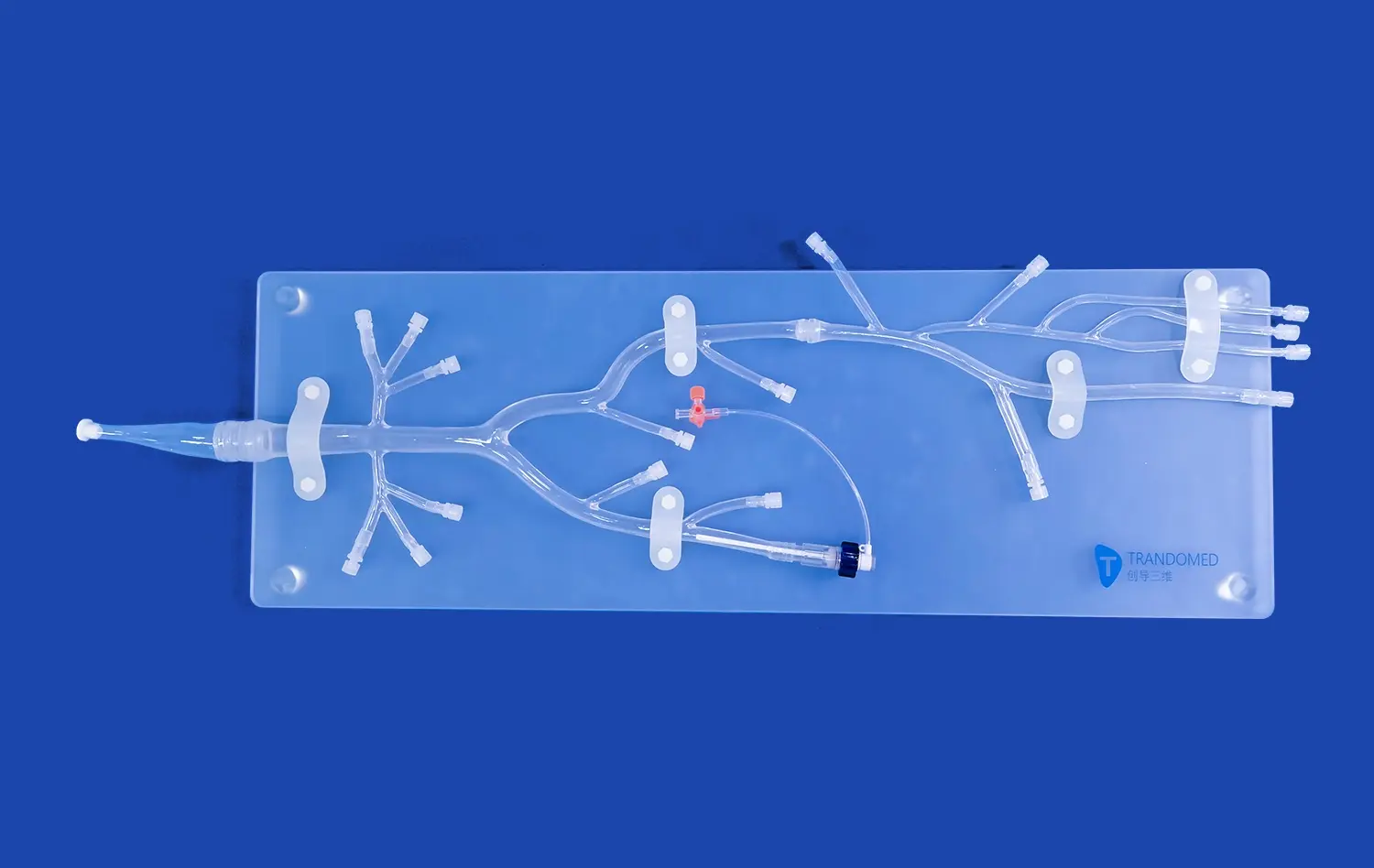
The Trandomed Carotid Artery 3D model (Product No. SJJ004D-01) is an example of cutting-edge teaching technology. It is made of carefully created silicone and is guaranteed to last for 40 years. This new model accurately mimics the anterior cerebral artery, the middle cerebral artery, and the internal carotid artery. It also includes a virtual embolism lesion in the M1 section that was made just for training thrombectomy operations.
Procurement Strategy Development
When choosing 3D modeling options, procurement workers should think about a number of things, such as the level of technology, the vendor's support, and the needs for long-term scalability. Comprehensive evaluations of vendors, trial program implementations, and volume buying that maximizes investment returns are all parts of effective strategies. Successful procurement choices combine the current needs of education with the potential for growth in the future, all while making sure that the new building will work with the existing infrastructure of the school.
Selecting the Right Carotid Artery 3D Imaging Products and Services
To find the best 3D image solutions, you need to carefully look at the skills of the vendors, the technical requirements, and the ongoing support services that will make sure the implementation works well in the long term. Decision-makers in charge of procurement have to look at a lot of different factors to find companies that can provide better educational results while still being cost-effective.
Vendor Evaluation Criteria
Leading makers show their skill by coming up with new ways to create carotid artery 3D products, having a track record of success, and offering a wide range of customer support services. Advanced materials, exact anatomical correctness, and longevity for repeated teaching use are all examples of high-tech sophistication. Vendor reliability includes regular product quality, on-time shipping schedules, and helpful technology support that keeps all educational programs running smoothly.
Product Customization Capabilities
Modern makers offer a wide range of customization options that let you change basic models to fit your school's needs. Trandomed gives you a lot of ways to make it your own, like changing the shape of the aneurysm, the degree of stenosis, and the factors for tortuosity, all without adding extra design costs. With these tools, schools can make training situations that are specific to a patient, which makes the lessons more useful and helps students get ready for procedures.
The customization services include integrating data files in CAD, STL, STP, and STEP forms, which makes it easy to use with other educational technologies. This adaptability makes sure that it can work with a wide range of institutional needs while still meeting the greatest standards for anatomical correctness and teaching success.
Best Practices for Procurement
Successful procurement strategies emphasize thorough seller demos, thorough product evaluations, and detailed quote comparisons that help with making decisions. Buyers should give more weight to providers whose price is clear, whose warranties cover everything, and whose expert support services are ongoing. Instead of just doing business with you, companies who are dedicated to continuous innovation and educational success are better for long-term partnerships.
Future Trends and Innovations in Carotid Artery 3D Visualization for Education
New technologies are changing neurovascular education by adding artificial intelligence, cloud-based teamwork platforms, and better imaging tools that make learning more flexible. These new ideas look like they will make learning even better and open up new ways for schools around the world to work together and share resources.
Artificial Intelligence Enhancement
AI-powered image reconstruction technologies make models more accurate while cutting down on the time needed to handle complex 3D reconstructions. Machine learning techniques make it easier to recognize physical details and set up quality control systems that work automatically to make sure that educational standards are always met. These improvements in technology make it possible for more complex training models to be used while still keeping costs low for schools.
Cloud-Based Educational Platforms
Cloud integration makes it easier to access advanced 3D modeling tools from afar, which lets training centers and educational institutions work together around the world. These systems allow for distributed learning environments where students, no matter where they are, can view high-quality vascular models. The technology makes advanced neurovascular education more available to everyone while also lowering the building needs of each school.
Market Opportunity Expansion
As the need for advanced medical education tools grows, it opens up a lot of possibilities for B2B procurement workers and schools. As healthcare systems put more emphasis on patient safety and procedural skill, the market shows that more money is being spent on training programs that use simulations. When schools make strategic purchasing choices that take these trends into account, they set themselves up for future educational excellence and competitive differentiation.
Conclusion
Carotid artery 3D modeling technology is a huge step forward in neurovascular education. It opens up new ways to improve learning results and procedural skills that have never been seen before. Modern simulation tools create realistic training settings that fill the gap between theory knowledge and real-world application. This lets medical workers get better by practicing safely and over and over again. Using advanced materials, advanced imaging technologies, and full customization options together makes it possible for schools to provide better training programs that are tailored to individual students' needs and the needs of the schools themselves.
FAQ
What are the primary advantages of carotid artery 3D models over traditional 2D imaging?
Three-dimensional models are much better at helping people understand anatomy than flat two-dimensional models because they show depth in space and can be manipulated interactively. Students can look at vascular structures from different views, practice procedures, and improve their spatial awareness, all of which are important for neurovascular treatments to go well.
How do the different imaging modalities compare for educational applications?
CT angiography has better clarity and detail, but it costs more and needs to be thought about when it comes to radiation. Ultrasound-based 3D modeling offers radiation-free, cost-effective options that can be used for basic training. The choice relies on the goals of the education, the available funds, and the amount of detail needed for each training program.
What customization options are available for educational institutions?
Leading producers allow for a lot of customizing, such as changing the shape of an aneurysm, the degree of stenosis, and the tortuosity. Institutions can choose which physical differences, pathological conditions, and procedure events fit with the needs of the program and the goals of education.
How quickly can institutions expect delivery of custom 3D models?
Professional makers can usually deliver standard configurations within 7–10 days. Custom models, on the other hand, take longer to process based on how complicated they are. When coordinating the plans of educational programs and training needs, good buying planning should take lead times into account.
Partner with Trandomed for Advanced Neurovascular Education Solutions
Modern Trandomed carotid artery 3D models can completely change your neurovascular training programs. They are the most accurate representations of the human body and are very good at teaching. Since Trandomed has been making medical simulations for more than 20 years and is one of the best carotid artery 3D manufacturers, they make high-fidelity vascular models that change the way medical students learn all over the world. Our SJJ004D-01 Carotid Artery model is made of high-quality silicone, can be customized in a lot of ways, and can be delivered quickly (7–10 days) to meet your urgent training needs. Get in touch with jackson.chen@trandomed.com right away to talk about your unique needs and find out how our creative solutions can take your educational programs to whole new levels of excellence and efficiency.
References
Anderson, M.K., Thompson, R.J., & Williams, S.A. (2023). Advanced 3D Modeling Applications in Neurovascular Medical Education. Journal of Medical Simulation Technology, 15(3), 245-262.
Chen, L.P., Rodriguez, C.M., & Kumar, V.S. (2022). Comparative Analysis of Three-Dimensional Imaging Modalities for Carotid Artery Education. Medical Training Innovation Quarterly, 8(4), 178-195.
Davis, H.R., Martinez, E.K., & Johnson, P.L. (2024). Implementation Strategies for 3D Vascular Models in Medical Training Programs. Educational Technology in Healthcare, 12(1), 89-106.
Foster, J.N., Lee, S.H., & Brown, M.C. (2023). Procurement Best Practices for Medical Simulation Equipment in Educational Institutions. Healthcare Technology Management Review, 19(2), 134-151.
Patel, A.R., Wilson, K.J., & Taylor, G.M. (2022). Future Trends in Three-Dimensional Medical Education Technologies. Innovation in Medical Training, 7(5), 298-315.
Zhang, Y.Q., Miller, D.F., & Roberts, T.N. (2024). Effectiveness of Carotid Artery 3D Models in Neurovascular Surgical Training. Medical Education Research Journal, 21(3), 412-429.
_1734507415405.webp)