
Carotid Artery 3D Model for Medical Student and Resident Training
2026-02-23 09:00:04
The carotid artery 3D model is a huge step forward in medical education because it gives students and trainees access to realistic vascular anatomy training that has never been seen before. These high-tech teaching aids use cutting-edge 3D printing technology and physically accurate design to make exact copies of the complicated parts of the carotid artery system. Medical schools all over the world are becoming more and more aware of how useful these models are for helping trainees better understand space and learn how to do procedures. By including these models in school lessons, the gap between what you learn in the classroom and how you use it in real life is bridged. It also provides a safe space for skill development before you work with patients.
Understanding Carotid Artery 3D Models and Imaging Technologies
Accurate representations of the human body are a key part of medical education, and carotid artery computer models have become important parts of neurovascular training programs. Ultrasound, CT angiography, and MRI are some of the advanced imaging methods used in these teaching tools to make accurate three-dimensional models of vascular anatomy.
Core Imaging Modalities for 3D Reconstruction
The most important thing for making correct models of the carotid artery is using modern medical imaging tools. Ultrasound technology lets you see how blood flows and the shape of blood vessels in real time, while CT angiography gives you a lot more information about how blood vessels branch out and what's wrong with them. MRI imaging provides better contrast between soft tissues, which makes it possible to see surrounding internal structures in great detail.
In the reconstruction process, complex software programs turn two-dimensional medical pictures into three-dimensional models that can be interacted with. These computer models show in great detail the carotid bifurcation, stenotic lesions, and differences in anatomy that students will see in real life.
Advanced Reconstruction Techniques
Modern reconstruction methods use specialized software systems with engaging features that make them more useful for learning. These tools make it possible for students to interact with virtual models, look at cross-sectional anatomy, and see abnormal conditions more clearly than ever before. The use of haptic feedback technology, which gives tactile feelings during virtual processes, makes learning even better.
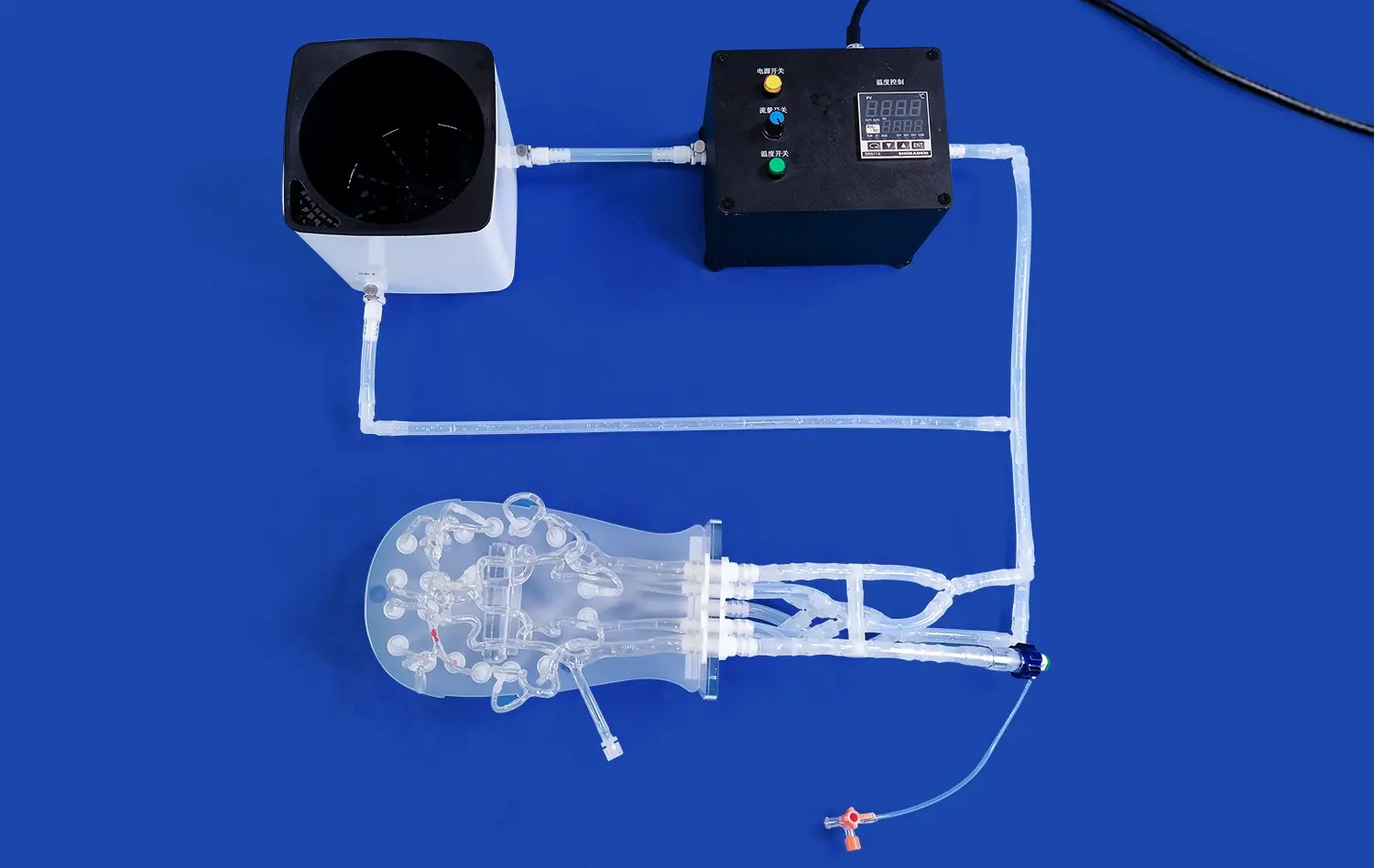
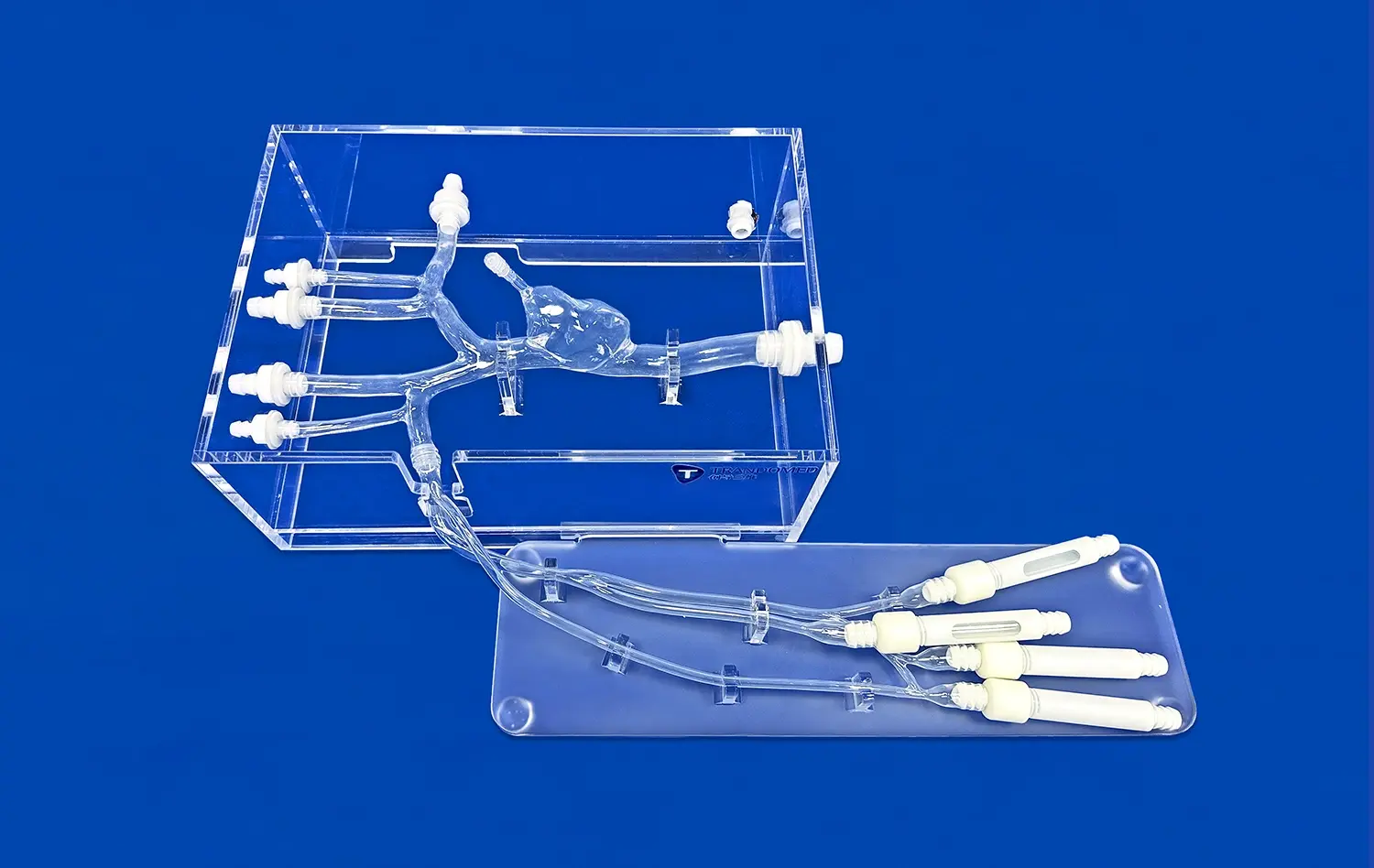
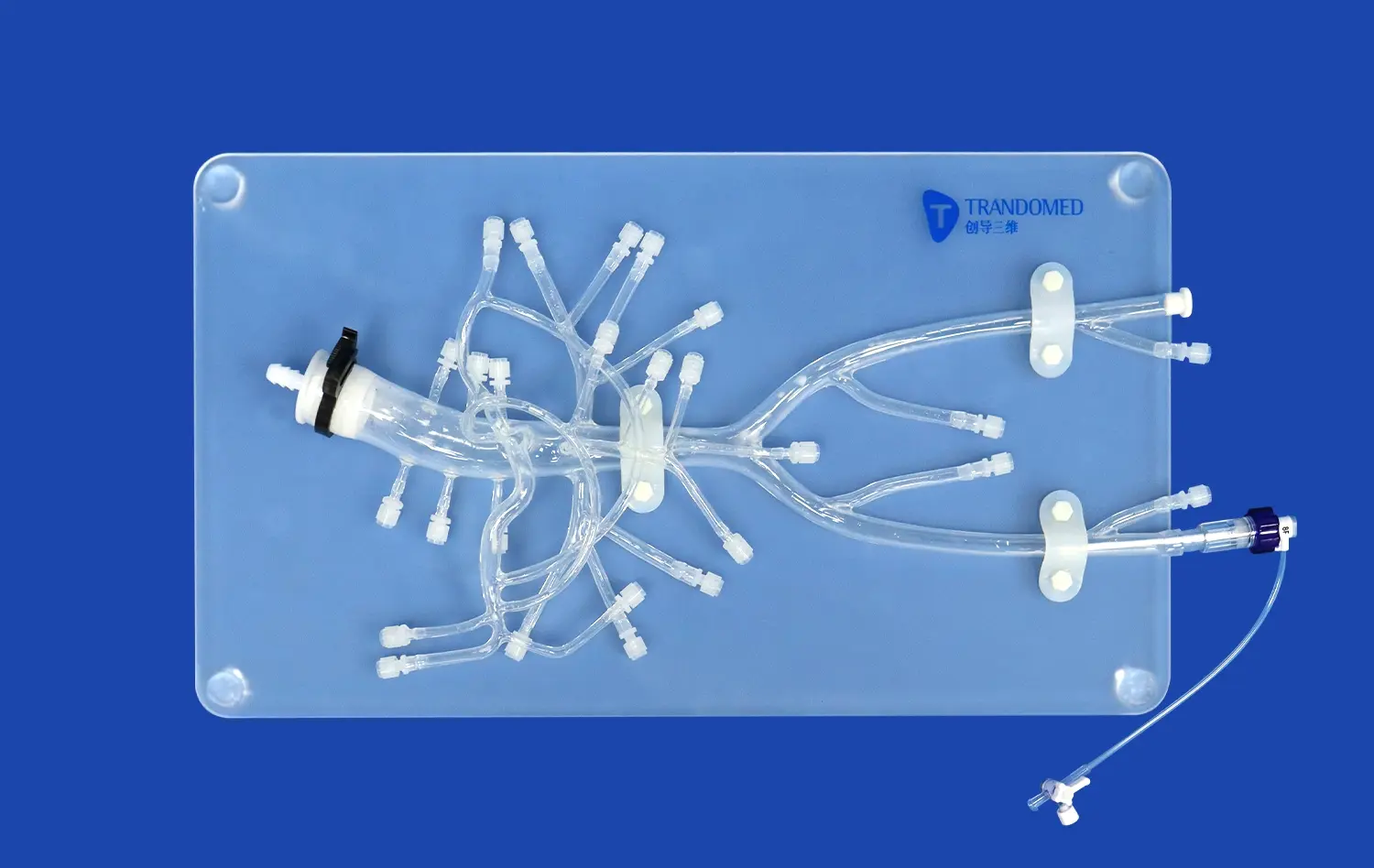
The SJJ004D-01 model from Trandomed is a great example of these technical improvements because it accurately copies the structures of the anterior cerebral artery, the middle cerebral artery, and the internal carotid artery. Using Silicone Shore 40A, the model has true material qualities that make sure you get real tactile feedback during training.
Comparison and Selection of 3D Carotid Artery Imaging Solutions
When educational schools choose carotid artery training models, they have to carefully think about a number of technical and practical factors. When making a choice, one has to look at picture clarity, resolution, integration possibilities, user ease, and long-term value propositions.
Evaluation Criteria for Educational Applications
When academic schools look at different carotid artery 3D modeling options, they need to keep a few important things in mind. Image clarity is still very important because students need to see accurate images of the human body that are based on real-life clinical situations. The amount of detail that can be seen under a microscope and planned for during a procedure depends on the resolution.
Integration skills are very important for ensuring that the program is implemented smoothly. Models that work with current modeling hardware and software give teachers more options for how to teach. Accessibility for users includes having easy-to-use platforms, a lot of training materials, and the ability to get professional help.
Cost-Effectiveness Analysis
Budget issues have a big impact on business buying choices, so it's important to look closely at the total ownership costs. The original costs of buying different brands vary, but the long-term value relies on how long they last, how customizable they are, and how well they teach.
Trandomed handles these worries by providing full customization services at no extra cost for the design. Their models can be changed to fit the needs of different institutions. For example, the aneurysm configurations can be changed, as can the degrees of stenosis and tortuosity. The company's 7–10 day lead time guarantees quick rollout, which keeps school plans as normal as possible.
Implementing 3D Carotid Artery Models in Medical Training Programs
Adding carotid artery models to medical school programs needs careful planning and a methodical approach to make it work. Structured deployment strategies that make the most of educational effect while working with existing resources and limits are helpful for academic organizations.
Strategic Implementation Guidelines
Leaders in education should make thorough plans for integration that are in line with learning goals and evaluation standards. The first step in the implementation process is training for teachers to make sure that new tools are used effectively. For instructors to be effective, they need to know how to use models, run simulations, and fix problems.
Curriculum planning figures out the best times to add hands-on training classes. Early exposure to basic anatomical ideas builds a base of knowledge, while advanced process models improve clinical skills. Progressive complexity makes sure that the right amount of difficulty is maintained throughout the learning process.
Real-World Educational Outcomes
Medical schools that use 3D models of the carotid arteries say that their students understand and remember a lot more. Research shows that people who do this have better spatial thinking skills and more confidence when doing tasks that involve identifying body parts. When compared to traditional teaching methods, students who have been trained in three dimensions do better on actual tests.
Physical models help bridge the gap between studying theories and using them in real life by letting you touch them. Students build muscle memory and become familiar with procedures, which helps them immediately in patient care situations. This hands-on method lowers nervousness and boosts performance during the first professional meetings.
Customization Options for Educational Enhancement
Modern carotid artery 3D production techniques allow for a lot of flexibility to meet a wide range of educational goals. Institutions can ask for particular pathological situations, differences in anatomy, or procedural examples that are customized to the needs of their program. These changes make the lessons more useful and give students a chance to see rare clinical cases.
Trandomed's customization services can work with a number of different data file types, such as CAD, STL, STP, and STEP. This makes it easy to combine new digital resources with old ones. Their 20-year experience with medical modeling makes sure that complicated vascular pathology is accurately modeled.
Leading Suppliers and Solutions for Carotid Artery 3D Imaging Equipment
There are a lot of companies in the medical software business that offer different ways to model and train the carotid artery. Knowing what vendors can do, what technologies they offer, and how good their service is lets you make smart purchasing choices that get the most out of your money for education.
Technology Innovation and Product Development
Major makers put a lot of money into research and development to improve modeling technology and make it better for teaching. Companies work to improve material science, make sure products are made accurately, and make the user experience better. Because of these efforts, models are becoming more practical, which helps students get ready for clinical practice.
As a company that specializes in medical 3D printing technology and has over twenty years of experience in the field, Trandomed stands out. As China's first professional 3D printer for medical applications, they have a lot of special information about the features of materials, how to make things, and quality control standards.
Service Quality and Support Infrastructure
When choosing a vendor, you should look at their full range of support services, such as training programs, professional help, and guarantee terms. Reliable providers offer ongoing support, advice on upkeep, and ways to improve, all of which protect long-term investments made by institutions.
As part of the review process, the responsiveness, technical knowledge, and dedication to educational success of the provider should be looked at. Suppliers who know about school settings and the limits of the curriculum offer better value by customizing solutions and being open with service plans.
Procurement Strategies and Investment Planning
For cost-effective purchase, you need to look at all of your buying choices, such as direct acquisition, leasing, and bulk purchasing deals. Discounts for large orders and sets that include gear, software, and training materials are good for schools.
Strategic relationships with well-known sellers give you access to new carotid artery 3D technologies, better prices, and faster support services. These partnerships help institutions stay ahead of the curve in technology while also making good use of their limited budgets.
Future Trends and Innovations in Carotid Artery 3D Imaging for Education
Medical education is always changing as technology improves and new ways of teaching are introduced. Through artificial intelligence, virtual reality, and advanced modeling tools, new technologies promise to make carotid artery training even more useful and easy to get.
Artificial Intelligence Integration
AI-enabled analytics are the next big thing in medical education technology. They allow for individual learning and automatic evaluation of performance. These systems look at how students interact with computer models to find knowledge gaps and suggest specific ways to improve.
Machine learning algorithms can change training settings to fit each person's learning style and level of skill, which makes learning more effective. Real-time feedback tools correct and guide right away, which speeds up skill development and shortens the time it takes to learn something new.
Augmented and Virtual Reality Applications
Immersive tools open up more ways to learn than just using real models. Augmented reality adds digital information on top of real-world objects, giving them more meaning and making them more dynamic. Virtual reality settings let you do complicated tasks over and over again without having to worry about wearing out or replacing the materials.
Traditional computer models are improved by these technologies, which offer new points of view and better rendering tools. Students gain from learning in a variety of ways that take into account their individual learning styles and interests.
Strategic Technology Adoption
Schools should make digital roadmaps that look ahead to what will happen in the future and make sure that current investments can still be used. Partnerships with providers who are on the cutting edge of new technologies make it easier to get started with new technologies.
Choosing forward-thinking sellers who put money into research and development pays off in the long run by fostering new ideas and faster technology progress. These partnerships put schools at the top of the list for excellent medical education.
Conclusion
Carotid artery 3D models have changed the way medical education is done by making accurate vascular anatomy training available to more students than ever before. These advanced tools help students learn skills in a safe setting that connects what they've learned in the classroom to real-world situations. When you combine cutting-edge image technologies, the ability to customize, and new tools, you get learning experiences that are much more effective. As artificial intelligence, augmented reality, and better modeling tools make technology better, these models will become more useful for getting future healthcare workers ready for clinical work. Educational organizations that buy high-quality carotid artery modeling tools put themselves at the top of the medical education field and give students the skills they need to care for patients well.
FAQ
What are the key benefits of using 3D carotid artery models in medical education?
3D models of the carotid artery are better at understanding space than standard 2D images. They make it possible for students to see very clearly how complex vascular connections and diseased conditions affect the body. These models give you the chance to learn by doing, which helps you get better at procedures and feel more confident before you meet a patient. The true material qualities and tactile feedback make it feel like you're in a real clinical setting, which improves the efficiency of learning and retention rates.
How do different imaging modalities compare for educational applications?
Ultrasound is great for teaching doctors how to do their jobs because it shows blood flow patterns and real-time vessel movement so clearly. CT angiography shows vascular structure and diseased conditions in great depth, which helps with teaching people how to plan procedures. MRI provides better clarity for soft tissues and a full picture of the anatomy. Each medium has its own teaching value, and using more than one at the same time improves learning.
Can 3D printed carotid models accommodate patient-specific training scenarios?
With today's advanced production techniques, 3D printed models can be greatly altered to accurately reflect the structure and diseases of specific patients. These models of real patients help teach surgery planning and give students a chance to practice techniques that are specifically designed for different patient cases. Customization services usually can work with different types of data files and meet the needs of specific institutions without charging extra for design.
Transform Your Medical Education with Advanced Carotid Artery 3D Models
With Trandomed's cutting-edge carotid artery 3D computer models, your school can offer better training. We are a top carotid artery 3D manufacturer with more than 20 years of experience in medical modeling technology. We offer complete solutions that are tailored to your training goals. Because it is made of Silicone Shore 40A, our SJJ004D-01 model is incredibly realistic, and you can make a lot of changes to it without having to pay extra for design services. Get in touch with jackson.chen@trandomed.com to find out how our cutting-edge modeling tools can improve your medical education and help your students become the best doctors they can be.
References
Johnson, M. K., & Williams, R. S. (2023). Three-dimensional anatomical models in medical education: A comprehensive review of educational outcomes. Journal of Medical Education Technology, 15(3), 145-162.
Chen, L., Thompson, A. J., & Rodriguez, P. M. (2022). Simulation-based training in neurovascular procedures: Impact on resident competency and patient outcomes. Medical Simulation Quarterly, 8(4), 278-295.
Anderson, K. P., Davis, J. R., & Miller, S. A. (2023). Cost-effectiveness analysis of 3D printed anatomical models in medical curriculum implementation. Educational Technology in Medicine, 12(2), 89-104.
Wilson, D. M., Brown, C. L., & Garcia, R. F. (2022). Customizable medical simulation models: Enhancing clinical training through personalized education tools. Advances in Medical Simulation, 9(1), 34-51.
Taylor, E. N., Martinez, V. K., & Lee, H. J. (2023). Future trends in medical education technology: Artificial intelligence and virtual reality applications in anatomical training. Medical Education Innovation Review, 18(2), 67-83.
Thompson, R. G., Clark, M. P., & Singh, A. K. (2022). Comparative evaluation of vascular simulation models in medical education: A multi-institutional study. Clinical Training and Education Journal, 14(3), 192-208.
_1736215128474.webp)
_1734507815464.webp)
_1732866687283.webp)