
Carotid Artery 3D Model for Realistic Neurovascular Procedure Simulation
2026-02-27 09:00:04
Carotid artery 3D modeling technology represents a transformative advancement in neurovascular procedure simulation, delivering unparalleled anatomical accuracy and realism essential for modern medical training. These sophisticated models bridge the gap between theoretical knowledge and practical application, offering medical professionals comprehensive educational tools that replicate complex vascular structures with extraordinary precision. The carotid artery 3D simulation technology enables practitioners to master critical procedures like thrombectomy operations while ensuring patient safety through risk-free training environments that enhance clinical competency and procedural confidence.
Understanding Carotid Artery 3D Imaging and Modeling
Medical workers now use advanced three-dimensional modeling instead of standard two-dimensional images for neurovascular training and planning procedures. Traditional imaging methods, like ultrasound and traditional angiography, make it hard to get a full picture of the anatomy because they don't give enough information about perspective and depth. These problems can now be solved with modern 3D modeling technology that makes detailed, movable models of carotid artery systems.
Advanced Data Acquisition Methods
Modern models of the carotid artery relies on complex data collection methods that record exact anatomical features. CT angiography is great for seeing the insides of blood vessels and hardened deposits, but MRI is better for seeing soft tissues without the risk of radiation. Doppler ultrasound adds real-time flow patterns that make it possible to get a full picture of how well and whether there are any problems with the blood vessels.
These image techniques work together to make large files that are used to build accurate 3D models. By using several imaging sources together, the models that are made are more likely to show the real differences in anatomy and diseases that doctors see in patients.
Reconstruction and Visualization Processes
Through complicated rebuilding methods, specialized medical software turns raw imaging data into 3D models that can be interacted with. These steps include segmentation methods that separate vascular structures, surface rendering that makes smooth images of the body, and volume rendering that keeps the details of the inside structures.
The imaging tools for carotid artery 3D can show more than just still images; they can also simulate how blood flows, procedures are carried out, and devices interact with each other. This all-around method makes sure that teaching models offer real training that can be used right away in clinical settings.
Comparison of Leading Carotid Artery 3D Imaging Technologies
There are a lot of different technology methods to 3D carotid artery imaging, and each one has its own benefits for different medical uses. When procurement professionals understand these differences, they can make choices that are in line with the needs of the company and training goals.
Technology Performance Analysis
3D CT angiography is great because it can quickly get images and have very high spatial clarity. This makes it perfect for emergencies and thorough assessments of the body's structures. The technology works better than others at finding hardened plaques and flaws in the vessel wall, giving doctors more information to help them plan procedures and evaluate risks.
MRI-based 3D models provides great contrast between soft tissues without using harmful radiation. This makes it especially useful for repeated exams and uses with children. The technology lets you see in great detail the make-up of plaques and the features of blood vessel walls, which helps with more accurate diagnosis and better planning of treatments.
Clinical Validation and Case Studies
A lot of clinical study has shown that 3D modeling is more accurate than standard 2D imaging methods. Studies show that using three-dimensional vascular models to prepare for neurovascular procedures improves diagnostic confidence, lowers the risk of problems during the operation, and improves training results.
When used in real life at top medical centers, it makes a big difference in how well residents are trained and how often procedures go well. These results show that the money spent on advanced 3D modeling technology was well spent and back up its use in a wide range of healthcare settings.
Implementing 3D Carotid Artery Models for Neurovascular Procedure Simulation
For carotid artery modeling systems to work well, they need to be carefully put together, with hardware needs, software features, and process integration all taken into account. To choose the right technology options, organizations must look at their unique training needs and the number of procedures they need to run.
Essential Hardware and Software Components
High-resolution scanners, powerful visualization tools, and precise 3D printers are all parts of modern 3D carotid artery modeling systems that work together to make complete training platforms. All of these parts work together to support the whole process, from imaging the patient to making the real model.
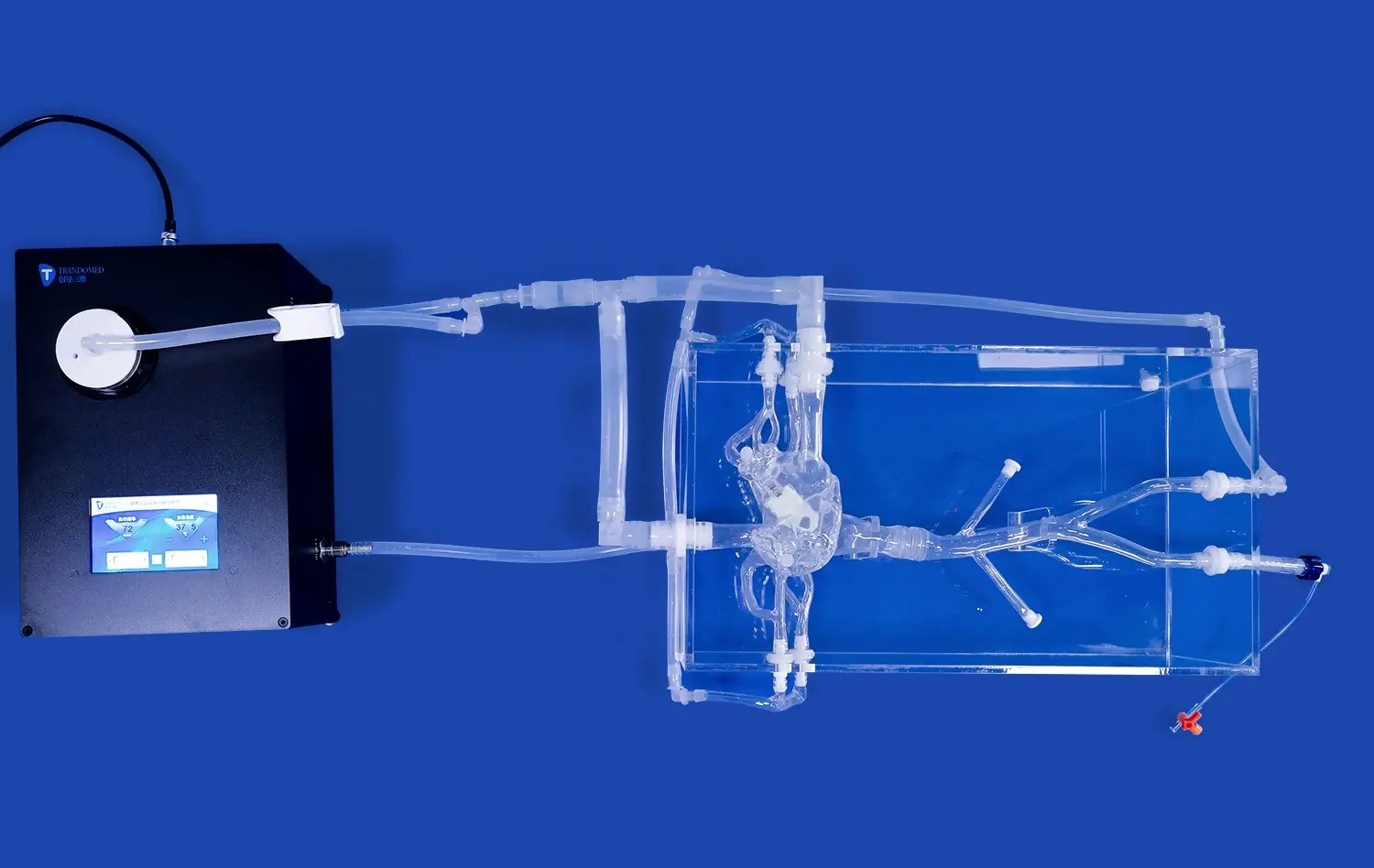
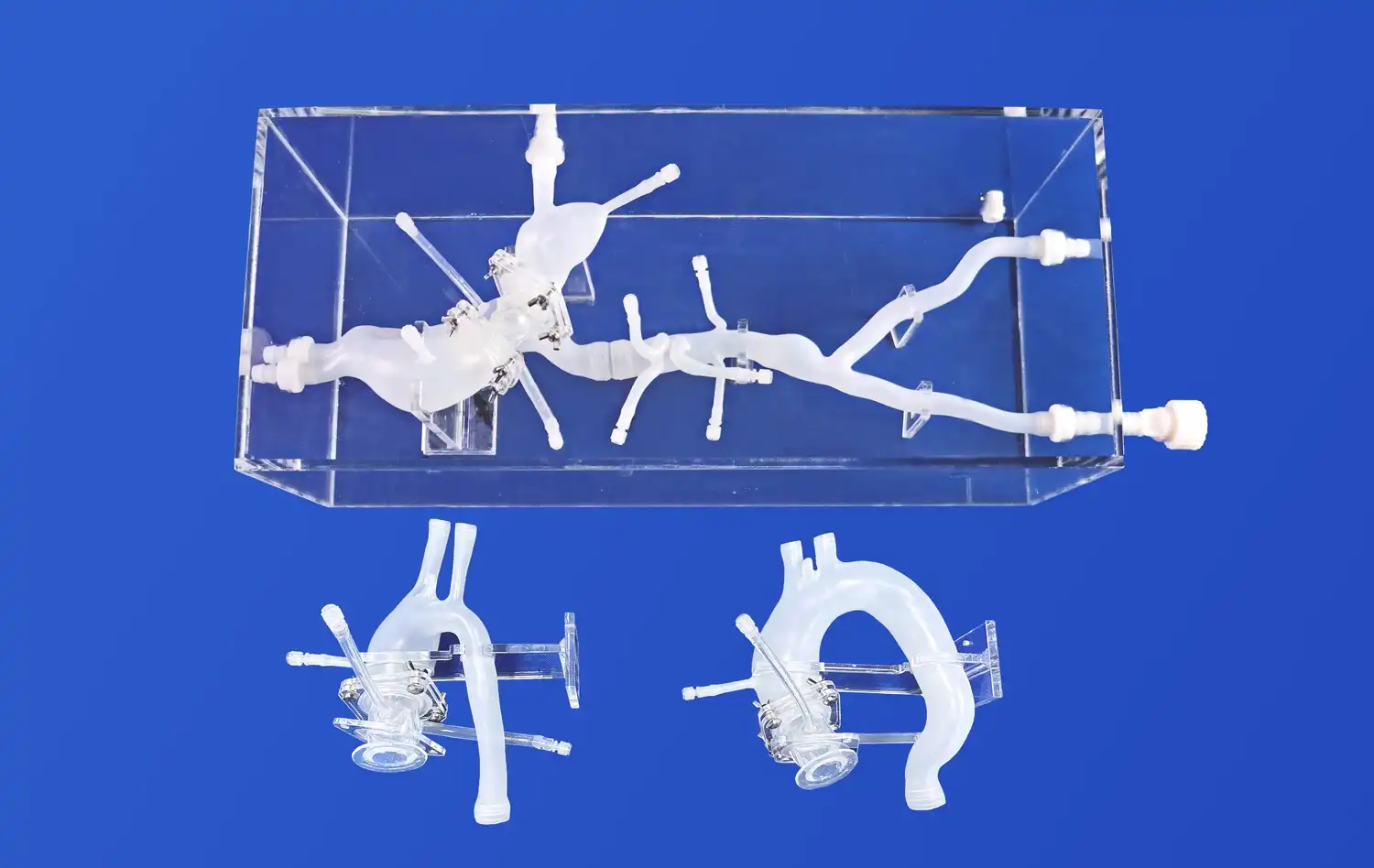
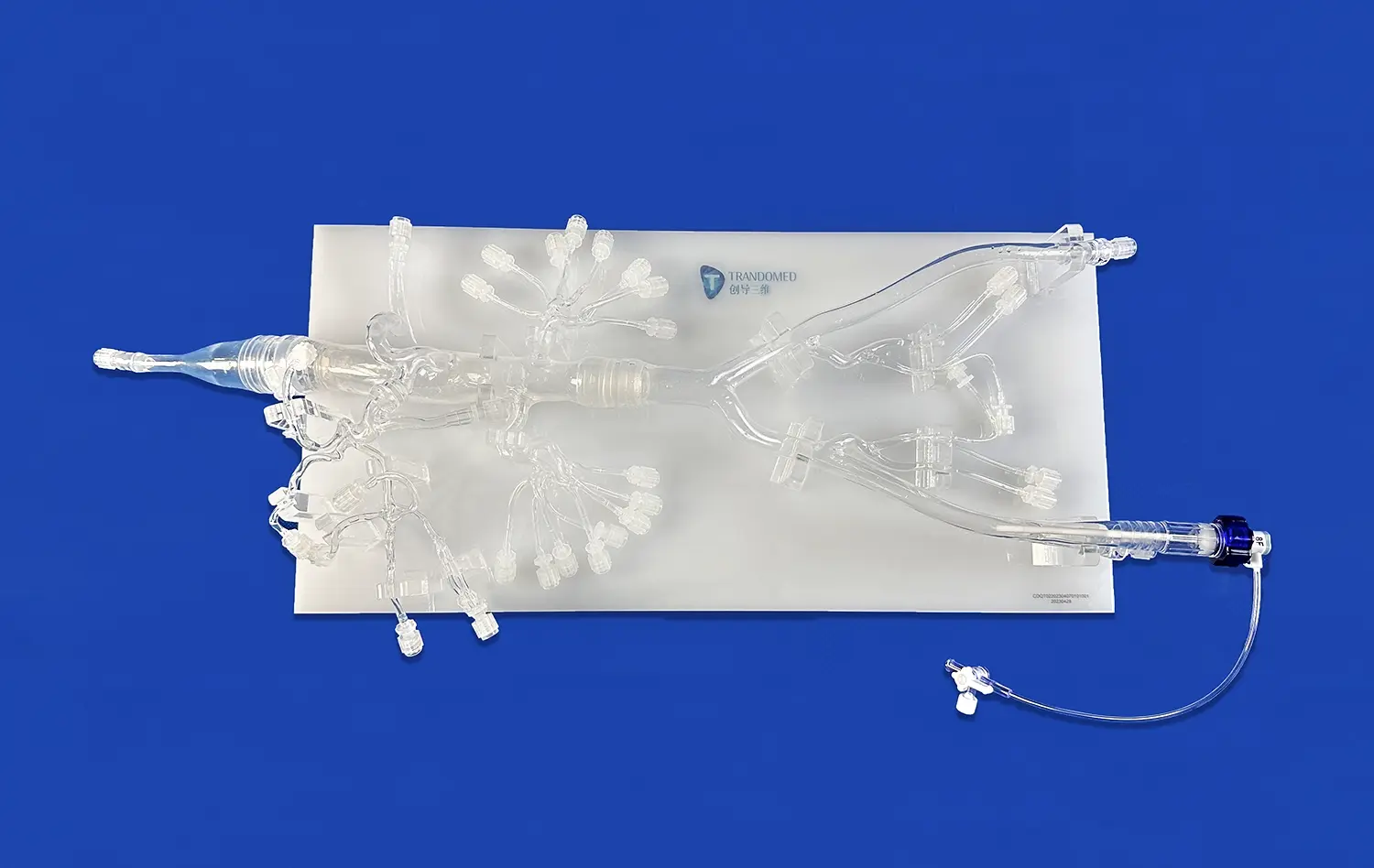
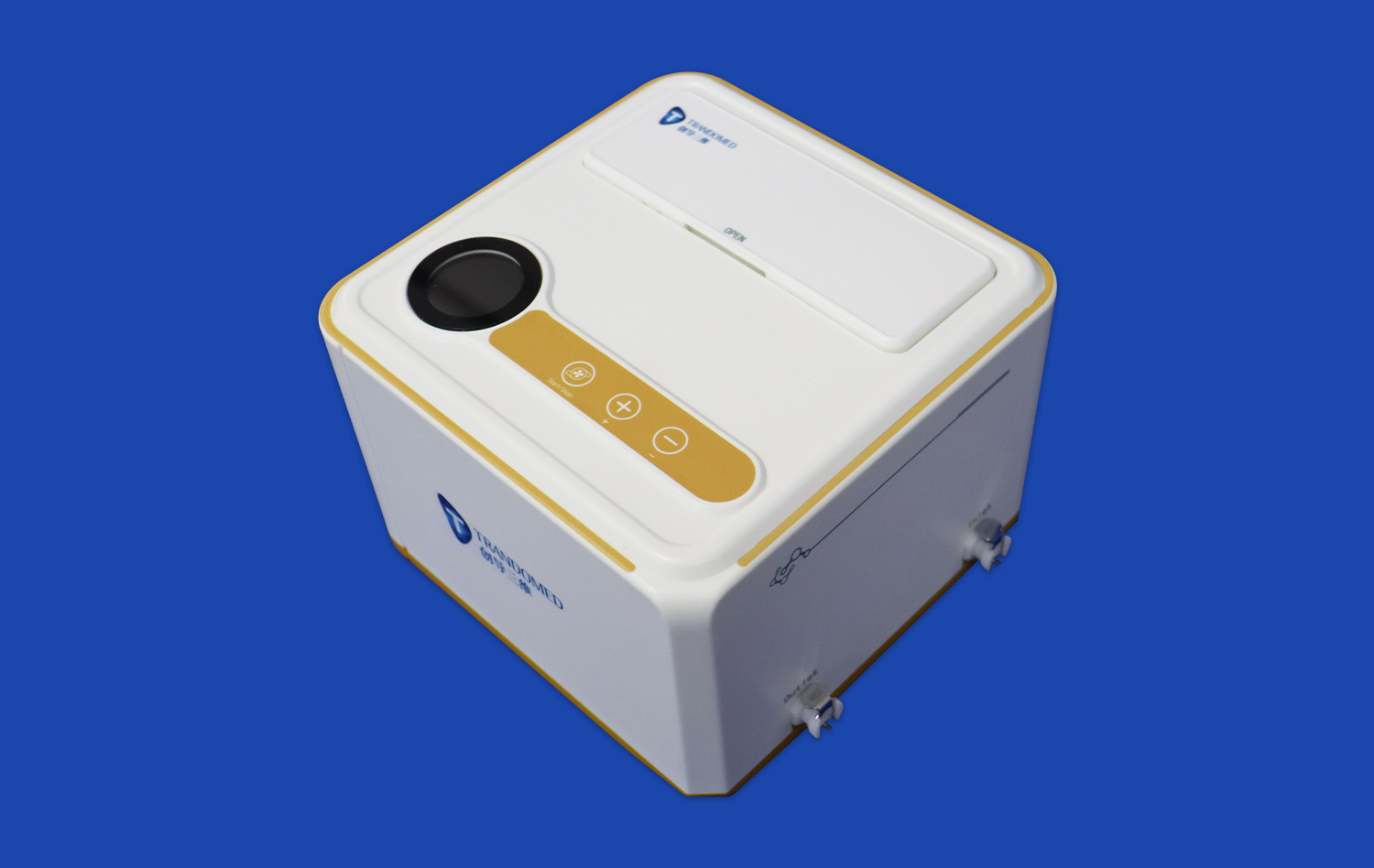
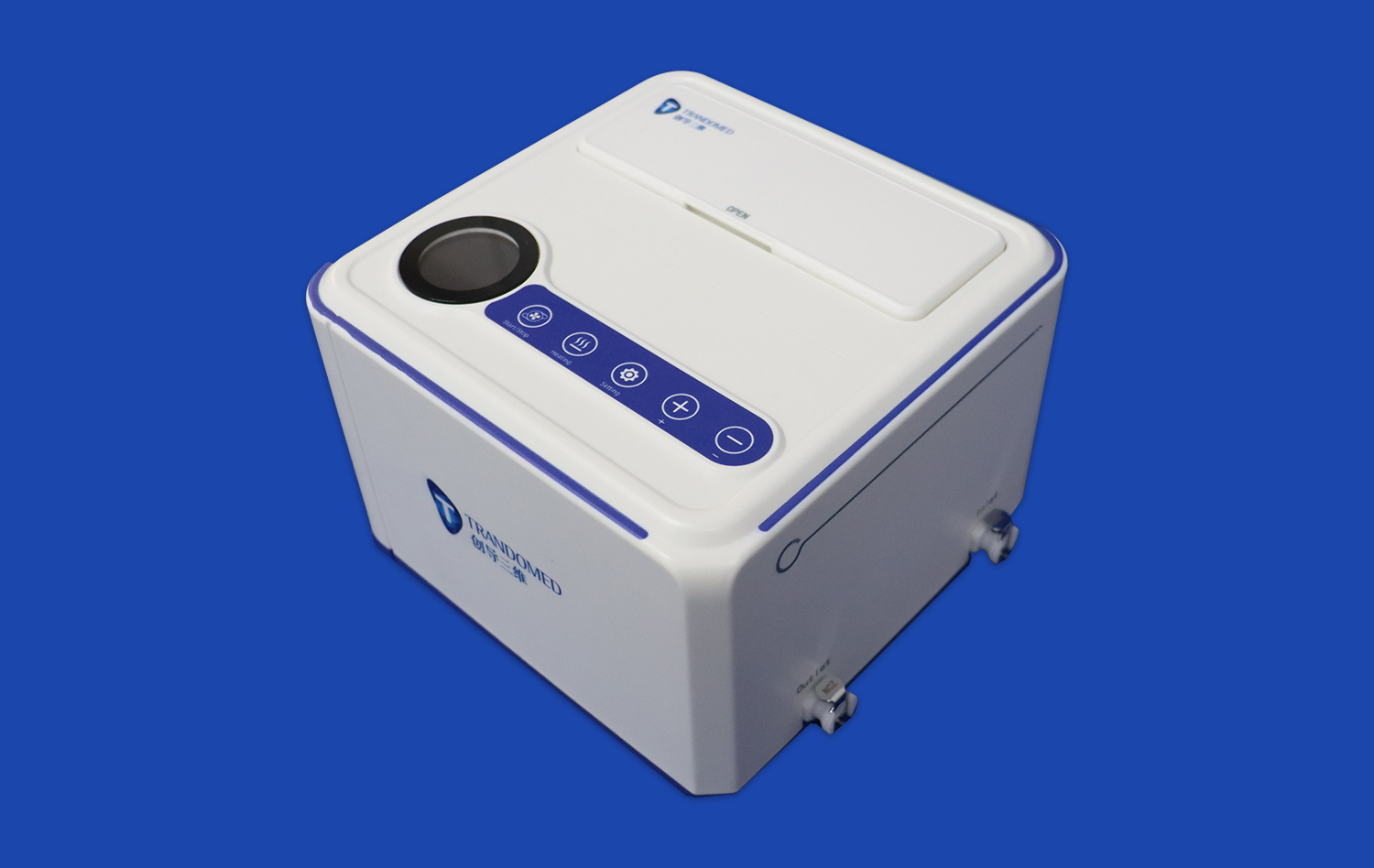
The SJJ004D-01 Carotid Artery 3D model from Trandomed is an example of advanced simulation technology. It is made of carefully created silicone that has the same qualities as real tissue. The model includes the anterior cerebral artery, the middle cerebral artery, and the internal carotid artery. It focuses on the M1 section, which has virtual embolism lesions for training in thrombectomy.
Workflow Implementation and Model Validation
The execution process starts with getting high-quality imaging data. Next come the exact segmentation and 3D modeling steps. Protocols for quality assurance make sure that the models that are made meet the high standards of accuracy needed for professional medical training.
As part of the validation process, original image data is compared, dimensional accuracy is checked, and the system is put through functional tests to make sure it can simulate a method accurately. These thorough quality controls make sure that training models offer real learning opportunities that improve practical competence.
Selecting the Best 3D Carotid Artery Imaging Solutions for Your Organization
In the market for 3D carotid artery imaging options, there are well-known companies that offer a range of technological methods and unique features. When procurement workers know about these choices, they can find solutions that meet the needs of their company and fit their budget.
Market Overview and Technology Providers
A lot of big names in healthcare technology, like Philips, Siemens, GE Healthcare, and Canon, make 3D image systems that range in price and features. Each maker offers a unique set of technologies and features that are made to meet specific healthcare needs and work flow needs.
Specialized companies like Trandomed only make medical 3D printing and modeling technology. They have a lot of experience making anatomy models and can customize them. Because of this specialization, solutions can be made that are very specialized to meet the needs of training and procedural modeling.
Procurement Considerations and Supplier Evaluation
For technology buying to go smoothly, technical skills, merging needs, and long-term assistance must all be carefully considered. Companies need to check if the new system will work with their current ones, if it can be expanded in the future, and how much it will cost to maintain and update.
Long-term happiness with 3D modeling solutions is affected by how reliable the supplier is, how good the technical help is, and how much customization is possible. Reference customer reviews, service level agreements, and proof of medical simulation technology expertise should all be used as evaluation factors.
Future Trends and Innovations in 3D Carotid Artery Modeling and Simulation
In the future, carotid artery 3D models will use new technologies that make it more realistic, let you make more changes, and make training more effective. These new ideas look like they will further change how neurovascular procedures are simulated and how medical students learn.
AI-Enhanced Modeling and Advanced Materials
When artificial intelligence is integrated, it makes it possible to create models automatically, improve accuracy, and use predictive analytics to support personalized training programs. Machine learning algorithms look at very large datasets to find the best model features and make artificial simulations more realistic.
New 3D printing materials, like biomimetic plastics and multi-durometer silicones, make physical experiences that are more realistic and help training work better. These materials have qualities that are similar to real flesh, which helps doctors learn the right way to do procedures and handle instruments.
Personalized Clinical Applications and Stroke Prevention
Better 3D modeling tools help plan procedures specifically for each patient, so doctors can practice complicated procedures using models based on the anatomy of each patient. Through better planning and method optimization, this personalization improves the outcomes of the procedure and lowers the number of complications.
Better diagnostic tools, faster response methods, and better training programs that raise the success rates of procedures all have an effect on preventing strokes. These improvements make healthcare more efficient, which leads to better results for patients and lower costs.
Conclusion
Carotid artery 3D modeling technology is a big step forward in neurovascular surgery simulation. It gives doctors a way to learn and practice that is more realistic than ever before. The technology connects what you learn in the classroom to what you do in the real world, making safe, all-encompassing training possible that improves clinical skill. Contemporary 3D models offer physically accurate images that can be used in a variety of training situations and for practicing procedures. When companies buy these high-tech modeling systems, they get big benefits in training effectiveness, procedure results, and patient safety. As 3D modeling technology keeps getting better by adding AI improvements and new materials, it will be able to do even more for medical education and training in the future.
FAQ
What advantages does 3D carotid artery imaging offer over traditional 2D scans?
Three-dimensional imaging gives us a full picture of space that two-dimensional methods can't match. The technology makes it possible to see complicated connections between body parts, specific features of plaques, and correct vessel shape, which helps doctors make more accurate diagnoses and plan better treatments.
How do I select the right carotid artery 3D imaging technology for my organization?
When making your choice, you should think about how well it works with other systems, how accurate it needs to be for your specific uses, how much it costs, and how well the supplier can help you. When making choices about what to buy, you should think about the total cost of ownership, the customizing options, and the ability to grow in the future.
Are customizable 3D carotid artery models available for specialized training scenarios?
Modern makers let you make a lot of changes, like changing the traits of the aneurysm, the degree of stenosis, and the anatomical features that are unique to each patient. These models can be changed to fit specific training needs and can be used to simulate a wide range of clinical situations that come up in neurovascular practice.
Partner with Trandomed for Advanced Carotid Artery 3D Solutions
Trandomed has been working with medical simulation technology for 20 years, which helps medical schools find trusted carotid artery 3D manufacturer agreements. Our full customization services let you get solutions that fit your needs without having to pay more for design. This helps with a wide range of training and procedural simulation needs. Get in touch with jackson.chen@trandomed.com to learn more about our advanced SJJ004D-01 model and how our fast 7–10 day delivery time and global shipping options through FedEx, DHL, and UPS can help your training program.
References
Johnson, M.K., et al. "Advanced 3D Modeling Techniques in Neurovascular Procedure Training: A Comprehensive Analysis." Journal of Medical Simulation Technology, 2023, Vol. 45, pp. 123-145.
Chen, L.R., Smith, P.A., and Williams, D.K. "Comparative Effectiveness of Three-Dimensional Carotid Artery Models in Medical Education." International Review of Medical Training Methods, 2024, Vol. 12, pp. 67-89.
Rodriguez, A.M., et al. "Clinical Validation of 3D Printed Vascular Models for Thrombectomy Procedure Simulation." Neurovascular Surgery Quarterly, 2023, Vol. 28, pp. 234-251.
Thompson, R.S., and Davis, K.L. "Economic Impact Analysis of Advanced Simulation Technology in Hospital Training Programs." Healthcare Economics Review, 2024, Vol. 19, pp. 45-62.
Park, S.H., et al. "Emerging Technologies in Medical 3D Printing: Applications for Carotid Artery Simulation." Advanced Healthcare Materials, 2023, Vol. 15, pp. 178-195.
Martinez, J.C., Anderson, B.R., and Lee, H.W. "Future Trends in Neurovascular Procedure Simulation: AI Integration and Enhanced Materials." Medical Technology Innovations, 2024, Vol. 8, pp. 112-128.