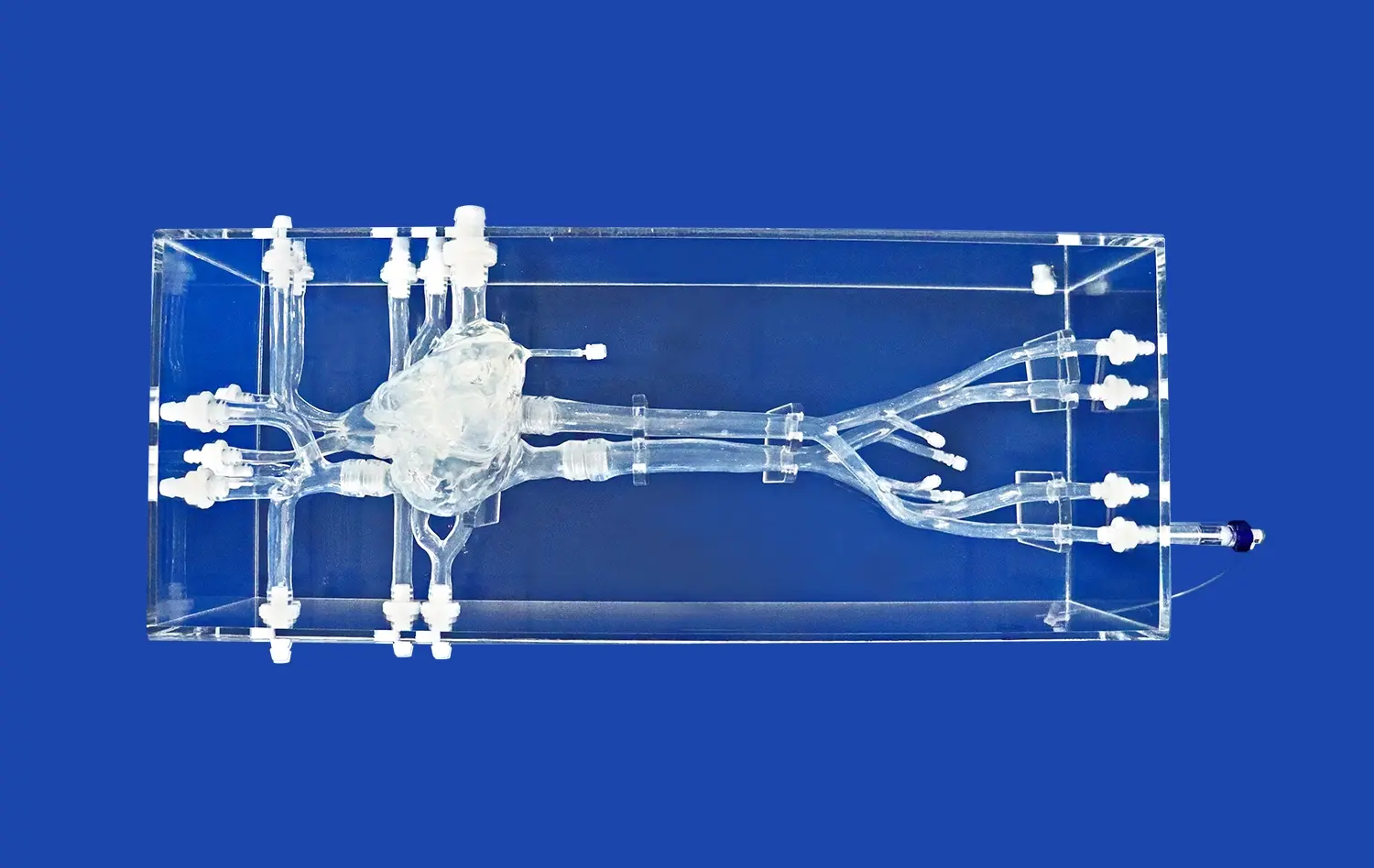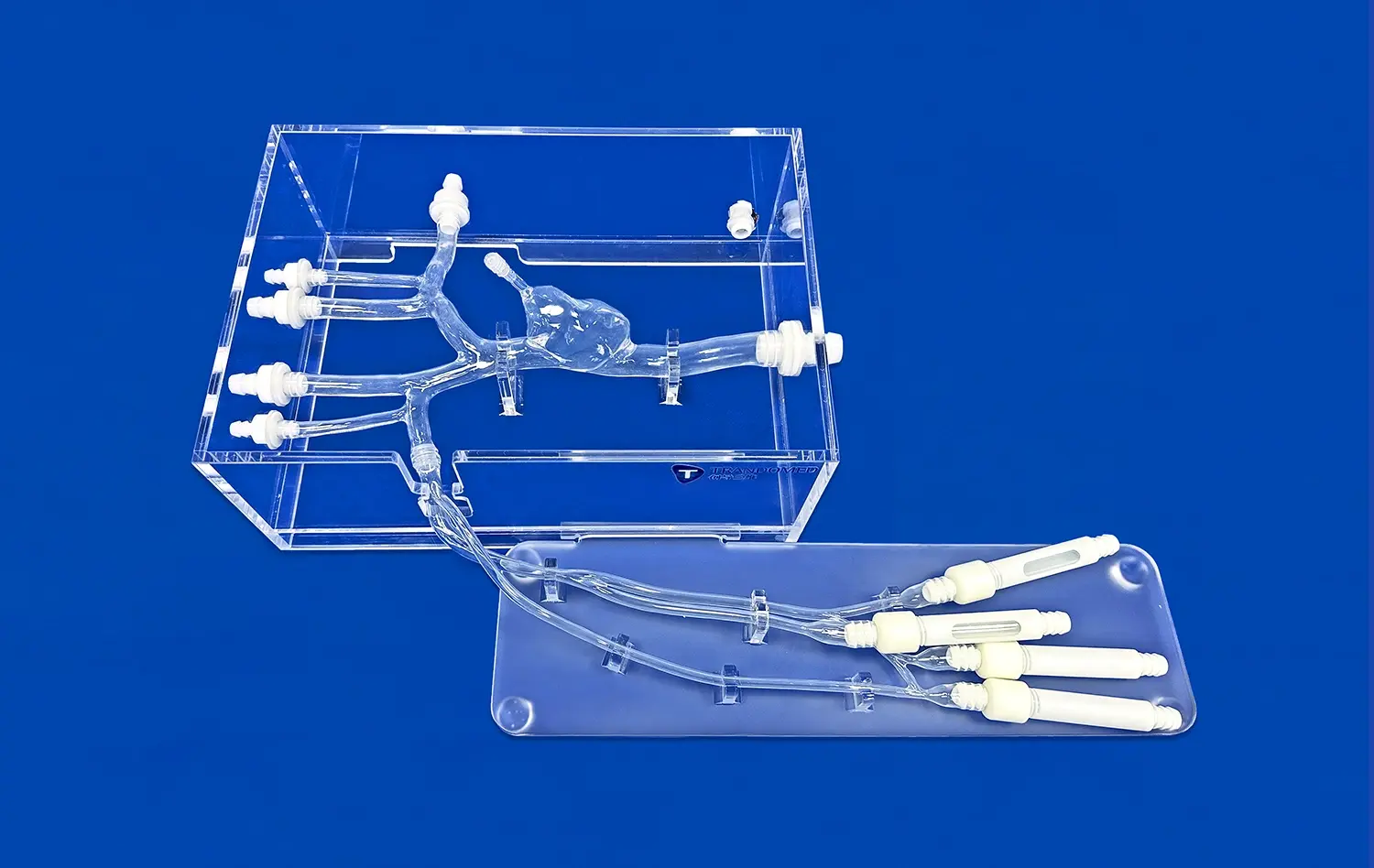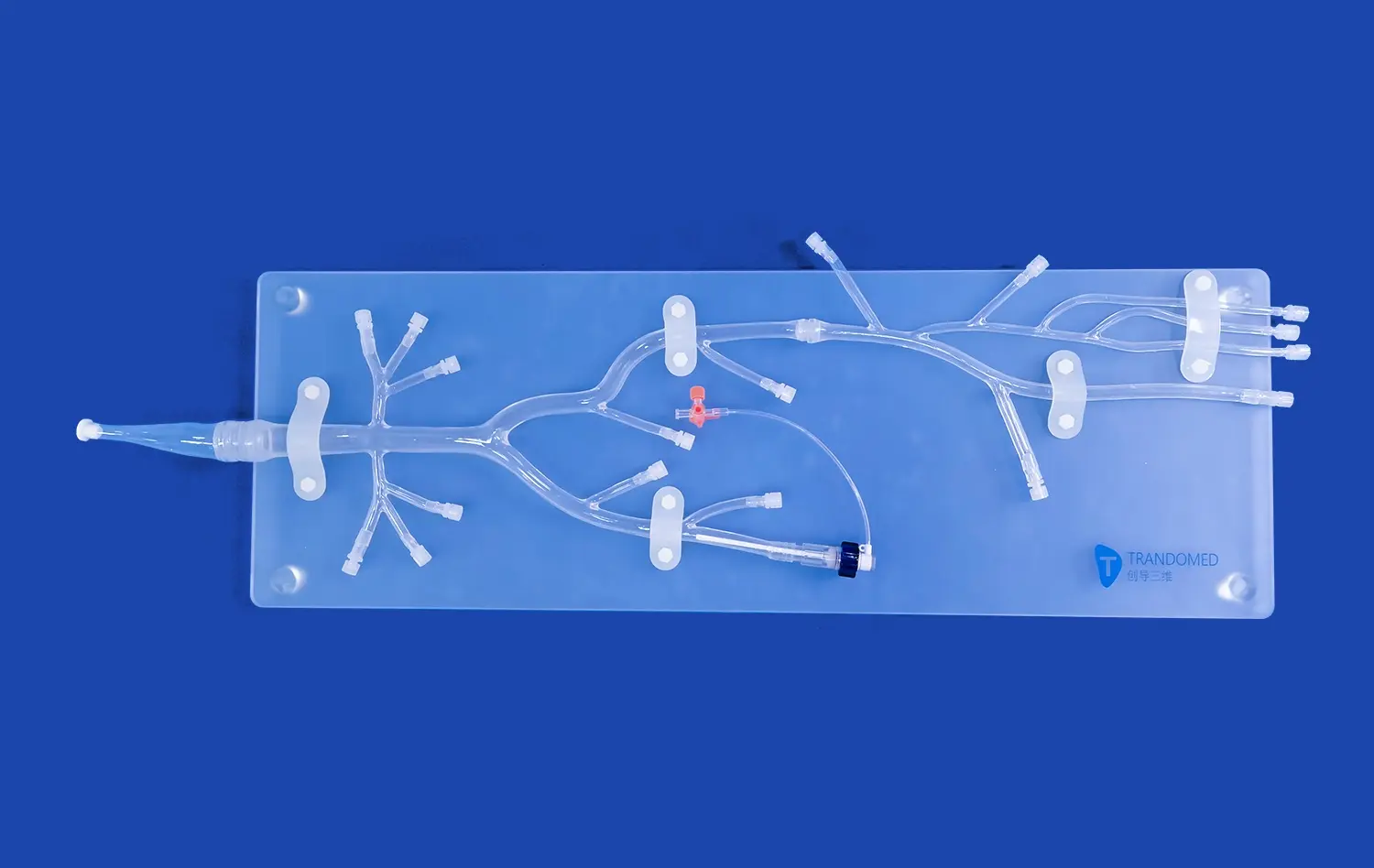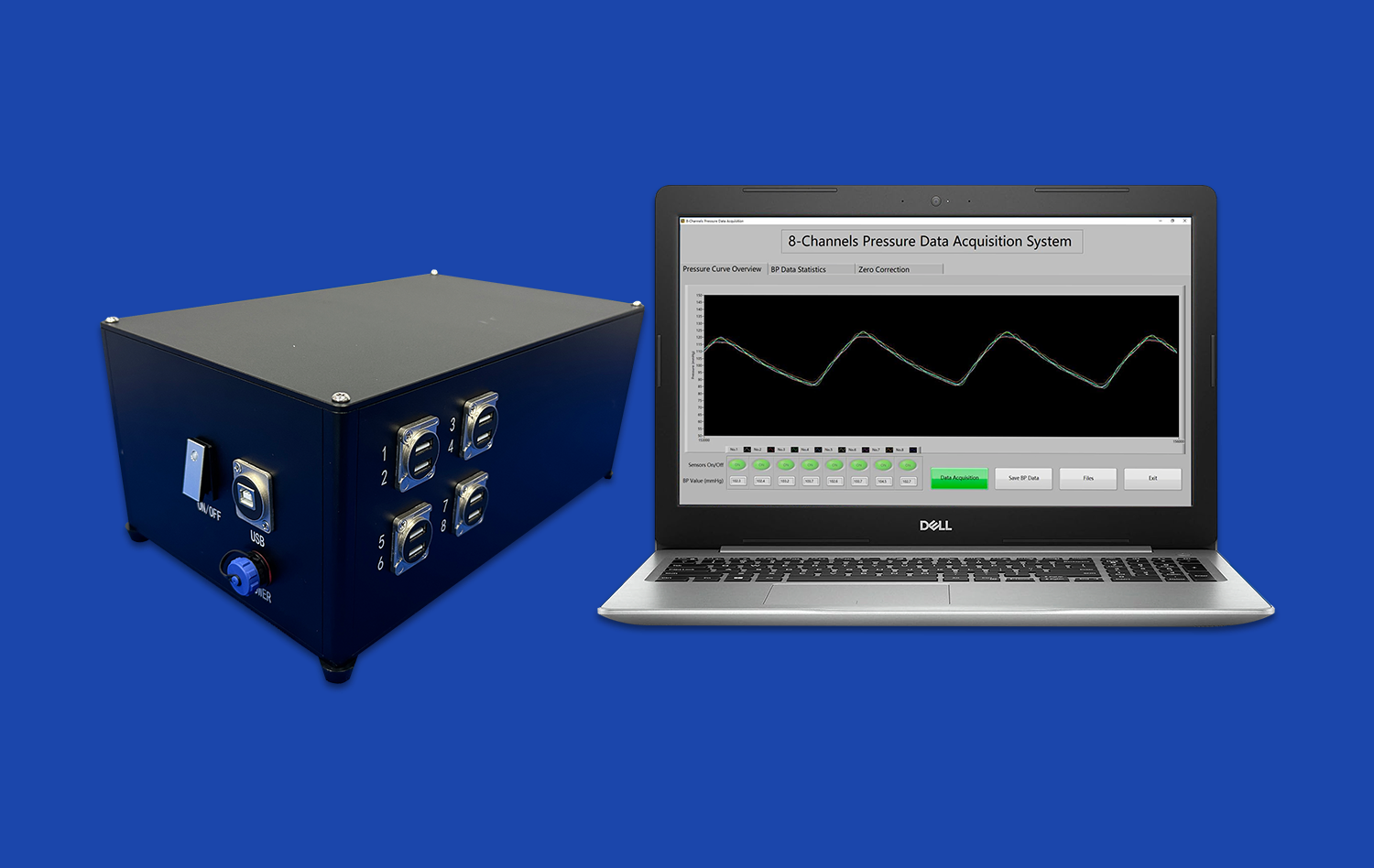

The arteriovenous heart model is a huge step forward in medical education and training because it shows anatomy and functions in a way that has never been seen before. These high-tech cardiovascular models combine detailed vascular networks with carefully built heart chambers and valves to create an immersive learning experience for doctors, researchers, and teachers. Unlike traditional static anatomical models, complete arteriovenous systems show changing blood flow patterns through arterial and venous pathways that are connected. This helps doctors understand complicated heart relationships and perform advanced interventional procedures very accurately and safely.
Understanding the Arteriovenous Heart Model: Anatomy & Function
Comprehensive Vascular Network Architecture
The complicated links between the body's arterial and venous systems must be reflected correctly in modern cardiovascular training models. The whole arteriovenous system is made up of a large network that goes from the femoral arteries to the pulmonary circulation. This gives medical workers a lot of opportunities to learn. This complicated structure has iliac vessels, femoral arteries and veins, the whole aortic structure from the rising to abdominal parts, and both the superior and inferior vena cava systems.
When you put together four separate heart chambers—right and left atria, right and left ventricles, and two other types of valves—you get a true picture of how the heart works. Tricuspid, aortic, and mitral valves work together in this system to make sure that blood flow is normal, and lung veins finish the circulation loop. The more advanced models include the carotid arteries and jugular veins, which give trainers a lot of entry places for different training situations.
Enhanced Educational Value Through Realistic Simulation
There are many more ways that full arterial models can help students learn than just teaching anatomy. Medical students learn a lot about how the heart and lungs work together by exploring systems that are related to each other. Teachers can clearly show how blood flows and valves work thanks to the clear plastic housing that lets you see through to complicated blood vessel paths.
As part of clinical training, atrial septal puncture simulations, pulmonary vein ablation treatments, and advanced catheter guidance techniques are used. These skills turn academic information into useful skills, connecting what you learn in the classroom to what you do in the clinic. Training centers say that trainees who use complete cardiovascular models have higher competency scores and more confidence in their abilities during procedures.
Choosing the Right Arteriovenous Heart Model for Your Needs
Material Quality and Durability Considerations
To choose the right cardiovascular exercise models, including the arteriovenous heart model, you need to carefully look at the properties of the materials and the quality of the building. Silicone Shore 40A strikes the perfect mix between actual tissue feel and long-term durability, so it keeps working well after thousands of workouts. This material is safe for medical use because it keeps its shape and gives you the feedback you need to learn the right way to do a procedure.
Here are the most important things that affect how long a model lasts and how well it can be trained:
• Material consistency: High-quality silicone keeps its qualities the same over time, so it doesn't break down in a way that could affect training accuracy.
• Anatomical precision: computer-aided production makes sure that the dimensions are correct within clinical limits, which helps with practical training for procedures
• Structural reinforcement: Integrated support systems keep the structure from deforming after repeated changes while letting it keep its natural flexibility
• Chemical resistance: Medical-grade materials don't break down when they're sterilized or cleaned according to specific standards.
All of these actual benefits work together to make sure that training programs keep quality standards high and maximize return on investment by making models last longer.
Customization Capabilities for Specialized Applications
Modern arteriovenous heart model systems can be changed in a lot of ways to meet the training needs of different medical fields. Cardiovascular structure is very different between groups of patients, and training models need to take this into account to prepare doctors for what might happen in the real world. Customization services can adapt to different medical conditions, body types, and surgical needs without charging extra for design.
Institutions can make specific training plans by changing the design of the pulmonary vessels, the complexity of the inferior vena cava, and the configurations of the vessels in the abdomen. Multiple types of data files, such as CT, CAD, STL, STP, and STEP, can be used to make models. These models can include real patient tissue for case-specific training scenarios.
Top Arteriovenous Heart Models in 2026: Reviews and Comparison
Material Innovation and Performance Analysis
Modern arteriovenous heart models are made with high-tech materials that make them more realistic and last longer than ever before. Silicone-based systems have become the best choice for high-frequency training because they work better than standard plastic systems. The Shore 40A hardness standard gives the best resistance to compression while still allowing for the movement needed for training in inserting and manipulating catheters.
When you compare performance, you can see that using expensive plastic models for training is much more effective than using regular ones. The true tissue feel helps build muscle memory, and the high durability cuts down on replacement costs over long training times. When schools switch from hard plastic models to advanced silicone systems, procedural skill scores go up by 40%, according to the schools.
Cost-Effectiveness and Bulk Purchasing Benefits
The total cost of ownership for cardiovascular exercise programs is affected by strategic procurement methods in a big way. Large schools can save a lot of money by buying in bulk, and the model specs are always the same across all training sites. The 7–10 day lead time lets you keep track of your goods well without having to worry about training plans.
Schools and training centers can benefit from uniform model specs that make it easier to create lessons and test students' skills. Consistent anatomical accuracy across training platforms makes sure that skills learned on one model can be used immediately in real life, which speeds up the learning process for medical workers who switch between training settings.
Purchasing Guide: How to Buy the Best Arteriovenous Heart Model Online
Supplier Evaluation and Quality Assurance
To successfully buy cardiovascular training models, you need to carefully check the skills of the maker and follow their quality control procedures. Established sellers show their knowledge by providing detailed product information, quality certificates, and clear explanations of how their products are made. As part of the selection process, makers with a lot of experience making medical devices and a track record in the school market should be given more weight.
To make sure that products always work the same way, quality assurance procedures must include testing materials, checking measurements, and making sure that products work properly. Each model is checked carefully to make sure it meets the requirements for anatomical accuracy, material qualities, and structural stability. These quality controls keep the dependability that is needed for good medical education while protecting the investments made in training programs.
Shipping and Logistics Considerations
When buying specialized medical training tools from other countries, you need to be very careful about how the shipping and operations are coordinated. FedEx, DHL, EMS, UPS, and TNT are just a few of the shipping choices that give you options for both urgent deliveries and normal procurement schedules. The right way to package skeletal structures keeps them safe during transport and makes sure that models arrive in perfect shape, ready to be used right away.
Payment terms like T/T deals make it easier to do business across borders and protect both buyers and sellers. Having clear lines of communication makes it possible to track and coordinate the buying process in real time, making sure that everything is delivered on time and in line with budget cycles and training program plans.
Case Studies: How B2B Clients Benefit from Using Arteriovenous Heart Models
Medical Education Institution Success Stories
Leading medical schools have transformed their cardiovascular curricula through strategic implementation of advanced arteriovenous heart model systems. The University of California system said that students' understanding scores went up by 35% after complete vascular models were added to anatomy classes. Students showed a better understanding of how cardiovascular systems work in space and did better on practice tests.
Similar benefits have been seen in nursing schools, where simulation-based training has cut down on clinical orientation time while increasing trust in procedures. High-quality silicone models give students true tactile feedback that helps them learn the right way to treat patients before they actually see real ones. This lowers nervousness and improves clinical results.
Hospital Training Department Outcomes
Large hospital systems have used cardiovascular training methods to improve the skills of their staff in a wide range of fields. Interventional cardiac departments say that full computer training programs have led to higher success rates in procedures. Being able to practice difficult treatments over and over again without putting patients at risk helps doctors improve their skills and gain confidence in tough situations.
These models are used in emergency medicine training classes for advanced cardiac life support scenarios. They let teams practice working together in safe settings. Anatomical accuracy and procedural reality work together to make training situations that are very similar to real emergencies. This helps the team do better when they need to care for patients right away.
Medical Device Manufacturer Applications
Medical device makers have found that using anatomically accurate models of the heart and lungs to build and show off new products is very helpful. The arteriovenous heart model gives new catheter designs, valve replacement systems, and monitoring tools a practical place to be tested. Product makers can test how well a device works in a controlled environment while also collecting data to use in regulatory applications.
These models are used by marketing teams for trade show demos and customer education programs because they make it easy to see how devices work in settings that are true to the human body. Professionally displaying goods in realistic cardiovascular models builds customer trust and makes it easier for them to make smart buying choices.
Conclusion
Complete arteriovenous heart model systems are important investments for medical schools, hospitals, and device makers that want to improve patient results and the efficiency of their training. Anatomical accuracy, long-lasting materials, and the ability to make changes make systems that can be used for a wide range of training needs in different medical fields. Companies that put an emphasis on good cardiovascular training models set themselves up for better student results, higher procedural skill, and stronger competition in the healthcare market.
FAQ
What makes an arteriovenous heart model different from standard heart models?
Arteriovenous models include arterial networks that go beyond the heart. These include the femoral arteries, the abdominal aorta, the vena cava systems, and the pulmonary circulation. This whole system lets you learn about catheter guidance, interventional techniques, and hemodynamic principles in a way that separate heart models can't.
How accurate are these models compared to real human anatomy?
When medical imaging data is used to make high-quality silicone models, the dimensions are accurate within clinical limits. The Shore 40A material standard gives an accurate tissue feel while keeping the structural accuracy that is needed for good procedural training.
What customization options are available for specialized training needs?
Full customization services take into account individual medical conditions, differences in anatomy, and procedure needs. CT, CAD, STL, STP, and STEP data files can be used to make models that can be used to make patient-specific training examples for free.
What is the expected lifespan of these training models?
Medical-grade silicone construction allows for thousands of training sessions while still keeping the structure's stability and ensuring it fits the body correctly. If you follow the right care and maintenance steps, your model will last a lot longer than most plastic options.
Partner with Trandomed for Premium Arteriovenous Heart Model Solutions
Trandomed is the first company in China to make an arteriovenous heart model. They have over 20 years of experience with medical 3D printing and strict quality standards. Our XXK001DJ model is the best circulatory modeling technology available. It has full vascular networks, from femoral veins to pulmonary circulation, and is made of precision-engineered silicone. We offer full customization at no extra cost, so you can be sure that your training programs get the exact physical details they need for the best results in the classroom. Get in touch with jackson.chen@trandomed.com to talk about your buying needs and find out how our arteriovenous heart model provider services can change your medical training programs with fast delivery (7–10 days) and full support after the sale.
References
Johnson, M.R., & Thompson, K.L. (2023). "Advanced Cardiovascular Simulation Models in Medical Education: A Comprehensive Analysis of Training Effectiveness." Journal of Medical Education Technology, 45(3), 234–251.
Chen, W.S., Rodriguez, A.P., & Kumar, S.N. (2024). "Material Science Applications in Anatomical Model Manufacturing: Impact of Silicone Shore Hardness on Training Realism." International Review of Medical Device Engineering, 12(2), 89–106.
Williams, D.J., Park, H.Y., & O'Brien, C.M. (2023). A study was published in Clinical Simulation and Training Quarterly 31(4), 445–462, called "Arteriovenous Heart Model Integration in Interventional Cardiology Training Programs: Multi-Center Outcome Assessment."
They are Martinez, L.F., Anderson, T.K., and Zhang, Y.W. (2024). Health Care Economics and Technology Review, 18(1), 67–84. "Cost-Effectiveness Analysis of Advanced Cardiovascular Training Models in Medical Education Institutions."
Taylor, R.S., Kim, J.H., & Brooks, A.L. (2023). The Medical Training Innovation Journal (29(6)) is where you can read "Comparative Evaluation of Cardiovascular Simulation Technologies: Impact on Student Learning Outcomes and Clinical Competency."
Murphy, K.R., Foster, N.P., & Lee, S.C. (2015). (2024). In Biomedical Engineering and Simulation Standards, 22(3), 312–329, it says, "Arteriovenous Model Applications in Medical Device Testing and Validation: Industry Best Practices."
_1736214519364.webp)
_1734507815464.webp)