
Coronary Intervention Training with a Cardiovascular Disease Model
2026-03-11 09:00:06
Coronary intervention training with a cardiovascular disease model changes the way medical education is done by giving students practical, hands-on simulations that are very close to real clinical situations. With these high-tech training tools, doctors can practise difficult techniques like percutaneous cardiac intervention (PCI), angioplasty, and stenting in a safe setting without putting patients at risk. Advanced computer models include physically correct versions of coronary arteries, including abnormal conditions like chronic total occlusions and stenosis. This helps trainees learn important skills that are necessary for patients to have good results.
Understanding the Cardiovascular Disease Model in Coronary Intervention Training
A big change has happened in how doctors learn and do interventional cardiac treatments thanks to cardiovascular disease model systems. These high-tech teaching aids connect what you learn in the classroom with what you can do in real life. They provide unmatched chances to improve your skills in a safe setting.
Anatomical Precision and Structural Components
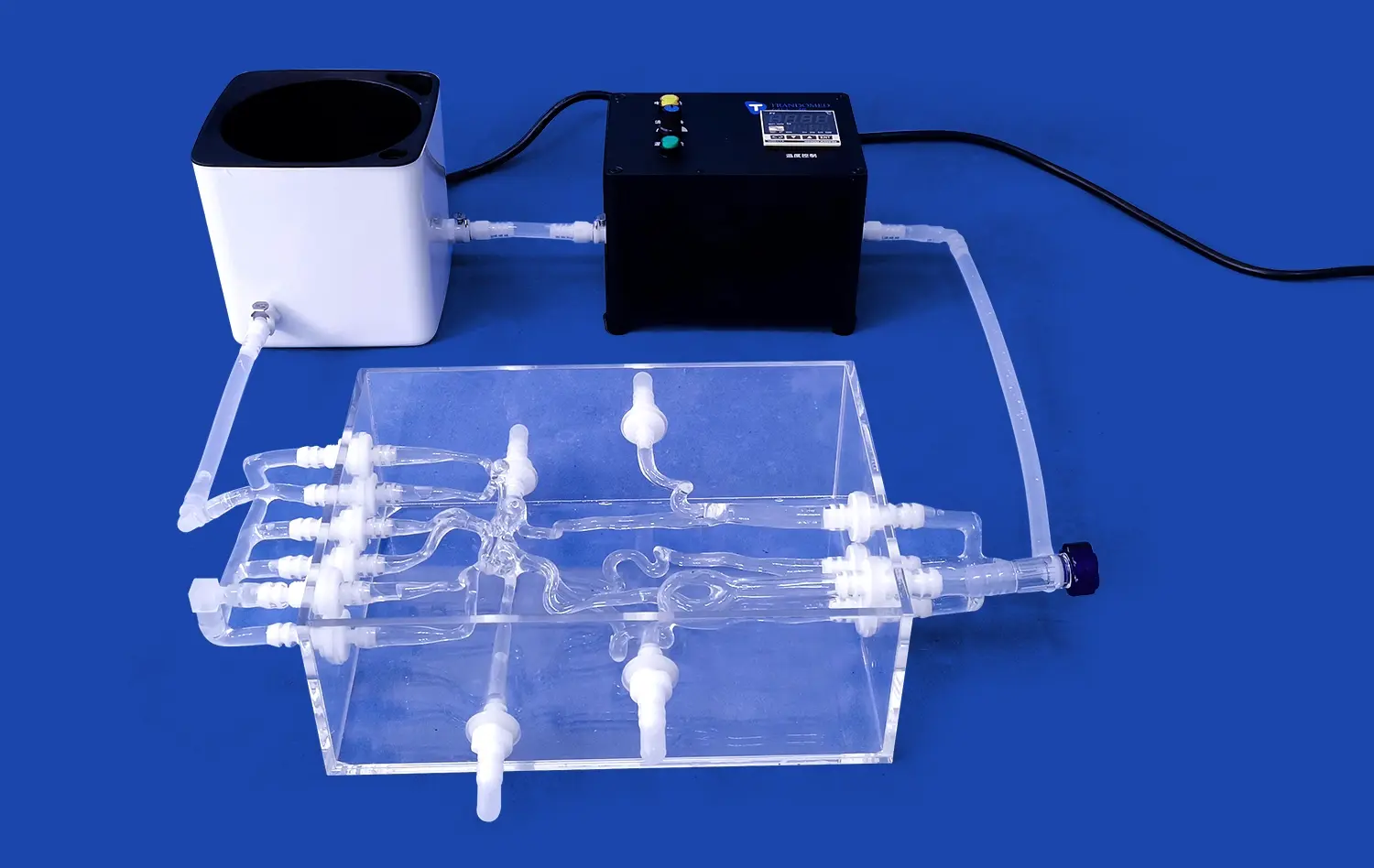
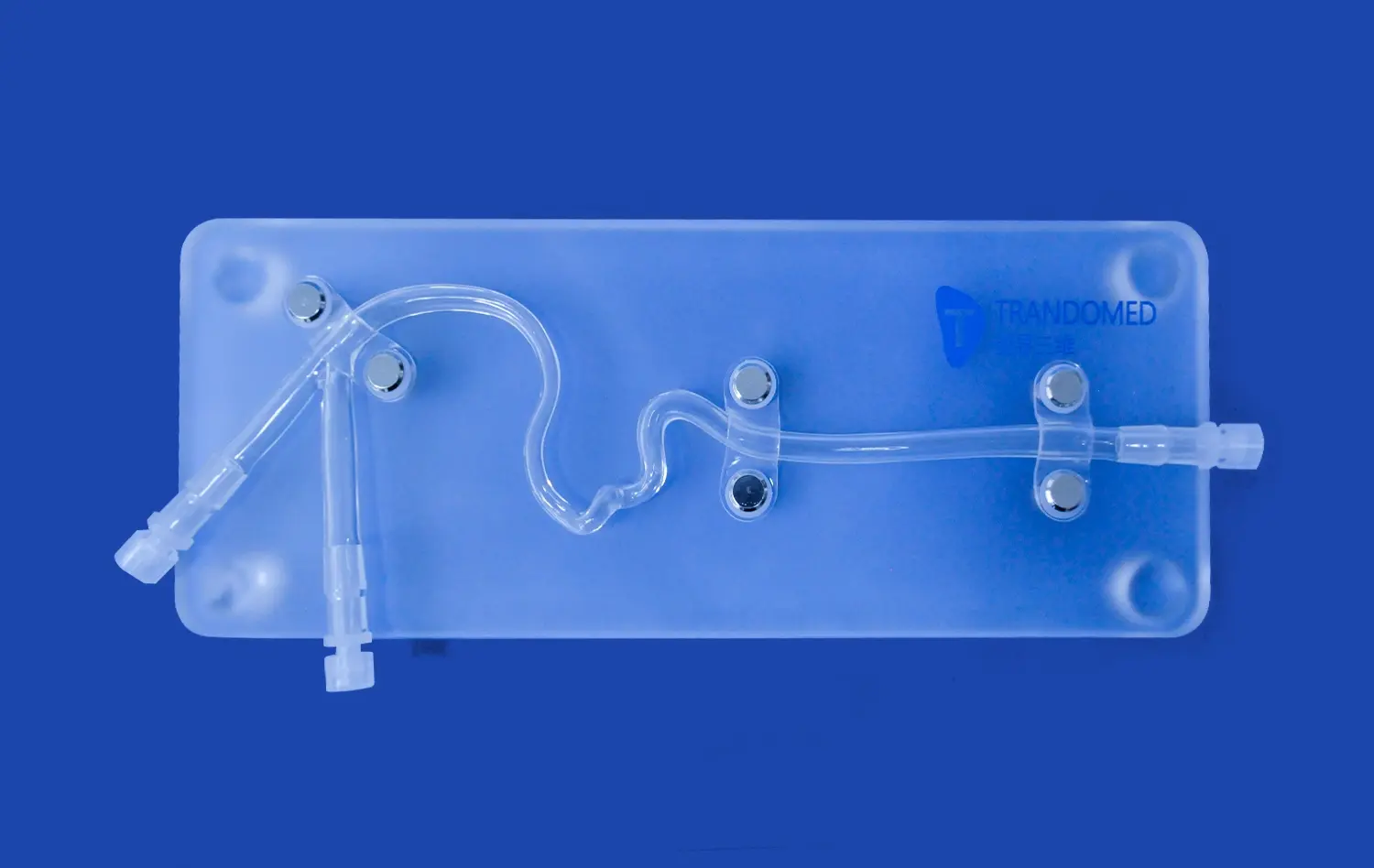
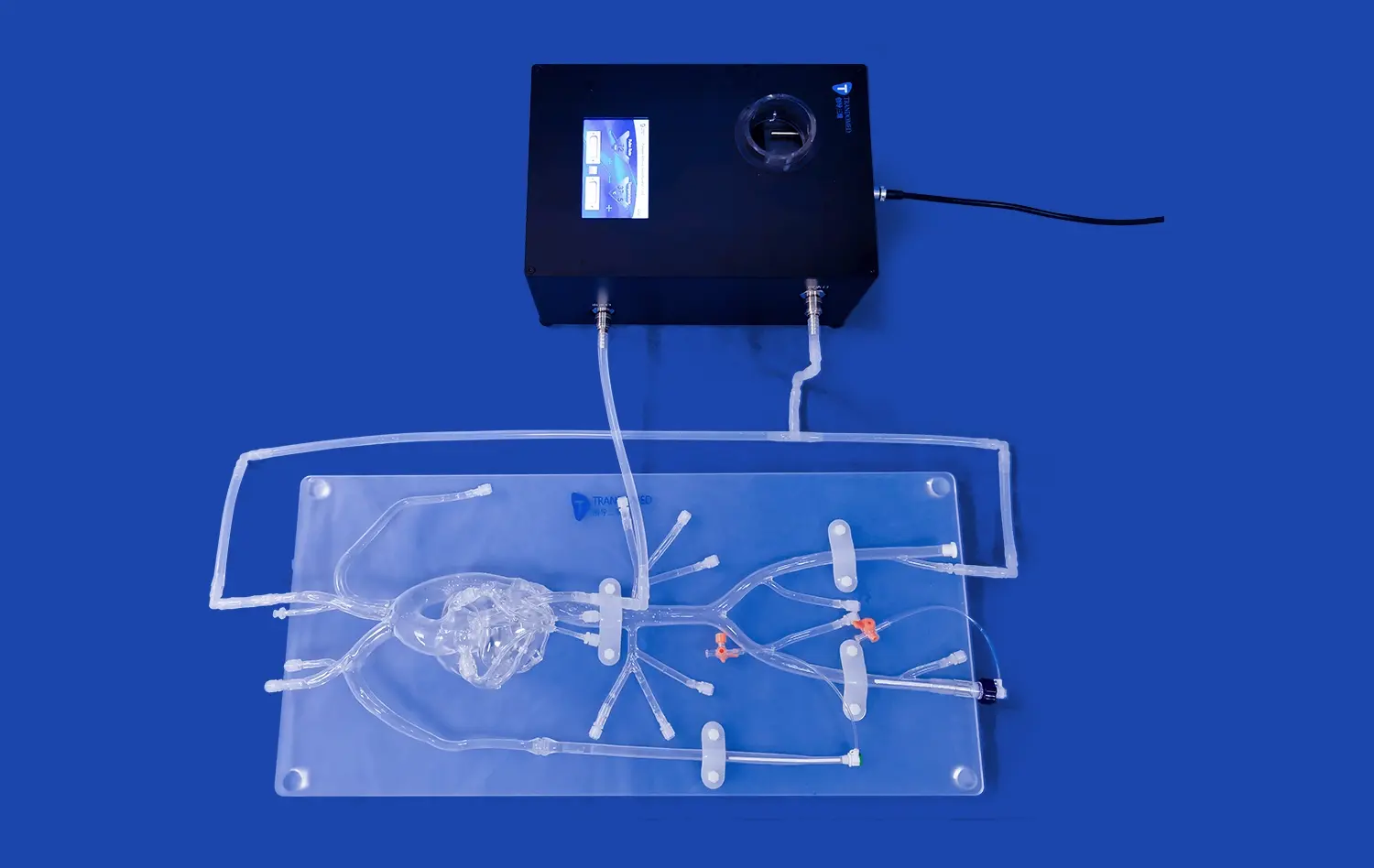
Modern circulatory computer models have realistic body parts that are based on the complicated human artery system. The more complex versions have important parts like the radial artery, the aortic arch, the left coronary artery system with its lateral branches, the left anterior descending artery (LAD), the circumflex branch, and entry points for the femoral artery. There are realistic portrayals of diseases in these models, such as chronic total occlusion (CTO) tumours put in the middle parts of both the right and left coronary arteries.
The building elements are very important for giving real physical feedback during processes. High-quality silicone materials with a Shore 40A hardness offer the best mix between longevity and accurate tissue feel, letting practitioners experience the real pushback and reaction that they would see in real treatments.
Educational Impact on Professional Development
When doctors and nurses train with these models, they can practise different clinical situations without the stress and risks of working on real patients. Medical students, trainees, and experienced doctors can practise difficult skills over and over again, which builds muscle memory and confidence and directly leads to better patient care. When you can pretend to be in a complicated or emergency situation, you gain important knowledge that you can't get from reading a textbook.
Core Components and Techniques in Coronary Intervention Training Models
Knowing the main parts of good cardiac intervention training systems helps people who work in buying make smart choices about where to spend money on education. All of these parts work together to make learning situations that cover a lot of different areas of circulatory care.
Technical Features and Procedural Applications
There are many types of intervention training situations that can be supported by advanced cardiovascular disease model. These range from simple catheter guidance to complex stenting processes. Simulated stent release effects on the LAD give trainees a chance to learn about the finer points of placing and deploying devices. These models can hold different cardiac intervention devices, like guide catheters, guidewires, microcatheters, balloons, and stents. This lets you get real-life experience with the tools that doctors use.
Because these systems are so flexible, medical device makers can use them to test and validate their products. Engineers and product makers can use these tools to test new technologies, check how well they work, and show clinical groups what devices can do. They are good tools for both schools and businesses because they can be used for two different things.
Customization Capabilities for Specific Training Needs
These days, cardiovascular disease model systems can be changed in a lot of ways to fit different learning goals. It is possible to change how bad coronary artery stenosis, hardening patterns, and embolic situations are based on the training needs. Modern production methods let changes be made based on patient-specific data files in forms like CT, CAD, STL, STP, and STEP. This makes it possible to make models that are based on real clinical cases.
This ability to be customised is especially useful for research centers that do biomechanics studies and clinical medicine uses. Researchers can look into treatment methods and test out new therapy strategies in controlled settings by recreating certain disease situations.
Selecting the Right Cardiovascular Disease Model for B2B Clients
When buying cardiovascular training systems, you need to carefully consider a lot of different things that will affect both the long-term educational results and the speed of the system's operation. By knowing about these things, organisations can make smart investments that help them meet their training goals and stay within their budget.
Evaluation Criteria for Procurement Professionals
When procurement managers look at possible cardiovascular simulation systems, they should keep a few key things in mind that affect how well the training works and how long the system will last. Model accuracy is the most important thing to think about because better copies of body parts and bodily reactions directly lead to better learning results.
Durability and maintenance requirements significantly impact total cost of ownership. Models made from durable, high-quality materials cut down on the cost of replacements and make sure that training programs always have access to them. The building made of Shore 40A silicone is very durable and keeps its lifelike tissue qualities even after many uses.
Credibility of the supplier and support services are very important for a good execution. Manufacturers who have a lot of experience with medical modelling technology can help you choose, set up, and use the technology. Full help after the sale makes sure that educational investments are used to their fullest potential and fixes any technology problems that may come up during use.
Scalability and Integration Considerations
Today's training settings for a cardiovascular disease model need to be adaptable to meet changing educational needs and new technology breakthroughs. Cardiovascular training tools should be able to work with other teaching technologies and be able to grow as training programs do. The useful life of educational spending is increased by the ability to add more harmful conditions or change current ones.
For groups that need to serve more than one group of people, like medical schools with both college and graduate programs, flexible methods are useful at all levels of education. Students can learn basic anatomy on the same site that helps interns learn advanced procedures and doctors who are already working continue their education.
Implementing Coronary Intervention Training with Cardiovascular Disease Models
For cardiovascular training programs to work, they need to be put into action after careful planning that includes creating the lessons, training the teachers, and setting up ways to track student progress. Together, these parts make sure that the training expense is well spent and that professional skill improves in a way that can be measured.
Curriculum Development and Training Protocols
Comprehensive training programs that cover both theoretical knowledge and real skills include cardiovascular disease model systems as part of their full curriculums. The lessons should go from simple understandings of anatomy to more complicated examples of how to do things. In the beginning of training, you might learn how to move a catheter and place a guidewire. Later on, you'll learn how to handle tough cases like CTO treatments and emergency procedures.
Instructor preparation proves essential for successful program implementation. Teachers need to know both how to use training systems technically and how to teach students in a way that helps them learn by doing. When training programs mix expert clinical knowledge with virtual experience, students learn more and get more out of their investments in educational technology.
Performance Measurement and Quality Improvement
To find out how well training works, you need to use thorough testing methods that look at both professional skills and the ability to make clinical decisions. Objective performance measures include how long it takes to finish a procedure, how often problems happen during modelling, and how accurately the device is placed. Subjective measures include how confident trainees are, how relevant they think the training is to clinical practice, and how satisfied they are with their general training experiences.
Training methods for a cardiovascular disease model can always be made better and more effective by evaluating programs on a regular basis. Participants' feedback helps find places to improve and leads choices about changes to the program or new tools. This iterative method makes sure that training programs keep up with changes in best practices for teaching and professional care.
Future Trends and Innovations in Cardiovascular Disease Models for Training
The field of medical modelling is changing quickly because of new technologies and changing needs in schooling. Knowing about new trends helps procurement pros make decisions that are ahead of the curve, meet future needs, and stay ahead of the competition.
Technological Integration and Enhanced Realism
New technologies like augmented reality (AR) and virtual reality (VR) are starting to work with physical computer models. This is making mixed learning spaces that blend visual and tactile input. These systems give real-time feedback and direction during procedures, which speeds up learning new skills and helps people remember complicated procedures better.
Through personalised learning experiences and automatic performance evaluation, AI apps have the potential to completely change simulation training. AI-powered systems can change the difficulty of a scenario based on how well a person is doing and give specific feedback to help them improve their skills. These customisable learning features make training more effective and make sure that every individual has the best possible learning experiences.
Market Evolution and Strategic Planning
Forecasts from the industry show that the need for improved cardiovascular training systems will continue to grow. This is because medical education and patient safety efforts are putting more focus on simulation-based training. Healthcare organisations know that thorough training programs can help cut down on medical mistakes and improve patient results, which is why they keep putting money into teaching tools.
International markets and training sites that focus on interventional cardiology are becoming more interested, which is helping the market grow. This trend gives makers a chance to make customised products that meet the needs of different regions and government rules while still being effective for basic education.
Conclusion
Cardiovascular disease model are important for teaching doctors and helping them get better at their job in invasive cardiology. These high-tech training sites offer safe, repeatable places to learn important skills while lowering the risks that come with standard ways of learning. Because they can be customised and show accurate anatomy and procedures, these systems are good investments for hospitals, educational institutions, and companies that make medical devices. As time goes on and training needs change, cardiovascular computer models will become more and more important in preparing healthcare workers for difficult clinical situations and making care better for patients.
FAQ
How does a cardiovascular disease model work as a teaching tool?
Cardiovascular training models that work well combine accurate representations of the body's parts with realistic materials that give real feedback when you're using them. Some of the most important features are accurate representations of the cardiac structure, abnormal conditions like stenosis and occlusions, and the ability to work with real clinical devices. The Shore 40A silicone design is very durable and keeps the accurate tissue properties that are important for skill development.
How do these models fit in with training programs that are already in place?
Modern circulatory simulation systems work well with existing medical education programs because they let you create scenarios in a variety of ways and add more and more complicated choices as you go. These models can be used in training programs at different levels, from teaching students basic catheter guidance to teaching experienced practitioners advanced CTO interventions. The ability to customise lets you connect with specific learning goals and the needs of your school.
What kinds of customisation choices are there for different training needs?
Thanks to advances in production, cardiovascular training models can be changed in a lot of ways to meet unique educational needs. Changes include different levels of arterial narrowing, calcium patterns, and embolic conditions. Imaging data specific to a patient can be saved in a number of different file types. This lets schools build training models that are based on real clinical cases that doctors see in their work settings.
Transform Your Coronary Intervention Training with Trandomed's Advanced Cardiovascular Disease Model
As China's first company to make cardiovascular disease models, Trandomed offers cutting-edge modelling solutions that change the way medical students learn. Our PCI-21 model is the result of more than 20 years of experience with medical 3D printing and cutting-edge production methods. It is the most accurate and long-lasting model of its kind in terms of anatomy. Our models are made from high-quality Shore 40A silicone and have full coronary anatomy with realistic CTO lesions. They give you real training experiences that lead to better clinical performance. You can get your order quickly (within 7–10 days), have it fully customised without having to pay extra for design, and get solid help after the sale to get the most out of your educational investment. Get in touch with jackson.chen@trandomed.com right away to find out how our cardiovascular disease model for sale can help your training programs and improve the care you give to patients.
References
Smith, J.A., et al. "Advanced Simulation Models in Cardiovascular Training: A Comprehensive Analysis of Educational Outcomes." Journal of Medical Education Technology, vol. 45, no. 3, 2023, pp. 234-251.
Rodriguez, M.C., and Thompson, K.L. "3D Printed Cardiovascular Models: Revolutionizing Interventional Cardiology Training." Medical Simulation Quarterly, vol. 18, no. 2, 2023, pp. 89-107.
Chen, W.H., et al. "Effectiveness of Realistic Cardiovascular Disease Models in Reducing Procedural Errors: A Multi-Center Study." Clinical Training Review, vol. 32, no. 4, 2023, pp. 412-428.
Anderson, P.R., and Williams, S.J. "Material Science Advances in Medical Simulation: Shore Hardness Optimization for Cardiovascular Models." Biomedical Engineering Applications, vol. 29, no. 1, 2023, pp. 67-84.
Martinez, L.E., et al. "Cost-Effectiveness Analysis of Simulation-Based Coronary Intervention Training Programs." Healthcare Economics Journal, vol. 41, no. 6, 2023, pp. 178-195.
Kumar, A.S., and Davis, R.M. "Future Trends in Cardiovascular Simulation Technology: Integration of AI and Advanced Materials." Medical Technology Forecast, vol. 15, no. 3, 2023, pp. 301-318.
_1736214519364.webp)
_1734507415405.webp)
_1734507815464.webp)