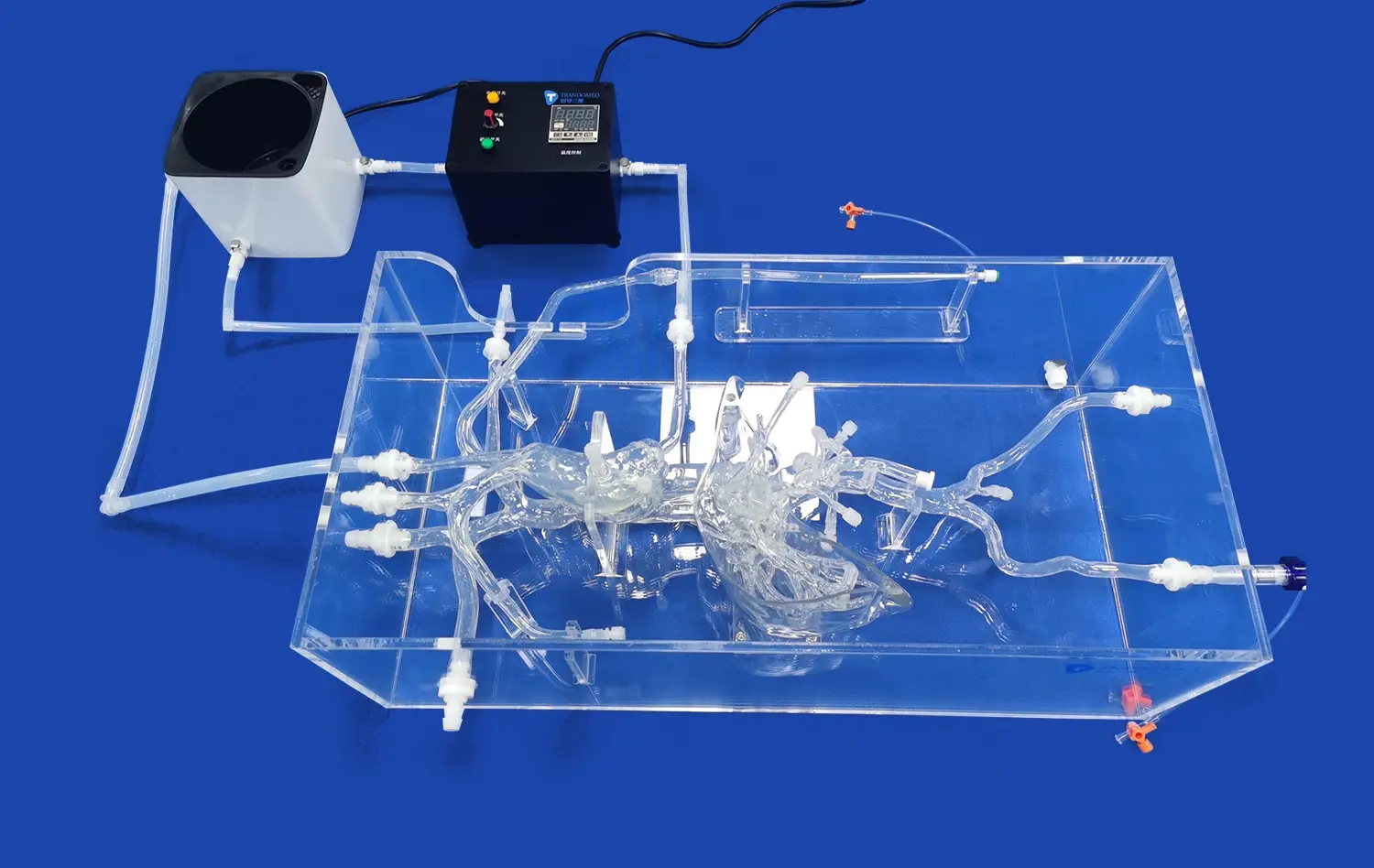

Customizable Cardiovascular Disease Model for Coronary Training
2026-03-18 09:00:04
The cardiovascular disease model is a completely new way to teach medicine because it allows for so much more personalised learning about cardiac management. These high-tech training tools close the important gap between what you learn in school and what you can do in real life. They let medical workers practise difficult treatments without any risk. As the need for specialised heart training grows, models that can be changed offer options that are made to fit the needs of each school and the training goals.
Understanding the Need for Customizable Cardiovascular Disease Models
A lot of the time, traditional cardiac training methods don't work because they can't fully mimic the complexity and unpredictability of cardiovascular disease situations. When medical schools, nursing schools, and clinical skills centers use standard models that can't be changed to fit different patient situations, they run into big problems. Because of these restrictions, there are big gaps between what you learn in school and what you see in real life, which could lower the level of medical education.
The Evolution of Cardiac Training Requirements
The needs of modern healthcare have changed what people expect from cardiovascular training tools. This is because standardised models can't properly show the wide range of heart problems that doctors see in real life. Hospitals and clinical training units need modelling tools that can correctly copy everything from simple body structures to complicated diseases. For learning to be useful, the cardiovascular disease model needs to be able to handle different levels of artery stenosis, hardening patterns, and embolic problems.
Addressing Training Gaps with Customization
Customisable solutions get around these problems by letting you accurately simulate different stages of cardiovascular disease, risk factors, and conditions that are unique to each patient. Models that can be changed to fit specific study factors or testing settings are useful for research centers and labs. These flexible tools are used by government health agencies and training programs to make standardised but changeable training plans that can be changed to fit local health problems or new medical techniques.
The benefits of customisable models for buying go beyond their value as learning tools. Instead of buying different models for each situation, healthcare institutions can make the best use of their budgets by buying tools that can be used for more than one type of training. This scalable rollout feature can adapt to changing needs in healthcare and education, making sure that the initial investment will be worth it in the long run.
Core Components and Features of Advanced Cardiovascular Disease Models
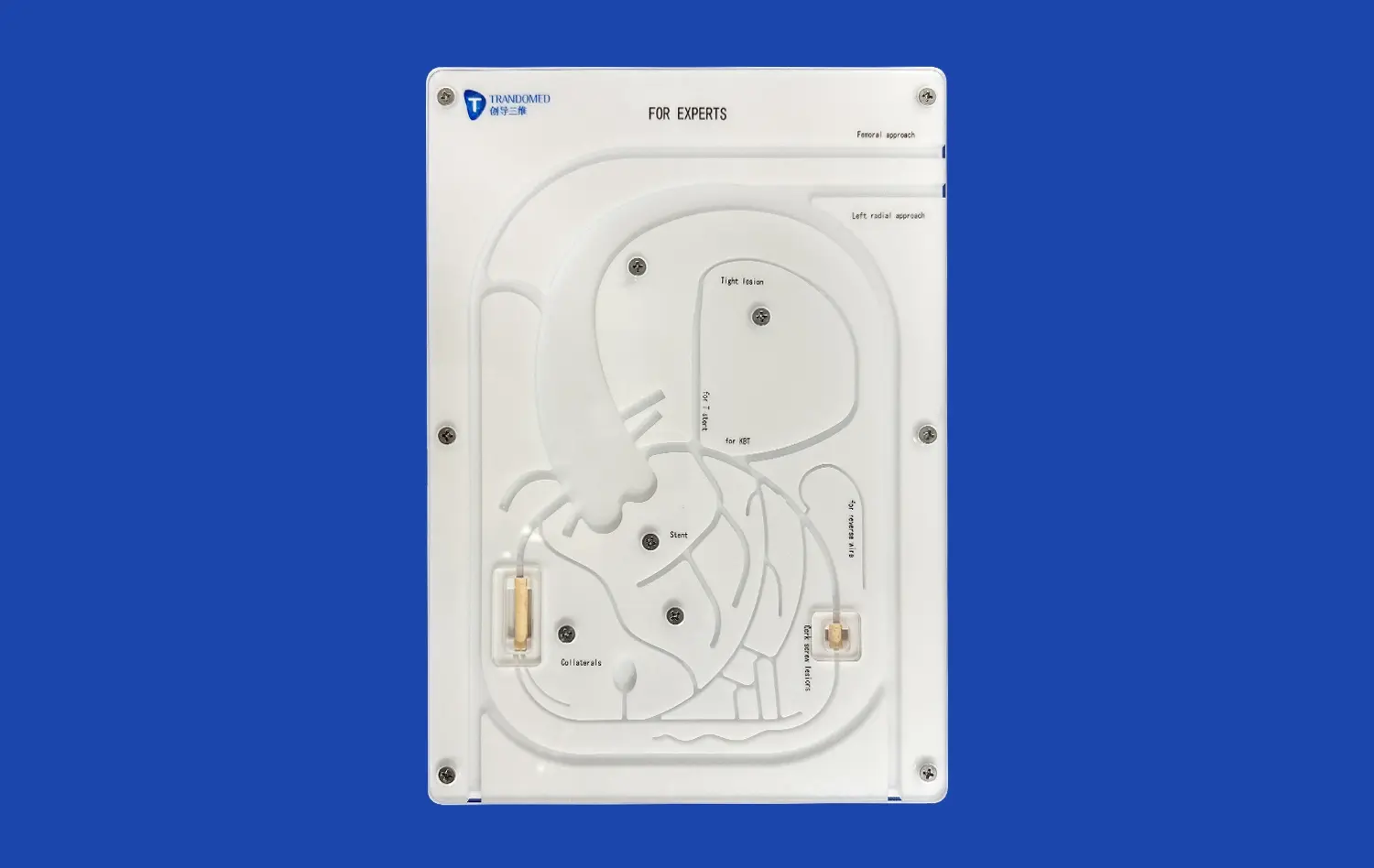
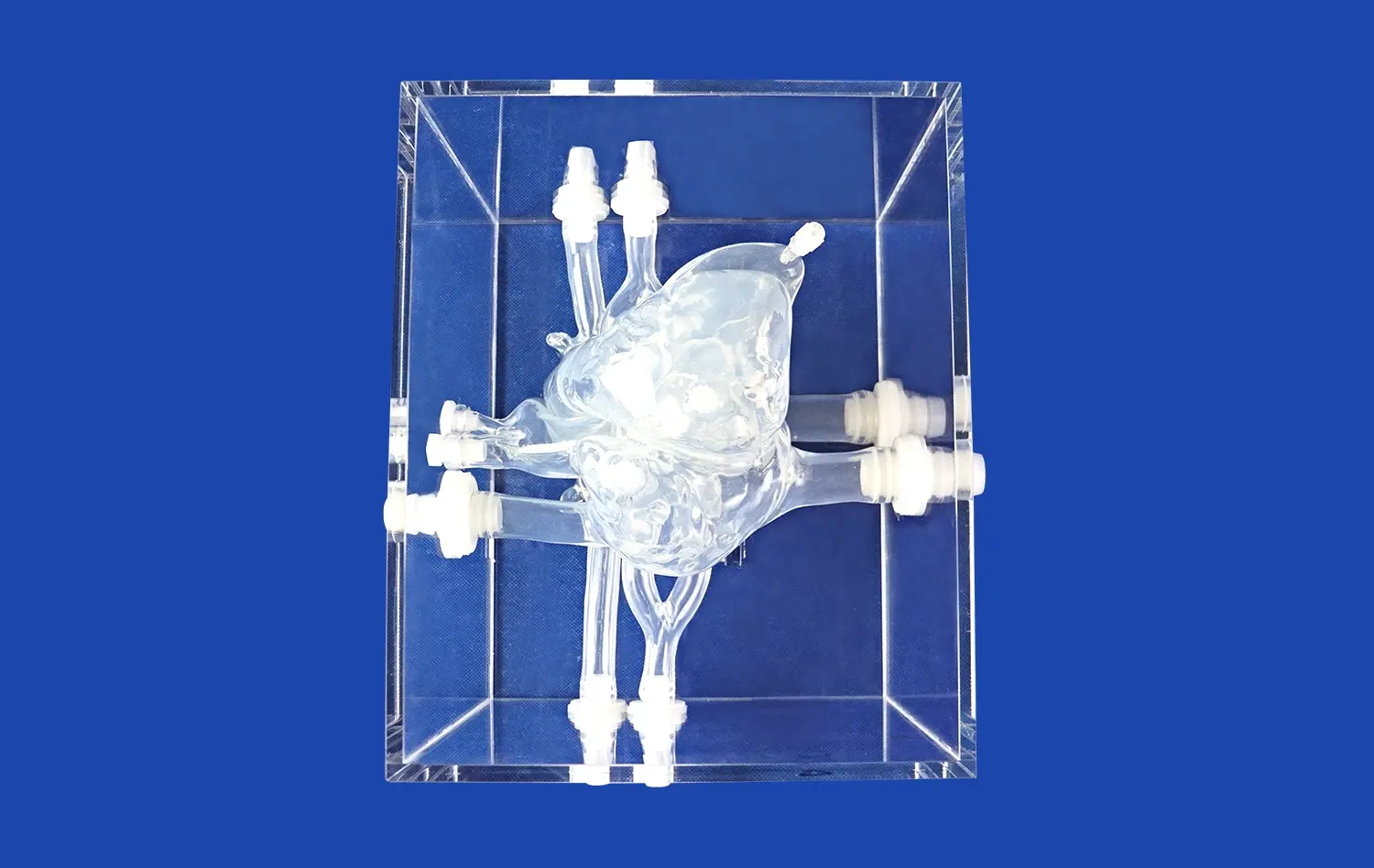
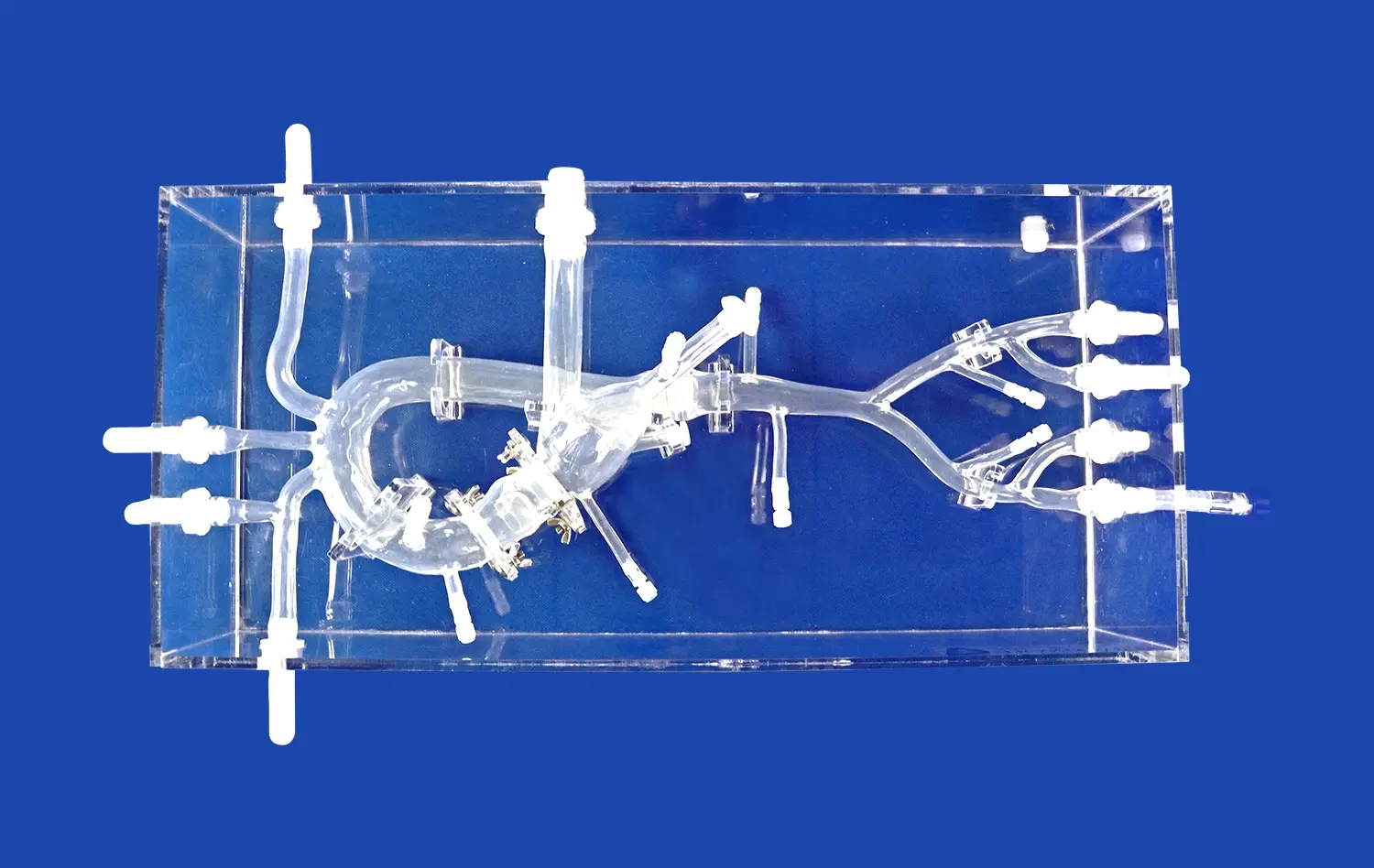
Modern cardiovascular disease model are different from regular training tools because they can be customised in complex ways based on anatomy and physiology. The PCI-21 model from Trandomed is an example of this progress. It shows in great detail the radial artery, the aortic arch, the left coronary artery, the diagonal branch, the left anterior descending artery, and the circumflex branch.
Anatomical Precision and Structural Components
The Silicone Shore 40A material used to build the model gives the best physical feedback during training. This choice of material makes it last longer while keeping the accurate tissue qualities that make learning more fun. The model has chronic total blockage lesions put in the middle section of the right coronary artery and the left coronary system. This gives students a chance to practise how to handle these difficult clinical situations.
Some important fundamental differences between complex models are:
- Comprehensive artery representation: Full visualisation of the coronary tree, including all the major branches and splits that are common during invasive treatments
- Pathological condition simulation: Stenosis intensity, calcification patterns, and embolic lesions can all be changed to fit the needs of the training.
- Device compatibility testing: Creating a platform that can hold different interventional tools, like stents, balloons, catheters, guidewires, and microcatheters
- Simulation of stent deployment: Realistic effects of stent release were seen most clearly in the left anterior descending artery section
With these all-around features, medical device makers can use a single, flexible tool to do full testing of their products, design confirmation, and marketing demos.
Integration with Modern Training Technologies
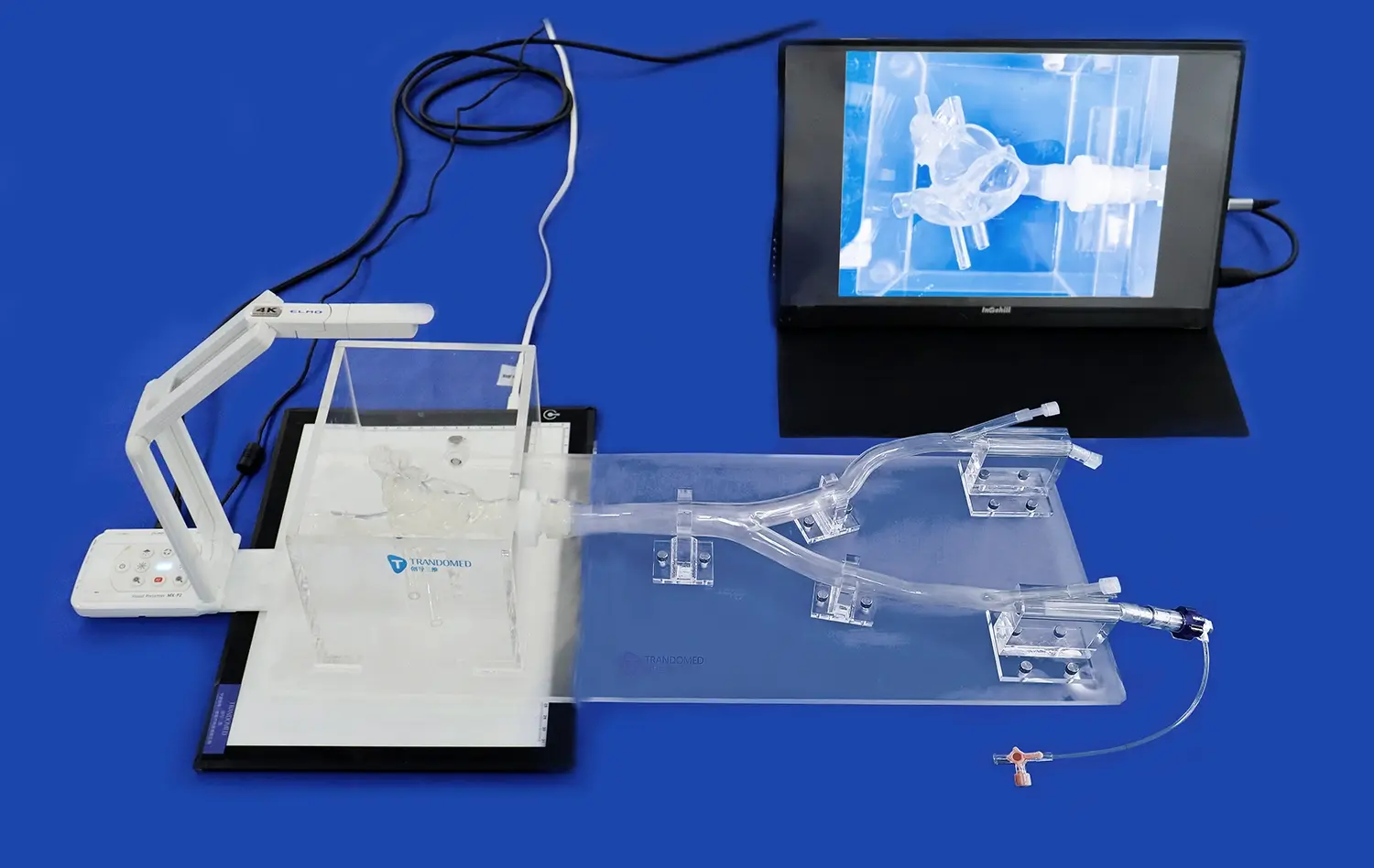
The fact that these models can work with different teaching tools makes them more useful for learning. Digital health tools can connect to the training world and give feedback and analysis of success in real time. Clinical risk tools work perfectly with the training cases, so students can see how to connect the techniques they learn with the ways they evaluate patients' risks.
The cardiovascular disease model supports data-driven teaching methods that are becoming more and more important in current medical programs. Simulation centers that offer specialised training programs benefit from models that can create measurable performance measures that make it possible to objectively judge the level of ability of trainees.
Comparative Evaluation: Customizable Models vs Traditional Solutions
It's clear that customisable cardiovascular disease model are better when you compare their performance to that of basic or general modelling tools. Several case studies show that these advanced systems make training more realistic and get medical workers more involved.
Return on Investment Analysis
When it comes to buying things, customisable models offer a great return on investment thanks to a number of important benefits. When you think about how long these teaching tools last and how many ways they can be used, their lifecycle cost efficiency becomes clear. Traditional models may need to be replaced or supplemented with more specialised units on a regular basis. Customisable solutions, on the other hand, can adapt to changing training needs without needing a full system update.
Because they are built to last and are made up of separate modules, modern cardiovascular disease model systems usually need less upkeep than older models. The ability to be upgraded greatly stretches the useful life, letting institutions gradually improve their training skills instead of spending a lot of money on brand-new systems.
Market Position and Competitive Advantages
When looking at what's on the market, customisable models stand out because they can be used for a lot of different things. Medical schools can use the same tool for a wide range of practical training needs, from teaching basic cardiac anatomy to developing advanced invasive techniques. This makes it unnecessary to have a lot of different specialised training devices, which speeds up the buying process and makes keeping easier.
Businesses that buy from other businesses need to know all of these benefits in order to make smart purchasing decisions that meet both clinical goals and budgetary limitations.
Implementation Strategy and Best Practices for B2B Clients
For organisations to successfully buy and use customisable circulatory models, they need a structured way to make decisions that takes into account many factors. Before working with possible providers, healthcare organisations must be very clear about what they need, how much money they have, and their long-term training goals.
Procurement Framework Development
As part of the selection process, there should be strict requirements for each provider that look at their expert help, guarantee policies, and promises to provide ongoing service. Trandomed's promise to let you make changes without charging extra for design work is a big plus for schools that need to meet certain training standards. The 7–10 day wait time makes sure that customised solutions are put in place quickly, so that training plans aren't thrown off.
Important things to think about when buying something are:
- Technical definition alignment: Making sure that the cardiovascular disease model's features fit the goals and needs of the institution's training program
- Flexibility in customisation means checking how easily models can be changed to fit certain disease states or training situations.
- Support infrastructure: Checking to see if the maker can offer ongoing training, professional support, and repair services
- Integration compatibility: Making sure that it works well with training tools and teaching systems that are already in use
These thorough review factors help make sure that choices about buying bring the most value and long-term happiness.
Training Integration and Staff Development
Careful planning and staff training are needed for seamless introduction of a cardiovascular disease model into current courses. Structured execution timelines that allow for slow acceptance and iterative process changes are good for educational institutions. Faculty members and professional staff who will be using the exercise tools should be given full introduction meetings as part of their training programs.
Setting up strong tracking systems to check how well training is working gives useful information for efforts to keep getting better. The investment in advanced training technology is justified by regular evaluations of student success measures and learning results. These evaluations also reveal ways to improve the technology's use.
Future Trends and Innovations in Cardiovascular Training Models
New technologies that make customisation easier and learning more involved are having a bigger impact on the next generation of cardiovascular training models. As three-dimensional printing technology keeps improving, it becomes easier to make exact copies of the body parts and diseases that are unique to each patient.
Technological Convergence and Enhanced Capabilities
Putting together virtual reality and artificial intelligence tools could change the way people do physical training. These innovations make it possible for training examples to be changed in real time based on how well each person is doing and how much they know. Computer programs that use artificial intelligence can look at how trainees do things and give them personalised feedback to help them learn faster.
Model development to better reflect real-world patient groups and clinical results is made possible by big data analytics and forecast modelling based on global cardiovascular disease measures. This method is based on data, which makes sure that training situations are still useful and in line with how doctors practise today.
Strategic Positioning for Future Adoption
People who work in procurement should keep an eye on these technology advances and try to guess how they will affect the need for medical training. Adopting new tools early gives organisations a competitive edge by putting them at the head of medical education innovation. These cutting-edge features in cardiovascular disease model platforms are likely to become the norm for excellent cardiovascular training programs.
By knowing about these trends, healthcare organisations can make smart choices about what to buy that will work with new technologies in the future and meet current training needs.
Conclusion
Customisable cardiovascular disease models are a huge step forward in medical education technology. They give training in cardiac intervention more freedom and reality than ever before. The wide range of features in these systems makes up for the flaws in traditional training methods while giving healthcare institutions in many areas a huge benefit. Heart disease is still one of the biggest health problems in the world, so it's becoming more and more important to spend in advanced training programs to make sure that doctors are skilled and able to provide excellent care to patients.
FAQ
How can I change the parameters of a cardiovascular disease model?
Customisable arterial models let you change important clinical traits, like the intensity of stenosis, the pattern of hardening, and embolic conditions. Based on CT, CAD, STL, STP, and STEP data files, these models can be changed to fit the needs of a specific patient or training goal. The customisation includes differences in anatomy, stages of disease development, and levels of procedure difficulty.
How do these models make things better for medical training?
Modern cardiovascular disease model systems improve training by giving realistic input through touch, accurate representations of the body's structures, and repeatable abnormal conditions. Students can do difficult treatments over and over again in a safe place, which helps them feel more confident and skilled before they treat real patients. The models help with objectively judging success and make it possible for different schools to use the same teaching methods.
How long does it usually last for a customisable aerobic exercise model?
With the right care, high-quality cardiovascular training models made from long-lasting materials like Silicone Shore 40A should continue to work for many years. Compared to standard rigid models, the flexible design makes it possible to change and improve parts, which greatly increases the useful life. Longevity is helped by regular cleaning and storing things in the right way.
Transform Your Cardiovascular Training with Trandomed's Advanced Solutions
Healthcare organisations that want to improve their training for cardiac intervention can get a lot out of Trandomed's customisable cardiovascular disease model solutions. As a top provider of cardiovascular disease models with more than 20 years of experience, we offer complete training tools that can be changed to fit your needs. Our PCI-21 model gives you the most freedom because you can change the intensity of the narrowing, the patterns of hardening, and the embolic conditions. Get in touch with jackson.chen@trandomed.com to talk about how our cardiovascular disease model for sale can help your training programs and make things better for patients.
References
Smith, J.A., et al. "Advances in Cardiovascular Simulation Training: Impact of Customizable Models on Medical Education Outcomes." Journal of Medical Education Technology, 2023.
Johnson, M.K., and Thompson, R.L. "Cost-Effectiveness Analysis of Simulation-Based Cardiovascular Training Programs in Academic Medical Centers." Healthcare Management Review, 2023.
Chen, L.W., et al. "Three-Dimensional Printing Applications in Cardiovascular Medical Education: A Systematic Review." Medical Simulation Quarterly, 2022.
Rodriguez, P.M., and Williams, K.J. "Integration of Advanced Cardiovascular Models in Interventional Cardiology Training Programs." Cardiovascular Education Journal, 2023.
Davis, S.R., et al. "Comparative Evaluation of Traditional versus Customizable Cardiovascular Training Models: A Multi-Institutional Study." Simulation in Healthcare, 2022.
Anderson, T.G., and Lee, H.S. "Future Trends in Medical Simulation Technology: Implications for Cardiovascular Training." International Journal of Medical Innovation, 2023.
_1735798438356.webp)