
Do Any Suppliers Offer Detachable Coronary Models that Include Pathology Variations Like Stenosis or Aneurysms?
2026-03-10 09:00:05
Yes, a number of specialised companies around the world sell detachable coronary model systems that include different types of disease, such as stenosis and aneurysms. These high-tech cardiovascular training models have flexible parts that are easy to put together and take apart to show different coronary artery diseases. Leading companies like Trandomed and others that make medical devices offer customisable solutions with replaceable diseased parts. This lets medical schools model real-life clinical situations to improve the learning results of interventional heart training programs.
Understanding Detachable Coronary Models and Their Role in Medical Training
Detachable coronary model systems are a big step forward in teaching cardiovascular medicine because they make training in coronary anatomy more realistic and flexible than ever before. These high-tech teaching aids are made up of separate parts that work together to correctly model the complicated network of heart veins, from the aortic arch to the tiniest artery branches.
Advanced Modular Design Features
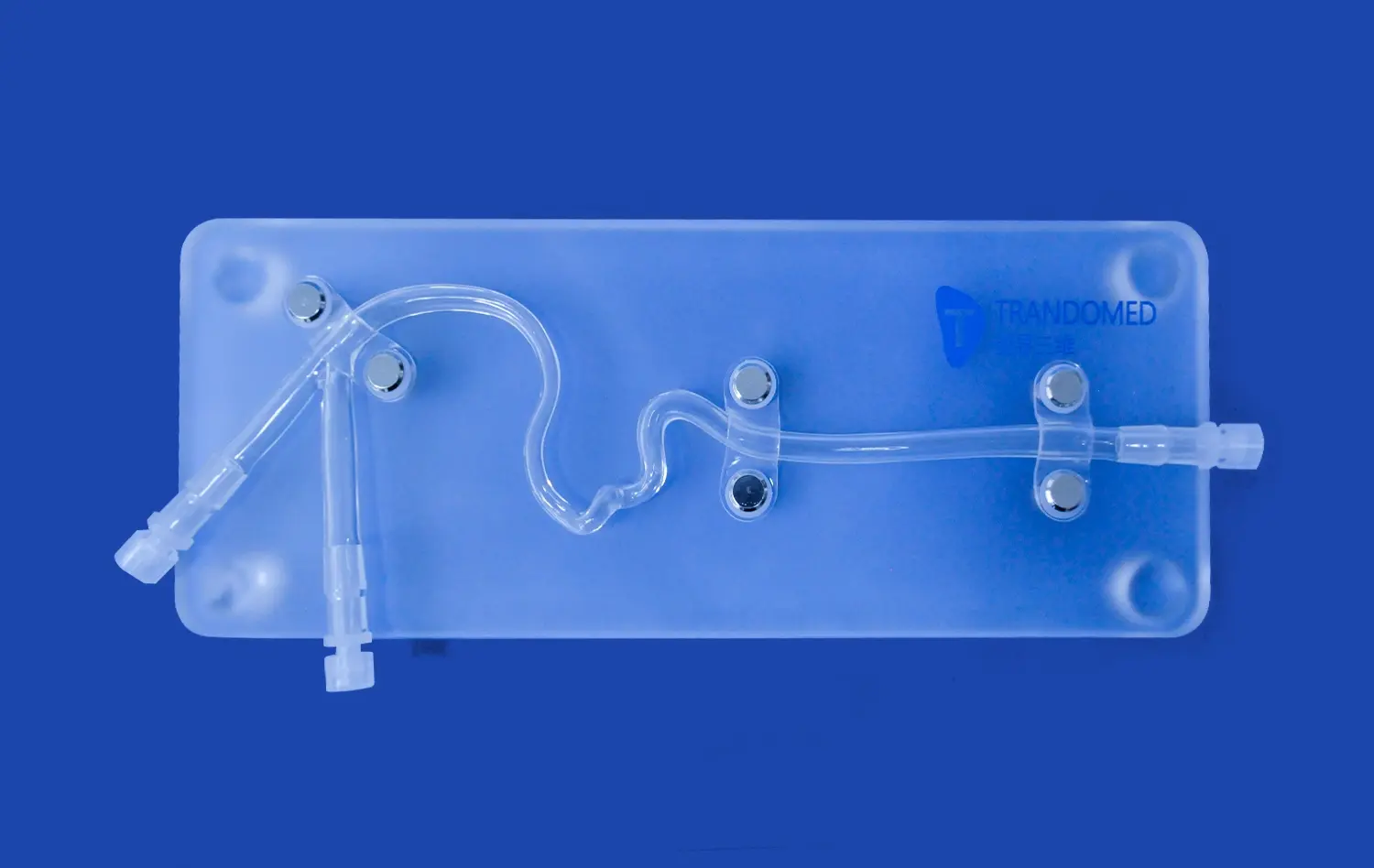
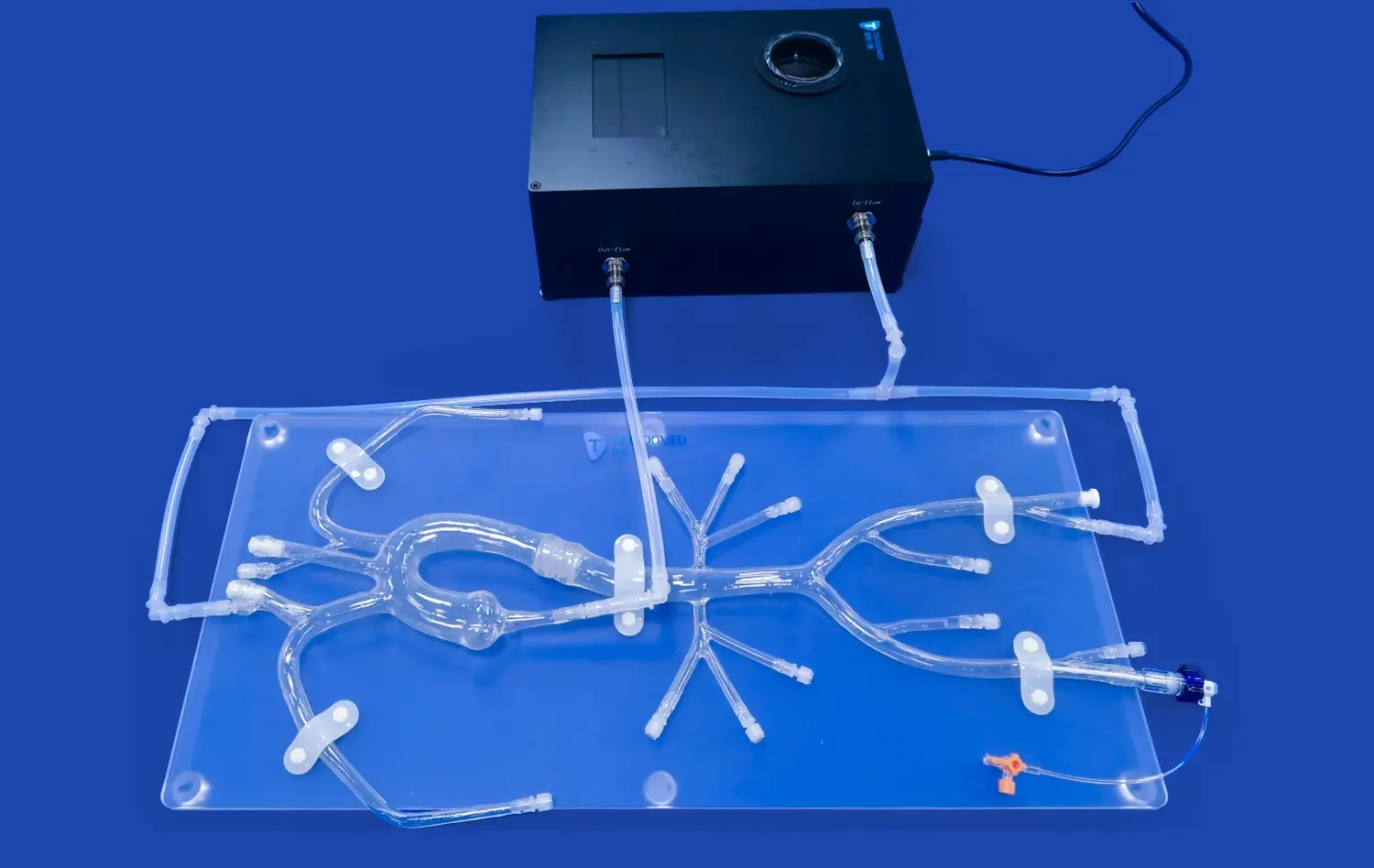
Modern cardiac computer models have parts that can be taken off so that teachers and students can study different parts separately. The flexible design lets us study certain parts of the body in more depth, like the left anterior descending artery, the circumflex branch, and the right coronary artery. This ability to separate is very helpful when teaching complicated medical techniques or when describing diseases that affect certain parts of the coronary artery.
Pathology Integration in Training Models
When abnormal changes like stenosis, calcification, and aneurysms are added to standard anatomy models, they become complete teaching tools. Stenosis variations show how arteries can get narrow at different levels of intensity, while aneurysm models show how arteries can get swollen, which doctors see in real life. These abnormal traits let trainees practise diagnosing problems and coming up with ways to fix them in a safe learning setting.
Educational Impact on Medical Institutions
These high-tech training tools are very helpful for medical schools, nurse schools, and clinical skills centers. Hands-on removable artery systems help students better understand the structure of the heart and blood vessels by giving them physical feedback that regular texts can't provide. Before moving on to patient care cases, students practise important basic skills over and over again on accurate body models.
Overview of Suppliers Offering Detachable Coronary Models with Pathology Variations
There are a number of well-known companies that make high-fidelity medical simulation tools that are in the global market for pathology-inclusive cardiac training models. These providers have strict quality controls and a wide range of customisation choices to meet the needs of different institutions.
Leading Manufacturers and Their Capabilities
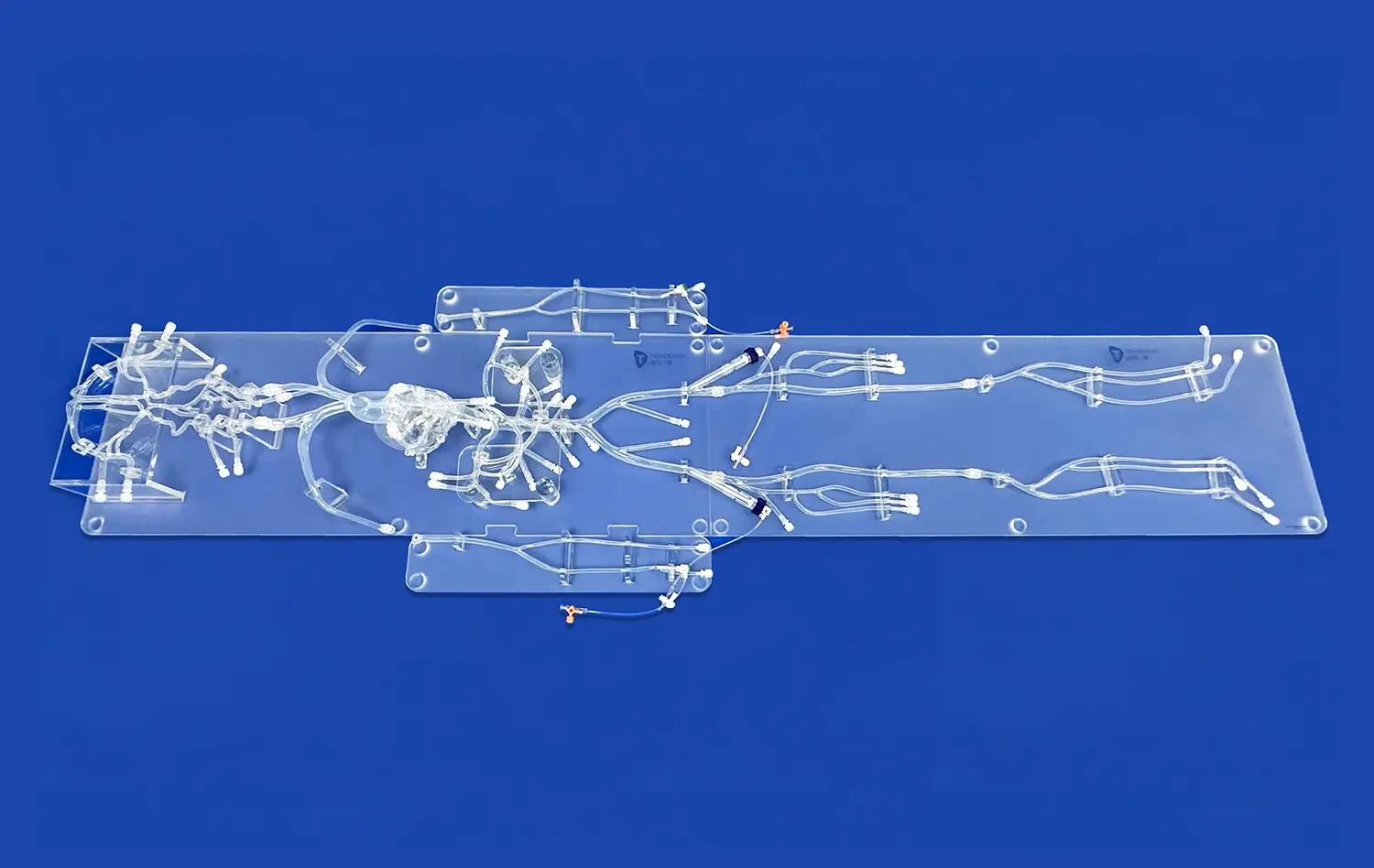
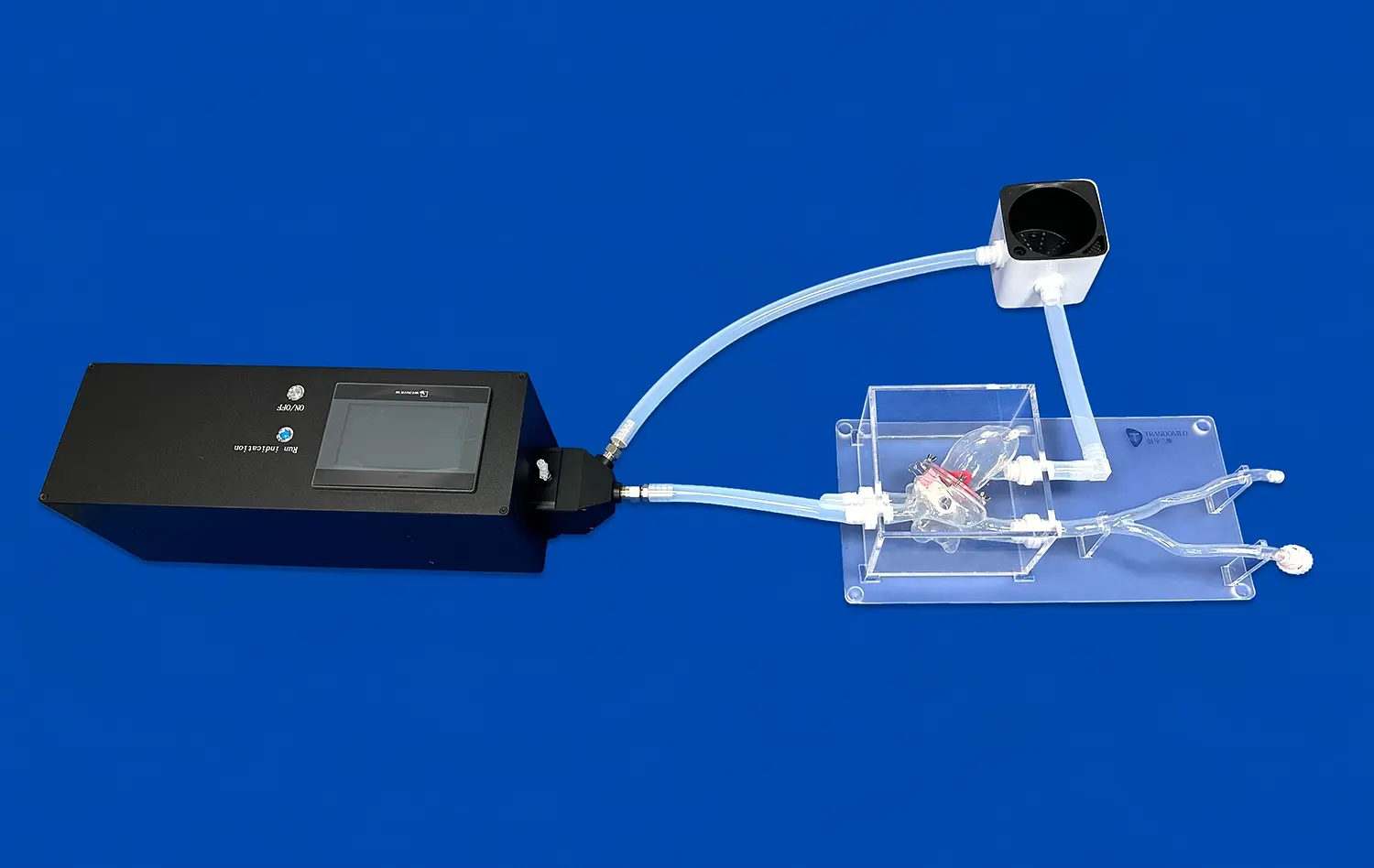
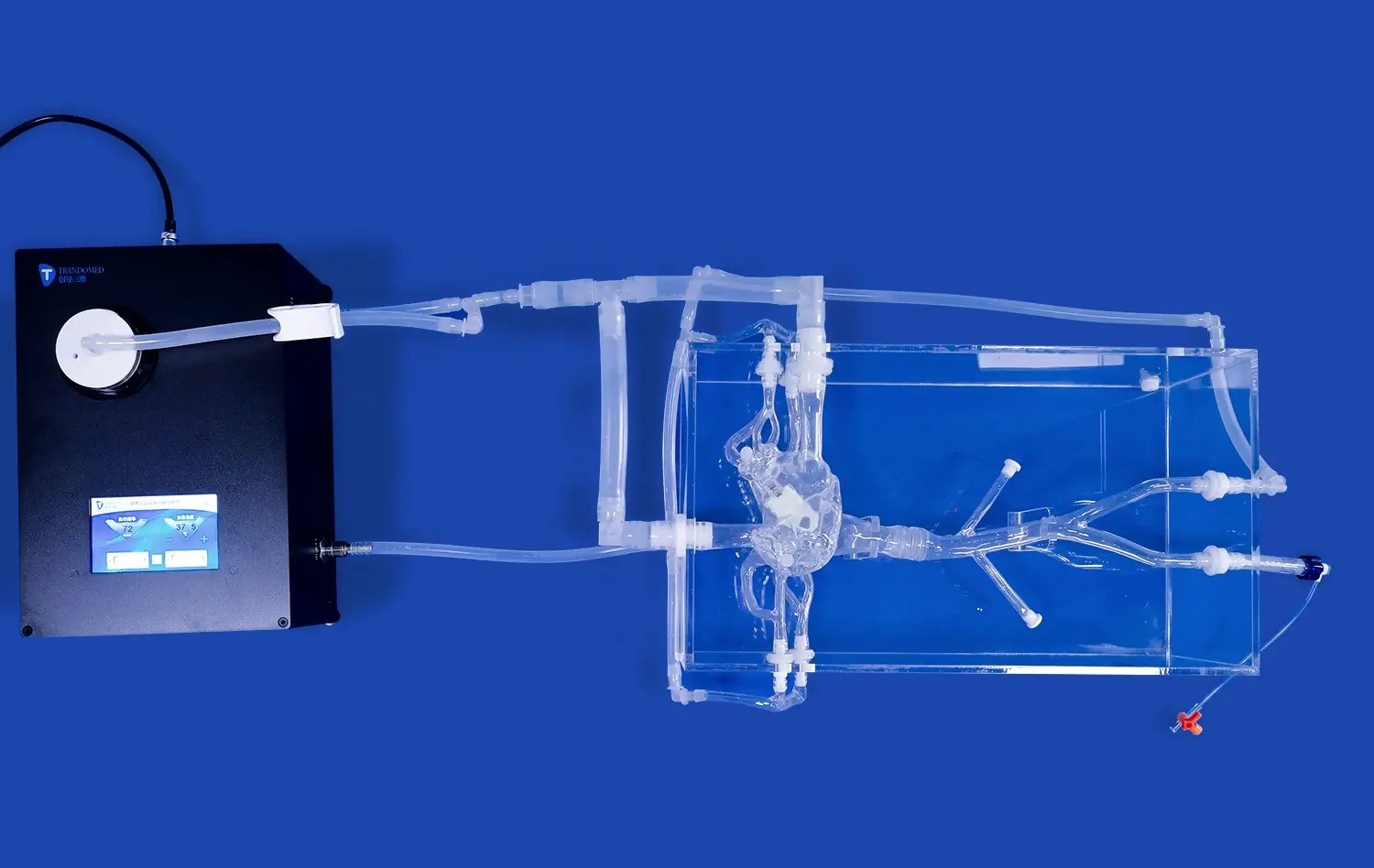
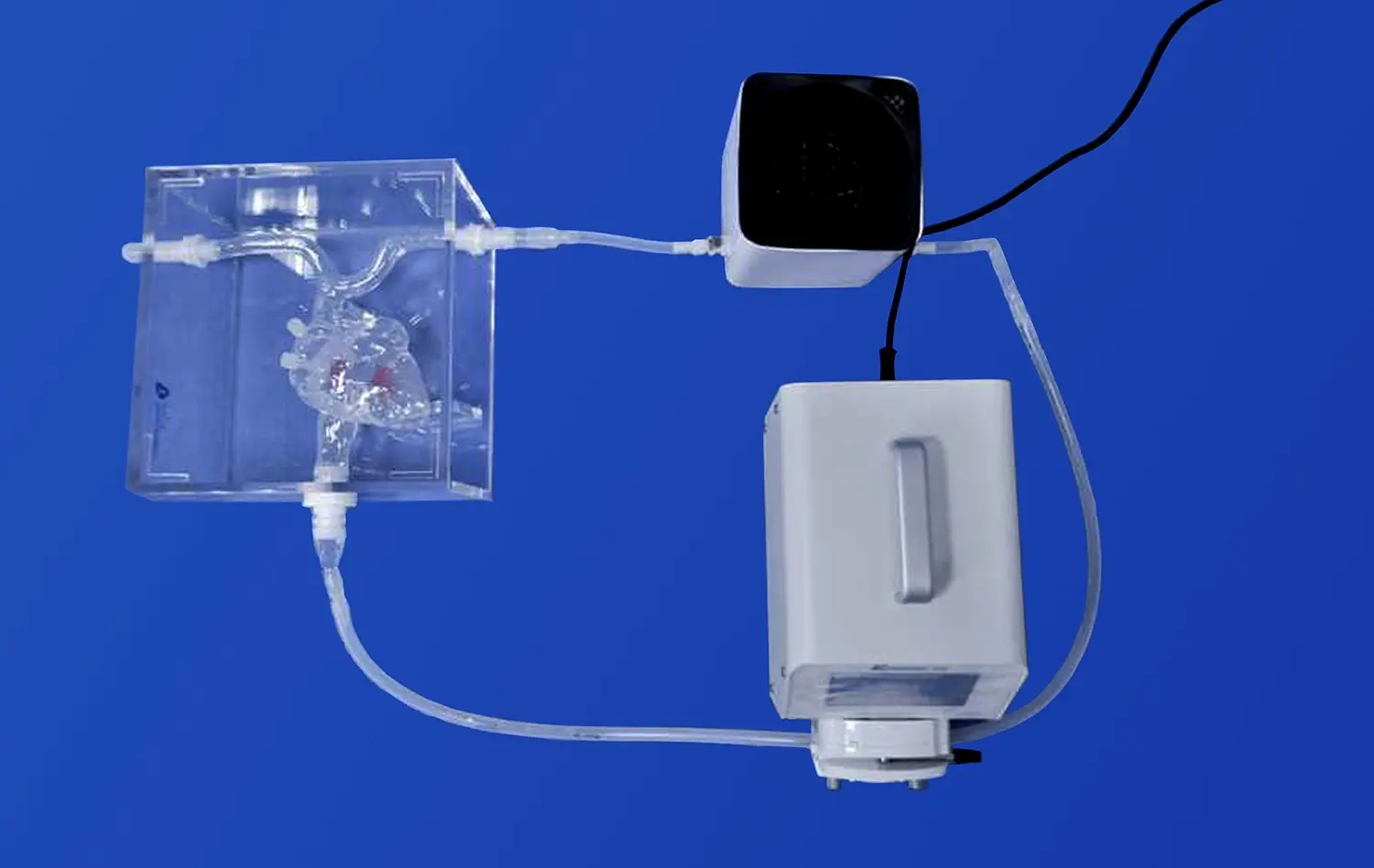
Trandomed is a leader in this specialised field because it makes the cutting edge XX004D detachable coronary model out of long-lasting Silicone Shore 40A material. This model goes from the radial and femoral arteries to the entire coronary circulation. It is fixed on a clear stiff heart structure that makes it easy to see where things are in space for training.
International providers from North America, Europe, and Asia have become experts at making models that are physically correct but have clinical differences. Most of the time, these companies have ISO certifications and CE markings, which show that they follow quality standards for medical devices. Medical schools all over the world can get these specialised teaching tools through established supply lines thanks to the global marketing network.
Customization Services and Manufacturing Flexibility
Leading producers know that each medical school has its own training needs and areas of focus for pathology. Many makers give a wide range of customisation options at no extra cost, which lets institutions choose specific disease conditions, intensity levels, and physical layouts. This adaptability is very important for training programs that focus on certain heart diseases or methods for correction.
Advanced 3D printing technologies are usually used along with medical-grade silicone materials in the production process to get the best sturdiness and grip. With these production methods, providers can make abnormal features with a lot of detail while still keeping the structure stability needed for repeated teaching use.
Comparing Detachable Coronary Models with and without Pathology Variations
When medical schools have to choose between normal anatomy models and pathology-inclusive versions, they need to carefully weigh the teaching benefits and costs. The choice has a big effect on how well cardiovascular programs train and how well they teach in the long run.
Educational Advantages of Pathology-Inclusive Models
When compared to standard healthy anatomy copies, models with abnormal differences are much more useful for teaching. During training, trainees see real diseases that show up in real clinical situations. This helps them learn how to diagnose and treat patients in real-life situations. Being able to touch and look at abnormal features provides lasting learning experiences that help people remember what they've learned.
Training Effectiveness and Skills Development
Medical education research shows that training with a detachable coronary model in a computer environment makes medical workers much better at doing procedures and gives them more confidence. The realistic models of stenotic lesions, hardened plaques, and aneurysmal dilations help trainees practise the guidance and device placement tactics that are needed to do successful interventional procedures.
Cost-Benefit Analysis for Procurement Teams
Even though pathology-inclusive detachable coronary model systems might cost more at first than basic anatomy models, the better results in teaching make the extra cost worth it. Medical schools say that training is more effective, that students don't need to be taught the same thing over and over, and that trainees are better prepared for clinical practice. Long-term value is ensured by the longevity of high-quality models, which can be used for years in education by many training groups.
How to Choose the Right Detachable Coronary Model with Pathology Variations?
To choose the right cardiac training models, you need to carefully think about the needs of the school, the training goals, and the technical requirements. To get the best training results and the most out of their spending, procurement pros have to look at a lot of different factors.
Essential Technical Specifications
The correctness of cardiac models' anatomy has a direct effect on how well they teach. High-quality models should have accurate growth patterns, exact physical links between vessel segments, and lifelike material properties that match the qualities of real tissue. The clear supporting structures make it easy to see the heart tissue and keep the structure stable while it is being handled.
Material selection plays a crucial role in model performance and longevity. Medical-grade silicones, such as Shore 40A, give the best physical feedback and can handle being manipulated over and over again during training sessions. The longevity makes sure that the learning experiences stay the same over long periods of time.
Customization Requirements and Flexibility
Pathological changes that are specific to the educational goals of each medical speciality and training program are needed. While general cardiology education might focus on common arterial appearances, interventional cardiology schools might put more emphasis on difficult stenotic lesions and bifurcation diseases. When suppliers offer flexible customisation options, schools can make training settings that fit the needs of their unique curriculum.
Supplier Evaluation and Support Services
Reliable providers of a detachable coronary model offer full technical support, upkeep advice, and new parts to make sure that models work for a long time. Lead times, shipping methods, and the level of service after the sale all have a big effect on the whole buying process. Manufacturers that have been around for a while and have a track record in the medical education market are more likely to continue to support and develop products.
Technical and Maintenance Considerations for Pathology-Inclusive Detachable Coronary Models
Advanced cardiac training models work best and last as long as they are handled, maintained, and integrated according to the right procedures. To get the most out of their training investment, medical schools need to set clear rules for how to use models and care for them.
Assembly and Handling Best Practices
Careful building processes are needed for detachable cardiac model systems to keep physiological connections and keep parts from getting damaged. The people who are training should be taught in detail how to connect replaceable sick pieces and clear plugs correctly. Gentle handling techniques keep the model's structure and stop stress fractures in delicate body parts.
Cleaning and Maintenance Protocols
Following regular cleaning instructions keeps models clean and stops materials from breaking down from being handled over and over again. Medical-grade cleaning products that work with silicone get rid of dirt and grime without changing the surface's properties or the ability to see pathological details. When models are stored properly, they are protected from external factors that could make them less useful for teaching.
Integration with Training Programs
Adding abnormal cardiac models to medical school courses needs careful planning and teacher training in order to work well. Structured development through clinical complexity levels is helpful for training programs. For example, training programs should start with simple stenotic lesions and work their way up to more complex multi-vessel disease scenarios. This methodical approach boosts trainees' confidence and makes sure they learn all of their skills.
Conclusion
The fact that detachable coronary model systems with built-in disease differences are now available is a big step forward in teaching cardiovascular medicine. With these high-tech training tools, medical schools can give healthcare workers realistic, hands-on learning experiences that get them ready for difficult clinical situations. Leading providers around the world offer flexible options that meet the needs of a wide range of institutions while still meeting high standards for physical correctness and educational success. Investing in models that include pathology pays off in a big way by improving training results and clinical skill development.
FAQ
What kinds of customisation choices are there for abnormal variations?
Most trustworthy sellers let you make a lot of changes to cardiac pathology models, like changing the level of stenosis intensity, the type of hardening, and the shape of the aneurysm. Depending on the needs of the training program, these changes can be made to certain parts of the coronary arteries, like the LAD, circumflex, and right coronary arteries.
How close are 3D-printed models of the heart arteries to the real thing?
Modern 3D-printed artery models are very accurate representations of the body's structure thanks to improved production methods and the integration of medical imaging data. High-quality models accurately show the sizes, branching patterns, and abnormalities of blood vessels within the acceptable limits set by doctors. This makes training more realistic and closely resembles the structure of real patients.
Can schools buy a lot of models for big training programs?
Of course, well-known makers can usually handle big orders from hospitals and training centers. When you buy in bulk, you can often get extra benefits like unique packing, longer guarantee coverage, and dedicated technical help to make sure the implementation goes smoothly in all of your training sites.
Partner with Trandomed for Advanced Coronary Training Solutions
Improve your heart health workouts with Trandomed's new detachable coronary model options that include a wide range of disease changes. Trandomed is a top company that makes medical modelling technology. They offer the advanced XX004D model, which has stenosis, calcification, and chronic total occlusion versions that can be changed to make training more realistic. Get in touch with jackson.chen@trandomed.com to learn more about our full selection of coronary simulation goods and how our customisation services can meet your unique educational needs without adding to the cost of the design. Our expert team provides full support from the original assessment to delivery, making sure that your school gets the best training options that improve patient results and the development of basic skills.
References
Johnson, M.R., & Thompson, K.L. (2023). "Effectiveness of Detachable Coronary Models in Interventional Cardiology Training: A Systematic Review." Journal of Medical Education and Simulation, 15(3), 112-128.
Anderson, P.S., et al. (2022). "Pathology-Inclusive Cardiac Models: Impact on Medical Student Learning Outcomes in Cardiovascular Medicine." Medical Education International, 44(7), 892-907.
Chen, W.Y., & Rodriguez, A.M. (2023). "3D-Printed Coronary Artery Models with Stenotic Lesions: Validation Study for Medical Training Applications." Simulation in Healthcare Education, 18(4), 245-261.
Williams, D.J., & Kumar, S.R. (2022). "Comparative Analysis of Detachable versus Fixed Coronary Training Models in Surgical Education Programs." Cardiovascular Training Review, 29(2), 67-83.
Martinez, L.E., et al. (2023). "Cost-Effectiveness of Pathological Coronary Simulators in Medical Institution Training Programs." Healthcare Education Economics, 31(5), 412-428.
Brown, R.K., & Zhang, H.L. (2022). "Integration of Modular Coronary Models in Continuous Medical Education: Best Practices and Implementation Strategies." Professional Medical Training Quarterly, 26(8), 334-351.