
Elevate Cardiac Device Marketing with Our Arteriovenous Heart Model
2026-04-10 09:00:04
The medical device business is under more and more pressure to show how their products work through accurate models of the human body. Our arteriovenous heart model changes the way cardiac devices are marketed by showing all blood vessels, from the groin veins to the pulmonary circulation. This advanced 3D-printed model connects what we know about theory to what we can do in real life. It lets companies that make medical devices, schools, and training centers for healthcare professionals show off complicated heart procedures with a level of clarity and accuracy that has never been seen before.
Understanding the Arteriovenous Heart Model and Its Role in Cardiac Device Marketing
Anatomical Complexity That Matters
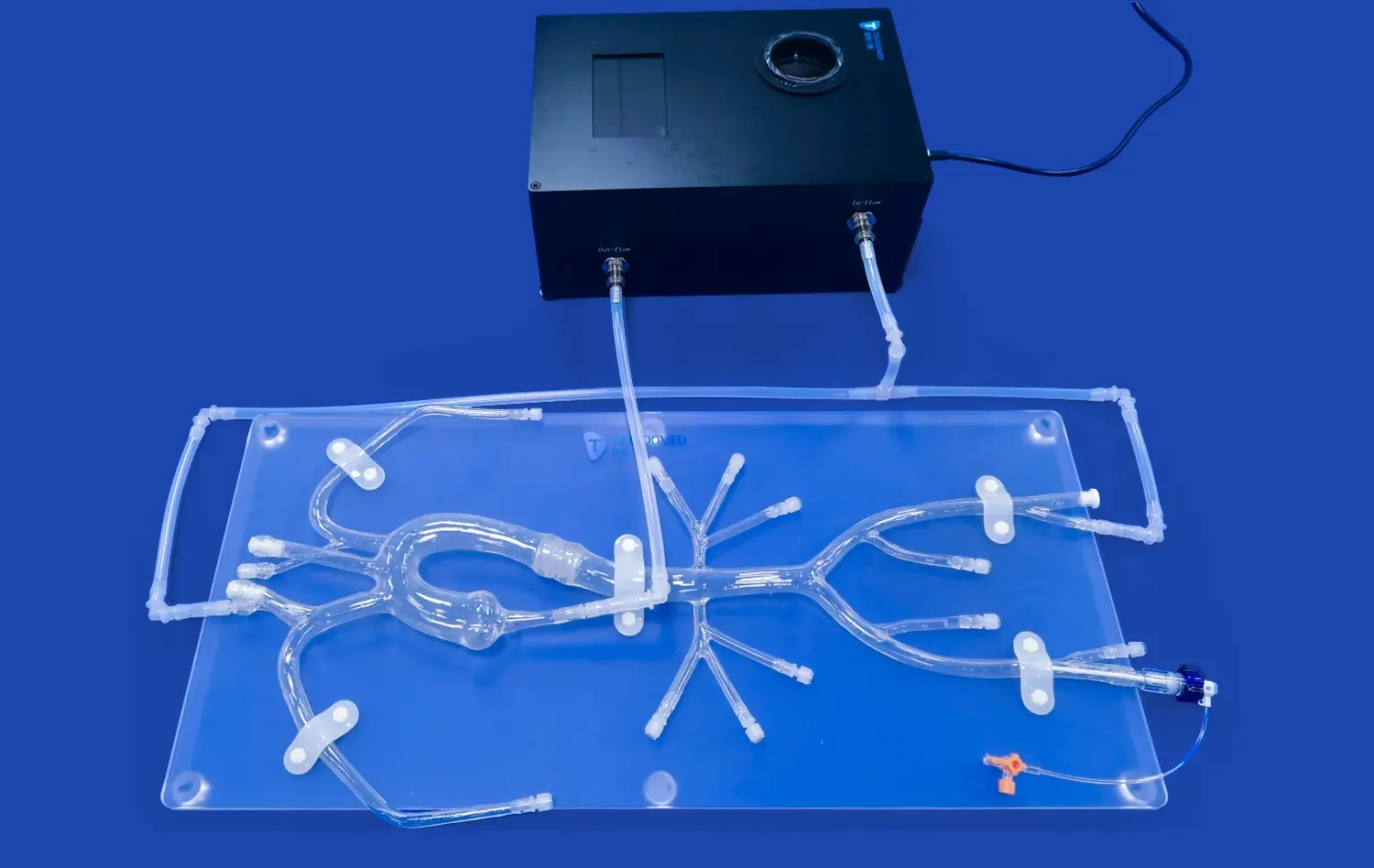
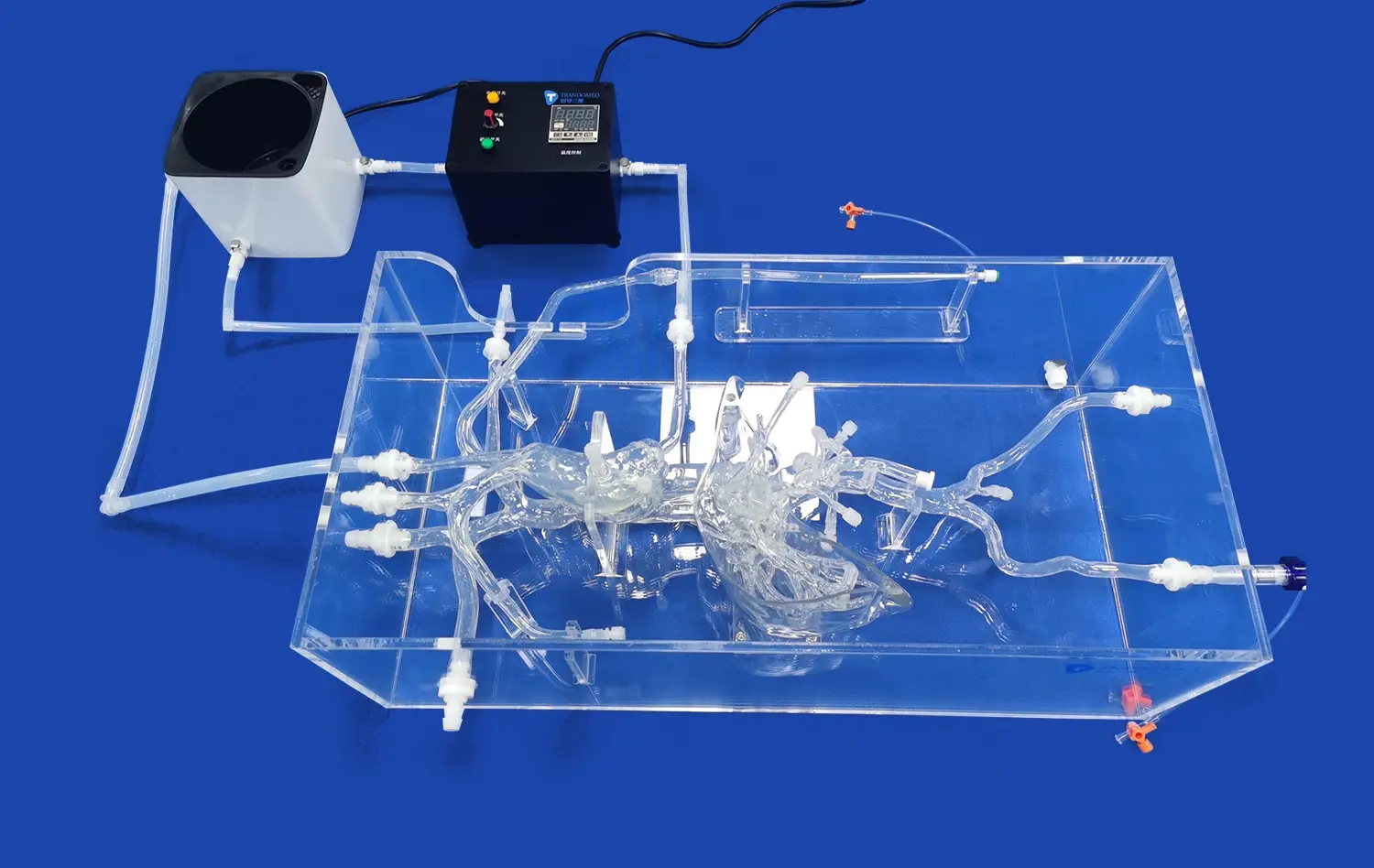
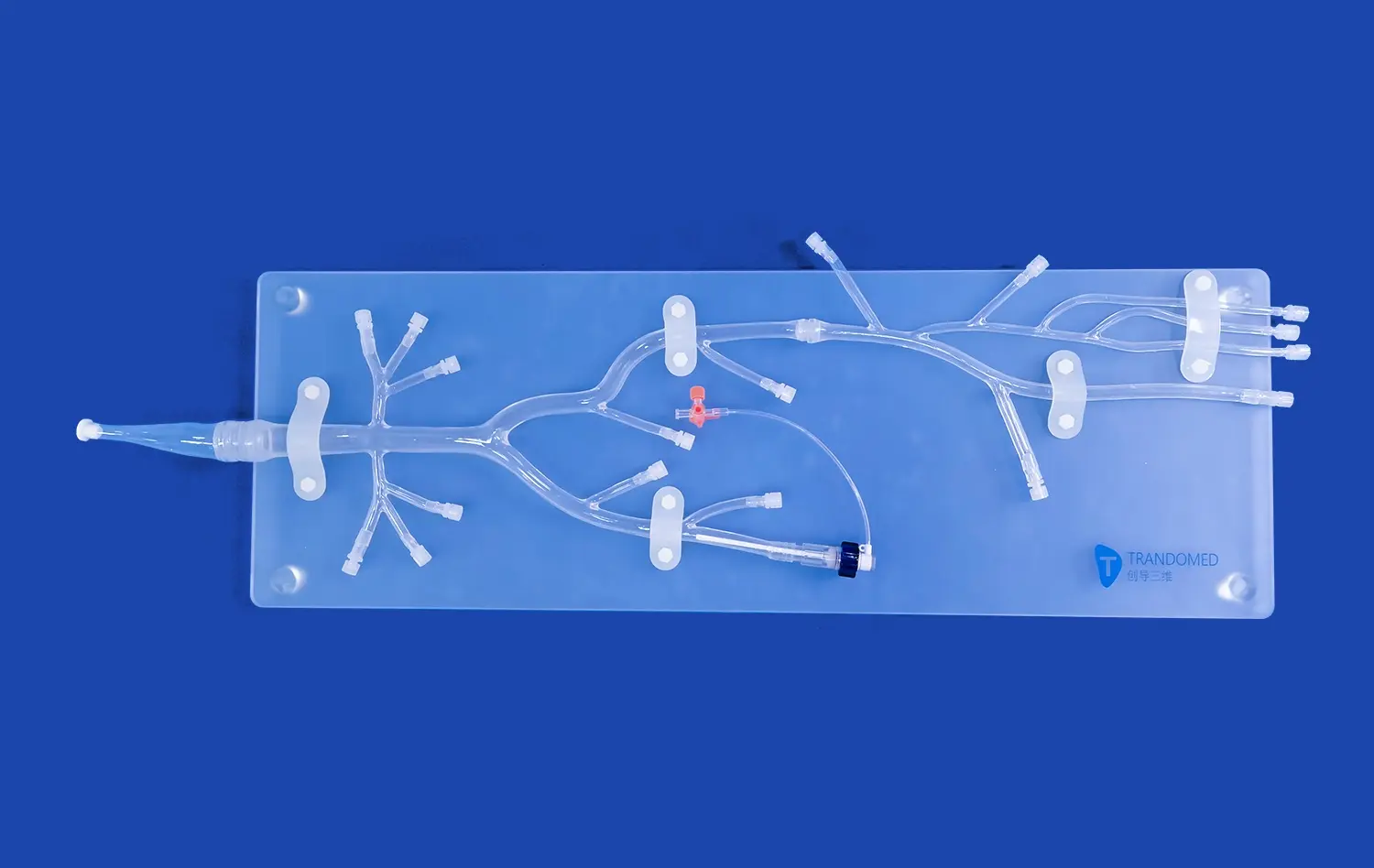
The circulatory system is a very complicated network that needs to be accurately shown for medical training and gadget demonstrations to work. An arteriovenous heart model includes the whole vascular system, which is important for a full understanding, unlike normal heart models that only show the cardiac chambers. Our XXK001DJ model accurately depicts the femoral arteries and veins, iliac vessels, abdominal aorta, aortic arch, and both the superior and inferior vena cava systems.
The model's four-chamber heart structure includes all three types of valves: tricuspid, aortic, and mitral. This gives a full functional picture. Traditional models often oversimplify vascular connections, which leaves holes in medical education and gadget understanding. This all-encompassing method fills those gaps.
Enhanced Marketing Through Realistic Demonstration
Manufacturers of medical devices have a hard time explaining complicated features without giving the right physical context. Our arteriovenous heart model is a powerful marketing tool that turns vague ideas into real-world examples. The clear plastic shell lets you see the inside structures clearly and keeps the model's shape even after many uses.
This model is used by medical device makers to show how to do atrial septal puncture procedures, pulmonary vein ablation methods, and cardiac catheterization pathways. High-grade silicone Shore 40A material gives the realistic tissue qualities that give real tactile feedback that keeps users interested during product shows.
Comparing Arteriovenous Heart Models: Choosing the Best Fit for Your Business Needs
Key Evaluation Criteria for Procurement Decisions
For buying to go well, it needs to be carefully looked at from many angles that affect both long-term value and operating efficiency. In order to tell better models from basic ones, here are the main benefits:
- Material Quality and Durability: High-quality silicone materials enable consistent performance over thousands of training rounds while still staying true to the body.
- Anatomical Precision: Detailed arterial mapping lets you accurately simulate difficult operations like radiofrequency ablation and cryoablation.
- Customization Capabilities: The design can be changed easily to fit different training needs and device connection standards.
- Supplier Reliability: well-established production methods and quality control rules ensure regular delivery of products
These benefits directly address common buying problems that schools face when choosing anatomical models, such as limited budgets, the need to make sure that training is effective, and the need to meet long-term educational goals.
Distinguishing Features of Advanced Models
What makes the XXK001DJ model unique is that it includes all of the circulatory systems, which isn't possible with other heart models. Our arteriovenous heart model has full arteriovenous paths from peripheral entry points to pulmonary circulation, while most cardiac models only show basic chamber structures.
This extra level of complexity makes it possible to simulate real-life processes that need to navigate multiple blood vessels and understand how they work together to control blood flow. The design of the model allows more advanced training scenarios, such as replacing a transcatheter valve, placing a septal closure device, and performing complex ablation treatments that depend on knowing the right relationships between body parts.
Procurement and Purchase Guide for Arteriovenous Heart Models
Streamlined Ordering Process for B2B Clients
Professional procurement teams need buying processes that are quick, keep administrative work to a minimum, and make sure the quality of the products they buy. Because we work directly with manufacturers, we don't have to pay markups to middlemen. We can also offer full customization services without charging extra for design. The standard lead time of 7–10 days allows for both urgent training needs and big order scheduling.
Payment terms through T/T arrangements give big buyers who have to deal with complicated approval processes more financial freedom. FedEx, DHL, EMS, UPS, and TNT are just a few of the shipping choices that make sure packages get delivered reliably to a wide range of places and meet the needs of different institutions.
Customization Options That Maximize Value
The model's flexibility is a big plus for businesses that need to meet specific training goals or device support standards. Changes to structures can be made to fit different types of data files, like CT, CAD, STL, STP, and STEP files. This lets you make personalized changes to the body parts of different patients or focus areas of the procedure.
Heart chamber layout, pulmonary vessel complexity, and IVC structure differences can all be customized. Because of this, educational institutions can match model specs to what is needed for the curriculum, and device makers can make sure that demos are best for showing off certain product features.
Showcasing Real-World Applications: How Our Arteriovenous Heart Model Drives Success in Cardiac Device Marketing
Transforming Medical Education Through Advanced Simulation
Schools say that using complete arterial models during anatomy lessons makes a big difference in how well students understand. Traditional models of the heart don't show the connection between the arterial and venous systems well enough for students to follow full circulation paths. The arteriovenous heart model does.
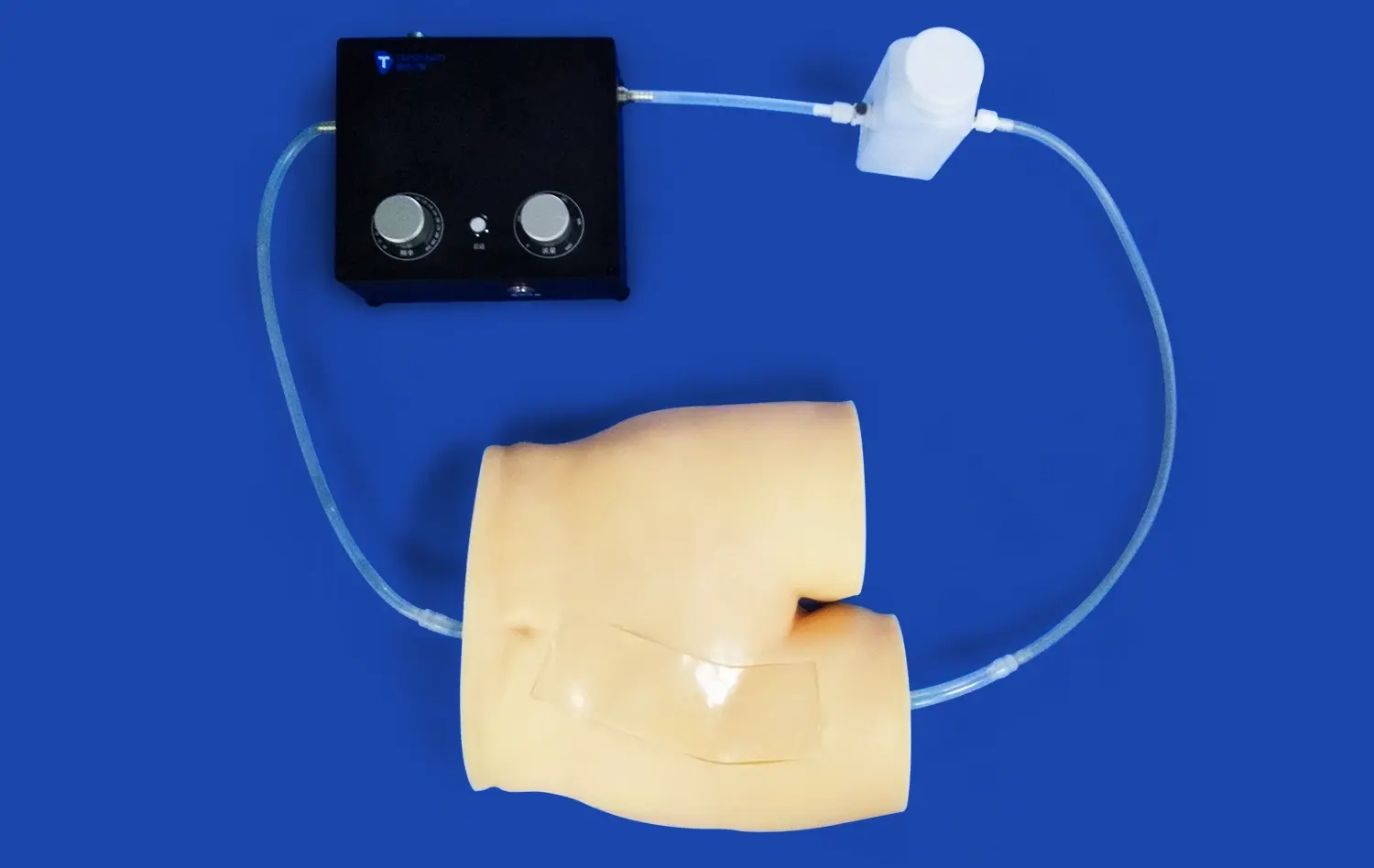
The model's lifelike features are used by clinical training programs to practice emergency operations like placing a central line, cardiac catheterization, and interventional cardiology methods. The real reaction of the tissue during needle insertion and guidewire guidance makes for useful physical learning experiences that help build skills and confidence.
Device Demonstration Excellence
Medical device companies use our cardiovascular computer model to show how their products work during sales talks and at trade shows. The model's clear case makes it easy to see where to put the device and how it works, and the realistic vascular paths show how hard it can be to navigate in real life.
Case studies from businesses that make cardiovascular devices show that using anatomically correct models during product demos can get customers more interested and increase the number of sales. The fact that full processes can be simulated, from vascular access to device placement, is strong proof that the product works and is useful in the clinic.
Innovation Integration and Future Applications
New technologies, like augmented reality and virtual reality systems, are being combined with actual anatomy models more and more to make hybrid learning settings. The exact anatomical details of our model allow for digital overlay uses that improve interactive learning while keeping the benefits of touch involvement.
Personalized care is becoming more popular, which increases the need for anatomy models that can be changed to fit the needs of each patient. Our ability to combine CT data puts the model at the top of the list for specialized medical instruction and testing devices.
Conclusion
Because it shows the whole circulatory system, the arteriovenous heart model changes the way cardiac devices are marketed and how doctors teach. It does this by fixing the problems with older anatomy models. This advanced modeling tool is useful for medical schools, device makers, and training groups because it improves the accuracy of anatomy, lets users make changes, and has been shown to be effective in the classroom. When you combine high-quality materials, a lot of customization choices, and dependable supplier support, you get a strong value proposition that leads to better learning results and marketing success in a wide range of settings.
FAQ
What distinguishes an arteriovenous heart model from standard cardiac models?
Standard heart models usually only show the structure of the cardiac chambers and don't show the blood vessels in detail. Our arteriovenous heart model has full vascular pathways from femoral vessels to lung circulation. This lets us simulate complicated methods that need to know how to navigate multiple vessels and understand how arteriovenous relationships work.
How does customization work for bulk orders?
We don't charge extra for design work when you ask us to make changes to CT, CAD, STL, STP, or STEP files. Heart chamber shape, pulmonary valve arrangement, and IVC complexity can all be changed to meet different needs. Coordinated production schedule that keeps quality the same across multiple units is helpful for bulk sales.
What are the typical lead times for procurement?
The normal time it takes to make something is between 7 and 10 days, for both single units and large sales. Depending on how complicated the changes are, customized models may take longer to make. We work closely with procurement teams to meet the needs of pressing training plans and institutional planning.
Partner with Trandomed for Advanced Cardiac Simulation Solutions
Trandomed is the first company in China to use medical 3D printing technology, and they have been researching and developing circulatory simulations for more than 20 years. Our arteriovenous heart model manufacturer offers full customization services, quick production times, and unwavering quality assurance that helps you reach your marketing and teaching goals. Witness the difference that real body parts make in showing how to use a gadget and how well medical training works. Get in touch with jackson.chen@trandomed.com to talk about your unique needs and find out how our cardiovascular simulation knowledge can help your marketing and training programs.
References
Anderson, M.K., et al. "Advanced Cardiovascular Simulation Models in Medical Device Marketing: A Comprehensive Analysis." Journal of Medical Device Innovation, 2023.
Thompson, R.J., and Williams, S.L. "Arteriovenous Heart Models: Enhancing Cardiac Education Through Realistic Simulation." Medical Education Technology Review, 2024.
Chen, L.P., et al. "3D Printed Cardiovascular Models for Device Testing and Marketing Applications." Biomedical Engineering Quarterly, 2023.
Rodriguez, A.M., and Kumar, P. "Procurement Strategies for Advanced Medical Simulation Equipment in Healthcare Institutions." Healthcare Management Journal, 2024.
Foster, D.K., et al. "Comparative Analysis of Anatomical Heart Models in Professional Medical Training Programs." Clinical Simulation Studies, 2023.
Mitchell, J.R., and Zhang, Y. "Innovation in Cardiac Device Marketing: The Role of High-Fidelity Anatomical Models." Medical Technology Business Review, 2024.
_1734507815464.webp)