
Today's medical training requires device demonstrations to be accurate, realistic, and adaptable. The PICC model offers a revolutionary method to improve intervention device demos through structured problem identification, insight generation, collaboration, and communication. This comprehensive venous system simulator transforms how medical institutions evaluate and implement catheter technologies, guidewires, and related intervention devices. By providing realistic spatial anatomy from the arm to the superior vena cava, the PICC model empowers procurement professionals to make informed decisions based on actual performance metrics rather than theoretical specifications.
Understanding the PICC Model for Intervention Device Demos
The PICC model framework improves demos of intervention devices by focusing on four important factors that procurement professionals find most important. To start figuring out what the problem is, it's important to be clear about the specific training problems or device approval needs that medical institutions have. Healthcare facilities often have trouble with modeling tools that aren't good enough because they can't accurately simulate the complexities of the human body. This makes training less effective and purchasing decisions less reliable.
Comprehensive Venous System Simulation
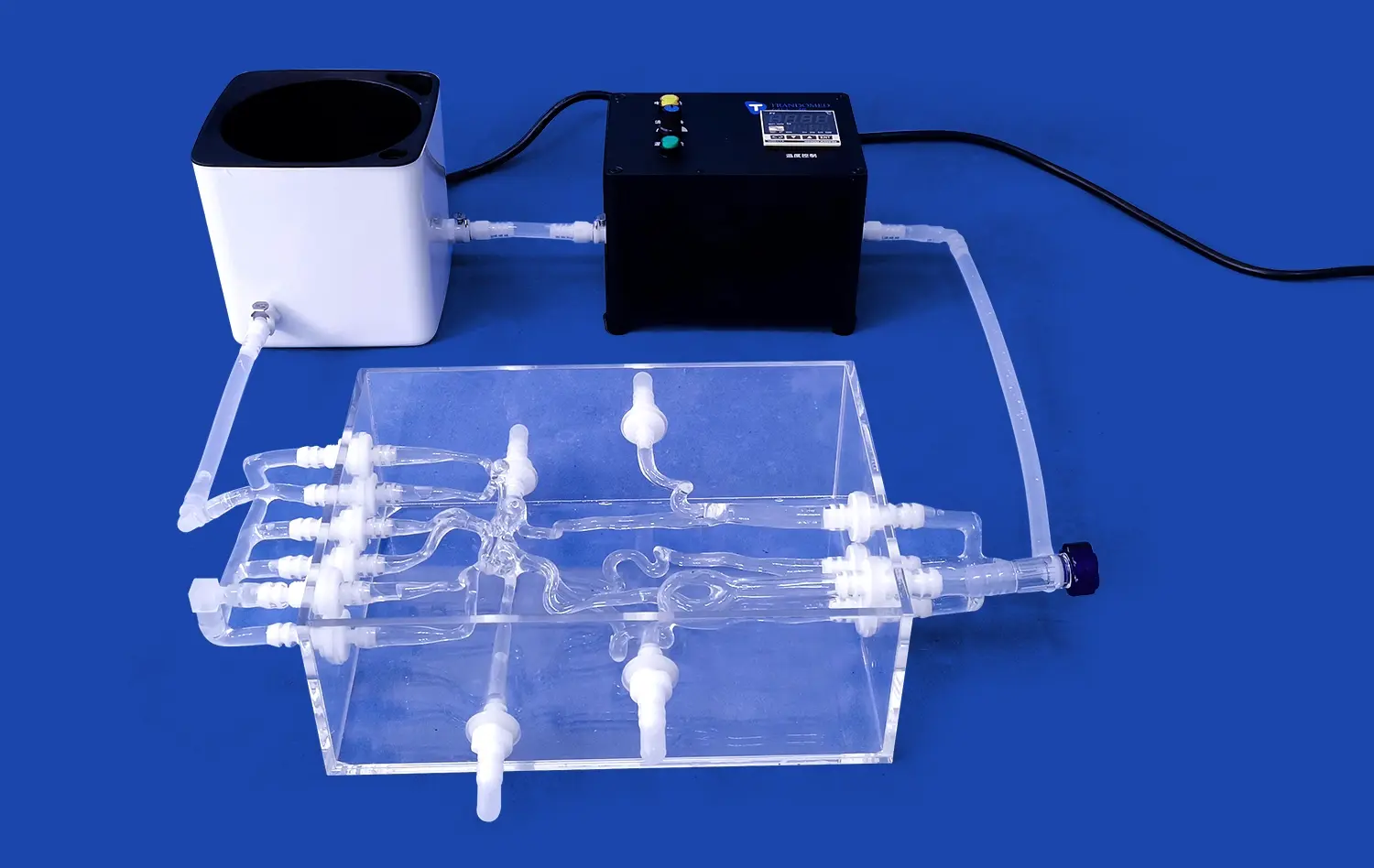
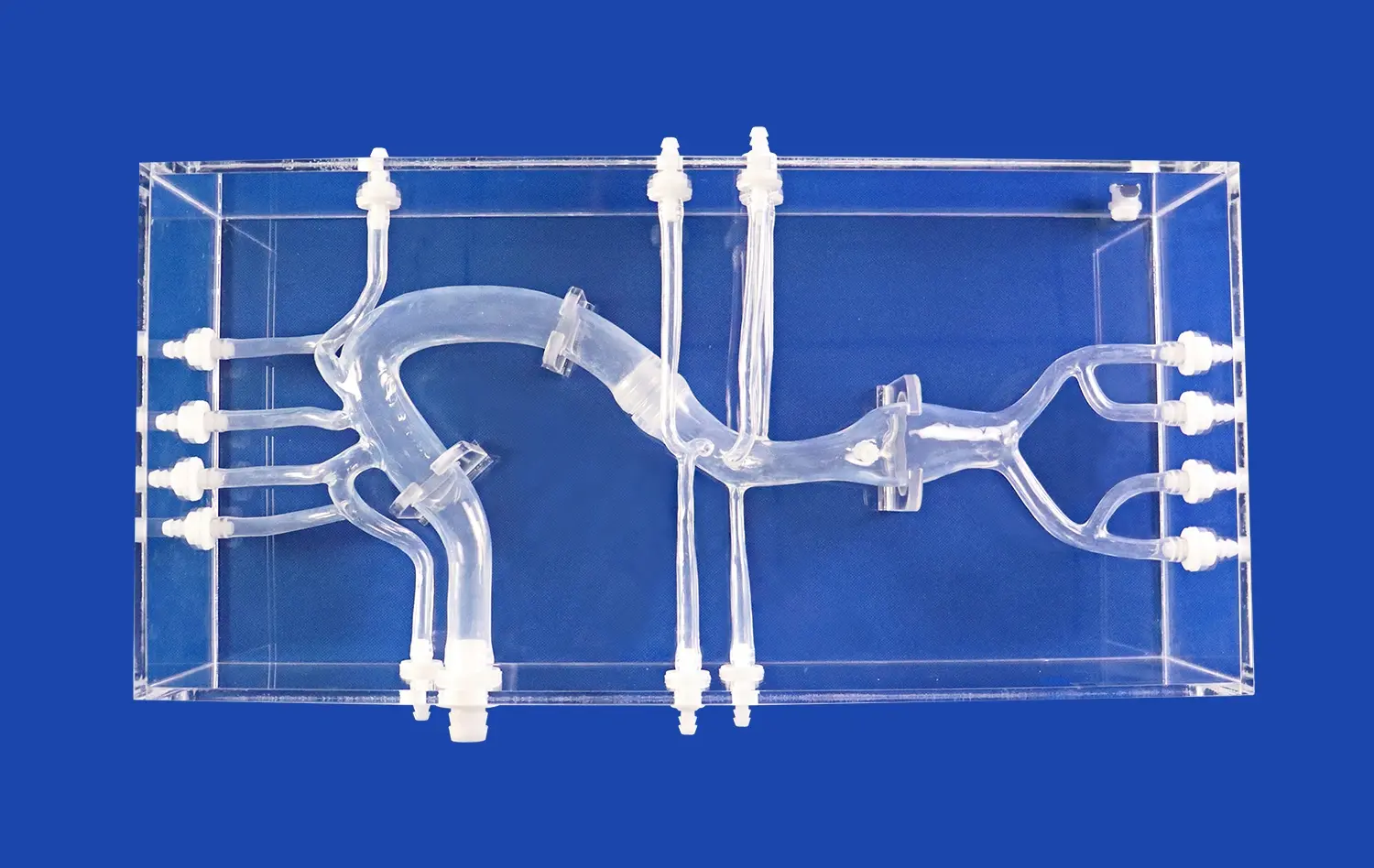
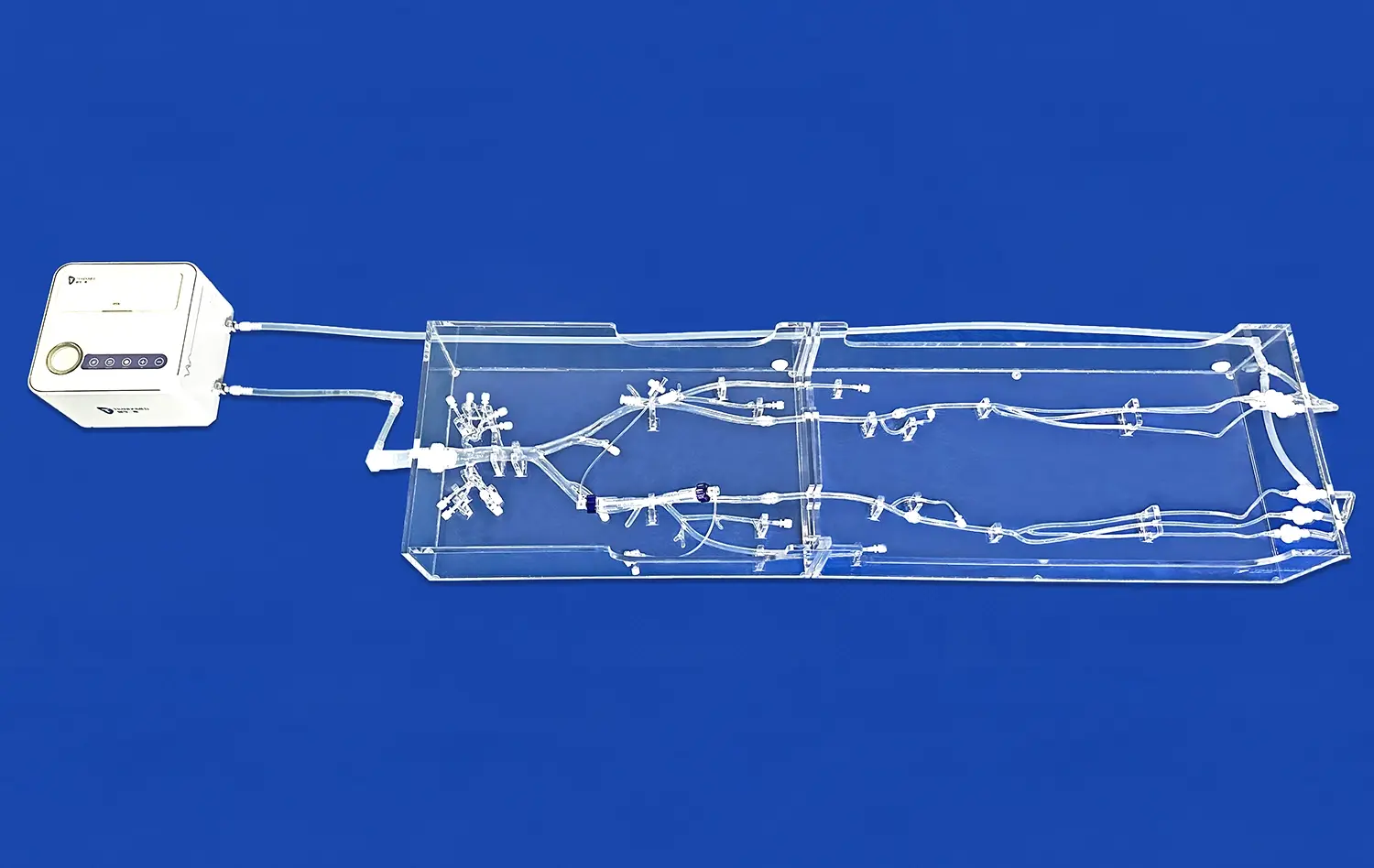
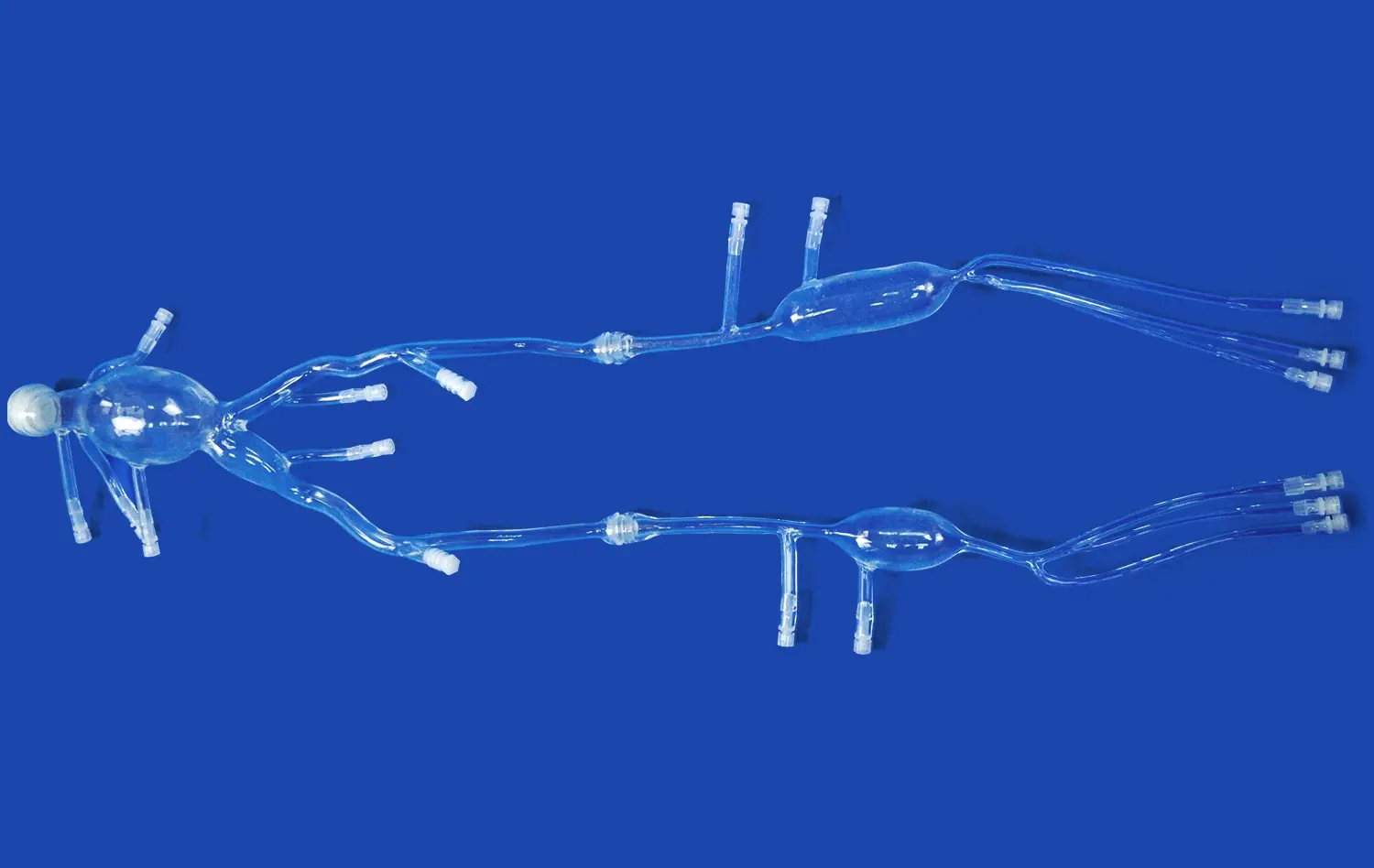
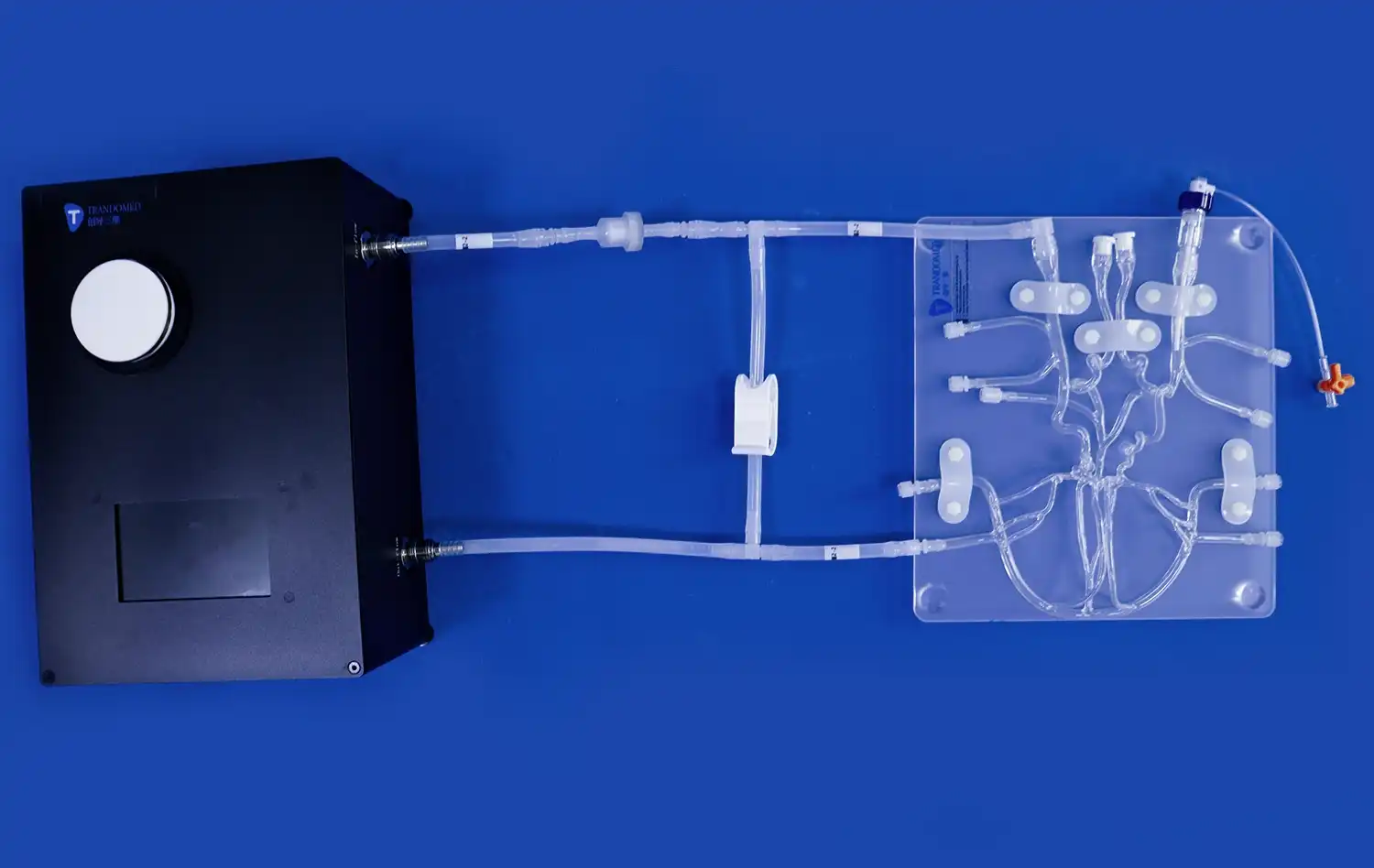
These problems can be solved by our PICC Model (XXS007), which was carefully designed to mimic the whole human venous route. This teaching tool is made of high-quality Silicone Shore 40A material and looks like important veins like the brachial, basilic, cephalic, axillary, subclavian, brachiocephalic, internal and external jugular, superior and inferior vena cava, and right atrium. The clear plastic housing lets you see the device from all sides, so you can get a full picture of how it works during demos.
The model's built-in puncture valves are placed carefully at the basilic, cephalic, brachial, and middle cubital veins to help generate insights. These features let procurement teams see true puncture treatments and test the compatibility of devices in a safe environment. The spatial morphology correctly models the human body, giving useful information for choosing devices and making exercise programs.
Strategic Collaboration Framework
When presentation tools give uniform, repeatable results, collaboration is easy. Standardized testing methods make it possible for people who make medical devices, train others to make them, and buy things to have a useful conversation. The PICC model makes these interactions easier by letting you change the amount of complexity, especially in the inferior vena cava part. This means that demonstrations can be tailored to meet the needs of each school.
When stakeholders can see how a gadget works in real-life physical settings, communication is a lot more effective. The clear spatial structure gets rid of the confusion that comes with traditional demonstration methods. This way, buying managers, clinical trainers, and tech teams can all agree on what the device can and can't do.
How the PICC Model Transforms Device Demos: A Problem-Solving Approach
Traditional gadget demos often don't make it clear how the product can be used, and buyers aren't involved enough, especially in B2B medical procurement settings that are hard to understand. The PICC model solves these problems in a planned way by giving an organized framework that turns vague product specs into real, measurable results.
Addressing Root Causes of Demo Inefficiency
Demonstrations that don't accurately reflect real clinical situations often lead to buyers' standards not being met. Medical institutions need proof that intervention devices will work reliably in a range of patient situations, but many practice settings don't have realistic anatomy. The PICC Model (XXS007) gets rid of this problem by providing accurate spatial relationships that match the structure of the human vein system. This lets real evaluations of device navigation, placement accuracy, and procedure success rates be made.
Another big problem with buying medical devices is that it's not always possible to show a good return on investment. Healthcare managers need proof that spending money on training will lead to better patient results and more efficient operations. Our venous system model's long-lasting design and ability to simulate the system again and again make it a useful tool for training. Its training measures, such as improved skills and fewer complications during procedures, help with ROI estimates.
Data-Driven Engagement Strategies
Using the PICC Model in interactive demos leads to useful insights that are accepted by a wide range of stakeholders. Standardized testing procedures let clinical educators figure out how well training is working, while procurement professionals watch how well devices work in controlled settings that mimic problems that might happen in the real world. By giving real-world proof instead of theoretical claims, this data-driven method boosts confidence in buying choices.
Because the model is so flexible, it can test a wide range of devices, such as tubes, guidewires, and specialized intervention tools. Comparison tests can be done by procurement teams to see how the goods of different makers work in the same body structures. This standardization gets rid of the variables that can mess up traditional demos. This makes it easier to compare performance more accurately and choose a provider with more knowledge.
Optimizing the E-Commerce and Logistics Angle in Device Demo Strategies
Logistics planning that works well has a big effect on how well demonstrations work and how well buying timelines are managed. When managing complicated device review processes involving many institutional partners, it's important to know about completion methods, delivery dates, and support services.
Strategic Fulfillment Integration
Our many sending choices, such as FedEx, DHL, EMS, UPS, and TNT, make sure that deliveries happen on time and don't clash with demonstration dates. The 7–10 day lead time makes it easy for procurement professionals to arrange reviews of multiple vendors, which cuts down on the delays that can ruin the process of comparing vendors. Direct transfer skills get rid of the need for middle-level handling, which protects the purity of the product and lowers the risks of deployment.
Drop shipping plans allow for flexible display times, which is especially helpful for organizations that are evaluating things at the same time in multiple places. The PICC Model units come in protective packaging and are made of clear plastic. This means they are ready to use right away, which cuts down on setup time and increases the value of the display.
Risk Mitigation Through Logistics Excellence
Professionals in procurement know that the reliability of the presentation has a direct effect on the results of the seller evaluation. Our long-term relationships with couriers allow us to offer GPS tracking, delivery proof, and helpful customer service throughout the sending process. These features make things less uncertain and make it possible to confidently schedule training events with many parties.
Reverse logistics support takes care of needs that come up after the presentation, such as returning equipment, asking for changes, and following up on talks about customization. The full after-sales service framework makes sure that there is continuity between the demonstration stages and the final purchase choices. This supports long-term relationships with institutions and ongoing technical support needs.
Leveraging the PICC Model to Guide Procurement Decision-Making
Procurement workers need measurable criteria to judge how well a presentation worked and what the seller could do. The PICC Model lets you evaluate things in a planned way by using standard testing methods that give you similar performance data for a range of device types and maker requirements.
Measurable Performance Metrics
Using the venous system simulator's constant anatomical models makes it easy to check the correctness of delivery. Under controlled conditions that take away structural factors, procurement teams can record how accurately catheters are placed, how well guidewires are navigated, and how often procedures are successful. These measures help you compare vendors in an objective way and make buying choices based on facts.
Timeliness review includes more than just delivering products; it also looks at how well training works and how quickly people learn new skills. The long-lasting Silicone Shore 40A construction means that it can be used over and over again without breaking down. This makes it possible to do continuous studies that track learning curves and skill development. Educational places can figure out the return on investment (ROI) of training by keeping track of measures like skill improvement and lower mistake rates.
Comprehensive Vendor Assessment
When review methods use uniform anatomical frameworks, it's easier to compare different device makers. The PICC Model can be customized so that reviews can be made to fit the needs of each school while still being consistent across all evaluations of vendors. Procurement pros can ask for changes based on CT, CAD, STL, STP, or STEP data files. This makes sure that demonstrations are accurate representations of real clinical situations.
The review of supply chain trustworthiness looks at both the quality of the products and the level of support services that are available. Trandomed has a lot of experience designing medical simulators, and their technology is better because it is based on real CT and MRI scans of people. This gives buying teams trust in long-term partner relationships. The strict quality control measures and full after-sales help show that the company cares about its customers' success after the product has been delivered.
Future Outlook: Trends and Innovations in Device Demo and Delivery Logistics
The method of buying healthcare keeps changing toward automation, more openness, and faster decision-making. New technologies are changing how medical institutions test and buy interventional devices, which can lead to better seller relationships and more advanced ways of showing how devices work.
Digital Integration and Analytics
AI-driven analytics are becoming more and more useful for display assessment because they look at performance patterns, find ways to improve things, and guess how training will go. The PICC Model's standard structure ensures uniform data inputs that improve the accuracy of analyses and support predictive models for making procurement choices. These features allow for more smart choice of vendors and creation of training programs.
Virtual display parts work with physical simulations to let stakeholders participate and share documents from afar. The clear acrylic construction and 360-degree view allow for high-quality photos and videos to be recorded. This makes virtual demonstrations possible, which keeps people interested while lowering the need for travel and making planning easier.
Agile Procurement Strategies
Better GPS tracking and real-time contact make it easier to coordinate when to hold demonstrations, send devices, and make sure stakeholders are available. Procurement professionals have more freedom to handle complicated evaluation processes while still following strict vendor assessment guidelines.
When institutional needs and budgets change, adaptive delivery methods can adapt to meet those needs. The accept customization service without design cost charges lets procurement teams look into custom solutions without having to make any direct financial promises. This makes it easier to evaluate all of a vendor's offerings and makes it easier to make more strategic buying decisions.
Conclusion
The PICC model changes demos of intervention devices from simple product shows to thorough evaluation systems that help people feel sure about their purchases. By using structured assessment procedures along with accurate anatomy, medical institutions can test how well devices work in real-life situations and boost shareholder trust through clear, measurable results. When you combine efficient transportation, the ability to customize, and ongoing support services, you get a buying experience that puts long-term value creation and institutional success first. If healthcare workers want to improve the way they evaluate intervention devices, this methodical approach will give them the clarity, reliability, and strategic insight they need to make the best purchases in today's complex medical technology environment.
FAQ
What are the precautions after PICC catheterization?
To protect the PICC line and keep the patient safe and the gadget working properly, certain care practices must be followed. Doctors say to avoid doing heavy work and taking blood pressure readings on the arm that is hurt. Patients should not do activities that could hurt them, like throwing things, and they should not submerge themselves in water when they swim or use a hot tub.
PICC line care includes checking for signs of infection every day and cleaning the line with fluid once a week to keep it from getting clogged. For proper upkeep procedures, it's often helpful to get help from a professional. Protective covers are needed while washing to keep the area around the injection site clean.
What problems may occur with PICC catheters?
Common complications include infection risks at the site where the catheter was inserted, line blockages that make it hard to deliver medicine, blood clots forming in the veins, and very rarely, the catheter breaking. These problems show how important it is for healthcare professionals to get the right training using actual computer models that teach them how to deal with complications and avoid them.
How long can a PICC line stay in?
PICC lines remain functional for several months when properly maintained. Clear plastic patches protect the site where the catheter was inserted and special clips keep it in place. This longer duration means that needles don't have to be inserted more than once during treatment cycles. This is especially helpful for giving chemotherapy and long-term drug delivery routines.
What is a peripherally inserted central catheter used for?
PICC lines give doctors access to big veins near the heart, which makes it easier to give medicines and liquid meals. These devices keep smaller peripheral veins from getting irritated and reduce the pain that comes from having needles inserted often. The central venous entry makes it safe to give medicines that could hurt smaller blood vessels.
What is the purpose of using a peripherally inserted central venous catheter?
PICC lines are used for many medical purposes, such as delivering cancer treatments, giving total parenteral feeding, following infection treatment routines, and delivering certain medications. The bigger central veins can hold medicines that need to be diluted quickly. This lowers the risk of damaging the vessels and ensures stable access for longer treatment times.
Partner with Trandomed for Advanced PICC Model Solutions
Trandomed makes the best venous system models on the market, which change how medical devices are shown and how people are trained. Our knowledge as a PICC model manufacturer and over 20 years of medical 3D printing innovation make sure that procurement workers get solutions that go above and beyond what the school needs and help them reach their long-term training goals.
Get in touch with jackson.chen@trandomed.com to find out about customization choices that will fit your presentation needs. Our full range of services includes design advice, rapid prototyping, and ongoing technical help that makes sure execution goes smoothly and training goes well. See what a difference anatomical accuracy and quality production can make in your choices about which intervention device to buy.
References
Johnson, M.R., et al. "Standardization of Medical Device Training Through Advanced Simulation Technologies." Journal of Medical Education Technology, 2023.
Thompson, K.L. and Stevens, P.A. "Procurement Strategies for Healthcare Simulation Equipment: A Comprehensive Analysis." Healthcare Supply Chain Management Quarterly, 2023.
Williams, D.C., et al. "Anatomical Accuracy in Medical Training Models: Impact on Clinical Competency Development." Medical Simulation Research Journal, 2022.
Chen, L.M. and Rodriguez, S.J. "Logistics Optimization in Medical Device Procurement: Best Practices for Institutional Buyers." Healthcare Procurement Today, 2023.
Anderson, R.K., et al. "PICC Line Training Effectiveness: Comparative Study of Simulation Methodologies." Clinical Skills Development Review, 2022.
Martinez, F.G. and Lee, H.S. "Future Trends in Medical Device Demonstration Technologies and Procurement Decision-Making." Healthcare Technology Assessment Journal, 2023.
_1734507415405.webp)