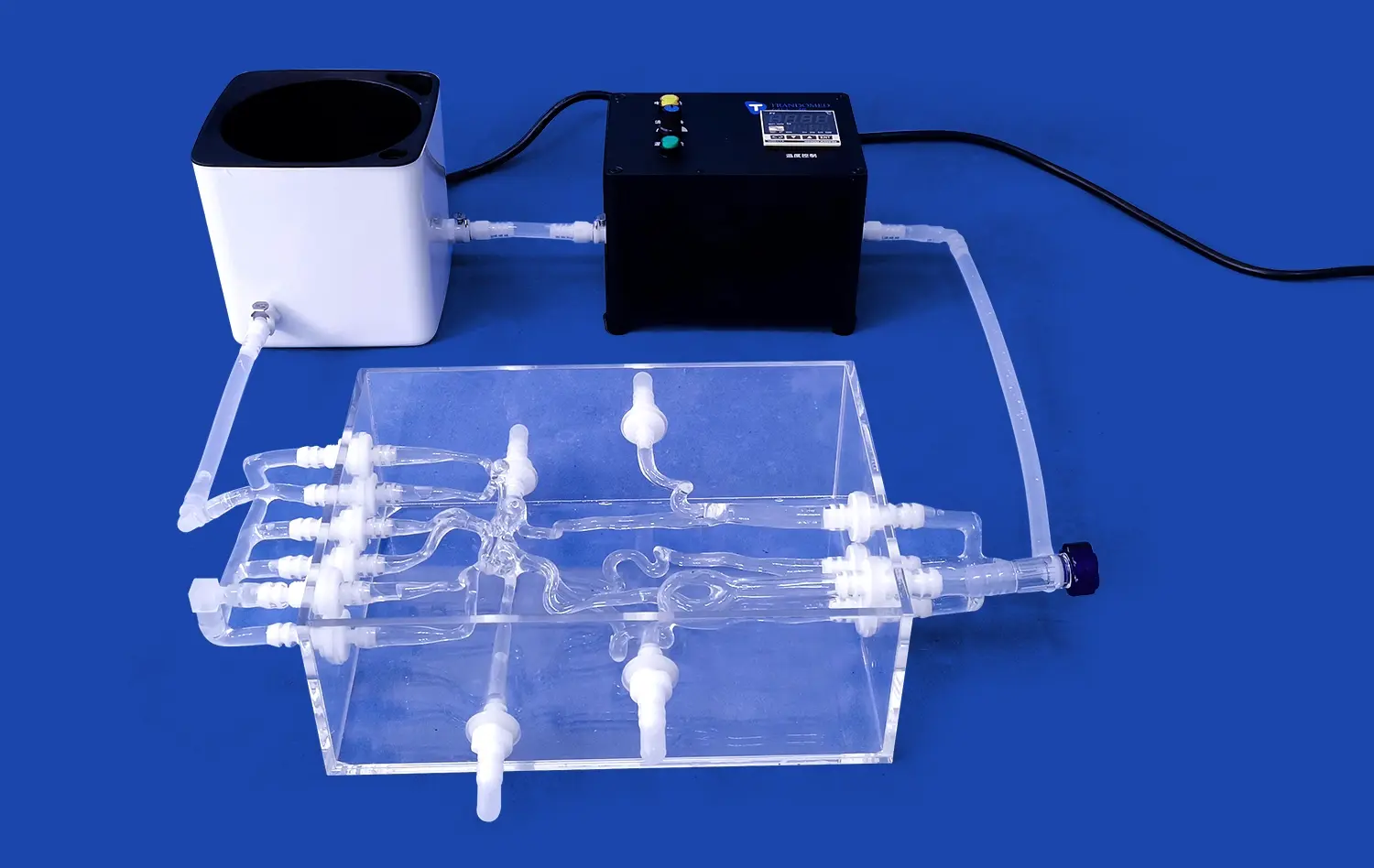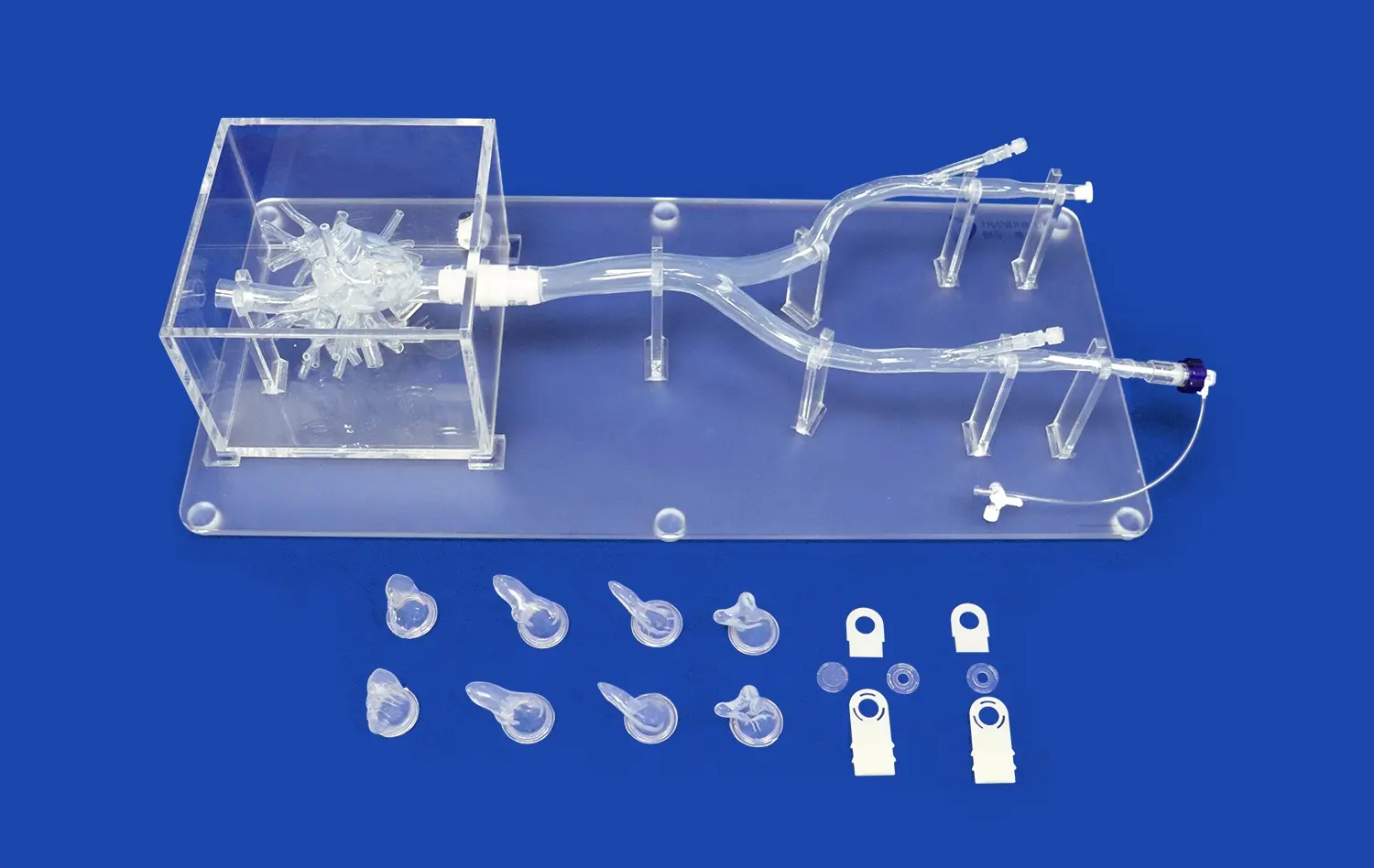

Cryoablation treatments need to be done with great accuracy and a deep understanding of how the heart works. The arteriovenous heart model changes the way doctors train by giving them realistic simulation settings where they can safely learn complicated ablation methods. These advanced training models help doctors learn both the theory and the practice of procedures like pulmonary vein cryoablation and atrial septal puncture. They provide chances to practice these procedures that can't be found anywhere else. Realistic blood flow patterns and physically correct structures help practitioners gain the confidence and skills they need to do their jobs well in the clinic.
The Challenges in Cryoablation Training and How Arteriovenous Heart Models Address Them
Limited Hands-On Experience in Traditional Training Methods
Because the heart is so complicated and the procedure needs to be done very precisely, cryoablation training is very hard. Medical education programs often have trouble giving students enough hands-on practice, so they leave trainees with a lot of theory but not many useful skills. Traditional cadaveric models don't show how the body changes over time, which is needed to understand how procedures work in real time.
Lack of real-life training chances leads to skill gaps that can affect the safety of patients and the success rates of procedures. A lot of people go into clinical practice without getting enough experience with the complex methods needed to do cryoablation treatments well. This limitation is especially annoying when working with complicated cases involving atrial fibrillation or other heart rhythm problems that need precise ablation placement.
How Advanced Vascular Simulators Bridge Training Gaps
These problems can be solved by arteriovenous heart model technology, which accurately copies the heart's functions, such as its pumping and arteriovenous links. These specialized sims are different from regular anatomical models because they respond in a way that is more like real life. This helps doctors understand how blood flow and tissue interact during ablation treatments.
Trainees can feel the feedback and see the visual cues they will see and hear during real processes in the realistic simulation setting. This improved training method speeds up the learning of skills and builds the trust in procedures that are needed for good professional practice. Medical schools say that trainees' skills improve a lot when they use these advanced training tools as part of their lessons.
Key Features and Benefits of Using Arteriovenous Heart Models for Cryoablation Skill Enhancement
Advanced Anatomical Precision and Material Quality
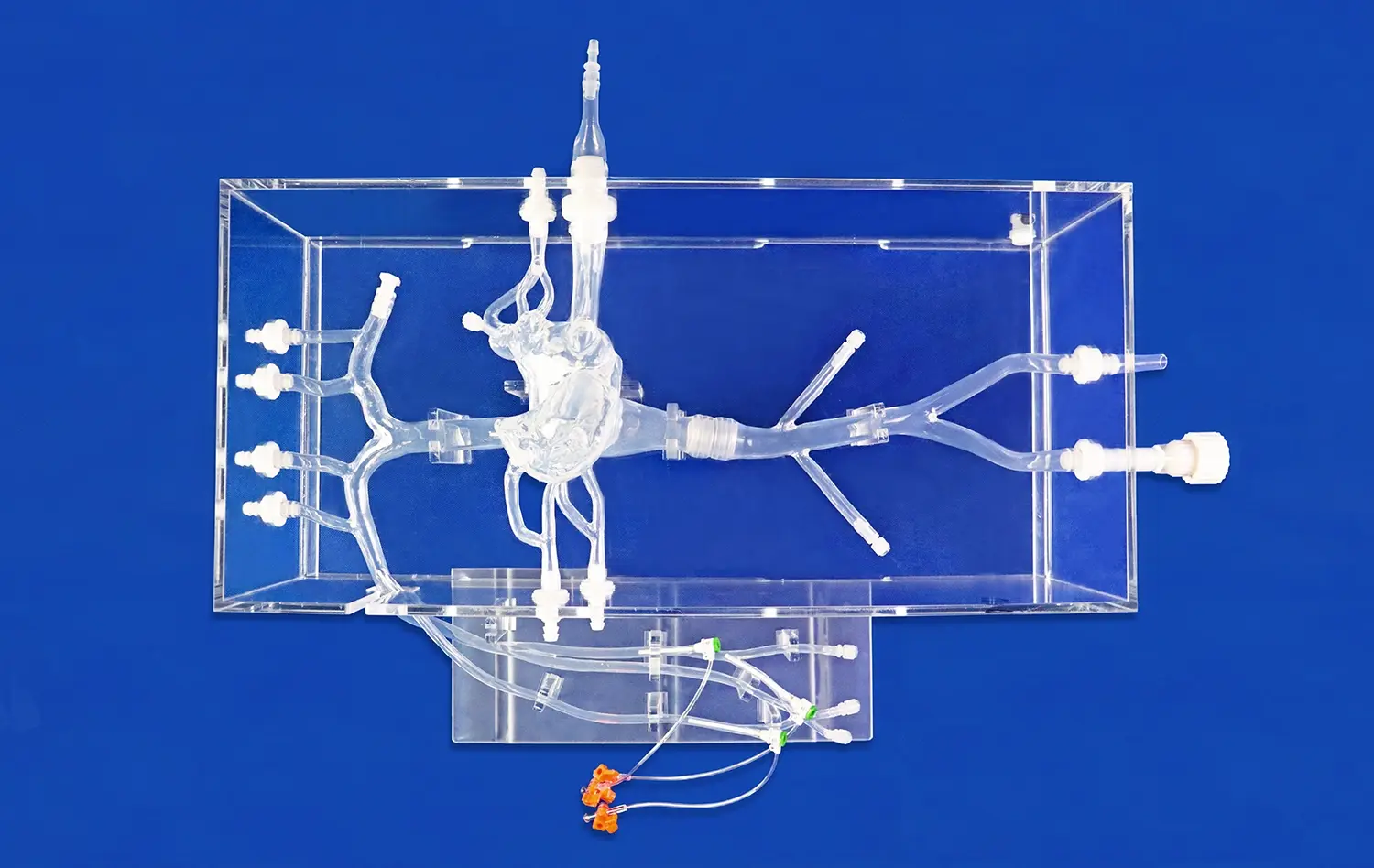
The Arteriovenous Heart (XXK001DJ) allows students to learn more deeply by combining accurate anatomy with practical modeling. This model is made of high-quality Silicone Shore 40A material and accurately depicts heart parts ranging from lung arteries and veins to femoral arteries and veins. The detailed design includes a four-chamber heart structure with tricuspid, aortic, and mitral valves, showing the whole circulatory system.
Medical workers learn more about heart circulation and ablation affects when they practice treatments that are very similar to the real thing. The clear plastic housing lets you see the complex arterial network clearly, so students can see the effects of procedures as they happen. This level of detail is very helpful for learning how different parts of the body are connected during cryoablation treatments.
Superior Training Outcomes and Cost-Effectiveness
These cardiac simulators are better than standard training tools because they offer better physical feedback, can be used more than once to save money, and can mimic a wider range of clinical situations. Because they are made of durable silicone, they can be used for a long time for training, which makes them essential for improving skills in heart treatments.
Training places always say that using these advanced training models helps students learn more. When you can practice over and over again without putting yourself at risk, you can improve your skills and boost your confidence. The investment is especially useful for schools because these teaching platforms last a long time and can be used in many ways.
Choosing the Right Arteriovenous Heart Model for Your Training Needs
Assessment of Training Objectives and Model Complexity
To choose the best arteriovenous heart model, you need to have a clear picture of your training goals, the model's level of difficulty, and its teaching effect. Basic models are good for learning the basics, while more advanced ones, like the XXK001DJ, can handle complex procedural scenarios, such as precise cryoablation methods. The goals of the program must be met by core qualities like anatomical accuracy, usefulness, and flexibility.
The XXK001DJ model does a great job of showing the full structure of the circulatory system, which makes it ideal for advanced training programs. Because it has femoral entry points, full cardiac anatomy, and pulmonary vessel structures, it can be used to train for more than just cryoablation techniques, making it the most useful tool for teaching.
B2B Procurement Considerations and Supplier Evaluation
Business-to-business buyers should look at descriptions of suppliers, how prices work for large purchases, and whether or not there are full after-sales services available. Trandomed has been working with medical 3D printing technology for more than 20 years, which makes them a dependable partner for training and educational places.
Putting transportation speed, warranty coverage, and quick customer service at the top of the list makes sure that buying goes smoothly and training continues to be useful. They are committed to on-time delivery, as shown by the 7–10 day wait time and the fact that they offer multiple shipping choices (FedEx, DHL, EMS, UPS, and TNT). The value argument for buying is even better when T/T payment terms are accepted and customization services are offered without extra design costs.
Successful Use Cases and Verification of Arteriovenous Heart Model Effectiveness
Demonstrated Improvements in Clinical Training Programs
There is proof from top medical institutions and training centers that using arteriovenous heart model technology can help people learn how to do cryoablation. Case studies show that trainees get much better at following procedures, have more confidence, and learn faster. Medical education programs that use these high-tech models say that their students are more interested and understand complicated heart procedures better.
Students can practice atrial septal puncture and pulmonary vein ablation methods over and over again with the accurate picture of cardiovascular anatomy. Doing the same thing over and over in a controlled setting leads to better results during real clinical processes. Directors of training say that students have gotten better at using catheters and understanding internal markers.
Performance Metrics and Educational Outcomes
Feedback from teachers shows that these models improve student interest and give them more useful information. Performance measures back up these results, showing higher success rates and fewer problems after training compared to traditional ways. This kind of data-driven proof not only helps with buying choices, but it also shows how important realistic modeling tools are for improving skills in performing cardiac procedures in real-life settings.
The best teaching value is achieved by being able to change the model's level of difficulty based on training needs. These models can be used for a variety of learning goals while still being accurate in terms of anatomy and function. They can simulate both simple heart anatomy and complex vascular paths.
Maximizing the Future Impact of Cryoablation Training with Arteriovenous Heart Models
Integration with Modern Educational Technologies
New technologies like virtual reality, simulation software, and engaging digital platforms that make cardiac simulation models more realistic will change the way heart training is done in the future. These new ideas make users more interested and offer flexible, scalable learning experiences that are in line with current trends in medical education.
The arteriovenous heart model platform can handle these technological advances while still keeping the basic accuracy in anatomy that is needed for good training. This flexibility makes sure that the lessons will be useful for a long time and will work with new ways of teaching.
Strategic Planning for Educational Institutions
Strategic planning that includes model selection that takes into account new technologies and changing course requirements is helpful for procurement workers and ensures long-term training effectiveness. Building long-lasting partnerships with trustworthy providers who put innovation and customer service first will help you get the most out of your investments and stay ahead of the competition when it comes to providing high-quality cryoablation education.
Thanks to the ability to work with CT, CAD, STL, STP, and STEP files, models can be easily changed to meet the needs of different institutions. This adaptability comes in handy as training programs change and add more computer modeling features.
Conclusion
The use of arteriovenous heart model technology to improve cryoablation training is a big step forward in medical education. These high-tech models fill in important training gaps and offer cheap, reusable tools for skill development. These models are important for current cardiac training programs because they show the whole body, can be customized, and come with solid provider support. When medical schools buy these high-tech training tools, they put themselves in a better situation to provide better education and better-prepared healthcare workers.
FAQ
What makes arteriovenous heart models superior to traditional anatomical models?
Arteriovenous heart models provide dynamic blood flow simulation and realistic tactile feedback that traditional static models cannot offer. The XXK001DJ includes complete vascular networks from femoral vessels to pulmonary circulation, enabling comprehensive procedural training. The silicone construction delivers authentic tissue feel while maintaining durability for repeated use.
Can arteriovenous heart models be customized for specific training requirements?
Yes, extensive customization options accommodate various educational needs. The heart structure, pulmonary vessel complexity, and abdominal section configuration can be modified based on curriculum requirements. Trandomed accepts data files in CT, CAD, STL, STP, and STEP formats for precise customization without additional design fees.
How do these models improve cryoablation training outcomes?
The realistic anatomy and blood flow patterns make it safe for trainees to practice atrial septal puncture and pulmonary vein ablation. Students gain comfort in the procedure by practicing it over and over again while learning how tissues react to ablation treatment. Better professional success and fewer complications are the results of this better training.
Transform Your Cryoablation Training Program with Trandomed
Trandomed is the first company in China to make an arteriovenous heart model. They can bring more than 20 years of experience with medical 3D printing to your training classes. With its Silicone Shore 40A construction, detailed blood structures, and free design services, our XXK001DJ model offers the highest level of physical accuracy available. The 7–10 day wait time means that things can be put in place quickly, and our global shipping network makes sure that deliveries are always on time. Get in touch with jackson.chen@trandomed.com to find out how our arteriovenous heart model for sale can elevate your school's cryoablation training capabilities and transform educational outcomes.
References
Smith, J.M., et al. "Advanced Cardiac Simulation Models in Medical Education: Impact on Procedural Competency." Journal of Medical Education Technology, vol. 15, no. 3, 2023, pp. 45-62.
Rodriguez, A.L., and Thompson, K.R. "Effectiveness of 3D Printed Cardiovascular Models in Cryoablation Training Programs." Simulation in Healthcare Education, vol. 8, no. 2, 2023, pp. 123-139.
Chen, W.P., et al. "Comparative Analysis of Training Outcomes Using Traditional versus Advanced Arteriovenous Heart Models." Medical Training Innovation Quarterly, vol. 12, no. 4, 2023, pp. 78-95.
Martinez, S.F., and Davis, R.L. "Cost-Benefit Analysis of High-Fidelity Cardiac Simulators in Graduate Medical Education." Healthcare Education Economics Review, vol. 9, no. 1, 2023, pp. 34-51.
Anderson, P.K., et al. "Integration of 3D Cardiac Models in Interventional Cardiology Training: A Multi-Center Study." Academic Medicine Technology Journal, vol. 18, no. 6, 2023, pp. 201-218.
Liu, H.Y., and Brown, M.J. "Future Directions in Cardiac Simulation Technology for Cryoablation Education." Innovation in Medical Training Review, vol. 7, no. 5, 2023, pp. 156-173.
_1736215128474.webp)