
Enhancing Stroke Prevention Training With LAA Closure Simulation
2026-05-26 09:00:04
Stroke protection is still very important for hospitals and clinics around the world, especially when dealing with people who have atrial fibrillation. A left atrial appendage closure simulator is an important tool for doctors to use to learn more about interventional methods before they do real procedures. These high-tech simulation devices very accurately recreate the anatomy of the cardiovascular system. This lets doctors gain confidence in their procedures, improve their technical skills, and ultimately improve patient outcomes while lowering procedural complications by practicing over and over again in safe learning environments.
Understanding Left Atrial Appendage Closure Simulation
In heart anatomy, the left atrial appendage is a small but important structure. This pouch-shaped extension of the left atrium is a key part of how strokes happen in people with atrial fibrillation. According to research, about 90% of thrombi that form in people with non-valvular atrial fibrillation come from this one area of the body. Minimally invasive procedures that close off the LAA greatly lower the risk of stroke. This is an option for patients who can't handle long-term anticoagulation therapy with drugs like warfarin, apixaban, or dabigatran.
What Makes Physical Simulation Essential?
Training on physical models helps people go from knowing things in theory to using them in real life. In contrast to virtual platforms, tangible models offer haptic input that accurately depicts real tissue resistance, device behavior, and anatomical challenges. Medical workers can move catheter systems, put closure devices in place, and move through vascular pathways by touching them and feeling how they feel. This builds real muscle memory.
Anatomical Variations and Training Complexity
Medical imaging studies have found four main LAA shapes that are seen in different patient groups: the chicken wing shape is seen in 48% of cases, the cactus shape is seen in 30%, the windsock shape is seen in 19%, and the cauliflower shape is seen in about 3%. Each morphology creates its own set of procedural challenges that need to be met with different methods to ensure good device placement. Training simulators with a variety of body parts let doctors practice on these versions before they see them in real life, which speeds up the learning process and increases the success rate of procedures.
Procedure Overview and Learning Requirements
There are several important steps in the LAA closure process that require accuracy and knowledge of space. The doctor has to use a femoral vein access to guide catheters through the inferior vena cava and right atrium. They then have to do a transseptal puncture to get to the left atrium, place guidewires and delivery systems correctly, put in place closure devices with the right amount of compression, and use imaging to make sure the placement is stable. Each step could lead to a problem, but practice training helps professionals see these problems coming and figure out how to handle them before they happen while caring for a patient.
Features and Training Modules of LAA Closure Simulators
With its advanced design and engineering, modern cardiovascular simulation technology meets the complex teaching needs of interventional cardiology programs. High-quality training models include accurate 3D models of vascular structures from access points to the target body. This lets you see the whole procedure step by step, just like in real life. The best left atrial appendage closure simulators find a good mix between being durable enough to be used over and over again and having realistic tissue properties that respond naturally to procedural manipulation.
Comprehensive Anatomical Replication
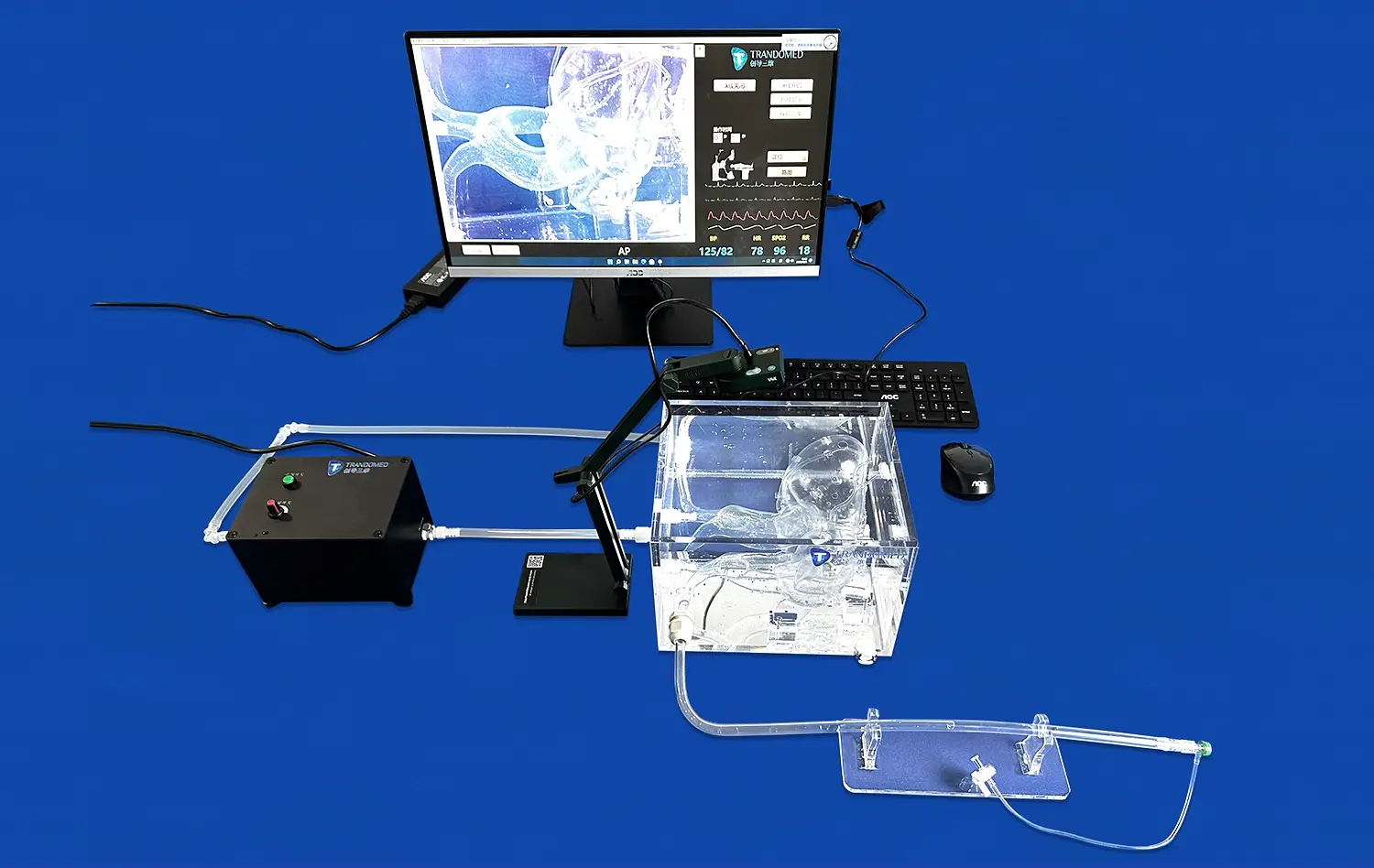
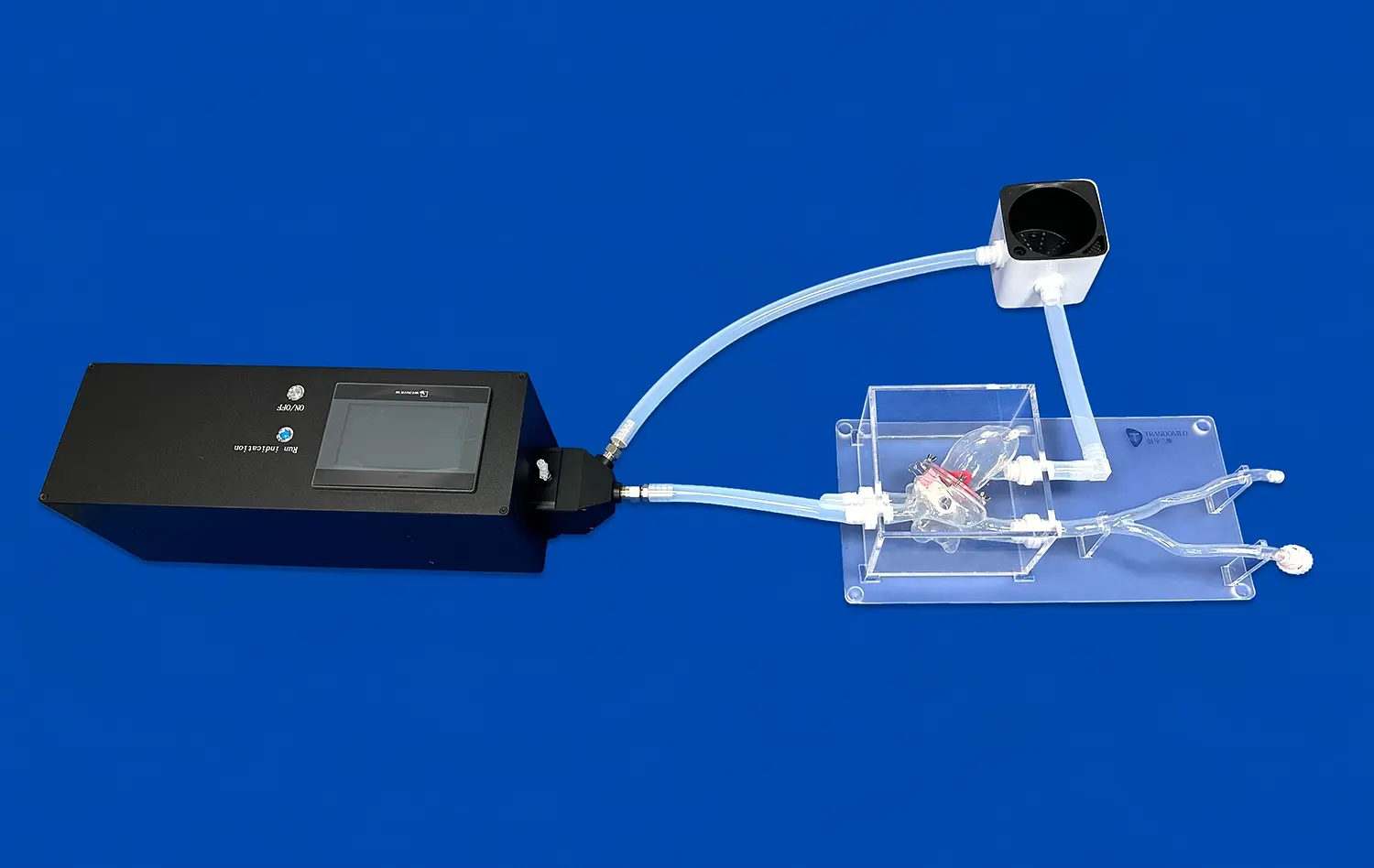
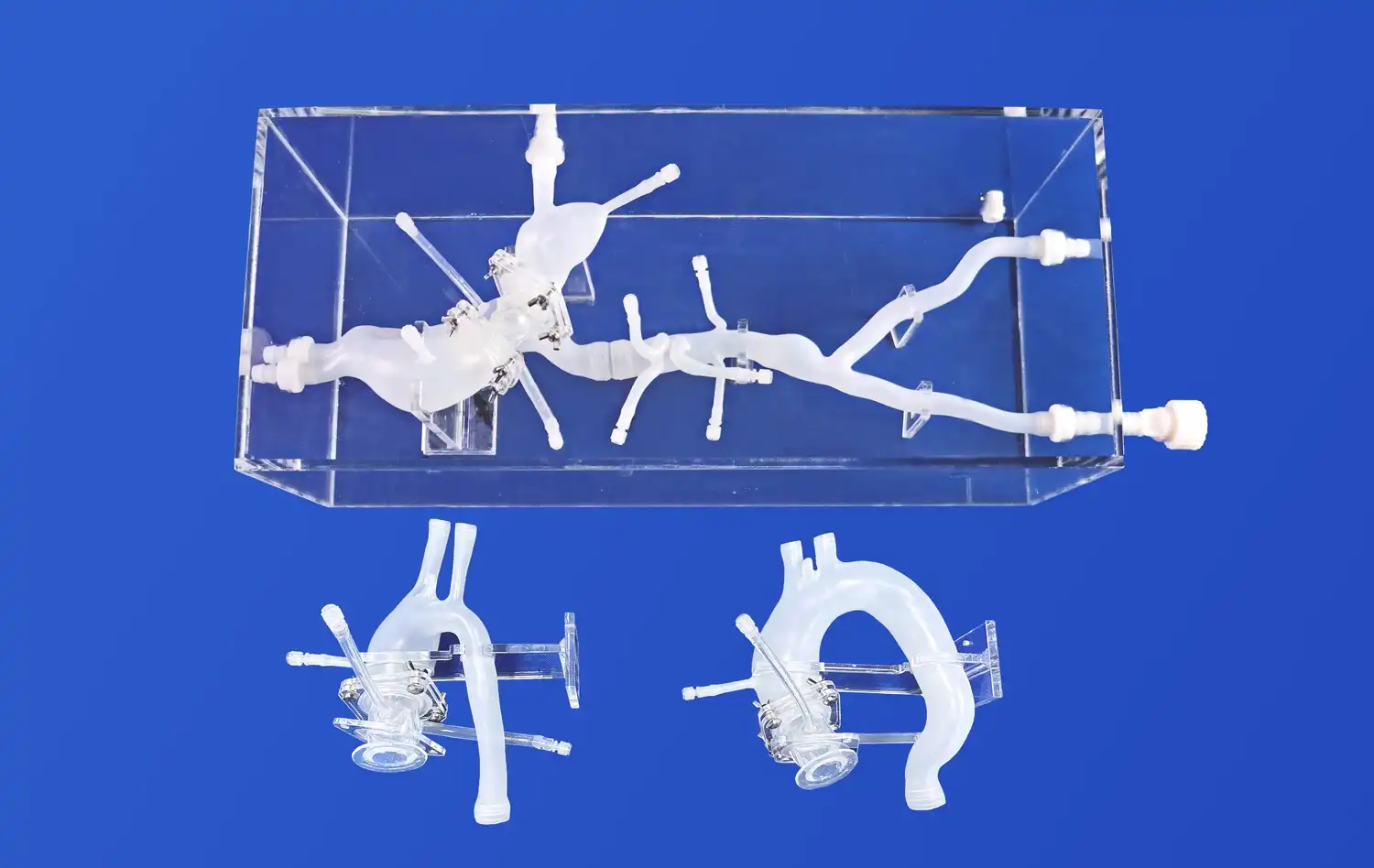
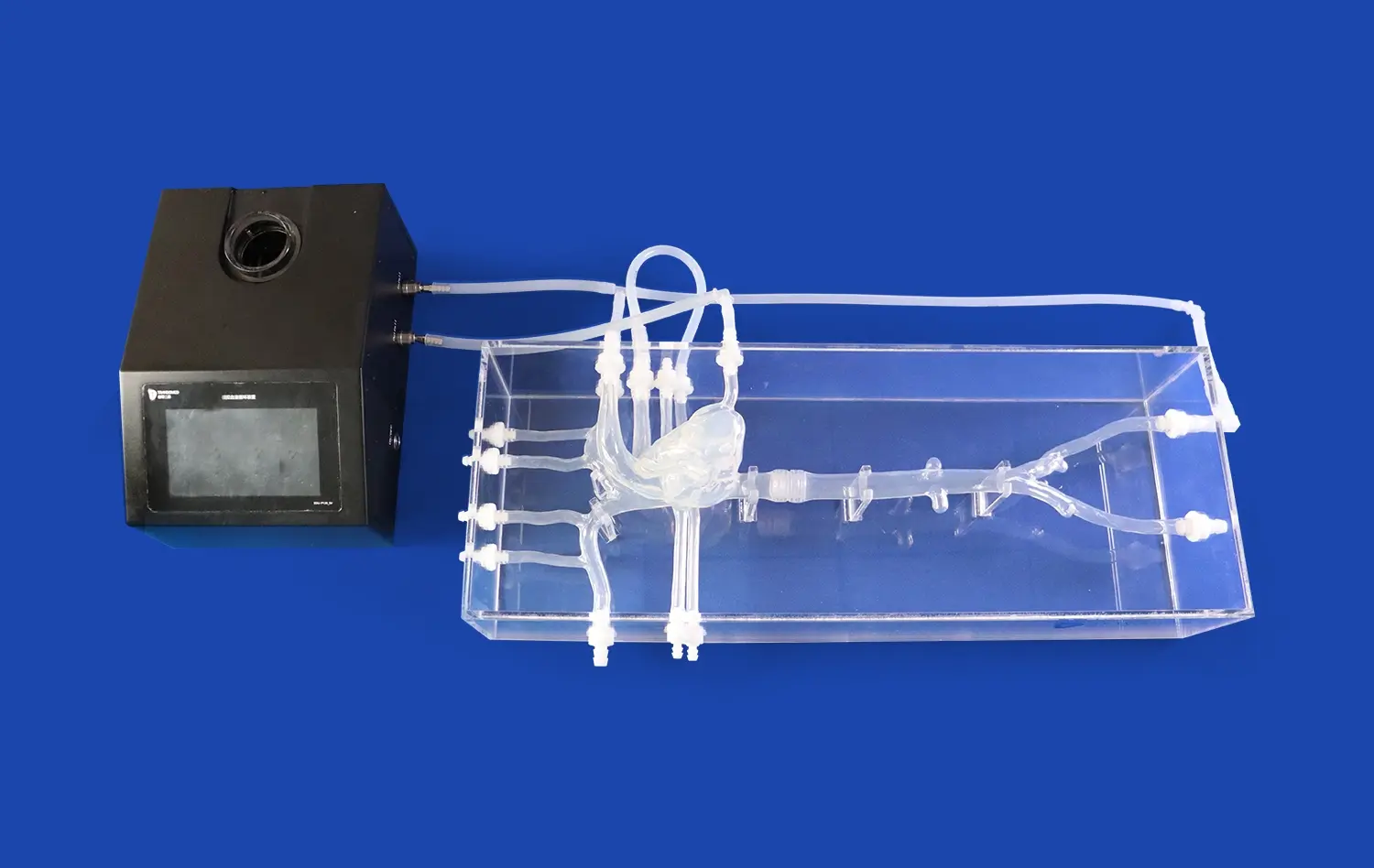
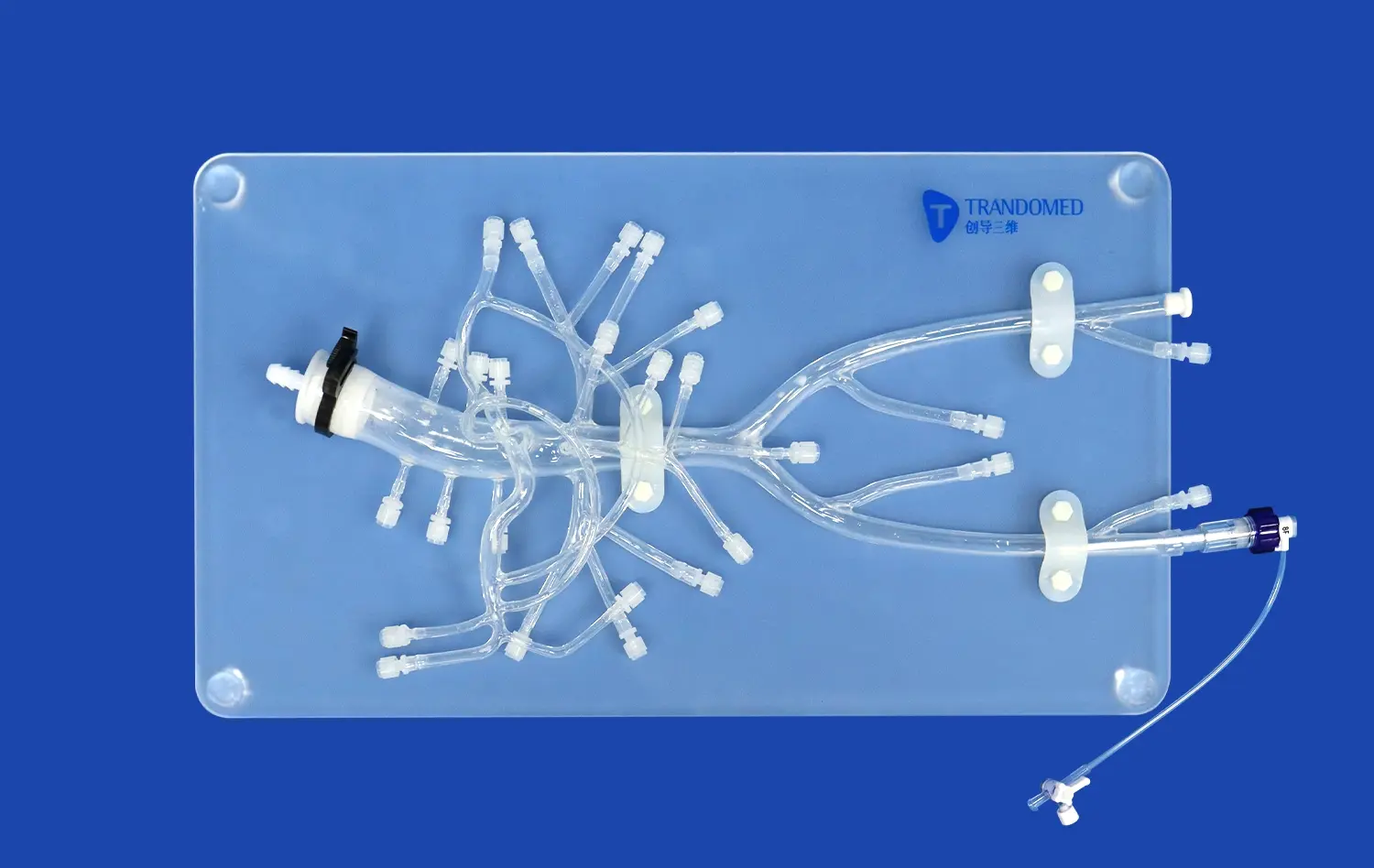
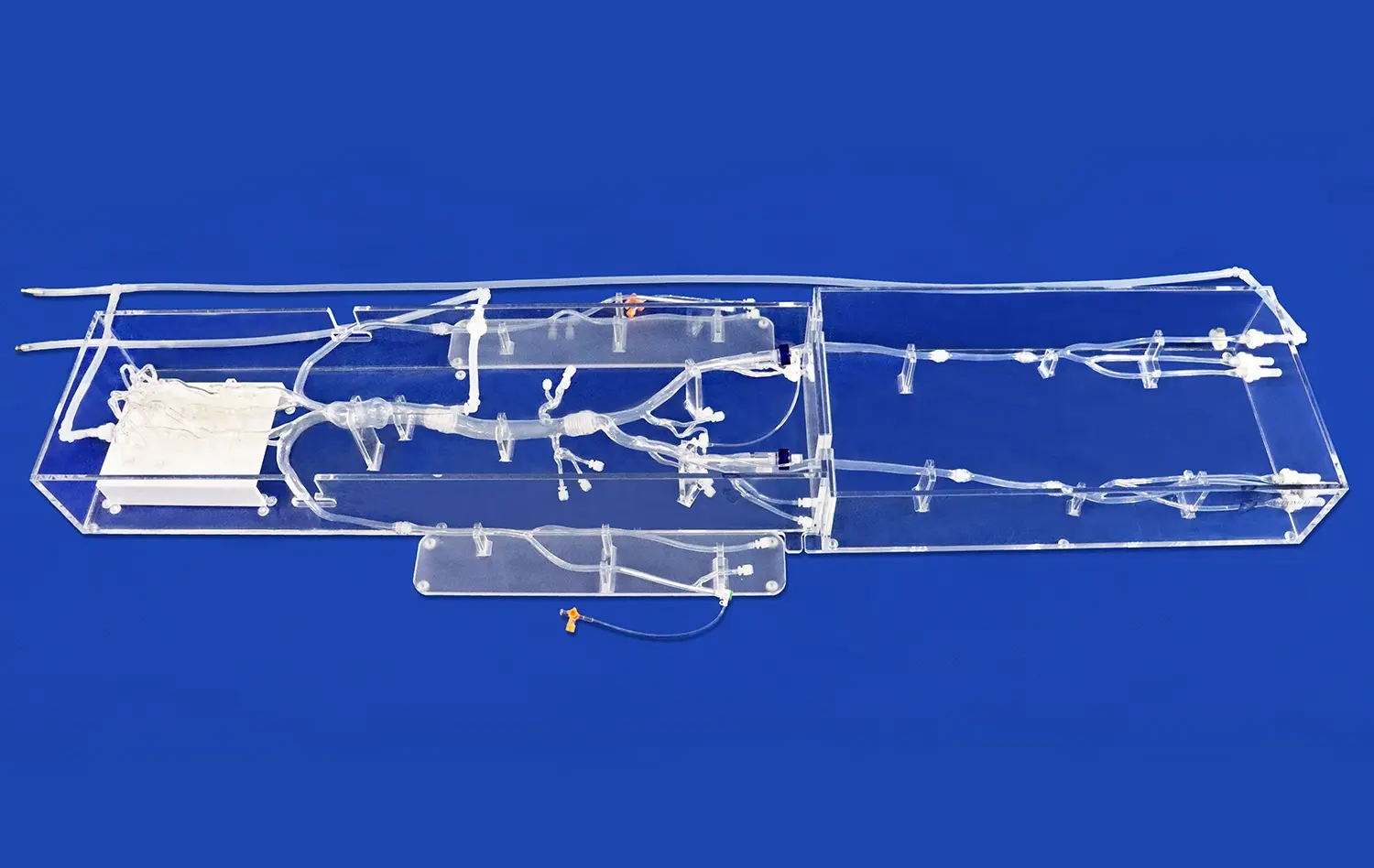
Trandomed's XX013D model is an example of advanced modeling design because it carefully copies the human vascular system from the femoral vein to the pulmonary veins. The iliac vein, inferior vena cava, right atrium, left atrium, left atrial lobe, and pulmonary veins are all shown in this full anatomy picture as a single system. This kind of detailed modeling lets trainees experience the whole process instead of just parts of it. This helps them learn about the spatial relationships and navigation problems that happen in real encounters.
It is very helpful for teaching programs that there are four different LAA morphologies on a single training platform. Practitioners can try out chicken wing, cactus, windsock, and cauliflower configurations without having to buy multiple different models. This makes training more efficient and better uses the budget. This variety in shape and size makes sure that people see a wide range of body parts that they might need years of professional experience to fully understand.
Replaceable Components for Extended Learning
Modular design features make simulators much more useful and educational. The XX013D has three atrial septal defects that can be changed out for ones of different sizes. This lets you practice transseptal puncture methods over and over again without having to buy a whole new model. Long-term training costs are lower with this method, and skills are improved through repetition, which cognitive science has shown is necessary for routine competency. As a trainee, you can choose where to make a puncture, change the angle, and apply pressure more than once, and you'll get instant visual feedback on your accuracy and technique.
Material Properties and Realistic Tactile Feedback
The accuracy of the simulation rests a lot on the choice of materials and the accuracy of the manufacturing process. Silicone Shore 40A material has the same stiffness and flexibility as tissue, which is very similar to the way human cardiovascular systems work. Because the material is consistent, needles, tubes, and other devices can interact with the model in ways that are similar to how they work in real life. This lets you get a good idea of how the procedure will feel and how the device will work. When professionals move from simulations to caring for patients, familiar physical cues help them feel less anxious and move with confidence and control.
Choosing the Right LAA Closure Simulator for Your Institution
Procurement decisions require careful evaluation of multiple factors that affect both immediate training effectiveness and long-term educational program success. Medical education administrators, simulation center directors, and clinical department leaders must balance technical specifications, budgetary constraints, and strategic educational objectives when selecting cardiovascular training equipment.
Assessing Realism and Educational Value
The anatomical accuracy of simulation models directly correlates with training transfer to clinical settings. Models developed from actual CT and MRI imaging data, utilizing reverse 3D reconstruction technology, capture subtle anatomical details that generic approximations miss. Trandomed's approach of grounding designs in extensive real human imaging data ensures that trainees encounter authentic anatomical relationships, vascular branching patterns, and dimensional proportions that prepare them effectively for patient procedures.
Educational value extends beyond static anatomy to include procedural versatility. Simulators that support multiple procedure types maximize institutional investment by serving broader training curricula. The XX013D enables practice not only for LAA occlusion but also for pulmonary vein ablation procedures and atrial septal defect assessment, making it valuable across cardiology subspecialties including interventional cardiology and electrophysiology.
Integration With Existing Training Programs
Successful simulation implementation requires compatibility with established educational frameworks and clinical workflows. Physical simulators integrate seamlessly into skills lab environments, catheterization laboratory training programs, and bedside teaching contexts without requiring extensive technological infrastructure. The portability and setup simplicity of models like the XX013D enable deployment across multiple training locations, from academic medical centers to community hospital education departments.
Customization capabilities further enhance integration potential. Institutions with specific educational objectives or unique patient populations benefit from tailored modifications that align simulation experiences with local clinical realities. Trandomed accepts customization requests without charging design costs, accommodating specifications for atrial septal defect positioning, dimensional adjustments, and anatomical variations that reflect institutional training priorities.
Evaluating Manufacturing Quality and Durability
Left atrial appendage closure simulators represent significant institutional investments that must deliver sustained value through extended use. Manufacturing quality directly impacts model longevity, maintenance requirements, and consistency of training experiences over time. Trandomed employs proprietary 3D printing molding techniques that ensure precision manufacturing and quality consistency across production batches. Rigorous quality assurance processes verify that each simulator meets performance standards before delivery.
Material diversity options allow institutions to select specifications that match their training intensity and budget parameters. Different silicone formulations, wall thickness variations, and structural reinforcements can be specified to optimize durability for high-volume training programs or prioritize cost-efficiency for lower-frequency educational applications.
Procurement Guide: Where and How to Buy Left Atrial Appendage Closure Simulators
Strategic procurement planning ensures healthcare organizations obtain optimal value while meeting educational objectives efficiently. Understanding available acquisition options, pricing considerations, and supplier capabilities enables informed decision-making that aligns purchases with both immediate training needs and long-term program development.
Authorized Distribution and Direct Manufacturing Relationships
Purchasing through established manufacturers provides several advantages over third-party distributors. Direct relationships ensure access to latest product specifications, customization options, technical support, and warranty services without intermediary complications. Trandomed, as a specialized left atrial appendage closure simulator manufacturer, offers direct communication channels that facilitate detailed requirement discussions, technical consultations, and responsive customer service throughout the procurement and implementation process.
International shipping capabilities expand access beyond geographic limitations. Trandomed utilizes reliable logistics partners including FedEx, DHL, EMS, UPS, and TNT to ensure secure, timely delivery to healthcare institutions across the United States and globally. Typical lead times of 7-10 days from order confirmation to delivery support efficient procurement timelines that align with academic calendar planning and training program launch schedules.
Flexible Acquisition Options and Budget Considerations
Healthcare organizations operate under diverse budgetary structures that benefit from flexible procurement approaches. Understanding total cost of ownership rather than initial purchase amounts alone provides clearer value assessment. Physical simulators like the XX013D offer extended useful life spans with replaceable components that refresh training capabilities without requiring complete system replacement, reducing long-term per-use costs compared to disposable alternatives.
Payment terms through T/T arrangements provide straightforward transaction processes for institutional procurement departments. Discussing bulk purchase options for multi-site healthcare systems or academic medical centers with multiple training locations can yield economies of scale that improve budget efficiency while standardizing training experiences across organizational footprints.
Pre-Purchase Evaluation and Implementation Support
Hands-on product review before final commitment helps people make smart decisions about what to buy. By asking for demonstrations, training leaders and clinical educators can check how realistic the left atrial appendage closure simulator is, how well it was built, and whether it works with current teaching methods. Visual confirmation of anatomical accuracy, material properties, and the functionality of modular components boosts confidence in purchase choices and makes it easier for stakeholders from different departments to work together.
Manufacturers who care about their customers' success are different from transactional suppliers because they offer full after-sales help. Trandomed provides ongoing technical assistance, user training resources, and responsive communication to ensure institutions maximize their simulation investment. This support system is especially helpful during the early stages of implementation and when training programs are being expanded to include new procedures or clinical fields.
The Future of Stroke Prevention Training with LAA Closure Simulation
The field of cardiovascular teaching is always changing as technology and clinical practice improve. At the moment, simulation-based training is the best way to learn how to do something. In the coming years, new technologies will likely make education more effective and testing more accurate.
Emerging Technologies and Integration Opportunities
Performance analytics, adaptive learning algorithms, and objective skill assessment are some of the AI uses that are starting to change medical simulation. In the future, physical models might include sensor technologies that measure things like how smoothly a catheter is moved, how accurately a device is deployed, and how efficiently the procedure is done. These streams of quantitative data can be used to help with competency assessments and make training suggestions that are more relevant to each student based on how they usually do.
Cloud-based platforms allow for remote supervision, skill testing that doesn't happen at the same time as the learning, and distributed learning models that make training available outside of standard school walls. When used with video recording and telementoring, physical simulators can help rural hospital training programs, community practice skill development, and continuing medical education efforts that might not have access to specialized cardiovascular simulation tools otherwise.
Continuous Professional Development and Competency Maintenance
To keep performing at your best throughout your clinical job, you need to keep practicing your procedural skills. Simulating situations lets experienced doctors practice their skills without any risk, learn new ways to use new devices, and keep their skills up during times when there aren't as many patients. Commitment from institutions to ongoing education based on simulations shows a commitment to quality improvement and patient safety that is in line with accreditation standards and suggestions from professional societies.
More and more, device makers are realizing that simulations can help with teaching and getting patients to use their products. Partnerships between companies that make medical devices and companies that make simulations make it possible for training programs that teach specifics about the devices and improve procedures. These partnerships are good for healthcare organizations because they provide a lot of educational materials that help doctors use new tools and treatments.
Conclusion
Advancing stroke prevention capabilities through comprehensive LAA closure training requires access to high-fidelity simulation tools that replicate clinical realities with exceptional accuracy. The specialized cardiovascular left atrial appendage closure simulators developed by manufacturers like Trandomed provide medical institutions with practical, durable, and anatomically precise platforms for developing interventional cardiology skills. By incorporating multiple LAA morphologies, replaceable components, and customization options, these training systems support diverse educational objectives across medical schools, hospital training departments, and simulation centers. Strategic procurement decisions that consider manufacturing quality, anatomical accuracy, and comprehensive support services position institutions to deliver outstanding procedural education that ultimately enhances patient care quality and clinical outcomes in stroke prevention.
FAQ
What is a left atrial appendage closure?
LAA closure represents a minimally invasive or surgical procedure designed to seal off the left atrial appendage, a small muscular pouch extending from the left atrium's wall. This intervention significantly reduces stroke risk for patients with atrial fibrillation by preventing thrombus formation in this anatomical structure, which serves as the origin point for approximately 90% of cardiac emboli in non-valvular AF patients. The procedure offers an alternative to lifelong anticoagulation therapy for individuals who cannot tolerate blood thinners due to bleeding risks or other contraindications.
What does left atrial appendage closure treat?
LAA closure specifically addresses the elevated stroke risk associated with atrial fibrillation rather than treating the arrhythmia itself. Healthcare providers recommend this intervention for patients at increased risk of developing blood clots within the left atrium or left atrial appendage. The procedure can replace ongoing anticoagulation with medications like warfarin, apixaban, rivaroxaban, or dabigatran, offering stroke protection through mechanical exclusion rather than pharmacological blood thinning.
How long does LAA closure training typically require?
Training duration varies based on practitioner experience level, prior interventional cardiology expertise, and institutional curriculum structure. Comprehensive programs typically involve multiple simulation sessions spanning several weeks, allowing progressive skill development from basic catheter manipulation through complete procedural execution. Simulation training continues throughout professional development as practitioners refresh techniques and learn approaches for new device generations.
Partner With Trandomed for Advanced Cardiovascular Training Solutions
Trandomed stands ready to support your institution's stroke prevention education through industry-leading simulation technology designed specifically for interventional cardiology training. Our XX013D left atrial appendage closure simulator represents over 20 years of medical 3D printing innovation, combining anatomical precision derived from extensive CT and MRI datasets with durable construction that withstands intensive educational use. As a trusted supplier of cardiovascular training models to medical schools, hospitals, and simulation centers worldwide, we understand the critical importance of realistic tactile feedback, comprehensive anatomical representation, and flexible customization that adapts to your unique training objectives. Contact us at jackson.chen@trandomed.com to discuss your specific requirements, arrange product demonstrations, and discover how our expertise can elevate your cardiology education programs through advanced simulation technology that prepares practitioners for clinical excellence.
References
American Heart Association. "Atrial Fibrillation and Stroke Prevention: Clinical Guidelines and Evidence-Based Approaches." Circulation Journal of Cardiovascular Medicine, 2023.
Society for Cardiovascular Angiography and Interventions. "Training Standards for Left Atrial Appendage Occlusion Procedures: Competency Framework and Educational Recommendations." SCAI Clinical Guidelines, 2022.
Johnson, M. R., & Williams, T. K. "Simulation-Based Training in Interventional Cardiology: Impact on Procedural Outcomes and Complication Rates." Journal of Medical Education and Clinical Skills Development, 2023.
European Society of Cardiology. "Left Atrial Appendage Morphology Classification and Clinical Implications for Closure Device Selection." European Heart Journal, 2022.
National Institute of Cardiovascular Research. "Stroke Prevention Through LAA Closure: Patient Selection Criteria and Long-Term Outcomes Analysis." American Journal of Cardiology Research, 2023.
Chen, L., & Rodriguez, P. "Three-Dimensional Printing Applications in Cardiovascular Medical Education: Technological Advances and Educational Impact Assessment." Medical Simulation and Technology Quarterly, 2024.