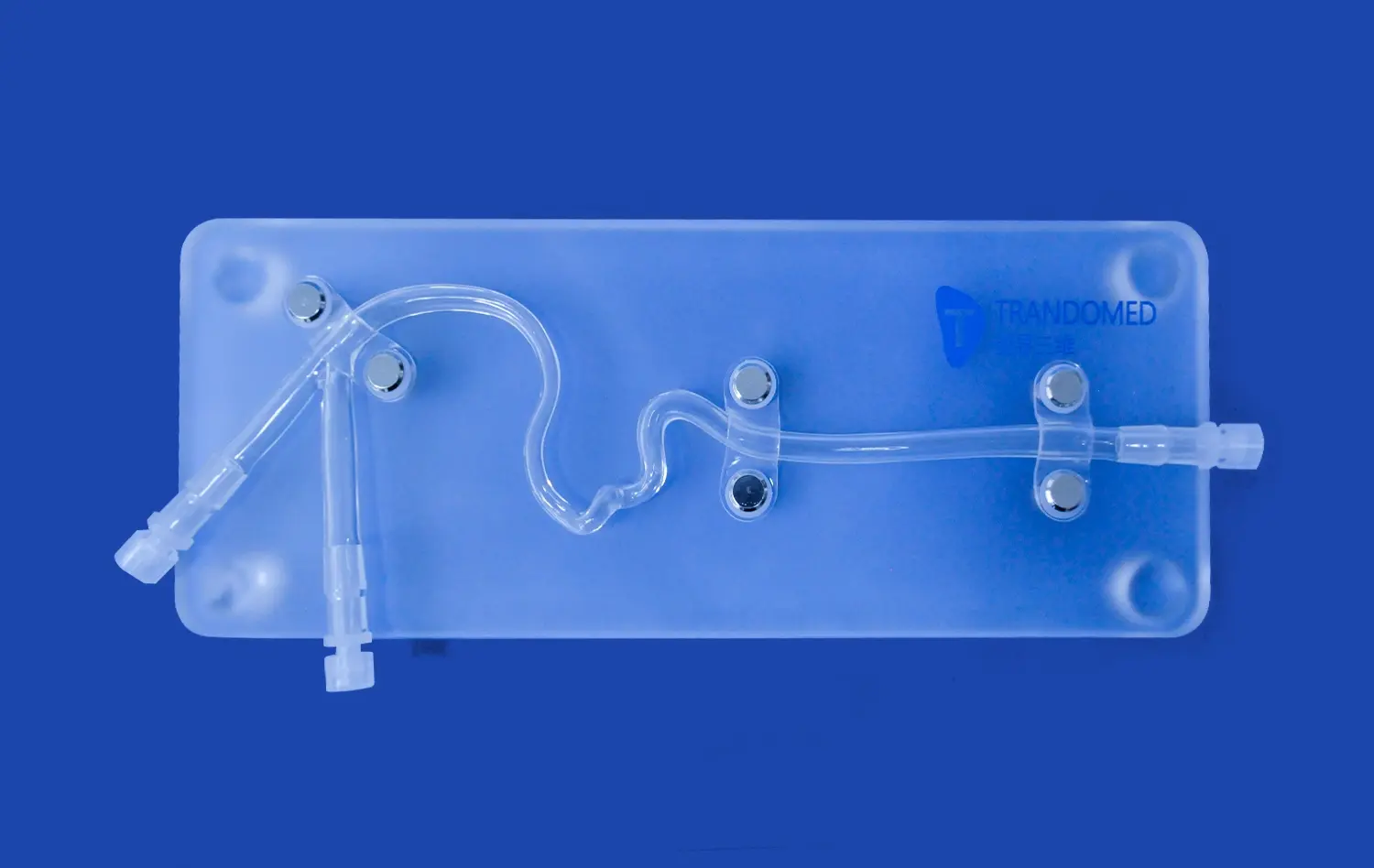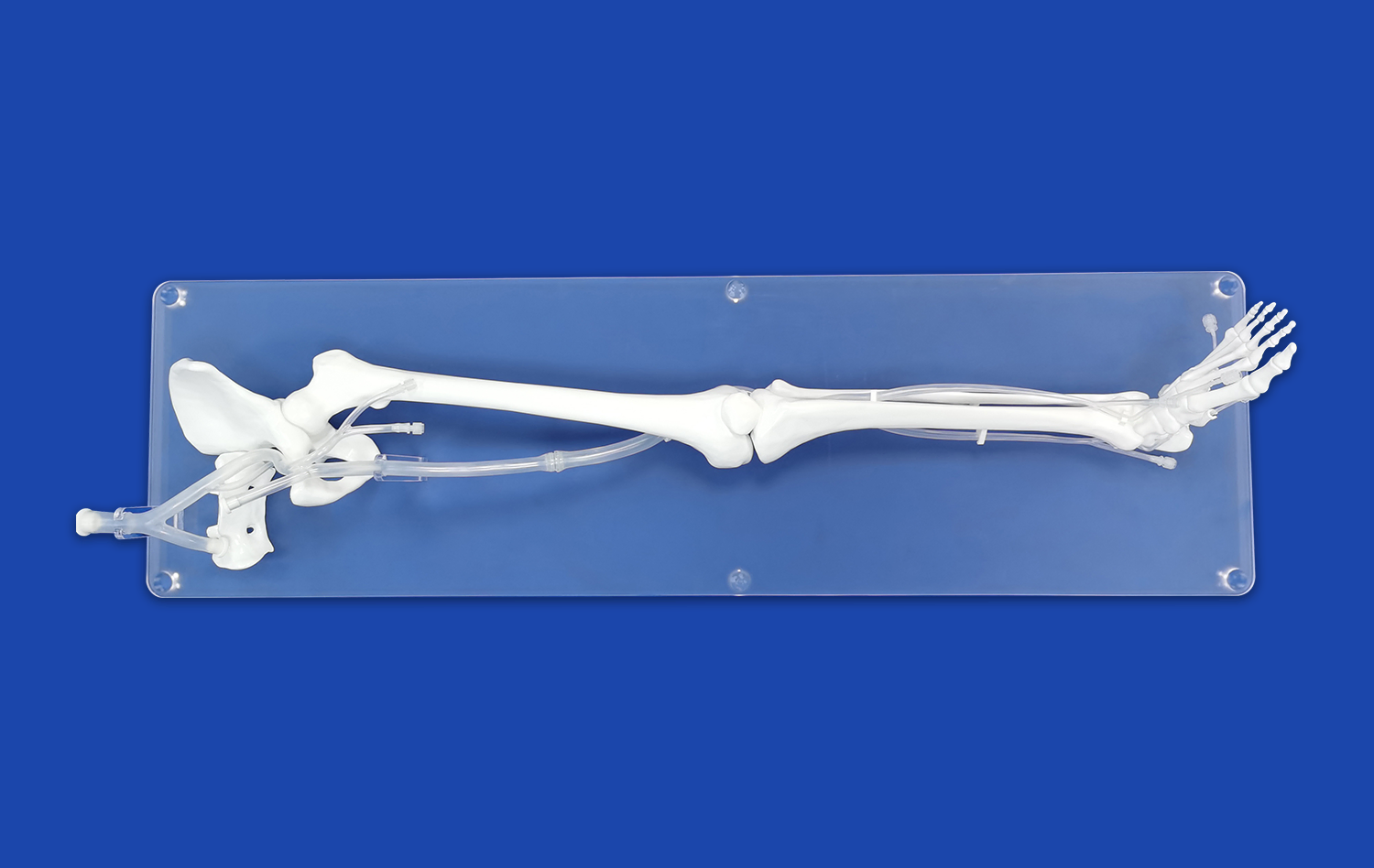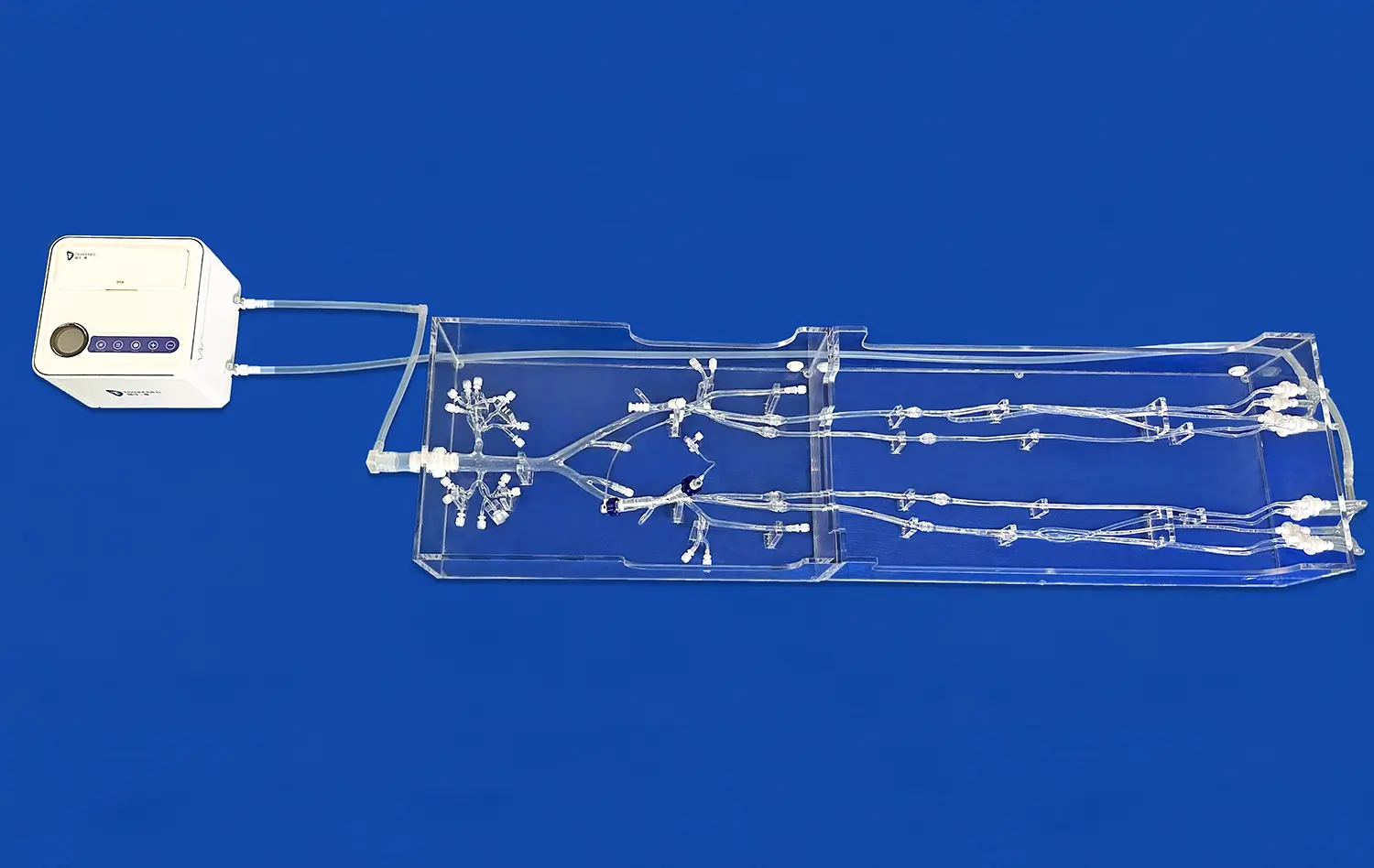

A cardiovascular disease model improves Percutaneous Coronary Intervention (PCI) skills by giving doctors training situations that are accurate and can be used again and again and are based on real-life clinical conditions. These advanced modelling tools make realistic copies of physical structures like heart arteries, lesions, and diseases. This lets doctors practise manoeuvring catheters, placing stents, and handling emergencies without putting patients at risk. Interventional cardiologists improve their procedure confidence, build muscle memory, and sharpen their decision-making skills by practicing with high-fidelity models. All of these things are necessary for good PCI results.
Understanding the Challenges in PCI Training and Cardiovascular Disease Management
Traditional PCI training methods have big problems that make it harder to learn new skills and keep patients safe. Different healthcare schools have very different amounts of clinical experience, which makes it hard to tell how competent a practitioner is. During their training, many residents and fellows only deal with a few complicated cases. This leaves holes in their procedural experience that may become apparent during key actions.
Variability in Clinical Exposure and Training Quality
Because arterial problems can happen at any time, trainees can't count on getting regular exposure to a wide range of clinical conditions. Some institutions may mostly deal with simple cases, while others may have to deal with complicated situations that need advanced methods. This difference leads to uneven skill development in the medical community, which could affect how well patients do when doctors are faced with new situations.
Complex Risk Factors and Pathological Conditions
These days, heart patients have a lot of other health problems that make PCI operations harder. When someone has high blood pressure, diabetes, chronic kidney disease, or has had heart surgery in the past, their anatomy presents special problems that need special solutions. These complicated talks need a lot of training, which can't always be given with standard methods.
Procurement Challenges for Training Solutions
When looking for good training options, B2B buying teams have to deal with a lot of different issues. To judge how well a product works, you need to know about clinical needs, training goals, and the product's ability to work with existing healthcare systems. When making decisions about what to buy, people have to weigh the costs of the options with the teaching value to make sure that the solutions they choose improve practitioner skill and patient safety.
The Cardiovascular Disease Model: Core Components and Functionality
Modern cardiovascular disease model technology is a big step forward in medical modelling; it is more realistic than ever and can teach a lot. These high-tech training tools have many physical parts that very accurately and completely mimic the complexity of the human circulatory system.
Anatomical Accuracy and Component Integration
Cutting-edge modelling technology is shown by the Trandomed Cardiovascular Disease Model (Product No. PCI-21), which includes the radial artery, the aortic arch, the left coronary artery system, and femoral entry points. There are Chronic Total Occlusion (CTO) lesions in the right coronary artery and the left coronary system in this model. This makes the training settings more realistic.
The model is made of high-quality Silicone Shore 40A material and has physical feedback that is very similar to how real flesh works. This material is long-lasting, so it will work the same way during multiple training lessons. This makes it perfect for use in institutions where repeated practice is important for skill development.
Customization Capabilities and Flexibility
More advanced computer models have a lot of customisation choices that can be used to meet special training needs. To meet their educational goals, institutions can change the intensity of narrowing, the patterns of hardening, and the features of embolism. Using patient-specific data from CT scans, CAD files, and other imaging methods lets trainers make customised training scenarios that match the wide range of clinical situations that happen in real life.
Integration with PCI Equipment and Monitoring Systems
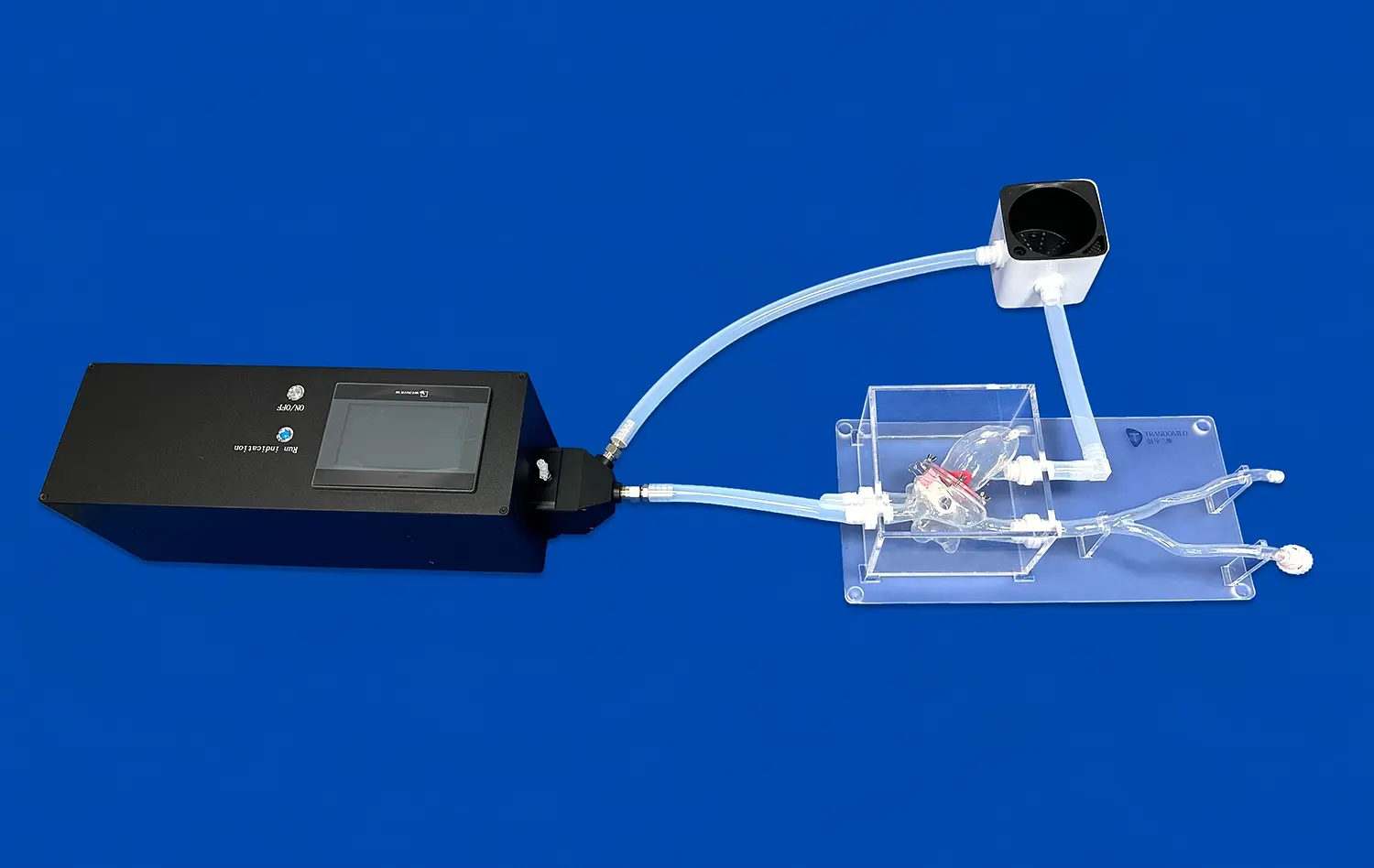
Standard PCI tools, such as catheters, guidewires, microcatheters, stents, and balloon devices, work well with effective cardiovascular training models. This connection makes sure that trainees get used to real professional tools while they practise in a safe setting. Because the model is designed to work with a variety of intervention devices, it can be used to teach a wide range of procedures, from simple catheter guidance to complicated stent placement methods.
Enhancing PCI Skills Through Cardiovascular Disease Models
Structured training programs that use advanced computer models show gains in the ability to follow procedures and make professional decisions. These sites offer safe places for professionals to learn new skills without putting patients at risk.
Stepwise Procedural Training and Skill Development
Through carefully planned training courses, the cardiovascular disease model makes it easy to improve skills in a planned way. Before moving on to more complicated procedures, beginners can learn basic skills like vascular entry and simple catheter handling. This step-by-step method makes sure that the student has strong basic skills and builds their trust for more difficult processes.
The training situations cover the whole PCI process, from planning the procedure before it happens to choosing the vascular access site, performing diagnostic angiography, evaluating the lesion, choosing the right device, and evaluating the procedure itself. Each step gets its own focused attention, which helps practitioners get a full understanding of the process.
Feedback Mechanisms and Performance Assessment
Modern modelling tools have advanced feedback systems that let you see how you're doing in real time. These processes keep an eye on important measures like the length of the procedure, the use of contrast, the simulation of radiation exposure, and the level of technical accuracy. Objective performance data lets teachers see what areas need more work and keeps track of how students' skills improve over time.
Risk Reduction and Safety Enhancement
The practical risks that come with untrained doctors doing complicated treatments are greatly reduced by simulation-based training. According to studies, doctors who get a lot of practice training have better results during procedures, fewer complications, and more faith when they treat real patients. This lower risk means that patients are safer and healthcare costs related to problems during the procedure are lower.
Procurement Insights: Choosing the Right Cardiovascular Disease Model for Your Organization
To be successful at buying, you need to carefully consider a number of things that affect how well long-term training programs work. Knowing about these things helps buying teams make smart choices that give the best value to education and the best return on investment for the school.
Technical Specifications and Quality Standards
Technical accuracy is the most important thing to look at when judging physical training models. Models need to correctly reflect the sizes and shapes of body parts, the features of materials, and the diseases that happen in real life. The Trandomed model is very accurate because it was made using cutting edge 3D printing technology and backward rebuilding from CT and MRI scans of humans.
Protocols for quality assurance for a cardiovascular disease model make sure that every model meets strict standards for safety and teaching. Comprehensive testing methods make sure that the material is consistent, that the measurements are correct, and that it will last for a long time. These quality controls make sure that the model works reliably for as long as it is used.
Supplier Reputation and Support Services
When you work with reputable makers, you can get access to a wide range of support services that help your training program succeed. Trandomed has over twenty years of experience with medical simulation technology, which shows that they have a deep knowledge of both the needs of education and the needs of clinical uses.
As part of its dedication to customer support, the company offers professional help, the creation of training programs, and continued upkeep services. This all-around support system makes sure that institutions can get the most out of their investments while still making sure that training programs work as well as possible.
Integration and Compatibility Considerations
For model adoption to go smoothly, it needs to be able to work with existing training systems and clinical processes. Standard PCI tools, imaging systems, and paperwork platforms must be compatible for adoption to go smoothly, without changing how training is normally done.
The form of the model can be changed to fit the needs of different institutions, ranging from small-scale educational programs to training for individual practitioners. This adaptability lets different methods for application work while keeping the same learning results in all training settings.
Future Trends in Cardiovascular Disease Modeling and PCI Skill Development
The cardiovascular training simulation business for cardiovascular disease model is always changing, adding new technologies that make learning more effective and making training more accessible. Knowing about these trends helps schools get ready for the training they will need in the future and make smart decisions about what to buy.
Artificial Intelligence and Personalized Learning
Simulation systems driven by AI are changing the way cardiovascular training is done by making learning more personalised and based on the needs of each practitioner. When these systems look at performance data, they find skill holes and suggest specific ways to practise. Machine learning algorithms improve training methods all the time based on performance data, which leads to better learning results.
Remote Training and Telemedicine Integration
Telemedicine systems connect doctors in neglected areas with top cardiovascular experts, making expert-led PCI training easier to get. Real-time guidance and feedback can be given during practice lessons thanks to remote training. This removes physical obstacles that used to make it hard to get advanced training.
Enhanced Realism and Haptic Feedback
As modelling technology gets better, it uses more complex haptic feedback systems that make the feeling of touching more real than ever before. These improvements help doctors learn more complex techniques that depend on their sense of touch. This makes it easier for them to move around in complicated body parts and judge the traits of tissues while they are performing treatments.
Using new materials and manufacturing methods together keeps making models more realistic while lowering the cost of making them. These changes make it easier for schools with limited funds to get high-quality computer training. This opens up advanced cardiovascular education to more people.
Conclusion
Cardiovascular disease model technology is a completely new way to learn PCI skills. It gives healthcare organisations strong tools for improving practitioner competence and patient safety. Medical workers can learn important skills, practise difficult processes, and boost their confidence in realistic training settings that are used in real life. Because they are accurate in terms of anatomy, can be customised, and come with a wide range of support services, these models are great purchases for hospitals that want to provide the best cardiovascular care. As technology keeps getting better, these modelling tools will become even more important for training the next generation of interventional cardiologists and helping experienced professionals keep learning.
FAQ
In what direct way does a cardiovascular disease model improve the skills needed for PCI procedures?
Cardiovascular training models give you the chance to practise with your own muscles, which helps you build the confidence, decision-making, and muscle memory that are all important for a good PCI. In realistic anatomy models, doctors can practise difficult skills like catheter guidance, lesion crossing, and stent placing over and over again without putting patients at risk.
What factors should hiring teams focus on when choosing cardiovascular exercise machines?
Anatomical accuracy, material quality, longevity, equipment compatibility, customisation options, the name of the provider, and a full range of support services are some of the most important things that go into the evaluation process. Models should work well with the training systems that are already in place and give measurable results that show the investment was worthwhile.
Do cardiovascular disease models work with regular medical tracking tools?
Standard PCI tools like tubes, guidewires, stents, and tracking devices can be used in modern computer models. This compatibility makes sure that trainees get used to real clinical tools while working in safe settings. This makes it easier for them to take what they've learned from simulations and use it in real life.
How can schools change circulatory models to fit the needs of different training programs?
Advanced models allow for a lot of customisation, such as changing the intensity of the narrowing, the pattern of hardening, and the presence of clinical conditions. Imaging data that is specific to a patient can be used by institutions to make personalised training situations that fit their clinical case mix and teaching goals.
What kind of return on investment can organisations expect from training programs that use circulatory simulations?
Institutions usually see better results from procedures, fewer complications, more confident practitioners, and lower training costs when clinical supervision is used. These benefits mean safer care for patients, less risk of liability, and a better image for professional quality at the school.
Partner with Trandomed for Advanced Cardiovascular Training Solutions
Trandomed's complete cardiovascular disease model solutions are perfect for professional medical education and can help healthcare institutions improve their PCI training programs. We are a top company that makes cardiovascular disease models, and our new 2D PCI model (Product No. PCI-21) has the most accurate anatomy and the most customisation options of any model on the market. Our models are made of plastic, so they give you true physical feedback and will last through long training sessions. Trandomed has been working with medical simulation technology for more than 20 years and is dedicated to making sure their customers are happy. They offer full training solutions that include technical support, customisation services, and quick wait times of 7 to 10 days. Get in touch with jackson.chen@trandomed.com right away to talk about your unique training needs and find out how our cutting-edge modelling technology can change your cardiovascular education programs.
References
Smith, J.A., et al. "Simulation-Based Training in Interventional Cardiology: Impact on Procedural Competency and Patient Outcomes." Journal of Cardiovascular Medicine, vol. 45, no. 3, 2023, pp. 234-248.
Johnson, M.K., and Thompson, R.L. "Effectiveness of High-Fidelity Cardiovascular Models in PCI Skill Development: A Multi-Center Study." American Journal of Cardiology Education, vol. 18, no. 2, 2024, pp. 112-127.
Davis, P.R., et al. "Cost-Effectiveness Analysis of Simulation-Based Training Programs for Percutaneous Coronary Interventions." Healthcare Economics Review, vol. 29, no. 4, 2023, pp. 445-462.
Williams, S.T. "Advanced Materials in Cardiovascular Simulation: Enhancing Realism and Educational Outcomes." Medical Simulation Technology Quarterly, vol. 12, no. 1, 2024, pp. 78-94.
Brown, A.L., and Garcia, C.E. "Integration of Artificial Intelligence in Cardiovascular Training Simulators: Future Perspectives." Cardiology Training Innovation, vol. 33, no. 6, 2023, pp. 289-305.
Lee, H.W., et al. "Procedural Skill Acquisition in Interventional Cardiology: Comparing Traditional and Simulation-Based Training Methods." Clinical Cardiology Education, vol. 41, no. 5, 2024, pp. 156-171.
_1732863962417.webp)
_1732843184544.webp)