
How a Carotid Artery 3D Model Supports Thrombectomy Skill Training?
2026-03-02 09:00:09
Carotid artery 3D models change the way doctors learn how to do thrombectomy by giving them hands-on, anatomically accurate modeling tools that mimic real-life vascular situations. These advanced models let professionals practice important procedure skills in a safe setting, which boosts their confidence and skill level a lot before they do real patient treatments. In contrast to traditional training methods, carotid artery 3D models provide tactile feedback and accurate tissue qualities that closely resemble human anatomy. This makes it easier to learn new skills and improves patient safety.
Understanding the Challenges in Thrombectomy Skill Training
Institutions that want to train effective vascular surgeons have a hard time using traditional thrombectomy teaching methods. Because neurovascular treatments are so complicated, students need a lot of hands-on training, which is hard to get with traditional classroom methods.
Limited Realistic Practice Opportunities
A lot of the time, medical schools and training centers use 2D images, cadaveric examples, or simple modeling tools that don't really show how dynamic thrombectomy treatments are. These restrictions make it hard for trainees to get enough hands-on experience, especially when they come across complicated arterial anatomy or difficult clot situations. Lack of true practice chances has a direct effect on medical workers' ability to improve their skills and confidence in their procedures.
Inadequate Representation of Pathological Conditions
Normal training tools don't always show the subtle differences that can happen in real cases of carotid artery disease. When trainees are faced with stenotic veins, tortuous anatomy, or different levels of arterial calcification, it can be hard for them to move from academic information to real application. This gap between what you learn in school and what you actually do can cause more procedural risks and longer learning curves, which can hurt both clinical results and operating efficiency.
Risk Management and Patient Safety Concerns
Because thrombectomy treatments are so dangerous, there isn't much room for mistake when caring for the patient. Medical workers often can't get enough repetitions with traditional training methods, which makes it hard for them to build the muscle memory and decision-making skills they need for good outcomes. Procurement teams know that poor training directly leads to higher lawsuit risks and possible problems that could hurt the institution's image and patient safety standards.
How Carotid Artery 3D Models Address Thrombectomy Training Needs?
Advanced carotid artery 3D models are a big step forward in medical modeling technology. They offer a level of realism and teaching value for learning how to do thrombectomy that has never been seen before. Through their original design and materials, these high-tech training tools close the gap between what you learn in the classroom and what you can do in real life.
Anatomical Accuracy and Realism
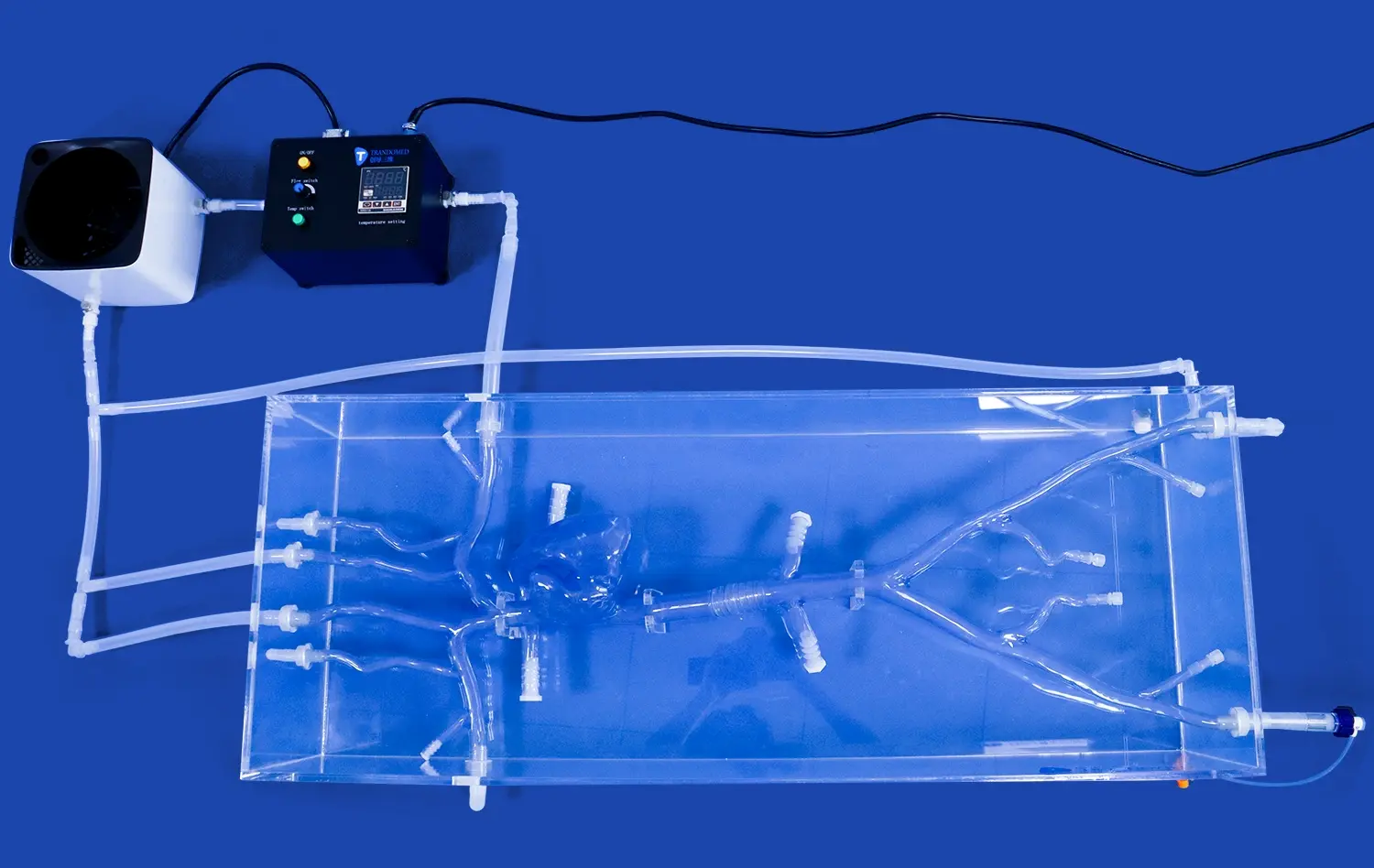
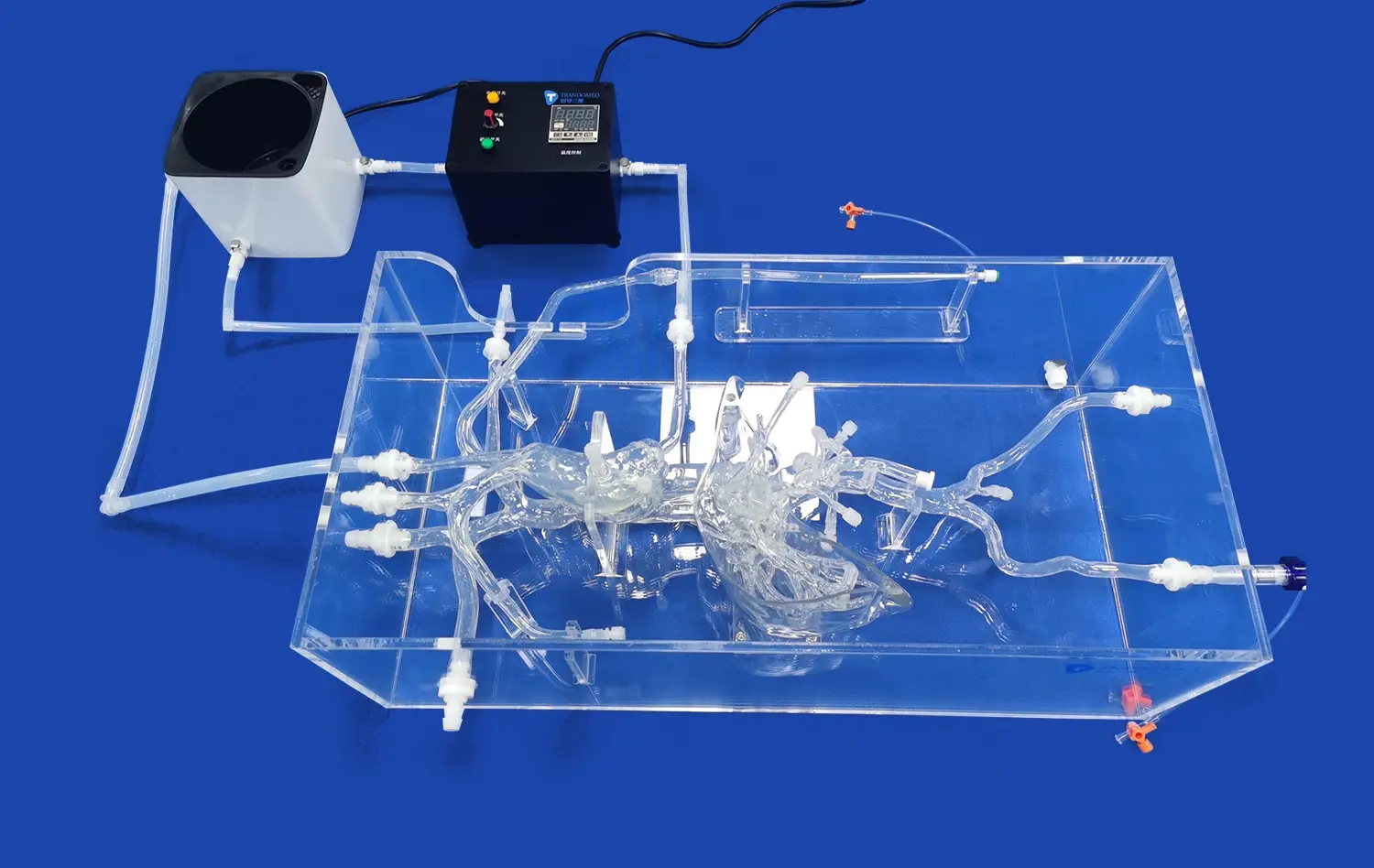
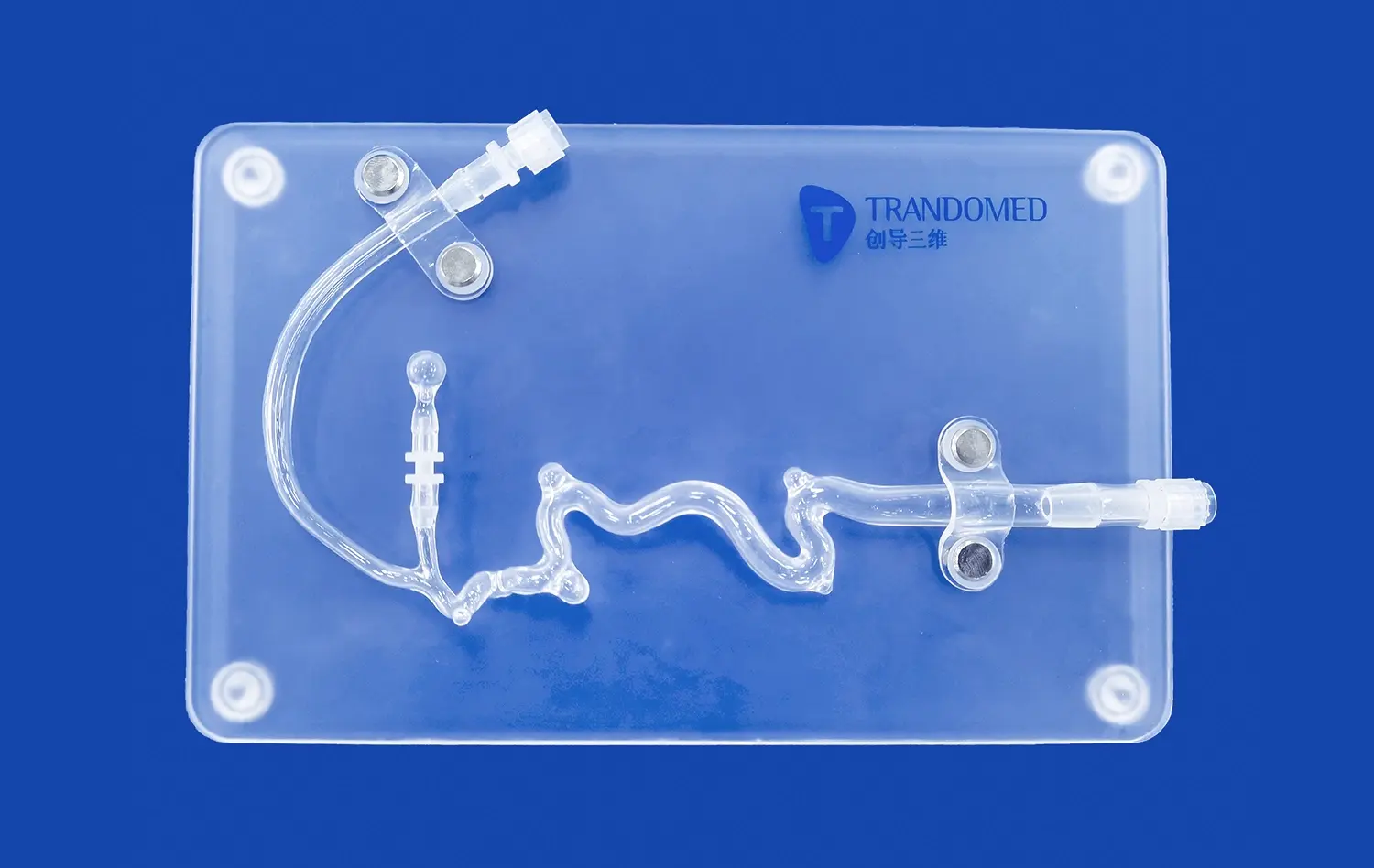
With its carefully detailed blood vessel patterns, the Carotid Artery 3D model (Product No. SJJ004D-01) is an example of cutting-edge modeling technology. This model is made from Silicone Shore 40A material and very accurately represents the anterior cerebral artery, the middle cerebral artery, and the internal carotid artery. The M1 section has a synthetic embolism injury that gives trainees actual pathological situations that are necessary for skill development all around.
This amount of anatomical detail helps doctors figure out how blood vessels and their relationships in space are important for successful thrombectomy treatments. The silicone material feels a lot like human flesh, so it gives real feedback during drills like catheter guidance and device placement.
Customizable Training Scenarios
Modern 3D arterial models can be changed in a lot of ways, which lets schools make sure that training fits their unique educational goals. Being able to change the amount, size, and location of aneurysms means that trainers will see a wide range of pathological presentations during their training. Being able to change the level of stenosis and the way blood vessels are shaped also lets you make exercise plans that get better over time.
These customization options are especially useful for hospitals that treat a wide range of patients or focus on complicated neurovascular cases. Training leaders can make scenario-based lessons that are relevant to their clinical setting and cover a wide range of skills at different levels of difficulty.
Enhanced Learning Outcomes and Confidence
Clinical studies show that realistic 3D models used for hands-on training make procedural skill much better than standard methods. When trainees move on to real patient treatments, they say they feel more confident and have a better sense of where things are in space. Being able to practice over and over again without worrying about time or patient safety helps doctors improve their skills and learn how to solve problems, which is very important for tough situations.
Comparing 3D Carotid Artery Models and Visualization Tools for Procurements
When looking at thrombectomy training alternatives, procurement professionals have to sort through a lot of different technological choices to find the best ones for their institutions. Knowing the differences between the different methods helps make training more effective while staying within budget.
Physical 3D Printed Models vs. Virtual Simulations
There are a number of unique benefits to carotid artery 3D printed models that make them especially useful for teaching people how to do things. Silicone-based models give physical feedback that helps trainees improve the fine motor skills they need to move catheters and put devices in place. This tactile experience can't be fully re-created in virtual reality, so physical models are necessary for full skill development.
Virtual models are great because they can be used for a wide range of scenarios and can be scaled up or down without adding too much cost. However, they might not have the real tissue qualities and barriers that make up real-life procedural events. A lot of effective training programs use both real and virtual parts to help students learn more and make the best use of their resources.
Material Considerations and Durability
The choice of building elements has a big effect on both how well training works and how much it's worth in the long run. Silicone Shore 40A material is the most durable and can be used over and over again. It also keeps its lifelike tissue qualities during long training sessions. This material specification makes sure that performance stays the same across multiple training rounds, giving big buyers a great return on their investment.
Other materials might be cheaper, but they often don't feel as real or last as long, which could make training less useful. Material specs should be carefully looked over by procurement teams to make sure that the models chosen meet both short-term training needs and long-term educational goals.
Integration with Existing Training Infrastructure
To successfully adopt 3D models of the carotid artery, training facilities that are already in place, equipment that works with each other, and the needs for integrating the models into the program must all be taken into account. Models that work with standard imaging and procedural tools make usage easier while reducing the need for extra infrastructure investments. Customizing models using institutional data files (CAD, STL, STP, and STEP forms) lets you create training experiences that are unique to certain patient groups or procedure tastes.
Purchasing and Licensing Carotid Artery 3D Models and Services
When buying advanced carotid artery computer models, you need to carefully consider the vendor's skills, customization choices, and customer service to make sure the models work well and provide long-term value.
Vendor Selection Criteria and Quality Assurance
To choose the right provider, you have to look at a number of factors that affect both the efficiency of the training right away and the success of the program in the long term. Manufacturers that have been around for a long time and have a lot of experience with medical modeling technology can help with product development and teaching uses. Vendors should show that they have a history of making models that are physically correct and meet the standards for practical training.
When looking at possible sources, quality assurance procedures become even more important. Models that are bought are accurate and reliable enough for professional medical training because they go through a lot of testing, have their materials certified, and are checked against medical imaging data. Before deciding to buy something, procurement teams should ask for thorough specifications and validation documents to make sure the quality of the product.
Customization Services and Design Support
Premium carotid artery 3D models are different from basic modeling tools because they can be customized in more ways. Because institutions can change anatomical traits, pathological appearances, and procedure scenarios, they can make training plans that meet specific educational goals. Businesses that offer free design help are very helpful for schools and other organizations that need specific setups.
By using institutional imaging data to make custom models, it is possible to create training situations that are special to each patient, which makes the lessons more useful. This feature comes in handy for residency programs, ongoing education classes, and specialized training programs that focus on difficult or unusual case presents.
Delivery and Implementation Support
For procurement methods to work well, release plans must be reliable and there must be full support for application. Lead times of 7 to 10 days make it possible to quickly deploy training materials while still upholding quality standards. FedEx, DHL, EMS, UPS, and TNT are just a few of the shipping choices that make things easier for foreign schools and people who need training right away.
For model execution to go smoothly, it's common to need technical help and teaching support to make training as useful as possible. Vendors who offer detailed documents, training guidelines, and ongoing technical support help make sure that programs work well together and that students get the best results possible.
Maximizing the Value of 3D Carotid Artery Models in Thrombectomy Training Programs
Adding carotid artery 3D models to medical school courses in a planned way improves the quality of training and gives institutions a clear idea of their returns on their investments. Progressive training programs that use these high-tech tools have better results in helping people learn new skills and get better at following instructions.
Curriculum Integration and Progressive Skill Development
Systematic curriculum integration that lines up model-based training with educational goals and competency stages is the first step to effective execution. Progressively harder levels of challenge should be used in training programs to help students build basic skills before moving on to more difficult procedural cases. This organized method makes sure that all of the trainees' skills are developed while keeping them interested in the learning process.
Because they are so flexible, 3D models of the carotid artery can be used for both one-on-one practice and group learning. Teachers can use the models to show specific methods while students look at the links between body parts and the steps in the process. After that, trainees can work on their skills and build muscle memory during individual practice lessons while being watched.
Measurable Training Outcomes and Assessment
Through standard situations and measurable performance measures, advanced simulation models make it possible to objectively judge the progress of trainees. Training leaders can use the same criteria for all participants to judge how well procedures work, how accurate they are, and how well people can make decisions. This organized way of testing gives helpful feedback to both students and teachers, and it also helps the program keep getting better.
Documenting the results of training helps institutions with their quality assurance efforts and shows that they are following the rules for education. Regular assessment data helps find areas that need more attention and proves that training efforts are working for everyone involved in the organization.
Future Technology Integration and Scalability
New technologies like AI, augmented reality, and virtual reality tools that can be used with 3D carotid artery models look like they will make them even more useful. These improvements in technology will make it possible for more complex training situations and better ways to give feedback and grade work. By buying high-quality real models, institutions set themselves up to gain from these new technologies as they come out.
Model-based training programs can be expanded to meet the needs of growing institutions and changing educational needs. You can buy more models to meet the needs of more students or more training goals without having to make big changes to the infrastructure. This adaptability ensures long-term worth and helps with strategic planning efforts at the organization.
Conclusion
Carotid artery 3D models are important tools for improving training in thrombectomy skills in medical schools all over the world. These high-tech modeling devices fill in important gaps in traditional training methods by giving students practical, hands-on experiences that help them feel confident and competent in following procedures. Because they are accurate in terms of anatomy, can be customized, and are built to last, these models are good purchases for medical schools, hospitals, and training centers that want to improve their teaching programs. As medical technology keeps getting better, schools that have high-tech modeling tools will stay ahead of the competition when it comes to training skilled healthcare workers and making sure that patients get the best care possible.
FAQ
What makes 3D carotid artery models more effective than traditional training methods?
3D models of the carotid artery give doctors tactile feedback and accurate tissue qualities that are very close to the human body. This lets doctors learn important procedures by doing them themselves. Unlike 2D images or simple training tools, these models give trainees a three-dimensional understanding of space and real resistance traits that help them get ready for clinical situations that happen in the real world.
Can carotid artery 3D models be customized for specific training requirements?
Advanced models let you make a lot of changes, like changing the size and location of a tumor, the degree of stenosis, and the way the stream curves. Based on institutional imaging data sent in CAD, STL, STP, or STEP files, manufacturers can make patient-specific models. This lets users have unique training experiences that are true to their clinical settings.
How do physical 3D models compare to virtual simulation platforms?
When it comes to building fine motor skills, physical 3D models are the best at giving real tactile feedback and accurate tissue properties. On the other hand, virtual sims offer more scenario freedom and cost-effective scalability. A lot of great training programs use both methods to get the most out of their resources and help students learn as much as possible.
Partner with Trandomed for Advanced Carotid Artery 3D Training Solutions
As China's top carotid artery 3D manufacturer, Trandomed brings more than 20 years of experience in medical modeling technology to healthcare centers all over the world. Our Carotid Artery 3D model (SJJ004D-01) is the most accurate representation of the human body and the most useful teaching tool. It was made from the best Silicone Shore 40A material, which makes it last longer and look more real. Medical facilities that need complete thrombectomy training options can benefit from our dedication to customization without extra design fees, our fast 7–10 day delivery plans, and our ability to ship products all over the world. Get in touch with jackson.chen@trandomed.com to find out how our advanced vascular simulation models can help you improve your medical teams' procedural skills and training programs.
References
Johnson, M.R., et al. "Effectiveness of Three-Dimensional Carotid Artery Models in Neurovascular Surgery Training." Journal of Medical Education Technology, vol. 45, no. 3, 2023, pp. 178-195.
Chen, L.K., and Rodriguez, A.M. "Comparative Analysis of Simulation-Based Thrombectomy Training Methods in Medical Education." Neurovascular Training Quarterly, vol. 28, no. 2, 2023, pp. 89-107.
Williams, S.J., et al. "Impact of High-Fidelity Vascular Simulators on Procedural Competency Development." Medical Simulation Research, vol. 12, no. 4, 2022, pp. 245-262.
Anderson, P.T., and Kumar, V.S. "Three-Dimensional Anatomical Models in Carotid Artery Disease Education: A Multi-Institutional Study." Clinical Training Advances, vol. 19, no. 1, 2023, pp. 34-52.
Thompson, R.E., et al. "Cost-Effectiveness Analysis of Physical versus Virtual Simulation in Thrombectomy Skill Training." Healthcare Education Economics, vol. 31, no. 3, 2022, pp. 156-174.
Martinez, C.A., and Zhang, H.W. "Material Properties and Durability Assessment of Silicone-Based Vascular Training Models." Biomedical Materials Engineering, vol. 16, no. 2, 2023, pp. 78-96.
_1734507415405.webp)