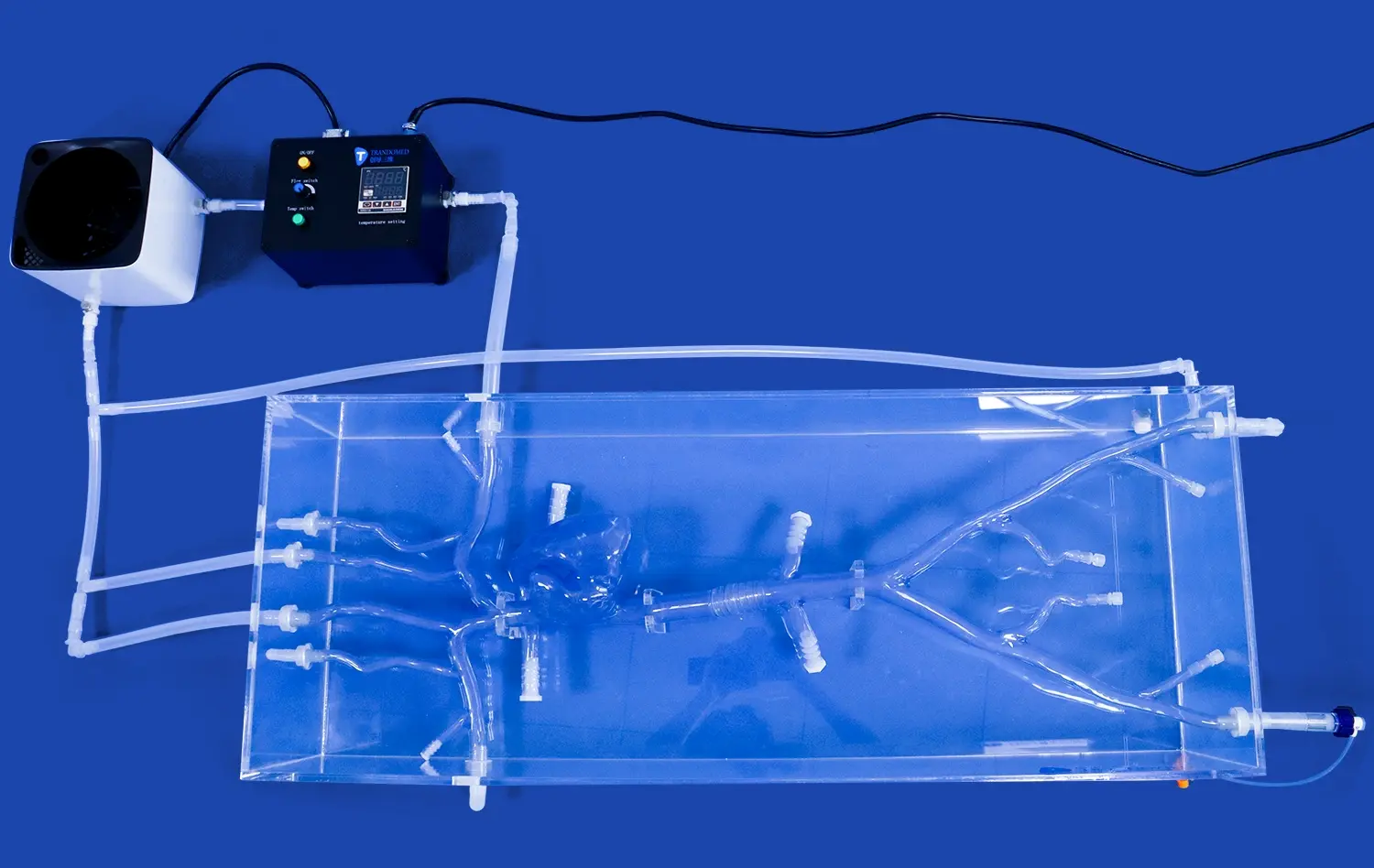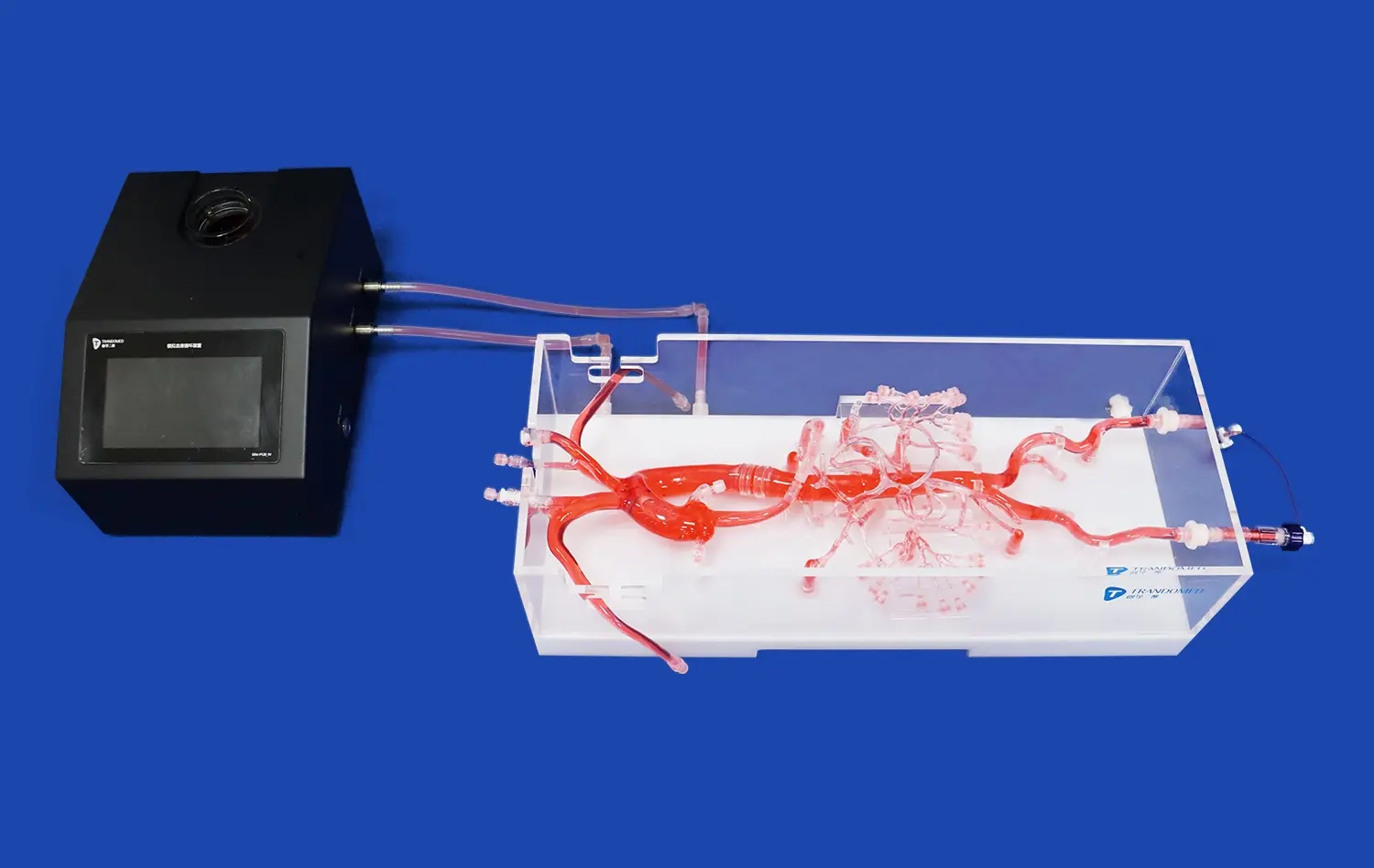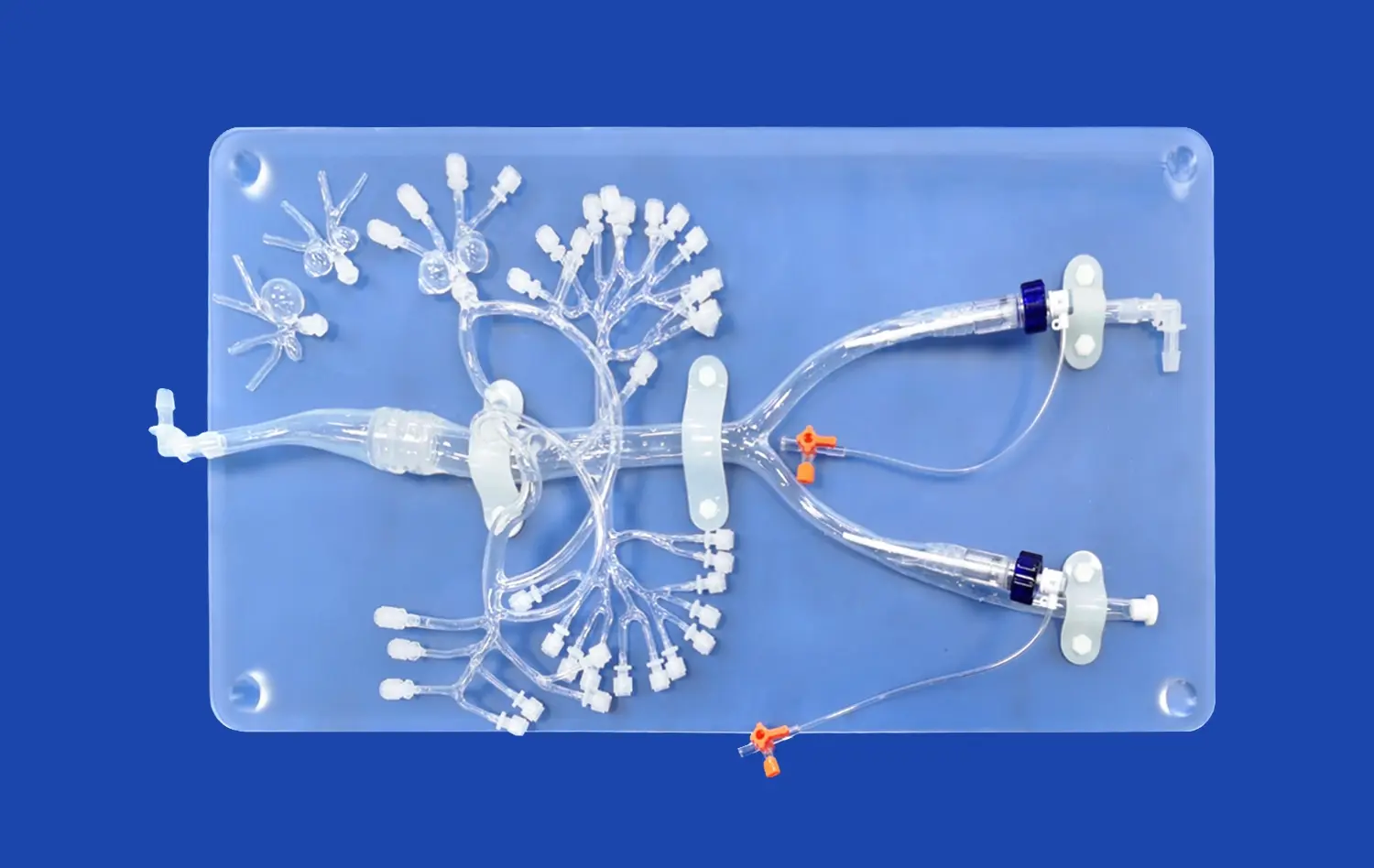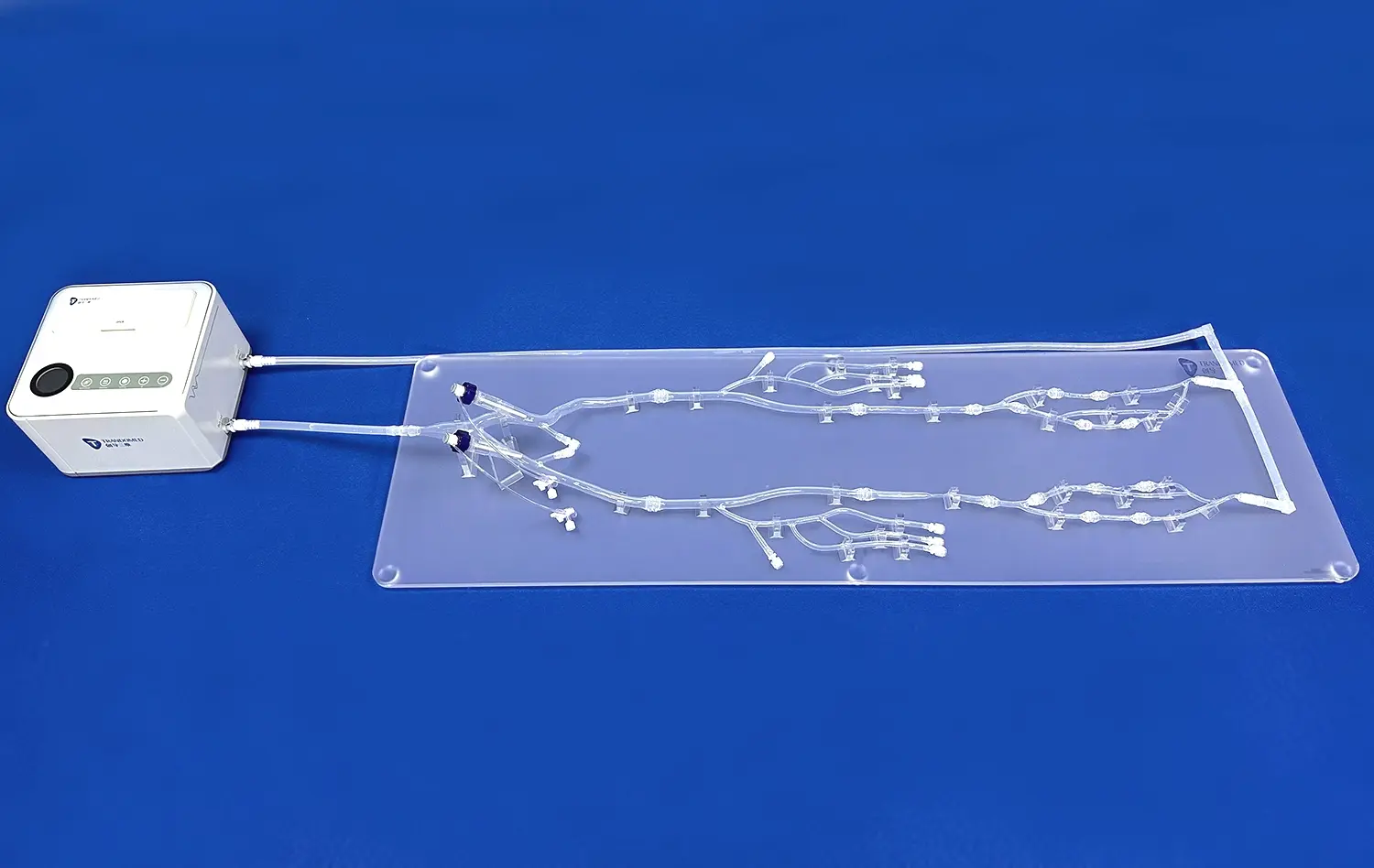

A cerebral model is an important tool for neuro-interventional procedures because it shows the brain's arterial system in three dimensions and with great accuracy. These high-tech neurovascular models copy important parts of the body, like the Circle of Willis, tumors on different artery segments, and complicated cerebral paths. Medical workers can practice delicate treatments, get better at following procedures, and make patients safer by using these models in real life. Advanced cerebral models with accurate structural accuracy and physical feedback bridge the gap between academic knowledge and clinical application. This changes how neuro-interventional teams train for very important procedures.
Understanding Cerebral Models and Their Role in Neuro-Interventional Procedures
Neuro-interventional treatments need a high level of accuracy and sense of space. The brain's circulatory system is made up of complicated webs of arteries, veins, and capillaries that you need to know a lot about to safely manage. General structural brain models focus on the cortex and its functional areas. Cerebral vascular models, on the other hand, focus on the blood vessel design that is important for neurosurgery and invasive radiology.
What Distinguishes Neuro-Interventional Cerebral Models?
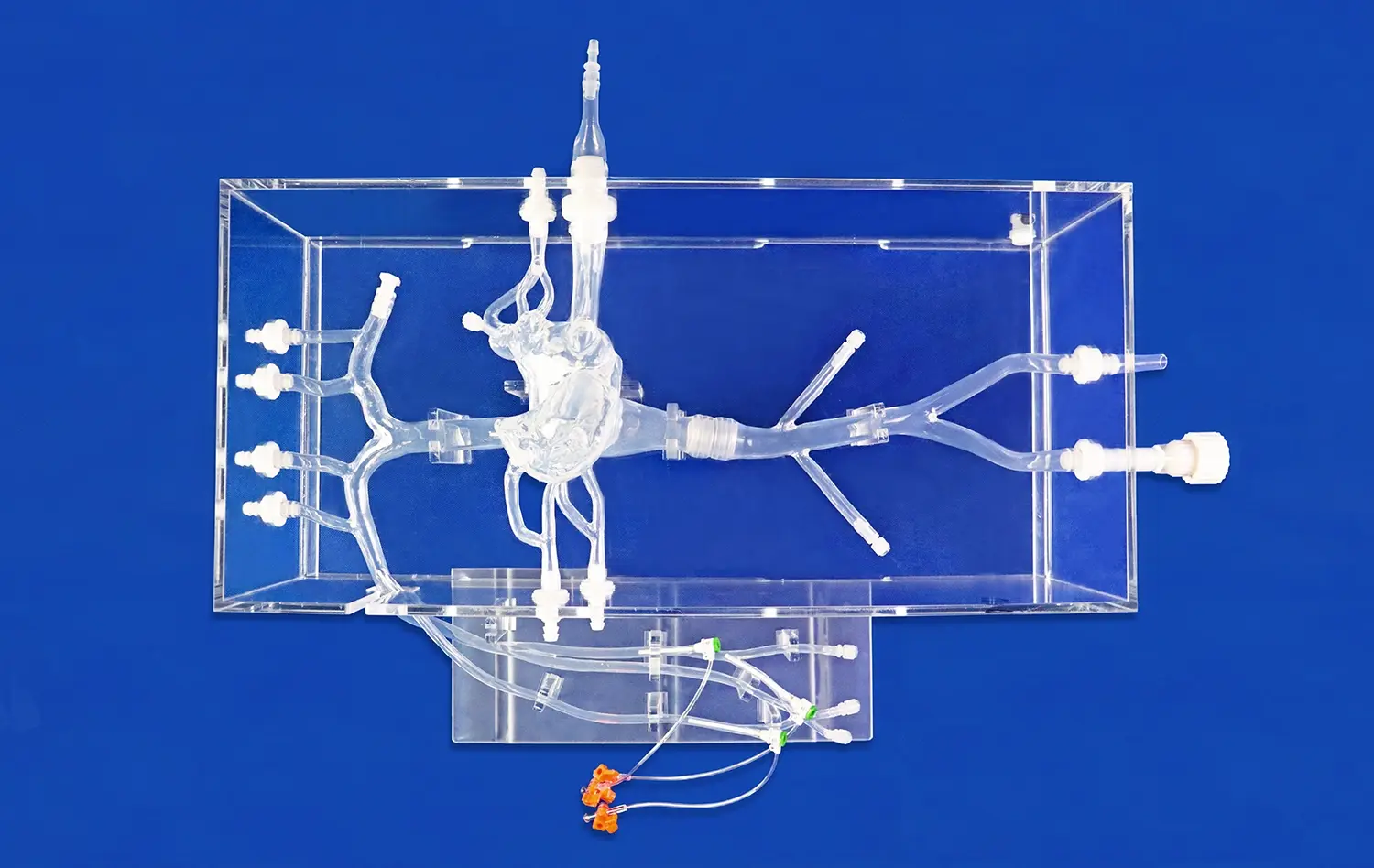
Neuro-interventional cerebral models are different from other ways of teaching neuroscience because they pay close attention to the details of the blood vessels. Pathological features like aneurysms, arteriovenous tumors, and stenotic segments are placed in these specialized models in ways that are true to the human body. The Circle of Willis Aneurysm III type, which is marked with Product No. This method is shown in SJK002D, which combines lesions on the eye section, basilar artery, carotid artery, and middle cerebral artery. This set-up lets doctors practice aneurysm coiling, stent placing, and other therapeutic procedures in a real-life setting.
The makeup of the material is very important for how accurate the modeling is. The feel of Silicone Shore 40A is very similar to human flesh, so it provides natural resistance while the tube is being moved and the device is being put in place. This material doesn't break down when it's used over and over again, so it can be used in training programs that need steady performance across multiple sessions. The clear or partially clear choices make it easier to see inside structures, so trainers can watch how the device is placed and make sure they are using the right method during practice procedures.
Key Features That Enhance Clinical Training
Advanced brain arterial models are made with a number of design features that make them the most useful for learning. With the help of removable parts, teachers can show certain diseases on their own before putting them together in full circulatory networks. An glass container supports the structure and lets you see from all sides, making it easier for both group teaching and self-directed learning. The three-dimensional picture of space helps trainees learn how to mentally map out areas of the body that are complicated during real treatments.
Anatomical accuracy extends beyond static structural replication. Good models accurately show the wavy shapes, branching angles, and changes in width that are common in real brain veins. These small details have a big effect on choosing a catheter, manipulating the guidewire, and planning how to deliver the device. When interventionalists train with physically accurate models, they learn how to deal with problems that might come up during procedures and how to change their methods to fit the bodies of different patients.
Procurement Insights: How to Buy Cerebral Models for Neuro-Interventional Use
A successful buying process for a cerebral model includes more than just knowing what the product is. It also includes evaluating suppliers, setting prices, and planning for logistics. When buying something for a business, people need to think about more than just the price. They need to think about things like long-term support, customization services, and the stability of the supply chain.
Assessing Supplier Credentials and Certifications
Verifiable manufacturing skills and quality control systems are the first steps in building trust in a vendor. Companies like Ningbo Trando 3D Medical Technology Co., Ltd have more than twenty years of experience in medical 3D printing technology. This means that you can be sure that the goods they make are based on deep knowledge of the field, not just a quick attempt to get into the market. Companies that have been around for a while keep records of their quality control, material testing, and design approval methods. These keep the products they make performing the same way every time.
The standards for certification depend on the planned use and the legal authority. For models that are used for clinical training in approved programs, they might have to follow certain rules about medical modeling tools. People who work in procurement should make sure that sellers have the right certifications and can back up their quality claims with proof. Compliance with regulations is especially important for schools that want to get accredited or keep their current approvals for educational programs.
Understanding Pricing Structures and Value Propositions
Clear pricing lets you stick to your budget and compare prices fairly between vendors. Reliable providers of cerebral models give thorough quotes that include the cost of the base model, any modification fees, shipping costs, and any bulk savings that apply. Institutions that are setting up new exercise centers or updating their training supplies often save a lot of money by buying in bulk. Understanding the full cost structure, including possible future costs for new parts or model changes, helps people make smart financial decisions.
How payments are made affects how cash flows and how flexible purchases can be made. Standard terms, like bank transfer, make deals easy and work well for business buying cycles. For normal setups, lead times are usually between seven and ten days. However, based on how complicated the changes are, special orders may need longer production plans. Planning when to buy things around the start of a program or the school year makes sure that models come when they're needed without having to pay extra for fast shipping.
Evaluating Customization Capabilities and Support Services
With customization services, general training tools can be turned into specific learning tools. Trondomed lets you make changes without asking extra for design work. This means that schools can choose the number, size, and location of aneurysms that best fit their educational needs. Models can include different types of brain diseases, such as different amounts of stenosis, embolic patterns, and vessel tortuosity, that are in line with specific study or learning goals.
The most advanced way to customize a cerebral model is through data-driven customizing. Suppliers who can work with CT scans, CAD files, or STL files can make copies of patient-specific anatomy for practicing surgery or models that are representative of the whole community for testing devices. This feature is very helpful for hospitals planning complicated treatments, medical device companies testing out new goods, and research groups looking into certain brain conditions.
After-sales support includes things like professional help, getting new parts, and access to learning materials. Customer service teams are there to help with questions about how to use the products, how to do upkeep, and how to place new orders as training programs grow. International shipping through well-known companies like FedEx, DHL, EMS, UPS, and TNT guarantees safe arrival to places around the world, with the added benefits of tracking and help with customs paperwork.
Practical Applications of Cerebral Models in Neuro-Interventional Procedures
Multidisciplinary neurovascular computer models are useful in many areas of medicine, teaching, and study. Real-life examples show that when high-fidelity models are used as part of complete training programs, procedural skill, patient safety, and professional innovation all get better.
Preoperative Planning and Surgical Rehearsal
With patient-specific cerebral models, surgery teams can practice difficult procedures before they go into the operating room. Neurosurgeons and interventional radiologists can see how different parts of the body are connected, plan for technical problems, and improve their approach tactics by using customized models that are based on individual imaging data. This mixture works especially well for people with complicated circulatory structures, big tumors in hard-to-reach places, or who have had surgeries in the past that changed their regular anatomy.
The benefits of practice go beyond helping each surgeon prepare; they also improve the work of the whole team. Models that correctly show the body of a patient can help nurses, techs, and support staff get used to the right tools for the job, how to place patients, and the steps in the process. This group planning cuts down on the time needed for surgery, the amount of radiation exposure, and the risk of complications that come with doing procedures that aren't done often.
Training Programs Across Educational Settings
Medical schools use brain vascular models in neuroanatomy classes so that students can learn about the three-dimensional connections between cranial nerves, artery regions, and other structures in the area. The physical learning experience works well with standard textbooks and digital tools to help students remember what they've learned and understand how things fit together. Students go from learning how to identify basic blood vessels to learning how to spot abnormal changes that affect clinical decision-making.
Advanced models such as the cerebral model are used to help people learn how to do things in residency and training programs. Before they treat patients, trainees practice moving the catheter, manipulating the guidewire, placing the microcatheter, and deploying the coil in controlled settings. Simulation-based training helps people learn faster while keeping patients safe. It lets students make mistakes, get feedback, and improve their skills without worrying about what will happen to the patients. Interventionalists who get structured programs that combine classroom learning, simulation practice, and guided clinical training are more confident and skilled.
In continuing medical education workshops, doctors learn about new tools and methods by using cerebral models. Interventionists with a lot of experience can test out new tools, try out new ways of doing things, and brush up on their skills for processes that aren't done very often. Simulation-based continuing education gives students the chance to learn by doing, which is hard to do in a regular classroom setting or by just watching.
Device Development and Validation Applications
Anatomically exact models are used by companies that make medical devices all the way through the product development process. Early-stage versions are tested for the first time in brain models that mimic the target anatomy and disease states. Engineers look at how well the device can be delivered, how clear it is to see under fluoroscopy, how it goes into place, and how it interacts with the surrounding blood structures. This testing is done over and over to find design problems and ways to make things better before expensive animal studies or human trials start.
Regulatory applications look better when they include detailed evidence of bench tests that use approved anatomy models. Showing how well a gadget works in regulated models is an objective way to back up claims about safety and effectiveness. Models make it possible to do controlled tests that focus on certain factors. This creates repeatable data that improves regulatory applications and speeds up the approval process.
Commercial demos and training for doctors are two more uses for devices in the industry. Salespeople use cerebral models to show potential customers the features of a product, talk about its scientific details, and give them a hands-on experience. Simulations are used in training programs for doctors who want to use new technologies to help them feel confident and skilled before they use them in real patients. This helps with the launch of new products and the best possible results for patients.
Conclusion
Brain models such as the cerebral model have become very important for improving neurointerventional skills in schooling, clinical practice, and the development of new medical devices. These high-tech models offer realistic environments for improving procedure skills, practicing difficult cases, and testing new technologies without putting patients at risk. When choosing the right models, you need to think carefully about how accurate the anatomy is, the quality of the materials, your options for customization, and how reliable the seller is. Because Trandomed has been working with medical 3D printing technology for 20 years, we are a reliable partner for organizations that want neurovascular simulation solutions that give measurable training results and long-term value. Our dedication to quality, the ability to adapt to different needs, and full support makes sure that investments in buying lead to better patient care and stronger professional skills.
FAQ
What makes neuro-interventional cerebral models different from regular physical brain models?
Neuro-interventional models are more focused on the shapes of blood vessels than on the general anatomy of the brain. During catheter-based treatments, they use materials that feel like blood vessels and include realistic artery networks as well as abnormal traits like aneurysms and stenoses. Standard brain models focus on the cortical structures, functional zones, and general shape of the brain, but they don't show the details of the blood vessels that are needed for therapeutic training.
How can I be sure that the structural details are correct before I buy cerebral models?
Ask for information about how the models were made, such as source image data, structural references, and methods for validating them. Manufacturers with a good reputation will give you measurements, pictures that you can compare with medical books, and maybe even sample models or thorough photos that show how the circulatory system works. You can also get an idea of how consistent the quality is by looking at the supplier's qualifications, manufacturing experience, and customer reviews.
Can I buy cerebral models in bulk or at a price that's good for institutions?
Most well-known makers offer savings for buying in bulk because they know that schools need more than one model for things like practice centers, training spots that are spread out, or implementing a full program. Talk to sellers directly to talk about particular order quantities and prices. Trandomed meets the needs of institutions by offering a variety of buying choices and clear quote processes that are based on the amount of purchases.
Can cerebral models be changed to fit the anatomy of a particular patient or the training goals?
Technically advanced companies like Trandomed can make changes based on medical images or specific body parts' needs. You can change the number, size, and location of aneurysms without having to pay extra for design. Pathologies like stenosis grades, embolic patterns, and vessel tortuosity can be added as well. CT scans are used to make patient-specific models that can be used for surgery practice in difficult cases, while standard forms help meet training goals that are specific to the program.
Partner with Trandomed for Superior Cerebral Model Solutions
With the best cerebral model technology in the business, Trandomed is ready to help you with your neuro-interventional training and study projects. Our Circle of Willis Aneurysm III model and neurovascular platforms can be changed to fit your needs. They give you the physical accuracy and longevity your programs need. We encourage people who work in buying, medical education, and clinical leadership to look into how our solutions can help them do their jobs better. You can email jackson.chen@trandomed.com for more information about a product, a unique quote, or to talk about your special needs.
References
Anderson, K.M., & Thompson, R.J. (2023). Simulation-Based Training in Neuro-Interventional Radiology: A Systematic Review of Educational Outcomes. Journal of NeuroInterventional Surgery, 15(4), 342-349.
Chen, L., Rodriguez, M., & Patel, S. (2022). Anatomical Accuracy in 3D-Printed Cerebrovascular Models: Validation Against Cadaveric Specimens. American Journal of Neuroradiology, 43(8), 1156-1163.
Davidson, P.R., & Williams, E.H. (2024). Patient-Specific Cerebral Aneurysm Models for Surgical Planning: Impact on Procedural Outcomes and Operative Time. Neurosurgery, 94(2), 278-285.
Morrison, T.L., Grant, H.K., & Foster, D.B. (2023). Material Properties of Silicone-Based Vascular Simulators: Correlation with Tissue Biomechanics. Medical Engineering and Physics, 112, 103-111.
Nakamura, Y., Kim, J.S., & O'Brien, M.T. (2022). Device Testing and Validation Using Anatomical Neuro-Interventional Models: Regulatory and Commercial Perspectives. Journal of Medical Devices, 16(3), 031008.
Sullivan, C.R., Zhang, Q., & Martinez, A.L. (2024). Competency Development in Endovascular Neurosurgery: Role of High-Fidelity Cerebrovascular Simulation. Stroke, 55(1), 145-153.
_1736215128474.webp)