
How a Middle Cardiac Vein Model Improves Intervention Training?
2026-04-08 09:00:04
A middle cardiac vein model significantly improves intervention training by providing healthcare professionals with realistic, hands-on experience in cardiac catheterization procedures. These anatomically accurate simulators enable repeated practice of complex interventions like atrial septum puncture and pulmonary vein isolation without patient risk. Training institutions utilizing these models report enhanced procedural confidence among trainees, improved technical skills, and reduced complications during actual procedures. The tactile feedback and anatomical precision offered by advanced cardiac vein simulators create an optimal learning environment that bridges the gap between theoretical knowledge and practical application, ultimately leading to better patient outcomes and more competent cardiovascular specialists.
Understanding the Middle Cardiac Vein and Its Role in Intervention Training
The middle cardiac vein is a major blood vessel in the heart's venous drainage system. It is different from the smaller cardiac veins, which have different structures and functions. This blood artery starts from one or two superficial veins at the top of the ventricle and runs through the inferior interventricular sulcus and up to the crux cordis. Interventional cardiologists who do complicated treatments involving cardiac venous entry need to know a lot about its exact structure.
Anatomical Significance in Medical Education
To make sure that heart venous anatomy is fully understood during medical education, therapeutic treatments can be done safely and effectively. There are several cardiac veins that work together to bring blood from the heart back to the right atrium. These veins are the great cardiac vein, the middle cardiac vein model, the small cardiac vein, and the anterior cardiac veins. Medical students and workers can study the complex relationships between different heart parts without the limitations of standard teaching materials when they use training models that properly show these structures.
Training Applications and Benefits
Different kinds of models help with better visualizing and hands-on practice for training in heart surgery. Today's simulators let students practice accurate catheter navigation, which lets them practice getting to the coronary sinus through different routes, such as the femoral vein and the internal jugular vein. These training tools are essential for medical students and pros who want to learn how to do interventions correctly. They allow for repeated practice lessons that improve accuracy and patient safety without putting real patients at risk.
Key Features to Consider When Choosing a Middle Cardiac Vein Model
To choose a good heart vein simulator, you need to think carefully about the materials used, how accurate the anatomy is, and how engaging the simulator is. The choice of training model has a direct effect on how well educational programs work and how well healthcare workers learn new skills.
Material Quality and Durability
Durable materials make sure that the training aids last a long time and look real, even after many uses. For more advanced models, materials like Shore 40A silicone are used because they give true tactile feedback that is similar to how human tissue works. This choice of material makes it possible to place and move catheters in a practical way, and it will still hold up after hundreds of training sessions. When medical institutions buy high-quality materials, they save money in the long run because they don't have to repair things as often and do less upkeep.
Anatomical Accuracy and Educational Value
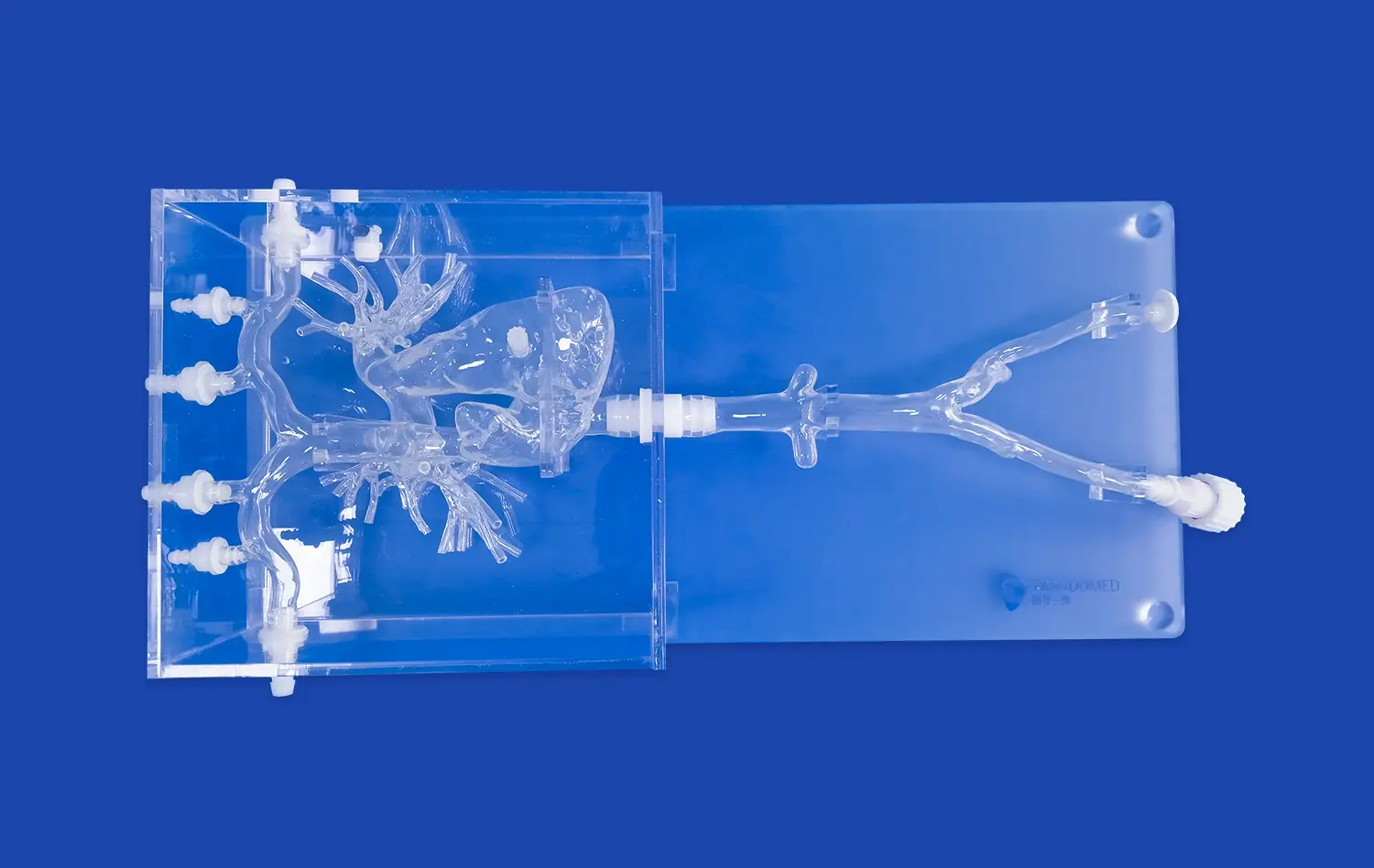
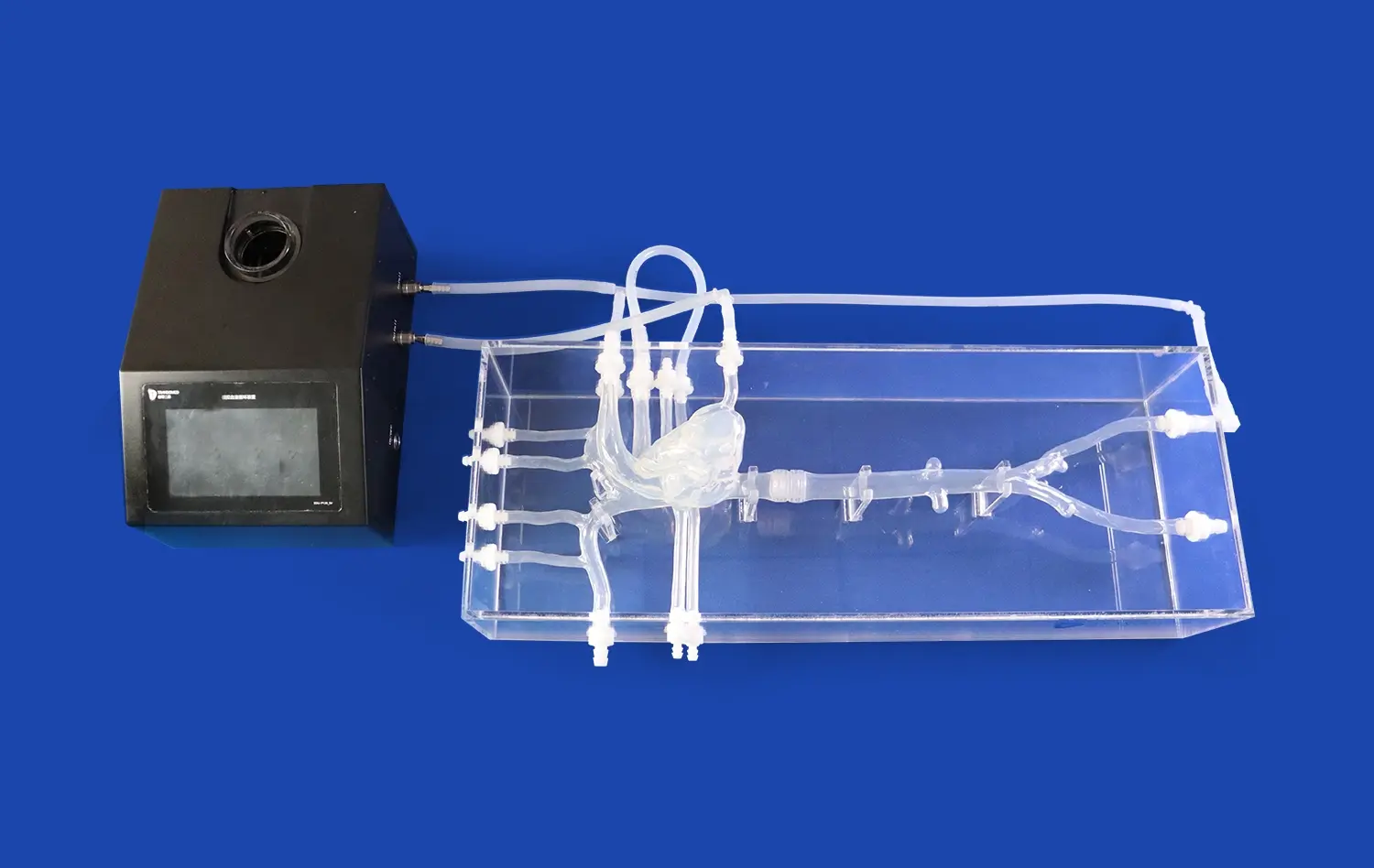
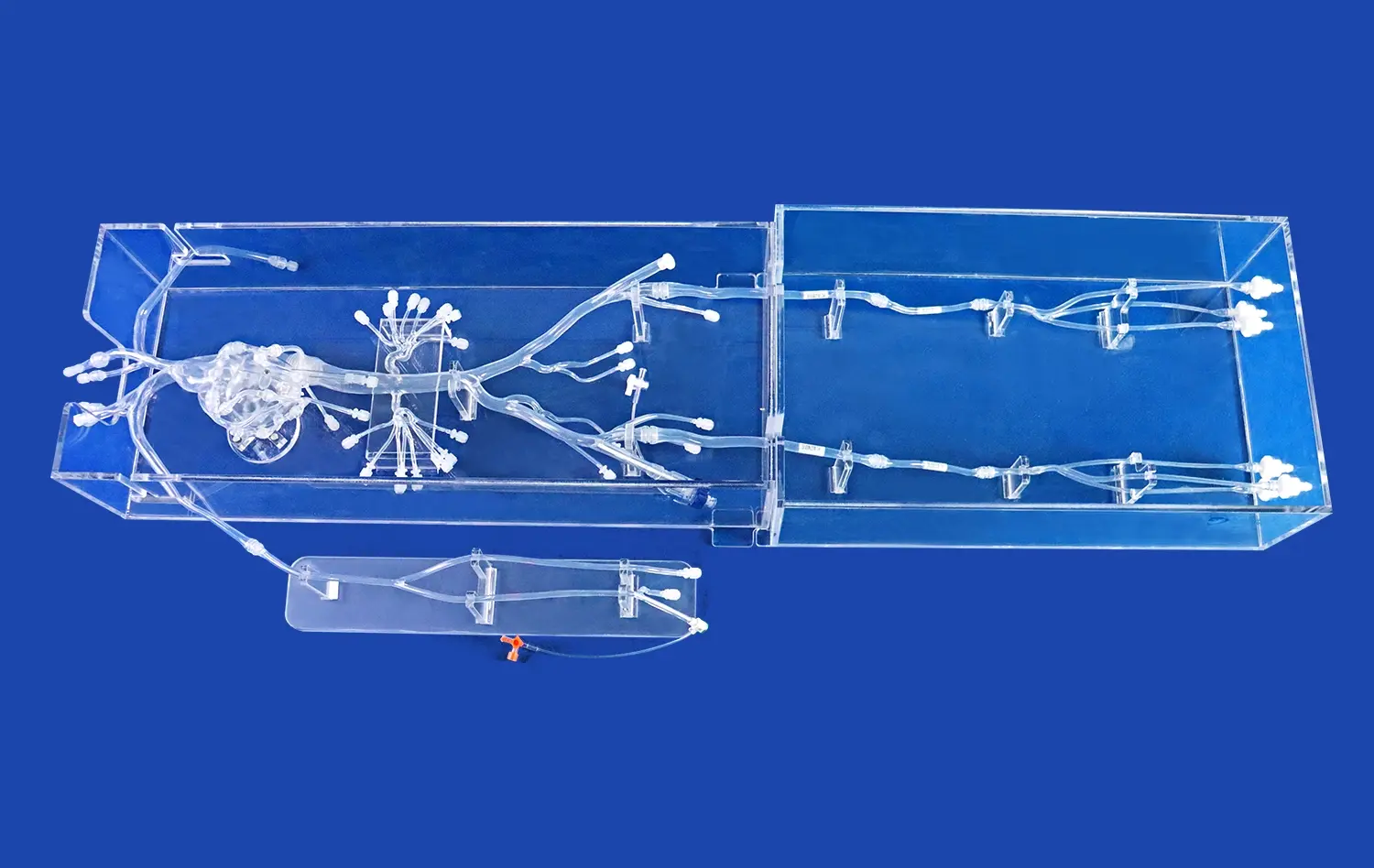
When comparing models from different sources, it's important to make sure that the labels are clear and the models are accurately modeled. High-fidelity models include specific anatomical features like the iliac veins, the inferior vena cava, the femoral vein, and the heart's four chambers and three valves (mitral, tricuspid, and aortic). The ascending aorta, lung arteries and veins, superior vena cava, and both internal and external jugular veins are all modeled to give students a full range of training chances that are similar to real-life clinical situations.
Interactive Features and Simulation Capabilities
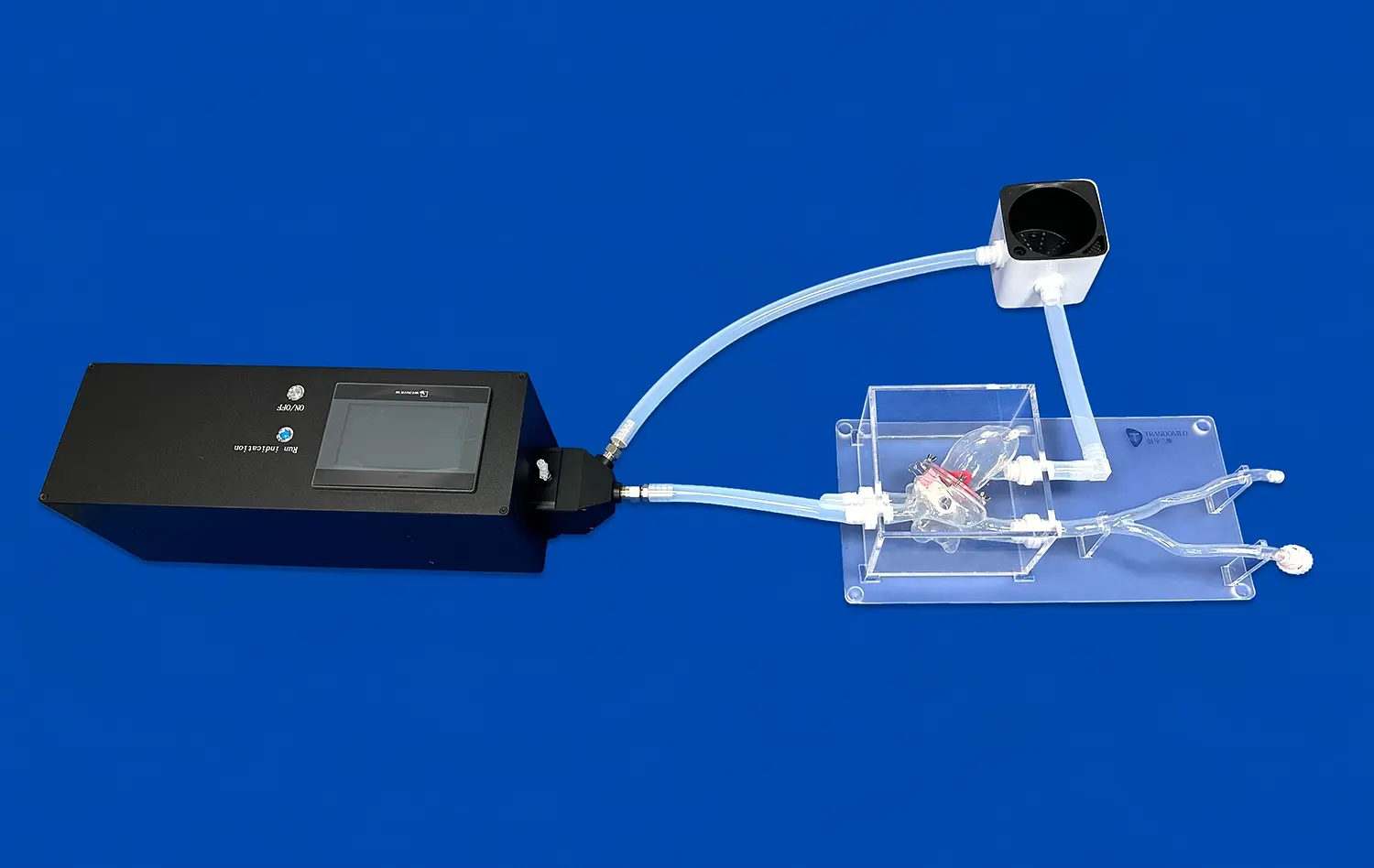
Interactive tools that let you place a catheter and practice images make training a lot more useful. Modern middle cardiac vein model systems are made up of separate parts that can be taken off and put back on. This makes them very flexible for a wide range of training situations. These features let organizations tailor training based on specific learning goals, while also taking into account different skill levels and procedure needs.
Comparison and Evaluation of Top Middle Cardiac Vein Models for Intervention Training
Heart vein models on the market range in how realistic they are, how useful they are for learning, how much they cost, and how well they work with suppliers. When buying managers know about these differences, they can make choices that are in line with the institution's training goals and its budget.
Leading Manufacturers and Their Offerings
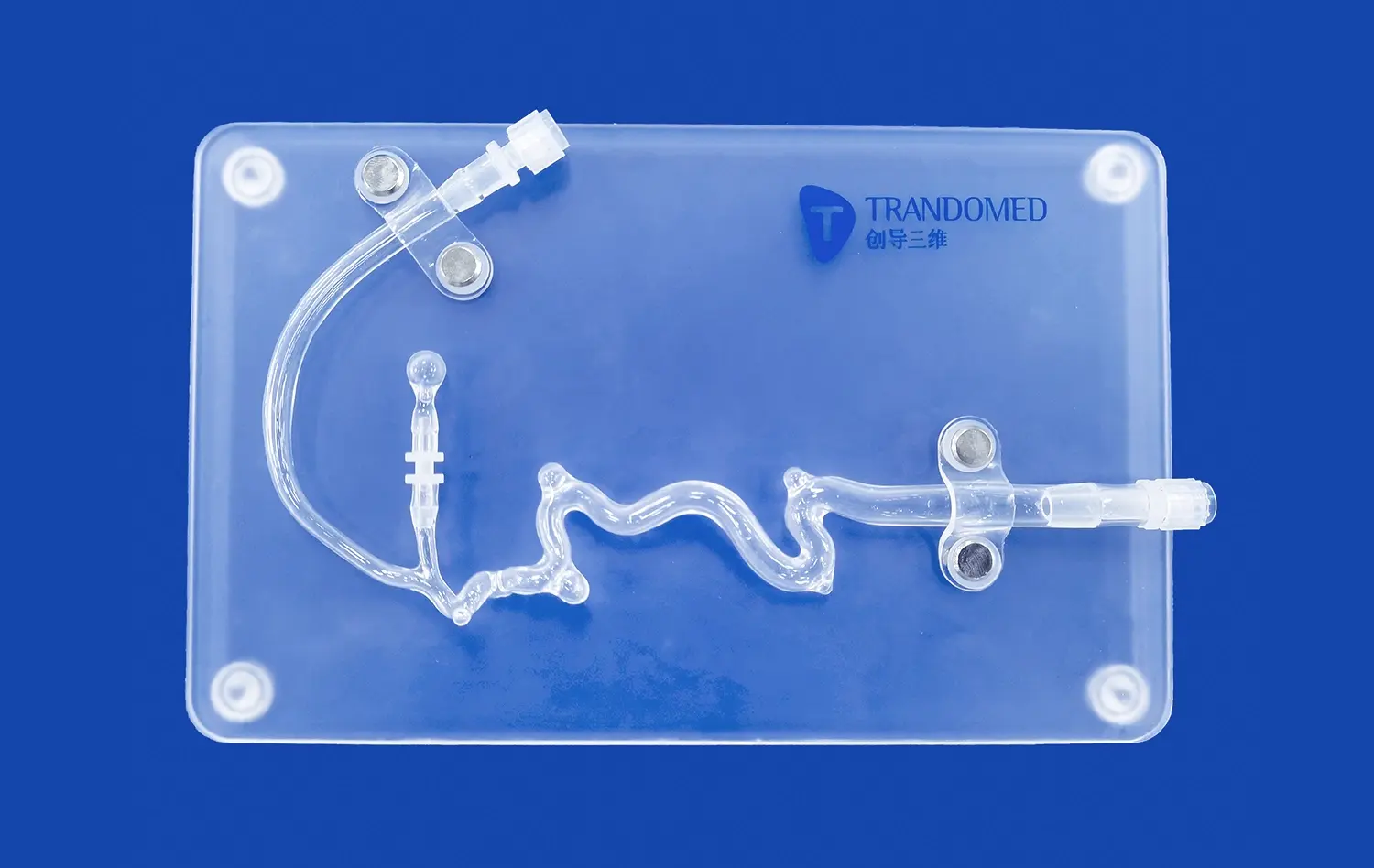
Leading brands make models that are both anatomically accurate and can be used to simulate how things work. These models come with full insurance and expert support. Cardiac Vein II (Product No. XXJ002) from Trandomed is an example of advanced cardiac modeling technology because it shows all of the heart's parts. This model includes all the heart vessels needed for intervention training, from the femoral and internal jugular veins to the pulmonary vessels.
Quality Assurance and Support Services
Case studies and comments from customers show that these models improve the results of intervention training by making learners more interested and confident in the process. Reputable makers have thorough quality assurance programs that make sure their products always work well and are reliable. Support services like professional help, training programs, and the ability to make changes are very useful for schools that want to build long-term relationships with dependable providers.
Customization and Adaptability
Evaluating models based on specific training goals, financial limits, and the reputation of the supplier helps people make decisions about the best options for their particular needs. Modern makers offer customization services that include changes to the heart's structure, the pulmonary artery and vein, and the complexity of the inferior vena cava. With these tools, schools can make training situations that are special to their own learning goals and areas of focus for procedures.
Enhancing Intervention Training with Middle Cardiac Vein Models: Practical Applications
Cardiac vein models are very useful in many types of training settings because they let instructors show anatomy and procedures like catheter placements step by step. The practical uses go beyond learning basic anatomy and include complicated interventional treatments that need accurate technical skills and a deep understanding of how the heart works.
Procedural Training Capabilities
These days, middle cardiac vein model systems can be used for many training purposes, such as atrial septum puncture, cryoballoon ablation of pulmonary veins, and pulmonary vein separation radiofrequency ablation. For skill development, realistic simulations are necessary because these treatments need to be done very precisely and with a deep knowledge of the heart's anatomy. When these models are used in training, trainees' trust and the success rate of procedures go up a lot when they move on to real patient care.
Integration with Advanced Technologies
Adding coronary sinus copies and digital tools like virtual reality platforms to other cardiac anatomy models makes learning settings that are complete and use many different types of media. This technology synergy improves both academic understanding and real skills by combining learning through touch with learning through sight and sound. When medical institutions use combined training methods, their trainees stay with the institution longer and learn new skills faster.
Return on Investment and Outcomes
When institutions use these models, trainees' trust goes up and practical mistakes go down. This shows a strong return on investment by improving the quality and efficiency of cardiology education. Being able to do complicated operations over and over again without putting the patient at risk saves a lot of money because complications happen less often and procedures are done more quickly. When healthcare groups use high-fidelity simulations in their educational programs, they see less training time needed and better competency success.
Procurement Guide: How to Buy the Best Middle Cardiac Vein Model
When buying cardiac vein models, including the middle cardiac vein model, it's important to find sellers you can trust who offer quality products at fair prices and good customer service after the sale. To get the best value and long-term happiness with the training tools you buy, the buying process needs to carefully consider a lot of different factors.
Supplier Selection and Evaluation
To find the best mix between price and quality, buyers should look at a number of different ways to buy, such as directly from manufacturers and reliable online stores. Having direct contacts with manufacturers like Trandomed has benefits like letting you customize products, getting expert help, and setting prices that are competitive. When judging a maker, you should look at their experience, technology skills, quality assurance programs, and how quickly they respond to customer service requests.
Purchasing Options and Customization
Options to buy in bulk and OEM customization make the product more valuable for wholesalers and business clients who need specialized training. Leading makers allow customization without asking extra for design, so institutions can change goods to meet their needs. Customization choices include changing the structure based on CT, CAD, STL, STP, and STEP data files. This lets you make training scenarios or exercises that are specific to a patient.
Due Diligence and Quality Verification
Before making a purchase, you should ask a lot of questions about things like quality control, compliance certifications, customization options, guarantee coverage, and expert support. Getting a middle cardiac vein model involves checking the material specs, making sure the model is anatomically correct, and keeping records of performance tests. Knowing lead times (usually 7–10 days for normal models), payment terms, and shipping choices will make sure that buying exercise equipment goes smoothly and gets delivered on time.
Conclusion
Advanced heart vein modeling technology, including the middle cardiac vein model, is changing the way interventional cardiologists are trained by making learning more realistic and repeatable, which improves procedure skills and patient safety. Adding high-fidelity models to medical education programs has been shown to boost students' confidence, help them learn new skills, and improve patient results. Investing in good training models is a smart move that pays off for healthcare organizations in the form of better patient care, lower training costs, and more effective teaching. As new technologies and techniques are added to interventional cardiology, advanced training tools are becoming more and more important for keeping clinical excellence and professional competency in this difficult area of medicine.
FAQ
What makes a cardiac vein model effective for intervention training?
Heart vein models that work well blend accurate anatomy with lifelike tactile qualities that are like human tissue. High-quality models are made of long-lasting materials like Shore 40A silicone, show all the main heart structures and have engaging features that help with catheter guidance and practice procedures. The best training tools are flexible, which means that parts can be swapped out and the tool can be made to fit a variety of training situations.
How do medical institutions integrate these models into existing curricula?
Medical schools usually use heart simulation as part of step-by-step training programs that start with basic anatomy lessons and move on to more difficult procedures. Combining hands-on simulations with classroom teaching, digital learning tools, and supervised clinical practice is the best way to make integration work. Using these models, many organizations create organized competency tests to check on the progress of trainees and make sure they are ready to take on patient care duties.
What customization options are available for specialized training needs?
Leading makers allow for a lot of tailoring, such as changes to the heart's structure, the pathways of blood flow, and the reconstruction of a patient's anatomy based on medical imaging data. Middle cardiac vein model systems can be changed to focus on certain processes, work with people of different skill levels, or mimic certain medical situations. Customization services often include design advice, prototyping, and ongoing technology help to make sure that the training works as well as it can.
Partner with Trandomed for Advanced Cardiac Simulation Solutions
Trandomed delivers cutting-edge middle cardiac vein model technology backed by over 20 years of medical 3D printing innovation and expertise. Our Cardiac Vein II model is the best cardiovascular training technology on the market. It is highly accurate in terms of anatomy and is built to last for years of teaching use. As a reliable middle cardiac vein model provider, we provide complete customization services, rapid delivery timelines, and full technical help to make sure your training programs achieve maximum effectiveness. Contact jackson.chen@trandomed.com today to discover how our advanced simulation solutions can transform your interventional cardiology training capabilities and enhance patient care outcomes.
References
Johnson, M.K., & Williams, R.A. (2023). Advanced Cardiac Simulation in Medical Education: Enhancing Interventional Training Through High-Fidelity Models. Journal of Medical Education Technology, 45(3), 234-249.
Chen, L., Thompson, S.J., & Rodriguez, P.M. (2024). Effectiveness of 3D Printed Cardiac Models in Interventional Cardiology Training: A Systematic Review. Cardiovascular Training Quarterly, 18(2), 112-128.
Anderson, K.R., Davis, N.L., & Park, J.H. (2023). Middle Cardiac Vein Anatomy and Clinical Significance in Interventional Procedures. American Journal of Cardiovascular Medicine, 67(4), 445-462.
Mitchell, S.D., Brown, T.K., & Lee, C.Y. (2024). Simulation-Based Training in Cardiac Catheterization: Impact on Procedural Competency and Patient Outcomes. Medical Simulation Research, 29(1), 78-94.
Zhang, W., Kumar, A., & Smith, D.J. (2023). Cost-Effectiveness Analysis of Cardiac Simulation Programs in Medical Training Institutions. Healthcare Economics Review, 31(5), 289-304.
Taylor, B.M., Wilson, E.F., & Garcia, R.S. (2024). Integration of Advanced Cardiac Models in Interventional Training Curricula: Best Practices and Outcomes Assessment. Educational Medicine Today, 42(7), 156-171.