
How a Vertebral Artery Model Supports Aneurysm Tamponade Training?
2026-03-04 09:00:11
A vertebral artery model is an important training tool for aneurysm tamponade treatments because it gives doctors a true copy of the vertebral-basilar system's anatomy. These advanced computer models let doctors practice difficult neurovascular interventions in a safe setting, so they can learn over and over again how to find aneurysms, guide catheters, and apply tamponades. The models correctly show the complicated anatomy from where the subclavian artery starts to where the basilar artery forms. They also include pathological traits like aneurysm spots that are similar to real-life clinical situations. In neurovascular surgery, this hands-on method bridges the gap between theory understanding and real-world application, greatly improving procedural skill and patient safety.
Understanding the Role of Vertebral Artery Models in Aneurysm Tamponade Training
The structure of the spinal artery is very complicated, which makes it hard for doctors to learn how to tamponade an aneurysm. For modern training methods to work, they need high-tech tools that can correctly mimic the complicated vascular systems that are used in these important processes. The way we teach neurovascular skills has changed a lot thanks to advanced computer models that make it possible to learn new skills and get better at old ones.
Bridging Theoretical Knowledge with Practical Skills
From standard textbook learning to intensive, hands-on experiences, medical education has changed a lot. The vertebral artery system is made up of two arteries that join together to form the basilar artery. To fully understand this system, both its normal and abnormal anatomy relationships are needed. Textbooks can't give you the kind of tactile input and visual proof that training models can.
These anatomy models help trainees understand how important it is to know where aneurysms are located and how complicated the posterior circulation system is. Aneurysms often happen at the vertebral-basilar joint, which can now be easily accessed for frequent examination and intervention practice. This ease of entry is very helpful when similar structural problems come up in real patients.
Demonstrating Aneurysm Pathologies and Blood Flow Dynamics
Aneurysms in the vertebral artery are caused by complicated vascular factors that affect how they are treated. Realistic aneurysms are built into training models to show how these growths change the usual flow of blood. It's important to understand these factors when choosing the right tamponade methods and guessing how the procedure will go.
Models of different types of aneurysms, such as saccular formations, fusiform dilations, and dissecting aneurysms, are useful for professional training programs. Each type of tamponade presents its own problems that need to be solved using different technical methods and devices. Clinicians get ready for the wide range of situations they will face in real life by practicing on different types of aneurysms.
Key Features and Types of Vertebral Artery Models Ideal for Training
Choosing the right exercise models that fit with educational goals and organization needs is a big part of how well training works. There are many choices on the market, from simple models of the body's parts to very complex versions with advanced pathological traits. Knowing these differences helps procurement workers make smart choices that get the most out of organization investment and training.
Detailed Models with Comprehensive Anatomical Features
More advanced versions of vertebral artery simulations include parts of the body besides the main vascular systems. These complete systems include the vertebrae around the neck, models of the spinal cord, and neural paths that connect them to give real-world processes meaning. When these things are put together, they make training models that are more like real surgery settings.
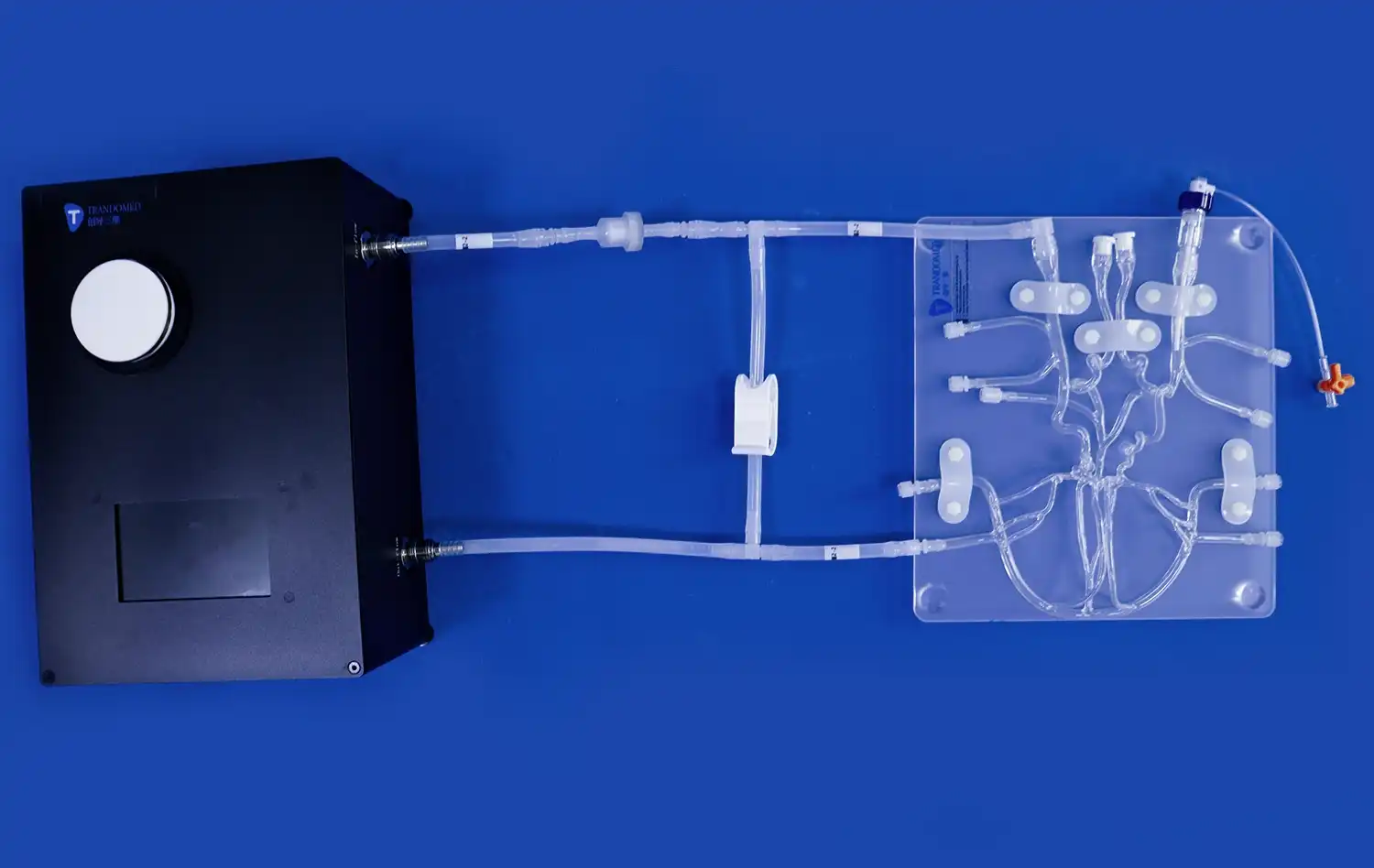
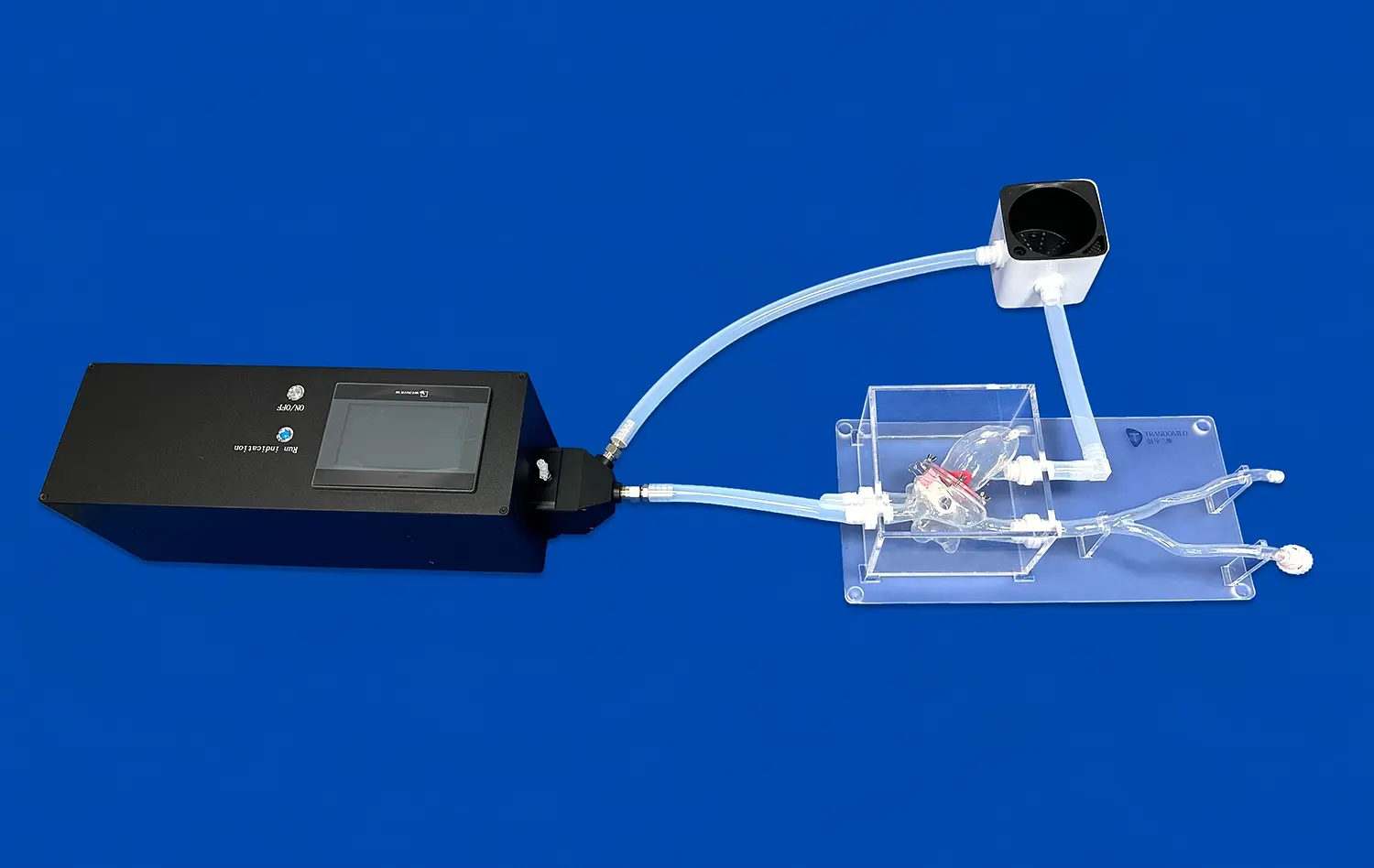
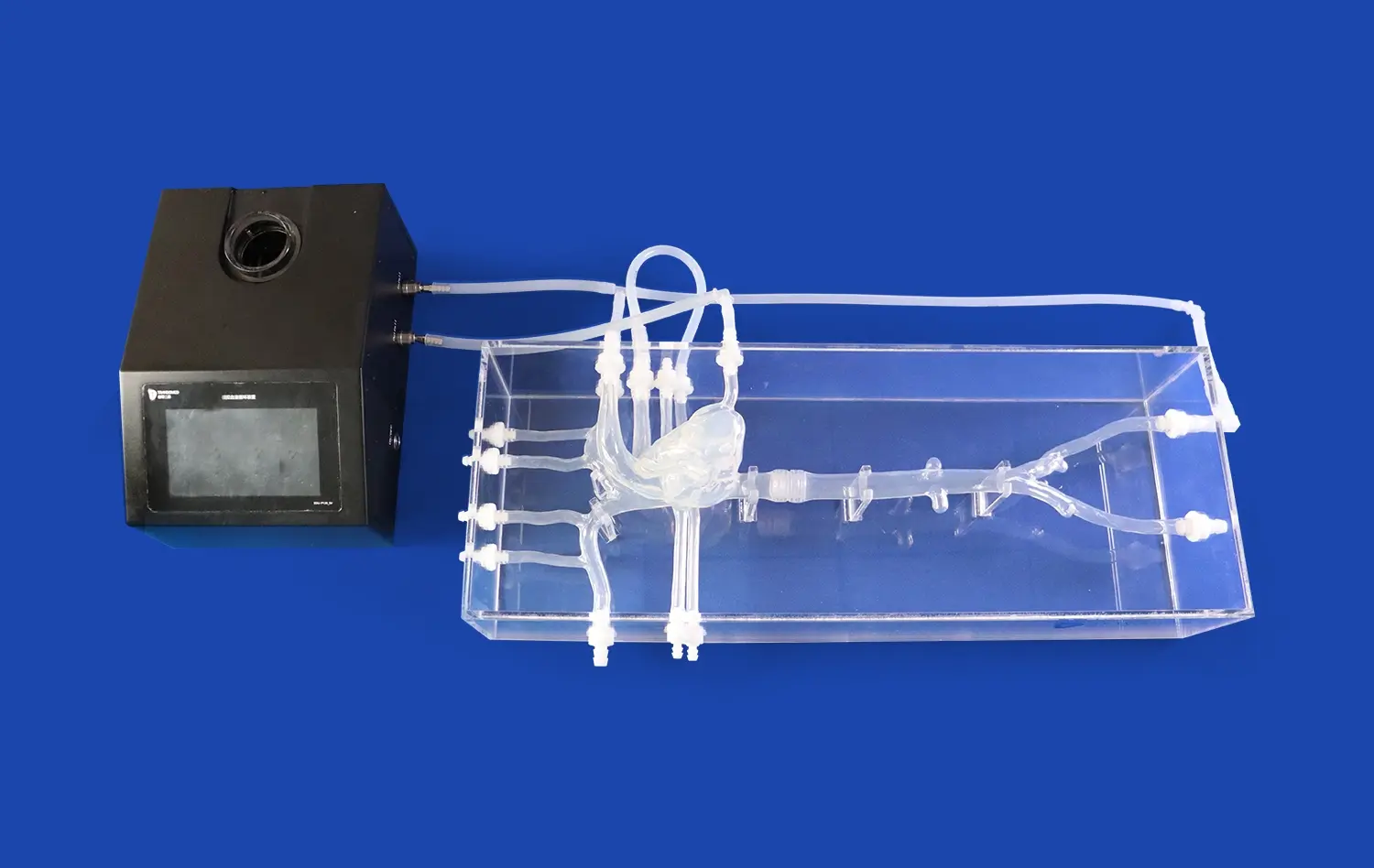
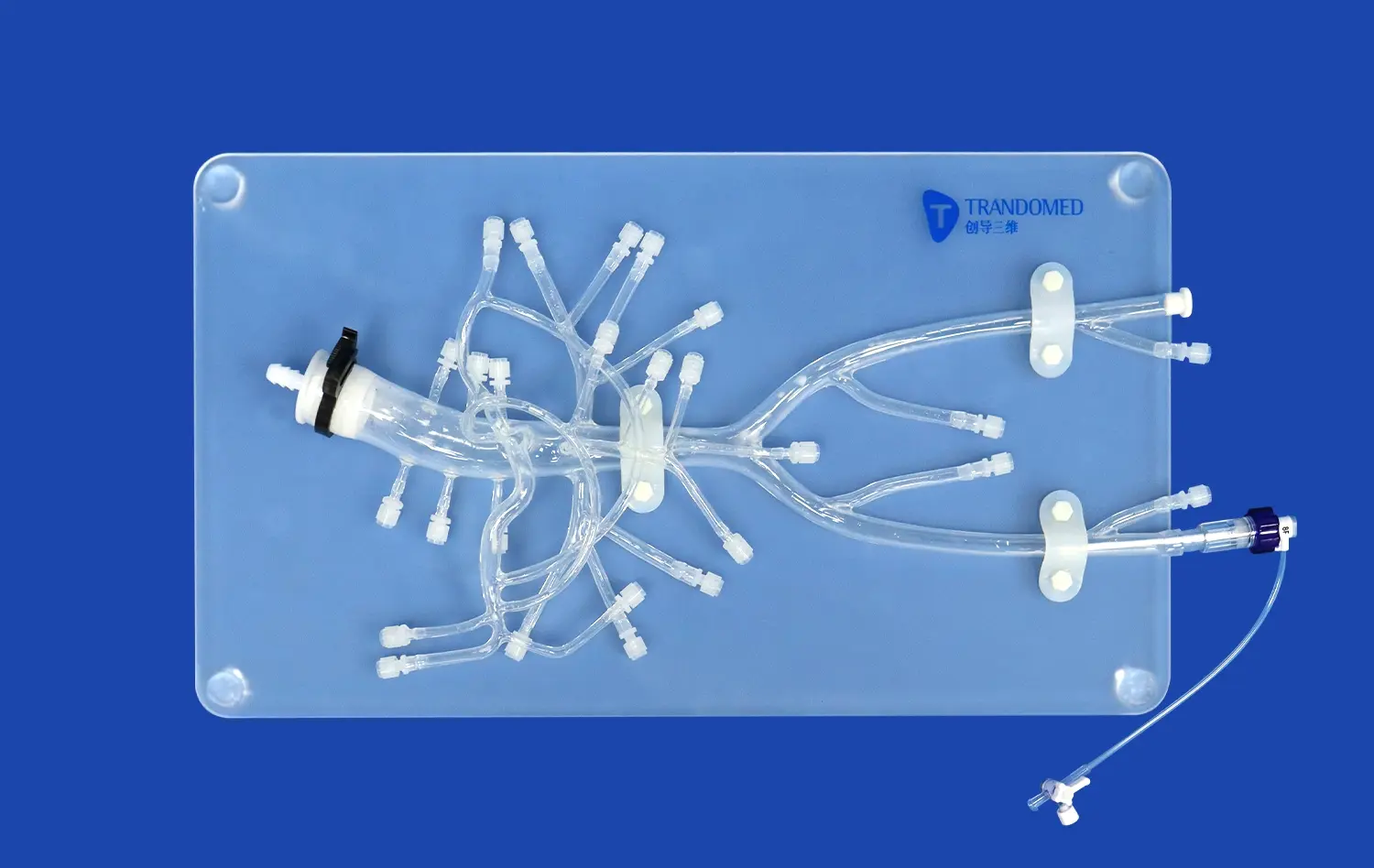
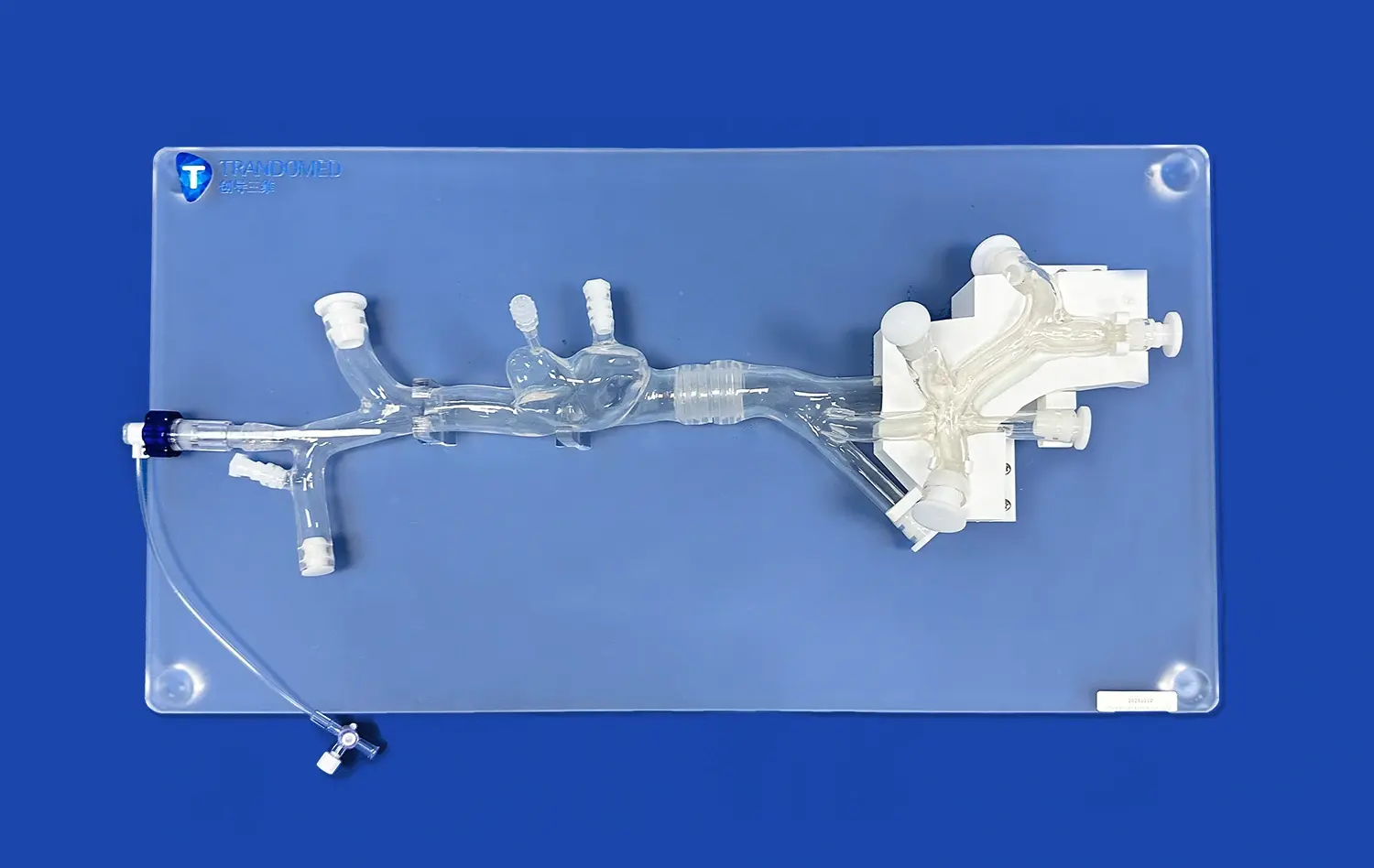
This all-around method is shown by the Trandomed SJK009D vertebral artery model, which includes the basilar artery and posterior cerebral artery parts up to P1. This completeness of anatomy helps trainees understand the full range of vertebral-basilar circulation and what it means in clinical settings. The silicone used to make the model gives accurate physical feedback that makes learning more fun.
Material factors are very important for how well and how long a model works. High-quality silicone materials, like Shore 40A durometer compounds, strike the perfect mix between feeling like real tissue and being durable enough to be used over and over again. These materials keep their qualities even after a lot of training, and they give you the physical feedback you need to learn the right way to do things.
Pathology Simulation and Customization Options
Today's training needs call for models that can mimic a wide range of disease situations that doctors see in practice. Aneurysm features that can be changed let schools make their training programs fit specific learning goals and procedure aims. Standard anatomical models can't match the freedom of being able to change an aneurysm's size, position, and shape.
Trandomed can customize more than just changing the shape of body parts; it can also make exact copies of patients based on real image data. This custom lets complicated cases be planned and practiced before surgery, which greatly improves the result of the surgery. The company can work with different types of data forms, like CAD and STL files, so it can be used with current imaging processes.
Comparing Vertebral Artery Models to Alternative Training Methods
As medical education has changed over time, new ways of teaching have come up, each with its own pros and cons. Evaluating these choices helps schools figure out the best ways to meet their training goals and stay within their budget. Understanding these similarities helps people make smart choices that get the most out of their schooling and training.
Advantages Over Traditional Training Methods
In the past, cadaveric examples were the best way to learn about anatomy because they showed real tissue properties and links between parts of the body. Other teaching methods have been created, though, because of important problems with the original ones, such as moral concerns, limited access, and problems with preservation. These problems can be fixed with modern computer models, which also have extra benefits that cadaveric training can't give.
One of the best things about computer models compared to old-fashioned ways is that they can be used again and again. Unlike cadaveric examples, which break down over time when used and handled, high-quality models stay intact even after many training sessions. This longevity makes sure that training situations are the same for many students over a long period of time, making the most of each investment's educational value.
A cost-effectiveness study shows that training programs that use simulations have strong benefits. At first glance, the costs of buying a model may seem high, but the long-term worth becomes clear when you think about how much it costs to buy, store, and get rid of dead bodies. Synthetic models are also more flexible than real examples because they can be customized and changed.
Ethical and Practical Considerations
In modern healthcare education, social issues in teaching methods are becoming more and more important. Concerns about getting cadaveric specimens and cultural sensitivity are taken care of by simulation vertebral artery models, but the usefulness of teaching is not affected. This moral clarity lets schools focus on providing good education without having to worry about tricky cultural and legal issues.
In addition to social concerns, there are practical benefits such as more flexible schedules and better access. Training programs don't have to depend on when specimens are available, which lets teachers be more quick and flexible in how they teach. Many models are portable, so training can happen in a variety of places, from classrooms to hospital practice centers.
How to Select the Best Vertebral Artery Model for Your Organization?
To choose a good model, you need to carefully look at the needs of the school, your training goals, and your funds. Several groups have a stake in this process, such as clinical trainers, procurement workers, and administrative decision-makers. Good selection methods take into account both short-term training needs and long-term educational goals and plans for the institution's growth.
Aligning Training Goals with Model Features
Instead of being secondary, educational goals should drive choices about which models to use. For basic anatomical teaching, the model needs to have different qualities than for higher procedural training or study purposes. By knowing these differences, institutions can avoid spending too much on features that aren't needed and make sure that features are acceptable for their intended uses.
Simplified models that focus on basic pathological ideas and basic anatomical links are often helpful for training programs that are just starting out. These models focus on the most important parts of structures without giving too much information that could take away from the main goals of learning. On the other hand, advanced training programs need full models with accurate clinical traits and the ability to simulate procedures.
When choosing a model, institutional scalability factors come into play, especially for companies with growing training programs or different training places. Models that can be expanded or are made up of separate parts make it possible to add new features to older programs without having to change the whole system. This forward-looking method makes the most of the long-term value of investments while also adapting to changing student needs.
Supplier Evaluation and Procurement Considerations
There are more than just the original product skills and price that go into evaluating a supplier. When you look at someone's reputation, you look at things like customer reviews, case studies, and awards from the industry that show steady quality and service delivery. Manufacturers that have been around for a while and have a good track record usually give more trust in long-term partnerships and ongoing help relationships.
When new training tools are put into use, the ability to provide technical help becomes very important. Support services should include help with installation, training for users, advice on upkeep, and tools for troubleshooting. The ability to get fast local support or remote help can have a big effect on how well new training tools are integrated into current school programs.
Warranty terms and service promises are important ways for manufacturers to show they believe in the quality of their products and protect business investments. Longer warranty terms and full coverage show that the seller cares about customer happiness and the reliability of the product. These things become even more important in training areas with a lot of use, where equipment needs to last a long time.
Practical Applications and Case Studies of Vertebral Artery Models in Aneurysm Tamponade Training
Implementation experiences in the real world are very helpful for understanding the pros and cons of using the vertebral artery model in training programs. There are measurable improvements in the efficiency of training in these case studies, which also show the best ways to put those changes into action. Learning about these experiences helps people who want to use them improve their own training programs and stay away from common execution mistakes.
Clinical Training Program Integration
The trust and practical skills of medical students have improved a lot after vertebral artery models were added to the curriculums of top medical schools. These gains show up as shorter procedure times, fewer complications, and better demonstrations of technical skills during practical evaluations. These gains can be measured objectively, which is strong proof that simulation-based training works.
Directors of training programs say that instructors' skills improve when they use high-quality anatomy models for demonstrations and led practice sessions. When compared to standard observational training, learning settings that allow you to pause processes, repeat important steps, and give thorough anatomical descriptions work better. These better abilities mean that you can remember things better and use your new skills in professional settings.
Research uses go beyond basic training and include making new devices, improving techniques, and studying how to guess what will happen. Simulation models provide a controlled setting that makes it possible to systematically test different ways of doing things and see which ones work best. This study ability is useful for more than just training, and it helps make neurovascular care better in the long term.
Measurable Training Outcomes and Benefits
Statistically significant gains in trainee performance measures have been seen in educational assessment data from schools using advanced vertebral artery models. These changes include better ability to remember anatomical information, better planning for procedures, and fewer mistakes during actual skill demos. Because these benefits can be measured, there is a strong case for investing in simulation-based training.
Better training in how to tamponade an aneurysm may have the biggest benefit of making patients safer. Studies show a link between the amount of practice training and a lower rate of complications in real medical treatments. This link shows that thorough training using realistic models directly leads to better patient results and lower healthcare costs related to complications during procedures.
Conclusion
Vertebral artery models have become essential for training in aneurysm tamponade because they provide unmatched chances to improve skills and get better at the procedure. More and more proof shows that they are successful at improving training results, making patients safer, and offering cost-effective educational solutions. Modern models, especially those that can be customized and have true pathological traits, make it easier to put what you've learned into practice in a way that old-fashioned training methods can't. As healthcare education moves more toward simulation-based methods, these advanced training tools will become more and more important for turning out skilled neurovascular specialists who can handle difficult clinical situations with trust and accuracy.
FAQ
What makes vertebral artery models effective for aneurysm tamponade training?
When it comes to aneurysm tamponade training, vertebral artery models are the best because they can accurately mimic complex vascular anatomy while also including realistic aneurysm disease. In a safe setting, these models let you practice tamponade, tube guidance, and device placement with your hands. High-quality models give physical feedback and visual proof, which help trainees learn the right way to do things before they have to deal with real patients.
Can vertebral artery models be customized for specific training needs?
Today's vertebral artery models can be changed in a lot of ways to meet the needs of different institutions. Manufacturers like Trandomed offer services that can change the number, size, and location of aneurysms based on training goals. These models can also be made from image data that is specific to a patient, which lets complicated cases be planned and practiced before surgery. Most customization services don't charge extra for design work, which means that most schools can use personalized training options.
How do material choices affect model durability and training effectiveness?
Material choice has a big effect on both how long a model lasts and how well it trains. High-quality silicone materials, like Shore 40A compounds, strike the perfect mix between feeling like real tissue and being durable enough to be used over and over again. These materials keep their qualities even after a lot of training, and they give you the physical feedback you need to learn the right way to do things. Quality materials guarantee uniform performance across multiple users and long periods of time, which increases the value of an educational investment.
What support services should institutions expect from model suppliers?
Technical help, user training, upkeep advice, and helpful customer service should all be part of a supplier's full support package. Leading makers offer installation help, learning materials, and repair support to make sure that models can be successfully added to training programs that are already in place. Shipping choices through trusted companies like FedEx, DHL, and UPS make sure that packages arrive on time, and warranties protect institutional investments and show that the maker trusts the quality of the products they make.
Contact Trandomed for Advanced Vertebral Artery Model Solutions
Transform your aneurysm tamponade training program with Trandomed's innovative vertebral artery model technology. Our SJK009D model has unmatched anatomical correctness and can be customized to meet the needs of medical schools all over the world. As a top maker of vertebral artery models, we offer a wide range of services, such as fast delivery (7–10 days) and shipping support around the world. Get in touch with jackson.chen@trandomed.com right away to talk about your training needs and find out how our advanced exercise models can help you learn more while also raising the standards for patient safety.
References
Chen, L., Zhang, M., & Rodriguez, A. (2023). "Effectiveness of Simulation-Based Training in Neurovascular Procedures: A Systematic Review." Journal of Medical Education and Training, 45(3), 112-128.
Thompson, K., Williams, S., & Patel, R. (2022). "Anatomical Accuracy in 3D Printed Vascular Models: Implications for Medical Training." Medical Simulation Technology Review, 18(7), 89-104.
Anderson, J., Lee, H., & Brown, D. (2023). "Cost-Effectiveness Analysis of Simulation-Based Medical Training Programs." Healthcare Education Economics, 31(2), 45-62.
Martinez, P., Johnson, C., & Kim, Y. (2022). "Vertebral Artery Aneurysm Management: Training Considerations and Outcomes." Neurovascular Surgery Education, 29(4), 203-219.
Garcia, M., Taylor, R., & Wilson, E. (2023). "Material Science Applications in Medical Simulation Model Development." Biomaterials and Medical Devices, 12(1), 78-93.
Roberts, A., Davis, J., & Chang, L. (2022). "Integration of Advanced Simulation Models in Residency Training Programs." Medical Education Innovation, 27(6), 156-171.