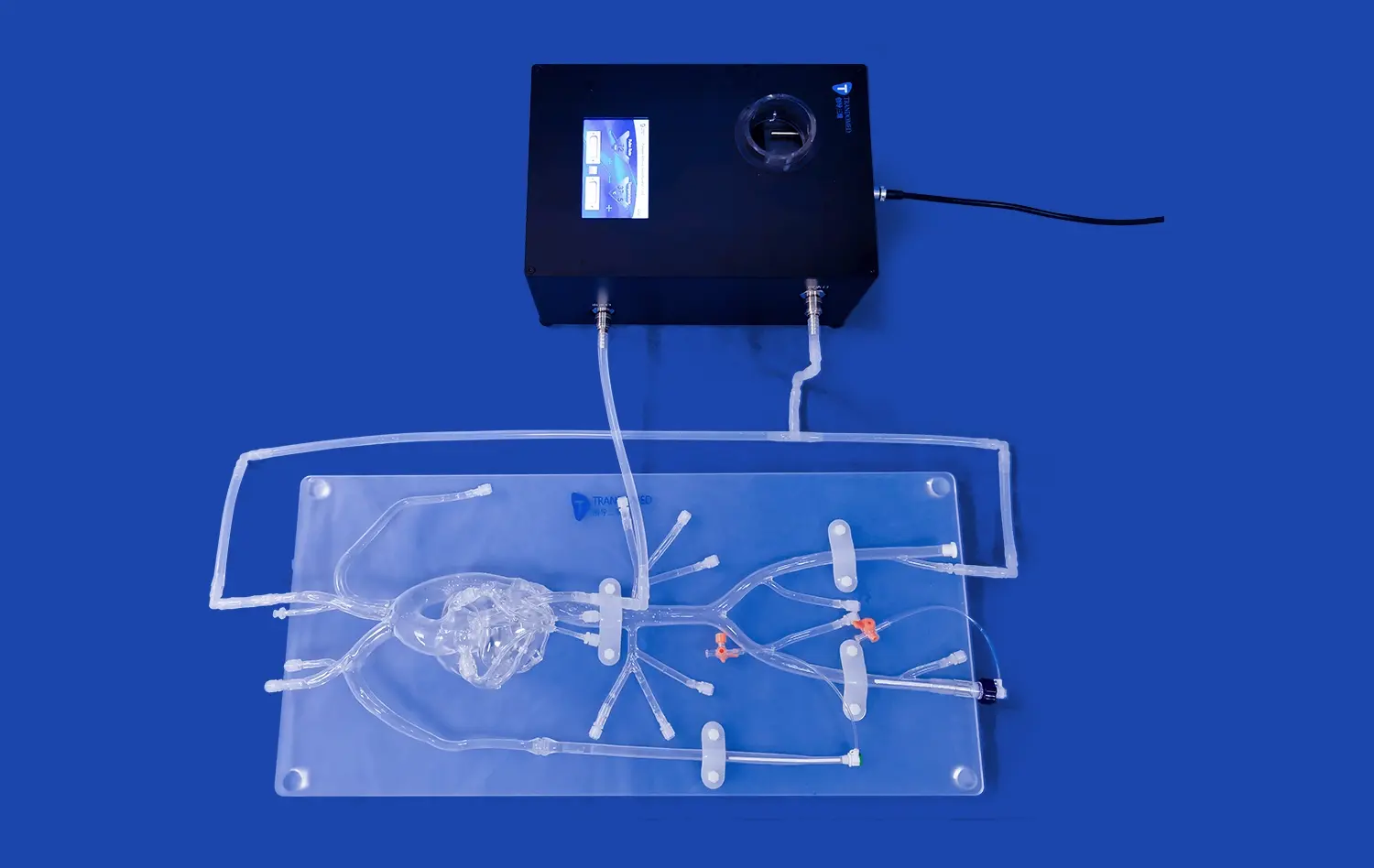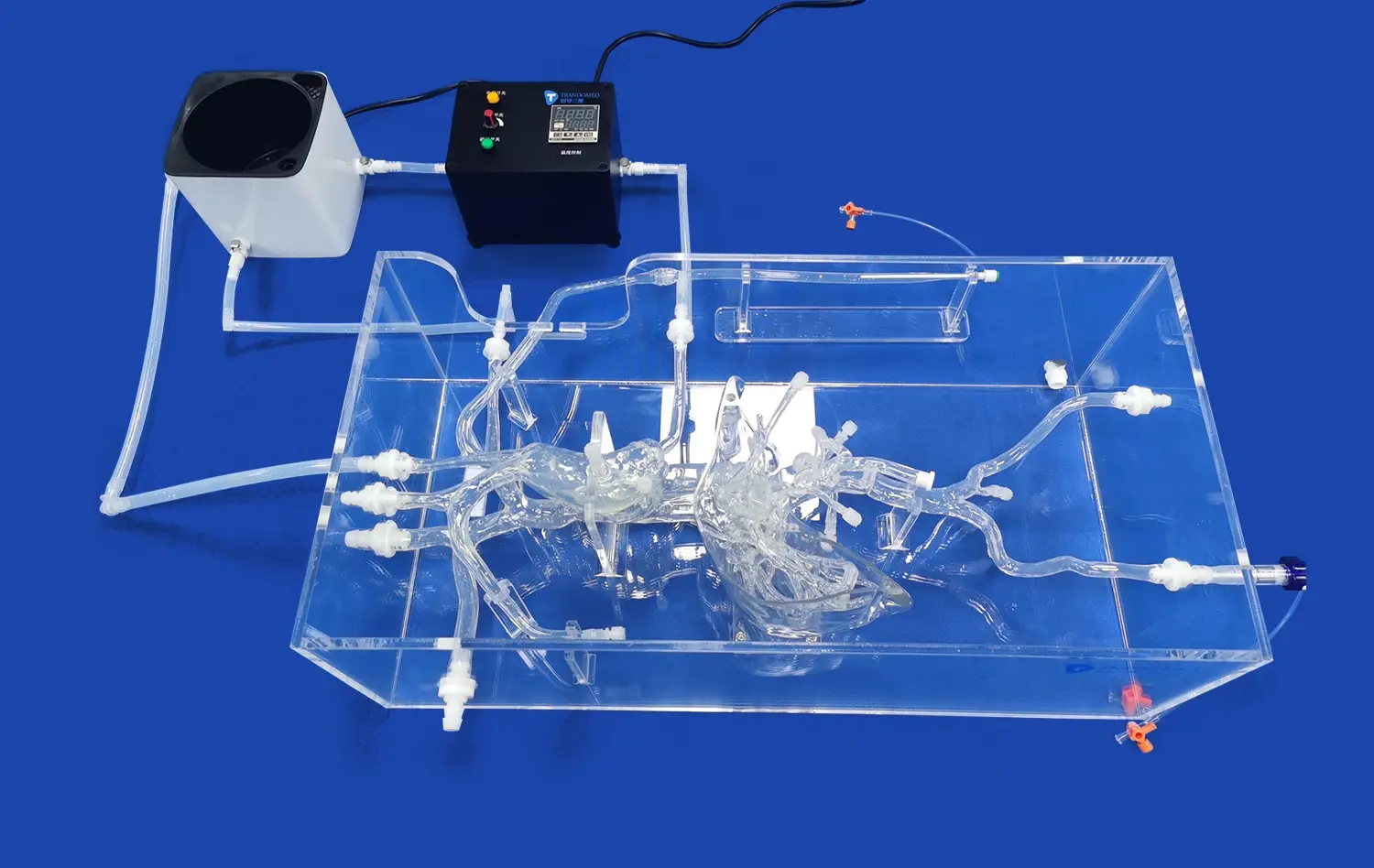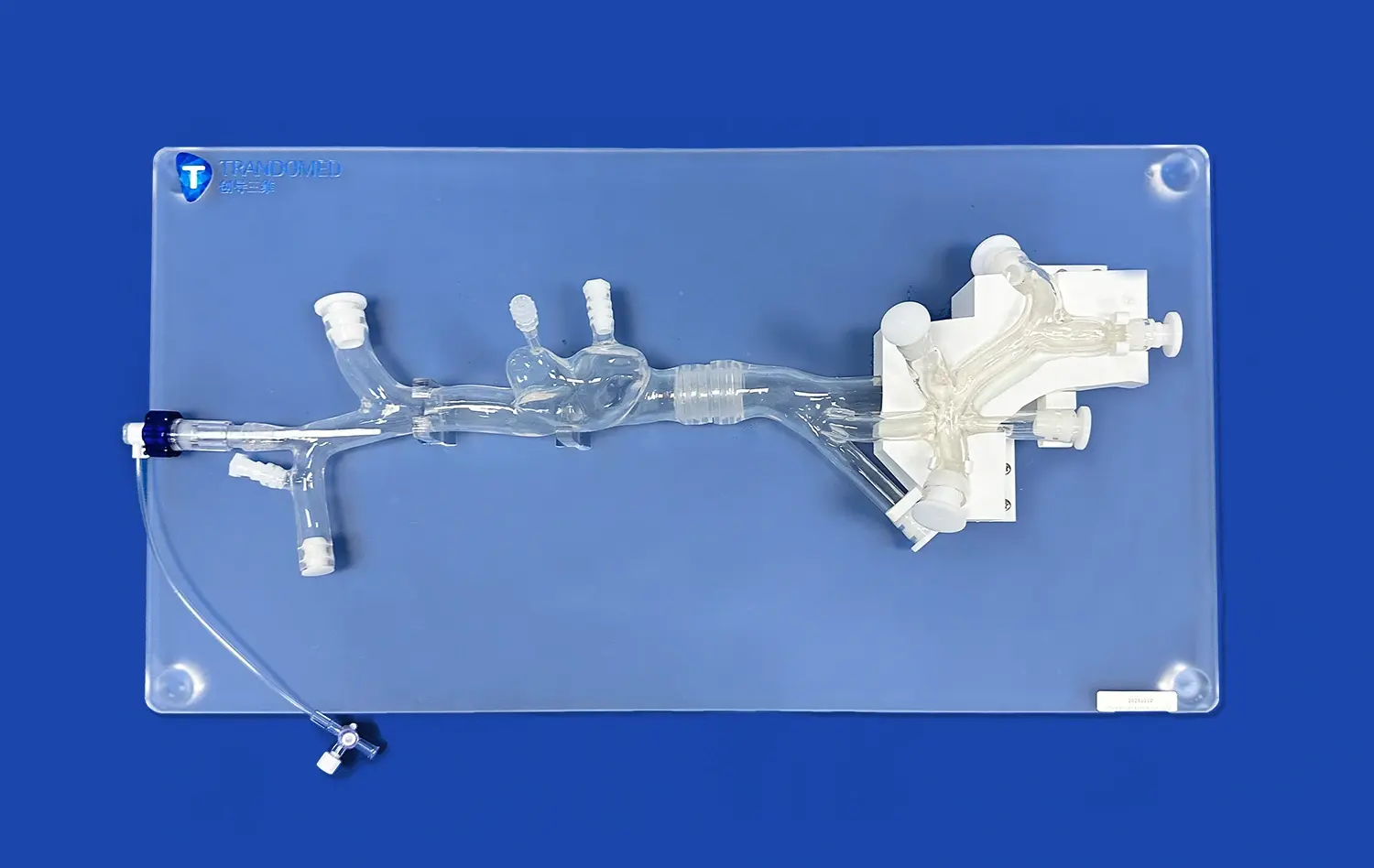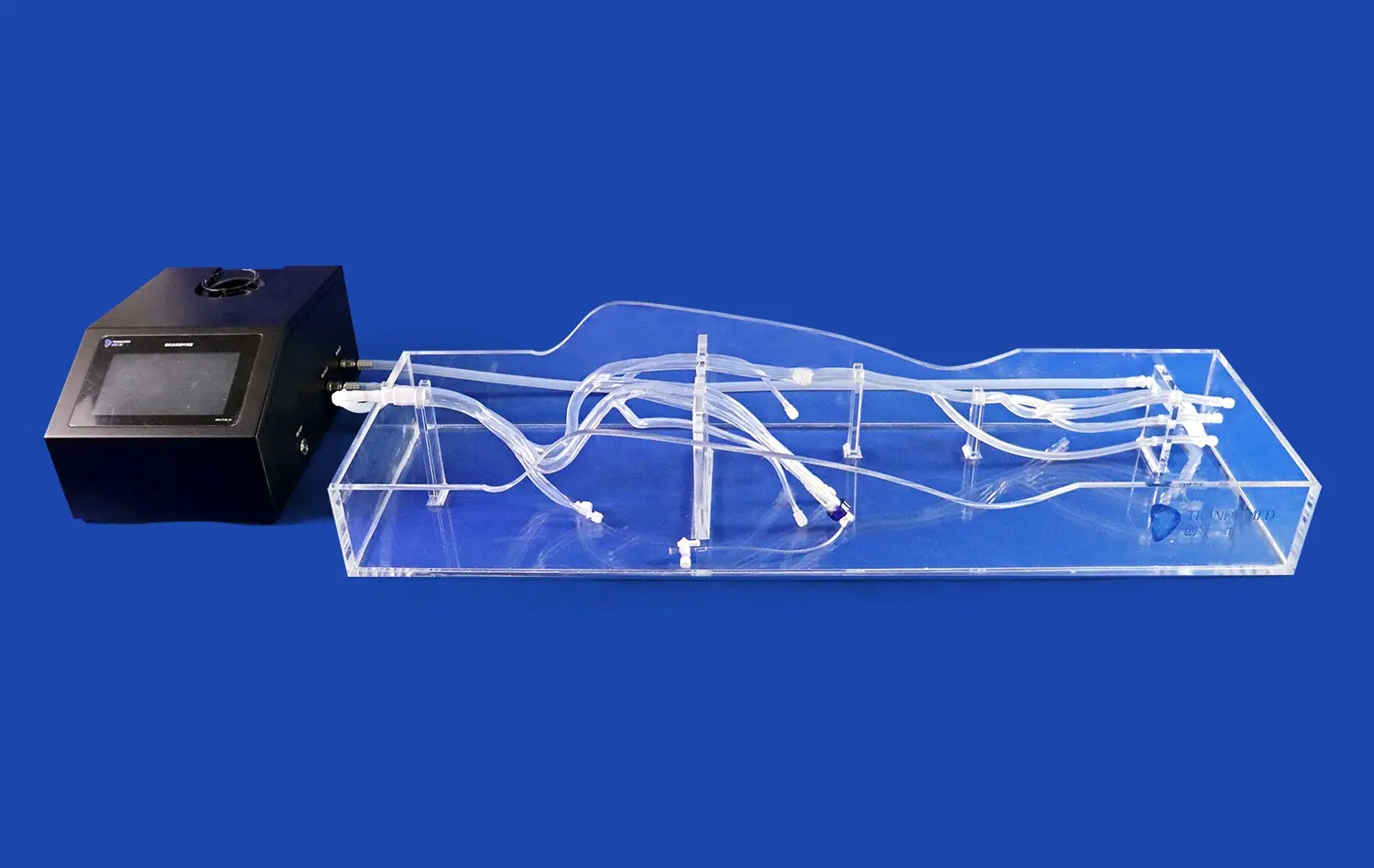


Why Tailored Models Enhance Specific Training Scenarios?
Precision in Anatomical Representation
Customized small intestine models offer an unprecedented level of anatomical accuracy. By utilizing patient-specific imaging data, these models capture the unique variations and pathologies present in individual cases. This precision allows medical trainees to familiarize themselves with a wide range of anatomical presentations, from typical structures to rare congenital abnormalities. The ability to study and manipulate these accurate representations enhances spatial understanding and tactile recognition, crucial skills for future medical professionals.
Pathology-Specific Training
One of the most significant advantages of tailored small bowel models, such as the small intestine model, is their capacity to replicate specific pathological conditions. Trainers can create models that showcase various diseases and disorders affecting the small intestine, such as Crohn's disease, celiac disease, or small bowel obstructions. This specificity allows medical students and practitioners to visualize and interact with these conditions in a tangible way, improving their diagnostic skills and treatment planning abilities.
Customized Complexity Levels
Tailored models can be designed to meet various levels of complexity, catering to the diverse needs of medical trainees. For beginners, simplified models can focus on basic anatomical structures and common pathologies. As learners progress, more intricate models can be introduced, incorporating complex vascular networks, lymphatic systems, and neighboring organs. This gradual increase in complexity ensures that training scenarios remain challenging and relevant throughout a medical professional's educational journey.
Adaptable Simulation for Surgical Skill Development
Realistic Tissue Properties
Advanced small intestine models are crafted using materials that closely mimic the properties of human tissue. This realism is crucial for surgical skill development, as it allows trainees to experience the tactile feedback and resistance similar to what they would encounter in actual procedures. The ability to practice suturing, anastomosis, and other delicate techniques on materials with lifelike characteristics enhances the transfer of skills from simulation to real-world application.
Procedural Versatility
Customized models support a wide range of surgical procedures specific to the small intestine. From simple biopsies to complex resections and reconstructions, these models can be tailored to focus on particular surgical techniques. This versatility allows for targeted practice in areas such as laparoscopic surgery, endoscopic procedures, and open surgical approaches. By repeatedly performing these procedures on accurate models, surgeons can refine their techniques, improve their efficiency, and reduce the risk of complications in actual patient care.
Error-Free Learning Environment
One of the most valuable aspects of using customized small intestine models in surgical training is the creation of a safe, error-free learning environment. Trainees can practice high-risk procedures without the fear of causing harm to actual patients. This freedom allows for experimentation with different approaches and techniques, fostering innovation and confidence. Moreover, instructors can deliberately introduce complications or variations into the models, challenging trainees to adapt and problem-solve in real-time, much like they would need to do in actual surgical situations.
How Customization Improves Teaching, Research, and Clinical Preparation?
Enhanced Visual and Tactile Learning
Customized small intestine models significantly enhance the visual and tactile aspects of medical education. Unlike traditional 2D images or generic models, these tailored replicas provide a three-dimensional, hands-on learning experience. Students can physically manipulate the models, exploring the spatial relationships between different structures and gaining a deeper understanding of the small intestine's anatomy. This tangible interaction reinforces theoretical knowledge and improves retention, making complex concepts more accessible and memorable.
Facilitating Comparative Studies
In research settings, customized models of the small intestine open up new avenues for comparative studies. Researchers can create multiple models representing different stages of a disease progression or variations in anatomical structures across populations. This capability allows for side-by-side comparisons, aiding in the identification of subtle changes and patterns that might be difficult to discern through other methods. Such comparative analyses can lead to new insights into gastrointestinal disorders and inform the development of novel treatment approaches.
Preoperative Planning and Patient Education
Beyond training and research, customized small bowel models play a crucial role in clinical preparation and patient education. Surgeons can use patient-specific models for preoperative planning, especially in complex cases involving tumors or congenital abnormalities. These models allow for a detailed examination of the patient's unique anatomy, helping surgeons anticipate challenges and develop precise surgical strategies. Additionally, these models serve as powerful tools for patient education, enabling doctors to explain procedures and potential outcomes more effectively, thereby improving patient understanding and informed consent processes.
Conclusion
Customized small intestine models have emerged as indispensable tools in advanced medical training, offering unparalleled realism and adaptability. These tailored replicas enhance specific training scenarios by providing precise anatomical representations, enabling pathology-specific training, and accommodating various complexity levels. In surgical skill development, they offer realistic tissue properties, procedural versatility, and a safe learning environment. Moreover, these models significantly improve teaching methodologies, facilitate innovative research, and enhance clinical preparation through visual and tactile learning, comparative studies, and preoperative planning. As medical education continues to evolve, the role of customized anatomical models in shaping competent and confident healthcare professionals becomes increasingly vital.
Contact Us
Experience the future of medical training with Trandomed's cutting-edge customized small intestine models. As a leading manufacturer and supplier of 3D printed silicone medical simulators, we offer unparalleled quality and precision in our products. Our team of experts is dedicated to creating tailored solutions that meet your specific training, research, and clinical preparation needs. Elevate your medical education program with our advanced, realistic models. Contact us today at jackson.chen@trandomed.com to learn more about how our customized small intestine models can revolutionize your training and research initiatives.
 (SJ001D)_1734504338727.webp)