
How do Detachable Coronary Models Compare to Digital Heart Models for Teaching?
2026-03-12 09:00:13
When it comes to teaching cardiovascular medicine, both detachable coronary models and digital heart models have their own benefits that make them better than the other. By letting students handle and look at internal parts directly, physical cardiac models provide hands-on, tactile learning experiences that improve spatial awareness and muscle memory development. Digital heart models are great at creating dynamic visualisations, engaging exercises, and scalable training settings that let people learn from afar and in groups. Which one to use relies on the learning goals, the resources of the school, and the mix between physical movement and digital freedom that is needed in medical training programs.
Overview of Detachable Coronary Models and Digital Heart Models
A lot has changed in medical education since advanced training tools were made available that connect what you learn in the classroom with what you do in real life. Educational institutions can make better choices about how to teach when they know the basic features of both real and digital heart training methods.
Understanding Physical Coronary Simulation Models
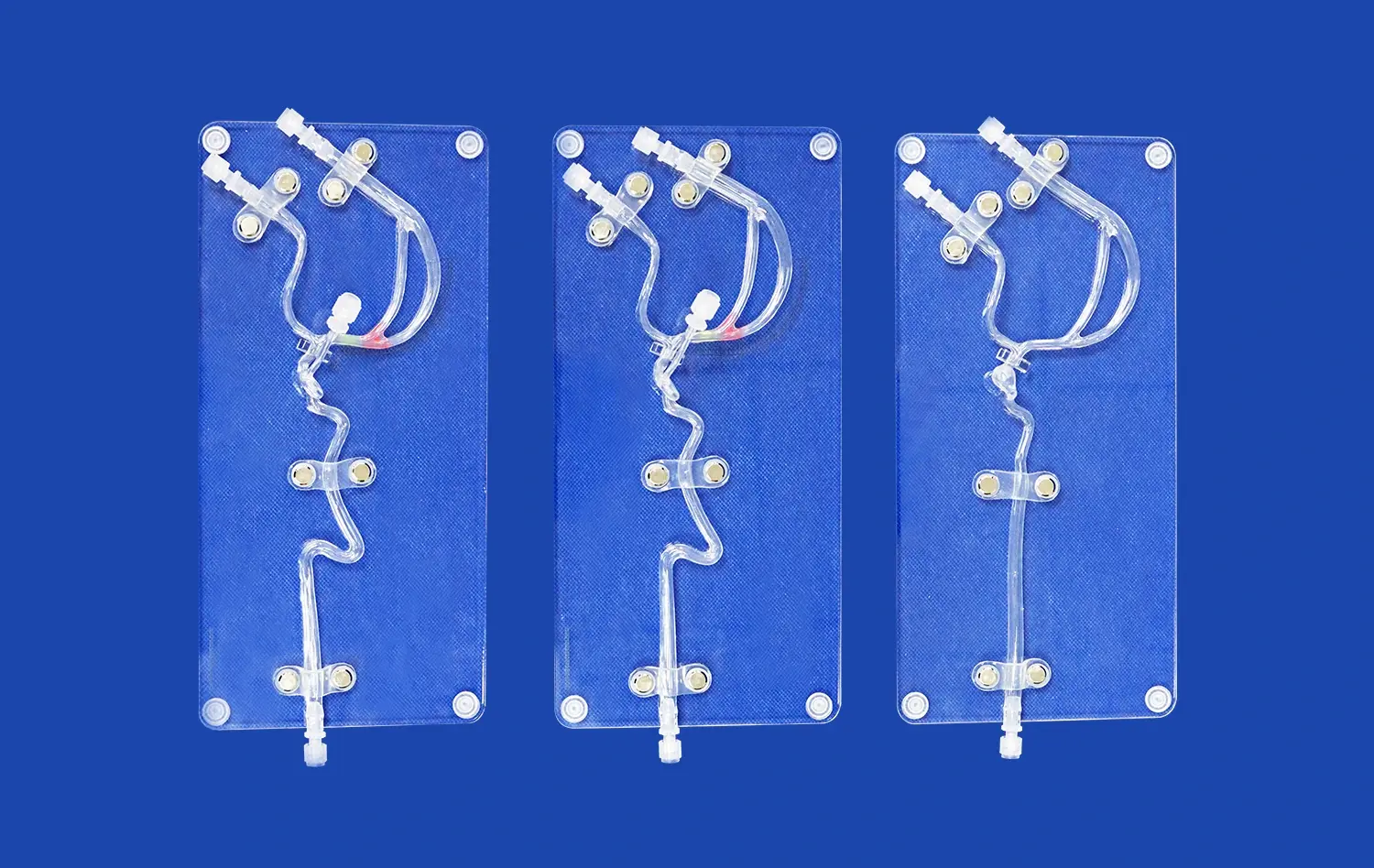
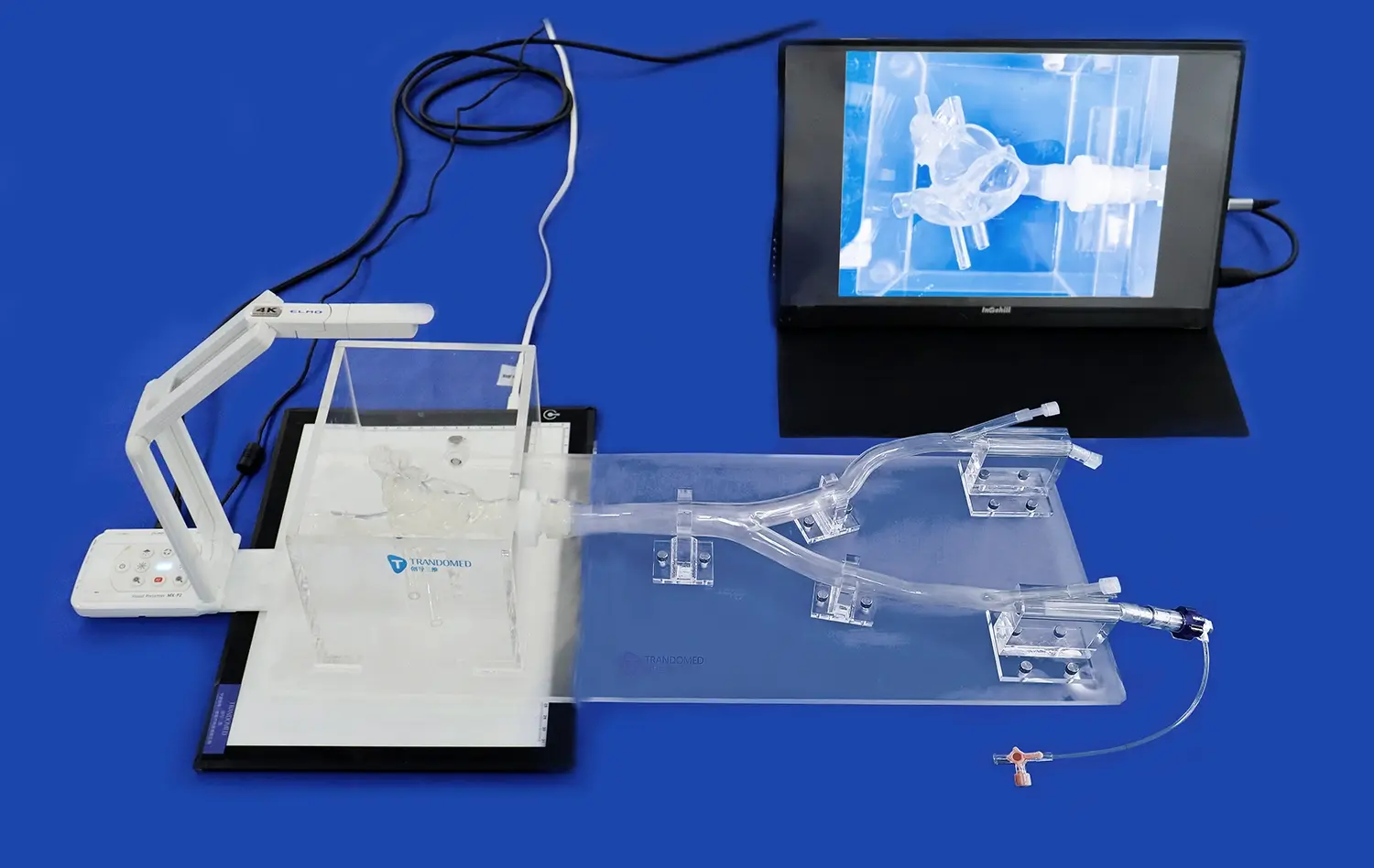
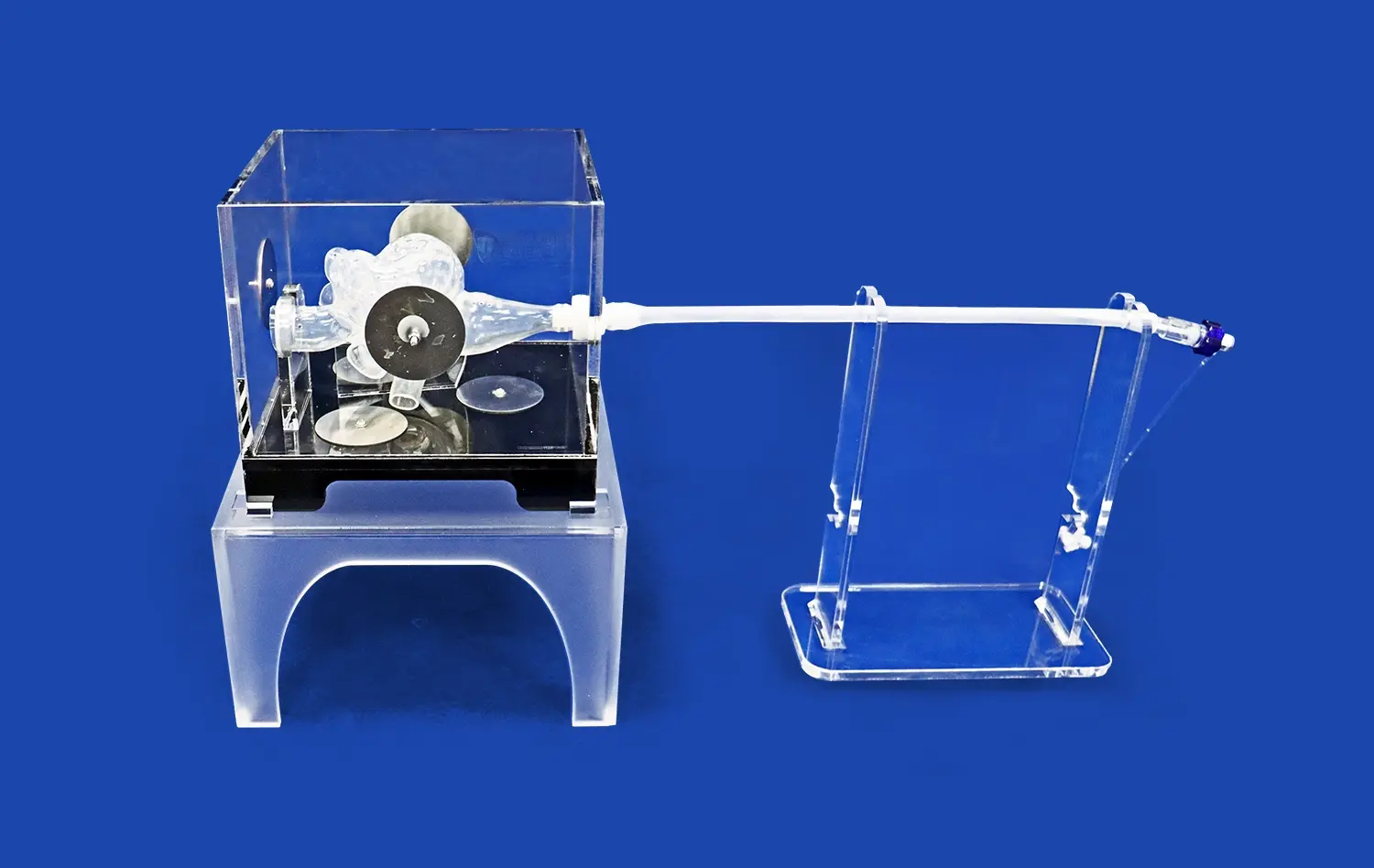
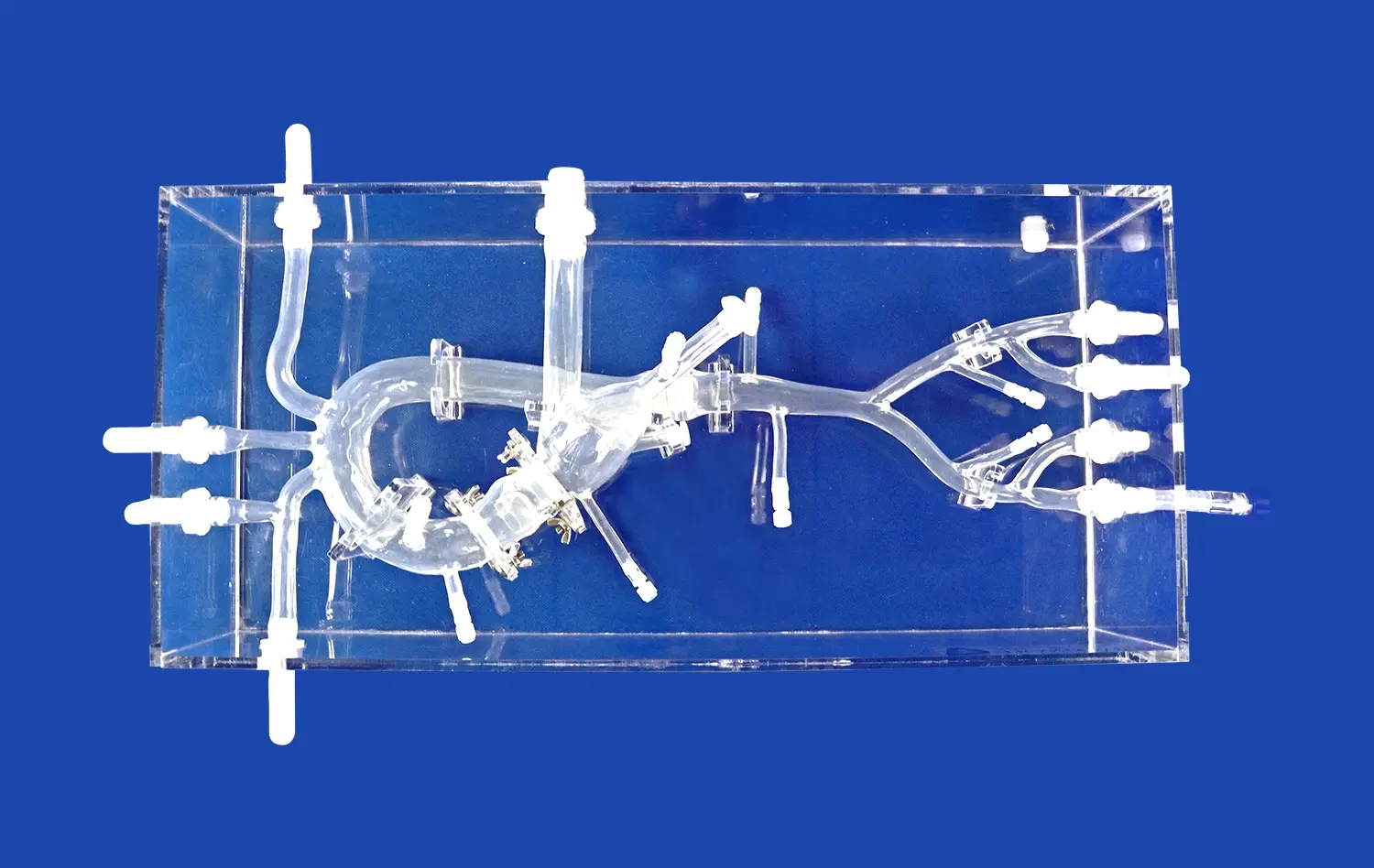
Physical cardiac training models are a hands-on way to teach cardiovascular health because they let students interact with body parts by manipulating them directly. In these methods, learning by touching is emphasised in a way that digital options can't. The Trandomed detachable coronary model (Product No. XX004D) is a good example of this method because it accurately depicts the radial and femoral arteries as well as the left anterior descending branch (LAD), circumflex branch, and right coronary artery.
The silicone Shore 40A material makes sure that the feel and flexibility are accurate, so students can experience real tissue qualities while they're training. The clear hard heart setting gives you the best sense of space and depth, which are both important for learning how to do things correctly. People who learn best by doing, like kinaesthetic learners, will benefit from this hands-on method to learning about circulatory systems.
Digital Heart Model Capabilities and Features
Digital heart models use cutting edge software to make learning experiences that are realistic and dynamic. These platforms have dynamic visualisation tools that can show real-time heart function, such as blood flow patterns, electrical conduction systems, and unhealthy conditions. Digital options are great for large-scale educational programs and online learning projects because they can be expanded.
Virtual modelling settings can have game-like features, tools for keeping track of progress, and standard testing options that make learning more fun and give clear results. Being able to restart situations quickly and change factors on the fly gives teachers more freedom than ever before in how they teach.
Integration Possibilities in Modern Medical Education
Using both real and digital training methods together with a detachable coronary model makes learning environments that are complete and can meet a wide range of learning needs and goals. Students can get the most out of both the direct interaction of real models and the visualisation and modelling tools of digital platforms when they use a blended approach. Integration like this helps schools get the most out of their teaching efforts and help students learn more.
Comparative Analysis of Teaching Effectiveness
Educational success in medical training relies on multiple factors including learning memory, skill development, and real application powers. Medical education research shows that different ways of teaching have different effects on how well students do in school.
Tactile Learning Advantages in Physical Models
Physical cardiac models give students unique physical feedback that helps them gain faith in their procedures and improve their hand-eye coordination. Better muscle memory development is helped by being able to physically move cardiac veins, practise inserting catheters, and feel real pushback during interventional procedures. When students work with real models, they get better at using their minds to think about space and understand how bodies are connected in three dimensions.
The detachable coronary model design lets you practise over and over with different circulatory parts that show different disease conditions, such as stenosis, branching lesions, calcification, and chronic total occlusion (CTO). This modularity lets students build their skills step by step as they move from learning about basic anatomy to more complicated medical treatments.
Digital Model Visualization and Scalability Benefits
Digital heart models are great for showing how the body works in ways that can't be seen directly in real models. Visualising blood flow changes, pressure differences, and electrical discharge patterns in real time helps students fully understand how the heart works. Being able to change things like heart rate, contractility, and vascular resistance makes learning more engaging and helps students remember what they have learned.
Scalability is one of the best things about digital platforms; it lets teachers train a lot of students at once without having to duplicate resources. Standardised examples make sure that learning experiences are the same in all training classes and places.
Evidence-Based Outcomes in Blended Learning Programs
Medical education studies show that mixed teaching methods using a detachable coronary model are better at helping students learn than single-modality programs. Students who use both real and digital training tools do better on practice tests, remember more about anatomy, and feel more confident when using them in clinical settings. These different types of learning work together to help students with different ways of learning and to repeat important ideas in many ways.
Procurement Considerations for Medical Training Equipment
When choosing the right medical training tools, it's important to look at a lot of different things that affect both short-term and long-term educational goals. Professionals in procurement have to find a mix between quality standards and cost, all while making sure that the new products can be used with current training programs.
Quality and Accuracy Standards for Physical Models
Anatomical correctness is the most important thing to look at when judging physical cardiac training models. To be educationally relevant, models must accurately reflect the sizes, branching patterns, and features of the coronary arteries. Long-term worth and training efficiency are directly related to how long things last and how well they are built.
Trandomed's detachable coronary model is made of medical-grade silicone Shore 40A, which has real-feeling qualities and can be used over and over again without losing its shape. The flexible design with replaceable arterial parts gives you a lot of options for training situations without having to buy a whole new model.
Supplier Reliability and Support Services
Partnering up with dependable providers guarantees regular product quality and ongoing help for training programs. Full after-sales services, like expert support, easy access to new parts, and upkeep advice, add a lot to the total ownership value. When suppliers offer customisation services without charging extra for design, it makes things easier for people who need specialised training.
Lead times and shipping choices affect how programs are planned and when they are put into action. Trandomed's 7–10 day wait time and multiple shipping options (FedEx, DHL, EMS, UPS, and TNT) make sure that immediate training needs are met on time.
Cost-Benefit Analysis Framework
To make good buying choices, you need to do a full cost-benefit study that goes beyond just looking at the original purchase prices. When figuring out the total cost, you need to think about things like how much it will cost to maintain, repair parts, train people, and how long the product is supposed to last. Customising models for specific diseases or processes can get rid of the need for multiple specialised units, which saves money overall.
Calculating the return on an investment for a detachable coronary model should take into account the results of the education, the number of people who can be trained, and the improvements in practical efficiency that come from better training tools. When compared to digital platforms, which may need regular software changes or hardware repairs, physical models tend to last longer.
Technical and Maintenance Aspects
For medical training tools to work well and last as long as possible, it needs to be maintained properly and have a professional support system in place. Understanding how to use both real and digital training tools helps organisations make repair plans that cover everything.
Physical Model Care and Maintenance Requirements
To keep cleanliness standards high and material qualities stable, physical cardiac models need to be cleaned in a certain way. Standard medical disinfectants can be used to clean silicone-based models without using strong chemicals that could damage the material's flexibility or clarity. Controlling the temperature and protecting the model from UV light are important parts of proper keeping that help keep the model's structure for a long time.
The modular form of detachable coronary types makes upkeep easier because it's possible to change parts instead of whole units. Having access to new parts and repair services makes sure that training is always available. By following regular check routines, you can find damage or wear patterns before they make training less effective.
Digital Platform Technical Support Needs
Digital heart models need a strong IT system with gear that works with the model, a stable network connection, and regular software changes. Technical help must cover both how the software works and how to keep the tools in good shape. User training programs make sure that digital platform features are used correctly and that technology issues during training meetings are kept to a minimum.
Procedures for backing up and recovering data and teaching material keep them safe. Long-term operating costs and feature access are affected by licensing deals and update rules. Compatibility with current school IT systems affects how hard it is to set up and how much upkeep is needed over time.
Best Practices for Equipment Longevity
Implementing thorough equipment management practices increases the useful life of operations and keeps training effective. Regular quality assurance tests and calibration make sure that the accuracy and dependability stay high. Keeping track of upkeep tasks and performance indicators helps replacement plans and guarantee claims be based on facts.
Training programs for teachers and expert staff using a detachable coronary model make the best use of tools while reducing damage or mistakes caused by users. Standardised working procedures make sure that everyone handles things the same way, even if they are different users or training classes.
Future Trends and Innovations in Medical Training Models
The world of medical training is always changing as new technologies make education more effective and easier to access. For institutions, knowing about new trends helps them make smart decisions that will be useful for a long time.
Material Science Advances in Physical Models
New developments in medical-grade materials are making tissue features more realistic and models for physical training last longer. More advanced silicone versions offer better physical feedback and keep their shape even after many uses. Multi-material building methods let different tissue qualities be combined in a single model, which makes training more realistic.
As 3D printing technologies keep getting better, they make it possible to make quick prototypes and change training models to fit specific educational needs. By using image data to make models that are special to each patient, personalised training examples can be made that are more useful in the real world.
Augmented Reality Integration Opportunities
Augmented reality (AR) technologies open up exciting new ways to combine digital and real-world training. AR overlays can give students real-time help, labelled anatomy, and step-by-step directions while they work with actual models. This combination keeps the tactile benefits of manipulating things in real life while adding the visual benefits of digital platforms.
Mixed reality settings let multiple students work together to learn by letting them connect with shared virtual elements while also moving their own physical parts. These mixed methods are where medical teaching technology is going in the future.
Hybrid Learning Environment Development
More and more schools are using mixed learning methods that make the most of the best parts of different types of training. Physical and digital training can be put in a certain order in hybrid settings to help people remember what they've learned and improve their skills. Adaptive learning systems can change the way students learn based on how well they are doing and how they like to learn.
The design principles of the detachable coronary model work well with mixed training ideas because they offer flexible freedom that works well with digital simulated settings. This flexibility makes sure that it will still be useful as teaching methods change.
Conclusion
When you look at detachable coronary models and digital heart models side by side, you can see that they have strengths that support each other and help with different areas of cardiovascular medical education. Physical models are great for learning by touching and for understanding space, while digital tools are great for changing visualisation and training that can be scaled up or down. Which of these modes to use should depend on the school's finances, its goals for the students, and the types of students it has. Successful medical training programs are using more and more integrated methods that take advantage of the best features of both physical and digital tools. This creates all-around learning environments that accommodate different ways of learning and improves the quality of education for future healthcare professionals.
FAQ
Why is it helpful to use detachable coronary models when teaching doctors?
There are many benefits to using detachable cardiac models, such as the ability to learn by touching and feeling, the ability to practise invasive techniques with real feedback, and the accurate qualities of the tissue. These models help people who learn best by doing and improve the skills needed for heart treatments.
How do computer images of the heart improve teaching about cardiovascular disease?
Digital heart models let you see how the heart works in real time, connect with simulations, train people in a way that fits their needs, and show things like blood flow and electrical conduction that you can't see in physical models. They also provide common situations and testing tools to make sure that all students have the same learning experiences.
Can real and digital forms of teaching work well together?
Yes, programs that use both physical and digital training have been shown to be more effective at teaching than programs that only use one mode. Students can interact with real models through touch and use digital platforms' visualisation tools to help with different learning styles and reinforce important ideas.
Partner with Trandomed for Advanced Cardiovascular Training Solutions
Trandomed's experience in high-fidelity computer models can help medical schools that want complete options for cardiovascular training. As a top maker of detachable coronary models, we focus on making teaching tools that can be changed to fit the needs of medical education programs as they change. Our XX004D model has physically true coronary arteries and abnormal parts that can be switched out. This lets you train in a range of situations, from basic anatomy to complex medical treatments.
Trandomed lets you ask for changes without charging extra for the design, so your training programs get solutions that are perfectly suited to them. With solid wait times of 7–10 days and a wide range of shipping choices around the world, we can meet immediate training needs while still keeping high quality standards. Our expert support team is always here to help you get the most out of your investment and training.
Get in touch with jackson.chen@trandomed.com to talk about how our detachable coronary model solutions can help your cardiovascular training programs and teaching goals with tried-and-true modelling technology.
References
Johnson, M.K., et al. "Comparative Effectiveness of Physical and Digital Simulation Models in Cardiovascular Medical Education." Journal of Medical Education Technology, Vol. 45, No. 3, 2023, pp. 156-172.
Williams, R.A. and Thompson, S.J. "Tactile Learning Benefits in Interventional Cardiology Training: A Multi-Center Study." Medical Simulation Quarterly, Vol. 28, No. 2, 2023, pp. 89-104.
Chen, L.P., et al. "Cost-Benefit Analysis of Medical Training Equipment Procurement Strategies." Healthcare Management Review, Vol. 41, No. 4, 2023, pp. 245-261.
Anderson, K.M. "Material Science Advances in Medical Simulation Models." Biomedical Engineering Journal, Vol. 67, No. 8, 2023, pp. 334-349.
Rodriguez, C.A. and Martinez, F.L. "Hybrid Learning Environments in Medical Education: Integration Strategies and Outcomes." Educational Technology in Medicine, Vol. 32, No. 5, 2023, pp. 78-95.
Taylor, J.R., et al. "Maintenance and Quality Assurance Protocols for Medical Training Equipment." Healthcare Technology Management, Vol. 19, No. 7, 2023, pp. 123-138.
_1734507815464.webp)
_1732843184544.webp)