
How LAAO Simulators Support Electrophysiology Training Programs?
2026-05-27 09:00:03
Left atrial appendage closure simulators change the way cardiac intervention is taught by giving electrophysiology workers safe, realistic places to practice complicated procedures before they treat patients. These high-tech training platforms mimic the different body parts and technical difficulties that come with LAA occlusion treatments. They meet the important need for consistent, repeatable training that old-fashioned methods can't meet. The left atrial appendage closure simulator helps bridge the gap between what you learn in school and what you can do in real life. It lets interventional cardiologists and electrophysiologists improve how they use devices, practice transseptal puncture, and deal with differences in anatomy without putting patients at risk.
Understanding Left Atrial Appendage Closure Simulators
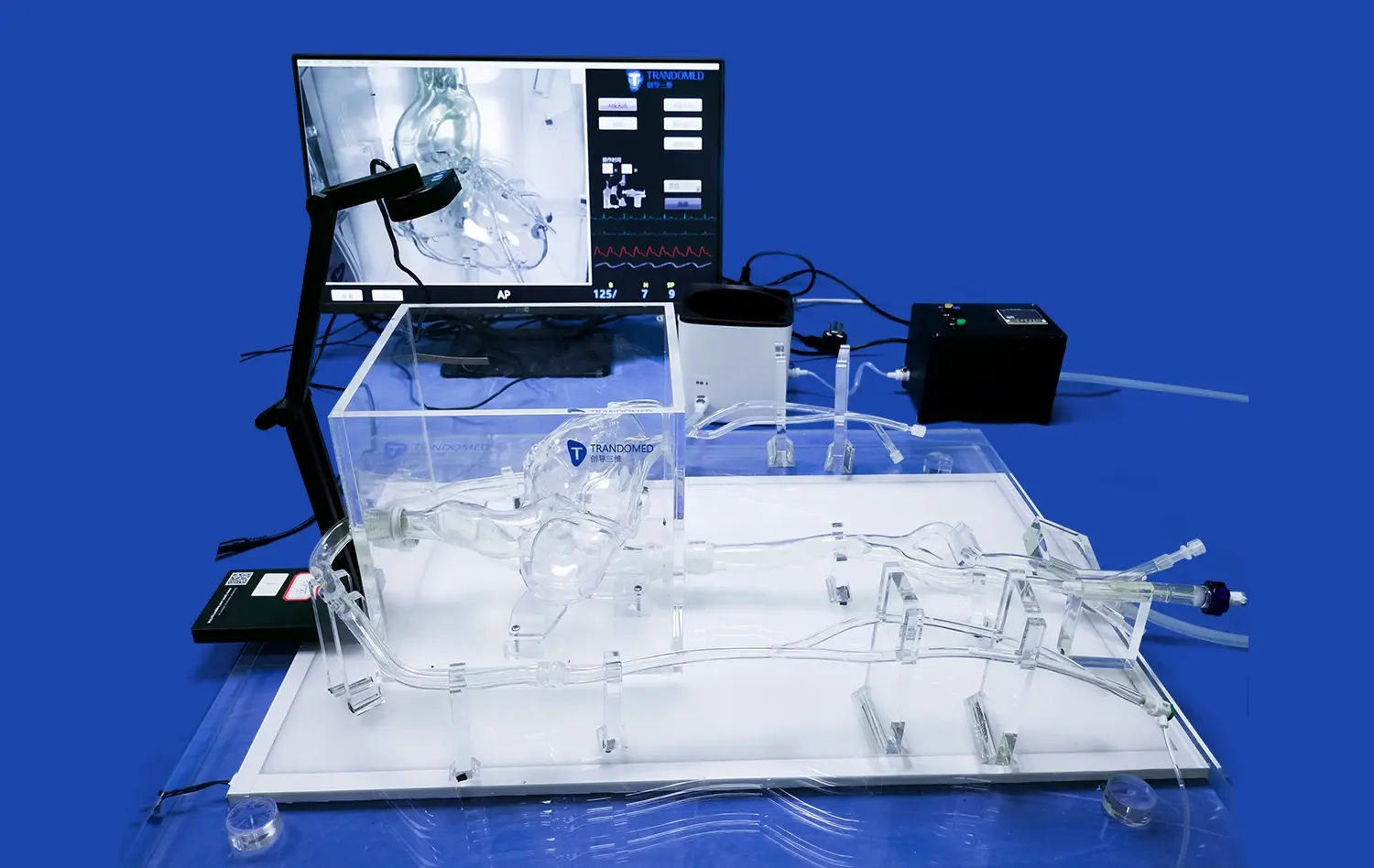
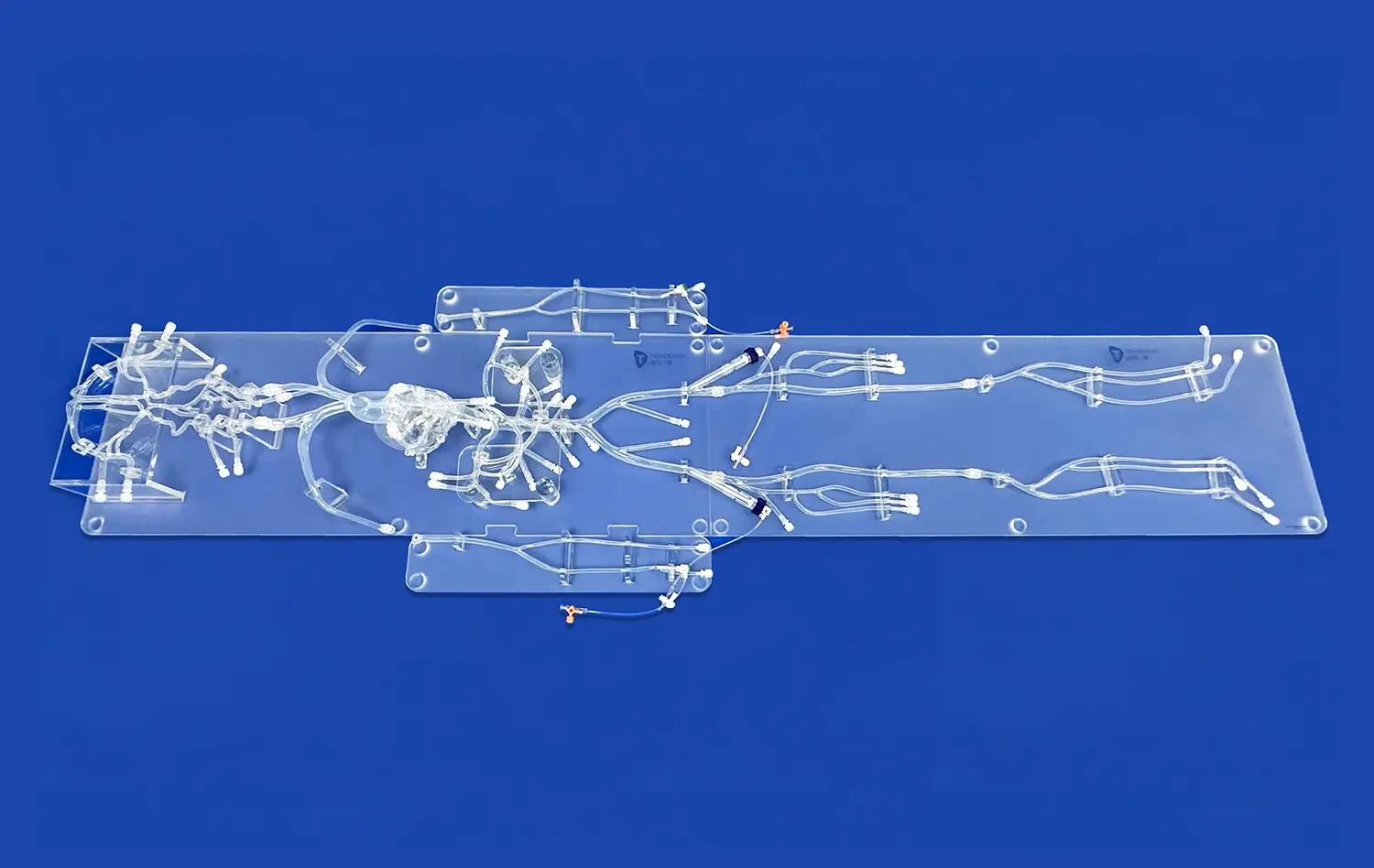
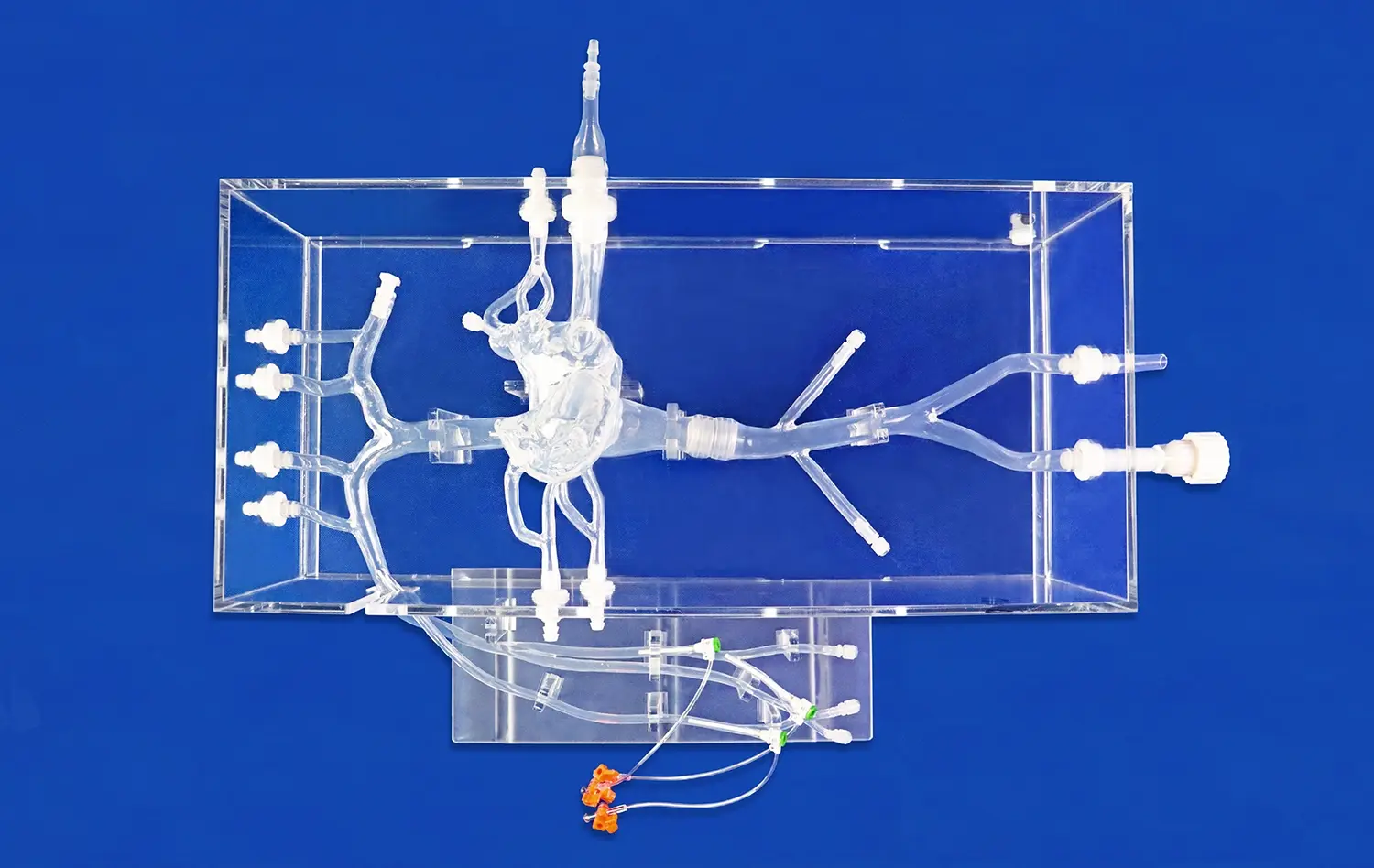
Left atrial appendage closure simulators are a big step forward in cardiovascular training technology because they combine accurate anatomy with realistic procedures to make learning more engaging. These machines carefully copy the heart's structures, starting with the femoral vein and going through the inferior vena cava, right atrium, left atrium, and most importantly, the left atrial appendage.
Anatomical Fidelity and Structural Components
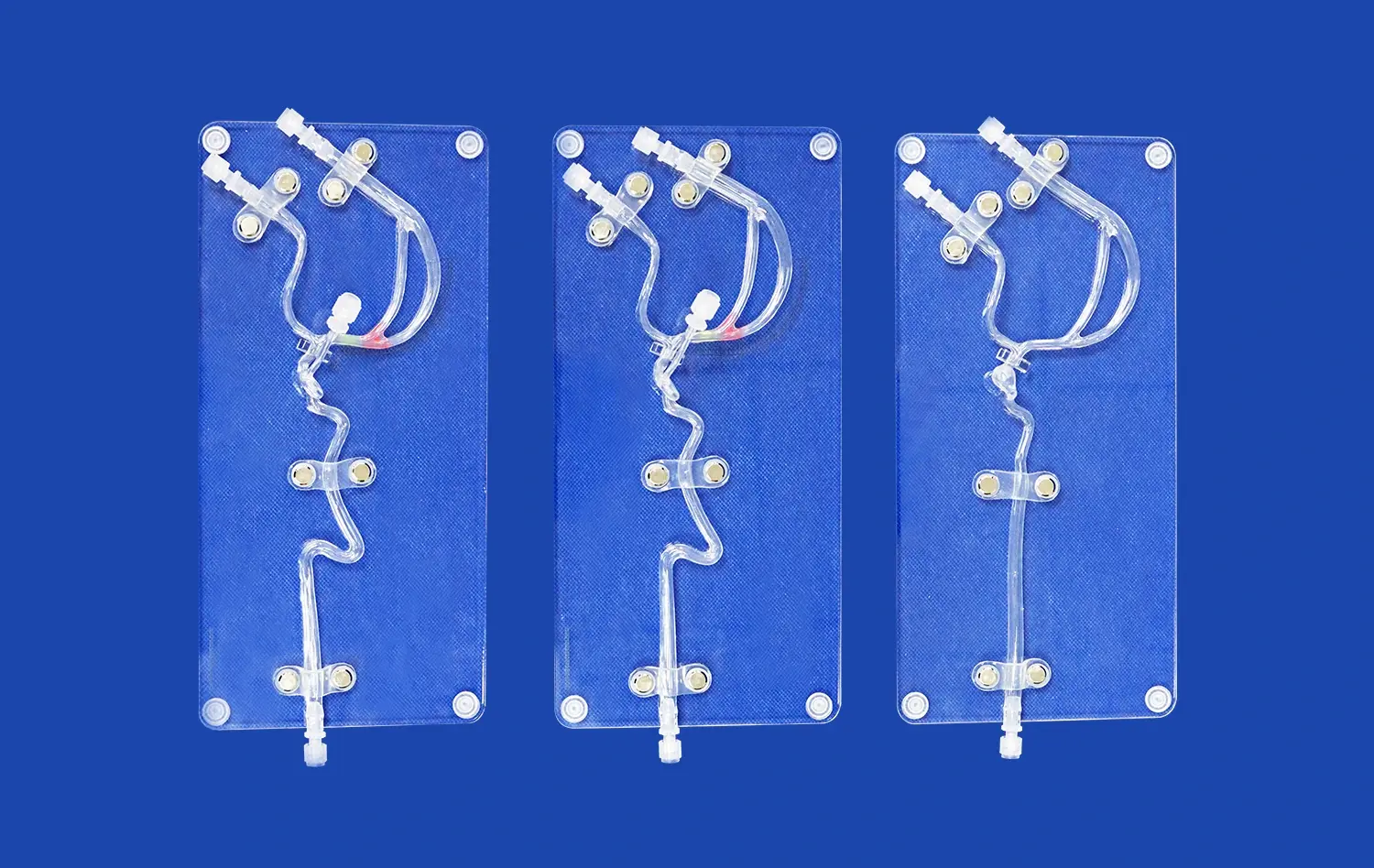
The most powerful simulation models have complete vascular pathways that look like the anatomy of a real patient. Medical imaging studies have found four main types of LAA shapes in patients: chicken wing (48% of the time), cactus (30%), windsock (19%), and broccoli (3% of the time). Good modeling tools include all of these differences, so students can practice all the different body problems they might face in real life.
This all-around method is shown by the Trandomed XX013D model, which has four different types of LAA and three replaceable atrial septal defects of different sizes. This modular design lets you simulate a number of different surgical situations, such as transseptal puncture, device positioning, and deployment verification. The simulator is made of Silicone Shore 40A material and gives accurate tactile feedback while the catheter is being moved and the device is being deployed.
Interactive Training Environment
Modern models turn watching others do something into actively learning how to do it. Practitioners move catheters, guidewires, and closure devices through channels that are true to the body's shape. They experience the resistance, feedback, and problems with spatial orientation that come up in real procedures. This hands-on activity shortens the time it takes to learn and improves muscle memory, which is necessary for success with the procedure.
Trainees can build their confidence before going into the catheterization lab by practicing over and over again without having to worry about time or patient safety. Medical education research studies show that simulation-based training makes procedure skills much better than traditional learning models that involve watching and copying.
Challenges in Traditional Electrophysiology Training and How LAAO Simulators Address Them
There are big problems with the way most people are trained to do interventional cardiac procedures. These problems make learning less effective and raise ethical issues. Even though the traditional apprenticeship approach is useful, it can't give people the consistent, low-stakes practice they need to master a skill.
Ethical and Practical Barriers
Animal models, which used to be common in left atrial appendage closure simulator procedure training, are getting more and more ethical attention and are limited by law. Aside from moral concerns, animal anatomy is very different from human cardiac structures, which makes translational application less likely. While cadaver-based training is more accurate when it comes to anatomy, it lacks the dynamic tissue properties and hemodynamic reactions that are present in real patients.
Direct patient exposure is important in the end, but it puts weak people at risk during the early stages of the learning curve, which is very steep. Surgical education research constantly shows that complications are more common during the learning phases for surgical trainees. This creates a conflict between the need to teach and the need to keep patients safe.
Simulation Solutions
These moral problems are taken care of by LAAO training models, which also offer better educational value. Without putting patients at risk, trainees can do treatments over and over until they get good at them. The controlled environment lets you practice difficult situations on purpose, such as anatomical differences and possible complications that may not happen very often in clinical practice but need ready answers.
Another important benefit is that you can get immediate feedback on your work. In clinical procedures, judging the result may take a while or be subjective. But simulation platforms can give you real-time information on how well the catheter is placed, how precisely the device is deployed, and how quickly the procedure is completed. This objective feedback speeds up skill development and helps trainees figure out what they need to work on more.
Documented Training Improvements
Simulations used in clinical training programs have been shown to improve trainees' success. During controlled clinical cases, participants show more confidence in the procedure, shorter fluoroscopy times, and fewer technical mistakes. These results show that modeling is a useful way to teach that works well with clinical training and doesn't replace it.
Features and Types of LAAO Simulators: Comparison and Selection Guide
Procurement professionals evaluating cardiac simulation technology must consider multiple factors to ensure optimal alignment with educational objectives and institutional requirements. The marketplace offers devices spanning a spectrum from basic anatomical models to sophisticated high-fidelity platforms.
Essential Selection Criteria
Anatomical accuracy stands as the paramount consideration. The simulator must faithfully reproduce cardiac chamber dimensions, wall thickness, and the complex three-dimensional geometry of the left atrial appendage. Variations in LAA morphology—chicken wing, cactus, windsock, and cauliflower configurations—should be represented to expose trainees to the anatomical diversity they will encounter clinically.
Procedural scope determines the range of skills trainees can develop. Comprehensive models support the complete LAAO workflow: femoral venous access, catheter advancement through the venous system, transseptal puncture at the fossa ovalis, left atrial navigation, LAA device positioning, deployment, and release verification. The ability to simulate related procedures such as pulmonary vein ablation extends training utility.
Material Properties and Durability
The construction material significantly impacts both realism and longevity. Silicone formulations that approximate human tissue compliance provide authentic tactile feedback during catheter manipulation and device deployment. The XX013D model utilizes Silicone Shore 40A, balancing realistic feel with durability for repeated use.
Replaceable components extend simulator lifespan and economic value. Modular designs allowing substitution of atrial septal defects, LAA segments, or venous pathways enable training programs to refresh high-wear elements without replacing entire systems. This modularity also supports varied training scenarios from a single base unit.
Cost-Benefit Analysis
Budget considerations extend beyond initial purchase to include maintenance, consumable supplies, and potential upgrade pathways. Training programs must evaluate total cost of ownership over the device's expected service life. While premium simulators command higher acquisition costs, their enhanced durability, broader procedural capabilities, and superior training outcomes often justify the investment.
Compared to traditional training methods, simulators demonstrate compelling economic advantages. The expenses associated with animal procurement, facility requirements, and ethical oversight make animal models increasingly cost-prohibitive. Similarly, cadaver availability, storage, and handling present logistical challenges and recurring costs that simulation eliminates.
Procuring the Right Left Atrial Appendage Closure Simulator
Strategic procurement requires thorough assessment of institutional training needs, user populations, and operational contexts. A methodical evaluation process ensures the selected simulator delivers maximum educational value and return on investment.
Needs Assessment Framework
Training volume and frequency influence device selection and quantity requirements. High-volume programs training multiple cohorts annually need robust simulators capable of withstanding intensive use. Understanding the trainee population—medical students, cardiology fellows, practicing interventionalists seeking skill updates—helps determine appropriate complexity levels and procedural scope.
Educational objectives define essential left atrial appendage closure simulator capabilities. Programs emphasizing basic procedural familiarity may succeed with straightforward anatomical models, while those developing advanced interventional skills require high-fidelity platforms with varied anatomical configurations and realistic tissue properties.
Supplier Evaluation Criteria
Reputable manufacturers demonstrate regulatory compliance, quality certifications, and established track records in medical education technology. Trandomed, as China's pioneering professional manufacturer in medical 3D printing, brings over 20 years of R&D focus on medical simulation technology innovation. Our product designs leverage extensive real human CT and MRI datasets processed through reverse 3D reconstruction technology, ensuring anatomical accuracy and clinical relevance.
Customization capabilities enable simulators to address specific institutional requirements. Trandomed accepts customization requests without charging design fees, offering flexibility in atrial septal defect dimensions, LAA morphology specifications, and anatomical variations. The ability to produce models from CT, CAD, STL, STP, and STEP data files provides unmatched personalization options.
Support Infrastructure and Service
Comprehensive after-sales support protects training program investments and ensures sustained simulator utility. Technical assistance, maintenance guidance, and replacement component availability maintain operational readiness. Trandomed provides ongoing support services ensuring client satisfaction throughout the product lifecycle.
Efficient logistics facilitate timely delivery and installation. With shipping capabilities through FedEx, DHL, EMS, UPS, and TNT, combined with rapid 7-10 day lead times, Trandomed ensures minimal delays between order placement and training program integration.
Future Trends and Innovations in LAAO Simulation Technology
The trajectory of cardiac simulation technology points toward increasingly immersive, intelligent, and versatile training platforms. Emerging technologies promise to further narrow the gap between simulated and clinical experiences.
Virtual and Augmented Reality Integration
Virtual reality systems transport trainees into fully digital procedural environments, offering limitless anatomical variation and complication scenarios without physical hardware constraints. Augmented reality overlays digital guidance onto physical simulators, providing real-time anatomical landmarks, device positioning feedback, and performance metrics within the trainee's field of view.
These technologies create hybrid training experiences combining physical tactile feedback with digital visualization enhancements. Trainees manipulate actual catheters and devices through physical models while receiving AR-enhanced guidance mimicking fluoroscopic and echocardiographic imaging modalities used clinically.
Artificial Intelligence Applications
AI-powered simulation systems let trainees choose their own learning paths that are tailored to their specific needs. Machine learning algorithms look at how a procedure is done, finding specific flaws and suggesting tasks that will help. This personalized method speeds up skill development by focusing training time on the things that need work.
Performance analytics are getting more complex, going beyond simple measures to more in-depth evaluations of how decisions are made, how efficiently processes are run, and how well problems are handled. AI systems can spot patterns that show growing knowledge, which gives us objective criteria for certifying competency.
Expanding Procedural Applications
While simulation platforms were first designed to focus on specific interventions, they are now supporting more and more multidisciplinary training situations. The same physical models that are used to teach LAAO are also useful for testing, verifying designs, and showing how devices work in the clinic. Anatomical models that can be changed are used by research institutions for experiments and to make sure that prototypes work.
This adaptability improves the institution's return on investment by letting simulation resources be used in more than one department or for reasons other than initial electrophysiology training.
Conclusion
Left atrial appendage closure simulators fundamentally transform cardiac intervention education by providing safe, repeatable, ethically sound training environments where electrophysiology professionals develop critical procedural skills. These sophisticated devices overcome the limitations of traditional training methods, offering anatomically accurate platforms for mastering device deployment techniques before treating patients. The investment in quality simulation technology yields measurable returns through improved trainee competency, reduced procedural complications, and enhanced patient safety. As training standards evolve and procedural volumes increase, institutions prioritizing simulation-based education position themselves at the forefront of cardiovascular care excellence.
FAQ
What is left atrial appendage closure?
Left atrial appendage closure is a minimally invasive or surgical procedure sealing off the LAA, a small pouch in the left atrium's muscle wall. This intervention reduces stroke risk in patients with atrial fibrillation by preventing blood clot formation in the appendage, offering an alternative to long-term anticoagulation therapy for individuals unable to tolerate blood thinners.
How realistic are LAAO simulators compared to actual procedures?
High-quality simulators replicate anatomical structures, tissue properties, and procedural challenges with remarkable fidelity. Models incorporating real human imaging data and appropriate silicone formulations provide tactile feedback closely approximating clinical experiences. While no simulation perfectly replicates every aspect of live procedures, advanced platforms offer sufficient realism to develop transferable technical skills and procedural confidence.
Can simulators integrate with existing training curricula?
Modern LAAO simulators adapt seamlessly to diverse educational frameworks, from medical school anatomy instruction through advanced fellowship training. Their modular design supports progressive skill development, allowing institutions to incorporate simulation at multiple curriculum stages. The devices complement didactic instruction, clinical observation, and supervised patient care within comprehensive training programs.
Partner with Trandomed for Advanced Cardiac Simulation Solutions
Elevate your electrophysiology training program with Trandomed's left atrial appendage closure simulator (XX013D), engineered for anatomical precision and educational excellence. As a leading left atrial appendage closure simulator manufacturer with over 20 years of medical 3D printing expertise, we deliver training solutions grounded in real human CT and MRI data, utilizing proprietary 3D printing techniques for unmatched quality. Our customization services—provided without design fees—ensure simulators align perfectly with your specific educational requirements, accommodating various data formats including CT, CAD, STL, STP, and STEP files. Rapid 7-10 day lead times and comprehensive after-sales support maximize your training program's effectiveness from day one. Contact jackson.chen@trandomed.com to schedule a consultation and discover how our cardiovascular simulators transform procedural training outcomes.
References
Di Biase, L., Santangeli, P., Anselmino, M., et al. "Does the Left Atrial Appendage Morphology Correlate with the Risk of Stroke in Patients with Atrial Fibrillation?" Journal of the American College of Cardiology, vol. 60, no. 6, 2012, pp. 531-538.
Holmes, D.R., Reddy, V.Y., Turi, Z.G., et al. "Percutaneous Closure of the Left Atrial Appendage versus Warfarin Therapy for Prevention of Stroke in Patients with Atrial Fibrillation: A Randomised Non-Inferiority Trial." The Lancet, vol. 374, no. 9689, 2009, pp. 534-542.
Motloch, L.J., Reda, S., Rassaf, T., et al. "Simulation-Based Training in Interventional Cardiology: Current Status and Future Perspectives." Cardiovascular Interventions, vol. 13, no. 15, 2020, pp. 1825-1837.
Satava, R.M., Gallagher, A.G., Pellegrini, C.A. "Surgical Competence and Surgical Proficiency: Definitions, Taxonomy, and Metrics." Journal of the American College of Surgeons, vol. 196, no. 6, 2003, pp. 933-937.
Weiner, G.M., Mendonca, E.A. "Simulation in Healthcare: The Evidence." Patient Safety in Surgery, vol. 4, no. 1, 2010, pp. 1-8.
Yavari, A., Bellamy, M.F., Buchan, K., et al. "Training Standards for Left Atrial Appendage Occlusion: Recommendations from the British Cardiovascular Intervention Society." Heart, vol. 106, no. 23, 2020, pp. 1802-1808.
_1732843184544.webp)