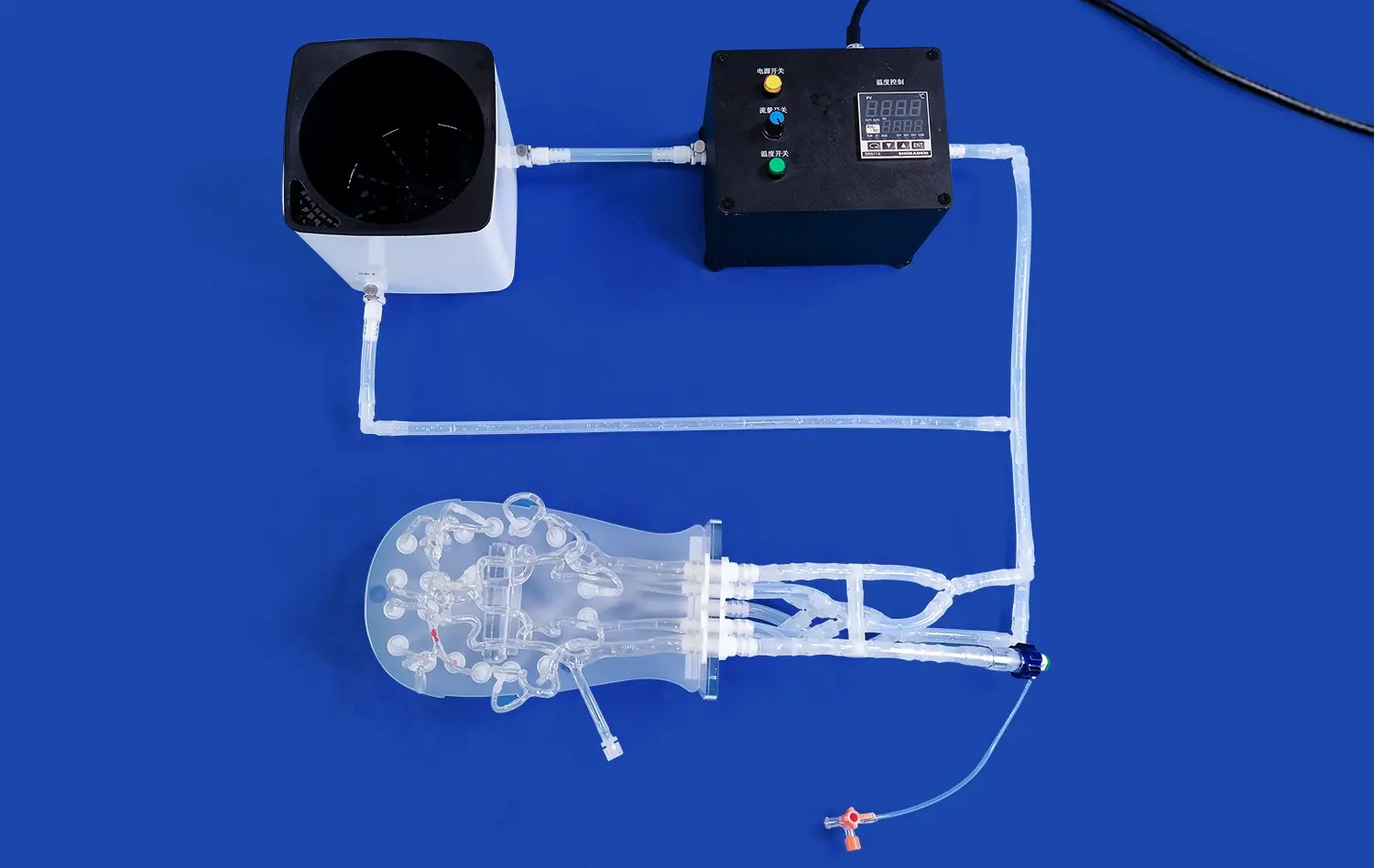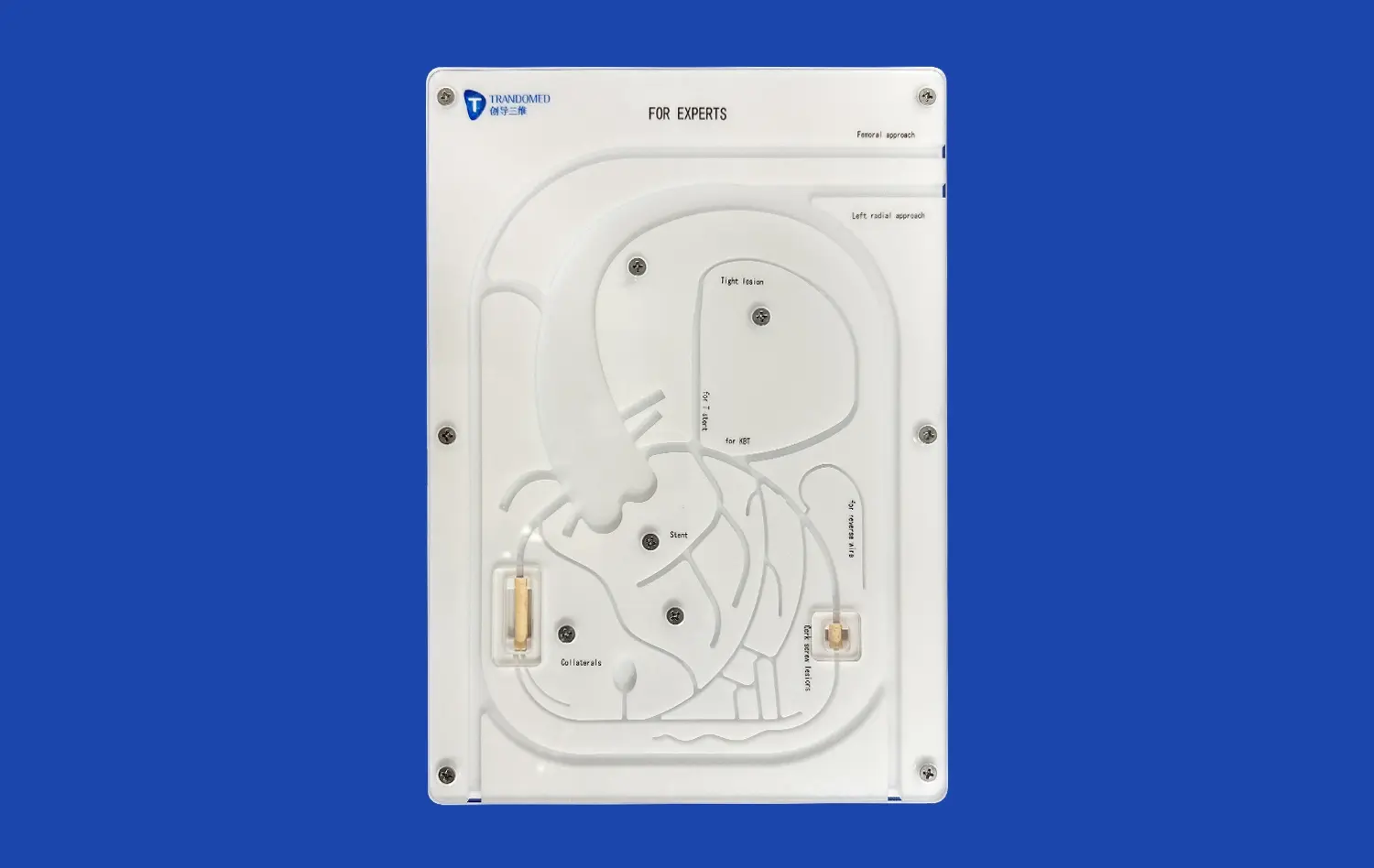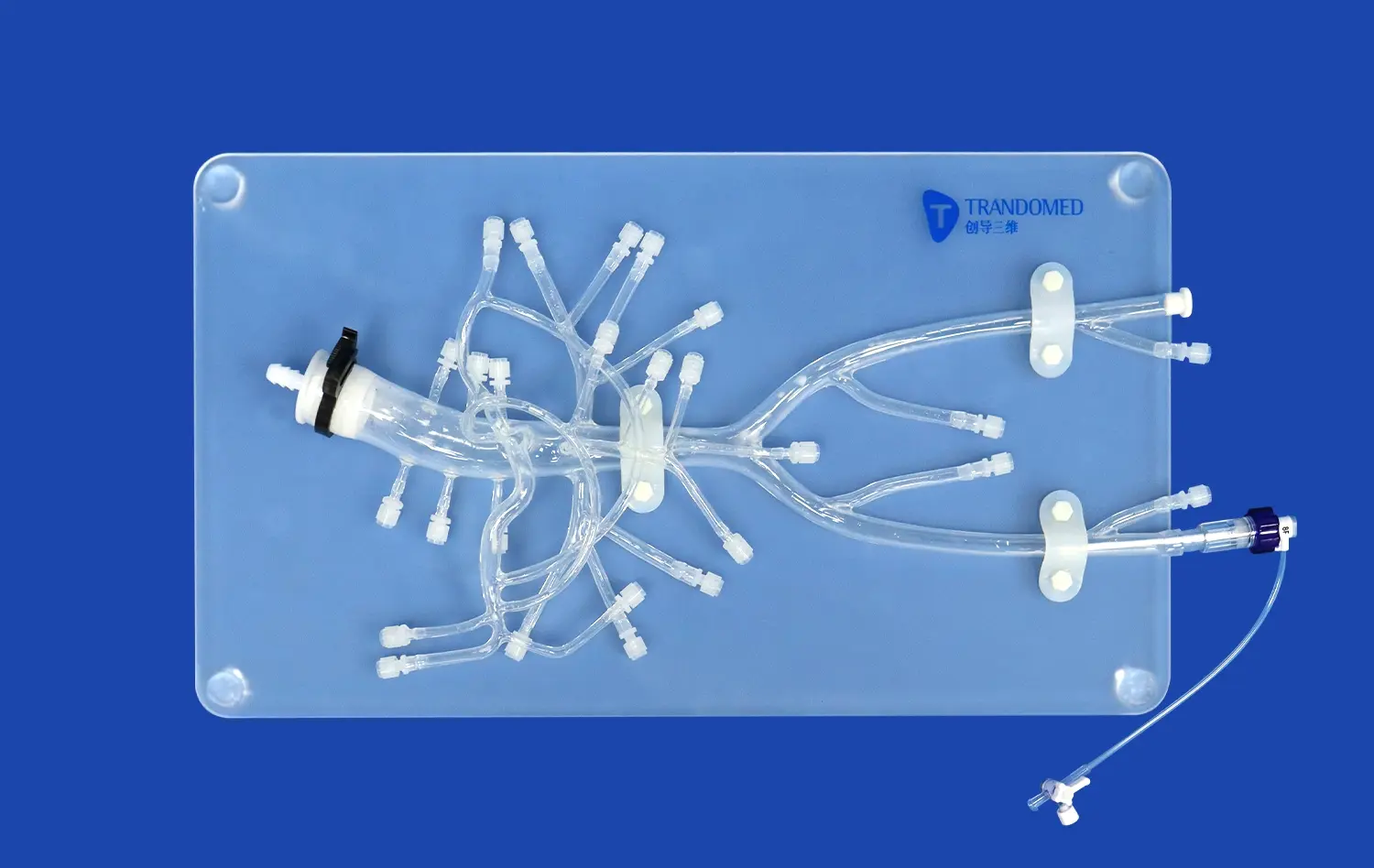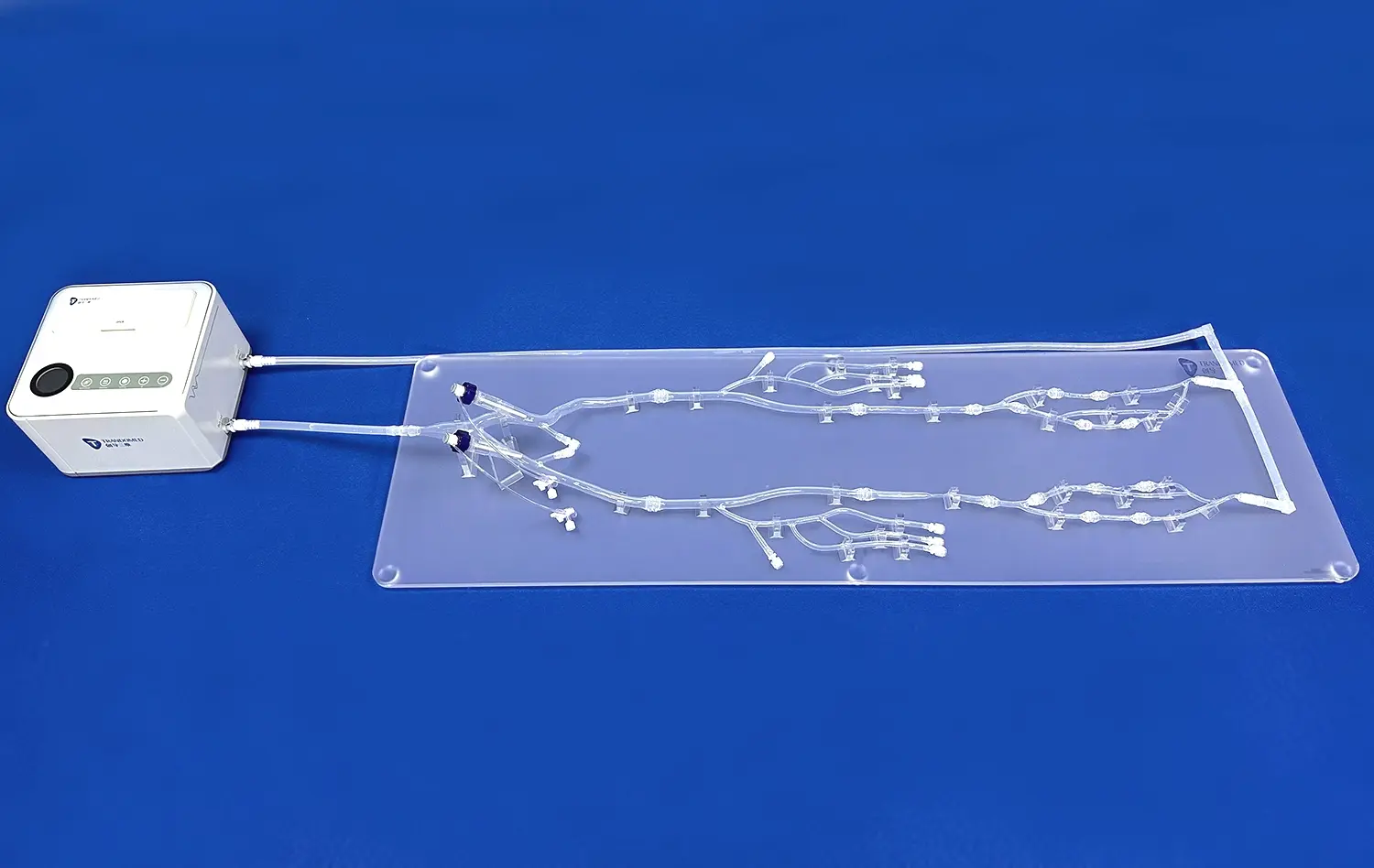

The pancreas on model is a game changer for surgery training because it gives a 3D print of the pancreas that is correct in every detail. This improves the quality of medical education and the usefulness of simulations. These sophisticated models of the body's structures bring a person closer to really understanding something and being able to do it. They make it possible for medical workers to improve their surgery skills by practicing with very lifelike representations of organs. Modern pancreatic computer models have a lot of small details, like the pancreatic notch, head, body, and uncinate process. This makes it possible to get a lot of practice with complicated operations like gallstone treatment device testings and tumor removal. Pancreatic surgeries can be tough, but these advanced training tools are used by hospitals around the world to make sure doctors are ready and to make patient care safer.

Understanding the Role of Pancreas Models in Surgical Training
Pancreas models are very helpful for teaching people about the pancreas because they show exactly what it looks like and how it works. These advanced training tools have changed the way medical workers learn how to do surgery on the pancreas. They make it possible for people to improve their skills in new ways that haven't been done before.
Anatomical Precision and Educational Impact
Today's pancreatic computer models range from simple versions that show the basic shape of the pancreas to very complex models that show all the details, colors, patterns, and even labels for each part of the pancreas. These models closely imitate the human pancreas. They include important features like the pancreatic duct, the arteries that feed blood, and the veins that drain the pancreas. Students can learn how the pancreas and nearby organs are connected thanks to the structural precision of modern 3D printing.
These models are used a lot in medical schools, surgical workshops, and programs for ongoing medical education because learning by doing greatly helps people learn how to do surgery. Researchers have found that students who use real models of anatomy learn and remember information better than students who only use pictures in textbooks or on computers.
Enhanced Procedural Understanding
Pancreas models help medical workers and students understand complicated pancreatic processes by allowing for hands-on contact, which eventually improves the quality of teaching and the quality of patient care. Being able to practice surgery methods over and over again without worries of time or ethics makes it possible to learn difficult steps before actually going into an operating room.
Limitations of Traditional Surgical Training and the Evolution with Pancreas Models
Traditional ways of training that rely on dead body parts and virtual platforms don't work as well as current pancreas on models. Institutions are using more and more powerful modeling tools. Knowing these limits explains why.
Challenges with Conventional Training Methods
Cadaveric training has a lot of problems, such as the fact that it isn't always available, it is very expensive, people are concerned about cleanliness, and there are ethics issues with using human tissue. Also, dead body parts often don't have the stability needed for standardized training routines because different bodies and different ways of preserving the bodies can change the learning experience.
Even though they are new and interesting, virtual reality systems can't recreate the touch that is so important for building medical skill. Surgeons need to have done a lot of physical handling in order to build up hand-eye balance and muscle memory that will help them do their jobs well.
Transformative Advantages of Physical Models
By providing accurate touch feedback and visual clarity without the downsides of using human tissue, physical pancreas models, particularly those made with cutting-edge materials, offer a game-changing option. These models are very durable and can be made to look and feel like real human tissue. This makes the surgeon's training lessons more realistic.
Case studies from top medical schools show that using these models in training makes surgeries more precise and students more confident. This shows that these models are becoming more important in today's medical training. Because these models are always available and work the same way every time, schools can use the same teaching rules for all groups of students.
Core Features and Functionalities That Enhance Simulation Effectiveness
High-quality pancreas models have accurate representations of how they are shaped and built, are made of long-lasting materials, and show realistic textures that make it easier to learn. Understanding these aspects helps buying managers choose training tools wisely.
Advanced Design Specifications
The Pancreas On Model (Product No.: HSX008) is an example of a state-of-the-art anatomy modeling tool. This model is made from long-lasting, safe, and environmentally friendly materials. It includes all of the important parts of the pancreas, such as the head, body, notch, and uncinate process. The model's design is based on real CT and MRI pictures, which makes sure that the anatomy is correct and meets professional medical standards.
Connectivity features make it possible to connect with bile tubes and main arteries and veins. This makes it good for testing devices that are used to remove pancreatic tumors and treat gallstones. This all-encompassing method makes it possible to use training settings that are like real surgeries.
Customization and Integration Capabilities
With features like thorough labels and parts that can be taken off, users can learn about anatomy in great depth and improve their overall understanding of how things fit together. When used in conjunction with other medical modeling systems, these pancreas on models make it possible to practice advanced situations such as minimally invasive surgery.
Customization choices that let you change size, color, and physical features to meet specific training needs are very important for B2B customers. CT or MRI pictures from clients or CAD plans can be used to make models that fit with certain learning goals. When buying in bulk, one thing to think about is solid after-sales help to make sure that training continues to be effective.
How to Choose the Best Pancreas Model for Surgical Training Needs?
Figuring out which pancreas model is the best requires looking at performance indicators like how anatomically correct it is, how realistic it is in terms of materials, how long it lasts, and how useful it is for teaching. This method makes sure that the investments are in line with the goals of the institution's training programs and the limits set by the budget.
Evaluation Criteria and Market Options
There are a lot of different products with different levels of skill and training goals. Making sure that the complexity of the model matches the level of the trainee - if it's thorough or reduced, flexible or portable - will get the best results for training and education.
When procurement choices are made, cost and quality must be balanced by considering long-term resilience and source trust. The quality of the materials, the accuracy of the production, the ability to customize, and the availability of ongoing expert help are all things that should be taken into account.
Integration with Training Programs
Choosing a good model means making sure it fits with the things students are already learning and the goals of those lessons. Institutions should look at how models of the pancreas work with other ways of teaching anatomy and modeling tools to make sure that they are used in a complete educational experience.
Trandomed: Your Partner in Advanced Pancreatic Simulation Technology
Ningbo Trando 3D Medical Technology Co., Ltd (Trandomed) has a lot of experience providing high-tech anatomy models that are made just for medical schooling and practical training. As the first professional medical 3D printer in China, our R&D team has worked for over 20 years on making new medical 3D printing technologies and creating custom medical products.
Comprehensive Product Portfolio
We have cutting-edge pancreas simulation models in our product line. These were made with direct input from surgery experts to meet the highest standards of reality and teaching value. Using backward 3D modeling and exclusive 3D printing technology, the pancreas on model symbolizes our dedication to high-precision production.
For our global B2B customers, we offer strong customization options with no design fees, the ability to place flexible large orders, and full shipping support. Our team works with clients on the designs so that they can work directly with our R&D team to make models that meet certain training or study goals.
Manufacturing Excellence and Global Reach
Our manufacturing skills allow us to make things quickly (in 7 to 10 days), keep a close eye on quality, and make it all cost-effective. All models go through strict quality checks for safety and accuracy. They are also supported by extensive after-sales services, such as repair, replacement, and training advice.
OEM partners and resellers who want to add more products to their lines in the medical simulation market can also work together. Potential customers can easily ask about our physical models, request samples, or set up a presentation.
Conclusion
The pancreas on model is a big step forward in the way that surgery is taught. It gives schools that teach doctors new ways to improve the quality of their training while also saving money and avoiding ethical issues. These advanced simulators make it possible for medical workers to build up a very important skill: doing surgery. They do this by combining academic knowledge with practical experience.
Institutions that want to improve their surgery training programs should work with Trandomed, because we are dedicated to excellent manufacturing and unique orders. Our broad support system, which includes everything from the first meeting to ongoing help with technology issues, makes sure that the program is used correctly and that students do well in the long run. Adding advanced pancreatic models to medical school courses is a way to invest in better patient care and the development of surgery skills.
FAQs
What makes the pancreas on model suitable for advanced surgical simulation?
The pancreas on model has physical accuracy based on real CT and MRI pictures, feel realism thanks to advanced materials, and connection with additional technologies like artery and vein systems. This combination makes dynamic learning better and allows for more complete training situations, like checking devices and removing tumors.
How do material choices affect training effectiveness?
It is very important for advanced materials to have great resilience and realistic textures that help make a copy of real surgery situations. Our models are made of eco-friendly and non-toxic materials that keep their shape even after many uses. These materials also feel very lifelike, which is important for building surgery skills.
Can pancreatic models be integrated with digital simulation technologies?
Yes, today's pancreas models are made to work with virtual and augmented reality systems, which helps with training and opens up new ways to learn. This combination makes it possible to use a mixed training method that combines hands-on learning with digital tools that can improve skills.
Elevate Your Surgical Training Programs with Trandomed's Pancreatic Simulation Solutions
By working with Trandomed, a top pancreas on model maker dedicated to improving surgery training quality, you can transform your medical education capabilities. Our broad method joins advanced manufacturing tech with a strong knowledge of medical education needs in order to provide better training options.
Global B2B customers get better training from our tailored solutions and low prices, as well as chances to work together. Our over twenty years of experience in 3D medical printing means you can trust the quality of our work, and we are always coming up with new ways to make sure that we meet the changing needs of students.
Ready to improve the way you train surgeons? To talk about your exact needs and look through our long list of products, email us at jackson.chen@trandomed.com.
References
Johnson, M.K., et al. "Effectiveness of 3D-Printed Anatomical Models in Surgical Education: A Systematic Review." Journal of Medical Education and Training, 2023, Vol. 45, pp. 123-138.
Chen, L.W., and Rodriguez, S.A. "Pancreatic Surgery Training: Evolution from Cadaveric to Synthetic Models." International Journal of Surgical Simulation, 2022, Vol. 18, pp. 89-104.
Williams, P.R., et al. "Impact of High-Fidelity Anatomical Models on Surgical Skill Acquisition in Pancreatic Procedures." Medical Education Research Quarterly, 2023, Vol. 29, pp. 45-62.
Anderson, K.J., and Thompson, D.L. "Cost-Effectiveness Analysis of Simulation-Based Training in Hepatopancreatobiliary Surgery." Surgical Education Economics, 2022, Vol. 14, pp. 234-249.
Liu, X.F., et al. "3D Printing Technology in Medical Education: Applications and Future Directions." Advanced Medical Technologies Review, 2023, Vol. 31, pp. 178-195.
Garcia, R.M., and Patel, N.K. "Standardization of Surgical Training Through Anatomical Model Integration." Surgical Education Standards Journal, 2022, Vol. 12, pp. 67-81.
_1732863962417.webp)
_1732843184544.webp)