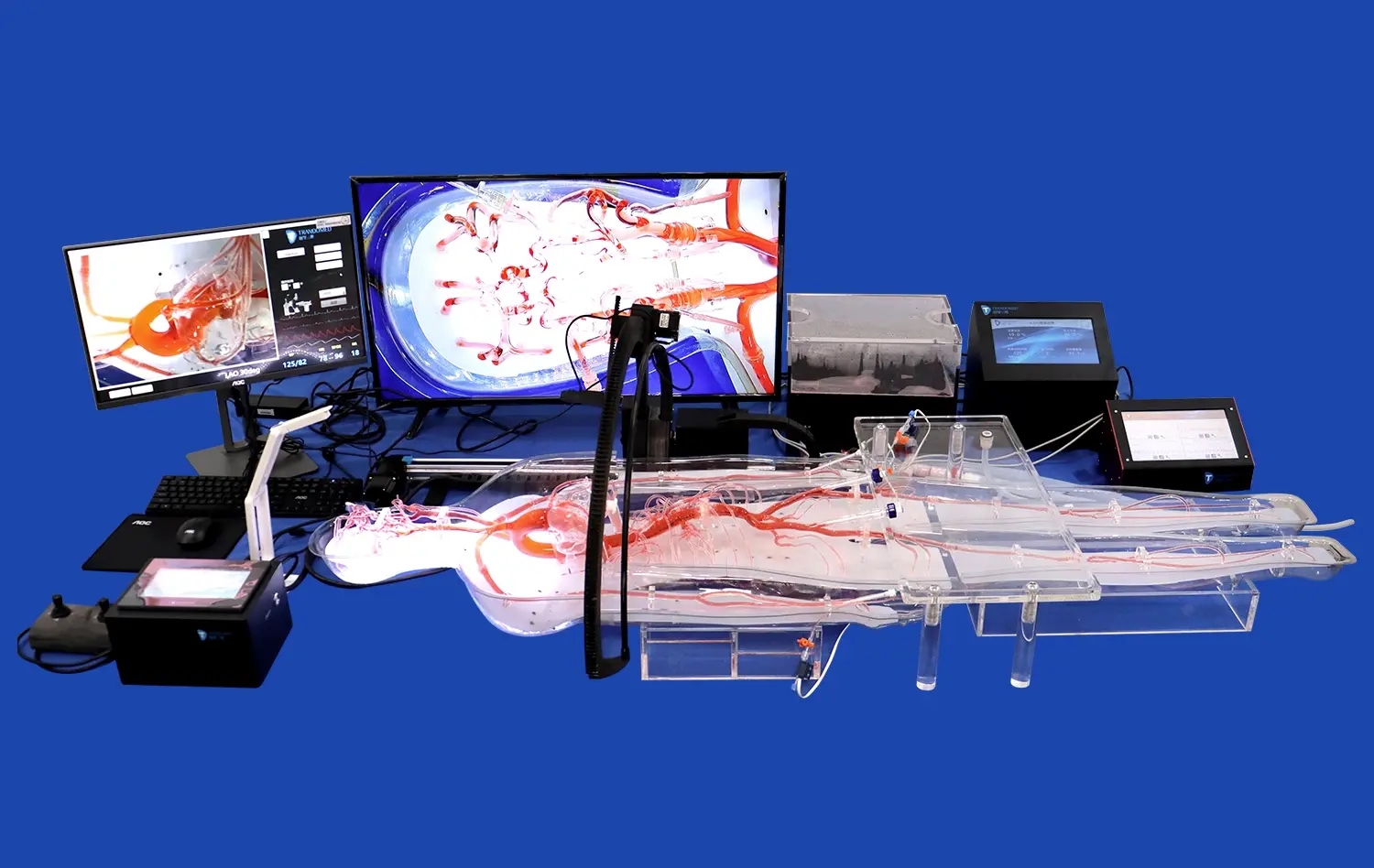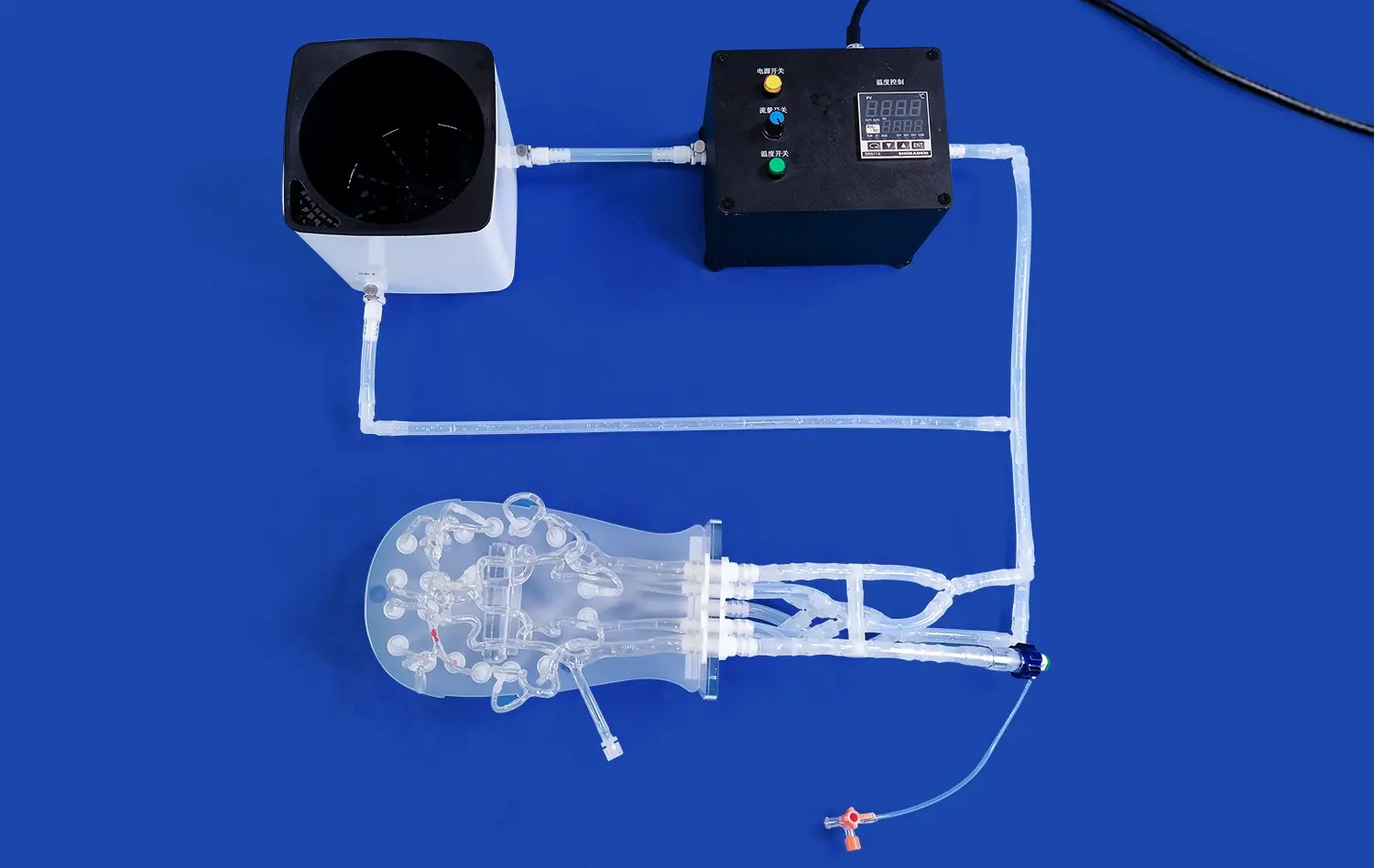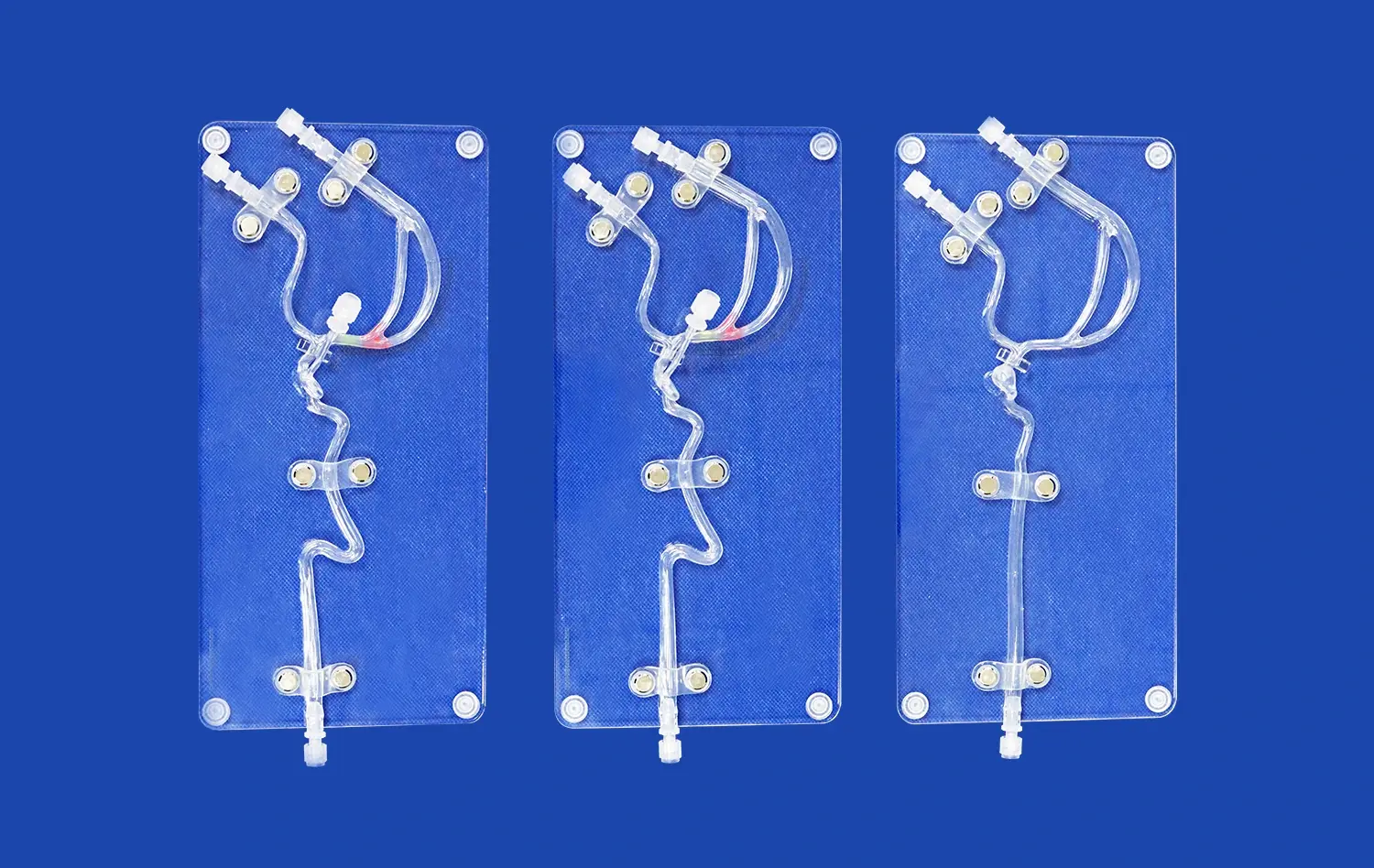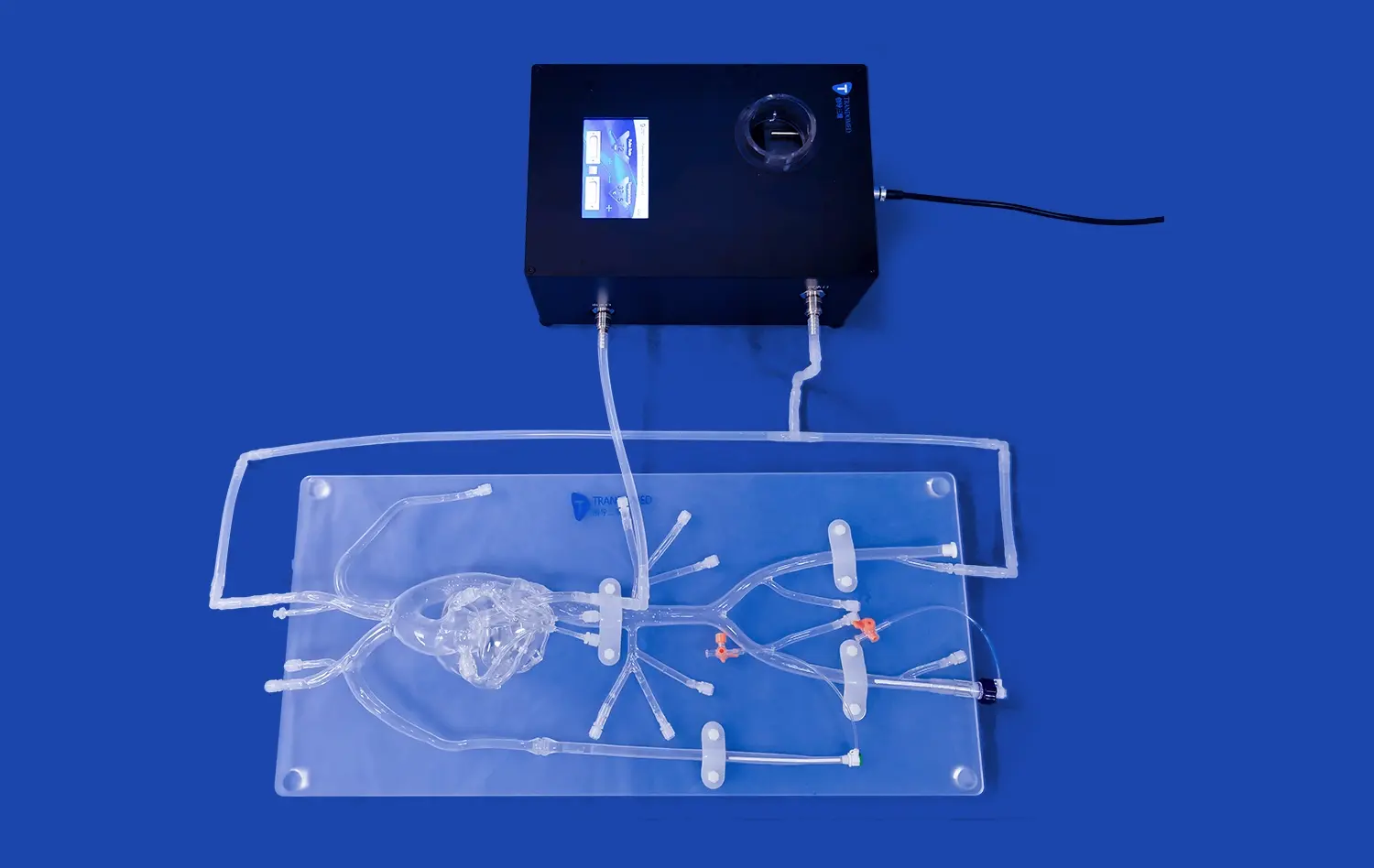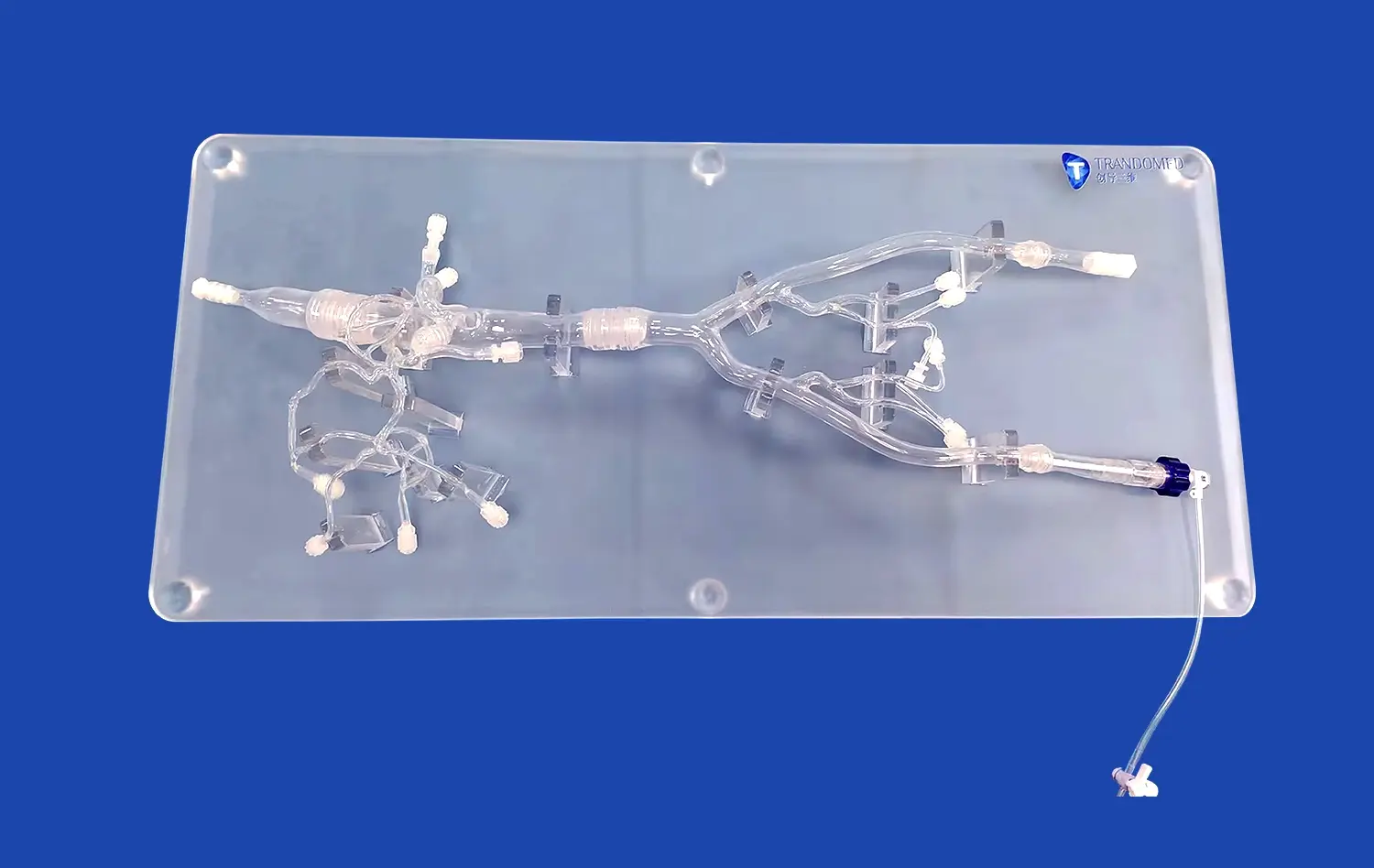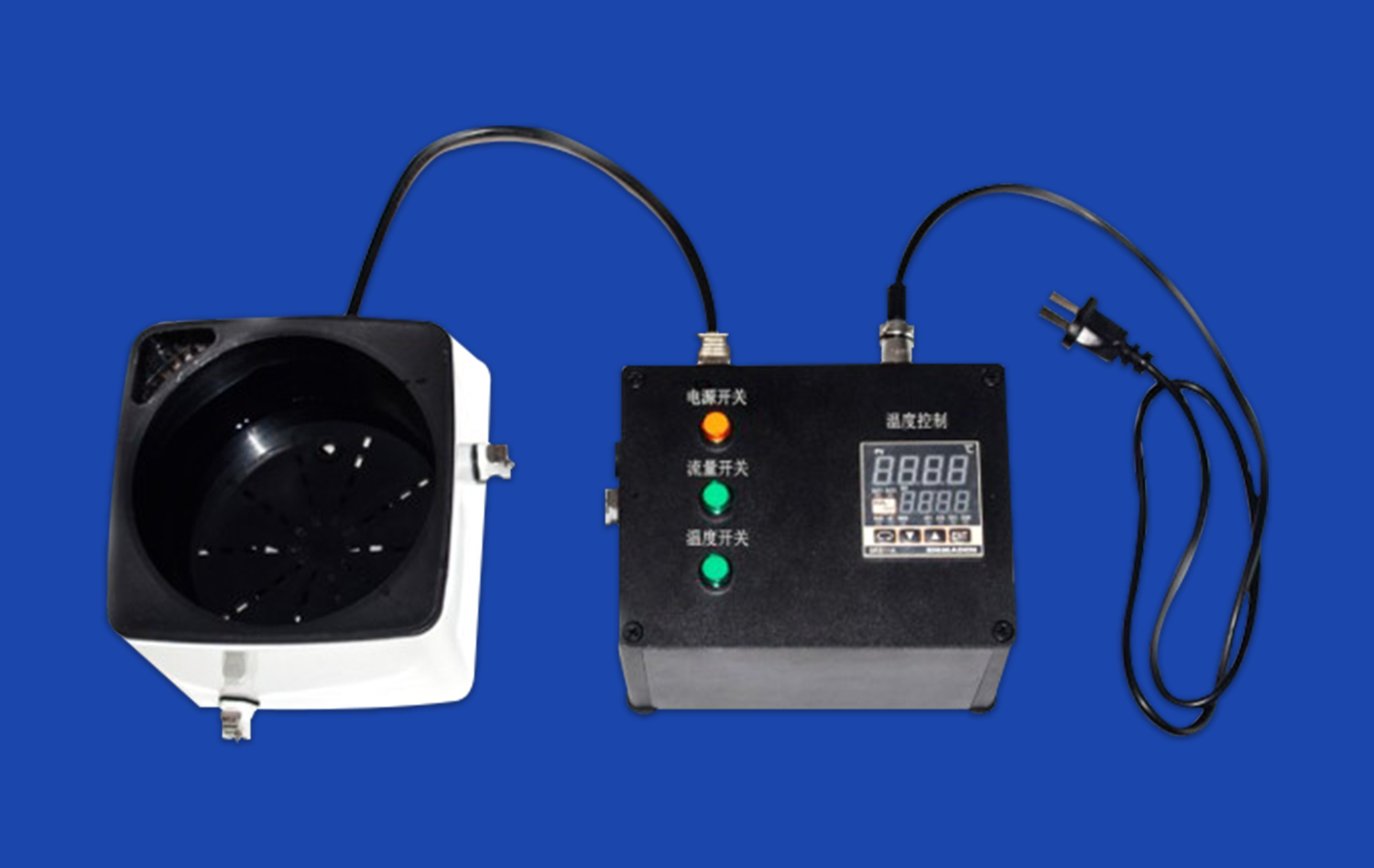

Using advanced 3D modeling technology to turn CT and MRI image data into very accurate models of the body, Trandomed is changing the way medical students learn. To make our human stomach models, we first need to get high-resolution scans of the patient. These scans are then processed with advanced segmentation methods to separate the different layers of the stomach, such as the muscular outer jacket, the thick middle layer of muscle, and the smooth inner lining. Using the newest 3D printing methods, we make models that are anatomically correct and durable so that they can be used in medical schools and clinics around the world for teaching and practicing medicine.

Understanding the Challenges in Creating Realistic Stomach Models
When medical teachers and healthcare workers use standard anatomy models for stomach-related training and study, they run into big problems. It is not very useful for clinical training when conventional production makes plain copies without the fine anatomy features that are needed for full medical education.
Limitations of Traditional Manufacturing Methods
Basic rubber or plastic materials are often used in stomach models, but these materials are too simple to accurately show how complicated human gut tissue really is. These simple models don't show important details like mucosal folds, differences in the muscle layer, and disease states that medical students and healthcare workers see in real life. Lacking physical features that are specific to each patient makes them a lot less useful for learning and for real-world application.
The Need for Advanced Imaging Integration
Modern medical training needs physical models that are more accurate than ever at showing how the human body is put together. CT and MRI scans show us a lot of detail about the anatomy of the body, which makes it possible to build realistic models. But, to turn this complex imaging data into real-life models, you need to have a lot of experience and knowledge in both making and imaging. This technology problem has caused a big hole in the medical education market that Trandomed fills with new ways of converting images to models.
The Core Process of Converting CT and MRI Data into Stomach Models at Trandomed
Through a carefully managed, multi-stage process, our all-encompassing production method converts medical imaging data into anatomically accurate human stomach models. Quality control and expert medical review are done in each step to make sure the end result meets high clinical and teaching standards.
Data Acquisition and Processing
The first step in the process is to get high-resolution CT and MRI scans from real patients. These scans give the information needed to make accurate models of the human body. Using complex medical imaging software, our specialized team works with these imaging files, carefully splitting up the stomach structures to make sure that each part of the body is separate. This thorough segmentation process catches the thin muscular outer jacket, thick muscle middle layer, and lubricious mucus lining that make up the human gut. This makes sure that our models show the real complexity of human anatomy.
3D Reconstruction and Digital Modeling
After successful segmentation, our engineers use reverse 3D modeling methods to turn image data into more accurate digital models. This process uses physical markers and can include abnormal changes if that is what the client wants. During our digital modeling phase, medical teachers can ask for models that show certain medical conditions or physical differences that are important for their training because there are choices that allow for customization.
Material Selection and Manufacturing
Choosing the right materials is very important for making models that are realistic and will last even after being used many times. The non-toxic, eco-friendly materials we use include specialty plastic blends that are a lot like rubber and human flesh. Our 3D printers and precision casting methods create models with great detail that can handle a lot of use in schools.
Advantages of Trandomed's Stomach Models for B2B Medical Clients
Our new way of making anatomy models is helpful to medical schools, gadget makers, and healthcare training sites. Our stomach models are more useful for teaching and for use in a variety of business settings than standard models.
Here are the main things that make our human stomach model options better than the rest:
- Exceptional Anatomical Accuracy: Using real patient CT and MRI data to make models of human stomach anatomy helps medical students and healthcare workers learn better because it shows exactly how the stomach looks, including the muscle layers and mucous structures.
- Comprehensive Customization Options: Our facility accepts customization without charging design costs, enabling clients to request models that reflect specific patient data, pathological conditions, or unique training requirements tailored to their educational objectives.
- Versatile Applications: Models can be integrated with complex systems for gastrointestinal device testing, surgical planning simulations, and comprehensive medical education programs spanning multiple healthcare disciplines.
- Quality Assurance Standards: Experts in medicine and thorough testing methods check each model carefully to make sure that it is anatomically correct, safe, and useful.
These benefits help our business-to-business customers improve their training programs while also giving students and workers direct experience with clinically realistic, physically correct teaching aids.
Competitive Procurement Solutions
Our buying method is quick and can handle orders of any size and shipping needs. We make sure that institutions around the world get their packages on time. We offer multiple sending choices, such as FedEx, DHL, EMS, UPS, and TNT, with wait times of 7 to 10 days. Distributors and OEM makers looking for dependable human stomach models providers can work with us because our prices are clear and we can take big orders.
Case Studies: Successful Applications of Trandomed's Stomach Models
Hospitals and medical schools around the world have been able to use our anatomy models in their teaching and practice programs. This shows that our method of making models with CT and MRI data is both useful and effective.
Medical Education Enhancement
When our stomach models are used in class, top medical schools say that students are more interested and learn more about anatomy. A accurate model of the stomach's anatomy helps students to better understand how the body normally works and how it can get sick by feeling and looking at it in person. Because of these training perks, grads are better at doing their jobs and taking care of patients.
Clinical Training Applications
Hospitals that use our patient-specific models to plan surgeries ahead of time see better results for patients and more accurate surgeries. Surgeons can practice difficult surgeries on models that look exactly like their real patients. This makes surgeries safer and more likely to succeed. This application shows how physically correct teaching tools can be useful in professional healthcare situations.
Company Profile and Product Services
Ningbo Trando 3D Medical Technology Co., Ltd. (Trandomed) is the first company in China to professionally work in medical 3D printing, and for more than 20 years, they've been focused on researching and developing new technologies in the area of medical 3D printing. We have a lot of experience making, selling, and designing very realistic 3D printed medical models and simulations that can be used for many different clinical and teaching purposes.
Our wide range of products includes 3D printed models of blood vessels, high-quality simulators for blood vessels, camera training tools, surgery models for medicine, and devices for simulating cardiovascular hemodynamics. The Human Stomach Model (Product No. HSX006) is an example of how we are dedicated to accuracy in anatomy and high-quality education. We use real image data from patients to make models that improve the quality of medical training.
While providing a wide range of unique options that are specifically designed to meet the needs of each individual client, we keep strict standards for quality control in all of our production processes. Because we are global, we can provide medical institutions, wholesalers, and OEM makers around the world with scalable options that can handle both small and large order amounts.
Conclusion
Trandomed's new way of making stomach models from CT and MRI data is a big step forward in medical education technology. Our thorough production process uses both sophisticated image analysis and exact 3D printing to make models of the body that are very helpful for teaching people about medicine all over the world. Using real patient data makes sure that our models show the body in a real way. This helps people learn more and improves the quality of professional training. We are the chosen partner for groups wanting reliable, physically correct teaching tools that meet strict professional standards because we are dedicated to quality, flexibility, and customer support.
FAQs
How accurate are Trandomed's stomach models compared to real human organs?
By using high-resolution CT and MRI images with exact segmentation and modeling methods, our stomach models are able to show the human body in a very accurate way. This method makes sure that the tissue layers, shapes, and disease-related features are all very realistic, making it more useful for doctors to teach and practice medicine.
Can Trandomed customize stomach models to reflect specific medical conditions?
Yes, we offer a lot of different ways to customize things using image data from the client, and we don't charge for design. Our custom models can show specific medical conditions, differences in anatomy, or unique abnormal traits. This makes it possible to create personalized training tools that deal with specific clinical situations for surgery planning, testing, and specialized medical education.
What are the typical lead times and shipping options for bulk orders?
It usually takes us 7 to 10 days to make a model, but it depends on how complicated the model is and how much it needs to be customized. We support foreign operations by working with many shipping companies, such as FedEx, DHL, EMS, UPS, and TNT. This gives our global and institutional customers a range of delivery choices to meet their needs, including last-minute deliveries and shipments of many boxes at once.
Partner with Trandomed as Your Trusted Human Stomach Model Manufacturer
Using physically correct human stomach models that use the latest CT and MRI imaging technology will improve your medical education and training programs. When it comes to 3D medical printing, Trandomed is the best. They offer unique solutions that meet a wide range of training and clinical needs in places around the world. Because we are dedicated to quality, creativity, and customer happiness, we are the best human stomach model provider for schools that want dependable, anatomically correct teaching aids.
See how using accurate anatomy modeling can improve your training plans. Our committed team offers professional advice, in-depth product knowledge, and full assistance during the buying process. Learn how our state-of-the-art making tools can help you offer more educational programs and improve the way medical workers are trained.
Are you ready to look through our long list of products and talk about what you need? For full prices, technical specs, and information on how to customize your order, please email us at jackson.chen@trandomed.com.
References
Johnson, M.K., et al. "Advanced Medical Imaging Applications in Anatomical Model Development." Journal of Medical Education Technology, vol. 15, no. 3, 2023, pp. 45-62.
Chen, L.W., and Rodriguez, A.M. "3D Printing Technologies in Medical Education: A Comprehensive Review." International Journal of Medical Simulation, vol. 28, no. 2, 2023, pp. 112-128.
Thompson, R.J., et al. "CT and MRI Data Integration for Enhanced Medical Model Accuracy." Medical Imaging and Manufacturing Quarterly, vol. 12, no. 4, 2023, pp. 89-104.
Williams, S.E., and Park, K.H. "Anatomical Model Effectiveness in Medical Training Programs." Healthcare Education Research, vol. 31, no. 1, 2024, pp. 23-39.
Davis, M.C., et al. "Quality Standards for Medical 3D Printing Applications." Biomedical Manufacturing Standards, vol. 19, no. 2, 2023, pp. 156-171.
Liu, X.Y., and Anderson, P.R. "Gastric Anatomy Representation in Educational Models: Accuracy Assessment." Anatomical Sciences Education, vol. 16, no. 5, 2023, pp. 78-93.