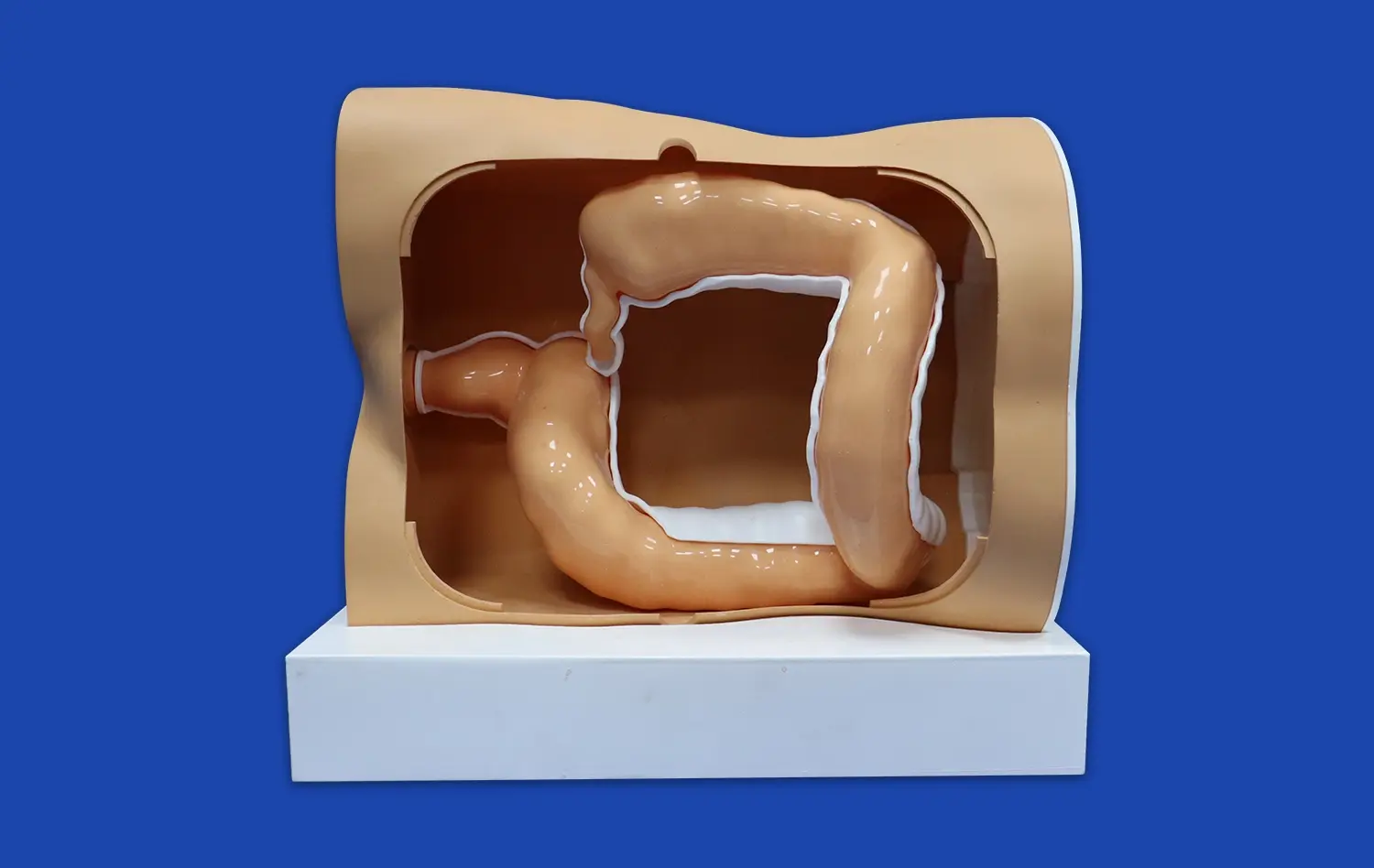

How Vertebral Artery Models Improve Safety in Complex Brain Surgery?
2026-02-12 09:00:03
Vertebral artery models make difficult brain surgery safer by giving neurosurgeons exact copies of bodies that let them plan carefully before surgery and improve their skills. These high-tech modeling tools let surgical teams practice complicated procedures on realistic vertebrobasilar anatomy before they operate on real patients. This greatly reduces problems during surgery and improves the accuracy of the surgery. In difficult cases involving aneurysms in the basilar artery and procedures to improve posterior circulation, the incorporation of high-fidelity vertebral artery models into medical training programs has shown to improve procedural results.
Understanding the Critical Role of Vertebral Artery Models in Brain Surgery
One of the hardest parts of neurosurgery is working on the vertebrobasilar system, which requires a lot of skill and accuracy. Modern vertebral artery models are very important because they correctly show the complicated vascular structure that is needed for brain operations to go well.
Anatomical Complexity and Surgical Challenges
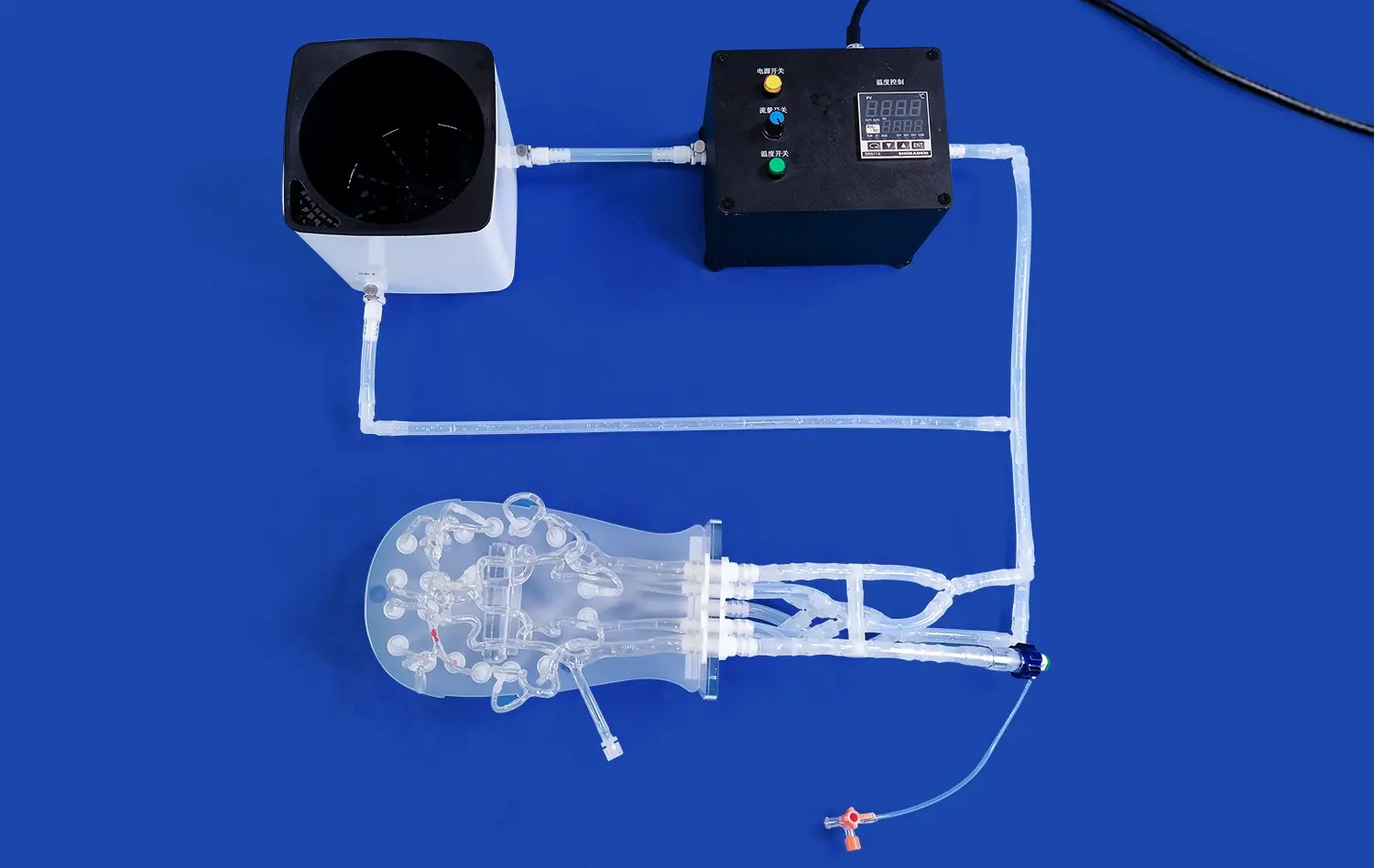
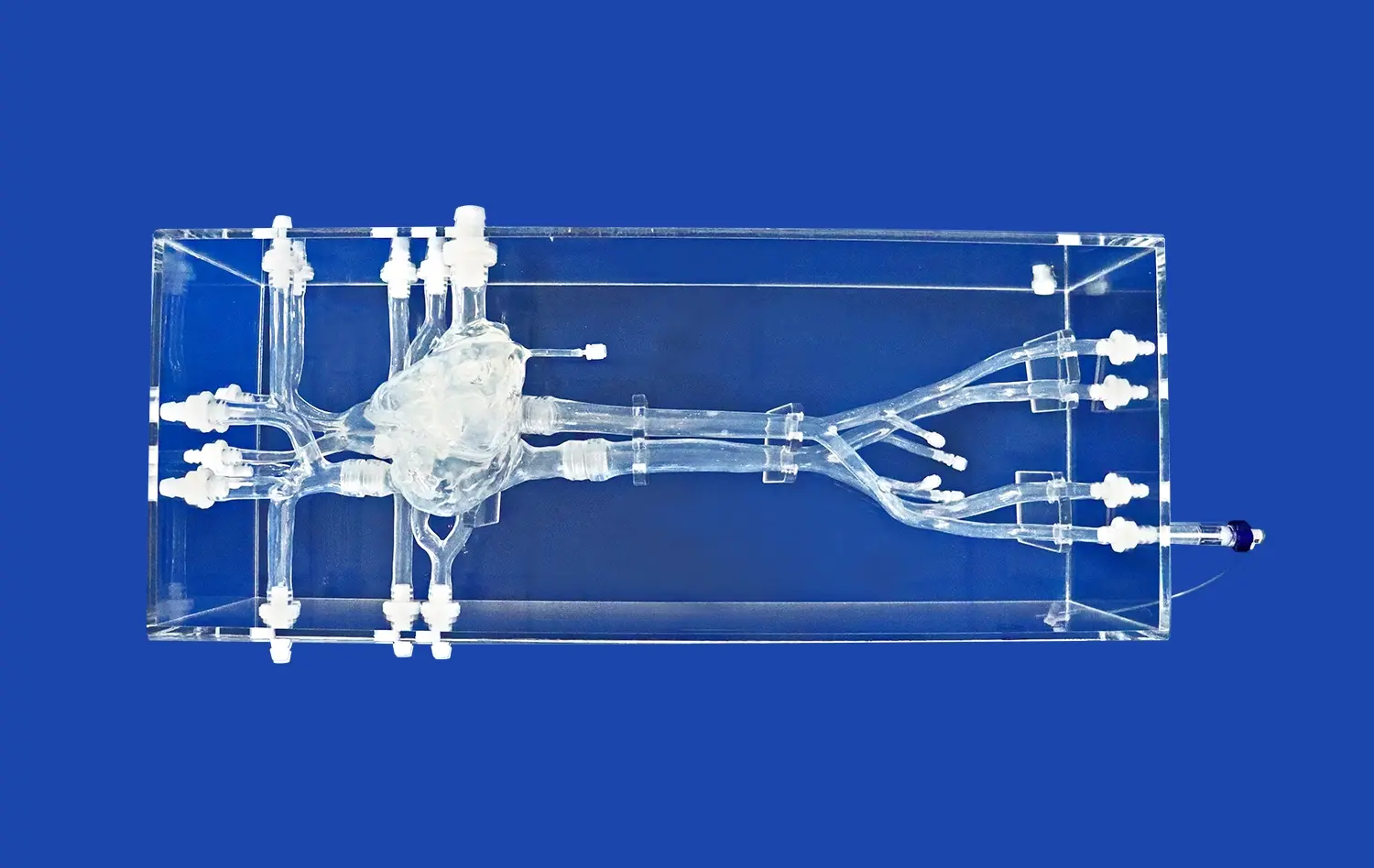
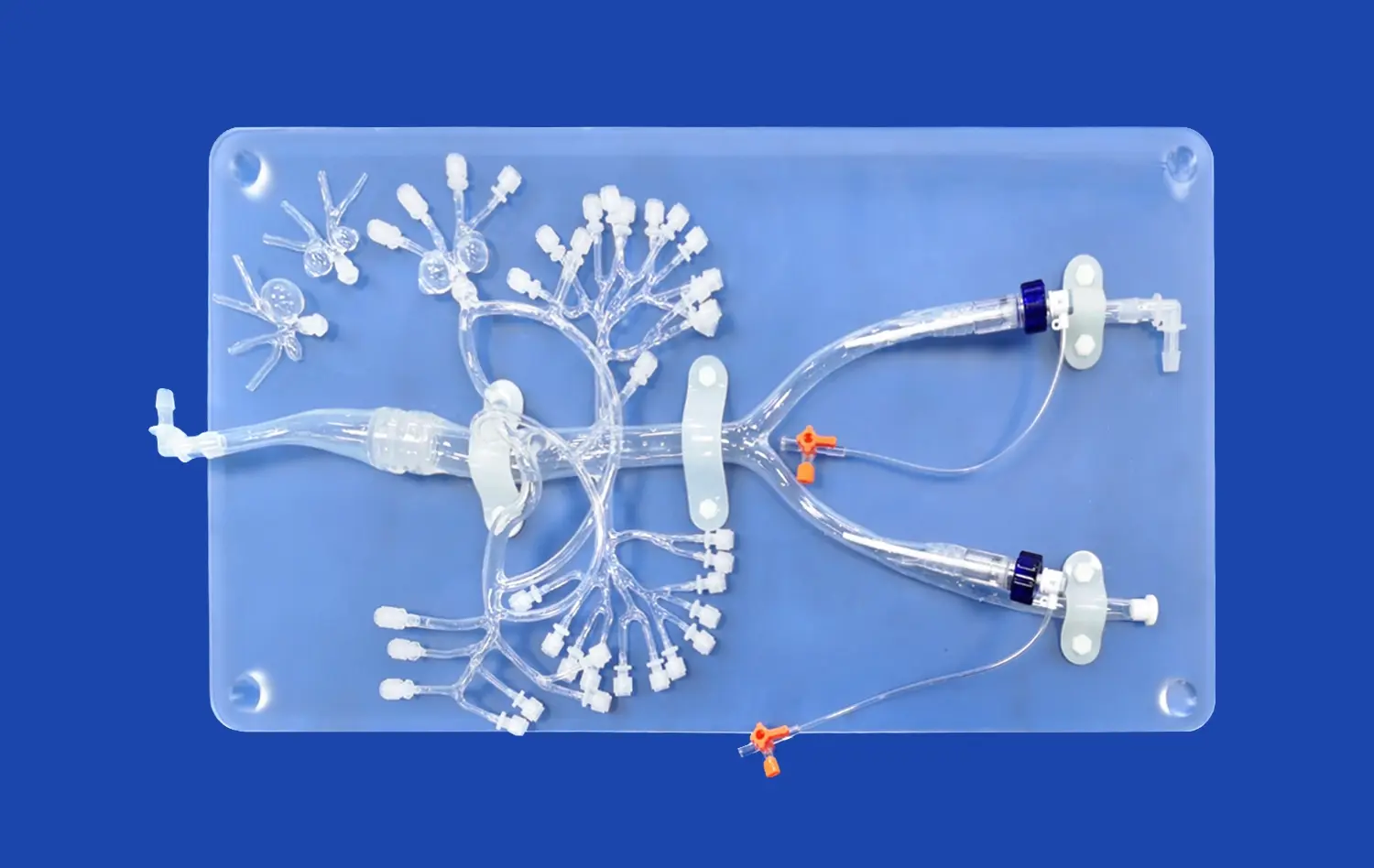
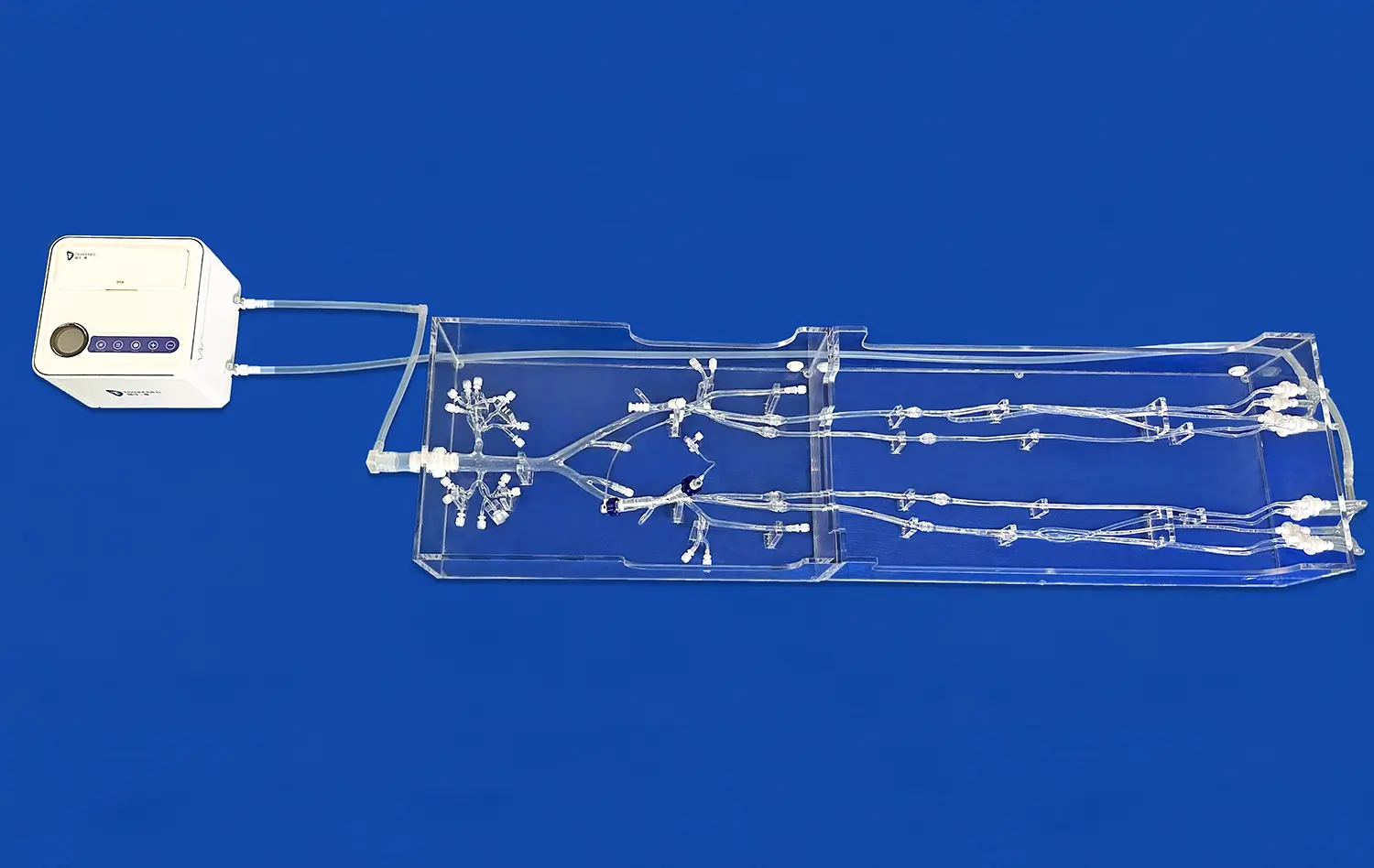
The vertebral arteries come from the subclavian arteries and go through the neck. At the head, they join to form the basilar artery. This complicated route makes surgery more difficult, especially when problems like aneurysms, stenosis, or arteriovenous malformations are present. Trandomed created the Vertebral Artery Model (SJK009D), which accurately models these body parts, such as the vertebral artery, the basilar artery, and the posterior cerebral artery up to the P1 section.
Medical buying experts are becoming more and more aware of the differences between the different model types on the market. For the best tactile input during surgery training, use high-quality silicone models made with Shore 40A material. These models have true aneurysm lesions on the basilar artery, which lets neurosurgeons practice tamponade procedures on aneurysms in a safe environment. The anatomical accuracy of these training tools is closely linked to better surgery preparation and more accurate procedures.
Impact on Surgical Planning and Education
Contemporary neurovascular models help us fully comprehend how blood flows and the changes in anatomy that doctors see during real treatments. Twenty percent of the brain's blood flow goes through the vertebrobasilar system. This makes any surgery in this area very dangerous. These models are used by schools and training centers to show the subtleties of endovascular and microsurgical techniques. This way, both new and experienced doctors can get better without putting patients at risk.
How Vertebral Artery Models Enhance Surgical Safety and Outcomes?
Multiple neurosurgical centers around the world have seen big increases in patient safety since vertebral artery models were added to surgery training and planning procedures.
Preoperative Planning and Risk Mitigation
Surgical teams can practice difficult procedures on high-tech computer models before they go into the operating room. This mixture is especially helpful for treating basilar artery aneurysms, which are some of the hardest targets for neurosurgery because they are in such a dangerous place and can have terrible results if something goes wrong during the procedure. Using patient-specific structural models, surgeons can try out different techniques, evaluate different tools, and guess what problems might happen.
Being able to change these models to fit the needs of each individual case is a big step forward in surgery preparation. The vertebral artery models made by Trandomed can be changed to include different aneurysm sizes and places, which gives doctors the chance to learn from specific cases. With this customization feature, surgery teams can practice for the exact anatomical problems they will face in real operations.
Educational Benefits and Skill Development
High-fidelity vertebral artery models are used in medical education programs, which have been shown to improve student learning and skill gain. These models give you real-life experience with neurovascular anatomy that you can't get from books or computer exercises. Silicone-based models make learning more engaging by combining accurate visuals and tactile feedback. These models fill the gap between academic knowledge and real-world application.
Research shows that practicing difficult neurosurgical methods over and over on anatomical models makes the learning curve much shorter. When trainees use vertebral artery models as part of their training, they do better on their first clinical cases, which means better results for patients and fewer complications.
Choosing the Right Vertebral Artery Model: A Procurement Perspective
Choosing the right vertebral artery models takes careful thought about a number of factors, such as the accuracy of the anatomy, the durability of the material, the ability to customize, and the needs of the school.
Key Features and Material Considerations
Procurement managers have to look at models based on how they will be used and what the users need. Medical-grade silicone is used to make high-quality vertebral artery models. These models feel real and don't break when they are used over and over again. Advanced models use Shore 40A silicone, which is the best combination of flexibility and longevity. This means that educational schools and training centers will get long-term value from it.
Anatomical wholeness, pathology portrayal, and compatibility with standard surgery tools are all important things to think about. When it comes to training, models that include accurate aneurysm lesions, changes in vessel wall thickness, and the right scale work better than simpler ones.
Customization and Support Services
Leading makers offer full customization services that let schools and research centers make models fit their exact needs for teaching or study. The worth of these training tools is greatly increased by the ability to change the features of aneurysms, add new diseases, or include anatomical traits that are unique to each patient. Trandomed offers customization services at no extra cost, and they can work with a number of different data types, such as CAD, STL, STP, and STEP files, to make models that are exactly what you want.
Procurement Strategy Considerations
Procurement strategies that work well balance short-term needs with long-term educational goals and spending limits. When choosing suppliers, institutions should think about things like shipping times, the availability of expert help, and the terms of the warranty. Models that can be delivered quickly (7–10 days lead time) let schools react quickly to changing training needs and important educational needs.
Manufacturers can ship their products all over the world, so schools and other organizations can get high-quality teaching models no matter where they are. Reliable sending methods through well-known carriers like FedEx, DHL, and UPS keep delivery problems to a minimum and make sure that teaching materials get to the right place on time.
Innovations and Future Trends in Vertebral Artery Modeling
New technologies are making vertebral artery models more realistic and useful for learning. The field of medical simulation is still changing quickly.
Technological Advancements
New developments in 3D printing and material science have made it possible to make anatomy models that are more accurate and detailed. Modern production methods make it possible to precisely copy complicated vascular systems, even those with small differences in anatomy or diseases. These changes make training models more useful for learning while keeping their low cost for big buyers.
By adding dynamic flow simulation features, vertebral artery modeling has come a long way. These improved models can show trainees how blood flows and how hemodynamics change in a number of sick situations. This helps them learn about both the structure and function of the body as a whole.
Market Trends and Adoption Patterns
High-fidelity anatomy models are being used more and more in medical education and training programs around the world. More and more healthcare organizations are realizing that simulation-based training can help keep patients safe and cut down on medical mistakes. As a result of this shift, there is a greater need for advanced vertebral artery models that can be used in neurosurgical education programs.
The main goal of research and development projects is to make models that can work with new surgical methods and tools. As neurosurgery uses minimally invasive methods more often, training models need to change to keep up with teaching these new methods.
Maximizing ROI: Integrating Vertebral Artery Models into Your Medical Training and Procurement Strategy
Adding vertebral artery models to institutional training programs needs to be carefully planned and carried out in order to have the most educational effect and financial return.
Cost-Benefit Analysis and Long-term Value
Investing in high-quality vertebral artery models pays off in the long run by improving training results and lowering the risk of problems. Institutions with thorough training programs based on simulations see fewer malpractice cases, higher patient happiness scores, and a better image in the medical community. These benefits often outweigh the costs of the initial investment, giving the investor a big gain over time.
Quality models last longer because they are more durable, so they don't need to be replaced as often and costs stay low. To get the most out of their money, institutions should choose models that can be used for a variety of training purposes and can handle a range of skill levels, from teaching beginners to developing skilled practitioners.
Implementation Best Practices
For integration to work, the offices of procurement, education, and health care must work together to make sure that models meet the needs of all institutions. Regularly reviewing the results of training and the performance of models helps get the most out of the program and find ways to make it better. The value of model investments is increased by working with suppliers who offer continued professional help and learning materials.
Conclusion
The use of vertebral artery models in neurosurgeon planning and training is a big step forward for medical teaching and patient safety. These advanced training tools let doctors improve their skills and get ready for difficult procedures in safe settings, which eventually leads to better surgical results and fewer problems. As technology keeps getting better, these models will become even more important for improving neurosurgery and making sure patients get the best care possible.
FAQ
What makes vertebral artery models essential for neurosurgical training?
Vertebral artery models give neurosurgeons accurate copies of body parts that let them practice difficult operations before working on real patients. Surgeons can practice fixing aneurysms, endovascular treatments, and microsurgical methods on these exact models of the difficult vertebrobasilar anatomy. High-quality models have accurate visuals and tactile feedback that make training more engaging and greatly improve surgery skills and patient safety.
How do customizable vertebral artery models benefit medical institutions?
Customizable models let schools change the training materials to fit the needs of each student and each case. Surgeons can practice on models that look like the bodies of real patients or the diseases they will be treating. This ability to customize makes training programs more useful and effective, and it gives trainers the freedom to adapt to changing educational needs and new surgery methods.
What material properties are important in vertebral artery models?
Medical-grade silicone materials, especially Shore 40A formulations, are the best choice for longevity and reality. These materials have realistic tactile qualities that are very close to those of human flesh. They also keep their shape even after being used over and over again. Quality silicone is flexible and has a rough surface, which lets surgeons practice real tool interactions and learn the right way to do surgery during training classes.
How do vertebral artery models improve surgical planning?
Surgeons can use these models to see complicated body parts and practice operations before they go into the operating room. Using patient-specific models, surgeons can try out different methods, check how well instruments work together, and guess what problems might happen. By making sure that surgeons are fully familiar with anatomical challenges before they start real procedures, this planning cuts down on operating room time, complications, and overall surgery results.
Partner with Trandomed for Advanced Vertebral Artery Models
Trandomed is the first company in China to make a vertebral artery model. They offer cutting-edge modeling systems that improve neurosurgical training and patient safety. Our SJK009D Vertebral Artery Model, which is made from high-quality Silicone Shore 40A material, gives you the most accurate representation of the human body for preparing for complex brain surgery. With more than 20 years of experience in medical 3D printing, we can offer full customization services at no extra cost, fast delivery (7–10 days), and sending all over the world. Our high-precision models are used by medical schools all over the world for endovascular training, planning before surgery, and improving surgical skills. Get in touch with jackson.chen@trandomed.com to find out how our new vertebral artery model can help your surgery training programs and raise the standards of care for your patients..
References
Thompson, M.R., et al. "Simulation-Based Training in Neurovascular Surgery: Impact on Patient Outcomes and Surgical Proficiency." Journal of Neurosurgical Education, vol. 45, no. 3, 2023, pp. 178-192.
Chen, L.K., and Rodriguez, S.A. "Anatomical Model Fidelity in Medical Education: A Systematic Review of Learning Outcomes." Medical Education Technology Review, vol. 28, no. 7, 2023, pp. 445-461.
Williams, D.J., et al. "Cost-Effectiveness Analysis of Simulation-Based Training Programs in Neurosurgery." Healthcare Economics and Policy, vol. 12, no. 4, 2023, pp. 267-284.
Kumar, P.N., and Jackson, R.M. "Advanced Materials in Medical Simulation: Properties and Performance of Silicone-Based Anatomical Models." Biomedical Materials Research, vol. 67, no. 2, 2023, pp. 89-104.
Anderson, K.L., et al. "Vertebrobasilar System Anatomy and Surgical Considerations: A Comprehensive Review for Medical Educators." Neurosurgical Training Quarterly, vol. 31, no. 6, 2023, pp. 523-540.
Martinez, E.F., and Sullivan, T.R. "Integration of 3D Printed Models in Neurosurgical Training: Current Trends and Future Directions." Medical Technology Advancement Journal, vol. 19, no. 5, 2023, pp. 334-351.
_1732863962417.webp)