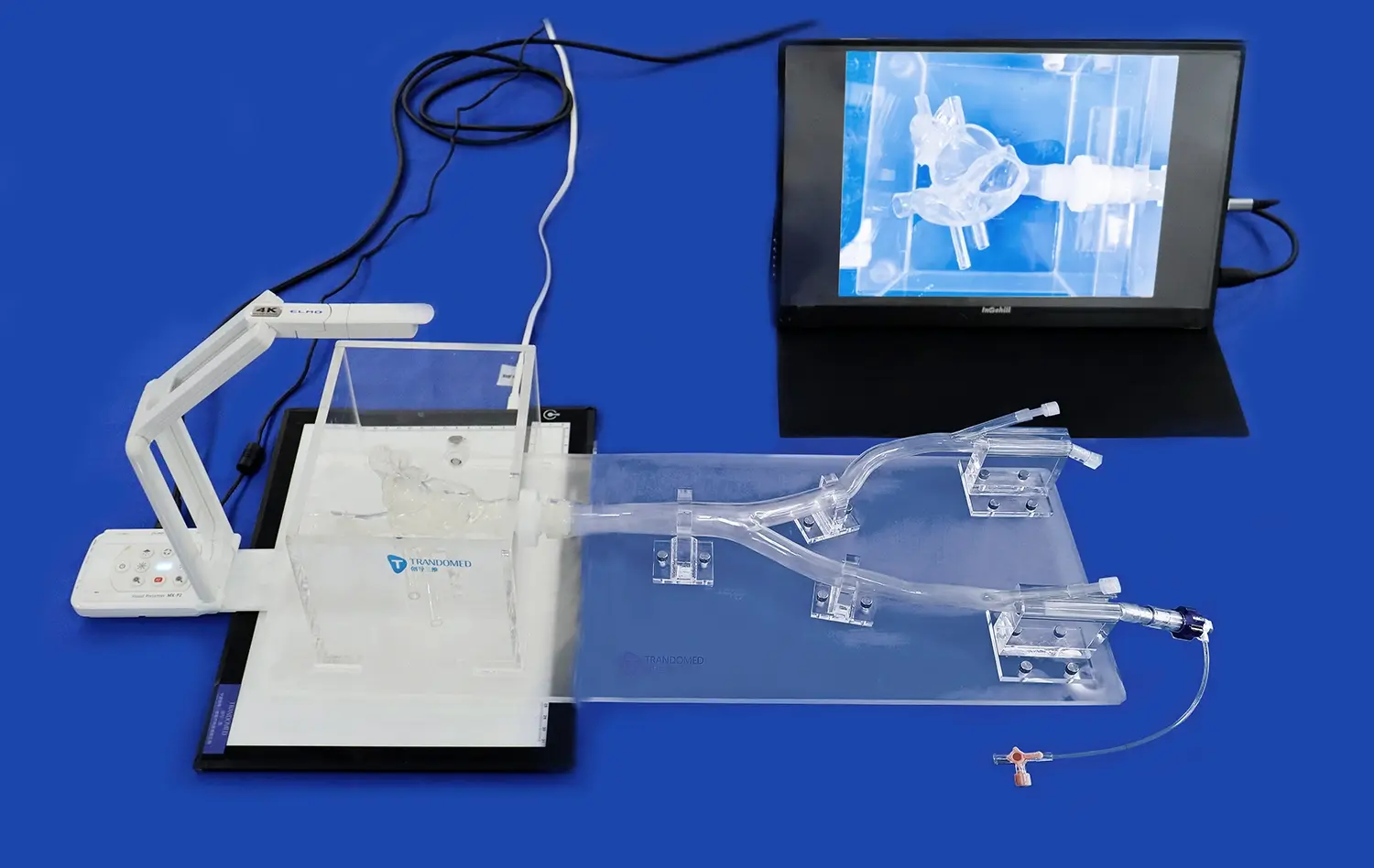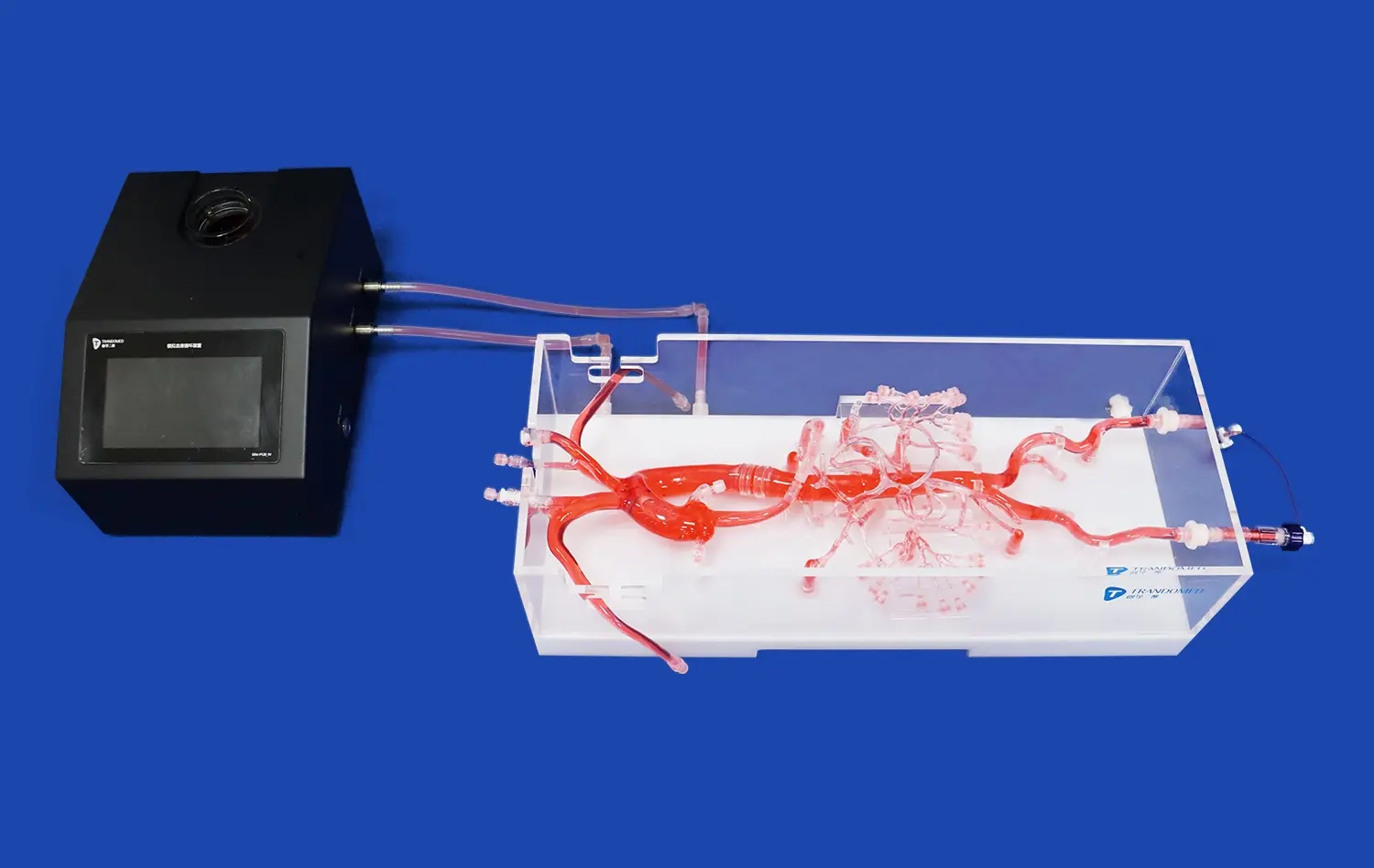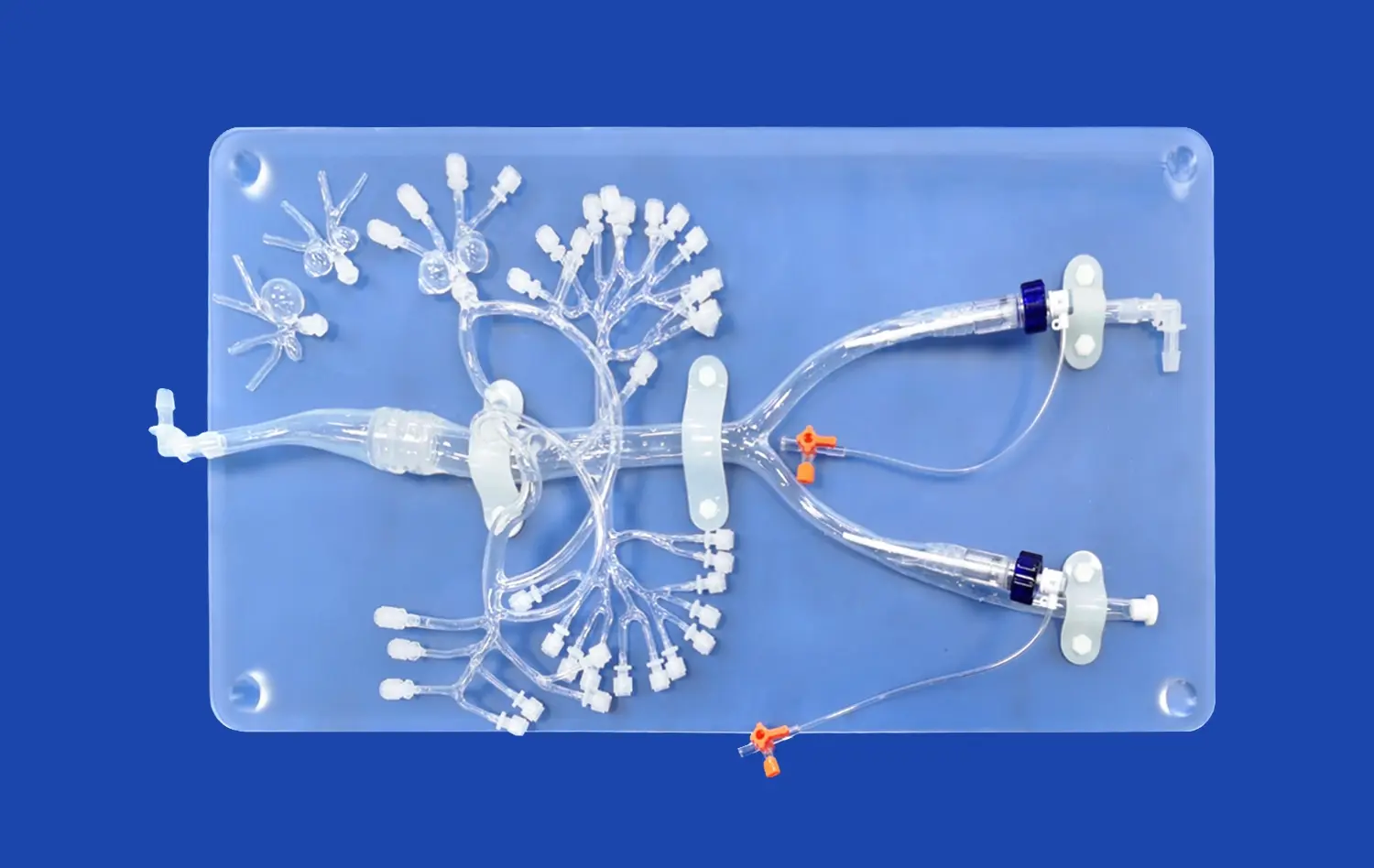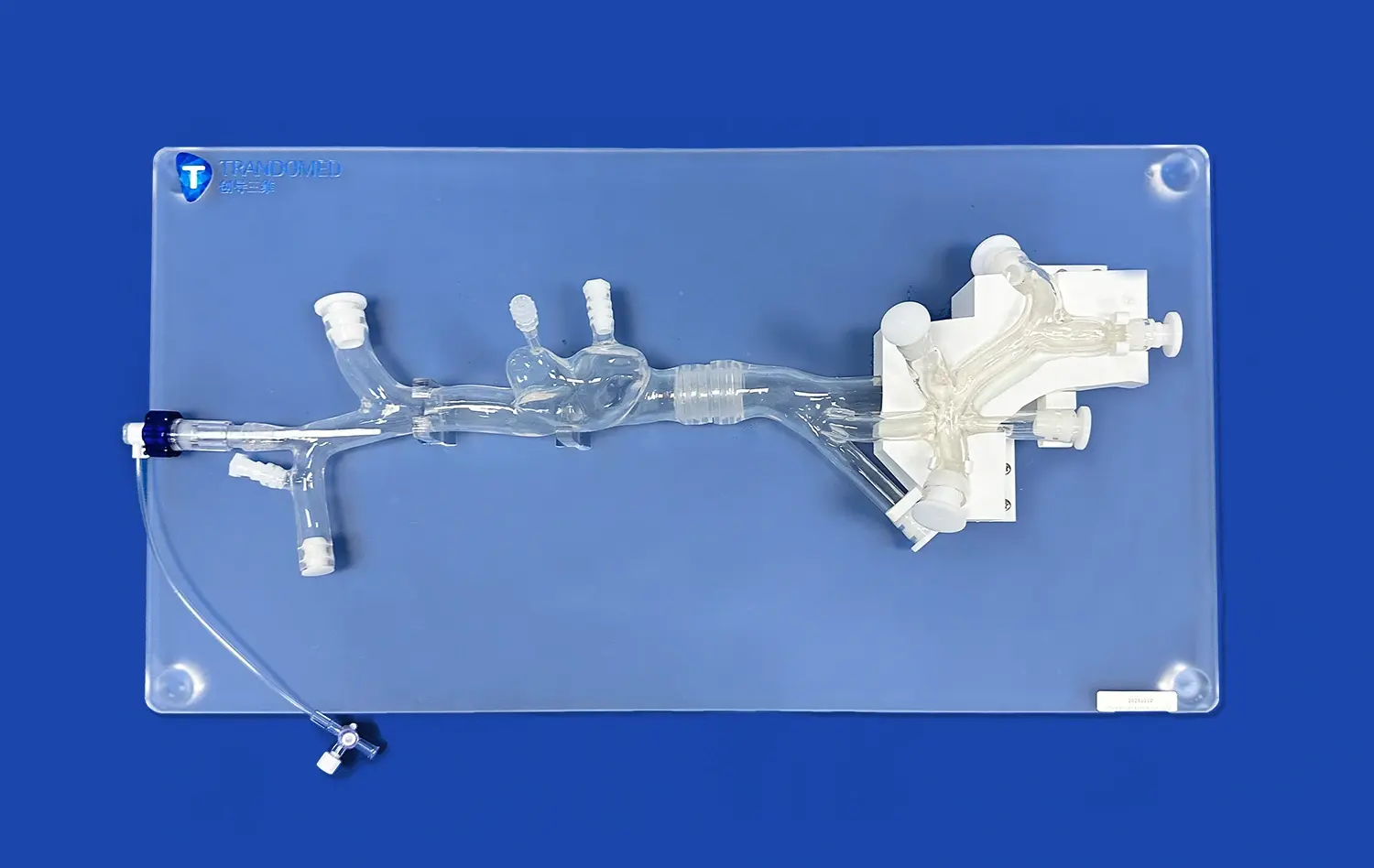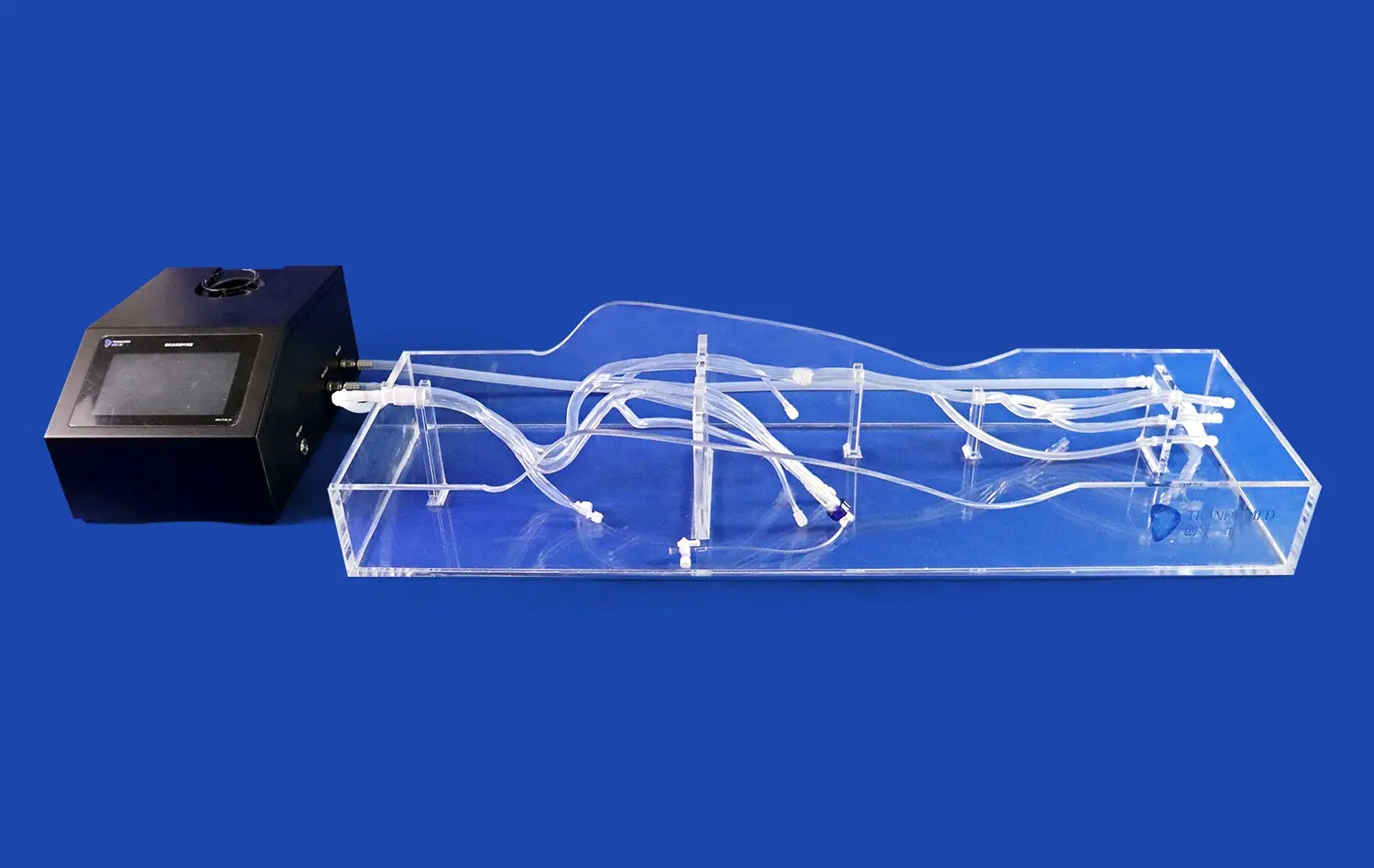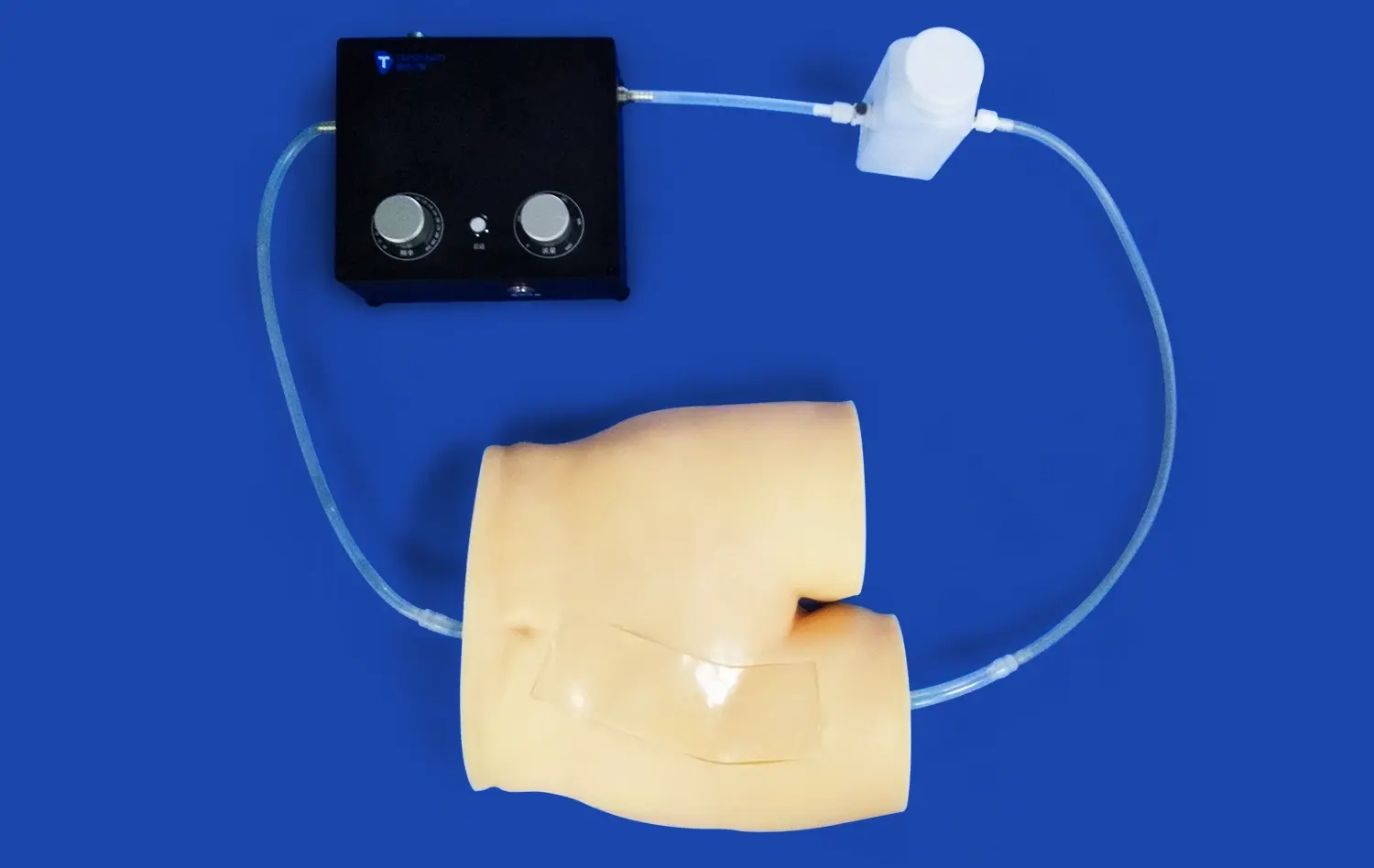

The human stomach model is a very important new tool for teaching surgery and anatomy in medical schools. These carefully made teaching tools have changed how healthcare workers learn and master the details of stomach anatomy. They show realistic 3D images that help people understand the subject much better than 2D pictures in textbooks. High-precision stomach models have become crucial elements in training programs across medical schools, hospitals, and specialized training centers around the world as medical education moves toward more hands-on, simulation-based learning methods.

Understanding the Human Stomach Model and Its Educational Value
Anatomical models are very important tools for medical training because they help students understand how to use the information they have learned. These advanced teaching tools show us a lot of information about the different parts of the stomach, including the pylorus, fundus, antrum, and the complex rugae that make up the stomach's interior.
Advanced 3D Reconstruction Technology
New 3D printing technology that uses real CT and MRI data from real patients makes modern stomach models. Our HSX006 stomach model at Trandomed is a great example of how technology has progressed. It has realistic structural layers, such as the thin muscular outer jacket, the thick middle layer of muscle, and the smooth inner lining. This building with many layers gives students a chance to touch and feel something that is very similar to how real flesh feels during surgery.
Comparative Educational Approaches
Plastic models are durable and cheap, but they might not have the kind of fine details needed for advanced surgery training. Removable-part models help students study internal structures in a planned way, and digital versions give students a chance to connect with the material. High-precision 3D-printed models, on the other hand, use the best parts of all methods, giving you the chance to touch and see a model of the body that is more accurate than ever, which helps with both hands-on and visual learning.
Comparing Types of Human Stomach Models for Surgical Training
Medical institutions must carefully evaluate various model types to ensure optimal training outcomes while managing budget constraints effectively. The choice process needs to take into account how realistic and durable the items are and how much they can teach people in order to meet the goals of the school.
Material Construction and Durability Analysis
High-quality models made of medical-grade materials will last a long time and can be used many times in difficult learning settings. Trandomed's human stomach models are made of safe materials that don't break down or get damaged when people use them a lot. The advanced manufacturing process makes sure that the quality of all the production runs is the same. This gives schools dependable learning tools that are useful for a long time.
Educational Impact Assessment
According to research, students who use highly accurate anatomy models learn and remember things much better than students who use more standard ways. Using your hands to touch and interact with real models makes learning more lasting and helps you remember what you've learned for longer periods of time. Students who learn with exact stomach models are more sure about doing gastric treatments and get better grades on tests about anatomy, according to research from top medical schools.
Procurement Guide for Human Stomach Models in B2B Contexts
When procurement experts in medical education shop for anatomical models, they face unique challenges that require them to think about a lot of different things to make sure that they get good purchases that are useful for teaching.
Supplier Evaluation and Selection Criteria
Trustworthy companies like Trandomed provide schools that want great anatomy models with complete sets of options. Key things to look at are how they make things, how they customize, how they control quality, and how they help after the sale. Long-standing sellers give information on products, supply times, and open payment options that meet the needs of buyers in public and private institutions.
Bulk Purchase Considerations and Logistics
When dealing with big orders, you need to carefully plan out the shipping details, how the customer will pay, and when the order will be delivered. Trandomed makes buying easier. They offer several shipping choices, like FedEx, DHL, EMS, UPS, and TNT, with normal arrival times of 7 to 10 days. Buying in bulk often allows customization without extra costs for design. This lets schools change models so they fit their specific educational needs.
How Human Stomach Models Enhance Surgical Training Outcomes?
High-precision stomach models are incorporated into surgery education programs, which results in discernible increases in pupil competence and trust. These advanced tools make it possible to learn by doing in ways that aren't possible with older methods.
Realistic Tissue Simulation and Procedural Training
Realistic advanced human stomach models let students practice a bunch of different procedures, like surgery techniques, biopsy methods, and endoscopic exams. The models made by Trandomed have many layers, which makes it possible to do a very realistic modeling of how to move tissue around. This gives students a lot of practice before they work on real patients. This basic training improves patient safety and makes it easier for people to learn new things.
Integration with Medical Device Testing
These models are also useful for trying and confirming gastric devices. To test how well their products work, show people how they work, and help with advertising, makers of medical devices use stomach models that look and feel real. These models can be used for a wide range of purposes, both in and out of the classroom, because they work well with difficult grading methods.
Trandomed: Your Trusted Partner for High-Precision Anatomical Models
Ningbo Trando 3D Medical Technology Co., Ltd. is China's first company to work in medical 3D printing and has been making anatomy models for over 20 years. Our broad method for medical simulation includes the study, growth, production, and sales of highly realistic, multi-purpose 3D printed medical models and simulators.
Advanced Manufacturing Capabilities
Our new and cutting-edge factories use reverse 3D modeling technology along with 3D printing to make really great anatomy models. Each stomach model is put through strict quality checks to make sure it always works the same way and can be counted on. Our manufacturing skills keep strict quality standards and allow production to be scaled up quickly to meet big institutional orders.
Comprehensive Customization Services
Trandomed gives a lot of customization choices at no extra cost because they know that each school has its own needs. We make models right from the CT or MRI data that our clients give us, making sure that they fit perfectly with the desired learning goals. Our CAD-based design services can handle unique needs, and factory-direct manufacturing keeps full quality control during the production process.
Conclusion
The human stomach model has become an essential part of modern surgery education. It gives medical schools new ways to improve the training they offer and help students do better. These advanced teaching tools connect academic knowledge with practical use. They provide realistic models of body parts that make a big difference in how well students remember what they've learned and how confident they feel about doing the procedures. High-precision stomach models will continue to be important parts of extensive training programs as medical education moves more and more toward simulation-based methods. This will make sure that healthcare workers are well-prepared for their important roles in patient care.
FAQs
What makes a high-quality human stomach model suitable for surgical education?
Good stomach models are built to be physically correct using real medical imaging data. They also have tissue modeling with multiple layers and are made of strong materials that won't break down after being used many times. The best models have lifelike looks and dynamic qualities that are very similar to the way human flesh works. This makes it possible to have realistic procedural training experiences.
How do institutions determine the right stomach model for their specific training programs?
Schools should think about their students, how much money they have, and what they want their students to learn. Choose models that will be the most helpful for learning by thinking about things like how much detail you need to see, how long you need them to last, how much you need to be able to customize them, and how well they work with the training tools you already have.
Are bulk purchase options available for medical institutions and what advantages do they offer?
Yes, trusted companies such as Trandomed provide good bulk prices for business orders. They also offer a variety of payment options, customization with no design fees, and great support after the sale. Buying in bulk usually saves money and guarantees that all models are the same in all training programs.
Transform Your Medical Education Program with Trandomed's Precision Stomach Models
Improve your surgery education with Trandomed's expert anatomy models. They are made for medical schools that want to get the best training results. With more than 20 years of experience in medical 3D printing technology, we can offer you the most accurate and durable human stomach models. We are a top maker of human stomach models, and to meet the needs of your school, we offer full customization, cheap bulk price, and quick shipping choices. See how our very modern anatomy models can help your training programs by showing you the difference that precision engineering makes in medical education. Do you want to see how our products can help change your curriculum? For more information about our products, a unique quote, or advice on how to use advanced anatomy models in your educational programs, please email us at jackson.chen@trandomed.com.
References
Johnson, M.R., & Thompson, K.L. (2023). "Anatomical Model Integration in Modern Medical Education: A Comprehensive Analysis of Learning Outcomes." Journal of Medical Education Technology, 45(3), 127-142.
Chen, S.W., Rodriguez, A.P., & Kumar, V.S. (2022). "3D Printing Applications in Surgical Training: Evaluating the Impact of High-Fidelity Anatomical Models." Medical Simulation Quarterly, 38(2), 89-106.
Williams, D.J., Park, H.Y., & Anderson, R.M. (2023). "Comparative Study of Traditional vs. Simulation-Based Gastroenterology Education Methods." International Medical Training Review, 52(4), 203-218.
Martinez, L.A., & Davidson, C.R. (2022). "Cost-Benefit Analysis of Advanced Anatomical Models in Medical School Curricula." Healthcare Education Economics, 29(1), 45-62.
Kim, J.H., Brown, T.F., & Miller, S.E. (2023). "Student Performance Metrics in Hands-On Anatomical Training: A Multi-Institutional Study." Medical Education Research Journal, 41(6), 334-351.
Taylor, N.P., Singh, R.K., & Jackson, M.W. (2022). "Innovation in Medical Device Testing Using Advanced Anatomical Simulation Models." Biomedical Engineering Applications, 15(3), 78-95.