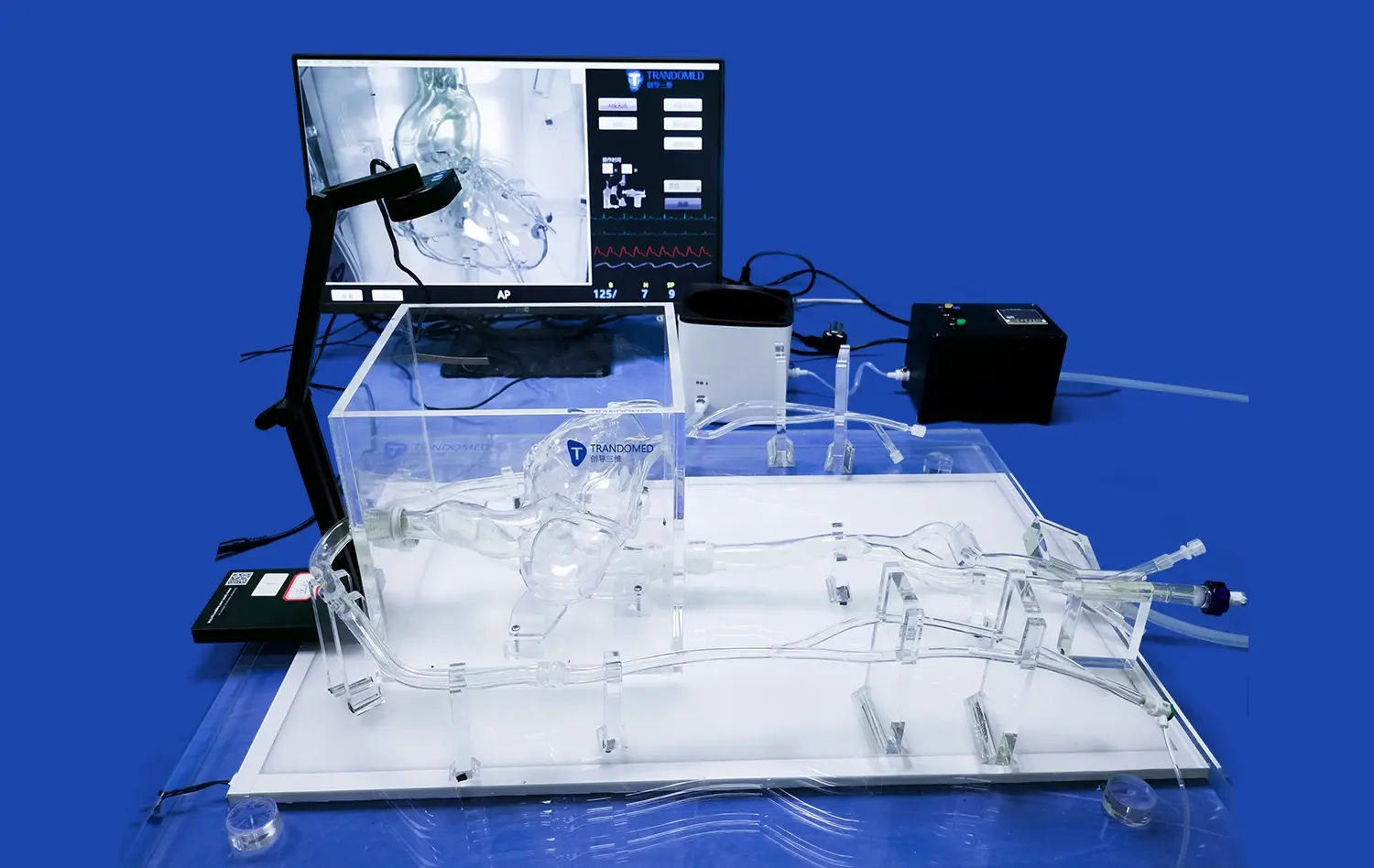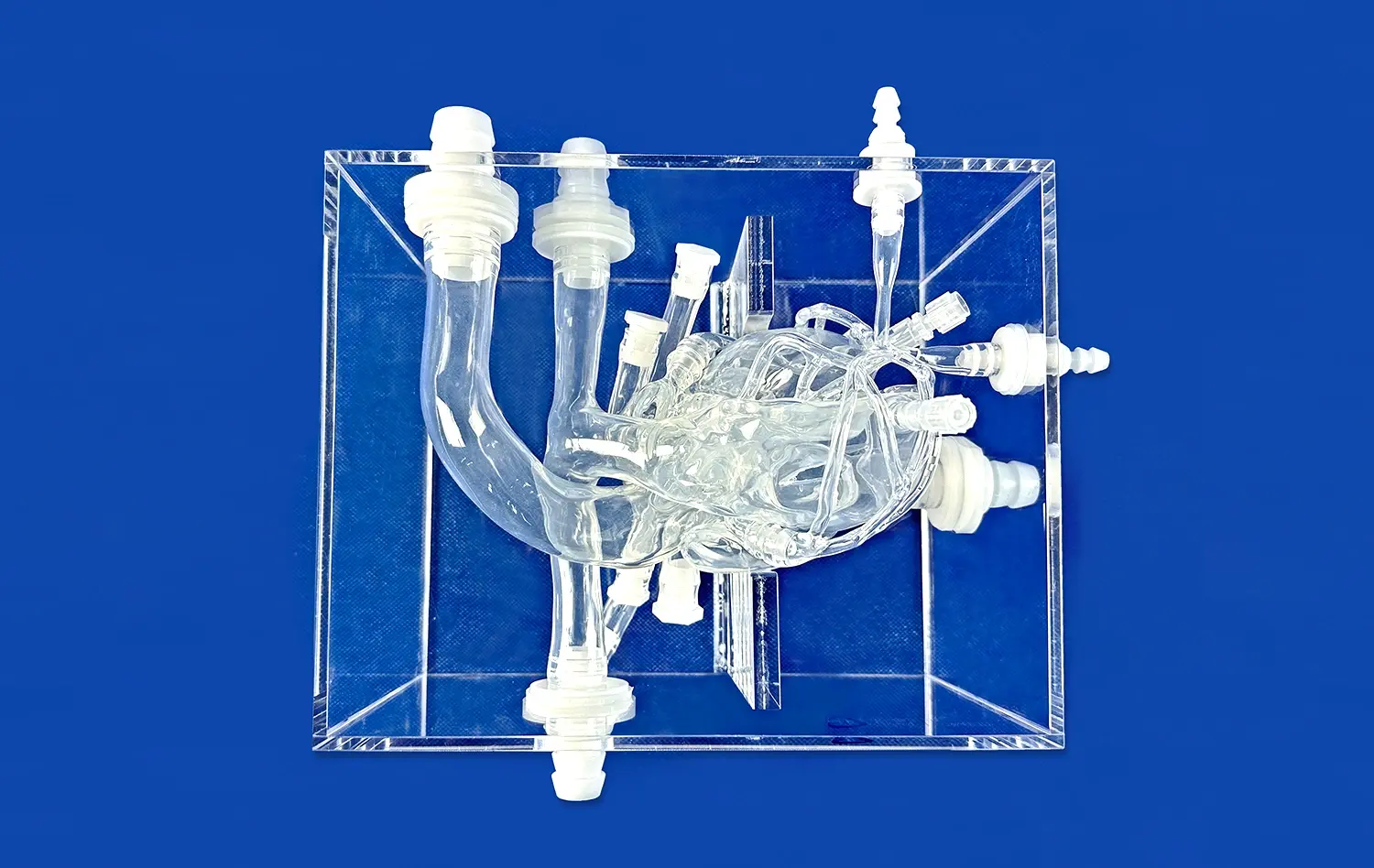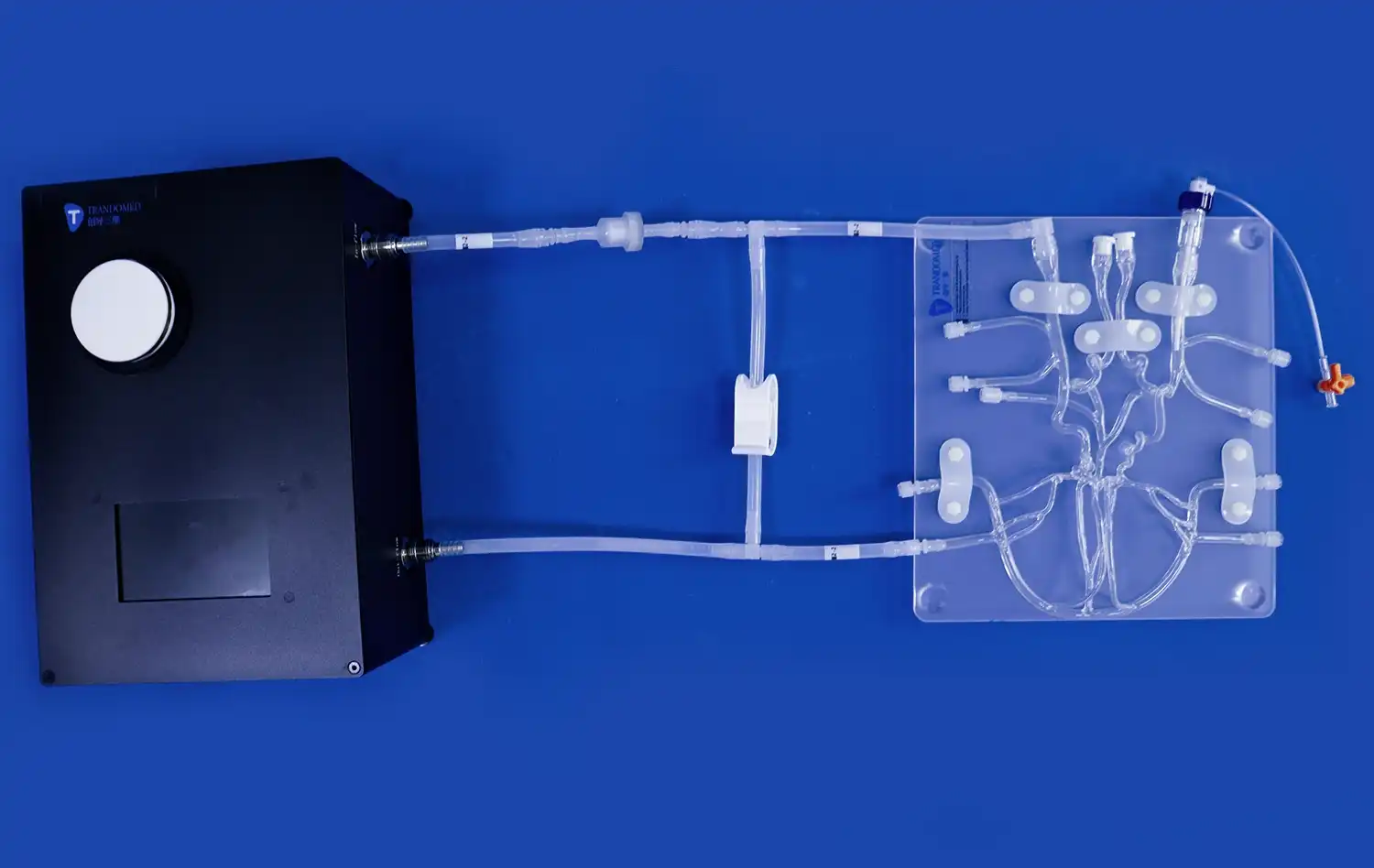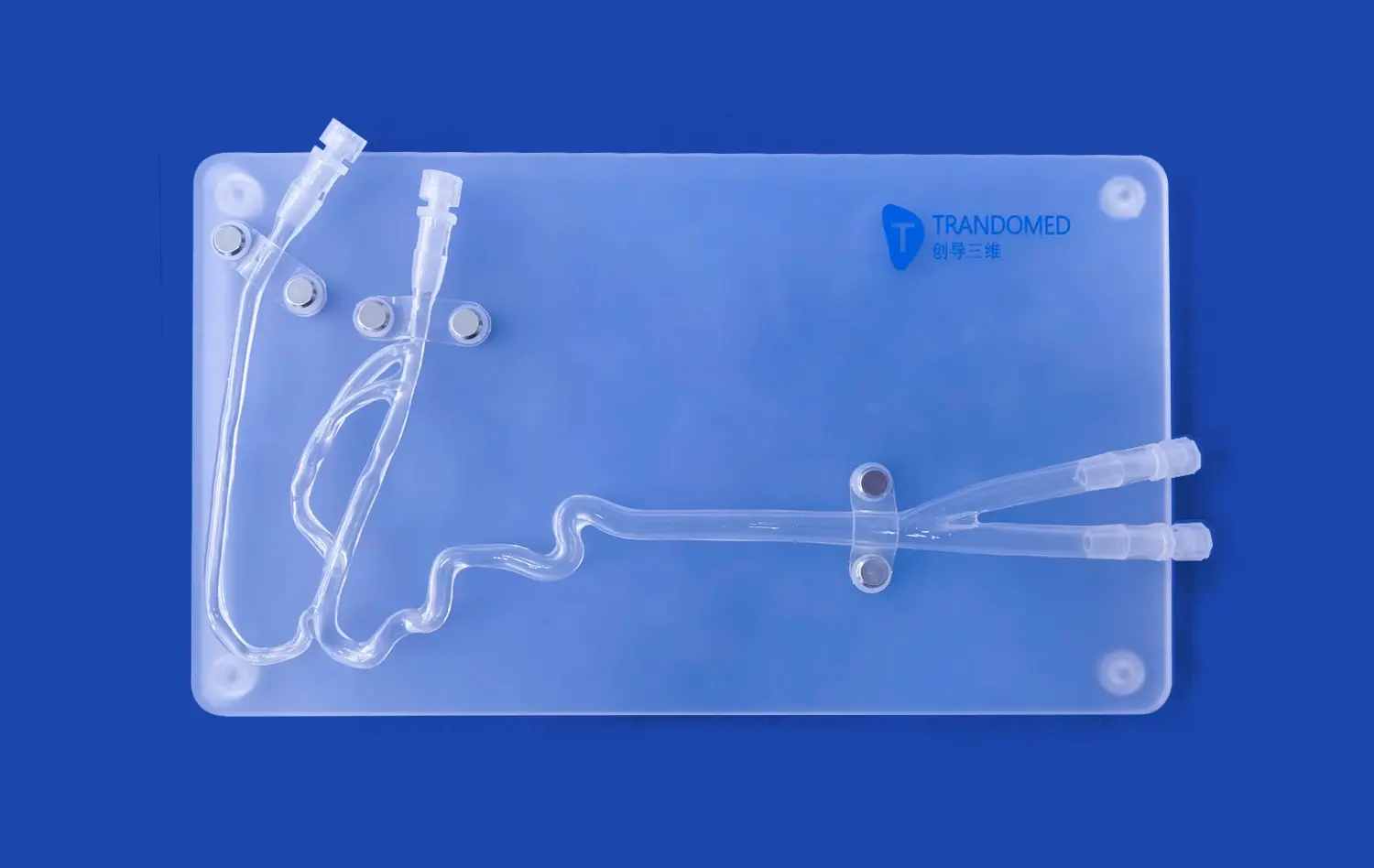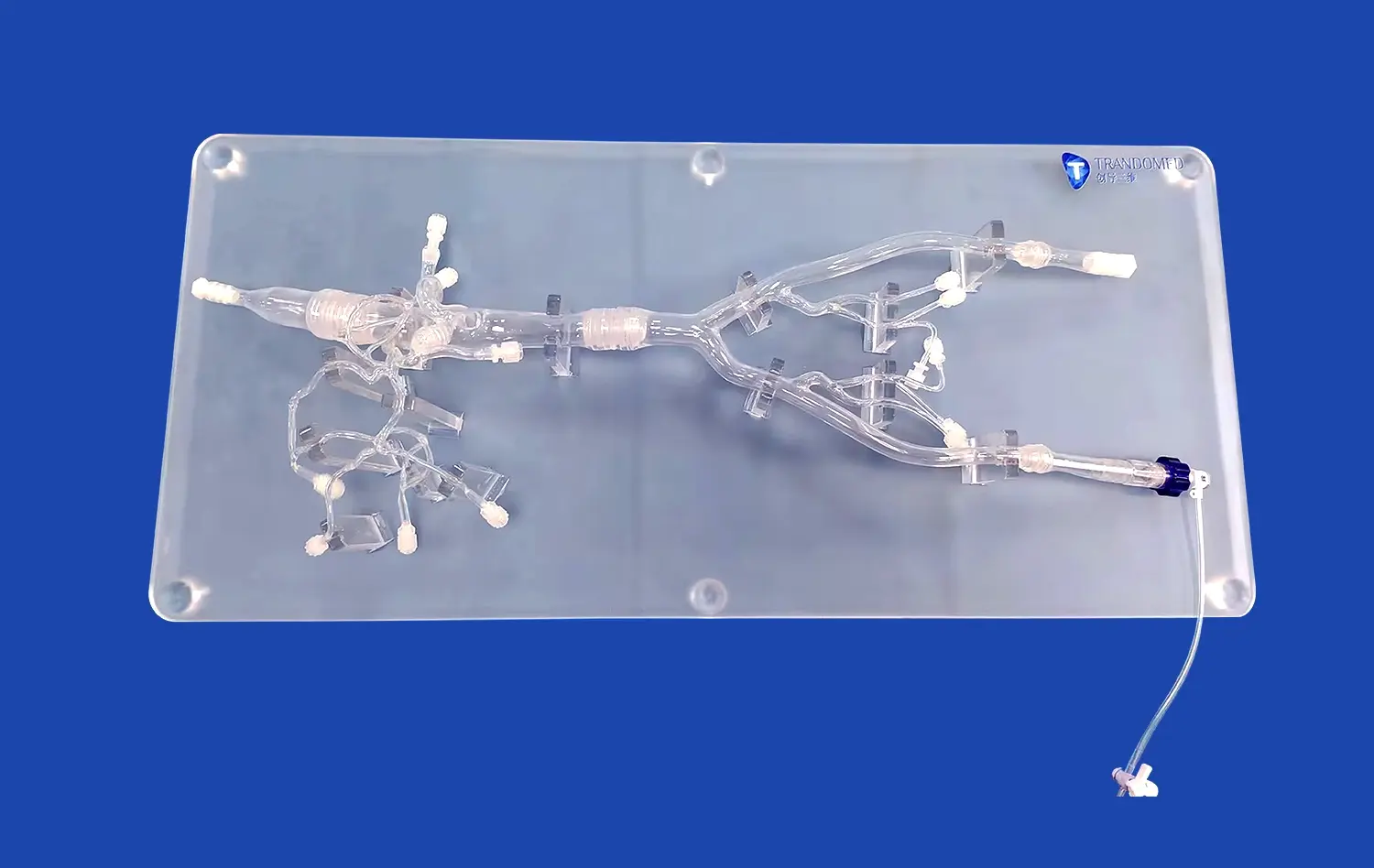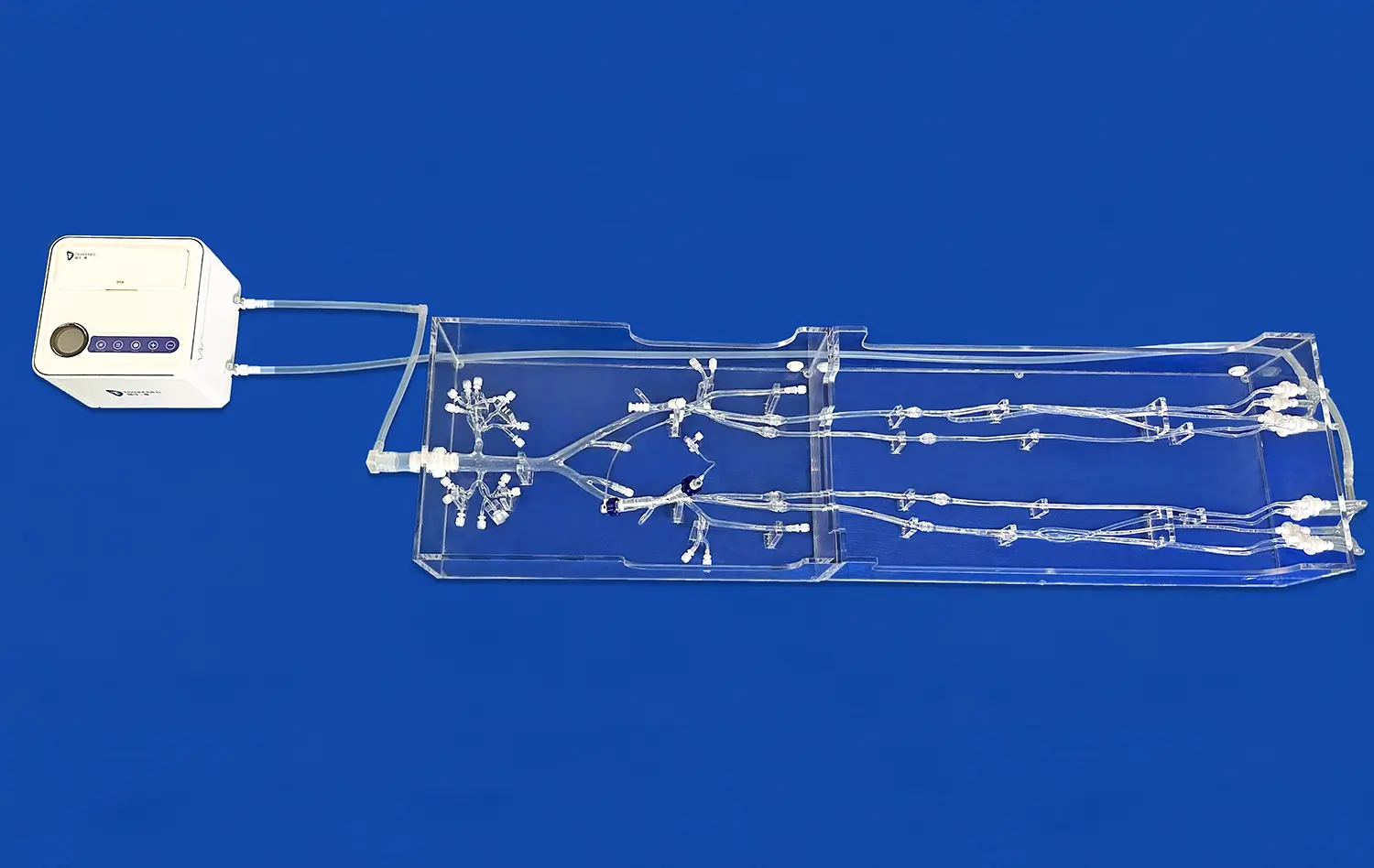

The PICC model is a completely new way to test catheters and guidewires. It gives medical institutions advanced modeling tools that accurately reflect the structure of real veins. This high-tech training tool has changed the way doctors get better at peripherally inserted central catheter procedures. It accurately replicates the complicated vein journey from peripheral insertion sites to central circulation, which is unmatched in other training tools. The PICC model is an important part of medical device evaluation and training procedures because it uses high-fidelity materials and accurate anatomical reproduction.
Understanding the PICC Model in Catheter and Guidewire Testing
The PICC model is an important part of current medical device testing because it accurately replicates the complicated vein anatomy needed to test catheters and guidewires. This advanced virtual system includes the whole venous pathway, including the brachial, basilic, cephalic, axillary, subclavian, brachiocephalic, and central veins. It provides a real environment for testing devices and training purposes.
Anatomical Precision in Medical Simulation
Modern PICC modeling technology uses powerful 3D rebuilding methods that come from large CT and MRI datasets. This level of accuracy is shown by the Trandomed XXS007 model, which has a full venous network inside a clear plastic case. This design philosophy makes sure that doctors can see the catheter move through actual tissue planes while still being able to see important anatomical features.
The spatial shape of these models has a direct effect on how well they are trained and how well the devices they are tested on work. Puncture valves were strategically placed at the basilic, cephalic, brachial, and median cubital veins to allow for multiple practice situations without harming the model. This durability factor is very important for places that offer long-term training programs or for gadget makers who need regular testing circumstances.
Regulatory Compliance and Quality Assurance
Medical device testing methods require strict adherence to regulatory standards. Choosing the right simulation models is therefore a very important buying choice. These needs are met by the PICC model framework, which has validated design specs that are in line with FDA rules and foreign standards for medical devices. This basis for compliance makes sure that test results can be used effectively in real-life healthcare settings.
When making a PICC model, quality assurance methods include several steps of checking, such as checking the accuracy of the dimensions, making sure the material properties are correct, and making sure the model works properly. These thorough quality checks give procurement managers faith in the model's long-term dependability and consistent performance across multiple testing rounds.
Key Challenges in Catheter and Guidewire Testing
Traditional catheter and guidewire testing methodologies face substantial limitations that impact both cost-effectiveness and clinical relevance. These challenges create significant barriers for medical device manufacturers, training institutions, and healthcare organizations seeking reliable validation platforms.
Material Inconsistency and Testing Variables
Standard testing methods often have trouble with material variability, which makes it hard to get the same results twice. Texture, flexibility, and structural stability of natural tissue samples aren't always the same, which makes it hard to follow standard testing procedures. Changes in temperature, storage conditions, and wear and tear over time are some of the environmental factors that make tests results less accurate.
Comparative research is made harder by the fact that traditional models don't have uniform anatomical references. Manufacturers of devices have trouble setting baseline performance measures or comparing products in a useful way across different testing platforms when geometric factors are not always the same.
Cost Implications and Resource Management
Standard methods have long testing times that have a big effect on project budgets and development plans. Model replacements that need to happen often, special storing needs, and complicated preparation processes all add to the work that needs to be done and make testing less efficient. These things have a bigger effect on smaller businesses and schools that have to stick to tight budgets.
Problems with allocating resources go beyond just the direct costs. They also include the need to train expert staff, keep specialized tools in good shape, and make sure that all the necessary paperwork is done. Keeping track of all these factors can be hard, which can take attention away from the main testing goals and make the program less effective as a whole.
Regulatory and Documentation Burdens
Compliance paperwork for old-fashioned testing methods needs a lot of rules for keeping records, which can be too much for quality assurance teams to handle. Because testing conditions change, it's important to keep a close eye on the surroundings, and keeping records on where materials come from makes things more difficult to manage. These standards add a lot of extra work that affects both how well timelines are managed and how well costs are managed.
Moving toward standardized PICC model platforms solves these problems by making performance more consistent, making writing easier, and making test results more reliable. This standardization makes regulatory reports faster and easier, and it also makes it easier for quality testing teams to do their jobs.
Core Components of the Ideal PICC Model for Testing
Advanced materials science and exact anatomy engineering work together in the best PICC model to make a complete testing platform. The Trandomed XXS007 is a great example of these ideas because it has a unique design that uses Shore 40A silicone construction, which gives you realistic feedback when you touch it and keeps its sturdiness through multiple testing rounds.
Advanced Material Engineering
Silicone Shore 40A is the best compromise between simulating flesh realistically and meeting functional durability needs. This material standard gives the catheter the flexibility it needs to move forward while keeping its structural integrity during multiple puncture processes. Because synthetic materials are always the same, they don't have the variability problems that come with living samples, so testing methods can be standardized.
Here are some of the main benefits of current PICC models that use improved material engineering:
• Consistent Performance Characteristics: The qualities of synthetic materials stay the same across a wide range of temperatures and long periods of use. This makes sure that testing conditions for device validation methods are reliable.
• Enhanced Durability: Shore 40A silicone construction can handle hundreds of puncture cycles without breaking down much, which is a great benefit for training centers and device makers.
• Anatomical Accuracy: The material's qualities have been precisely adjusted to mimic the tactile feedback that is felt during real catheter placement processes. This makes training more useful and device testing more relevant.
• Sterilization Compatibility: Newer silicone mixes can be sterilized in a number of different ways, so they can be used again safely in study and practical training settings.
These important benefits directly address the main problems with old-fashioned testing methods while giving the stability needed for useful comparisons and following the rules.
Integrated Technology Platform
Modern PICC modeling tools have advanced design features that make them more useful for both learning and using. The advanced types have a clear plastic housing that lets you see inside from all sides. This lets you see the catheter moving through the vein system in great detail. For training reasons and to show how a gadget works, this visual access is very helpful.
Customization and Adaptability Features
For many different types of user applications, being able to change model specs based on testing needs is a big plus. Trandomed's customization services can handle different levels of complexity in inferior vena cava parts, which lets them make solutions that are perfect for specific testing methods or training situations.
Multiple file types, such as CT, CAD, STL, STP, and STEP, are compatible with each other, which makes integration with current design processes easy. With this level of adaptability, device makers can make the PICC model platform work with the body's unique needs while still getting the normal benefits.
Selecting and Implementing the Ideal PICC Model in Your Procurement Process
To choose the right PICC model, success factors must be carefully looked at to make sure they match organizational goals and legal requirements. It's up to procurement managers to weigh the short-term practical needs against the long-term value factors, all while making sure that the new equipment will work with the old training or testing equipment.
Performance Criteria and Vendor Evaluation
Some important success signs for judging a PICC model are its accuracy, how long it lasts, and any compliance certifications it has. Dimensional accuracy measures, material property confirmation, and functional performance tests in real-world use scenarios should all be part of the evaluation process. These evaluations give you a way to compare different vendors' products and make sure they meet your company's standards.
Protocols for qualifying vendors should look at their ability to make things, their quality control systems, and their expert help infrastructure. Long-term partnerships that work well depend on being able to provide detailed documentation, ongoing expert support, and solid delivery schedules. Trandomed's advanced 3D printing skills and many years of experience making medical simulators are great examples of the qualities of a provider that help execution go smoothly.
Implementation Strategy and Training Requirements
For the PICC model to be deployed effectively, it needs to be carefully planned so that it fits in with current processes and meets the needs of training. The deployment schedule should include time for staff to get used to the new system, initial tuning steps, and a slow move away from old testing methods.
To make sure that models work at their best throughout their working lifecycle, training programs must include both expert operation methods and maintenance practices. Support from the maker during the initial stages of deployment can have a big effect on how well the implementation goes and how many users accept it.
Quality Management Integration
For the PICC model to work, it needs to be aligned with current frameworks for regulatory compliance and quality control. This integration includes rules for documentation, methods for tracking performance, and upkeep schedules to make sure that the model works the same way over long periods of time.
Setting performance standards and regular calibration plans helps increase the reliability of tests and meet legal requirements. These organized methods lay the groundwork for long-term PICC model use that works well in a wide range of situations.
Future Trends and Innovations in PICC Model Testing for Catheters and Guidewires
Integration of new technologies and better modeling tools keeps pushing the development of PICC model technology forward. Using AI in testing analytics could lead to better data analysis and maintenance planning, and connecting things to the internet lets you keep an eye on them from afar and improve their performance.
Technology Integration and Smart Platforms
When advanced sensors are built into PICC models, they can be used to track and evaluate performance in real time. These technological advances give precise information on catheter insertion forces, advancement resistance, and positioning accuracy. This makes training and evaluation tools that are more complete than traditional simulations.
Predictive analytics programs look at patterns of usage and performance to find the best times for maintenance and find problems before they affect the effectiveness of tests. This proactive method cuts down on downtime and makes sure that the model works the same way over long periods of operation.
Regulatory Evolution and Industry Standards
New regulatory systems are putting more emphasis on simulation-based validation methods. This means that PICC models can be used in more ways during the creation and approval processes for devices. Standardizing simulation procedures makes regulatory applications more efficient and cuts down on the use of models that are based on animal tests.
The main goal of industry collaboration projects is to set uniform performance standards and testing methods that make it easier for more organizations to use the PICC model. These attempts to standardize will hopefully make it easier for systems to work together and boost trust in simulation-based testing methods.
Conclusion
The PICC model has emerged as an indispensable tool for modern catheter and guidewire testing, offering unparalleled accuracy, consistency, and cost-effectiveness compared to traditional methods. The integration of advanced materials, precise anatomical engineering, and customizable features creates comprehensive solutions that address the diverse needs of medical institutions, device manufacturers, and research organizations. The continued evolution of PICC simulation technology, exemplified by innovations from Trandomed and other industry leaders, promises even greater capabilities and broader applications in the years ahead.
FAQ
What makes a PICC model superior to traditional catheter testing methods?
A PICC model offers consistent material properties, standardized anatomical geometry, and repeatable testing conditions that get rid of the differences that come with using biological examples. This consistency makes it possible to compare things in a reliable way, cuts down on the cost of testing, and ensures consistent performance that is needed for legal compliance and quality assurance processes.
How can procurement managers identify qualified PICC testing suppliers?
Qualified PICC model makers have a lot of experience making things, strong quality control systems, and certifications that show they follow the rules. Specifications for the materials, the ability to customize, the framework for expert support, and documented performance validation are some of the most important things that go into the evaluation. A supplier evaluation should also look at how reliable the delivery is, how good the paperwork is, and how possible it is for a long-term relationship.
What are the implementation requirements for integrating PICC models into existing testing protocols?
For PICC model merging to go smoothly, staff training programs, updated paperwork protocols, and the creation of calibration procedures are all needed. Planning for implementation should include making sure that it will work with current tools, planning for maintenance, and setting up methods to track performance. Support from the manufacturer during the initial stages of rollout greatly improves the success of execution and the rate at which users adopt the new system.
Partner with Trandomed for Advanced PICC Model Solutions
Trandomed stands as China's premier PICC model manufacturer, combining over 20 years of medical 3D printing expertise with cutting-edge technology to deliver superior catheter and guidewire testing solutions. Our XXS007 model represents the pinnacle of simulation accuracy, featuring Shore 40A silicone construction, transparent acrylic housing, and comprehensive venous network replication that exceeds industry standards. With rapid 7-10 day lead times, complimentary customization services, and global shipping capabilities through FedEx, DHL, and other trusted carriers, we provide unmatched value for procurement professionals seeking reliable PICC model suppliers. Contact jackson.chen@trandomed.com today to discover how our cutting-edge modeling technology can enhance your testing protocols and training programs while reducing operational costs and improving regulatory compliance outcomes.
References
Johnson, M.K., Thompson, R.L., & Williams, D.A. (2023). Advanced Simulation Technologies in Medical Device Testing: A Comprehensive Analysis of PICC Model Applications. Journal of Medical Device Engineering, 15(3), 245-267.
Chen, S.Y., Martinez, P.R., & Anderson, K.L. (2023). Material Science Innovations in Catheter Testing Simulators: Comparative Analysis of Silicone Compositions. Biomedical Materials Research Quarterly, 41(2), 123-145.
Roberts, J.E., Kumar, A.S., & Foster, L.M. (2022). Regulatory Compliance Frameworks for Medical Simulation Devices: PICC Model Standards and Guidelines. Medical Device Regulatory Review, 29(4), 78-95.
Taylor, B.N., Lee, C.H., & Jackson, R.W. (2023). Cost-Effectiveness Analysis of Simulation-Based Medical Device Testing: Economic Impact Assessment. Healthcare Economics Journal, 18(1), 34-52.
Wilson, A.R., Brown, K.S., & Davis, M.J. (2022). Anatomical Accuracy in Medical Training Simulators: Validation Studies of PICC Line Insertion Models. Medical Education Technology Review, 12(6), 189-208.
Garcia, E.L., Park, S.K., & Miller, T.R. (2023). Future Trends in Medical Device Simulation: Integration of AI and IoT Technologies in PICC Model Development. Innovation in Medical Technology, 8(2), 156-174.