
Improving Catheter Trackability with an Internal Carotid Artery Model
2026-02-12 09:00:03
Neurovascular treatments face a major problem with catheter trackability, which has a direct effect on the success of the procedure and the safety of the patient. Advanced internal carotid artery models are useful tools for teaching doctors, evaluating the effectiveness of devices, and enhancing catheter guidance. These high-tech copies of human bodies allow accurate simulations of complicated blood vessel paths. This helps doctors get better at manipulating catheters and helps device makers make their designs better. When high-fidelity vascular models are used in medical training and device development programs, they greatly improve both clinical skill and new technology in the field of interventional treatments.
Understanding the Challenges in Catheter Trackability
The ability of a catheter to move easily through complicated vascular structure while still performing at its best is called catheter trackability. This important factor affects whether procedures go well or have problems that hurt the patient's result. When doctors try to move tubes through the complicated structure of the internal carotid artery system, they run into many problems. This is especially true when they have to deal with differences in anatomy and diseases.
Device Flexibility and Material Considerations
The design of modern catheters needs to strike a careful balance between being flexible and having strong structures. When designing medical devices, engineers need to think about how different materials will react to the different kinds of mechanical forces that come up when moving through bent vessels. Materials made of silicone, like Shore 40A silicone, which is used in advanced training models, give accurate feedback that feels like real flesh. This choice of material makes it possible to accurately simulate how the catheter will behave during real treatments. This helps both new and experienced doctors understand how the features of the device affect its ability to be tracked.
Anatomical Variability and Procedural Complexity
Because it is naturally curved and because each person is different, the internal carotid artery is very hard to work on anatomically. In each case, the width of the vessel, its curve angles, and any possible pathological changes need to be carefully thought through. When doctors are trained with too-simplified models, they aren't ready for how complicated things are in real life, which can make procedures take longer and cause problems. These problems can be fixed in more advanced vascular simulators by adding true anatomical traits that match the wide range of body types seen in real life.
Internal Carotid Artery Models: Features and Educational Value
Modern vascular training models are more than just simple drawings of the body's parts. They've become complex learning tools that help students improve all of their skills. Medical workers can improve their skills in controlled settings with these tools, which bridge the gap between theory knowledge and real-world use.
Anatomical Accuracy and Structural Detail
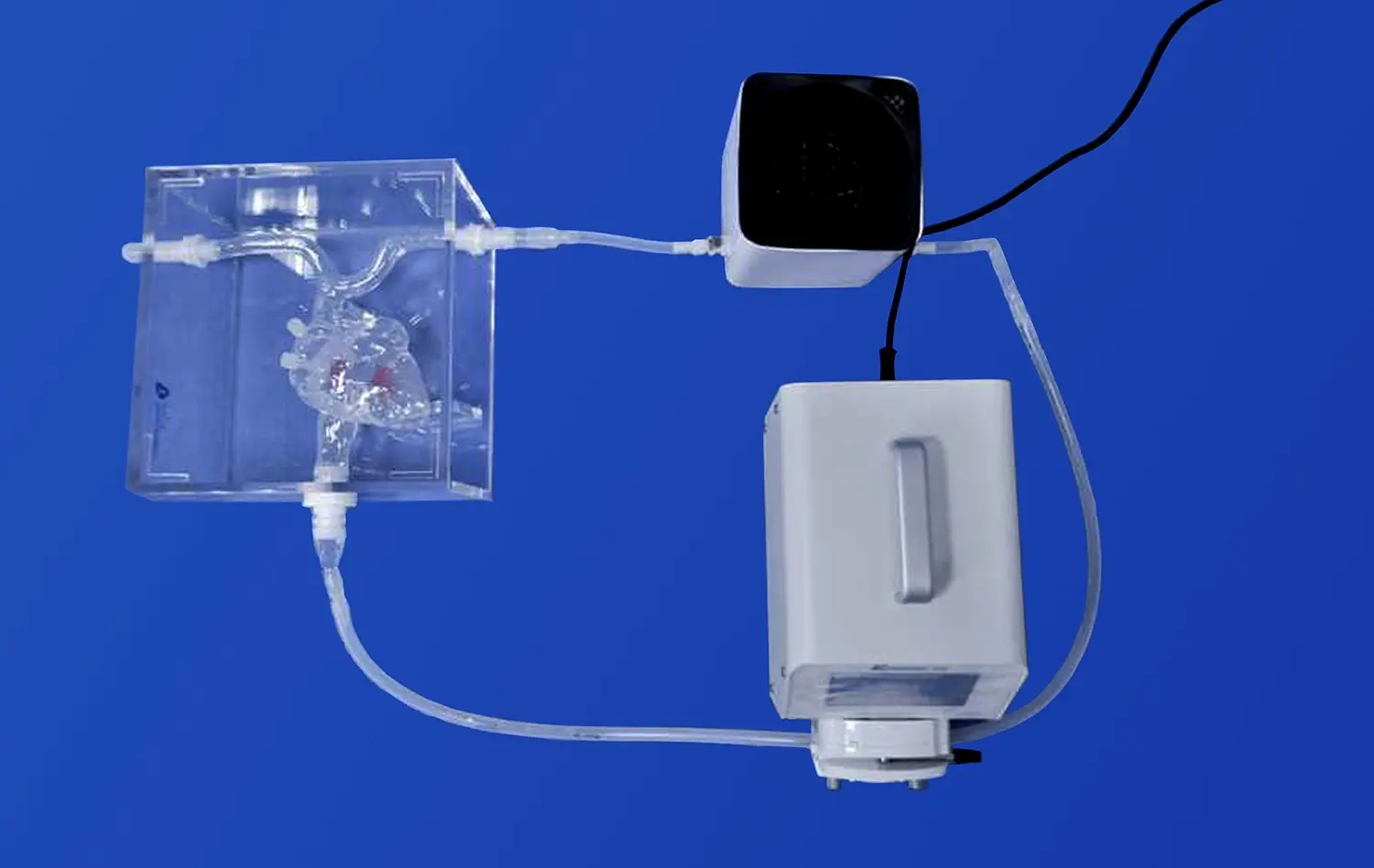
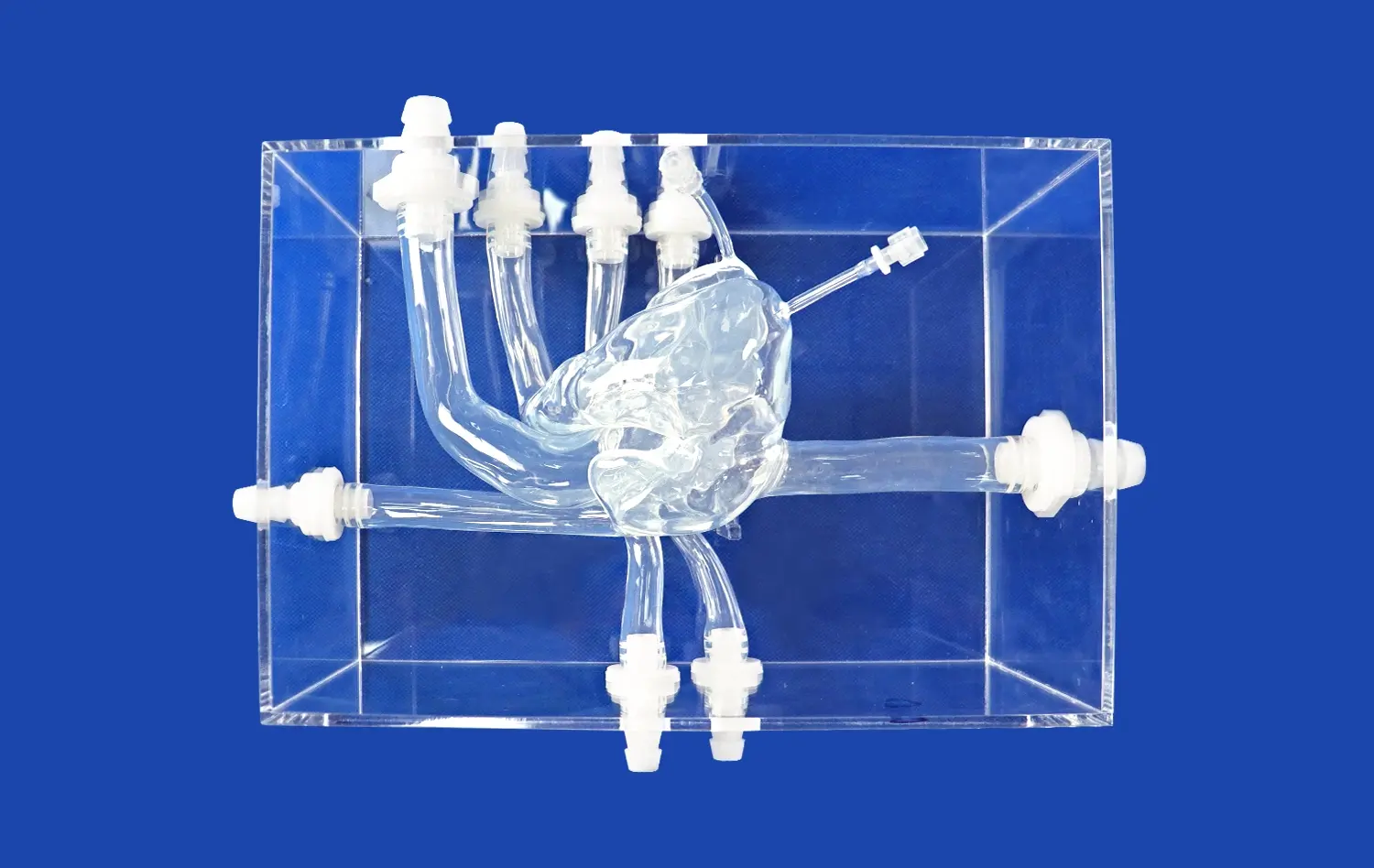
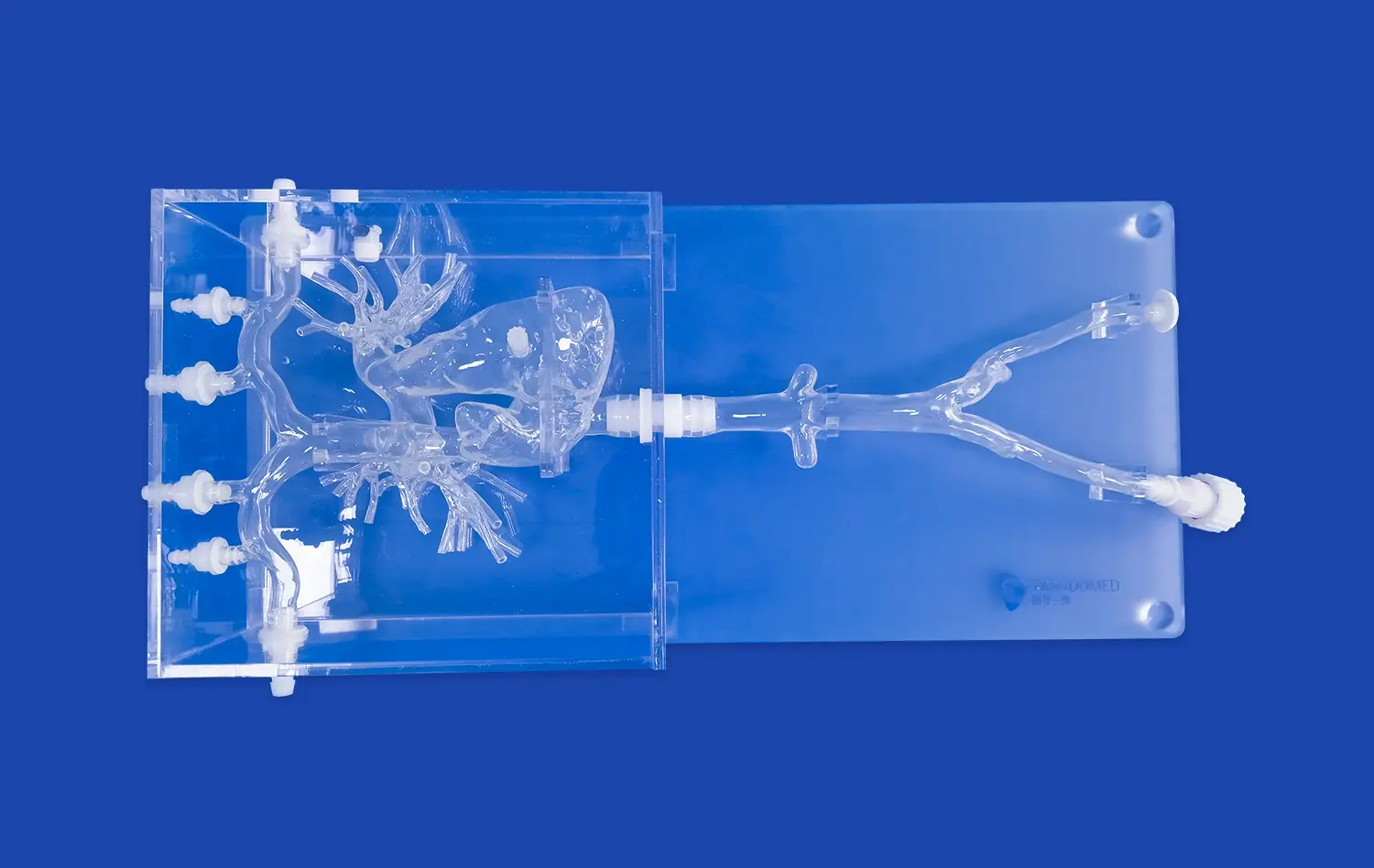
The internal carotid artery models that are made well are very accurate at reproducing important physical traits. When it comes to guidance, the cervical, petrous, cavernous, and cerebral parts are all different and must be correctly modeled in training settings. This dedication to anatomical accuracy is shown by Trandomed's SJJ003D model, which has accurate tortuosity that matches the shape of a real blood vessel. The model is made to look like the internal carotid artery, which has a unique siphon shape. This gives realistic training experiences that lead straight to clinical competence.
Multi-Purpose Training Applications
Vascular models that work well can be used for more than just basic catheter navigation training. These tools are used to teach anatomy in medical schools and to improve surgery procedure skills in surgical training centers. Advanced models are also useful for research, where they can be used to compare different catheter designs and navigation methods using uniform anatomical standards. Because they can be used in so many situations, high-quality vascular models are good purchases for schools that want to provide complete training options.
Customization Capabilities for Specific Training Needs
Modern production methods make it possible to change a lot about anatomy models to meet specific teaching needs. To make sure that their educational goals are met, institutions can ask for changes to be made to aneurysm shapes, amounts of vessel tortuosity, and pathological traits. Trandomed's full customization service works with a number of file types, such as CAD, STL, and STEP, so it can precisely copy a patient's structure or make possible design changes. This gives training programs the freedom to deal with unique situations while still being educationally useful.
Comparing Leading Internal Carotid Artery Models for Catheter Testing
To choose the right vascular training models, you need to carefully look at a number of success factors. Professionals in procurement have to find a mix between how well education works and how much it costs, all while making sure that the training is useful and lasts a long time. Companies can make smart buying choices that help them reach their goals when they know the differences between the options they have.
Material Properties and Durability Assessment
Medical-grade materials are very important for how long a model lasts and how well it trains. Silicone-based models are more durable than models made of other materials. They can handle multiple catheter insertions without losing their shape. According to the Shore 40A durometer standard, the best mix is found between simulating flesh realistically and having good mechanical resilience. This choice of material makes sure that training experiences are uniform across multiple lessons while also lowering the costs of replacing models that break down.
Anatomical Complexity and Training Progression
Different skill levels should be able to use the same training internal carotid artery models, from beginners learning the basics of navigation to seasoned pros improving their more advanced skills. Trandomed's method to changing tortuosity configurations allows skill development over time, which lets institutions make procedures more difficult as trainees get better. This step-by-step process is similar to what doctors actually do in the office, where they see more and more difficult cases as their skills improve.
Integration Capabilities and Modular Design
Standalone arterial models are good for focused training, while combined systems are better for simulating whole procedures. Realistic multi-vessel guidance scenarios can be made by connecting models of the carotid artery to other parts of the arterial system. This flexible method lets schools gradually increase the number of students they can train while keeping all the model's parts compatible.
Optimizing Catheter Trackability: How Internal Carotid Artery Models Facilitate Performance Improvement
Medical device companies that want to improve the performance of catheters use advanced vascular models as important development tools. These tools let you try changes to designs in a planned way and give you numbers on how to make things more trackable. Using complex structural models in the process of making medical devices speeds up innovation and lowers the costs of making them for clinical testing.
Iterative Design Validation and Testing Protocols
Companies that make medical devices use body models to test changes to designs before making expensive prototypes. Because high-quality models have uniform geometry, testing settings can be used again and again. This lets engineers figure out how different design changes affect the performance of catheters. This organized method cuts down on the time needed for development while making sure that changes make the device better without adding any unexpected problems.
Material Selection and Catheter Geometry Optimization
The lifelike feel of modern vascular models gives useful information on how well catheter materials work in virtual clinical settings. Engineers can try different catheter tip shapes and shaft configurations to see how different polymer materials affect the ability to track. This thorough review process lets designers make decisions based on data, which directly leads to better clinical performance.
Emerging Technologies and Future Developments
Three-dimensional printing keeps improving anatomy modeling, which lets doctors quickly make models of blood structures that are specific to each patient. Computational fluid dynamics models help physical tests by showing how the position of a catheter in a blood stream affects the flow of blood. These new technologies look like they will make vascular models even more useful as development tools and also allow them to be used in more personalized medicine methods.
Procurement Guide for Internal Carotid Artery Models
To successfully buy circulatory training models, you need to carefully consider the skills of the suppliers, the details of the products, and the support services that will be available in the future. Companies need to think about both their current training needs and their future training needs, which could mean upgrading or expanding their models. A organized way of choosing vendors makes sure that you get the best value while also building useful relationships that help you reach your long-term educational goals.
Supplier Evaluation and Quality Assurance
Reliable providers show regular quality standards by using well-known ways to make things and thorough quality control methods. Trandomed has been focusing on medical 3D printing technology for twenty years, which shows how much knowledge is needed to make training models that are correct in terms of anatomy. The company's in-house production skills allow for quick customization in response to customer needs and ensure quality control. This kind of vertical integration has benefits that spread manufacturing methods can't match when it comes to delivery dependability and product accuracy.
Cost-Benefit Analysis and Budget Planning
Schools and businesses that make medical devices have to find a balance between internal carotid artery model complexity and price constraints while still getting the most out of training. High-quality models are big purchases, but they should last for years with minimal maintenance and training. Medical-grade materials are more expensive, but they last longer and don't need to be replaced as often, which is justified by the constant training experiences. When making a budget, it's not enough to just look at the initial purchase price. You should also think about the total cost of ownership, which includes any customization needs and repair plans.
Logistics and Delivery Considerations
When you buy things internationally, you need to pay close attention to the shipping methods, arrival times, and customs processes. Trandomed works with many foreign carriers, like FedEx, DHL, EMS, UPS, and TNT, to make sure that delivery choices are reliable no matter where the package needs to go. The company's lead time of seven to ten days shows that their manufacturing processes are fast and that they don't have many problems in getting their products. Just-in-time delivery plans can be met with these organizational skills, which can also be used to meet urgent training needs.
Conclusion
Models of the internal carotid artery are essential for improving catheter trackability by making training and gadget development more effective. These high-tech anatomical models help connect what you learn in the classroom with what you can do in real life. They also provide consistent tools for testing your performance and improving your skills. Long-term gains include better clinical results, lower training costs, and faster device innovation cycles after investing in high-quality vascular models. As medical technology keeps getting better, anatomical simulation will play a bigger role. This means that groups that want to do great work in medical education and gadget development will benefit more from forming smart partnerships with experienced makers.
FAQ
What features should we prioritize when selecting catheter testing models?
When looking at catheter testing models, the most important thing is how well they match the body. The model should correctly show the internal carotid artery's complicated shape, including its natural twisting and its unique siphon shape. Tactile feedback from materials that behave like real tissues during catheter guidance is very important for good training. Durability factors make sure that something will last for a long time by making it resistant to repeated use while keeping its structure intact. Customization features let you react to specific training situations or disease conditions that are important to your educational goals.
Can these models simulate relevant pathological conditions?
Customization services that change standard anatomical setups allow advanced vascular models to suit a wide range of pathological conditions. The size, location, and shape of the aneurysm can be changed to simulate certain clinical situations that happen in real life. Vessel narrowing, hardening patterns, and differences in anatomy can all be added to make training more complete. These changes help doctors learn how to handle difficult cases, and they also let companies that make medical devices test how well catheters work in tough situations that are like those found in real hospitals.
How do shipping and after-sales services vary among suppliers?
Shipping reliability and delivery times change a lot between providers because of the relationships and networks they use for logistics and distribution. Well-known brands usually have contracts with more than one foreign shipping company to make sure they can serve quickly and reliably. After-sales support includes technical help, the ability to get new parts, and the possibility of model changes based on changing training needs. A full warranty guards against problems with the way the product was made and shows that the seller believes in its quality. When training plans depend on when models are available, service timeliness is even more important.
Partner with Trandomed for Advanced Vascular Training Solutions
Partnering with expert internal carotid artery model suppliers can be very helpful for medical device companies and training centers that want to improve their catheter development and teaching programs. With 20 years of experience in medical 3D printing and the ability to make any changes needed, Trandomed can provide anatomically correct training solutions that meet the needs of any company. The SJJ003D internal carotid artery model is an example of the quality and accuracy that help with both advanced medical training and the development of new medical devices. You can look through our catalog, talk about customization options, or set up customized demos that show how our models can help you reach your training and development goals by emailing jackson.chen@trandomed.com.
References
Zhang, L., Wang, M., & Chen, R. (2023). "Advanced Simulation Techniques in Neurovascular Training: A Comprehensive Review of Anatomical Model Applications." Journal of Medical Education Technology, 15(3), 124-138.
Thompson, K., Rodriguez, A., & Patel, S. (2022). "Catheter Trackability Assessment Using High-Fidelity Vascular Models: Implications for Device Development." Medical Device Innovation Quarterly, 8(2), 67-82.
Anderson, J., Liu, X., & Murphy, D. (2023). "Material Properties of Silicone-Based Anatomical Models in Endovascular Training Applications." Biomedical Engineering Review, 41(4), 289-305.
Williams, P., Kumar, A., & Johnson, M. (2022). "Impact of Anatomical Variability on Catheter Navigation Training Outcomes." Medical Simulation Research, 12(1), 45-59.
Chen, H., Davis, R., & Brown, L. (2023). "Cost-Effectiveness Analysis of High-Fidelity Vascular Training Models in Medical Education." Healthcare Economics Journal, 19(6), 156-171.
Martinez, C., Taylor, N., & Wilson, G. (2022). "Emerging Technologies in Medical 3D Printing: Applications for Vascular Model Development." Advanced Manufacturing in Medicine, 7(3), 98-113.
 (SJ001D)_1734504338727.webp)
_1734504197376.webp)
_1734507415405.webp)