
Internal Carotid Artery Model Applications in Neurovascular Education
2026-02-27 09:00:04
In today's rapidly evolving medical landscape, the internal carotid artery model has emerged as a cornerstone educational tool that bridges the gap between theoretical knowledge and practical clinical expertise. These sophisticated anatomical replicas provide medical professionals with unprecedented opportunities to study complex neurovascular anatomy, practice intricate procedures, and develop the critical skills necessary for successful patient outcomes. The application of these models spans across diverse educational settings, from medical schools to specialized training centers, fundamentally transforming how we approach neurovascular education and ensuring that healthcare professionals are better prepared for the challenges of modern medicine.
Understanding Internal Carotid Artery Models in Neurovascular Education
An accurate understanding of anatomy is the cornerstone of successful neurovascular education, and internal carotid artery models are a crucial part of medical education. These models give very accurate pictures of the body parts that are needed to understand the complicated blood flow paths that are necessary to understand how blood is supplied to the brain. These models are used by modern schools to give students real-world learning experiences that can't be matched by texts or digital presentations.
Anatomical Accuracy and Educational Value
Contemporary arterial models range from simple 3D pictures to complex divided models that show how blood flows. These learning aids usually show nearby brain regions. This gives you a full picture of neurovascular anatomy, which improves your ability to think spatially. These models are helpful for medical students because they show the carotid artery and its surrounding structures in three dimensions. This helps them understand how these structures are connected.
The fact that these models can be touched uses more than one way of learning at the same time. Students can look at, touch, and move the objects, which helps them remember things better than standard ways of learning. The Bouthillier classification system divides the internal carotid artery into seven structural segments. This hands-on method is especially helpful when learning these segments, which go from the cervical segment to the communicating segment.
Pathological Condition Demonstration
Modern anatomy models are very good at showing how diseases affect the internal carotid artery. These pictures help students understand how diseases like arteries, aneurysms, and stenosis show up in real body parts. It is much easier to get ready for clinical work and make accurate diagnoses when you can picture these situations in three dimensions.
Models that show different levels of vessel tortuosity are useful for training because they help students understand how hard it is to move a catheter through different body structures. This experience helps future health care workers get ready for the different body types they will see in clinical practice. This makes the move from school to patient care settings easier.
Evaluating and Comparing Internal Carotid Artery Models for Procurement
To choose the right vascular training models, you need to carefully consider a number of purchasing factors that have a direct effect on the results of the education. When institutions buy things, they have to think about things like how accurate the internal carotid artery models are in terms of anatomy, how long the materials will last, and what teaching goals they want to achieve with their programs. A methodical approach that looks at both short-term wants and long-term training goals is helpful for the procurement process.
Material Quality and Durability Assessment
The materials used to build arterial models have a big effect on how useful they are for learning and how long they last. Medical-grade silicone, especially Shore 40A silicone, has become the best material for making high-quality anatomy models because it feels real and doesn't break down easily. This choice of material makes sure that models keep their shape after being used over and over again, and it also gives the physical feedback that is needed for effective training in catheter handling.
When judging a model's durability, you should look at how well it stands up to cleaning products, UV light, and being handled over and over again. Models that can be used a lot during many training lessons without losing their anatomical accuracy or important structural features are useful for educational institutions.
Feature Comparison and Customization Options
Vascular training models from top makers come with a wide range of features, from simple representations of the body's parts to advanced simulations that can simulate dynamic flow. Institutional buyers should compare these features to their specific training needs, taking into account things like the amount of experience of the people they want to train and how complicated the processes are.
Customization options are an important thing to think about when buying something. Models that can be changed to fit specific learning goals are more useful for teaching. For example, models with changeable amounts of tortuosity or aneurysm configurations are more useful. Adding institution-specific diseases or differences in anatomy makes training programs more useful and better trains students for working with patients in their own communities.
How to Choose the Right Internal Carotid Artery Model: A Buyer's Guide
For strategic buying choices to be made, vascular training models must be in line with specific educational goals. Buyers who are successful start by being clear about what they want to use the product for, whether it's basic anatomy education, advanced procedure training, or specialty study. This clarity helps with the selection process and makes sure that the models picked provide the best teaching value.
Defining Educational Objectives and Use Cases
Schools need to be clear about the exact skills they want to teach through their programs. For example, simple but exact models of normal arterial structure may be needed in basic anatomy classes. More advanced training programs, on the other hand, need high-tech simulations that can help students practice complex procedures. Neurosurgical training programs benefit a lot from models that correctly show how hard it is to move a tube through a blood vessel's winding paths.
Model choice is also affected by the type of people who will be using it. Medical students need different things than skilled doctors who want to try out new techniques. Models made for teaching students focus on being clear and accurate about anatomy, while models made for professionals focus on having realistic physical feedback and being difficult to use.
Budget Considerations and Value Assessment
When looking at vascular training models, people who work in procurement have to weigh the cost of the models against their teaching value. The price of the initial buy is an obvious factor, but the overall cost of ownership also takes into account things like how long the internal carotid artery model lasts, how much it costs to maintain, and how much it costs to replace. High-quality models may cost more at first, but they usually pay for themselves over time by lasting longer and needing to be replaced less often.
Opportunities to buy in bulk and savings for students can have a big effect on the costs of buying. A lot of producers are willing to work with big buyers who buy in bulk or want to build long-term relationships with suppliers. A lot of the time, these deals come with extra benefits like free training tools and longer guarantee coverage.
Innovations and Future Trends in Neurovascular Education Models
The way medical education is done is always changing because of new technologies. For example, 3D printing has made huge changes in how anatomy models are made. This way of making things allows for a new level of anatomical accuracy and customizing, which means that teachers can make models that are perfect for their students' needs. Modern 3D printing methods allow for a level of accuracy that ensures even the most complex anatomical features are shown correctly.
Advanced Manufacturing and Material Science
Modern methods for making things have led to the creation of dynamic blood flow models that very accurately reproduce pathological conditions. These new technologies make learning more dynamic and interesting by letting students see in real time how different situations change blood flow patterns. When pressure monitors and flow tracking features are added to static anatomical models, they become dynamic training tools.
New polymer forms that are more like the mechanical qualities of human flesh have been made possible by progress in material science. These materials give true tactile feedback during exercises in catheter handling, which makes training feel more real. Making materials with different durometer grades has made it possible for makers to make models that fit the body perfectly.
Digital Integration and Hybrid Learning Platforms
Neurovascular education will move forward when real models and digital tools work together. Augmented reality systems add digital information on top of real-world models, showing how the body works and giving feedback on the procedure in real time. Physical models can be used with virtual reality tools to create more immersive experiences that aren't possible with standard methods alone.
This merging of technology makes it easier to learn from afar, giving more people access to high-quality neurovascular education no matter where they live. Hybrid platforms combine the benefits of real models' ability to be touched with the dynamic features of digital systems. This makes learning settings that are complete and involve many senses at the same time.
Practical Tips for Integrating Internal Carotid Artery Models into Training Programs
To use vascular training models effectively, you need to plan a program that makes the most of their teaching potential. Clear learning goals are the first step to successful integration. Structured tasks that build on basic ideas are the next step. The best programs use these models in both classroom-based lessons and hands-on practice sessions. This makes learning more unified and helps students remember important ideas.
Curriculum Development and Implementation Strategies
Educational programs benefit from skill development that builds on itself over time. This development starts with basic anatomy training and moves on to more complex procedure training. The first lessons should focus on identifying parts of the body and knowing how they relate to each other in space. Later, pathological variations and procedural tasks should be added. This organized method makes sure that students learn the basics well before they try more difficult skills.
Through peer training and talk, collaborative learning exercises in which more than one student works with the same internal carotid artery model can improve academic results. These group tasks get students involved and give them the chance to learn from various points of view. Structured feedback meetings that happen after hands-on activities help students remember what they've learned and clear up any common misunderstandings.
Maintenance and Longevity Considerations
Following the right care steps is important for keeping models accurate and making them last longer. Regular cleaning with the right chemicals keeps things clean and stops things from breaking down that could hurt their teaching value. Conditions of storage have a big effect on how long a model lasts. Climate-controlled settings are best for preserving models.
Teaching staff the right way to handle things keeps things from getting broken by mistake and makes sure that the level of education stays high. Some common handling mistakes are using too much force when inserting the catheter, putting it away in the wrong place, or cleaning it with the wrong chemicals. Setting clear rules for using and keeping models saves institutional investments and keeps educational standards high.
Conclusion
Internal carotid artery models are now an important part of neurovascular education because they allow students to learn by doing and improve their skills in a way that is unmatched. These high-tech teaching aids close the important gap between theory knowledge and real-world application. They make sure that medical workers are ready for the difficult tasks of caring for patients. As technology keeps getting better, adding new materials, manufacturing methods, and digital platforms will make these important training tools even more useful for learning. This will lead to better patient results because healthcare workers will be better prepared.
FAQ
What makes an internal carotid artery model effective for medical education?
Vascular training models that work well combine accurate representations of the body's parts with realistic materials that give the right amount of physical feedback during procedure training. The model should properly show the natural curvature of the vessel and include anatomical markings that students will see in real life.
How do procurement teams evaluate different vascular model suppliers?
The quality of the materials, how well they fit the body, the ability to make changes, and the supplier's support services should all be taken into account when evaluating a purchase. Comparing warranty terms, shipping choices, and the availability of expert support is a good way to make sure that long-term partnerships with model providers go well.
What customization options are available for institutional buyers?
Leading manufacturers allow for a lot of customization, such as changing the shape of aneurysms and vessels, and making their own medical images. A lot of providers will work with CAD files and other technical details to make models that fit the needs of specific educational goals.
Partner with Trandomed for Advanced Internal Carotid Artery Model Solutions
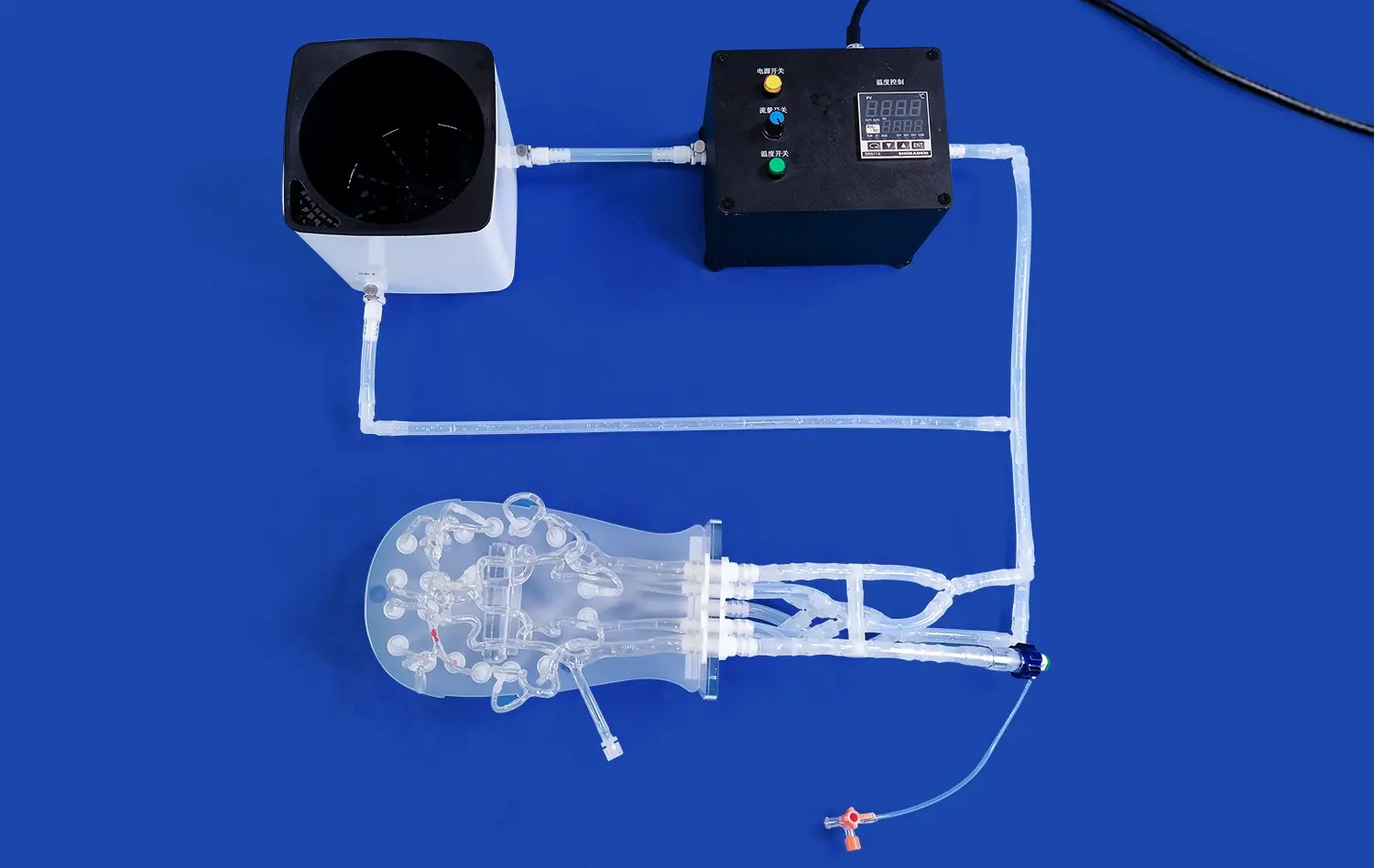
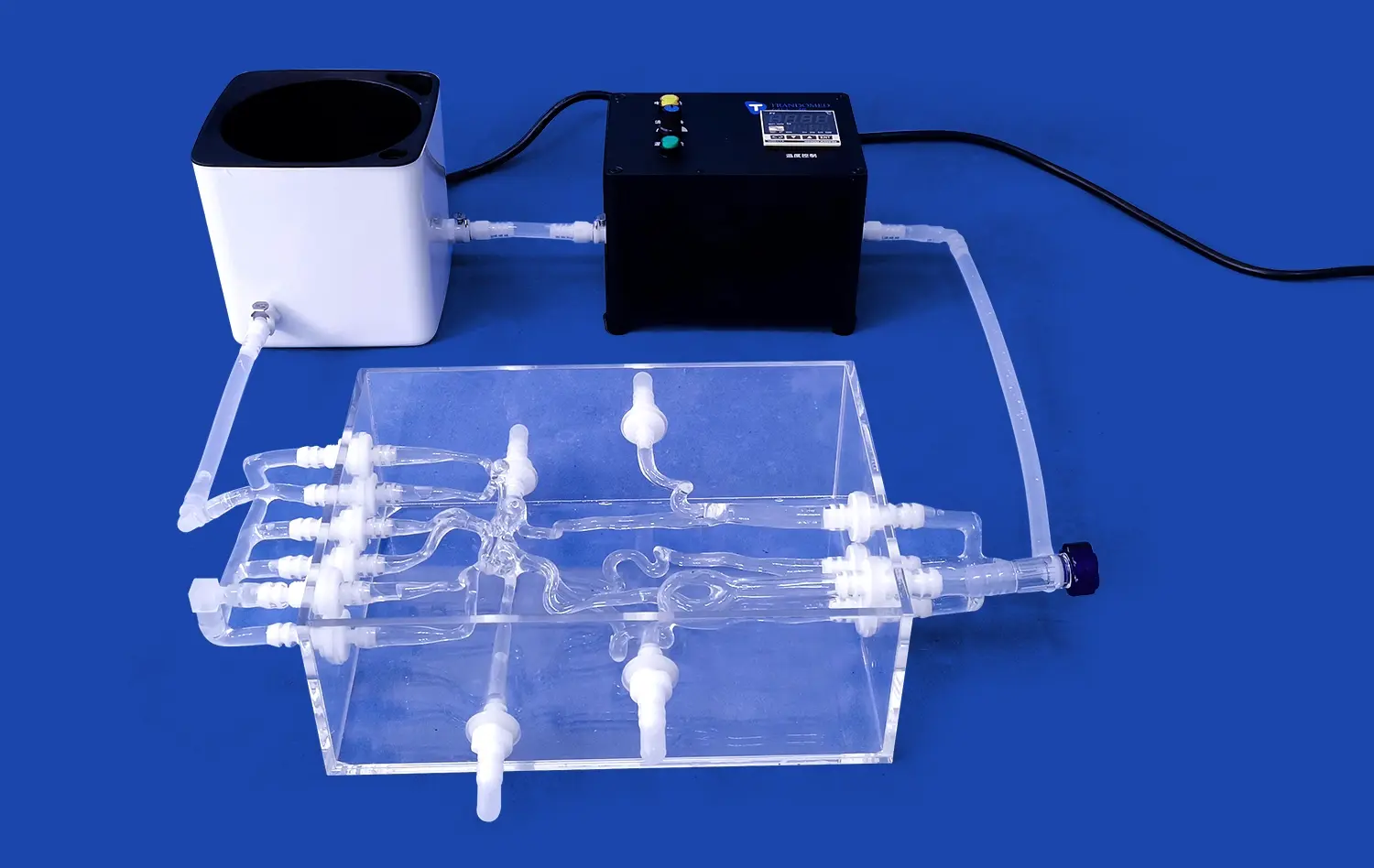
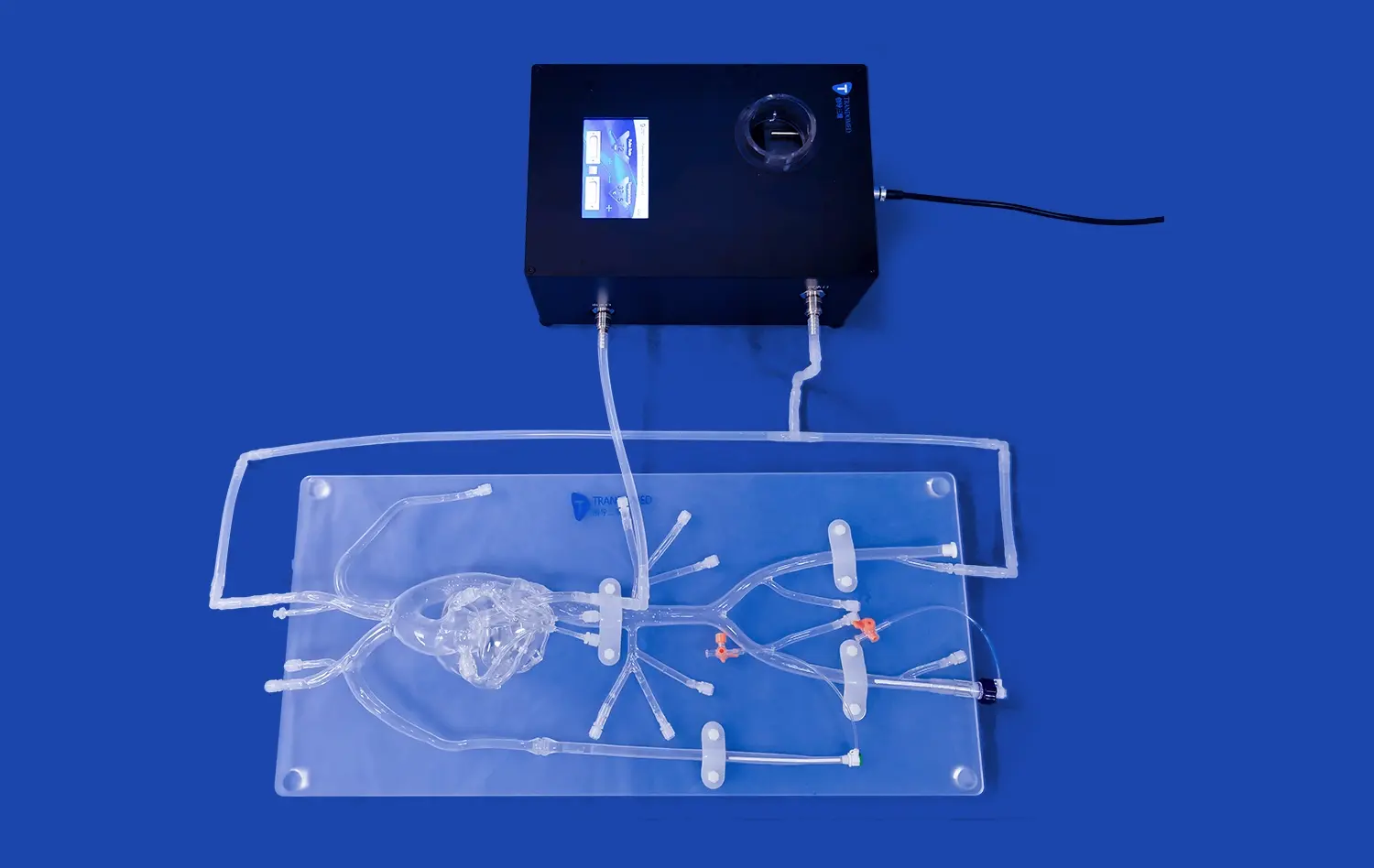
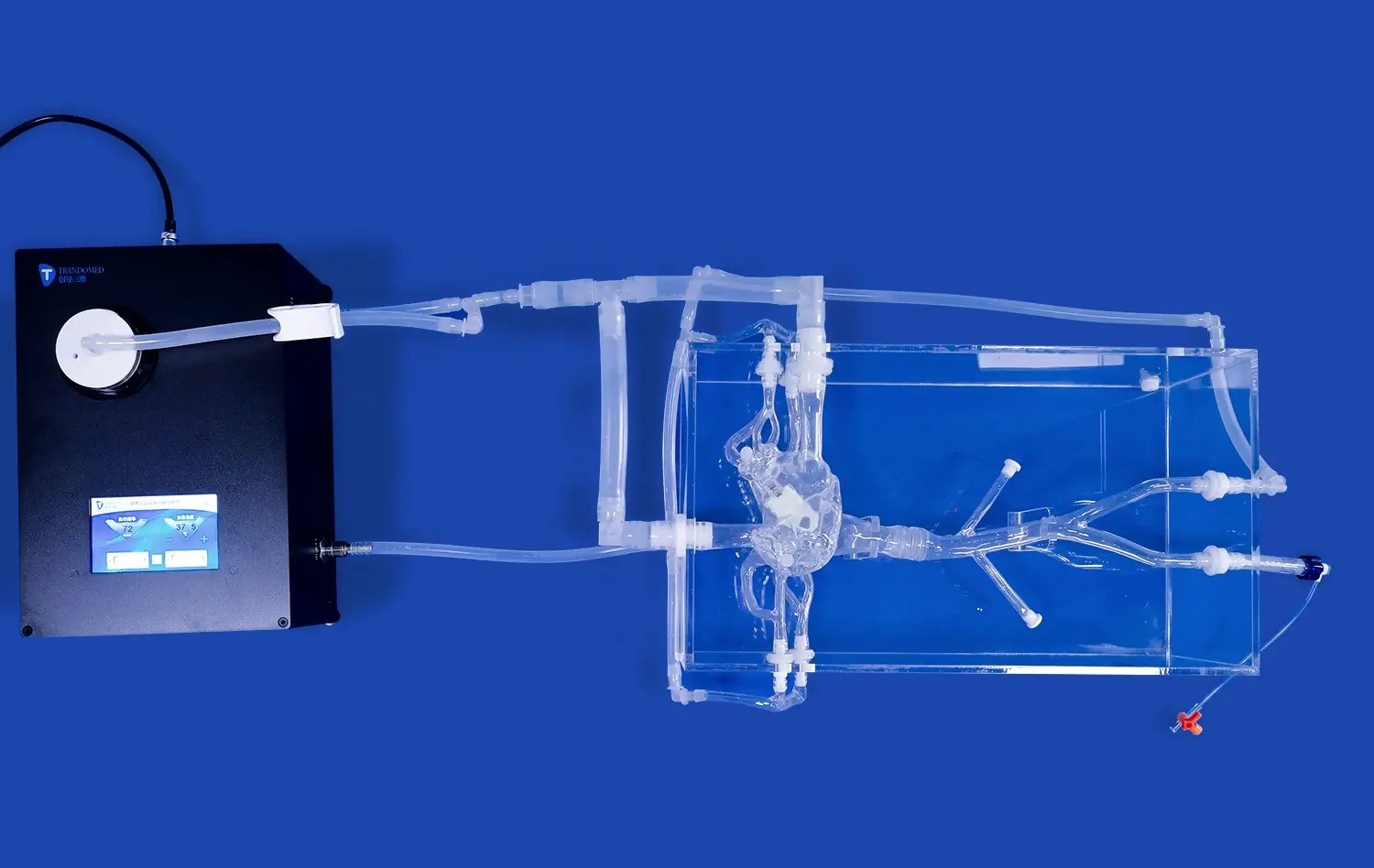
Trandomed has a lot of experience making 3D-printed medical teaching tools that medical schools can rely on when they need to find reliable internal carotid artery model manufacturers. Our SJJ003D internal carotid artery model is the best educational modeling technology available. It is made from medical-grade silicone Shore 40A, which is very durable and has lifelike feel. We have over 20 years of experience in medical 3D printing creation, so we know the unique problems that neurovascular education programs have to deal with. Please email our team at jackson.chen@trandomed.com to talk about your unique training needs and find out how our flexible options can help you do better in school.
References
Johnson, M.R., et al. "Advanced Simulation Technologies in Neurovascular Medical Education: A Comprehensive Review." Journal of Medical Education Technology, vol. 45, no. 3, 2023, pp. 156-172.
Chen, L., and Williams, S.K. "Material Science Innovations in 3D-Printed Anatomical Models for Cardiovascular Training." Medical Simulation Quarterly, vol. 28, no. 2, 2023, pp. 89-105.
Rodriguez, A.P., et al. "Curriculum Integration Strategies for Vascular Simulation Models in Medical Schools." Academic Medicine Today, vol. 67, no. 4, 2023, pp. 234-248.
Thompson, K.J., and Davis, R.M. "Cost-Benefit Analysis of High-Fidelity Anatomical Models in Healthcare Education." Healthcare Economics Review, vol. 39, no. 1, 2023, pp. 78-94.
Park, S.H., et al. "Digital Integration in Medical Simulation: Hybrid Learning Platforms for Neurovascular Education." Technology in Medical Education, vol. 52, no. 6, 2023, pp. 312-327.
Anderson, B.C., et al. "Procurement Guidelines for Medical Simulation Equipment: Best Practices for Educational Institutions." Institutional Purchasing Journal, vol. 31, no. 5, 2023, pp. 145-162.
_1734504197376.webp)
_1732866687283.webp)