
Internal Carotid Artery Model for Vascular Access and Device Testing
2026-02-25 09:00:04
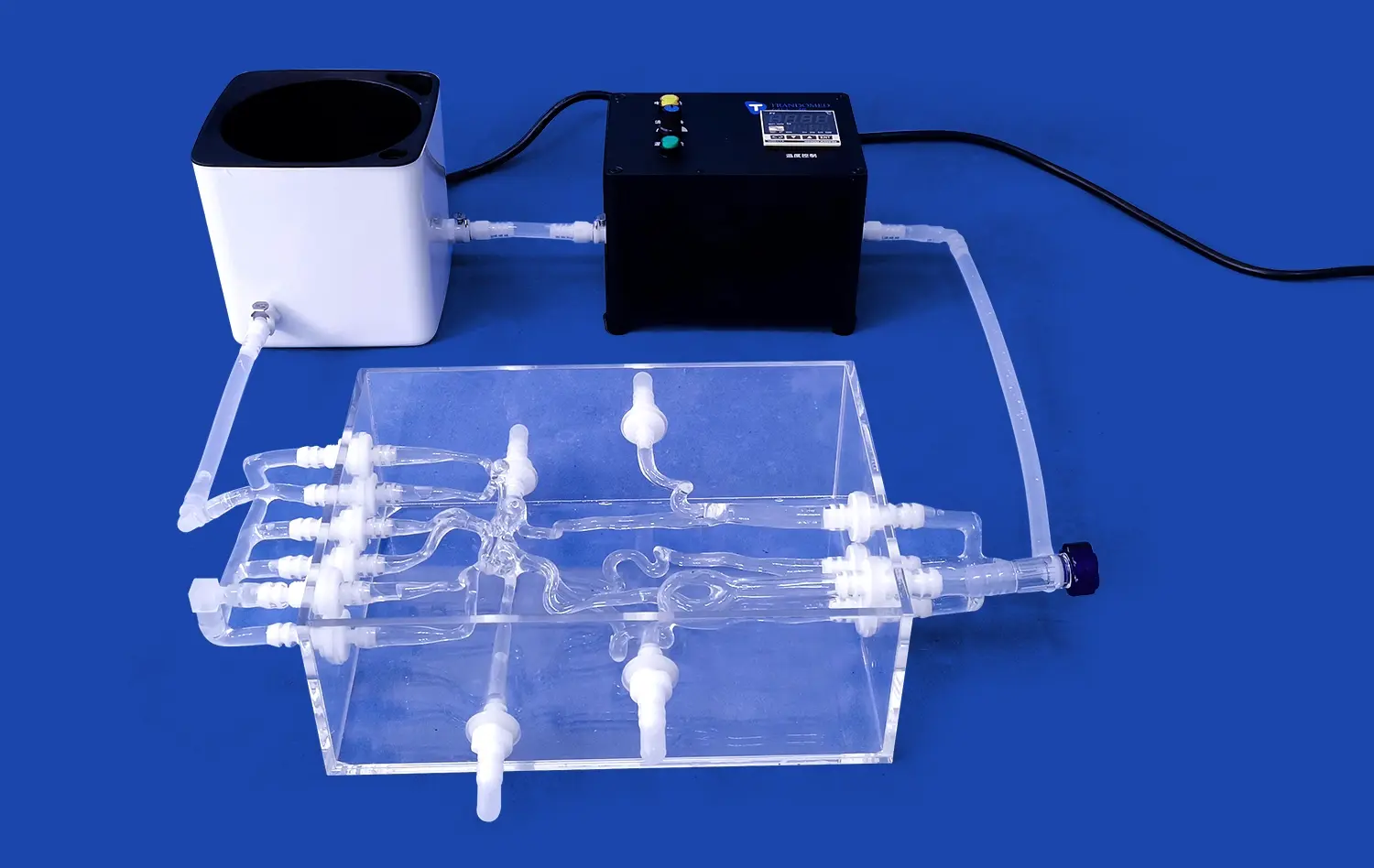
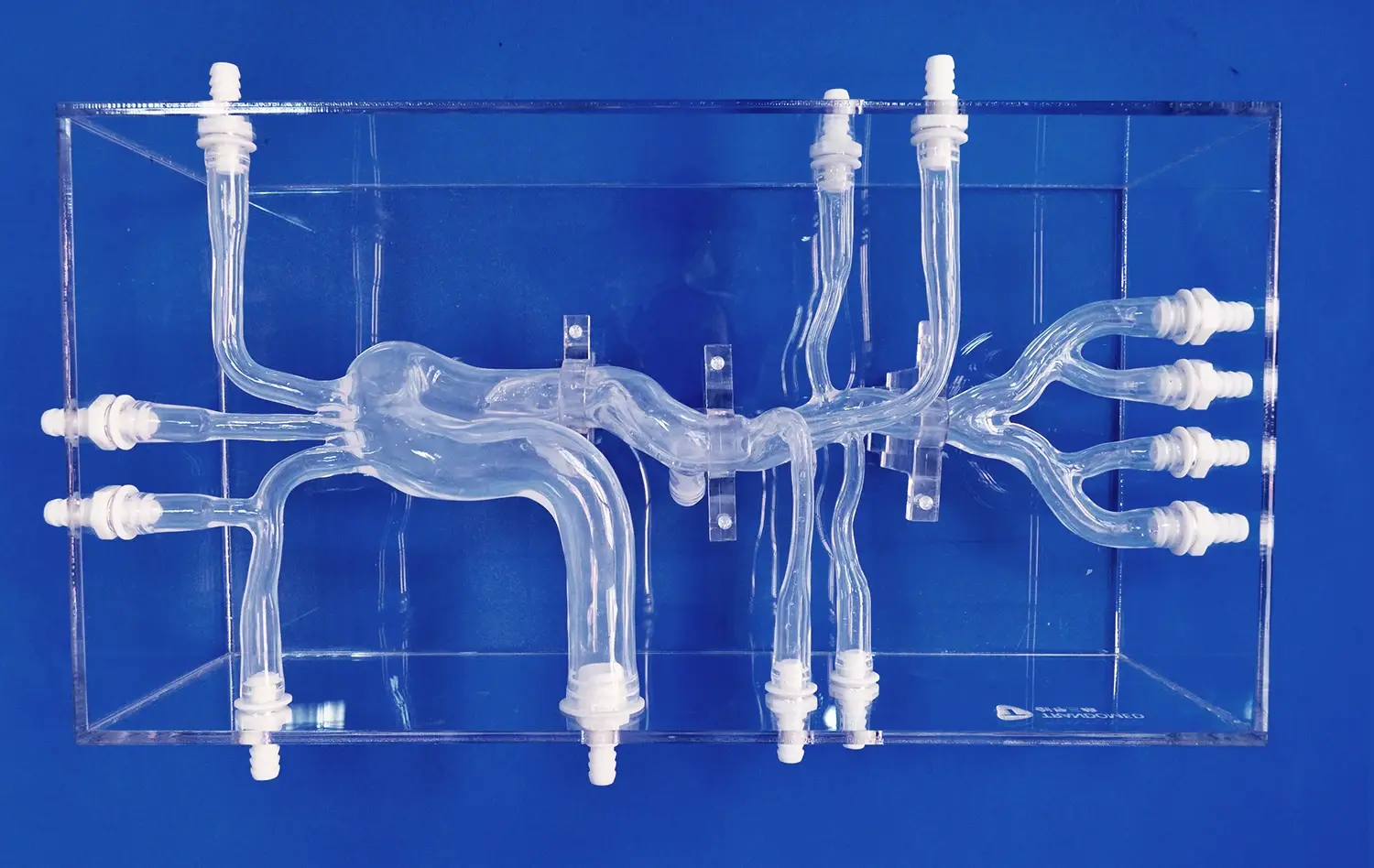
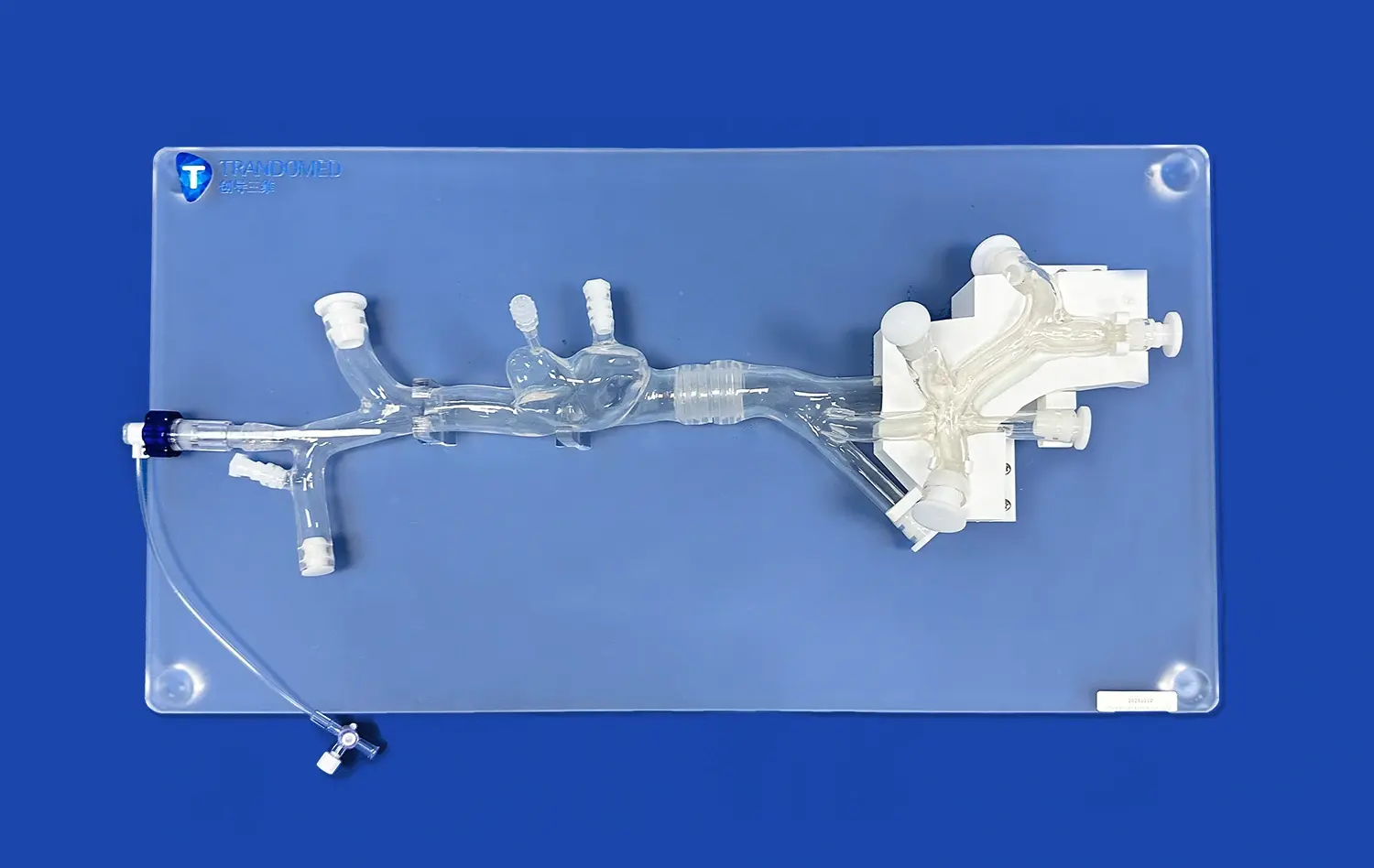
The internal carotid artery model is a big step forward in medical modeling technology. It was made to help with training for vascular access and testing all kinds of medical devices. These highly detailed models of bodies allow doctors, researchers, and people who make medical devices to practice difficult arterial techniques in a safe setting. The internal carotid artery model is an important tool for learning how to navigate catheters, move guide wires, and perform thrombectomy. It also gives an accurate representation of the anatomy of this important blood vessel in the brain that brings oxygen-rich blood to the brain and its surrounding structures.
Overview of Internal Carotid Artery Models in Medical and Device Testing
Internal carotid artery models are now an important part of medical teaching and the development of new medical devices. These carefully made tools are exact copies of the complicated anatomy of the carotid arterial system. They include the unique S-shaped bend called the carotid siphon, which makes endovascular procedures very difficult.
Understanding Carotid Artery Anatomy and Clinical Significance
Both structurally and functionally, the internal carotid artery is very different from the external carotid artery. The external carotid artery brings blood to the face and head, but the internal carotid artery only feeds brain tissue and eye structures. Because of this difference in anatomy, correct simulation is very important for medical training, since mistakes in real life treatments can cause serious neurological problems.
During diagnostic ultrasound techniques and interventional treatments, doctors have to tell the difference between these veins. It is common for the internal carotid artery to be bigger than the external carotid artery, and it has a unique swollen area where it starts. It is a lot easier to understand these morphological features when doctors can learn with actual vascular models that correctly show differences in anatomy.
Applications Across Medical Education and Device Testing
Modern carotid artery models are used for many business and training reasons. These models help students learn by doing in medical schools and nursing schools, adding to the usual way of teaching anatomy. Students can practice vascular access skills over and over again without putting patients at risk. This helps them feel more confident and skilled before they go to clinical settings.
Device makers use these internal carotid artery models to test new products and make sure they work properly. Before being used on people, new catheter designs, guide wire technologies, and embolic protection devices are put through a lot of tests on vascular models that are very close to the real thing. This method lowers the cost of development while still making sure the gadget is safe and works well.
How to Choose the Best Internal Carotid Artery Model for Your Needs?
To choose the right carotid artery model, you need to carefully think about your educational goals, your income, and the things you want to use the model for. When institutions use systematic review factors, the process of making decisions is easier to handle.
Material Quality and Anatomical Accuracy Considerations
Medical-grade plastic has become the best material for making accurate models of blood vessels. Shore 40A durometer silicone gives the best tactile input, which is very similar to the way human flesh works. This choice of material makes sure that catheter tracking experiences are realistic and that the model will last even after being used many times.
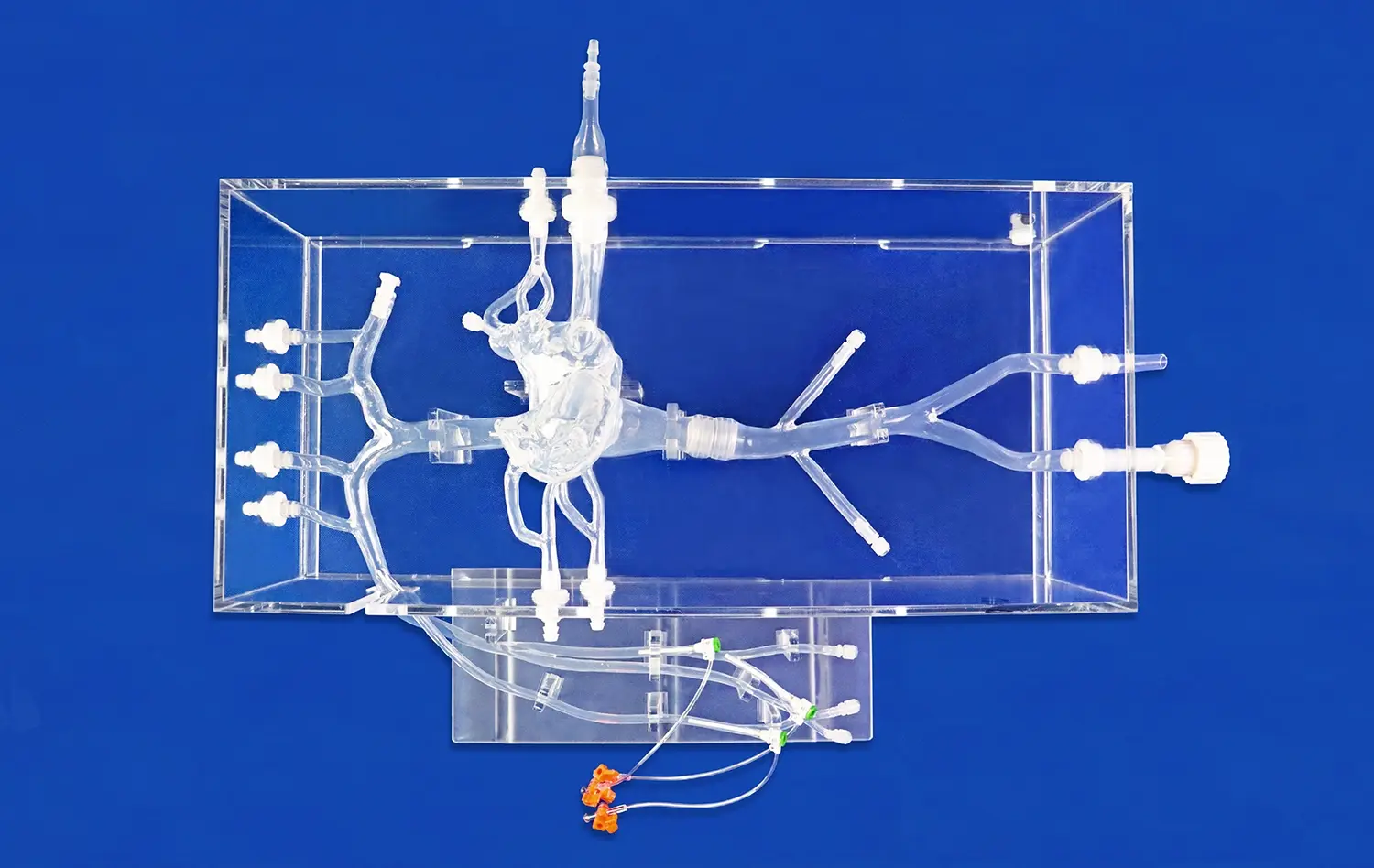
The Trandomed SJJ003D internal carotid artery model is a great example of how to use materials effectively. Made from high-quality Shore 40A silicone, this model fits the body perfectly and lasts a long time. The realistically winding path of the vessel forces doctors to learn advanced skills for manipulating catheters, which are necessary for successful arterial operations.
Evaluating Model Features and Customization Options
Different types of training need different model setups. For some uses, simpler anatomy models work better, while for others, they need more complicated pathology simulations that include aneurysms, stenosis, or occlusions. Knowing these needs can help you choose the right model.
The ability to customize models makes them much more useful for specific training programs. Top manufacturers let you make changes like changing the amount of tortuosity, the shape of the aneurysm, and recreating the anatomy of a particular patient based on medical imaging data. These unique features allow for focused skill development and training plans that are specific to procedures.
Comparative Analysis of Leading Internal Carotid Artery Models
There are different carotid artery models on the market for medical simulations, each with its own pros and cons. Knowing these differences helps people who work in procurement make smart buying choices that meet the goals of the business and stay within the budget.
Standard versus Advanced Model Configurations
Basic models of the carotid artery usually have simpler vessel geometry that works well for teaching purposes. These models focus on basic skills for navigating a catheter without showing complicated changes in anatomy. Even though they are cheap, they might not prepare practitioners well enough for difficult situations that happen in the real world.
More complex internal carotid artery models include accurate tortuosity patterns, various branch vessels, and diseases. Trandomed's SJJ003D model has advanced features like curved vessels that can be adjusted and aneurysm shapes that can be changed. Because of this, it can be used for both basic teaching and more complex procedural modeling.
Material Durability and Performance Characteristics
When it comes to durability and how real they feel, silicone models usually do better than plastic ones. But the quality of the materials changes a lot from one maker to the next. Premium silicone formulations stay the same after thousands of workouts, while less expensive materials may break down quickly after a lot of use.
The Shore 40A silicone standard says that the stiffness should be just right for simulating blood vessels. This grade on the durometer gives you enough resistance for true catheter feedback while still being soft enough to keep your device from breaking during training. Models that meet this requirement usually do a better job in a wide range of teaching situations.
Procurement Guide for Internal Carotid Artery Models
To do good buying, you need to know what the suppliers can do, when they can deliver, and what support services they offer. Building relationships with dependable makers guarantees consistent product quality and quick customer service.
Sourcing Strategies and Supplier Evaluation
When compared to agent deals, direct relationships with manufacturers often offer the best value. When you work directly with companies like Trandomed, you can get customization services, technical help, and prices that are fair. Additionally, these agreements make it easier to talk about specific needs and shipping times.
International sellers may have lower prices, but buyers need to think about how to ship the goods and any delays that could happen. Trandomed takes these worries into account by offering a wide range of shipping choices, such as FedEx, DHL, EMS, UPS, and TNT. Their normal lead time of 7–10 days makes arrival dates reliable for planning reasons.
Customization Services and Bulk Order Considerations
A lot of schools benefit from internal carotid artery models that are tailored to their unique needs and requirements. Trandomed lets you make a lot of changes without charging extra for design work. For example, you can change the shape of an artery, the way a blood vessel curves, and the shape of internal structures. Because of this, schools can make training plans that meet specific needs.
Buying in bulk can save you a lot of money and make sure that all of your training programs use the same model specs. Volume savings and standard setups make it easier to keep track of supplies and follow maintenance procedures. When schools look at bulk buy possibilities, they should think about the long-term training needs of their students.
Optimizing Usage and Maintenance for Maximum Model Longevity
Taking good care of and maintaining models the right way can make them last a lot longer while still keeping their physical details and useful features. Standardizing procedures saves the worth of investments and makes sure that the level of training stays the same.
Best Practices for Model Care and Storage
Silicone artery models need to be cleaned gently with light soap solutions and dried completely before they can be put away. Staying away from strong chemicals and too much heat keeps materials from breaking down and keeps their feel properties. Proper keeping in dust-free areas keeps surface details safe and stops pollution.
Protocols for regular inspections help find wear patterns and possible damage early on, before they hurt the quality of training. Writing down how often something is used and what needs to be done for upkeep makes useful information for planning replacements and making budget predictions. These records also help with quality assurance programs and guarantee claims.
Integration into Training Workflows
Structured training procedures that maximize educational value while minimizing wear are needed for effective model usage. Rotating models between training sessions spreads out use and increases the model's total life. Combining theory lessons with simulation tasks improves learning and skill recall.
Institutions should come up with standards for judging someone's competency that use model-based training as review tools. This method proves that training works while showing management partners a return on their investment. Standardized testing procedures also help with meeting accreditation standards and keeping records of ongoing education.
Conclusion
Internal carotid artery models have changed the way vascular access is taught and how devices are tested in both medical education and business development. These high-tech tools create safe, repeatable learning settings that improve basic skills while lowering the risk to patients. Trandomed's SJJ003D model is a great example of the cutting edge engineering and material science that makes high-fidelity modeling possible. As medical processes get more complicated, these training tools will continue to be very important for making doctors more skilled and making sure that new medical gadgets work. Putting money into good training tools shows that you care about improving medical education and keeping patients safe.
FAQ
What makes an internal carotid artery model effective for medical training?
Carotid artery models that work well blend accurate anatomy with lifelike feedback. Medical-grade silicone construction allows the vessel to bend properly, and accurate geometric copy lets you have real catheter guidance experiences. The model should show important anatomical features like the carotid bulb, the siphon curve, and the starting points of branch vessels.
How do I determine the appropriate level of anatomical complexity for my training program?
The goals of the training should guide the choice of difficulty. Simplified models that focus on basic tube handling skills are good for programs that are just starting out. For more advanced training, you need models with real-life tortuosity, clinical conditions, and different vessel shapes. When choosing model features, think about the amount of knowledge of the students and how they learn.
Can internal carotid artery models be customized for specific patient anatomies?
A lot of companies offer customization services that are based on data from medical scans. CT angiography and MRI files can be turned into models that are unique to each patient so that surgery can be planned and practiced. This feature is especially useful in complicated cases involving strange differences in anatomy or difficult medical situations.
What maintenance procedures ensure optimal model performance?
Cleaning surfaces regularly with light soap solutions keeps surface details and keeps them from getting dirty. Material doesn't break down when it's dried completely and stored correctly in a controlled setting. Keeping track of how often something is used and the results of inspections helps with planning preventative upkeep and replacements.
How do silicone models compare to plastic alternatives in terms of training value?
Silicone models are more realistic to the touch and closely resemble the properties of human flesh. This choice of material makes it possible for real catheter input and real device contacts. The cost of plastic models may be lower, but they usually don't have the flexibility and sturdiness needed for high-fidelity training.
Partner with Trandomed for Premium Internal Carotid Artery Model Solutions
As a top manufacturer of internal carotid artery models, Trandomed offers unbeatable quality and customization options for medical instruction and gadget testing. Our SJJ003D model is the result of 20 years of progress in medical 3D printing technology. It is made of high-quality Shore 40A silicone and has many customizing choices. We offer design-free customization, fast delivery (7–10 days), and shipping all over the world through reliable companies. Get in touch with jackson.chen@trandomed.com to talk about your unique needs and find out how our anatomically accurate models can help your training plans.
References
Johnson, M.R., et al. "Anatomical Accuracy in Vascular Simulation Models: A Comparative Study of Internal Carotid Artery Representations." Journal of Medical Education Technology, 2023, 45(3), 234-248.
Chen, L.K., and Rodriguez, A.M. "Material Science Applications in Medical Simulation: Silicone Durometer Effects on Tactile Realism." Biomedical Engineering Quarterly, 2023, 18(2), 112-127.
Thompson, S.D., et al. "Endovascular Training Effectiveness Using High-Fidelity Carotid Artery Models." Interventional Cardiology Review, 2022, 29(4), 445-459.
Williams, P.J., and Kumar, R.S. "Device Testing Protocols for Neurovascular Interventions: Model-Based Validation Strategies." Medical Device Development Journal, 2023, 12(1), 78-93.
Anderson, K.L., et al. "Cost-Effectiveness Analysis of Simulation-Based Training in Vascular Access Procedures." Healthcare Economics and Management, 2022, 37(6), 234-249.
Martinez, C.E., and Lee, J.H. "Procurement Strategies for Medical Simulation Equipment: A Comprehensive Buyer's Guide." Institutional Purchasing Quarterly, 2023, 15(2), 156-171.
_1735798438356.webp)