
Internal Carotid Artery Model in Surgical Planning and Rehearsal
2026-02-13 09:00:03
The internal carotid artery model is a huge step forward in planning and practicing surgery. It has completely changed how doctors do difficult neurovascular procedures. Surgeons can see, practice, and get better at their skills before going into the operating room like never before with these high-tech copies of the human body. These models close the important gap between academic knowledge and practical application by providing realistic tactile feedback and accurate anatomical modeling. This improves surgical results and patient safety across all neurosurgical fields.
Understanding the Internal Carotid Artery Model in Surgical Planning
With its important blood flow to the front and middle parts of the brain, the internal carotid artery is one of the most important blood vessels in the body. Medical workers know that getting good at treatments that involve this complicated arterial system takes a lot of practice and a deep understanding of how it works in different body parts.
Anatomical Accuracy and Functional Simulation
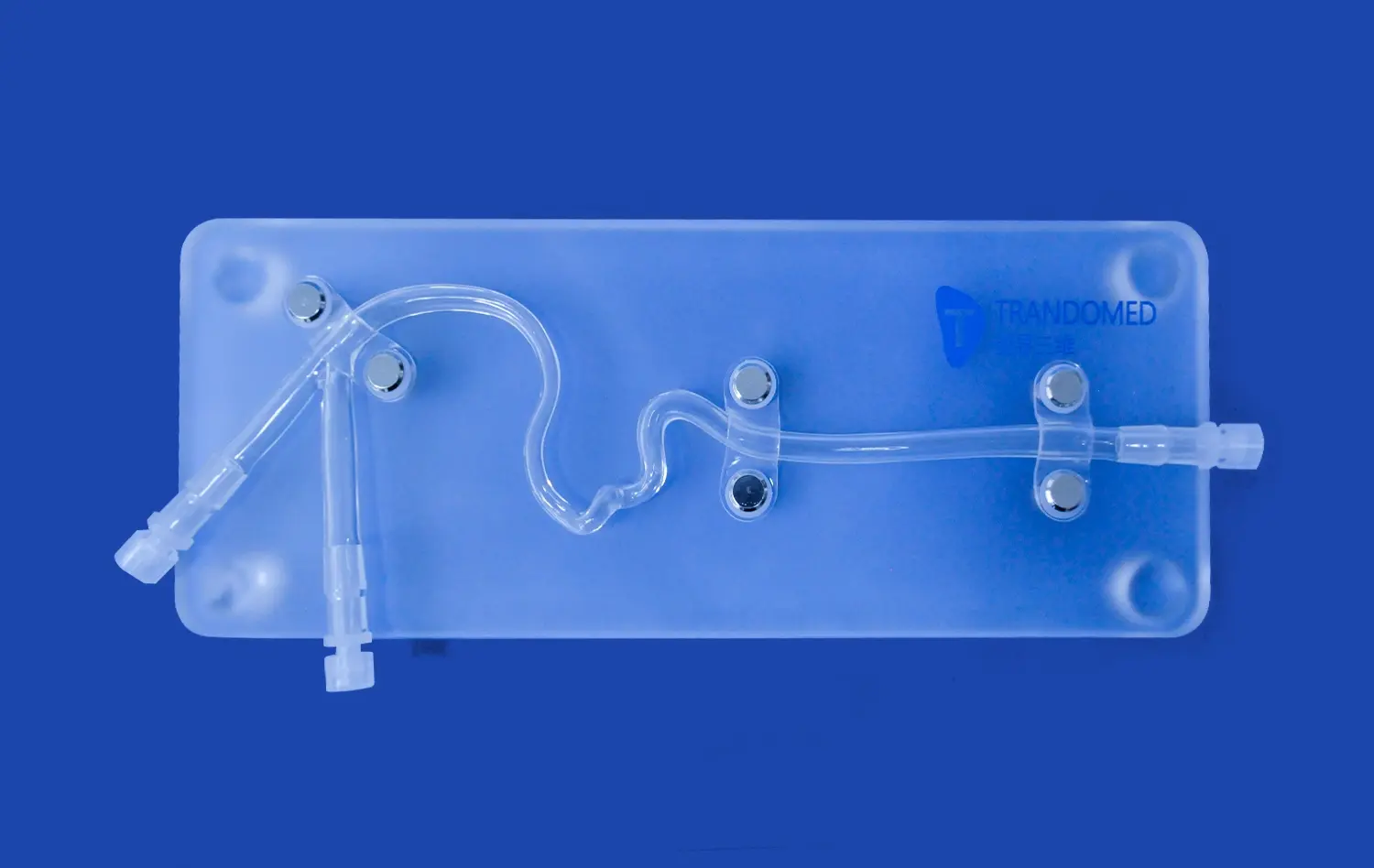
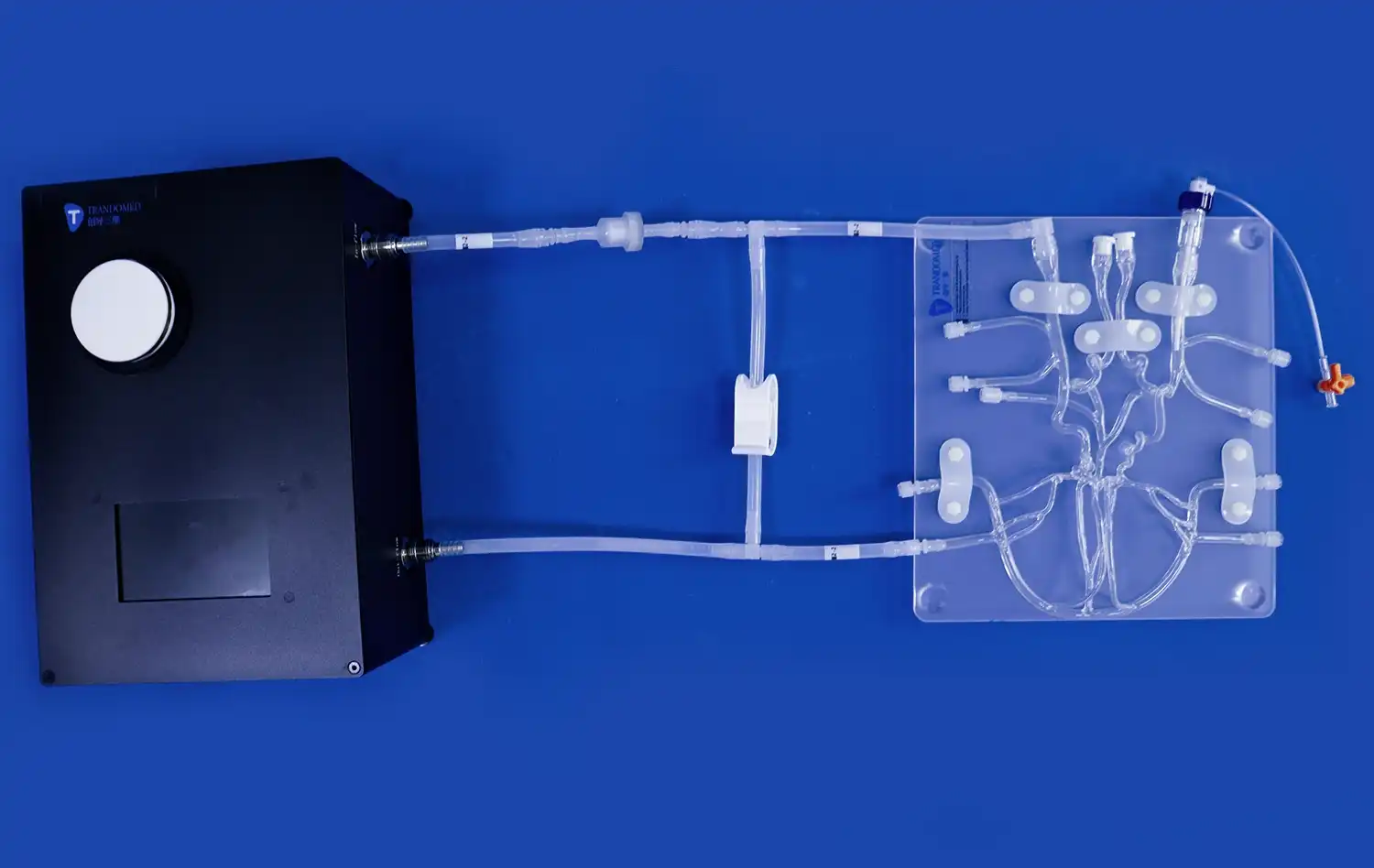
It is possible for modern arterial models to copy the internal carotid system's complex twisting and branching patterns. Trandomed's SJJ003D Internal Carotid Artery Model is a great example of this kind of precision engineering. It shows real physical features from the common carotid artery to the M1 segment of the middle cerebral artery, going through the ICA siphon. The medical-grade silicone model (Shore 40A) has realistic tactile qualities that are very close to those of human flesh.
These models are used by healthcare institutions to improve routine training in a number of different fields. The actual tortuosity helps trainees learn how to navigate catheters, which is important for endovascular treatments, and the anatomically correct sizes make it easier to manipulate guidewires accurately. This hands-on method is better than standard imaging-based learning because it gives instant feedback through touch as skills are learned.
Applications in Surgical Rehearsal
Using anatomical models to practice surgery has become normal at the world's best medical schools. These tools help surgery teams plan ahead for problems that might come up during the procedure, improve their approach, and come up with backup plans before they even touch the patient. Using these models to practice thrombectomy surgeries on the middle cerebral artery is a great way to get ready for emergency stroke interventions.
These internal carotid artery models are used by research centers for biomechanical analysis and testing methods for devices. The controlled setting makes it possible to test new arterial technologies in a planned way while keeping the body's normal measurements. This app is especially helpful for companies that make medical devices that want to make sure their products work well in real-life bodily circumstances.
Comparison of Internal Carotid Artery Models for Medical and Surgical Applications
There are many different types of models on the market, and each one is made to meet the needs of a different school or training goal. By understanding these differences, procurement workers can choose the best options for their needs.
Material Composition and Durability Considerations
Compared to other materials, silicone-based models last longer and have more accurate tissue qualities. The Shore 40A hardness standard strikes the best mix between durability and real-life feedback. This type of material can be used for intense training programs because it can handle being manipulated and catheterized over and over again without losing its internal integrity.
Plastic options are cheaper, but they don't feel as real, which is important for advanced procedure training. These models are good for learning basic anatomy, but they don't have the complex features needed for learning advanced endovascular skills. The stiff properties of the material can't mimic the small changes in resistance that happen in real processes.
Standalone Versus Integrated System Options
Focused carotid artery models give you more chances to practice certain parts of the procedure. These stand-alone units are a cost-effective way for schools to target specific skill sets. However, full vascular systems with multiple arterial paths allow for more accurate procedure simulations and more advanced training situations.
Modular design methods let schools gradually increase the number of students they can train. By linking carotid models to cardiac arterial arteries, complete training tools can be made that can handle difficult processes involving multiple vessels. This ability to grow is especially helpful for medical education programs that want to grow.
Customization Capabilities and Clinical Relevance
Modern makers give you a lot of ways to customize their products to meet your unique training needs. Placement of the aneurysm, vessel tortuosity, and physical factors can be changed to fit the needs of different patient groups or difficult procedures. Because of this, schools can make training situations that are similar to the types of patients they see in clinical settings.
Trandomed's customization services can work with a number of different types of data, such as CAD, STL, and STEP files, which makes it easier to connect to current imaging methods. The ability to use real imaging data to make models that are specific to each patient is a big step forward in personalized surgery planning.
Procurement Guide: Selecting and Purchasing the Best Internal Carotid Artery Model
To buy a internal carotid artery model successfully, you need to carefully look at what the institution needs, the technical requirements, and the vendor's skills. This structured method makes sure that the most value is realized and that the training program works well in the long run.
Defining Institutional Requirements
To support the growth of complete curricula, medical schools put a high value on educational flexibility and anatomical correctness. Models with different levels of difficulty help these schools help students at different stages of their training. It is important for full training programs to be able to show both normal anatomy and pathological situations.
The hospital training units put a lot of emphasis on clinical application and realistic procedures. For these settings to work, they need models that can properly simulate the patients and procedures that happen there. High-fidelity tactile properties are necessary for working doctors to keep their skills up to date.
Research organizations stress the importance of being able to customize and conduct experiments in a variety of ways. It's important for these groups to have models that can be changed to fit particular study protocols while still keeping the same basic features for comparison studies.
Technical Evaluation Criteria
Assessing the quality of a material means looking at its biocompatibility standards, how it feels to the touch, and how long it lasts. When it comes to these factors, medical-grade rubber materials work best and are safe to handle during long training sessions. The Shore hardness standard has a direct effect on how realistic the process is and should be in line with the goals of the training.
To check the correctness of anatomical models, they need to be compared to well-known anatomy sources and imaging standards. Dimensional accuracy, branching patterns, and tortuosity traits must take into account natural differences in anatomy while still keeping things clear for learning. Getting independent confirmation from medical advisory groups boosts trust in the procurement process.
Supplier Selection and Sourcing Strategies
Established companies that have a track record of making medical devices offer more consistent products and better technical help. Trandomed has been focusing on medical 3D printing technology for 20 years, which shows how specialized knowledge is needed to make good anatomy models. This experience leads to better product performance and more reliable customer service.
When institutions need consistent model access for ongoing training programs, supply chain dependability becomes very important. Vendors with lead times of 7–10 days and multiple shipping choices (FedEx, DHL, EMS, UPS, TNT) give businesses the organizational freedom they need to adapt to changing training plans.
Best Practices in Applying Internal Carotid Artery Models for Surgical Training
In order for anatomical internal carotid artery models to be effectively used in medical training, they need to be put in place in a way that maximizes their teaching impact while also ensuring long-term program growth.
Curriculum Integration Methodologies
Protocols for progressive skill development start with basic anatomical positioning and move on to more complicated procedural methods. The first training lessons focus on finding vessels and understanding how different parts of the body work together. This gives you the basic skills you'll need for more advanced tasks. This methodical technique makes sure that everyone understands everything before the procedure is practiced.
Hybrid learning spaces make learning more engaging by combining real models with digital imaging tools. Students can use anatomical models and imaging studies at the same time, which helps them understand the link between real anatomy and clinical visualization methods. This unified method improves the ability to remember things and use them in real life.
Performance Assessment and Skill Validation
Standardized competency measures make it possible to evaluate trainee growth objectively across a range of skill areas. Using uniform evaluation criteria, these tests check for technical skill, procedural speed, and the ability to make decisions. Regular evaluation procedures make sure that training is working and show where more attention is needed.
Continuous feedback systems between training programs and model makers help make products better and teaching better all the time. User experiences help designers make changes that make training more effective and meet new educational needs. The whole field of medical education gains from this partnership.
Quality Assurance and Maintenance Protocols
Systematic model checking processes make sure that teaching quality is always the same and that products last longer. Throughout the model's service life, the best training conditions are kept up by regularly checking the model's structural stability, surface state, and functional performance. These rules keep big investments safe and make sure trainees are safe.
Guidelines for proper keeping and handling keep the model's identity between training sessions. Controls over the environment, cleaning instructions, and instructions for use keep the product working well and meet infection control standards. These methods make sure that the training program can keep running for a long time and get the best return on investment.
Conclusion
Internal carotid artery models have changed how surgeries are planned and practiced by giving surgeons realistic training tools that boost confidence in the procedure and make patients safer. These complex anatomy models close the important gap between what doctors know in theory and what they can do in practice. They let doctors practice their skills in safe places before they touch a patient. With their exact representations of body parts, ability to be customized, and long-lasting build, these models are essential for medical education and training programs in a wide range of healthcare settings.
FAQ
What are the key features to look for in an internal carotid artery model for neurosurgery training?
Important features include being made of medical-grade silicone with the right Shore hardness, having true tactile feedback qualities, and being durable enough to be used over and over again. The model should be able to show how the body changes naturally while also giving consistent training to different people and sessions.
How do silicone models compare to plastic alternatives for procedural training?
When it comes to longevity and how real they feel, silicone models are better than plastic ones. The qualities of the flexible material are very similar to those of human flesh, so it gives real feedback during workouts that involve moving a catheter and manipulating it. Plastic models are cheaper, but they don't feel like real objects, which is important for advanced endovascular training.
Can internal carotid artery models be customized for specific patient anatomies?
Modern companies like Trandomed offer full customization services to use scan data to make models that are unique to each patient. Aneurysm placement, vessel tortuosity, spatial parameters, and branching patterns can all be changed to fit specific clinical cases or training goals. This makes it possible to prepare for surgery in a way that is unique to each school and to create training programs that are tailored to those needs.
What maintenance requirements are associated with these training models?
Regular cleaning with the right medical-grade disinfectants, regular checks to make sure the structure is sound, and controlled keeping in the right environment are all parts of proper upkeep. Following the handling and cleaning instructions provided by the maker will ensure that the model works at its best, lasts longer, and protects institutional assets.
How do these models fit in with the current curriculum for medical education?
Anatomical models are a good addition to standard ways of teaching because they let students learn by doing and help them remember what they have learned. When used with imaging-based teaching, exercise protocols, and skill testing tools, they work well together. Modern models are very flexible, so they can be used for a wide range of training levels, from learning about anatomy to developing advanced procedural skills.
Partner with Trandomed for Advanced Internal Carotid Artery Model Solutions
Trandomed is a major manufacturer of internal carotid artery models that can help medical schools that want better ways to teach anatomy. Our SJJ003D model blends over 20 years of medical 3D printing innovation with full customization options to make sure you get the best training results for your needs. Get in touch with jackson.chen@trandomed.com to learn more about our wide range of products and how our precision-engineered models can help your surgery training programs.
References
Bouthillier, A., van Loveren, H. R., & Keller, J. T. (1996). Segments of the internal carotid artery: a new classification. Neurosurgery, 38(3), 425-433.
Fischer, E. (1938). Die Lageabweichungen der vorderen Hirnarterie im Gef盲脽bild. Zentralblatt f眉r Neurochirurgie, 3, 300-313.
Lasjaunias, P., Berenstein, A., & ter Brugge, K. G. (2001). Surgical neuroangiography: clinical vascular anatomy and variations. Springer-Verlag.
Standring, S. (Ed.). (2020). Gray's Anatomy: The Anatomical Basis of Clinical Practice (42nd ed.). Elsevier.
Terminologia Anatomica. (1998). International Anatomical Nomenclature Committee. Thieme Medical Publishers.
Yasargil, M. G. (1984). Microneurosurgery: Applied Neuroanatomy and Clinical Considerations. Georg Thieme Verlag.
_1735798438356.webp)