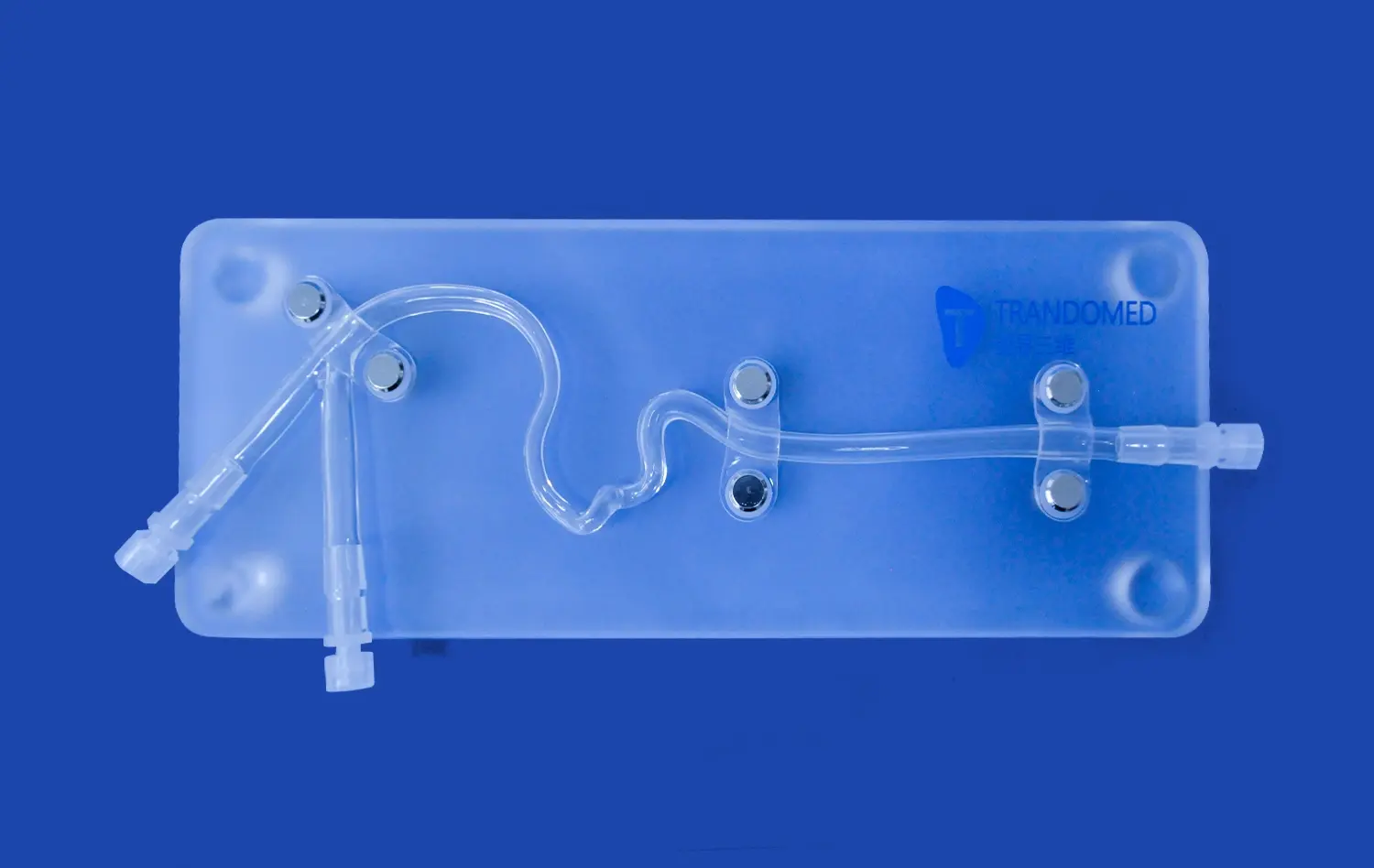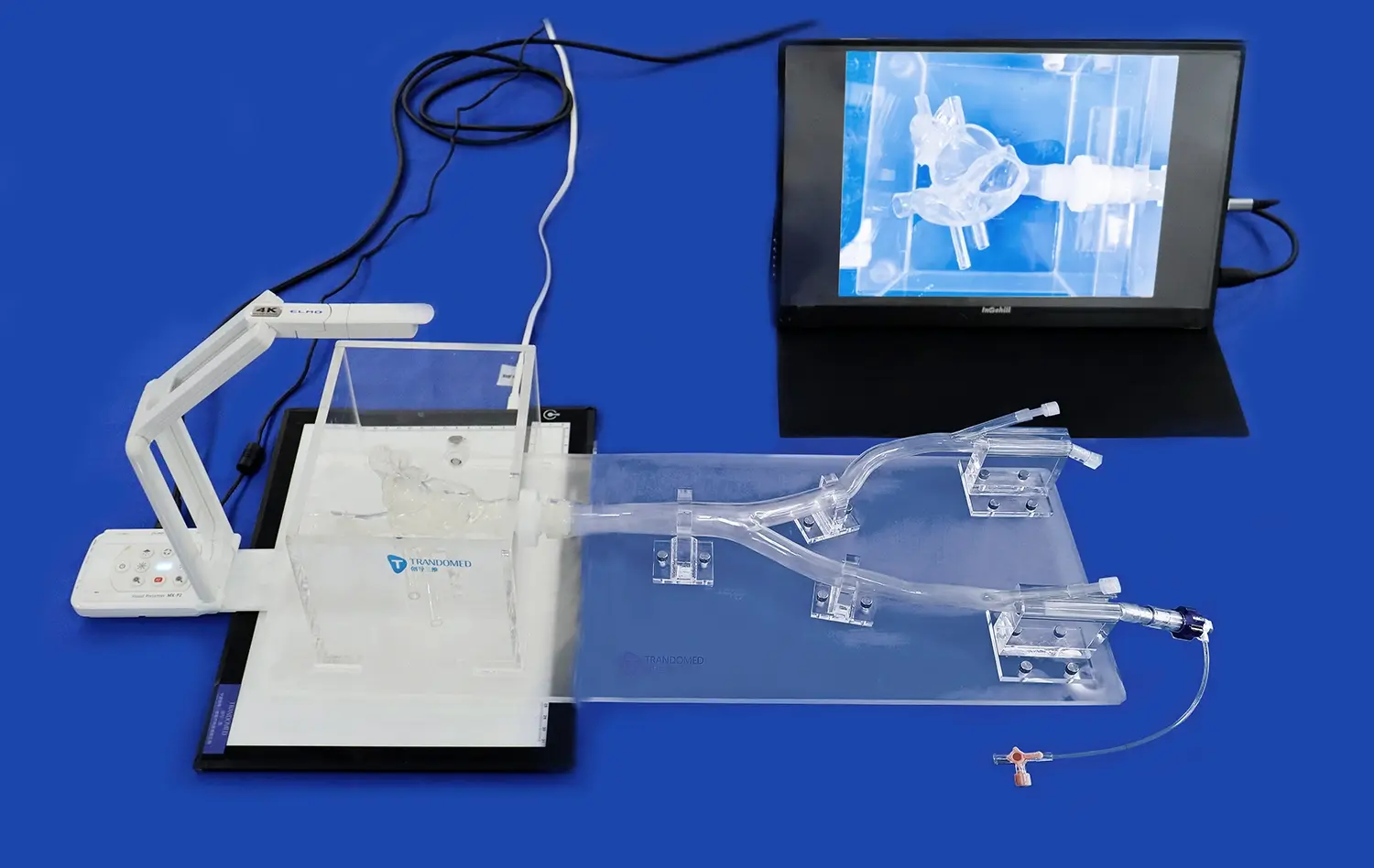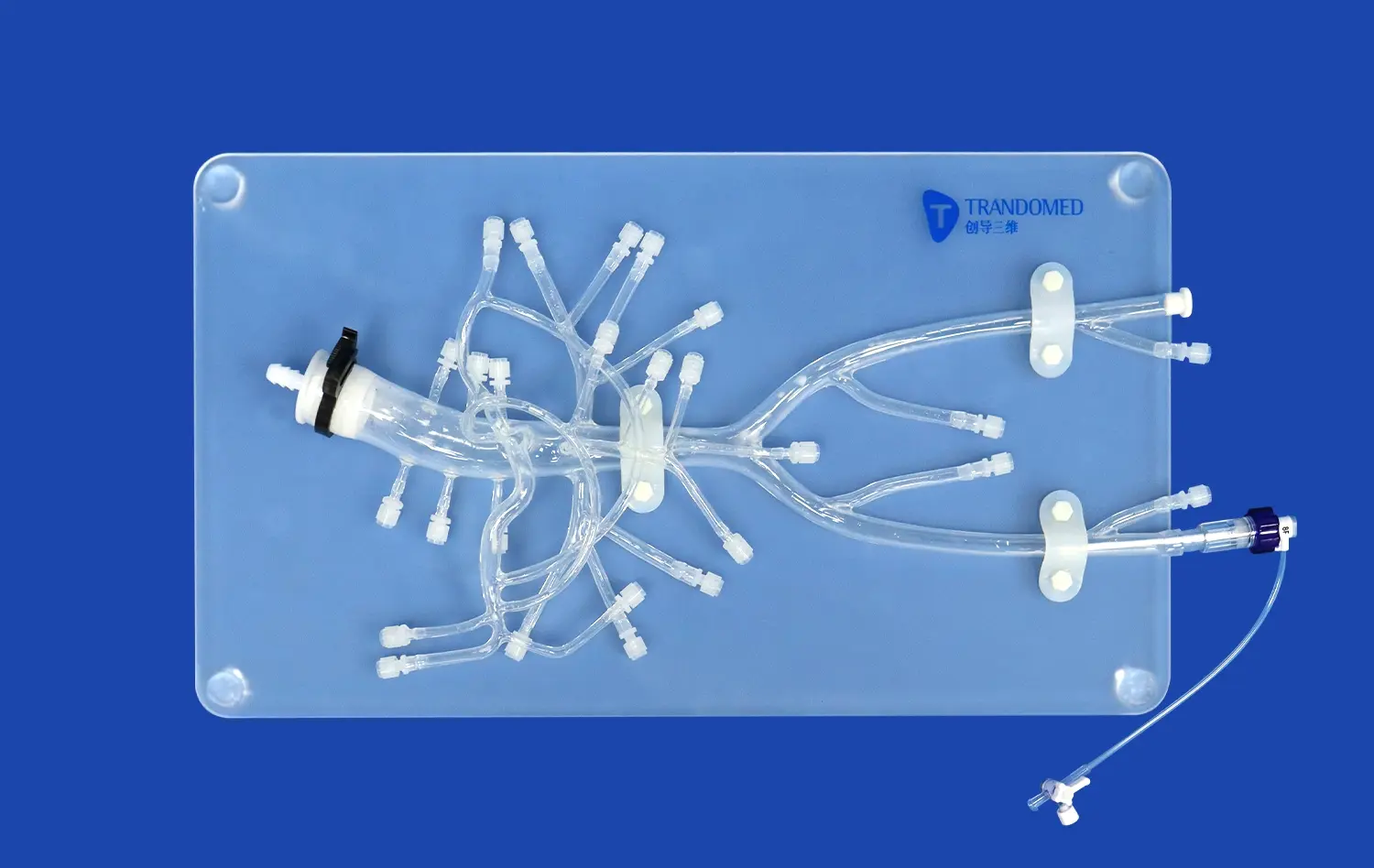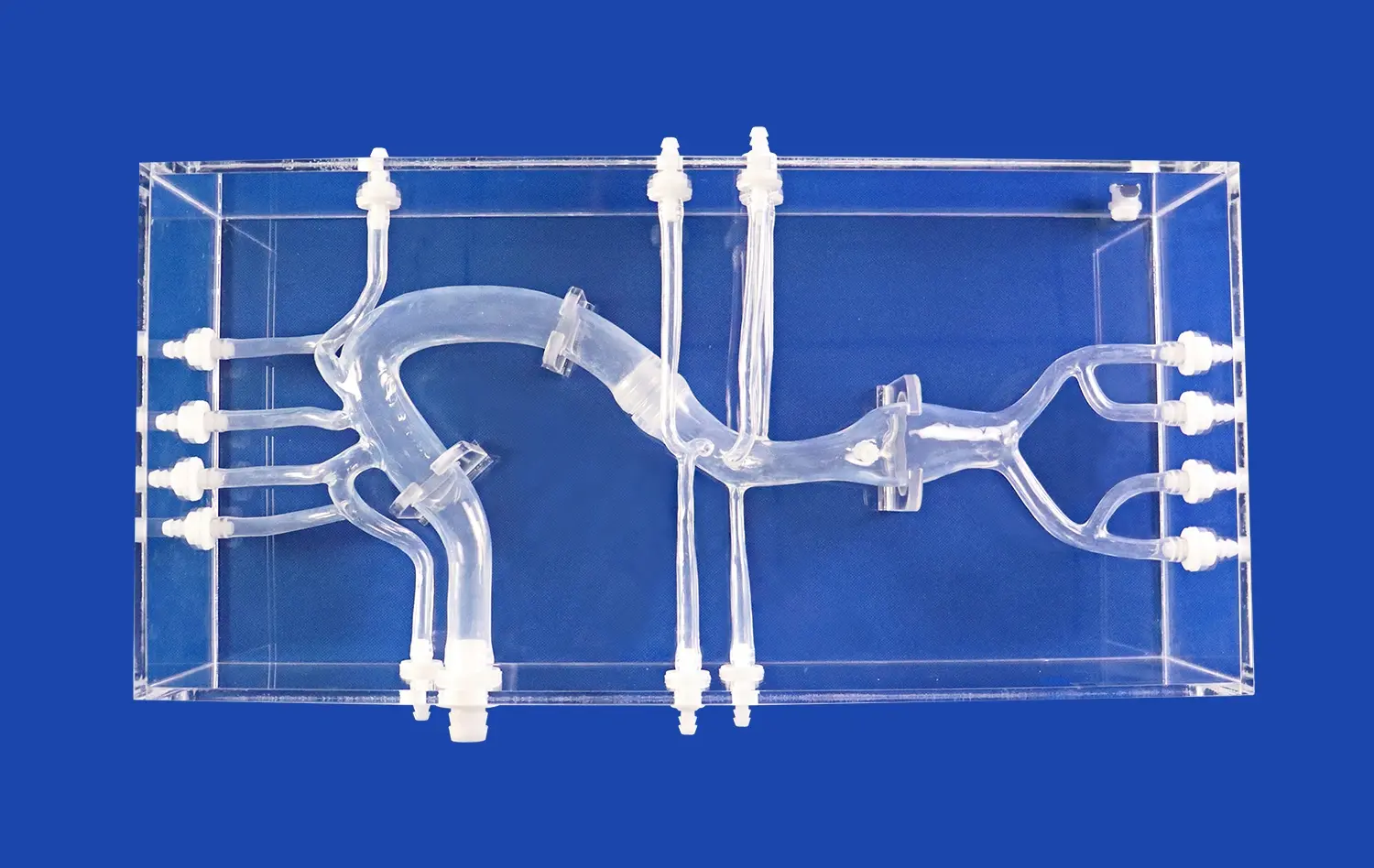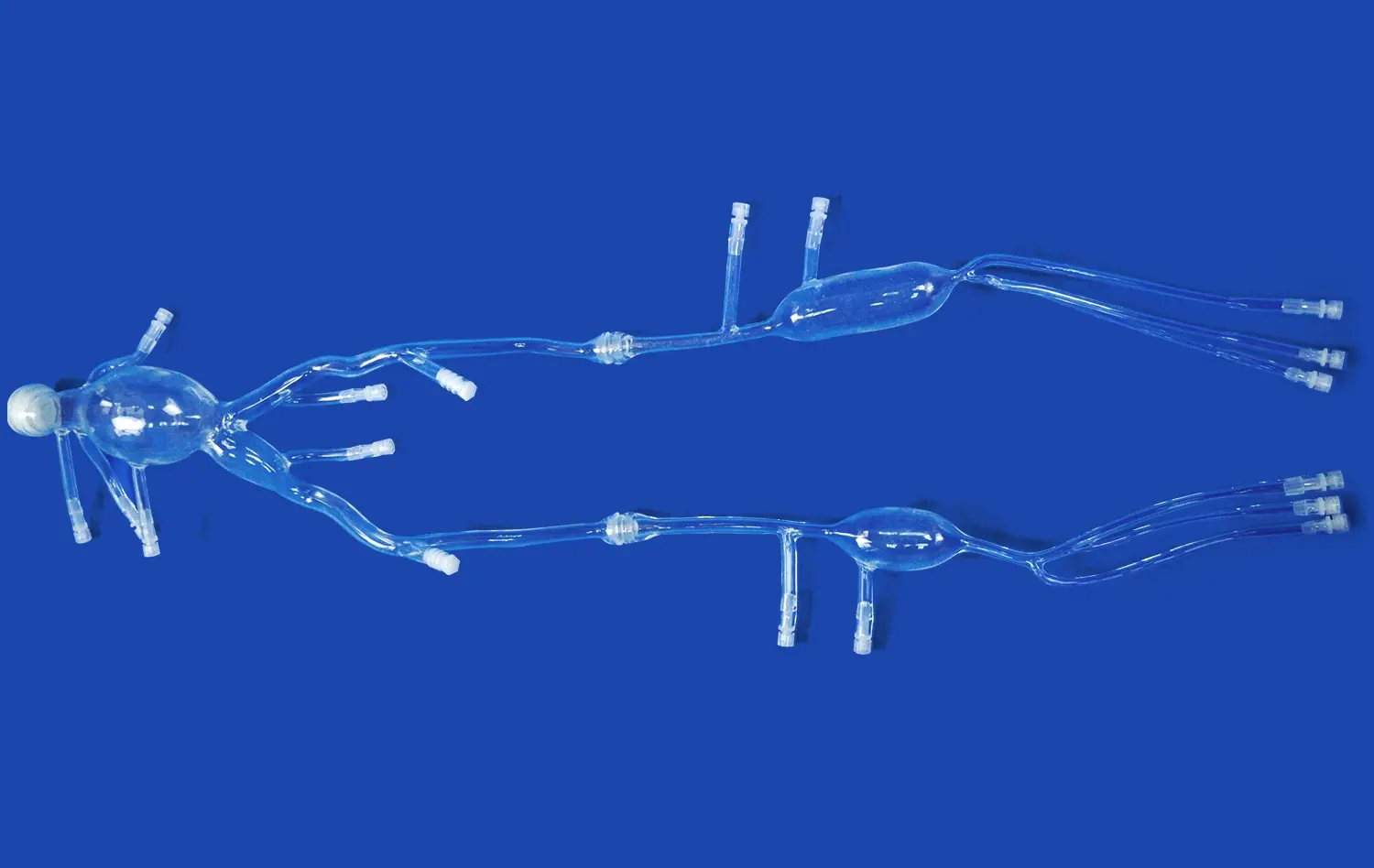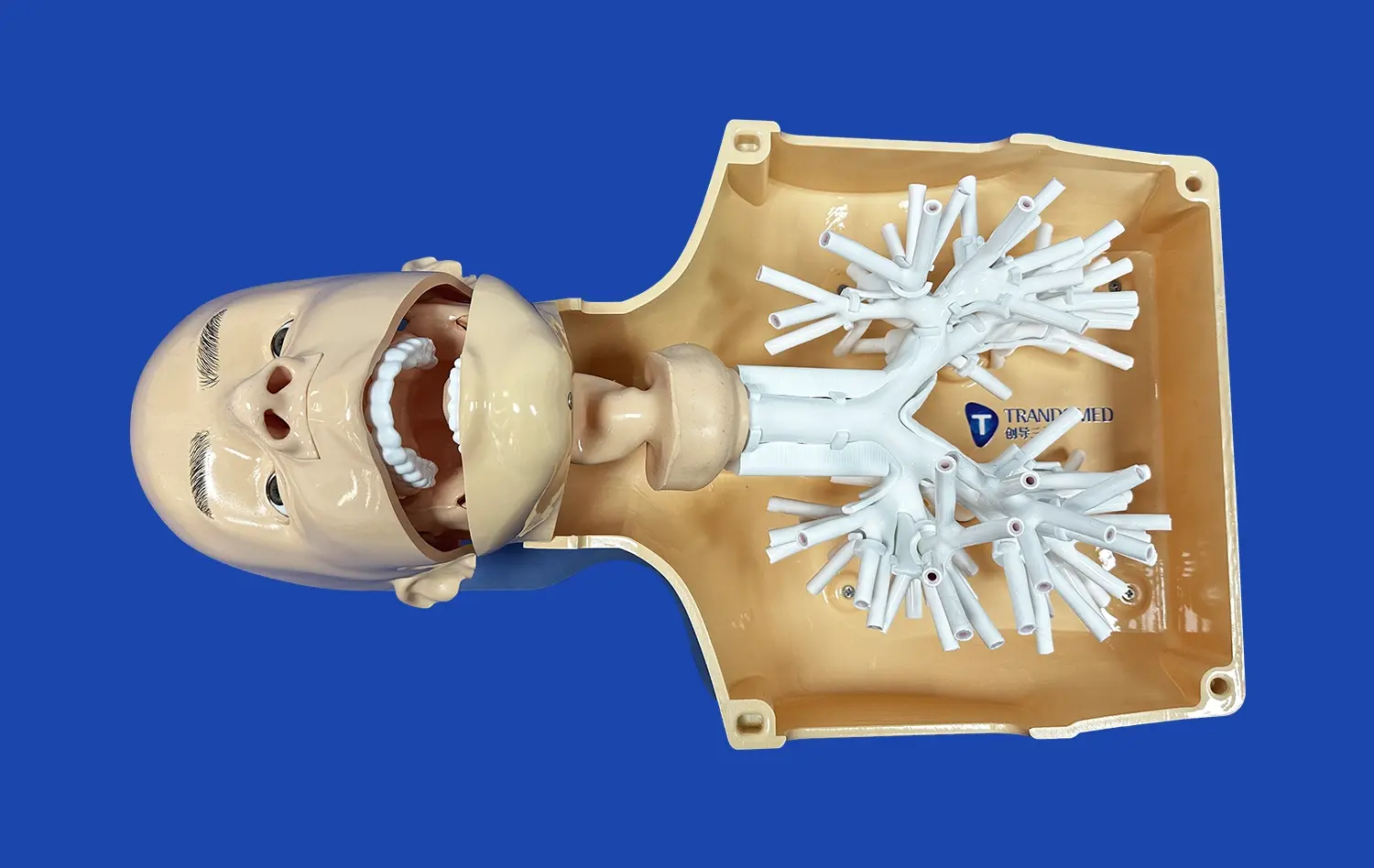

The Trandomed PICC model XXS007 is the most accurate and useful tool for medical workers who need to practice venous puncture methods in a real-life setting. This advanced simulation tool accurately recreates the human venous system from the arm to the superior vena cava, including puncture valves carefully placed at key entry spots. Our venous puncture model was made with advanced 3D printing technology and high-quality silicone Shore 40A material. It gives medical schools the physical feedback and accurate anatomy they need to help students learn how to do clinical skills.
Understanding the Challenges in Venous Puncture Training
Mastering venous puncture techniques presents significant challenges that traditional training methods struggle to address effectively. Medical teachers in nursing schools, clinical skills centers, and hospital training offices often face problems that make it harder for students to learn and for patients to be safe.
Limited Realism in Traditional Training Tools
Most of the time, traditional puncture training models don't accurately simulate the complex tactile feelings that medical workers feel during real treatments. These restrictions make it hard to compare simulation training to real-life clinical situations. This could make trainees more anxious and less confident when they go from simulation training to patient care settings. Standard models don't have true vein depth, tissue resistance, or anatomical difference, which makes it harder to build muscle memory and procedural skill.
Risk Management and Patient Safety Concerns
There is more and more pressure on healthcare schools to keep strict educational standards while limiting patient contact during training. Traditional cadaveric training is useful, but it can be hard to do because of things like limited access, social concerns, and rules for keeping people from getting infections. There are also limits on repeated practice because tissue damage in cadaveric specimens can't be fixed. This forces schools to find other ways to train teachers that are both effective and useful.
Inadequate Assessment and Skill Verification
Standardized settings that allow for objective measurement are needed to see how well students can do venous puncture procedures. Many of the current training platforms don't have the stability needed for accurate skill assessments. This makes it hard for teachers to see which areas of students' skills need more work or to confirm that they are ready for clinical application. This problem with assessments is especially bad for government training programs and simulated centers that have to follow strict approval rules.
Introducing Our Lifelike PICC Model for Venous Puncture Simulation
The PICC model XXS007 is a big step forward in medical simulation technology. It gives venous puncture training uses a level of realism and teaching usefulness that has never been seen before. By using real human CT and MRI data and working together with medical workers for a long time, this new tool fills in important gaps in traditional training methods.
Anatomically Precise Venous Network Design
Our computer model includes the whole vein system, from entry points on the outside to the heart. It includes the brachial, basilic, cephalic, axillary, subclavian, brachiocephalic, internal and external jugular, superior and inferior vena cava, and right atrium structures. Because each vein stays in the right place and in the right relationship to the others, students can learn a lot about venous anatomy while learning how to put in a catheter. The clear plastic housing lets you see everything around you, so teachers can show students how to properly move the needle and catheter in real time.
Advanced Material Technology and Tactile Feedback
The model is made of medical-grade silicone Shore 40A and gives real tissue resistance and puncture feelings that are very close to how the human body works. The multi-layered design mimics the properties of skin, subcutaneous tissue, and vessel walls, giving you the physical feedback you need to learn how to place needles correctly. Puncture valves carefully placed at the basilic, cephalic, brachial, and median cubital veins allow for multiple practice sessions without harming the model, which guarantees that training schools will be able to use it for a long time to come.
Ultrasound Compatibility and Imaging Integration
Ultrasound monitoring is used more and more in modern PICC model insertion methods to improve accuracy and patient safety. Students can practice image-guided insertion techniques in a safe environment with our simulation platform that works perfectly with regular ultrasound equipment. This feature is especially useful for hospitals and specialty training centers that are getting their staff ready for complicated treatments that need advanced imaging skills.
Comparative Advantages of Our PICC Model Over Market Alternatives
While there are other medical simulations on the market that can be used for venous access training, the PICC model XXS007 stands out because it has better design features and real-world benefits that meet the needs of medical schools and healthcare organizations.
Enhanced Durability and Cost-Effectiveness
Many competing goods don't last long because the materials break down or the structure fails, but our silicone-based design stays strong after thousands of puncture cycles. This means that it will last longer, cost less to repair, and provide the same level of training for longer amounts of time. This longevity is especially helpful for research centers and companies that make medical devices when they need to do long-term validation studies or testing methods that are repeated.
Customization Capabilities and Scalability
Our production process meets the needs of a wide range of institutions by offering a wide range of customization choices. Training centers can choose the amount of complexity of the inferior vena cava, ask for changes based on their own CT or CAD data, and change the model's layout to fit their program goals. This adaptability is very important for OEM partners who want to add venous puncture training to bigger modeling systems or for research labs that need specific changes to the anatomy.
Comprehensive Support Infrastructure
Through our dedicated customer service structure, the procurement experience goes beyond just delivering the goods. International shipping through FedEx, DHL, EMS, UPS, and TNT makes sure that our products get to all corners of the world safely, and our 7–10 day wait time lets us meet urgent training needs. There are no extra costs for design editing services, which lets schools get the most out of their money while still sticking to their budgets.
Procurement and Implementation Guide for B2B Clients
For advanced modeling technology to be successfully integrated, buying teams, educational staff, and technical support staff must carefully plan and work together. Our streamlined method makes it easier to apply across a wide range of organizational systems and global markets.
Simplified Ordering and Payment Processes
The first step in the buying process is a needs assessment meeting, where our expert team works with clients to figure out the best model specs and number needs. T/T payment terms give business buyers more financial freedom, and bulk buying choices give large-scale deployments better value. We can help government health agencies and training programs figure out how to follow complicated rules for buying things and gathering paperwork.
Technical Integration and Training Support
Post-delivery implementation includes full orientation classes that go over how to set up the model correctly, how to keep it in good shape, and how to integrate the program. Our technical paperwork goes into great depth about how to check if two pieces of equipment are compatible, how to clean them, and how to fix problems. This help is especially helpful for schools that are switching from old-fashioned ways of teaching or adding to the modeling tools they already have.
Quality Assurance and Warranty Coverage
Before it is shipped, every PICC model goes through a strict quality check. This makes sure that all units work the same way. Our warranty system keeps institutional investments safe and gives buying managers and training directors peace of mind. Regular follow-up talks help find ways to improve the product and make sure customers are happy throughout its lifecycle.
Future Perspectives and Product Innovation in Venous Puncture Simulation
The evolution of medical simulation technology continues accelerating, driven by advances in materials science, digital integration, and artificial intelligence applications. Trandomed maintains active research and development initiatives focused on emerging technologies that will shape the future of healthcare education.
Digital Integration and Smart Technology
In later versions of our simulation software, sensor arrays that can give students and teachers real-time feedback on their success will be added. With these improvements, it will be possible to objectively test skills, automatically keep track of progress, and make personalized learning suggestions. Integrating electronic health record systems and learning management tools will make administrative tasks easier and provide detailed records of training to meet legal requirements.
Sustainable Manufacturing and Environmental Responsibility
Because we care about the earth, we are always looking for sustainable products and ways to make things. Our work on biodegradable modeling parts and recyclable packing systems shows that we want to make medical education less harmful to the environment while still upholding the quality standards that are needed for good training results.
Conclusion
The PICC model XXS007 is a complete answer for schools that want to improve their venous puncture training while also dealing with modern issues in medical education. This modeling tool is very useful for medical schools, hospitals, research facilities, and training centers all over the world because it is built to last and has a lot of customization options. Because we are dedicated to new ideas, quality control, and customer satisfaction, we can guarantee that investments in education will continue to pay off for a long time.
FAQ
What materials are used in the PICC model construction?
Medical-grade silicone Shore 40A is used in the modeling base to provide the best tactile feedback and make it last as long as possible. The choice of material gives real tissue resistance while keeping its structure integrity after thousands of puncture processes. The clear plastic housing lets you see the inside structures clearly without affecting the steadiness of the model.
Can the model be customized for specific training requirements?
A lot of customization choices meet the wants of different institutions without adding extra design fees. Changes can be made to the inferior vena cava's complexity, to the body's shape based on CT or CAD data, and to special arrangements for study purposes. Our tech team works closely with clients to make sure that training goals are met in the best way possible.
What ultrasound equipment compatibility does the model offer?
The platform for simulation stays compatible with normal ultrasound tools that are used in hospitals. This feature makes realistic image-guided insertion training possible, which prepares students for current PICC model placement techniques that use ultrasound guidance to improve accuracy and patient safety.
Partner with Trandomed for Advanced Venous Puncture Training Solutions
Medical schools all over the world trust Trandomed to provide them with cutting edge modeling technology that changes the way healthcare education is taught. Our knowledge as a PICC model maker, along with our top-notch customer service and affordable purchasing terms, makes us a great choice for hospitals, study centers, and training centers. Get in touch with jackson.chen@trandomed.com to talk about your unique needs and find out how our venous puncture modeling services can help your teaching. You can look at our whole line of medical simulation goods at trando-medical.com and ask for full specifications to be evaluated right away.
References
Smith, J.A., Thompson, R.K., & Williams, M.E. (2023). Advances in Medical Simulation Technology for Venous Access Training. Journal of Healthcare Education, 15(3), 245-262.
Rodriguez, C.L., Chen, P.H., & Anderson, K.M. (2022). Comparative Analysis of PICC Line Training Methods in Academic Medical Centers. Medical Education Research Quarterly, 8(4), 178-195.
Johnson, D.R., Park, S.Y., & Martinez, L.A. (2023). Ultrasound-Guided Venous Access: Training Protocols and Simulation Effectiveness. Clinical Skills Development Journal, 12(2), 89-104.
Lee, H.K., Brown, T.S., & Davis, N.J. (2022). Cost-Benefit Analysis of Advanced Medical Simulation in Healthcare Training Programs. Healthcare Management Review, 29(7), 412-428.
Wilson, A.M., Garcia, R.F., & Taylor, B.L. (2023). Material Science Innovations in Medical Training Simulators. Biomedical Engineering Applications, 18(5), 334-351.
Kumar, V.S., O'Brien, M.K., & Foster, E.R. (2022). Quality Assurance Standards for Medical Simulation Equipment in Global Markets. International Medical Device Journal, 7(9), 567-584.