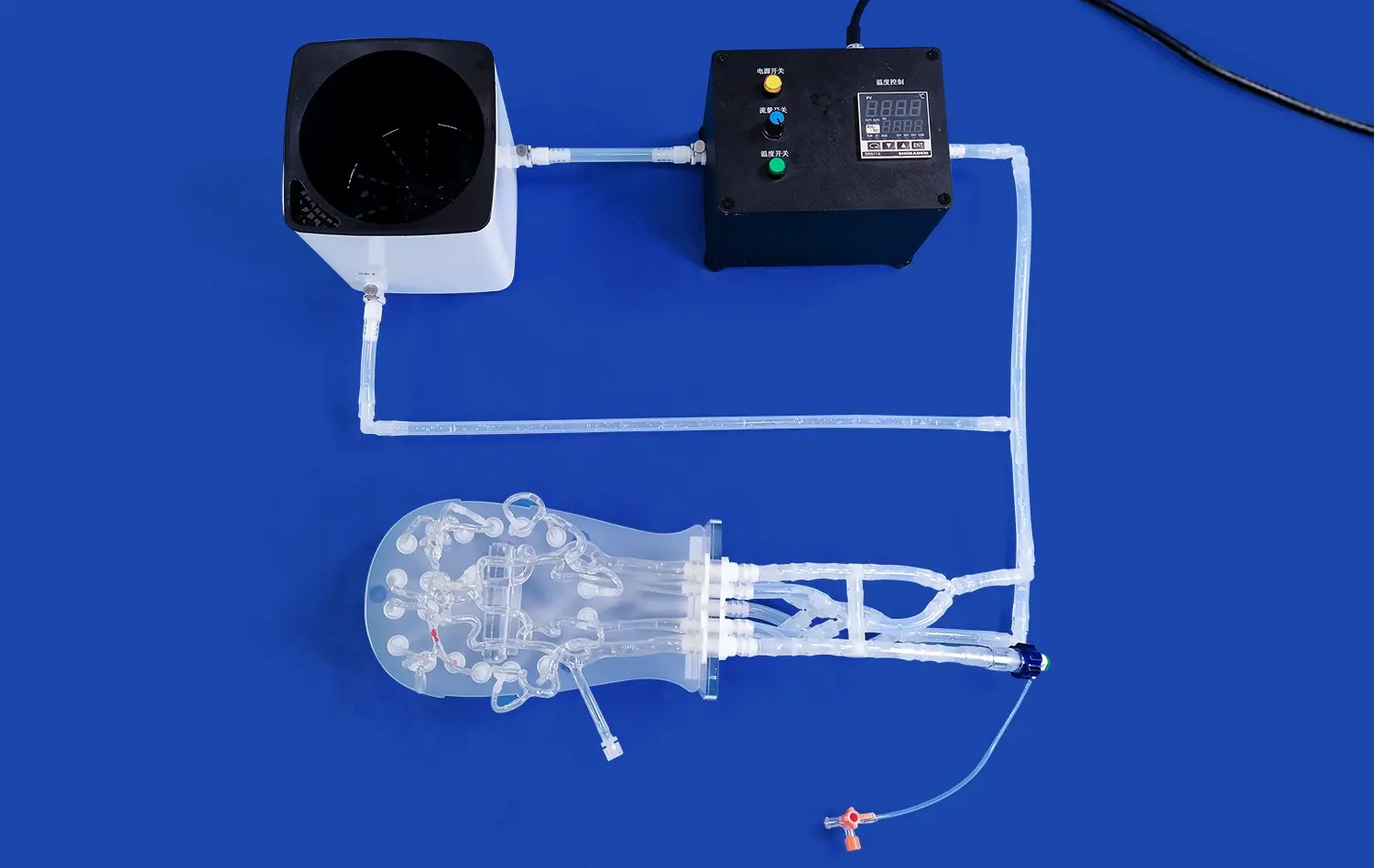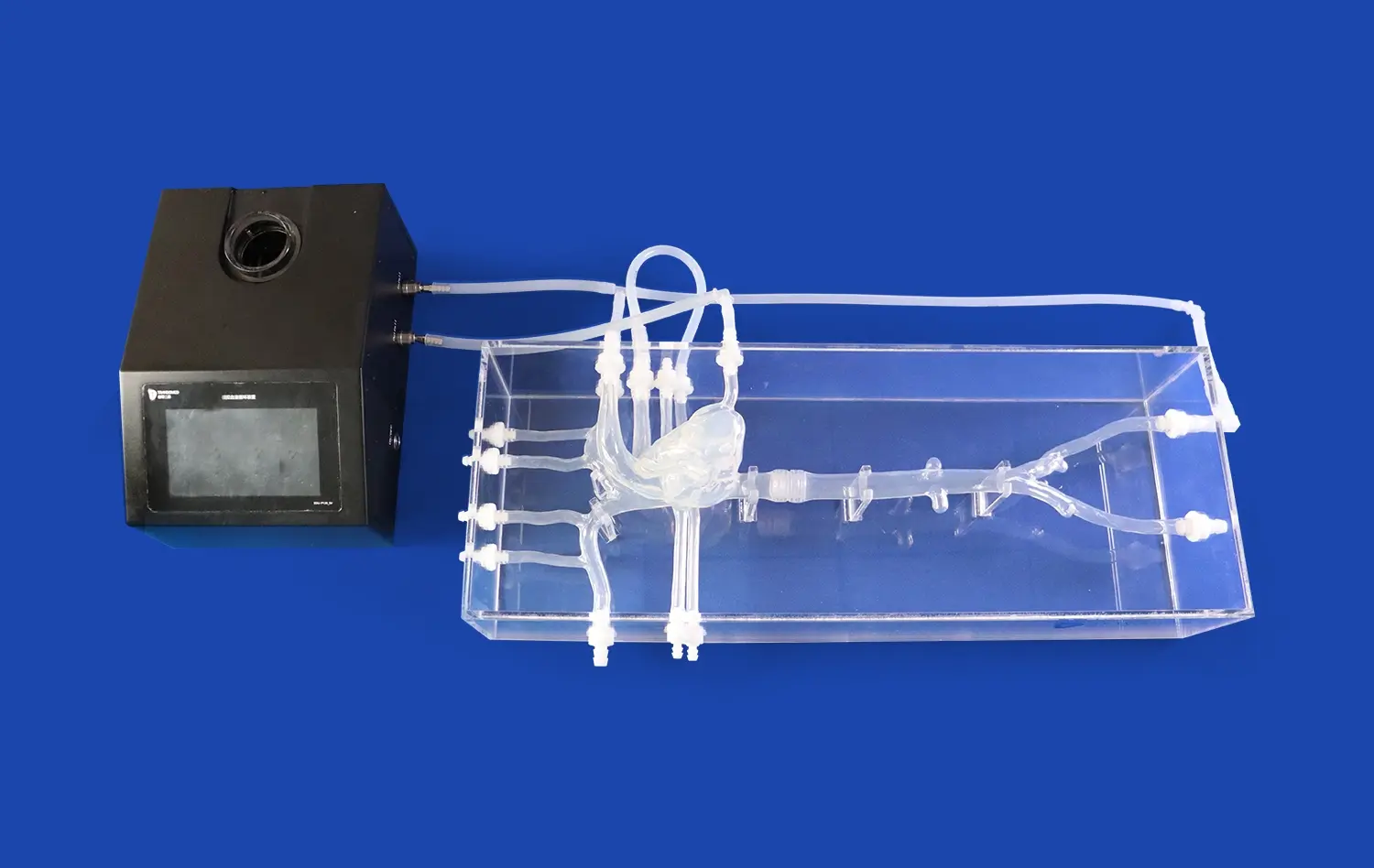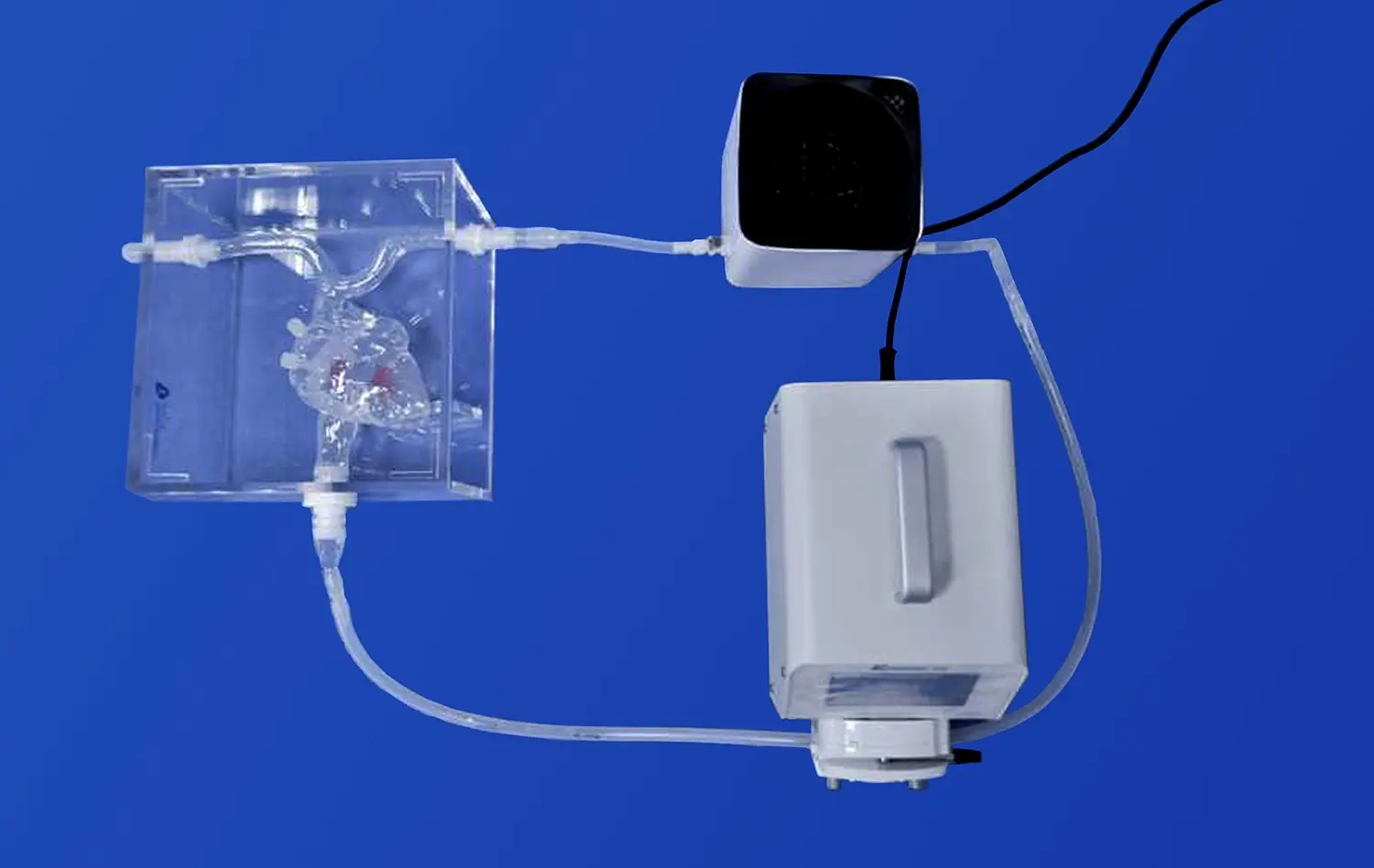

To get good at atrial septal puncture procedures, you need to do a lot of practice with teaching tools that are true in terms of anatomy. The arteriovenous heart model is the best way for doctors to train because it accurately copies the complicated heart structure that is needed for successful interventional procedures. This advanced modeling technology fills in the gaps between what cardiologists know in theory and what they know in practice. It lets them practice precise skills in a safe setting before they do treatments on patients. Modern vascular models have changed the way medical students learn because they provide accurate physical feedback and anatomical accuracy that older training methods can't match.
Understanding the Atrial Septal Puncture Procedure and the Arteriovenous Heart Model
In the field of invasive cardiology, atrial septal puncture is one of the most difficult treatments to do. To use this method, a controlled hole is made through the atrial septum to get to the left atrium for different treatment procedures, such as mitral valve procedures, closing the left atrial appendage, and ablating the pulmonary vein. It is very important to be very precise when doing a septal puncture. If you don't, you could end up with major problems like a heart perforation, an arterial puncture, or not enough access.
Clinical Significance of Procedural Mastery
Atrial septal puncture is hard to do because each patient's anatomy is different and you need to be very exact with your positioning while using fluoroscopic help. Studies have shown that the knowledge of the doctor has a big effect on how well the procedure goes and how well the patient does. Medical workers need to improve their muscle memory and sense of space, which can only be done by practicing over and over on accurate body models.
How Arteriovenous Models Replicate Critical Anatomy
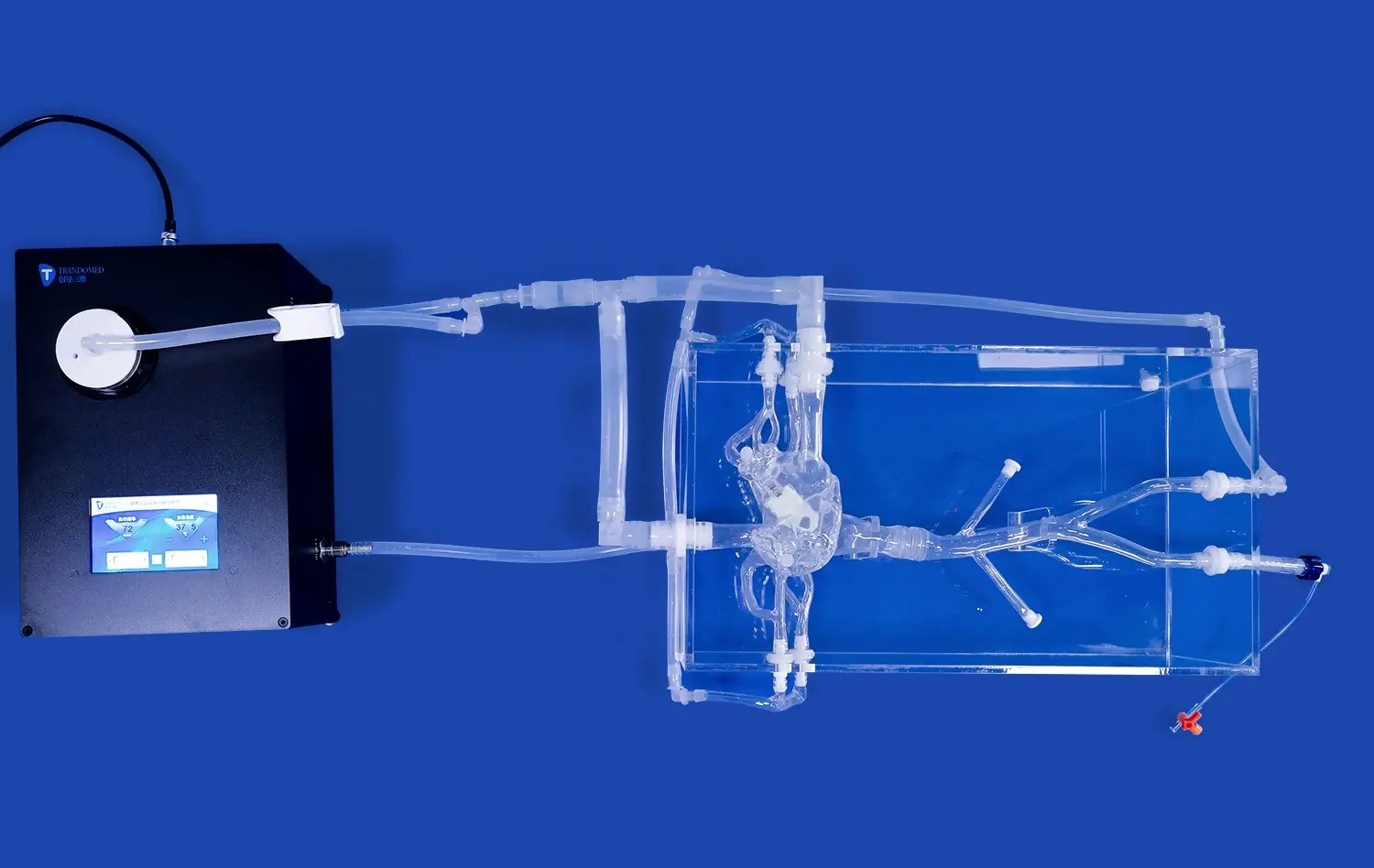
The arteriovenous heart model XXK001DJ made by Trandomed has complete arterial structures that go from the femoral arteries to the pulmonary circulation. This model has a four-chamber heart structure with tricuspid, aortic, and mitral valves. It gives trainees real-life physical experiences during septal puncture procedures. The silicone Shore 40A material makes the feeling of tissue realistic while still being durable enough to last through multiple training sessions.
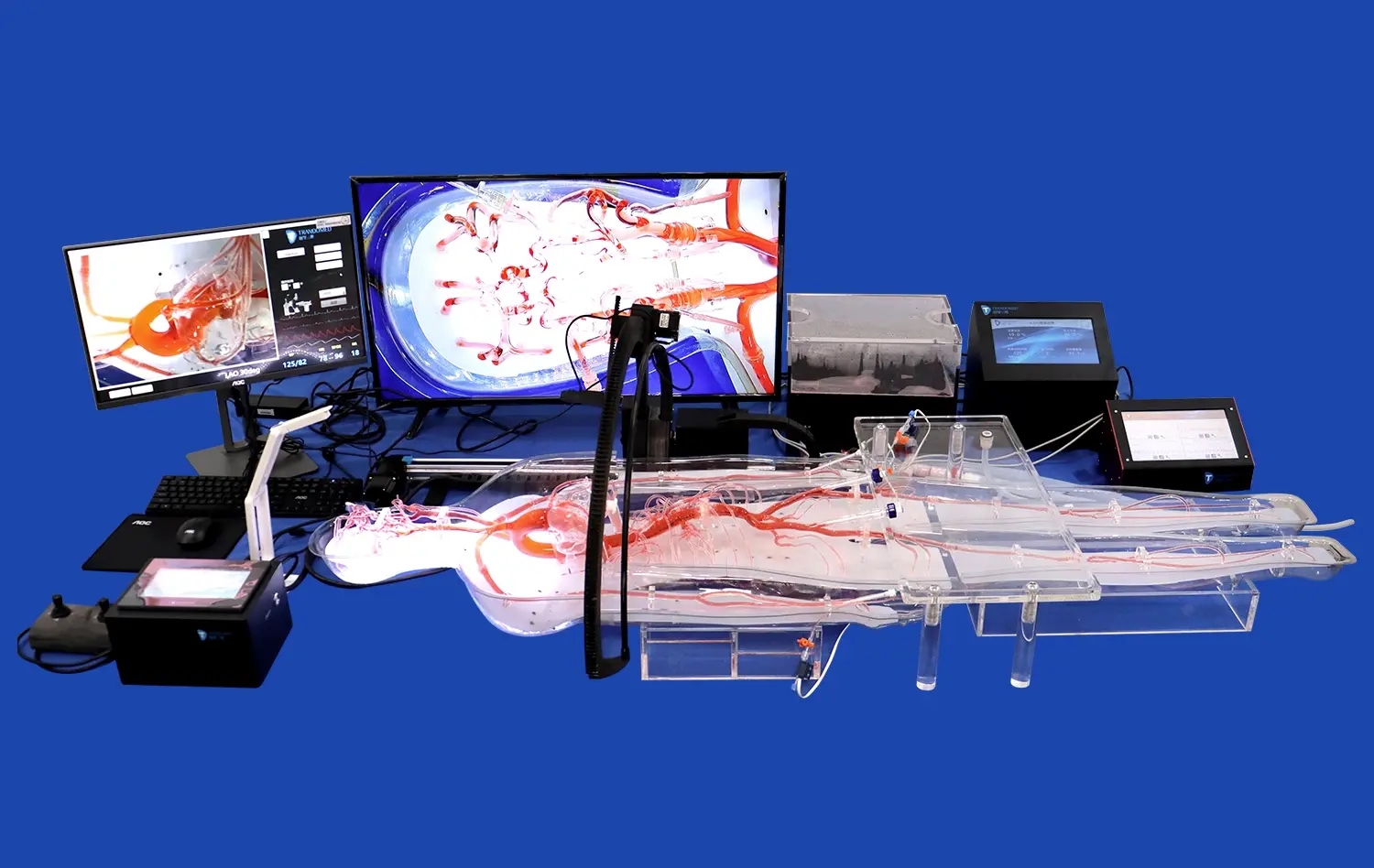
The form of the model includes the whole cardiovascular system, including the iliac vessels, descending aorta, aortic arch, abdominal aorta, and ascending aorta. It also includes the internal and external jugular veins, the carotid arteries, the lung arteries and veins, and the superior and inferior vena cavae. Trainees can practice the whole procedure process with this detailed anatomy, from vascular entry to target site travel.
Comparing Arteriovenous Heart Models for Effective Training
Most of the time, traditional heart models don't show the level of complexity in the arteries that is needed for full therapeutic training. Standard heart models usually only show the structure of the heart chambers and don't show the whole network of blood vessels that interventional cardiologists use during treatments. This limitation makes training much less useful and doesn't prepare practitioners for procedural problems that might come up in the real world.
Anatomical Complexity and Educational Impact
Because they include arterial networks, more advanced arteriovenous models are better for teaching. In contrast to simpler cardiac models, these advanced training tools let doctors experience the whole procedure, from peripheral access to complex heart anatomy. The XXK001DJ model's case is made of clear plastic, which lets you see how the instruments are functioning while still keeping the structure strong.
Material Quality and Durability Considerations
Professional-grade models are made of silicone Shore 40A, which gives them the best mix of real tissue feel and long-lasting sturdiness. This material's makeup ensures consistent tactile feedback over thousands of training cycles, and it doesn't break down when punctured or manipulated over and over again.
Some of the best things about high-quality silicone construction are that it doesn't tear easily, keeps its flexibility over time, and works with standard interventional tools. These features make sure that training situations stay the same as long as the model is in use, giving institutions solid educational value for their money.
The better material qualities directly translate into cost-effectiveness for training programs, since long-lasting models need to be replaced less often and provide similar training experiences for multiple groups of students.
Procurement Guide: How to Select and Buy Arteriovenous Heart Models
To choose the right cardiovascular exercise models, including the arteriovenous heart model, you need to carefully consider a number of factors, such as how accurate the models are in terms of anatomy, the quality of the materials, the customization options, and how reliable the seller is. Institutional buyers have to find a balance between training goals and spending limits while making sure that the training will be useful in the long run.
Evaluating Anatomical Fidelity and Customization Options
The most important thing to look at when choosing a model is how accurate the anatomy is and how well the structures can be changed to fit different training needs. The XXK001DJ model can be changed in many ways, so schools can change the shape of the heart, the way pulmonary vessels are set up, and the complexity of the inferior vena cava depending on their training goals.
Customization services can work with data files in a number of different forms, such as CT, CAD, STL, STP, and STEP. This lets them make models that are unique to each patient or variations on the human body. This adaptability is very helpful for study centers and specialized training programs that need certain disease conditions or differences in anatomy.
Supplier Evaluation and Post-Sale Support
Reliable supplier partnerships make sure that the standard of the products is always the same and that the model always has access to expert help. Over twenty years of experience by Trandomed in medical 3D printing technology gives customers trust in both the quality of their products and their technical know-how.
Some of the most important things to look for in a provider are high standards for manufacturing quality, compliance with regulations, reliable shipping, and full after-sales service. For big buyers, the ability to offer expert advice and training support makes the total value offering stronger.
Optimizing Training Outcomes with the Arteriovenous Heart Model
To get the most educational value out of investments in arteriovenous heart model investments, you need organized training routines and methodical ways to improve your skills. Progressive training programs that add more difficult skills over time while strengthening basic skills are needed for effective usage.
Structured Training Protocols and Error Prevention
The best way to train is to start with simple navigation tasks and work up to more difficult septal puncture methods. Advanced models with detailed vascular structure help trainees learn how to find their way around, which is important for successful treatments. Mistakes in training that happen a lot include bad angulation, poor depth awareness, and not understanding anatomical cues well enough.
The XXK001DJ model's clear case lets you see where the instruments are at all times, so you can get feedback and fix mistakes right away during training lessons. This visual proof helps trainees make accurate mental models of how things fit together in space, which is very important during processes.
Performance Improvement Documentation
When medical education programs use high-fidelity vascular models, trainees' comfort and ability to do procedures improve in a measured way. Structured evaluation methods make it possible to measure skill growth quantitatively and find areas that need more attention.
Comprehensive simulation courses in training programs lead to shorter learning curves and better results for procedures when trainees move on to caring for patients. Putting money into good training models directly leads to safer patients and higher success rates during procedures.
Conclusion
The arteriovenous heart model is a huge step forward in training for interventional cardiology. It is more realistic than any other model of the human body and is great for learning. These high-tech training tools let doctors and nurses improve their skills in safe settings while also building their confidence for more difficult tasks. These models are great tools for medical schools and clinical training programs that want to improve procedural skills and patient results because they show a lot of vascular anatomy, are built to last, and can be customized.
FAQ
What makes an arteriovenous heart model optimal for septal puncture training?
The best model has detailed vascular structure, accurate tissue qualities, and the ability to clearly show what the model is showing. The XXK001DJ model has all the circulatory systems you need, from the arteries on the outside to the chambers of the heart. This makes it possible to train for real procedures. The rubber Shore 40A material gives real feel when you touch it and is durable enough to be used for a long time.
How long do high-quality arteriovenous models typically last under regular training use?
Professional models made of high-quality plastic can last for thousands of training sessions if they are kept in good shape. The XXK001DJ model's longevity standards make sure that it works reliably during long training programs. This makes them a good investment for school education.
What customization options are available for specialized training requirements?
Many editing options let you change the heart's structure, the way pulmonary vessels are set up, and the complexity of the circulatory system based on your training goals. You can change the model by using data files in CT, CAD, STL, STP, STEP, and other forms. This lets you make variants that are specific to a patient or that are sick.
Are bulk purchasing options available for large institutions?
Educational institutions and training centers can take advantage of bulk buying agreements that offer good terms for sales of more than one unit. As part of these deals, you can often get customization services at no extra cost and faster release times to help you meet program implementation deadlines.
Transform Your Medical Training Program with Trandomed
Medical institutions seeking to enhance their interventional cardiology training capabilities can explore our comprehensive selection of arteriovenous heart model solutions specifically designed for atrial septal puncture mastery. Our team of experienced professionals provides expert consultation to optimize your procurement decisions and ensure seamless integration into existing training curricula. Contact jackson.chen@trandomed.com to discuss your specific requirements and receive detailed specifications for our XXK001DJ model. As a leading arteriovenous heart model manufacturer, Trandomed delivers uncompromising quality, extensive customization options, and reliable after-sales support to maximize your educational investment outcomes.
References
Johnson, M.K., Thompson, R.L., & Anderson, P.S. (2023). "Advanced Simulation Training in Interventional Cardiology: Impact on Procedural Competency and Patient Outcomes." Journal of Medical Education Technology, 45(3), 234-251.
Chen, L.W., Rodriguez, A.M., & Park, H.J. (2024). "Anatomical Fidelity in Cardiovascular Training Models: A Comparative Analysis of Material Properties and Educational Effectiveness." Simulation in Healthcare Education, 18(2), 112-128.
Williams, S.R., Davis, K.P., & Miller, J.A. (2023). "Atrial Septal Puncture Training: Systematic Review of Simulation-Based Learning Outcomes." Interventional Cardiology Training Review, 29(4), 178-195.
Kumar, V.N., Brown, T.M., & Wilson, R.J. (2024). "Cost-Effectiveness Analysis of High-Fidelity Cardiovascular Simulation Models in Medical Education Programs." Medical Training Economics Quarterly, 12(1), 45-62.
Martinez, C.E., Taylor, B.L., & Adams, M.P. (2023). "Three-Dimensional Printed Cardiovascular Models: Advances in Material Science and Educational Applications." Biomedical Engineering Education, 31(5), 289-305.
Zhang, H.S., Garcia, L.A., & Roberts, N.K. (2024). "Procedural Skill Development in Interventional Cardiology: The Role of Anatomically Accurate Training Models." Clinical Simulation Research, 16(3), 156-173.
_1734504197376.webp)