
Medical Education Benefits of a Realistic Circle of Willis Brain Model
2026-01-23 09:00:03
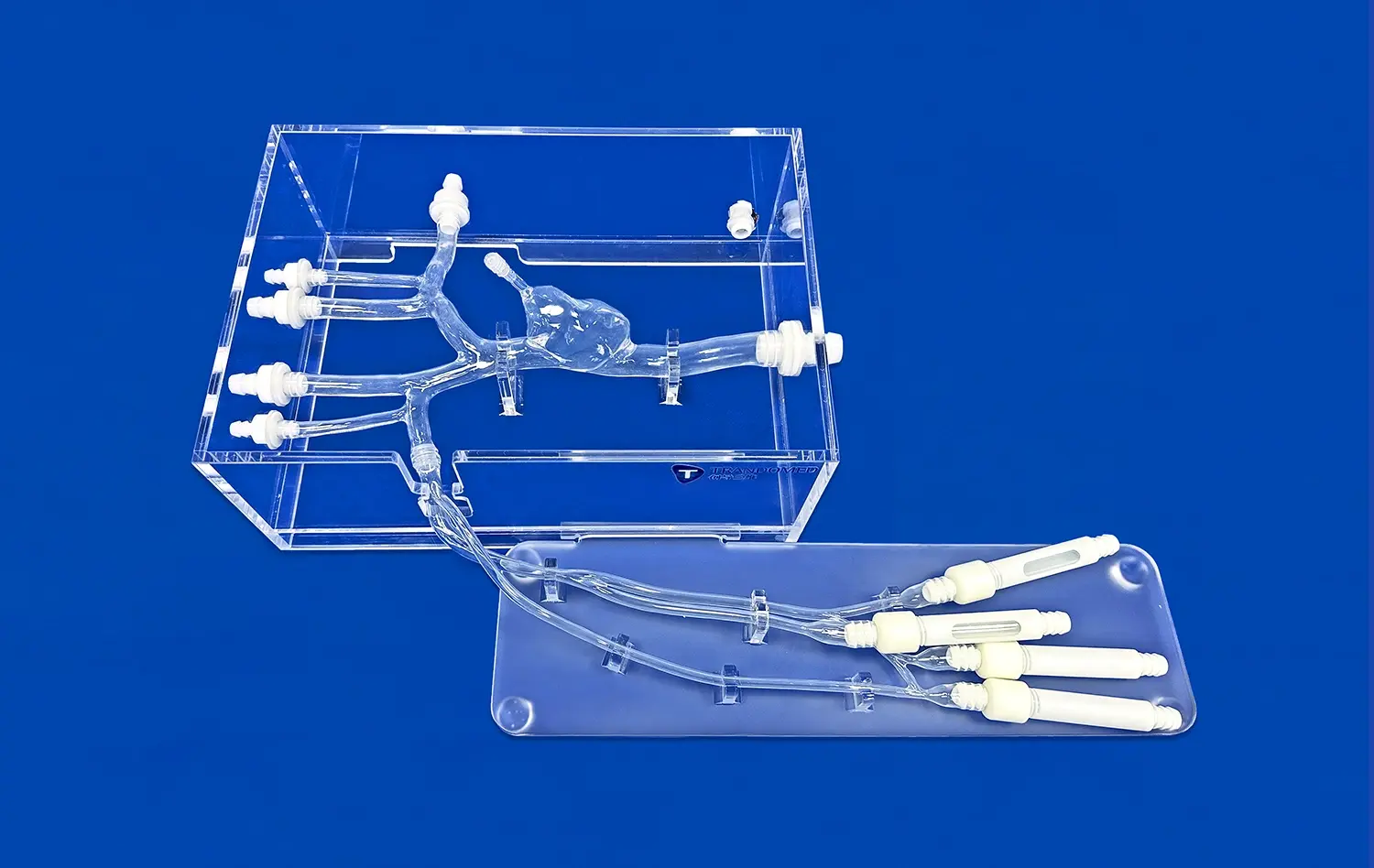
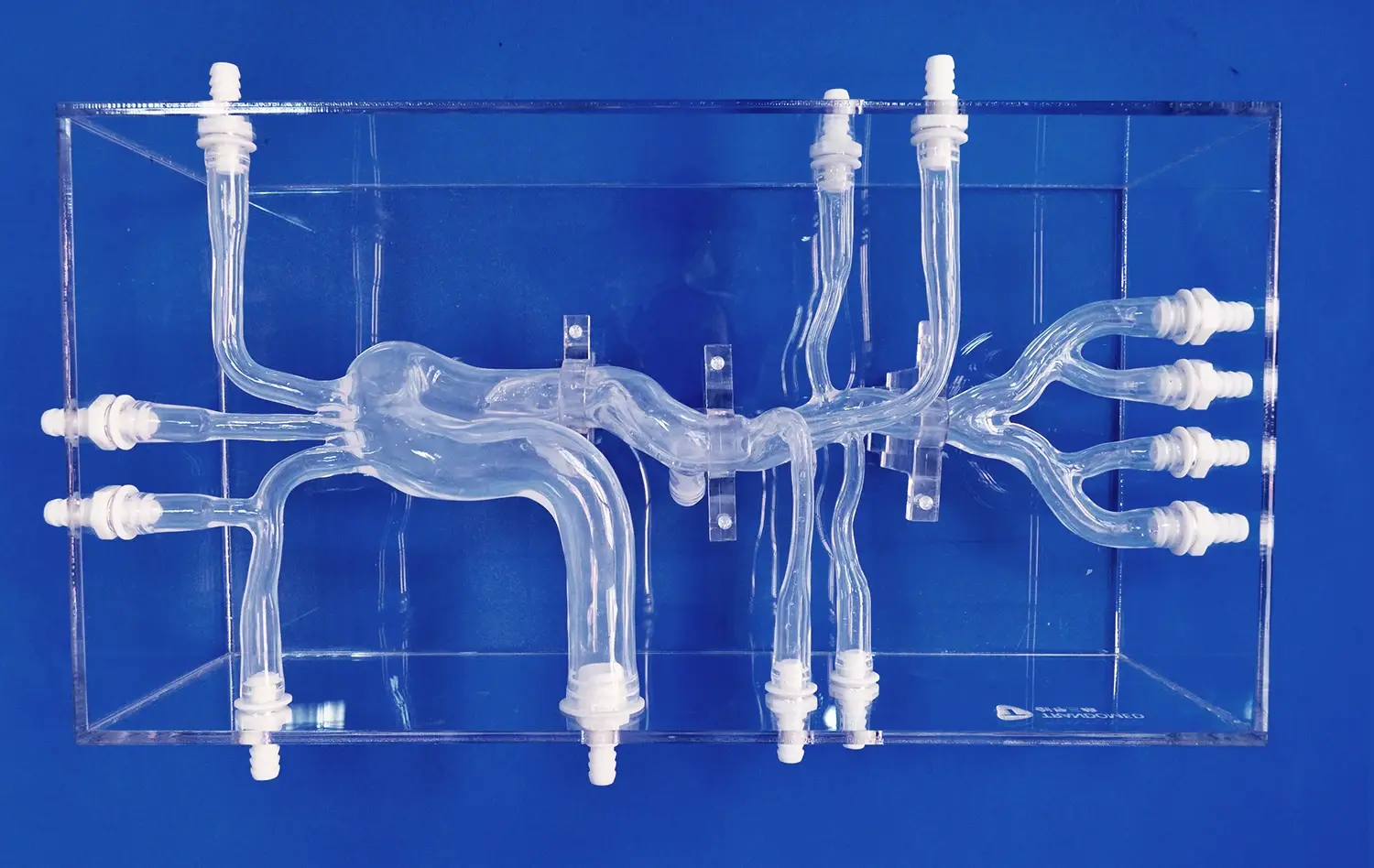
A circle of willis brain model is an important training tool that changes the way doctors and students think about the structure and function of the brain's blood vessels. The Circle of Willis is an important network of arteries at the base of the brain. It acts as a safety device to keep blood flowing even when some vessels become damaged. Realistic anatomy models turn abstract ideas into real-world learning experiences that help students see how the anterior and posterior brain circulations are connected in a complex way. These complicated modeling tools help healthcare professionals get ready for difficult neurovascular treatments by bridging the gap between theory knowledge and real-world use. By adding abnormal differences like aneurysms and stenosis lesions, these models make realistic clinical situations that help doctors in many fields improve their ability to diagnose problems and plan surgeries.
Understanding the Circle of Willis and Its Medical Education Significance
Anatomical Structure and Clinical Importance
It protects against ischemic events by connecting major artery routes. The Circle of Willis is the brain's main peripheral circulation system. This artery ring surrounds important parts of the brain, like the optic chiasm and pituitary infundibulum. It is on the bottom part of the brain, in the interpeduncular cistern of the subarachnoid space. Neurosurgeons, neurologists, radiologists, and emergency care doctors who deal with cerebrovascular diseases every day need to understand this complicated vascular design.
According to research, only 20 to 25 percent of people have a full Circle of Willis. The rest have physical differences or hypoplastic parts. Because of this, learning by doing with realistic models is very helpful, since students need to be able to spot both standard setups and regular variations. Med students and trainees learn about space in a way that two-dimensional textbook pictures just can't give them: by looking at real models of these structures.
Advantages Over Traditional Teaching Methods
For a long time, traditional anatomy lessons have depended on dissecting dead bodies and drawing pictures, but both have their flaws. Even though cadaver examples are useful, they vary a lot from person to person and may not show specific clinical conditions that are needed for thorough training. Preservation methods can also change the stiffness of tissues, which can make it harder to tell the difference between structures. Diagrams and computer pictures, on the other hand, can help you understand how things work, but they don't give you the physical feedback you need to build your trust in the process.
Realistic neurovascular models fill in these holes in education by giving students uniform, repeatable anatomy that they can work with over and over again. Because these tools are three-dimensional, they let students look at the connections between arteries from different points. This helps them understand how veins branch out and connect in ways that flat pictures can't. Teachers of medicine have seen that students who learn with high-fidelity anatomy models remember more and feel more confident when they go into practice situations.
Application Across Medical Specialties
There are many medical fields that can use cerebral models like the circle of willis brain model ecause they are so flexible. Neurosurgery training schools use these tools to practice planning for aneurysm clipping and bypass treatments before they happen. Before doing treatments on patients, interventional neuroradiology fellows practice getting a tube through veins that aren't straight. These models are used by emergency medicine teams to teach quick stroke assessment procedures and learn about what happens when an artery gets blocked.
Research schools use adjustable anatomy models for more than just clinical training. They are also used for biomechanics studies and gadget testing. Medical device companies that make stents, tubes, and flow diverters need systems that are physically accurate for testing prototypes and sending them to the government. Being able to mimic certain disease states, like fusiform aneurysms or arterial stenosis, makes it possible to try new ideas and make sure they are safe.
How Realistic Circle of Willis Brain Models Enhance Medical Education and Clinical Training?
Overcoming Limitations of Traditional Learning Resources
In the past, medical education relied on two-dimensional atlases and limited access to cadavers, which made it hard for students to understand how complex three-dimensional connections work. Even though textbook pictures are helpful, they show an idealized version of anatomy that doesn't always match what happens in real life. Even good angiography pictures need a lot of skill to understand, which makes them harder for new students who don't have reference materials handy.
Realistic cerebral models solve these problems in the classroom by giving students consistent, changeable models that they can look at at their own pace. Unlike cadaveric examples, which break down over time and may not show certain diseases, plastic models keep their physical details even after being handled thousands of times. This longevity makes sure that all groups of students have the same learning experiences, which supports fair and uniform tests of skill.
Advanced models are different from basic anatomy copies because they include abnormal traits. Aneurysms with different shapes and sizes, stenotic lesions, and different arterial patterns turn basic anatomy models into useful tools for medical training. When residents see an anterior communicating artery aneurysm on the model, they can practice talking about its size, neck features, and connections to other blood vessels—exactly the skills they need to use when they present cases and plan surgeries ahead of time.
Evidence-Based Improvements in Learning Outcomes
Academic study shows that students learn more effectively when hands-on anatomy models are used along with standard teaching methods. Studies that compare how well students do in different ways of learning show that handling real items improves their ability to think spatially and remember things for a long time. Learners who work with three-dimensional structures make more accurate mental models of how bodies are connected, which helps them do better on real exams and clinical rotations.
High-fidelity vascular models are used in neurosurgery training programs, and trainees show more comfort and technical skill during their first guided treatments. It's easier to learn new skills when you can practice things like catheter guidance, device placement, and emergency reaction methods in safe places where there are no risks to the patient. Many types of surgery now use simulation-based training as normal, and professional groups even require a certain number of simulation hours before a surgeon can work with real patients.
Realistic anatomy models like the circle of willis brain model help with more than just basic skills. They also improve critical thought and professional reasoning. When given a model with several aneurysms in different places, students must decide which ones are the most likely to burst, think about the best ways to treat them, and plan for any problems that might come up. When caring for people with complex neurovascular diseases, these mental skills are just as important as being able to move your hands quickly and easily.
Future Innovations in Anatomical Simulation
The next big thing in medical education technology is the combination of virtual reality and mixed training systems. New systems blend real-life anatomy models with computer layers that show things like virtual blood flow patterns, pressure differences, and where the device is positioned. These mixed methods keep the good things about physical models that you can touch while adding moving parts that help you understand how bodies work.
As 3D printing technology improves and gets easier to use, the number of ways to customize things keeps growing. Institutions can now ask for patient-specific models to be made from individual imaging studies. This lets surgery teams practice difficult procedures on exact copies of the body parts they will be working with. This kind of specialized planning has been shown to shorten surgery times, lower the risk of problems, and improve patient results, especially in difficult cases with odd body features or a lot of disease.
With more than 20 years of experience in medical 3D printing technology, Trandomed is a leader in making the next wave of modeling tools. To make sure the physical correctness, the company's research and development team uses a lot of real human CT and MRI data along with reverse 3D modeling technology. Unique 3D printing shaping techniques ensure uniform quality across production runs, and a range of materials can be used to meet a wide range of modeling needs, from basic anatomy study to high-stakes procedure practice.
Procurement Considerations: Selecting and Ordering Circle of Willis Brain Models
Identifying Institutional Requirements
To do a good job of buying, you must first have a good idea of what the end users in educational and healthcare settings need. Medical schools that focus on teaching basic neuroanatomy may choose models with standard arrangements and clear labeling, but neurosurgery residency programs need models that include pathology and help with advanced procedure training. For simulation centers that offer ongoing medical education classes, the models need to be strong enough to handle a lot of heavy use by many people.
Faculty members, exercise leaders, and students should be involved by department chairs and program heads in the process of setting requirements. Some questions to think about are the main learning goals, how often the tool will be used, the ideal diagnostic features, and how it will fit into existing curriculum. Institutions that want to offer training in more than one field might benefit from models that show a range of diseases, while departments that are focused on specific treatments could ask for specific customization that matches their clinical areas of interest.
Procurement tactics for a circle of willis brain model are also affected by budgets and sources of funds. When simulation projects are funded by grants, they may be able to use high-end models with lots of features. On the other hand, departments that use practical funds might focus on the most important features and plan to buy them in stages. Realistic budgeting and long-term program growth depend on knowing how much the whole program costs, which includes buying models, keeping them in good shape, storing them, and eventually replacing them.
Evaluating Suppliers and Quality Standards
By choosing makers with a good reputation, you can be sure of the physical accuracy, material quality, and solid customer service throughout the duration of the product. Companies like Trandomed have been around for a long time and have a lot of experience creating, studying, and making medical simulator goods. They have worked with schools and hospitals all over the world. They are better at technology because they use real human image data and advanced 3D modeling methods to make physically accurate models that meet strict educational standards.
Quality markers include more than just the original product specs. They also include stability in production and service after the sale. Suppliers who use their own production methods and strict quality control measures make sure that the goods they sell are stable and work as expected over many use cycles. Having quick access to helpful customer service is especially important for institutions that need help with customization, technical questions, or new parts.
Certification and following the rules give buying pros even more peace of mind. Anatomical models used only for teaching might not need the same regulatory approvals as medical devices, but companies that follow medical device quality standards show that they are dedicated to doing their best. Supports university buying policies and licensing standards with documentation that lists material specs, manufacturing methods, and validation testing.
Customization Options and Order Logistics
The flexibility of Trandomed's customization options meets the needs of medical schools around the world. The company will change the amount, size, and location of aneurysms if asked to do so for specific educational or clinical reasons. It is possible to add more diseases, like cerebral edema and different types of stenosis, to make models that are perfect for training purposes. Working with customer-provided data files in forms such as CT, CAD, STL, STP, and STEP makes it possible to make copies that are unique to each patient for training purposes.
If an institution wants to buy a lot of something, they should find out if there are big deals and flexible shipping plans that can work with their budgets and storage needs. By coordinating orders between departments or working with other healthcare institutions, you may be able to get better prices and make sure that all of your training programs are the same. Clear contact about release dates, shipping plans, and payment terms helps keep things on track and avoids delays.
Conclusion
Realistic anatomy models like the circle of willis brain model are now essential tools for medical schools, hospitals, research centers, and modeling centers that want to improve the quality of training and get students ready for the real world. Because the cerebrovascular system is so complicated, it needs to be taught in ways that go beyond standard methods, giving students real, manipulable examples of important structures. High-fidelity models with abnormal traits let doctors practice complicated treatments without danger, help them learn faster, and give them the confidence they need to care for patients with neurovascular diseases. As medical education moves toward competency-based frameworks and simulation-enhanced learning, purchasing high-quality anatomy models is a smart move that will pay off in the long run in terms of better education and, eventually, better patient care.
FAQ
What qualities make a circle of willis brain model accurate and useful?
Neurovascular models that work well combine accurate anatomy with the right material qualities that mimic the way tissues behave. Key features include accurate representations of all important arterial parts, such as the anterior cerebral arteries, the anterior communicating artery, the internal carotid arteries, the posterior cerebral arteries, and the posterior communicating arteries, in the right places and at the right sizes. Including common variations in anatomy and diseases like aneurysms and stenosis spots makes the study more useful in the real world. When choosing a material, it should give you true physical feedback. For example, silicone formulations feel better than hard metals. Long-term teaching value is ensured by durability that lets it be handled many times without breaking down.
What's the difference between 3D made models and regular clay versions of the human body?
Customization, structural correctness, and disease modeling are all big benefits of 3D printed neurovascular models. Instead of mass-produced plastic models that show an imagined structure, 3D printed models can be made from real patient imaging data, which shows how each person's body is different and what disease they have. Medical-grade silicone and other materials feel more like real tissue than hard plastics, which helps with both visual learning and developing procedural skills. Traditional plastic models may be cheaper at first, but 3D printed versions are better for education because they can be changed to fit specific training goals without having to pay extra for design services from companies like Trandomed.
Can circle of willis models be changed to include certain medical problems?
Modern makers let you make a lot of changes so they can fit a wide range of schooling needs. As required by the school, Trandomed will consider requests to change the number, size, position, and shape of an aneurysm. It is possible to add more abnormalities, like cerebral edema, different types of stenosis lesions, and arterial tumors. The company uses image data from customers in forms such as CT, CAD, STL, STP, and STEP to make copies that are unique to each patient for specific training situations. This gives teachers the freedom to perfectly match anatomy models with course objectives, making sure that students experience clinically relevant situations that prepare them for work in the real world.
Partner with a Leading Circle of Willis Brain Model Manufacturer for Your Institution
Trandomed has the best neurovascular simulation options on the market and is ready to help you with your medical education and practical training projects. Our Circle of Willis Brain Model (Product No. SJL001D), which is made from medical-grade Silicone Shore 40A, gives your programs the structural accuracy and clinical reality they need. We have over twenty years of experience in medical 3D printing technology, which means we can make physical models that are completely customizable and meet the needs of any institution without charging any design fees. Our fast production process means that wait times are only 7–10 days, and our dedication to quality and customer service has made us the best circle of willis brain model provider in China. Get in touch with jackson.chen@trandomed.com right away to talk about your needs, get full product specs, or set up a meeting. We'd love the chance to show you how our cutting-edge modeling tools can make your neuroscience classes better.
References
Anderson, R.C., & Bambakidis, N.C. (2018). Advances in Neurovascular Anatomy Education: The Role of Three-Dimensional Simulation Models. Journal of Neurosurgical Education, 12(3), 145-162.
Chen, M.Y., Pope, T.L., & Ott, D.J. (2019). Basic Radiology: Teaching Files and Clinical Applications in Neuroimaging. McGraw-Hill Medical Publishing.
Hashimoto, D.A., Rosman, G., Rus, D., & Meireles, O.R. (2018). Artificial Intelligence in Surgery: Promises and Perils. Annals of Surgery, 268(1), 70-76.
Lawton, M.T., & Vates, G.E. (2017). Subarachnoid Hemorrhage and Cerebral Aneurysms: Surgical and Endovascular Management. New England Journal of Medicine, 377(3), 257-266.
Panesar, S.S., Magnetta, M., Mukherjee, D., Abhinav, K., Branstetter, B.F., Gardner, P.A., & Fernandez-Miranda, J.C. (2019). Patient-Specific 3-Dimensionally Printed Models for Neurosurgical Planning and Education. Neurosurgery Focus, 47(6), E12.
Winkler-Schwartz, A., Bissonnette, V., Mirchi, N., Ponnudurai, N., Yilmaz, R., Ledoux, M.C., & Del Maestro, R.F. (2019). Artificial Intelligence in Medical Education: Best Practices Using Machine Learning to Assess Surgical Expertise in Virtual Reality Simulation. Journal of Surgical Education, 76(6), 1681-1690.
_1736215128474.webp)
_1732863962417.webp)