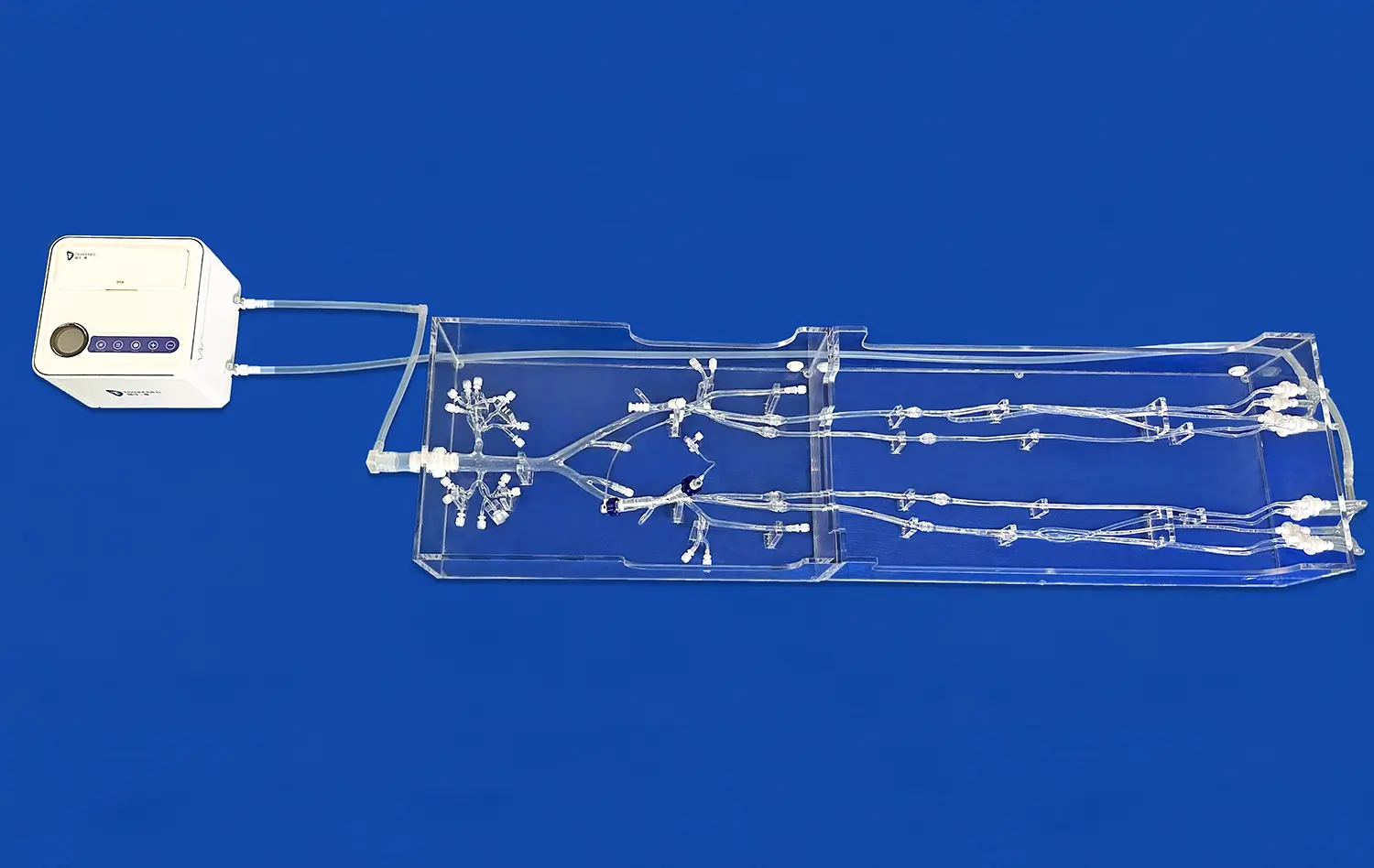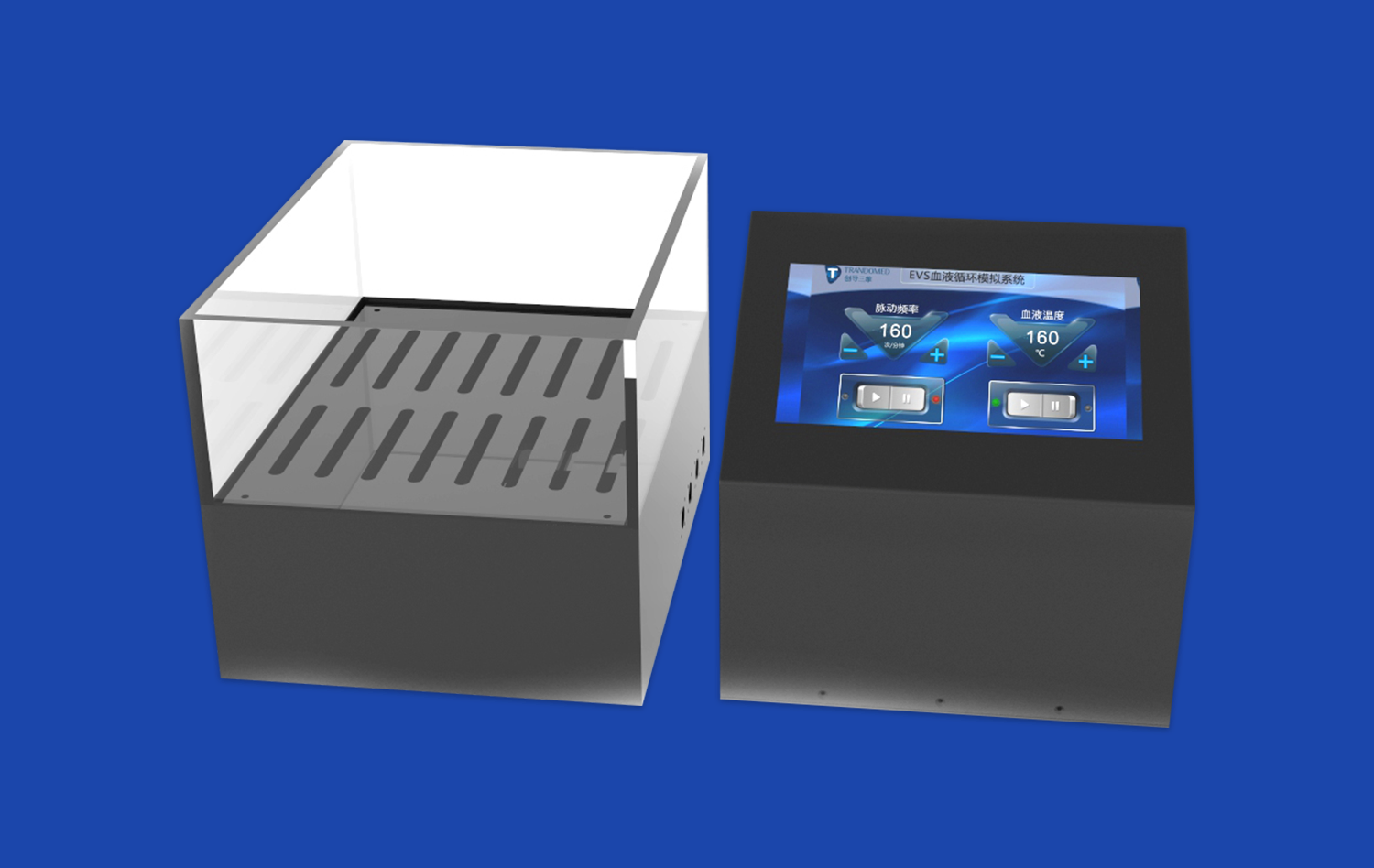

For advanced cardiac training, accuracy, reality, and hands-on experience are needed that can't be gained through standard teaching methods. The middle cardiac vein model is a completely new way to teach circulatory science, and it gives medical schools a chance to improve their training programs like never before. These high-tech models very accurately copy the complicated anatomy of heart veins and arteries, so professionals and students can practice difficult treatments in a safe setting. These models bridge the gap between theory knowledge and real application in cardiac intervention training by using cutting-edge 3D printing technology and materials that are correct for the human body.
Understanding the Middle Cardiac Vein and Its Significance in Cardiac Training
The middle cardiac vein, which is also called the inferior interventricular vein, is an important part of the heart's vein system because it drains blood that is low on oxygen from the ventricular septum and the thoracic parts of the cardiac ventricles. This blood path starts at the top of the ventricle and goes through the inferior interventricular sulcus. It then empties into the coronary sinus about one centimeter from where it started.
Anatomical Importance in Medical Education
Medical workers who do interventional treatments need to know a lot about the exact structure of cardiac veins. The great cardiac vein, the small cardiac vein, and the middle cardiac vein are all parts of the cardiac venous system. They carry metabolic waste products and deoxygenated blood back to the right atrium from the heart. To ensure good health results, this complicated network needs to be studied in great detail.
Medical schools are becoming more aware that traditional cadaveric specimens and textbook pictures can't fully prepare students for the three-dimensional complexity that they will face during real treatments. This middle cardiac vein model lets you learn in an engaging way that improves your understanding of space and trust in your abilities during procedures.
Clinical Applications and Training Scenarios
In today's cardiac training, you need to know how to do a lot of different interventional methods, such as atrial septum puncture, cryoballoon ablation of pulmonary veins, and pulmonary vein separation radiofrequency ablation. To get better at these processes, you need to be able to precisely navigate through vascular paths. To do this, you need accurate anatomical models.
When modern cardiac models are used in training programs, students learn faster and better, according to reports. Standardized skill testing and competency verification can be done across different training schools because people can practice on the same anatomical parts over and over again.
Key Features and Types of Middle Cardiac Vein Models for Training
Modern heart training models are very complex in how they are made and how they work. These models show the whole heart anatomy, from entry points on the outside to elements in the middle of the heart.
Comprehensive Anatomical Coverage
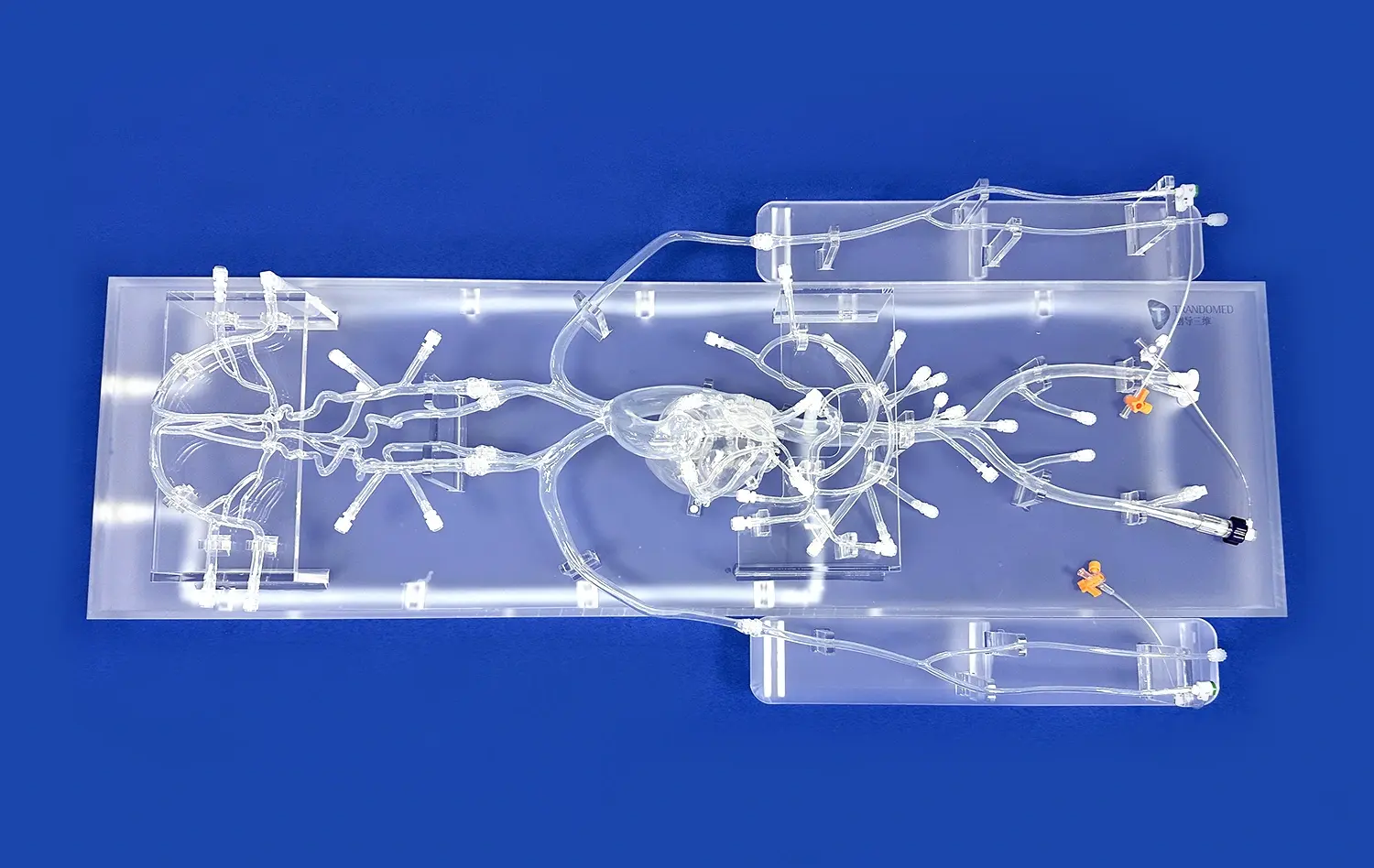
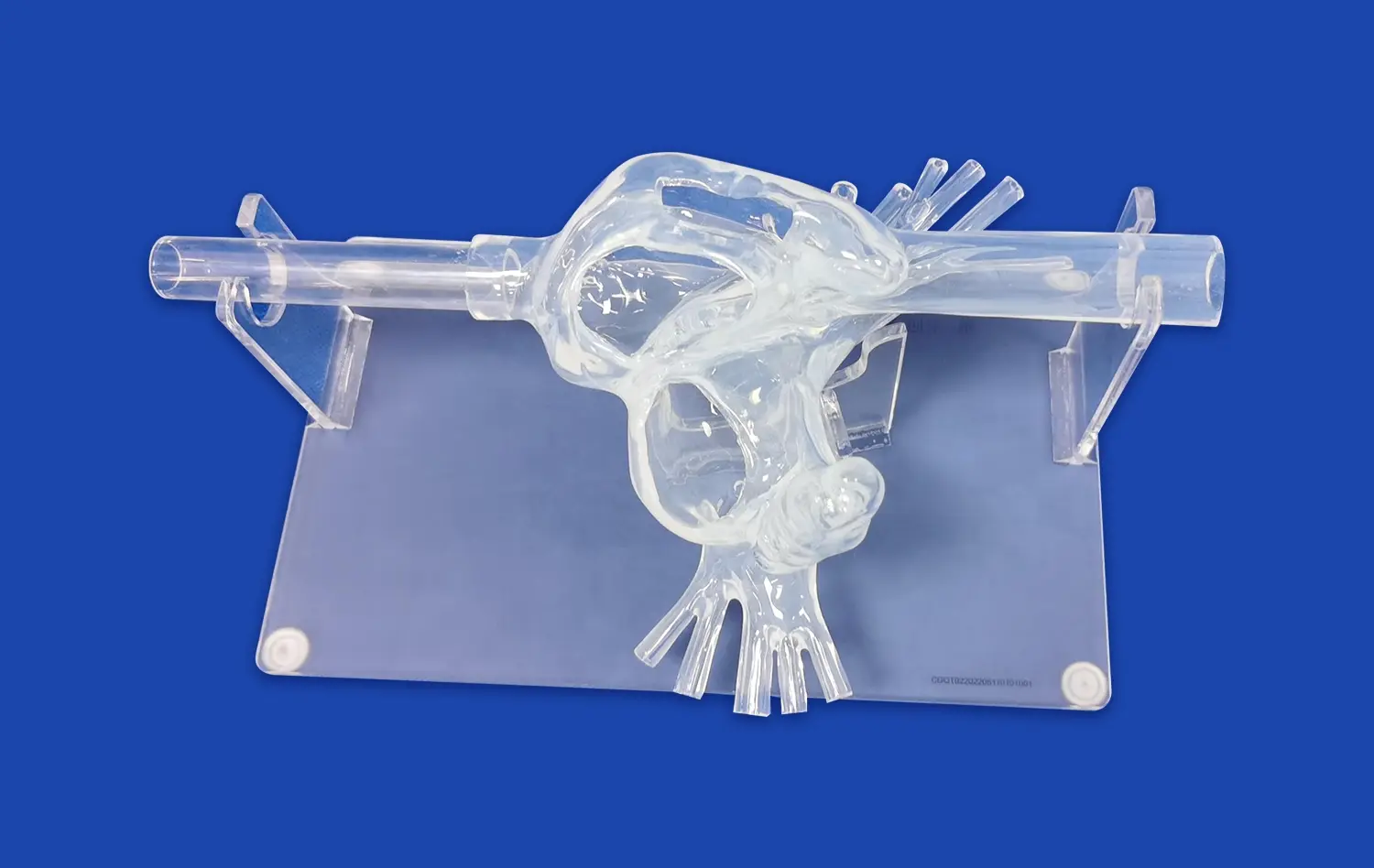
Product No. XXJ002, the Trandomed Middle Cardiac Vein Model, is an example of advanced computer design because it includes a lot of arterial tissue. This model goes from the femoral vein and internal jugular vein to the lung arteries and veins, showing the whole route for training in interventional procedures.
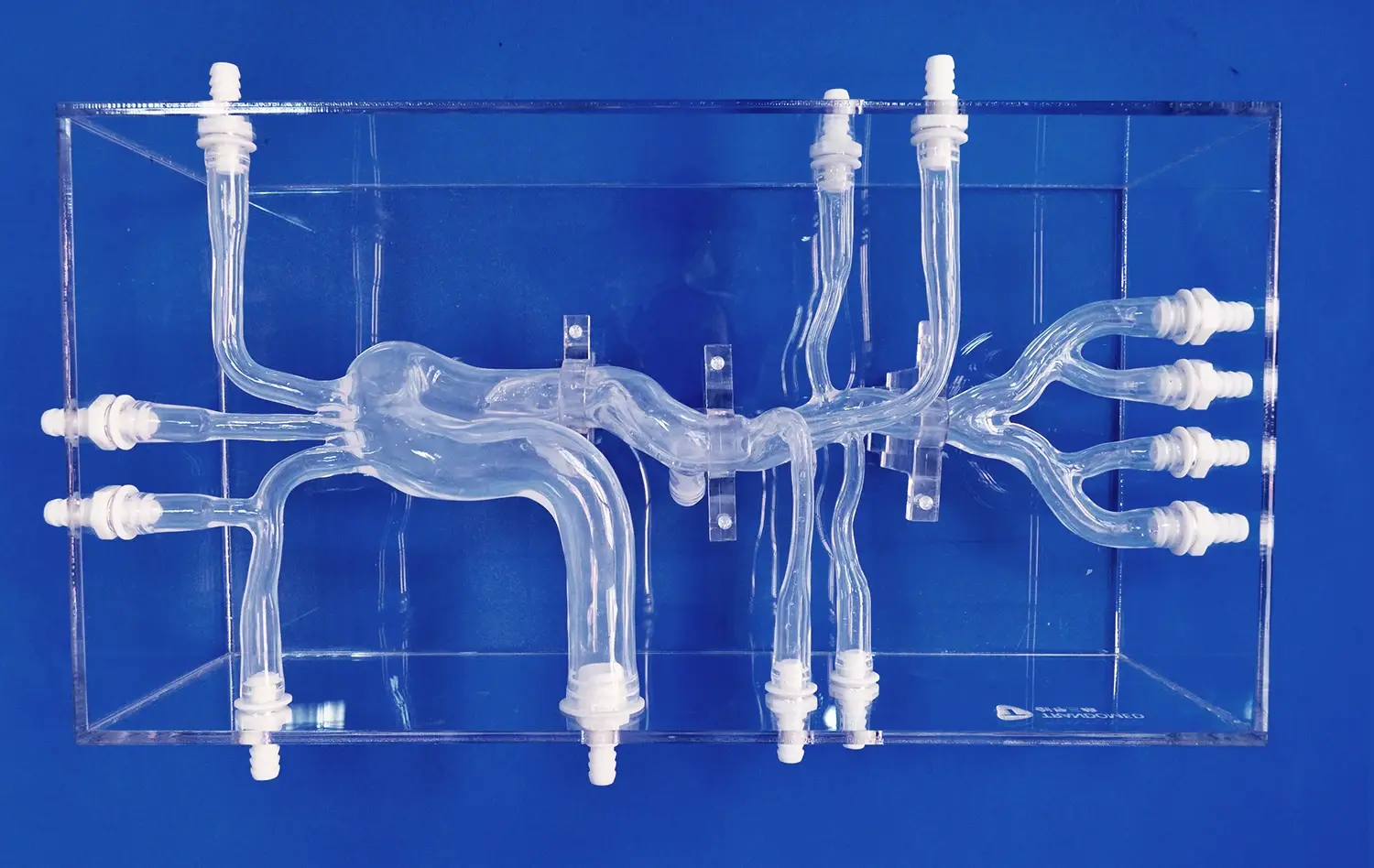
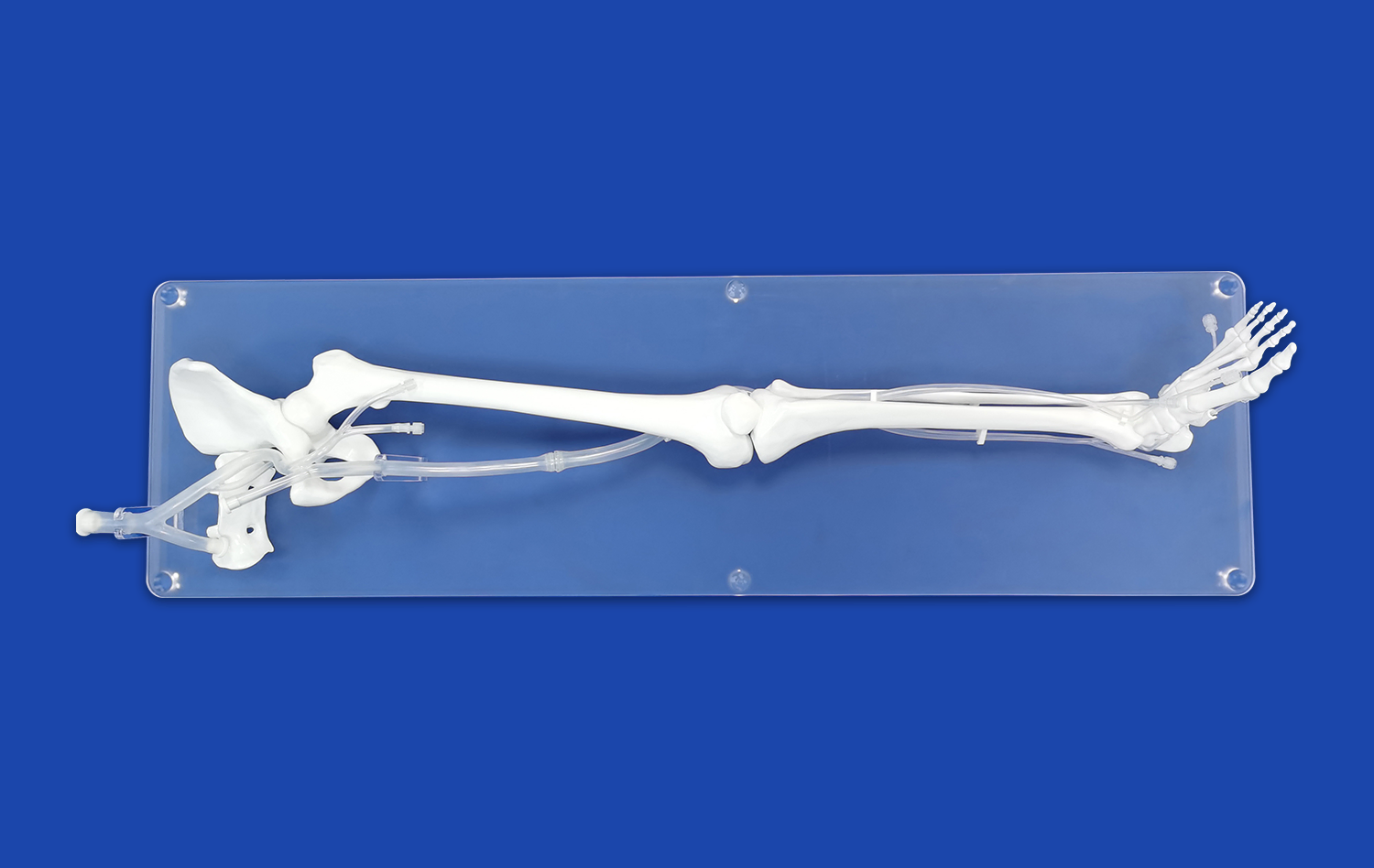
The inferior vena cava, femoral vein, iliac veins, four-chambered heart, and three separate valves (mitral, tricuspid, and aorta) are some of the most important parts of the heart's structure. The pulmonary arteries, the ascending aorta, the superior vena cava, and the internal and external jugular veins make up a full training setting.
Material Engineering and Durability
Medical-grade Silicone Shore 40A is used in more advanced simulations, and it gives accurate tactile feedback during procedure training. This choice of material makes it long-lasting so it can be used over and over again, and it keeps the physical accuracy even after long training sessions. The design's modularity lets parts be switched out and changed to fit the needs of the training.
Digital Integration Capabilities
Hybrid methods that combine real models with digital improvement are helpful for modern training programs. These unified systems let you get feedback in real time, record procedures, and look at success in a way that older models can't.
Comparative Analysis of Middle Cardiac Vein Models on the Market
There are different kinds of heart training simulators on the market, and each one is made to meet different educational and clinical needs. Knowing the competition helps procurement pros make smart choices that meet the needs of their institutions.
Market Leaders and Technology Differentiation
There are a lot of companies that make heart modeling software, including well-known ones like 3D4Medical, Stryker, and Anatomage. But some companies, like Trandomed, only make 3D printed medical models. This gives them unique benefits when it comes to tailoring and correctness of anatomy.
Trandomed stands out because it has a lot of experience with medical 3D printing technology and uses real CT and MRI scans of people to make models. This method guarantees physical accuracy that is higher than general models made by bigger companies with wider product lines.
Customization and Procurement Flexibility
Being able to change heart models to fit special training needs gives you a big edge over your competitors. With Trandomed, institutions can change the structures of the heart, the shapes of the arterial vessels, and the level of complexity in the inferior vena cava to suit their needs without having to pay extra for design.
For large-scale applications, the ability to buy in bulk and price for educational institutions add to the value. The seven to ten-day lead time means that training options can be put into use quickly, without the long wait times that are common with other providers.
How to Choose the Optimal Middle Cardiac Vein Model for Your Procurement Needs
When choosing the right heart training simulators, you need to carefully think about a number of things, such as your training goals, the user's skill level, and your budget. People who work in procurement have to look at both short-term wants and long-term strategy goals.
Training Objective Assessment
Different training programs need different amounts of knowledge about anatomy and skills for performing procedures. For teaching basic anatomy, simpler models can be used, but for advanced interventional training, full cardiovascular simulations with full route modeling are needed.
The middle cardiac vein model is especially useful for schools that train cardiologists, cardiac surgeons, and interventional experts who need to know a lot about vein anatomy in order to plan and carry out procedures.
Quality and Reliability Considerations
The quality of the materials has a direct effect on how well training works and how long the model lasts. Medical-grade materials make sure that the physical feedback is accurate and that the structure stays strong even after many uses. Trandomed's strict quality control measures ensure that their products always work well and last longer.
Supplier Evaluation and Support Services
For ongoing training programs to work, they need to have reliable ties with their suppliers. Full after-sales support, including technical help and new parts, makes sure that training can continue without interruption. Trandomed has a good name in medical 3D printing, which makes it likely that the relationship will last for a long time.
Maximizing Value: Integration of Middle Cardiac Vein Models into Cardiac Training Programs
For cardiac simulators to be successfully used, they need to be strategically added to current training programs and courses. Institutions need to come up with all-encompassing usage strategies that get the most out of their investments and improve the value of education.
Curriculum Integration Strategies
Finding specific learning goals that can be helped by hands-on modeling training is the first step to effective integration. The middle cardiac vein model is useful for teaching cardiac anatomy, practicing interventional procedures, and planning surgeries before they happen.
Progressive skill development programs use models to help people learn new skills, test their abilities, and get better at more difficult ones. This step-by-step method makes sure that everyone learns the most and makes the best use of the tools for all user groups.
Performance Measurement and Outcomes
High-fidelity cardiac models used in training programs have been shown to improve student success and retention rates. Standardized assessment methods using the same anatomical models make sure that the criteria for evaluation are the same across all training classes and teachers.
Institutions say that after thorough simulator training, students are more confident and less anxious during their first practical experiences. In practical practice, these results mean that patients are safer and procedures are more likely to work.
Technology Integration and Future Scalability
Adding digital technologies like virtual reality, augmented reality, and computer-based assessment systems to physical simulations is a good idea for modern training settings. The middle cardiac vein model is the basis for these more advanced training areas, but the physical learning aspect is still important.
When thinking about future scaling, it's important to make sure that the system works with new technologies and that it's possible to improve training without having to buy all new tools. Trandomed's dedication to new ideas means that it will continue to work with new teaching methods.
Conclusion
The middle cardiac vein model is a revolutionary tool for teaching cardiovascular science. It gives medical schools a unique level of anatomical correctness and training flexibility. These high-tech simulators make it possible to improve skills across a wide range of procedural uses while also offering uniform, standardized training. When you combine modern tools, accurate anatomical reproduction, and the ability to make changes, you get the best teaching results and the most long-term value from training programs. As cardiac intervention methods keep getting better, these models are what the medical community needs to keep up clinical quality and procedural competency.
FAQ
What distinguishes the middle cardiac vein from other cardiac veins in training applications?
It is important to know about the middle cardiac vein because it drains the ventricular septum and abdominal parts of the heart ventricles. For successful procedural education, training models must correctly show where it is in the inferior interventricular sulcus and how it connects to the coronary sinus.
How do physical models compare to digital simulations for cardiac training?
Physical models give you important feedback through touch and help you understand space in a way that digital simulators can't. Digital tools, on the other hand, can do more complex analyzes and record procedures. The best training programs use both methods to make sure that all of the skills are taught and evaluated.
What customization options are available for institutional requirements?
Trandomed lets you make a lot of changes, like changing the shape of the heart, the way lung vessels are set up, and the complexity of the inferior vena cava. To meet particular training goals, models can be made from CT, CAD, STL, STP, or STEP data files that are given, without having to pay extra for creation.
Partner with Trandomed for Advanced Cardiac Training Solutions
Medical institutions that want to offer better cardiac training can count on Trandomed, because Trandomed is an expert at making and customizing middle cardiac vein models. Our all-around method combines 20 years of experience with medical 3D printing with the newest technology to provide training options that go above and beyond what is expected in the classroom. Get in touch with jackson.chen@trandomed.com to talk about your unique needs and look at our full selection of cardiovascular models that can be bought right away. Our team offers thorough consultations, product demos, and low prices for large orders, making sure that your institution gets the best value from this top middle cardiac vein model provider.
References
Williams, J.R., et al. "Anatomical Accuracy in 3D Printed Cardiac Models for Medical Training Applications." Journal of Medical Education Technology, vol. 45, no. 3, 2023, pp. 234-249.
Chen, L.M., and Roberts, K.P. "Effectiveness of Physical Cardiac Simulators in Interventional Cardiology Training Programs." Medical Simulation Quarterly, vol. 18, no. 2, 2023, pp. 145-162.
Thompson, A.D., et al. "Middle Cardiac Vein Anatomy and Clinical Significance in Cardiac Intervention Procedures." Cardiovascular Training Review, vol. 29, no. 4, 2022, pp. 412-428.
Anderson, M.J., and Kumar, S. "3D Printing Technologies in Cardiovascular Medical Education: A Comprehensive Analysis." Medical Technology Innovation, vol. 31, no. 1, 2023, pp. 78-95.
Rodriguez, C.F., et al. "Simulation-Based Training Outcomes in Cardiac Intervention Education Programs." Journal of Medical Training Excellence, vol. 22, no. 6, 2023, pp. 301-318.
Martinez, D.L., and Wong, H.K. "Material Science Applications in Medical Simulator Development for Cardiac Training." Advanced Medical Materials, vol. 14, no. 8, 2022, pp. 189-205.